Our verdict
割烹 西むら occupies a specific position in Yokkaichi's dining scene: a traditional kappo format in a city better known for industrial heritage than refined Japanese cuisine. The address in Nishishinchi places it within reach of the city centre, and the kappo tradition it represents connects Yokkaichi to a broader Kansai culinary lineage that runs through Kyoto and Osaka.

Pearl is the En Primeur Club membership app — saves, bookings, and concierge access live there. Same editors, same standards.
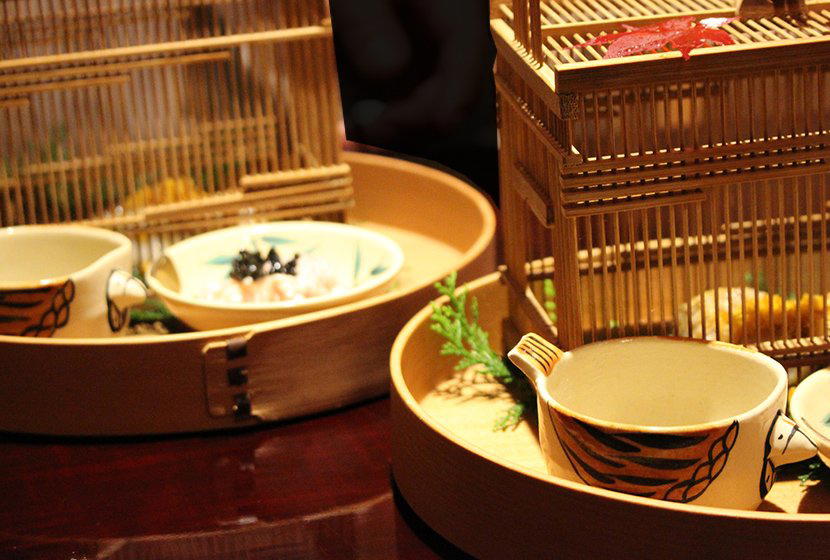
The menu
What to order
- Ise lobster sashimi
- Crab dishes
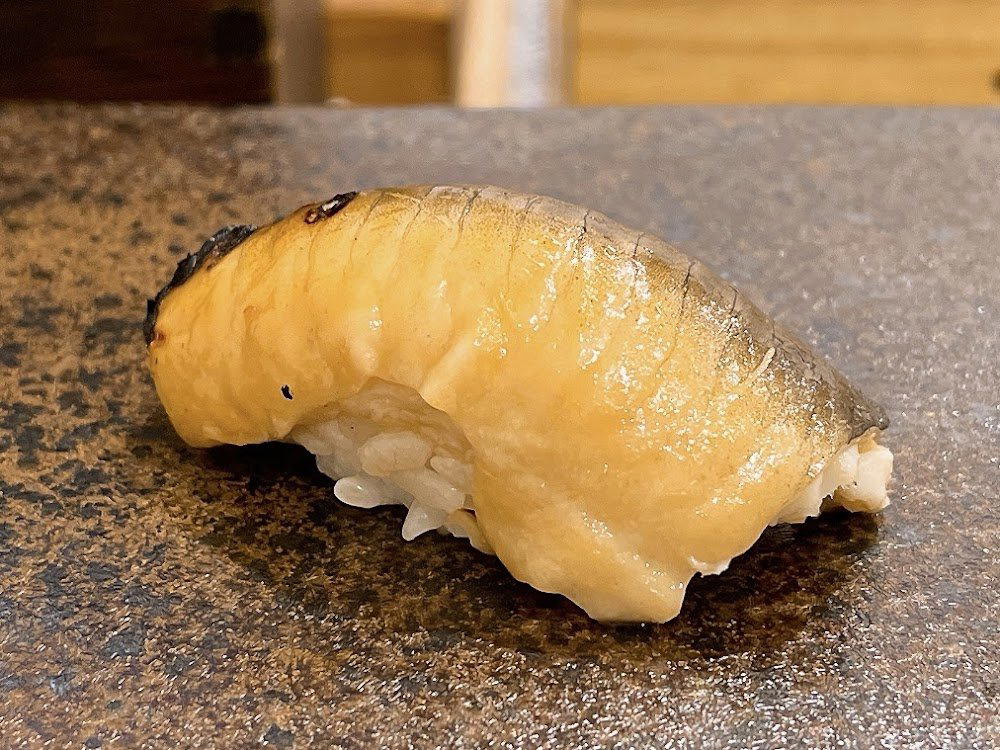
- Seasonal fish sashimi
- Matsusaka beef
Kappo in a City That Doesn't Announce Itself
Mie Prefecture sits at a point where several Japanese culinary traditions converge. The prefecture supplies Matsusaka beef to restaurants across the country, its coastline feeds some of the most serious fish markets in the Tokai region, and Ise's shrine culture has shaped a particular aesthetic of restraint in local food. Yokkaichi, the prefecture's largest city, has historically been defined by its petrochemical port rather than its restaurants. That gap between raw ingredient quality and public culinary reputation is exactly where a venue like 割烹 西むら becomes interesting.
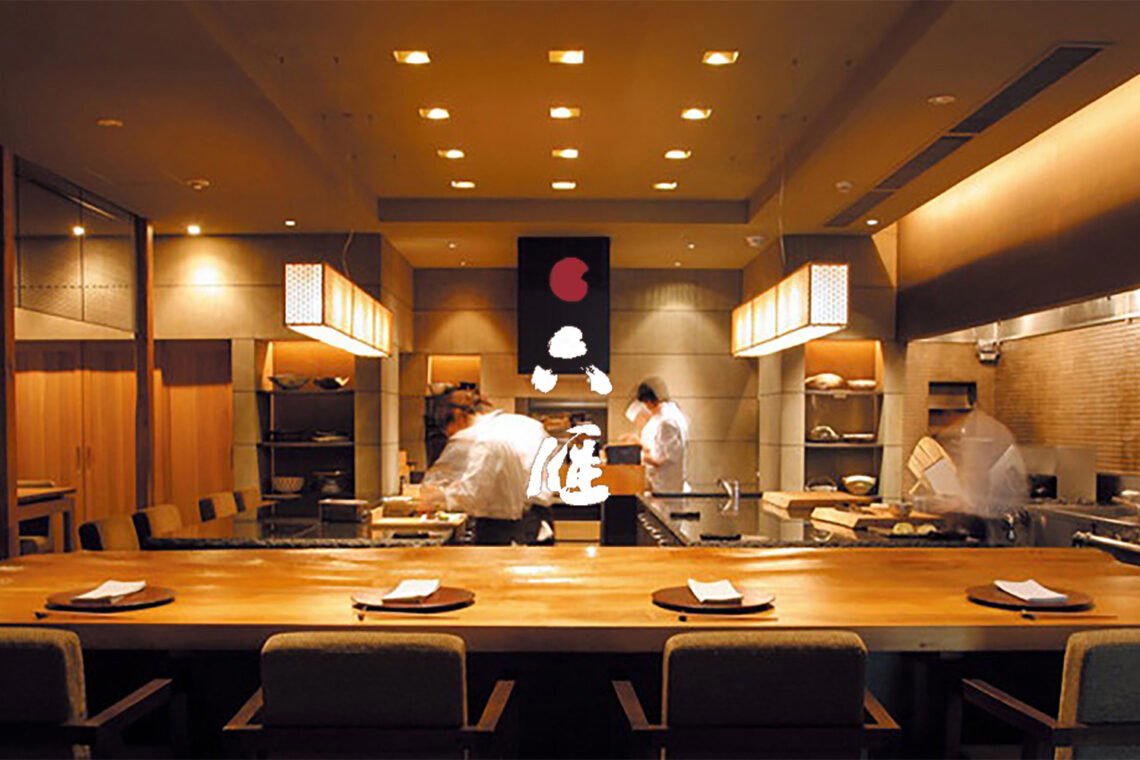
The kappo format itself is worth understanding before arriving. Kappo, written 割烹 in Japanese, combines the characters for "to cut" and "to cook" — a direct description of a preparation style that emerged in Osaka and Kyoto in the Meiji and Taisho periods as a counter-based alternative to the more ceremonial kaiseki. Where kaiseki sequences courses according to strict ritual logic, kappo gives the chef latitude to respond to the season and the guest. Counter seating is standard, and the implicit exchange between kitchen and diner is closer to a conversation than a performance. For comparison, venues like Gion Sasaki in Kyoto and HAJIME in Osaka sit at the premium end of this tradition in major cities; 割烹 西むら operates in a regional register that is less visible internationally but no less rooted in the same culinary lineage.
What the Nishishinchi Address Tells You
The venue's address at 12-15 Nishishinchi places it in a district that has historically served Yokkaichi's business community — the kind of neighbourhood where kappo restaurants have traditionally found their footing in mid-sized Japanese cities. Nishishinchi is close enough to the city's commercial spine to attract a regular local clientele, but it doesn't carry the tourist signposting of better-known dining districts in Nagoya or Osaka. This matters for the reader's planning: Yokkaichi is roughly 45 minutes from Nagoya by Kintetsu limited express, and the city's dining scene functions largely for residents rather than passing visitors. Arriving with intent, rather than by accident, is the appropriate mode.
That residential character also shapes what a kappo in this location does well. Regional kappo restaurants in cities like Yokkaichi tend to source tightly from nearby suppliers, in Mie's case, that means access to local ise-ebi (spiny lobster), ayu from the Kushida and Miya rivers during summer months, and the same Matsusaka beef supply chain that feeds higher-profile venues further afield. For context on how Japanese restaurants in smaller regional cities handle this kind of proximity sourcing, 一本木 石川 in Nanao and 湖籟庵 in Takashima offer instructive comparisons in similarly under-documented prefectures.
The Kappo Counter as Cultural Format
The counter-based kappo model carries specific expectations that differ from tasting-menu restaurants in Europe or North America. There is no fixed printed menu in the Western sense. The progression of dishes follows seasonal availability and the chef's read of the evening, which means repeat visits in the same month can yield substantially different experiences. This is not a flaw in the format, it is the format's core logic. The kappo tradition assumes that the chef's daily market decisions, rather than a standardised programme, constitute the offer.
This also means that the most navigationally useful comparison for international visitors is less about specific dishes and more about register. Counter-based Japanese cuisine at this level, serious but not theatrically austere, local but not parochial, occupies a middle tier between casual izakaya dining and the high-formality kaiseki of major destination restaurants. Harutaka in Tokyo and akordu in Nara represent different expressions of this careful, ingredient-led Japanese seriousness. Kappo 西むら sits within that broader current, applied to Mie's specific larder.
Yokkaichi's dining scene has other reference points worth mapping. ターヴォラカルダ オオノ and 四日市バール represent the Italian strand that has taken hold in mid-sized Japanese cities over the past two decades, while 采女いしかわ offers a different expression of local Japanese cuisine. The full Yokkaichi restaurants guide maps these options against each other in more detail.
Planning a Visit: What You Should Know
For readers comparing Yokkaichi's kappo scene against better-documented regional equivalents, venues like Goh in Fukuoka or 大仙山乃 in Sapporo illustrate how seriously regional Japanese cities take their own counter dining traditions. The Yokkaichi instance is less discussed in English-language food media, but that reflects coverage patterns rather than quality signals.
Booking at Japanese kappo restaurants of this type is typically handled by telephone or through in-person inquiry; online reservation systems vary widely across the category, and smaller venues often operate on an introduction or repeat-guest model. If you are visiting from outside Japan, the practical approach is to have your hotel concierge in Nagoya or a local contact handle the initial inquiry. This is standard operating procedure for counter restaurants across Kansai and Tokai, not specific to this address.
The Nishishinchi location is accessible on foot from Yokkaichi's main Kintetsu station, making it a viable dinner destination on a day trip from Nagoya or as part of a longer itinerary that includes Ise Jingu. The wider Mie itinerary context is worth noting: the prefecture rewards multi-day exploration, and positioning Yokkaichi as a dining anchor rather than a transit stop is a legitimate editorial recommendation for anyone serious about Kansai-adjacent food culture.
For readers building a broader Japan itinerary that includes counter dining in less-documented cities, venues like 鶴羽屋 in Nishikawa Machi, Birdland in Sakai, and Bistro Ange in Toyohashi represent the same pattern: regional cities with genuine culinary identities that operate largely outside international food media. Blue Ocean Steak in Nakagami District adds another data point on how Japan's regional dining culture handles premium protein in non-Tokyo contexts.
Internationally, the kappo sensibility finds its closest non-Japanese counterparts in the kitchen-counter formats at venues like Le Bernardin in New York City, where ingredient precision and restraint serve as the primary design principle, or in the Korean fine dining logic at Atomix in New York City, where the progression of dishes is tied to cultural and seasonal reasoning rather than Western tasting-menu convention.
Frequently asked questions
Is 割烹 西むら suitable for children?
Kappo counter dining in Japan follows a format built around chef-directed pacing and close interaction across the counter, which tends to suit adults better than young children. Yokkaichi's kappo venues in the Nishishinchi business district are generally oriented toward a professional dining audience. Families with older children who are comfortable with multi-course counter meals may find it workable, but this is not a format designed around family groups.
Is 割烹 西むら formal or casual?
Kappo in Japan occupies a middle register: more intimate than a kaiseki ryotei, less structured than a formal tasting-menu restaurant. The Nishishinchi address situates 西むら in a district historically associated with Yokkaichi's business community, where the expectation is neat, considered dress rather than black-tie formality. Smart, understated clothing is appropriate; the counter setting creates a working proximity to the kitchen that makes overly formal attire feel out of place.
Why visit a kappo restaurant in Yokkaichi rather than in Osaka or Kyoto?
Yokkaichi sits within Mie Prefecture, one of Japan's primary sourcing regions for both Matsusaka beef and Ise-wan seafood — ingredients that travel to Osaka and Kyoto counters at a remove. A kappo kitchen in the Nishishinchi district of Yokkaichi can access those same products closer to their origin, which affects both availability and condition. For readers who have covered the better-documented kappo circuits in Kansai, a regional counter in Mie offers a different angle on the same culinary tradition without the reservation pressure that characterises Kyoto's most discussed venues.
What's the best thing to order at 割烹 西むら?
The kappo format means the menu is typically driven by what the kitchen selects on any given day rather than a fixed à la carte list, so the question of what to order is largely answered by trusting the counter. Mie Prefecture is one of Japan's most significant sourcing regions, supplying Matsusaka beef and Ise-wan seafood to restaurants across the country, so seasonal preparations drawing on those local ingredients represent the strongest argument for visiting a Yokkaichi kappo counter specifically.
Where exactly is 割烹 西むら?
割烹 西むら is located at 12-15 Nishishinchi, Yokkaichi, Mie 510-0087, Japan, Yokkaichi.
What's the best way to book 割烹 西むら?
No booking phone number or website is publicly documented for 割烹 西むら at this time. Kappo counters in regional Japanese cities of Yokkaichi's profile frequently operate through direct telephone reservation or word-of-mouth referral. Arriving with a Japanese-speaking contact or engaging a hotel concierge in the Mie region is a reliable approach for securing a seat at venues without an English-language booking channel.
What's the standout thing about 割烹 西むら?
The defining characteristic is the kappo counter format itself, positioned in a prefecture that rarely appears on international dining itineraries despite supplying some of Japan's most referenced ingredients. Mie's dual identity as the home of Matsusaka beef and Ise seafood gives a Yokkaichi kappo kitchen access to sourcing that most urban counters can only access through distribution. That geographic proximity to primary producers is the clearest reason to seek out 西むら rather than a nominally similar venue in a larger city.
Booking and Cost Snapshot
Comparable venues nearby, for context on price, style, and recognition.
| Venue | Cuisine | Price | Awards | Notes |
|---|---|---|---|---|
| 割烹 西むらThis venue (the venue you are viewing) | Kappou Kaiseki | $150–200 | Not listed | Not listed |
| Honetsuki Dori Kamon | Japanese Chicken Dishes / Yakitori | Not listed | Tabelog 100 #15 | Kintetsu Yokkaichi, Japanese Chicken Dishes / Yakitori |
| ターヴォラカルダ オオノ | Italian Trattoria | $50–100 | Not listed | Motomachi, Italian Trattoria |
| Menya Sonidori | Ramen shop with house-made noodles and shoyu-focused broth | $1–10 | Tabelog 100 #67 | Horiki, Ramen shop with house-made noodles and shoyu-focused broth |
| Ramen Hachinoashiha | Traditional Japanese Ramen (Shio-focused) | $10–20 | Tabelog 100 #88 | : null, Traditional Japanese Ramen (Shio-focused) |
| 采女いしかわ | Traditional Japanese Kaiseki | $50–100 | Not listed | Unemecho, Yokkaichi, Traditional Japanese Kaiseki |
Continue exploring
More in Yokkaichi
Restaurants in Yokkaichi
All restaurants in Yokkaichi →

Details
- Elegant
- Sophisticated
- Intimate
- Special Occasion
- Business Dinner
- Open Kitchen
- Sake Program
- Local Sourcing
- A La Carte
- Counter Dining
- Sake Program
Current opening hours
- Monday
- 5–11 PM
- Tuesday
- 5–11 PM
- Wednesday
- 5–11 PM
- Thursday
- 5–11 PM
- Friday
- 5–11 PM
- Saturday
- 5–11 PM
- Sunday
- Closed
Hours can change for holidays and private events. Last verified .
Lively atmosphere with seasonal dishes prepared in front of guests, creating an engaging and lively dining experience.