
Tabelog Bronze #300
Our verdict
Mutsuki places Aichi sushi in a quieter, ingredient-led register: an eight-seat counter in Taketoyo with Tabelog Award Bronze recognition in 2025 and 2026, plus repeated selection for Tabelog Sushi EAST 100. The appeal is not city-center spectacle but a focused fish program, cash-only discipline, and a small-room format that rewards diners who plan around the counter rather than around convenience.

Pearl is the En Primeur Club membership app — saves, bookings, and concierge access live there. Same editors, same standards.
- Address
- 2 Chome-137-4 Ikeda, Taketoyo, Chita District, Aichi 470-2329, Japan
- Phone
- +81 50-5492-6353
- Hours
- Mon–Tue ClosedWed–Fri 6–9:30 PMSat–Sun 11:30 AM–1 PM, 6–9:30 PM
- Website
- nbsn800.gorp.jp
- Directions
- Get directions
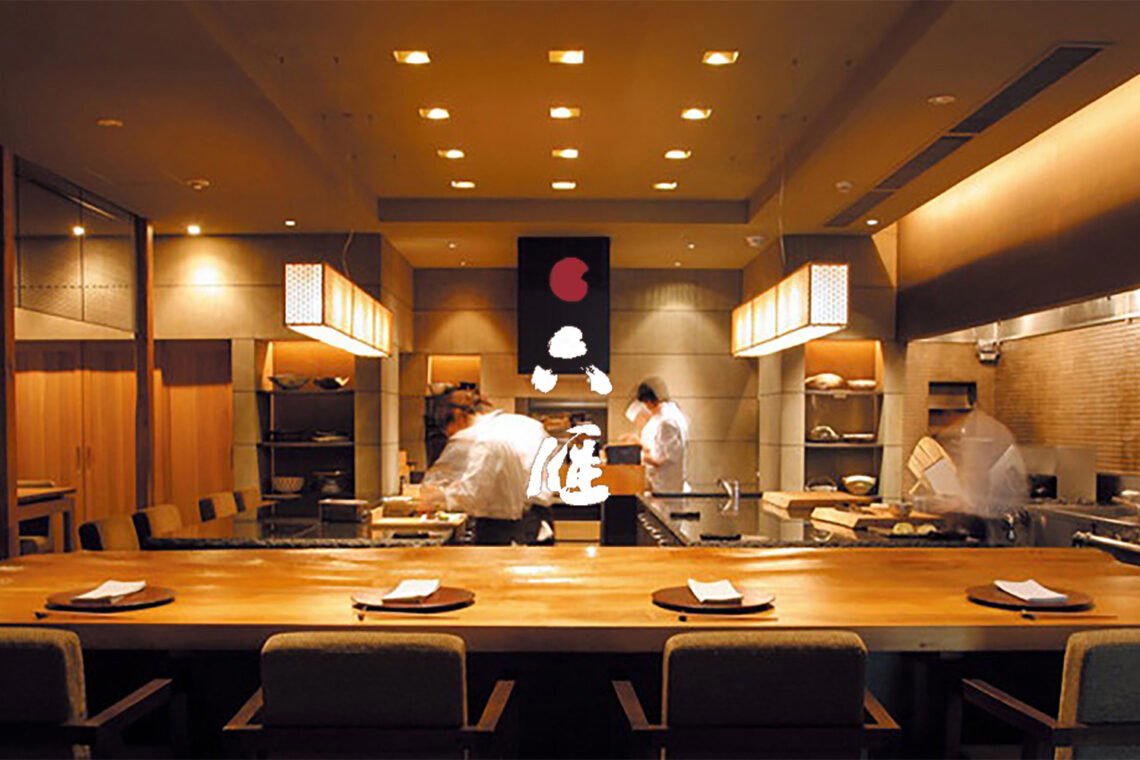
Serious sushi in Aichi changes once the city-center frame falls away. Beyond Nagoya’s hotel dining rooms and polished commercial districts, the meal becomes smaller, more dependent on sourcing, counter rhythm, and the confidence to let fish carry the argument. Mutsuki belongs to that quieter register: a house-style sushi counter in Taketoyo, limited to eight counter seats, where the category is defined less by décor than by the discipline of what reaches the board.
That matters because Aichi’s dining identity is often read through Nagoya: miso-katsu, hitsumabushi, kishimen, coffee-house culture, and late-night urban appetite. Sushi in the Chita District sits elsewhere. The peninsula points toward Ise Bay and Mikawa Bay, and seafood has long been part of local eating rather than a luxury accessory. At this level, a sushi counter needs supply, timing, and restraint, not theatrical reinvention.
Aichi sushi without the metropolitan gloss
Read this address within Japan’s broader movement of high-rating counters outside obvious dining capitals. Tokyo still sets the international omakase image, but Japan’s sushi map reaches far beyond Ginza and Akasaka. Regional counters compete through narrower rooms, lower overhead, and fish channels that make local sense. Mutsuki’s recognition shows the format crossing from neighborhood seriousness into destination dining: The Tabelog Award Bronze in 2025 and 2026, a 2026 Tabelog score of 4.18, and selection for Tabelog Sushi EAST 100 in 2021, 2022, and 2025 place it in a cohort watched closely by Japanese diners.
The ingredient angle is central. The public classification is sushi and Japanese cuisine, with an emphasis on fish and a drinks program centered on nihonshu and shochu. Plain as that sounds, it describes the operating logic of many serious sushi rooms: procurement first, embellishment second. A compact counter leaves little room to hide behind breadth. Fish quality, rice handling, temperature control, and pacing become the meal’s grammar. When a restaurant this small gains repeated list recognition, the implication is not a grand concept; enough demanding diners believe the fundamentals hold.
Price shapes the comparison. Listed budgets put dinner at JPY 10,000 to JPY 14,999 and lunch at JPY 6,000 to JPY 7,999, with review-based spend higher at JPY 20,000 to JPY 29,999. That places the counter above casual sushi and far above the ramen and everyday noodle shops common on regional itineraries, yet below the highest capital-city brackets. In Aichi terms, it sits in the serious-special-occasion lane: not introductory, not trophy-priced Tokyo, but a disciplined counter whose value depends on fish and execution.
The eight-seat counter as an editorial filter
Small sushi counters impose etiquette before the first piece. Eight seats means the experience is not built for drift-in traffic, large groups, or anonymity. The counter is the stage, forcing attention onto the service sequence. Private rooms are not part of the standard offer, and the counter is non-smoking, sharpening the focus. This is the opposite of a sprawling, menu-led restaurant; it asks diners to accept proximity and pace as part of the value.
The reservation-only structure reinforces that reading. A compact, appointment-led counter in a residential-feeling setting behaves differently from an urban sushi bar with multiple turns and a large staff buffer. Planning is part of the experience, and the friction is deliberate. It filters for diners who understand that rural or suburban destination dining in Japan often runs on fixed rhythms, limited seats, and direct commitment rather than flexible browsing.
Payment is another signal of the room’s traditional style: credit cards, electronic money, and QR code payments are not accepted. For international travelers used to cashless Japan in major stations and hotels, that matters. It also places the counter closer to the older end of Japanese restaurant culture, where compact independent houses prioritize service flow and familiar systems over contemporary convenience. The practical lesson is simple: plan around this counter; do not treat it as a spontaneous add-on between sightseeing stops.
Access points the same way. The address is in Ikeda, Taketoyo, in Aichi’s Chita District, with parking for five vehicles and proximity to Meitetsu Kamige Station indicated in the venue details. That suits diners already exploring the peninsula or traveling by rail from Nagoya more than those expecting a central-city crawl. The reward is a clearer read on regional dining: Aichi’s serious food culture is not confined to Nagoya’s center, and sushi is one category where that becomes visible.
How to place it within an Aichi food trip
For a premium Aichi itinerary, Mutsuki works well as the sushi anchor, not one stop among many in a single evening. The counter format, reservation requirement, and fish-led identity deserve a clean slot. Diners building a broader view of the prefecture can contrast it with urban and genre-diverse restaurants such as Amaki, aru, Fujisawa, GapricE, and HIRO NAGOYA. The point is not to rank them, but to see how Aichi dining splits between city polish, specialist counters, and regional addresses requiring deliberate travel.
Keep the wider planning frame tight. Use Our full Aichi restaurants guide for dining context, then pair the meal with nearby stays from Our full Aichi hotels guide if the Chita Peninsula is on the route. Drinking, wine, and cultural planning can sit around the meal through Our full Aichi bars guide, Our full Aichi wineries guide, and Our full Aichi experiences guide. For readers comparing how specialist Japanese formats travel across regions, useful counterpoints include -Grilled beef Sukiyaki- KAMAKURA TANUKIAN 鎌倉 たぬき庵 in Kamakura, 鮪と炭火焼き うお炭 秋葉原店 in Tokyo.cafe in Osaka.know in Kumamoto, (Shoku) Vietnam in Kawasaki, [Curry Senmon Ten] Maruyama Kyoju. in Sapporo, Jōdo Saké Bar in Los Angeles, and Onigiri Time in Pasadena.
The editorial case is clear: Mutsuki is for diners who want Aichi sushi measured by fish, counter discipline, and regional seriousness rather than luxury signaling. The awards support that case, but they are not the reason to go. The reason is the category itself: a small Japanese counter where sourcing and sequence do the work, and where the surrounding geography gives the meal a sharper sense of place.
Frequently asked questions
Is Mutsuki a family-friendly restaurant?
Mutsuki reads more as a small, reservation-only counter than a casual family spot. The room has 8 seats at the counter, and the format suits adults or small groups better than larger family tables.
What should I expect atmosphere-wise at Mutsuki?
Expect a compact, non-smoking counter with a quiet house-restaurant feel in Taketoyo, Aichi. The venue lists 8 seats, counter seating, and a relaxing space, which points to a tightly controlled service room rather than a lively dining hall.
What days is Mutsuki closed?
Hours at Mutsuki: ■Business hours[Wed - Fri]From 18:00 onwards[Sat & Sun]11:00 onwardsFrom 18:00 onwards■Closed onMondays and Tuesdays.
Where do I go for Mutsuki?
Mutsuki is located in Aichi.
What makes Mutsuki worth seeking out?
Its credentials are clear: Tabelog Award Bronze in 2025 and 2026, plus selection for Tabelog Sushi EAST "Tabelog 100" in 2021, 2022, and 2025. Add the reservation-only format, eight-seat counter, and dinner pricing in the JPY 10,000–14,999 range, and it becomes a focused sushi stop rather than an all-purpose restaurant.
How It Stacks Up
Comparable venues by cuisine and price in the same metro.
| Venue | Cuisine | Price | Awards | Notes |
|---|---|---|---|---|
| MutsukiThis venue — the venue you are viewing | Edomae Sushi | $150–200 | Tabelog Bronze #300 | Not listed |
| Amaki | Exquisite Sushi Omakase | $200–300 | Tabelog Bronze #16 | Nishi-ku |
| Yoshii | Aichi Seasonal Omakase | $100–150 | Tabelog Bronze #528 | Naka Ward |
| Izumo | Japanese Cuisine with Aged Meat | $500+ | Tabelog Bronze #143 | Hisaya Odori |
| Setsugekka Tanaka Satoru | Modern Japanese Yakiniku | $200–300 | Tabelog Bronze #398 | Sakae |
| HIRO NAGOYA | Premium Yakiniku | $500+ | Tabelog Bronze #117 | Nishi-ku |
Recognition history
Dated appearances from independent guides and award organizations, with the underlying list record or original source where available.
Tabelog Bronze #300
Tabelog
Full recognition history (3 entries)
Tabelog Bronze
Tabelog
Tabelog 100 #40 · No. 40
Tabelog · Tabelog 100 - Sushi - EAST - 2025
Details
- Intimate
- Elegant
- Quiet
- Special Occasion
- Date Night
- Chefs Counter
- Open Kitchen
- Sake Program
- Local Sourcing
- Sustainable Seafood
- Omakase
- Counter Dining
- Sake
- Shochu
Current opening hours
- Monday
- Closed
- Tuesday
- Closed
- Wednesday
- 6–9:30 PM
- Thursday
- 6–9:30 PM
- Friday
- 6–9:30 PM
- Saturday
- 11:30 AM–1 PM, 6–9:30 PM
- Sunday
- 11:30 AM–1 PM, 6–9:30 PM
Hours can change for holidays and private events. Last verified .
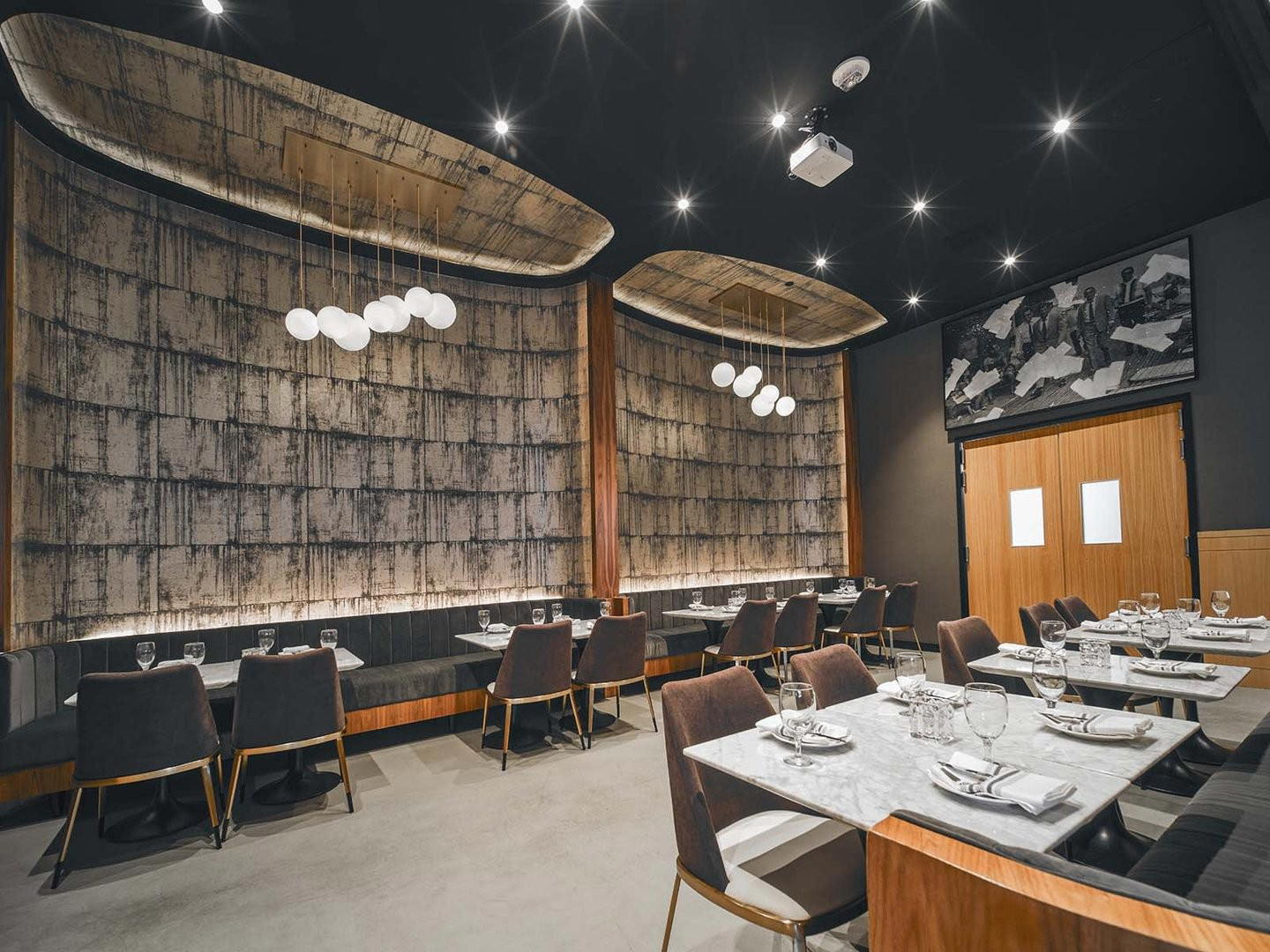
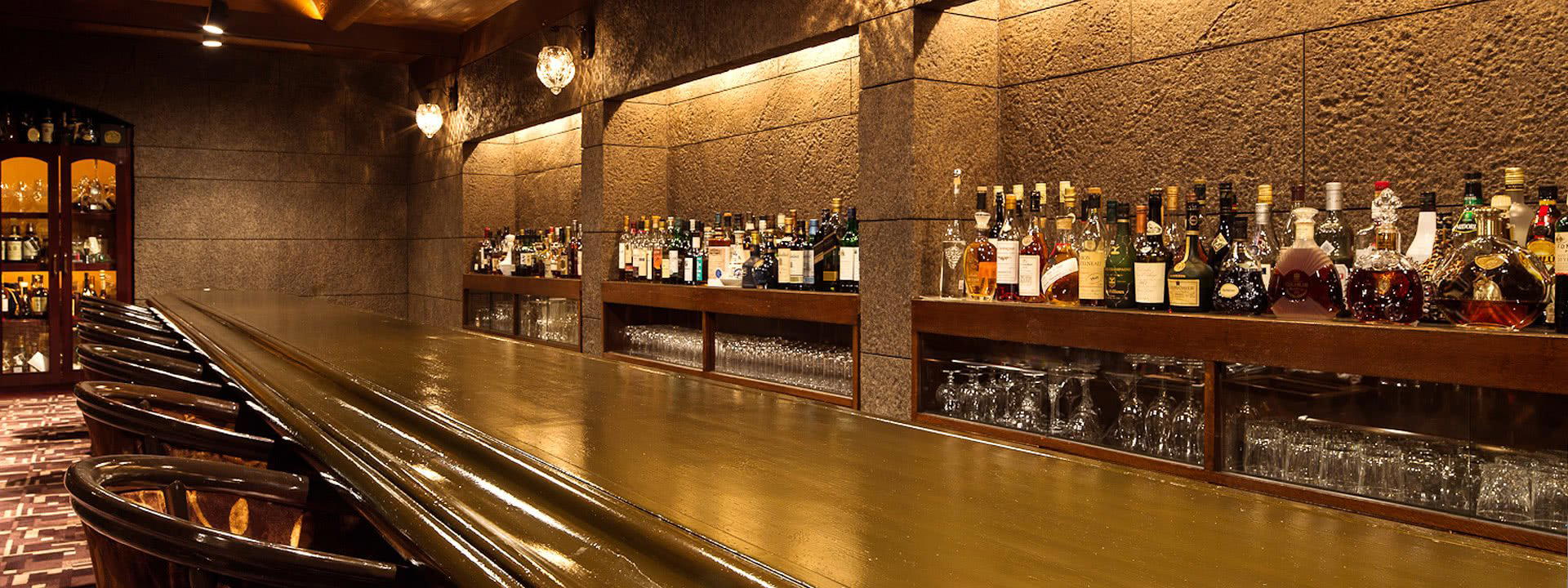
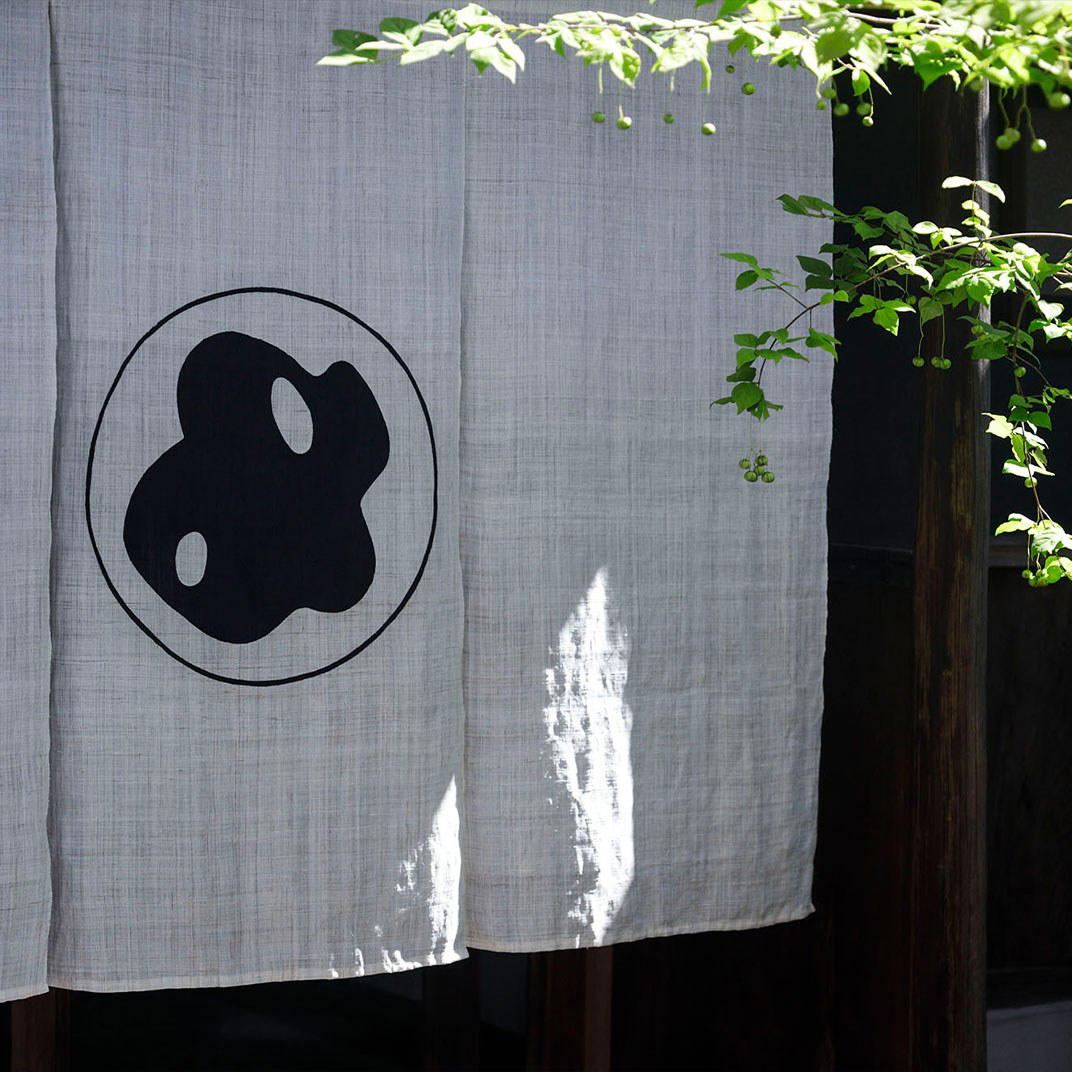
Minimalist, refined counter setting with focus on the chef's craft; serene residential hideaway atmosphere emphasizing the sushi preparation experience.