
Tabelog 100 #88
Our verdict
Ramen Hachinoashiha places Yokkaichi’s ramen culture in a small, serious room rather than a destination-dining frame. Its repeated selection for Tabelog Ramen WEST “Tabelog 100” from 2017 through 2025 gives the shop a credentialed place in western Japan’s ramen conversation, while the format stays grounded in counter seats, tatami seating, and a lunch-focused rhythm.

Pearl is the En Primeur Club membership app, where members save venues, book tables and use the concierge.
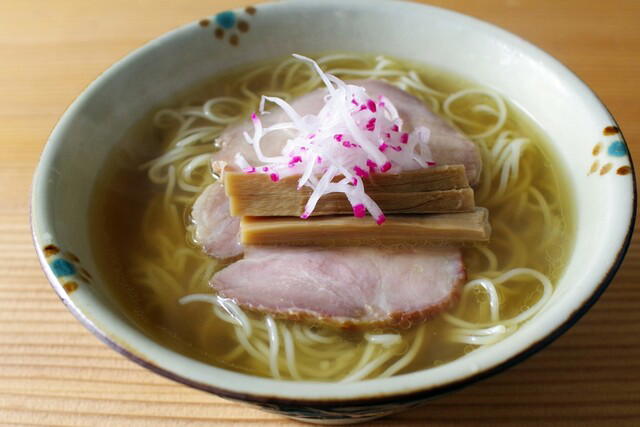
The menu
What to order
- Shio ramen
- Shoyu ramen
- Tsukemen
- Limited seasonal ramen
Yokkaichi is not the theatrical side of Japanese dining. The approach is practical and matter-of-fact: local traffic, everyday routines, and the sense that lunch is being fitted into an ordinary day rather than staged as an occasion. That setting matters for ramen. In regional cities, the serious bowl often lives away from high-gloss polish, and the room tells the diner to pay attention to pace, broth, noodles, and turnover rather than décor.
Ramen Hachinoashiha belongs to that quieter register. The shop’s public identity sits across ramen, tsukemen, and donburi, a compact trio that keeps the focus close to the bowl and its immediate accompaniments. That detail is useful because it shows a ramen house defined by a familiar, repeatable format rather than a broad restaurant script. In Japan’s better ramen rooms, focus is not a branding exercise; it is a production decision. Broth, noodle condition, toppings, and rice-bowl add-ons all compete for prep time and counter attention.
Yokkaichi ramen viewed through focus discipline, not spectacle
Discipline in ramen is often hidden inside the bowl. Diners see soup and noodles, but the quality question begins earlier: base, tare, fat, noodle texture, water content, and the handling of toppings and side dishes. Here, the useful way to read Ramen Hachinoashiha is through that practical discipline rather than through decoration or ceremony. The public category listing places it firmly in ramen, tsukemen, and donburi, which keeps attention on the essentials of a noodle shop rather than on a sprawling menu.
That matters in Yokkaichi, where a ramen shop has to satisfy local repeat diners before it attracts traveling obsessives. Ramen Hachinoashiha’s 2025 Tabelog Hyakumeiten recognition places it inside a field where everyday restaurants are still judged with serious scrutiny. It is not being read only as neighborhood convenience; the recognition puts it in a broader ramen bracket.
The city’s dining range gives context. Menya Sonidori works in a similarly accessible ramen world, which makes Yokkaichi more than a single-shop stop for noodle-focused travelers. Oki No and Spanish Bar Bosque show how the city can also support a different kind of evening dining. For a visitor reading Yokkaichi through food, that contrast is the point: ramen is not the budget consolation prize, it is one of the city’s clearest expressions of culinary seriousness.
A focused format built for repeat judgment
The format is best understood as a ramen-shop experience rather than a large restaurant script. That says much about local ramen culture. The appeal is direct: a diner arrives for a bowl, judges it quickly, and decides whether it is worth returning for. In that sense, Ramen Hachinoashiha sits close to the everyday rhythm of Yokkaichi, where repeat use can matter more than a single special-occasion visit.
Focused ramen also sharpens scrutiny. In ramen, a long tasting menu can disguise inconsistency through pacing and novelty; a short-format shop cannot. The bowl carries the argument quickly. A public Tabelog score of 3.81, alongside 2025 Hyakumeiten selection, is a more meaningful signal in this category than décor language or chef mythology. Ramen audiences in Japan are detail-driven and unforgiving: noodle texture, soup balance, serving speed, and value are judged across repeat visits, not by a single ceremonial meal.
The experience remains in the public ramen lane. That is a strength. The format rewards diners who are comfortable with direct service, a meal calibrated around the bowl, and a restaurant identity that does not need luxury framing to make its point. For travelers building a broader Yokkaichi itinerary, it pairs more logically with compact local food stops than with a formal night out. Other dining rooms in the city point to different parts of Yokkaichi’s map, but ramen remains the sharper daytime lens.
How to read the reputation before planning the meal
The reputation is built less on narrative and more on accumulation. The 2025 Tabelog Hyakumeiten listing gives the shop a clear external marker, while the public score of 3.81 suggests a steady level of approval in a category where diners compare details closely. In a field where new openings can dominate conversation for a season, a recognized ramen shop has to hold attention through consistency rather than novelty alone.
Smarter expectation is precision within a modest format. This is not luxury dining translated into ramen, and it should not be judged that way. It belongs to the Japanese tradition in which a low average spend can coexist with exacting standards. The listed price band is JPY 1,000 - JPY 1,999, with lunch budget also shown in that range. The practical decision is to approach it as a focused ramen stop in Yokkaichi and to let the bowl, not the setting, carry the judgment.
For a wider city read, start with our full Yokkaichi restaurants guide, then branch into our full Yokkaichi hotels guide, our full Yokkaichi bars guide, our full Yokkaichi wineries guide, and our full Yokkaichi experiences guide. Readers comparing Japanese casual formats beyond Yokkaichi can also look more broadly at unnamed ramen counters, rice-bowl shops, casual bars, and compact dining rooms in other cities. The through-line is not sameness; it is how compact formats carry serious food cultures without the apparatus of formal dining.
Frequently asked questions
Is Ramen Hachinoashiha suitable for children?
Ramen Hachinoashiha is a casual ramen, tsukemen, and donburi shop in Yokkaichi. Families should check current conditions directly before visiting.
What's the vibe at Ramen Hachinoashiha?
It is best read as a focused ramen shop in Yokkaichi, with attention on ramen, tsukemen, and donburi rather than on formal dining ceremony.
What's the price range at Ramen Hachinoashiha?
Pricing at Ramen Hachinoashiha is listed as JPY 1,000 - JPY 1,999.
When can I go to Ramen Hachinoashiha?
Check the current opening schedule directly before visiting Ramen Hachinoashiha in Yokkaichi.
What part of town is Ramen Hachinoashiha in?
Yokkaichi.
What has Ramen Hachinoashiha built its reputation on?
Its 2025 Tabelog Hyakumeiten recognition is the clearest marker, alongside a public Tabelog score of 3.81 and a listed price range of JPY 1,000 - JPY 1,999.
At-a-Glance Comparison
Comparable venues by cuisine and price in the same metro.
| Venue | Cuisine | Price | Awards | Notes |
|---|---|---|---|---|
| Ramen HachinoashihaThis venue (the venue you are viewing) | Traditional Japanese Ramen (Shio-focused) | $10–20 | Tabelog 100 #88 | Not listed |
| Menya Sonidori | Ramen shop with house-made noodles and shoyu-focused broth | $1–10 | Tabelog 100 #67 | Horiki |
| Spanish Bar Bosque | Spanish Tapas Bar | Not listed | Tabelog 100 #87 | Yokkaichi |
| Honetsuki Dori Kamon | Japanese Chicken Dishes / Yakitori | Not listed | Tabelog 100 #15 | Kintetsu Yokkaichi |
| 采女いしかわ | Traditional Japanese Kaiseki | $50–100 | Not listed | Unemecho, Yokkaichi |
| 割烹 西むら | Kappou Kaiseki | $150–200 | Not listed | 西新地 |
Recognition history
Dated appearances from independent guides and award organizations, with the underlying list record or original source where available.
Tabelog 100 #88 · No. 88
Tabelog · Tabelog 100 - Ramen - WEST - 2025
Continue exploring
More in Yokkaichi
Restaurants in Yokkaichi
All restaurants in Yokkaichi →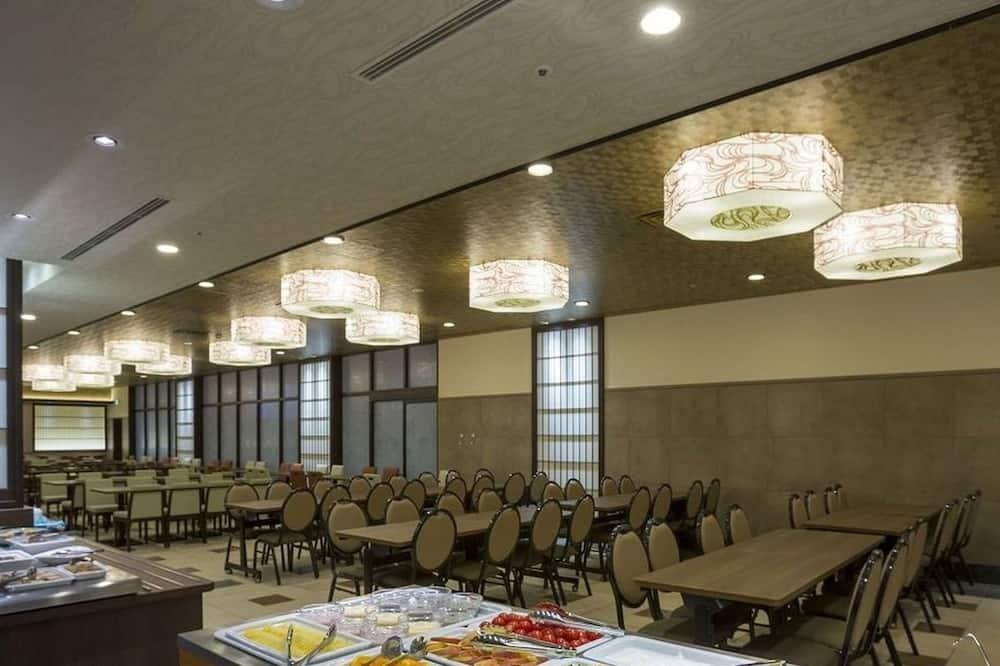
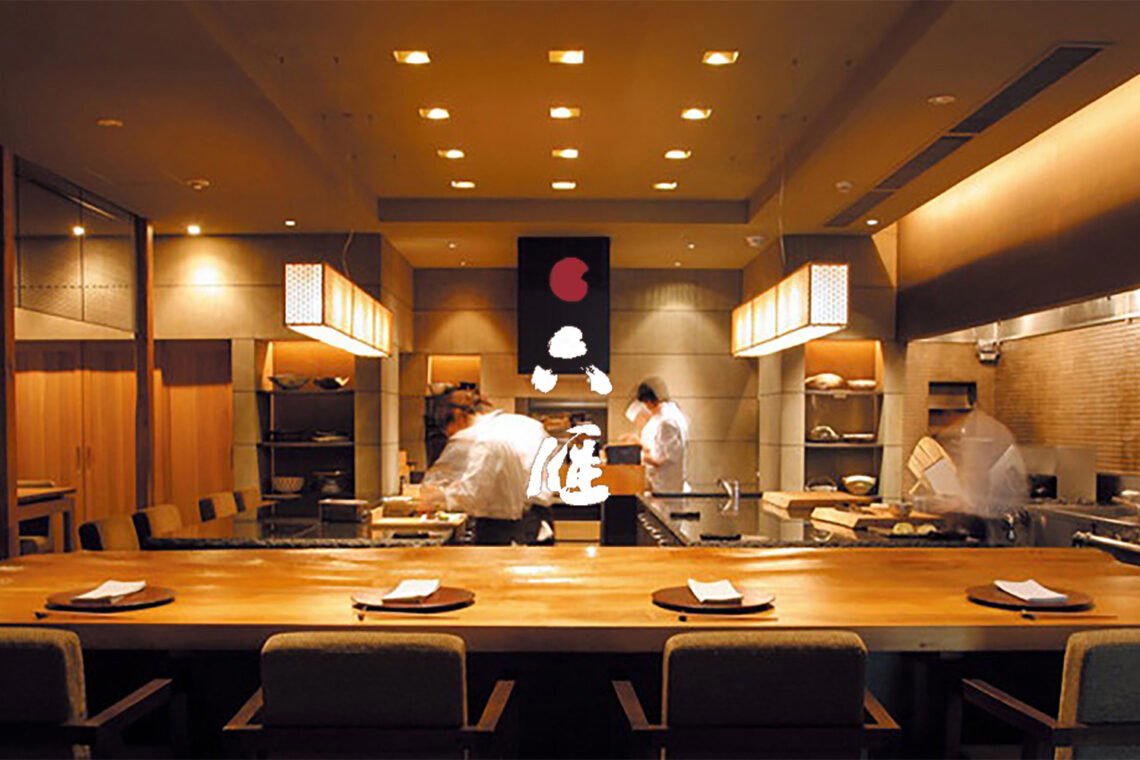
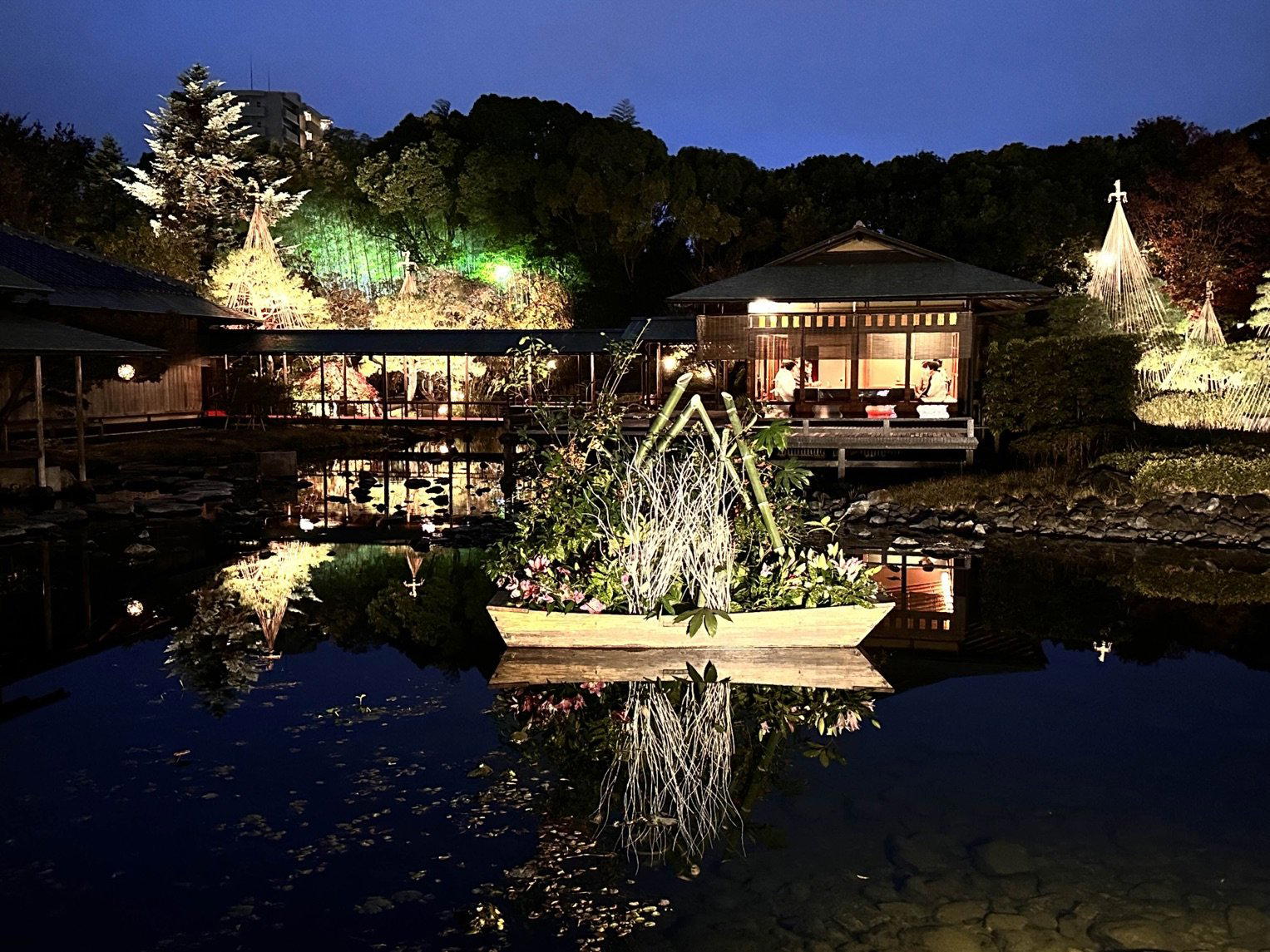

Details
- Cozy
- Classic
- Solo
- Casual Hangout
- After Work
- Standalone
- Local Sourcing
- A La Carte
- Counter Dining
Current opening hours
- Monday
- Closed
- Tuesday
- 11 AM–3 PM
- Wednesday
- 11 AM–3 PM
- Thursday
- 11 AM–3 PM
- Friday
- 11 AM–3 PM
- Saturday
- 11 AM–3 PM
- Sunday
- 11 AM–3 PM
Hours can change for holidays and private events. Hours as of .
A small, counter-focused neighborhood ramen shop with simple, traditional decor and a calm, everyday atmosphere, more functional than designed, and comfortable for a focused bowl of noodles rather than lingering.