Our verdict
In Yokkaichi's Motomachi district, ターヴォラカルダ オオノ represents the kind of quietly serious Italian-inflected eating that provincial Japanese cities do better than they are given credit for. The address alone — a side street in a city better known for its petrochemical skyline than its dining scene — tells you something about the sourcing-first philosophy that drives the kitchen. Worth tracking down for those moving through Mie Prefecture.

Pearl is the En Primeur Club membership app — saves, bookings, and concierge access live there. Same editors, same standards.
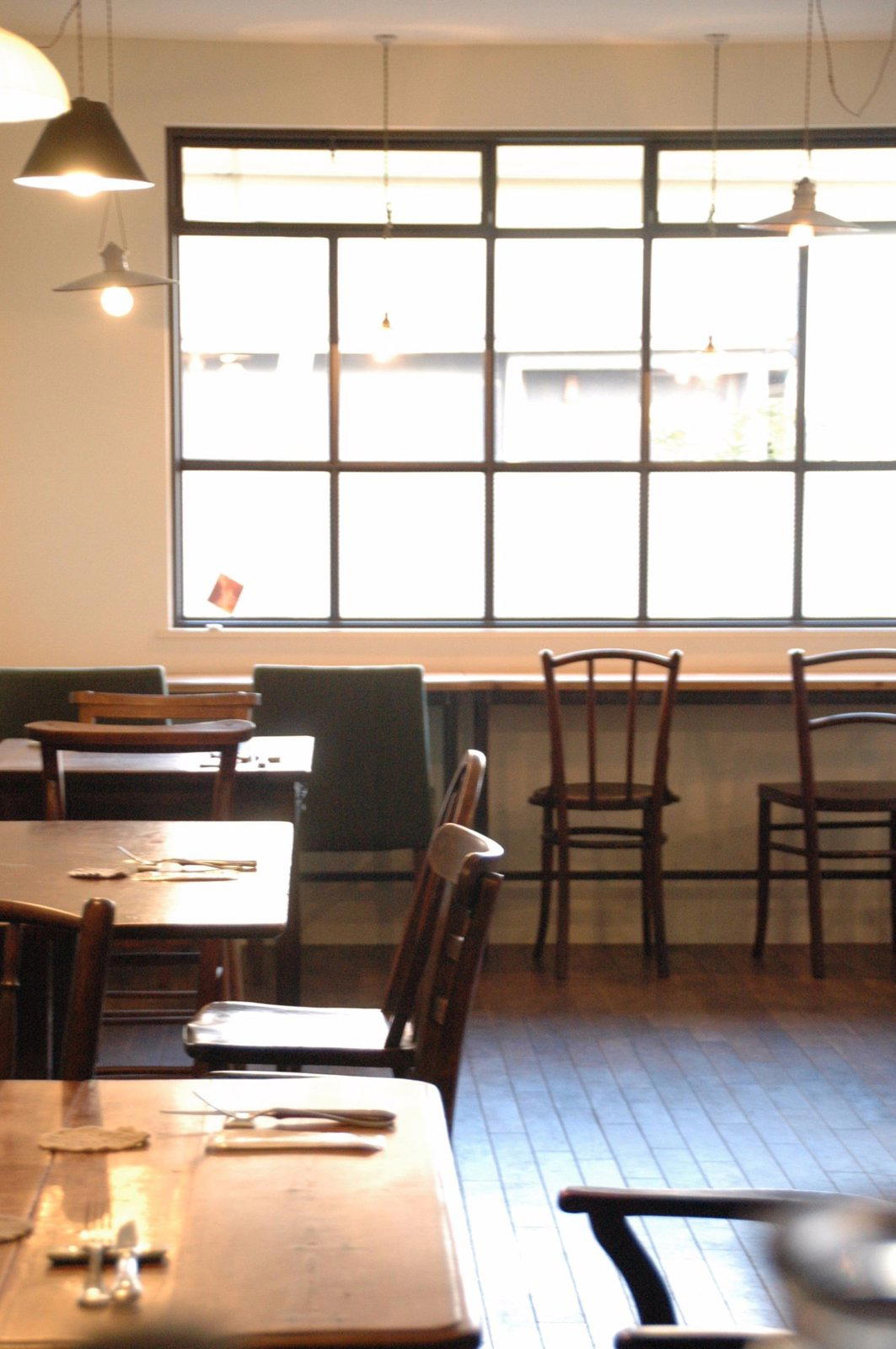
The menu
What to order
- Spaghetti Capri
- Beef Ragù Bolognese
Motomachi, Mie Prefecture, and the Case for Eating Outside the Obvious Cities
Yokkaichi is not a city that appears on most itineraries. Its waterfront is defined by cooling towers and industrial infrastructure, and most travelers passing through Mie Prefecture redirect immediately toward Ise or the Kumano Kodo trails. That pattern, repeated often enough, has produced an unintended consequence: a small number of restaurants in the city's older commercial neighborhoods operate at a level of seriousness that their relative obscurity does not suggest. The Motomachi district, where ターヴォラカルダ オオノ occupies a ground-floor address at 9-14, sits within that overlooked tier of Japanese provincial dining — places that exist for the people who live there, not for the people passing through.
The Italian-leaning format implied by the name — tavola calda, literally a warm table, a term associated in Italy with counter dining and prepared dishes served through the day, sits interestingly against a Japanese context. In Japan, that format tends to absorb local sourcing logic in ways that more formal Italian restaurants, oriented toward canonical presentation, sometimes do not. The warm-table tradition, wherever it appears, tends to prioritize what is available and in condition over what is expected and on the menu. That gap between expectation and execution is where regional Japanese ingredients most readily enter an Italian frame.
Why Ingredient Geography Matters in Mie
Mie Prefecture carries serious sourcing credentials that extend well beyond its most-marketed products. Ise-ebi, the spiny lobster associated with the prefecture's coastal waters, is the headline item, but the broader supply chain running through Mie's fishing ports, mountain villages, and agricultural plains offers a more complete picture of what a kitchen here can access. Matsusaka, approximately forty kilometers north of Yokkaichi, produces beef that trades at the upper end of Japan's wagyu market, a peer of Kobe and Omi in the specialist conversation, though it receives less international attention. Mie's tea-growing zones and its proximity to Aichi's agricultural output to the north create a sourcing radius that a kitchen in central Yokkaichi can draw from without the supply-chain abstraction that affects restaurants in larger cities.
For restaurants working within an Italian framework in this part of Japan, that geography creates specific creative pressure. The question is not whether to use local ingredients, in a provincial city, the economics almost require it, but how to reconcile Italian technique and structure with produce that arrives outside any canonical Italian frame. Kitchens that solve this problem well tend to produce cooking that reads neither as fusion nor as imitation, but as something with its own internal logic. For comparison, akordu in Nara operates in a structurally similar position: European technique applied to Kinki-region sourcing, in a city that most visitors treat as a transit point.
Yokkaichi's Dining Scene in Context
The city's restaurant options span a wider range than its industrial reputation implies. 割烹 西むら represents the kaiseki end of the local spectrum, working in the register of formal Japanese cuisine that the Tokai region has sustained across decades. 四日市バール operates closer to casual Italian bar culture, a different interpretation of the European-in-Japan format. 采女いしかわ occupies the Japanese counter-dining space. Taken together, the three comparison addresses illustrate how Yokkaichi's dining scene organizes itself: serious Japanese at the formal end, European-influenced formats filling the mid-range, with enough variation in approach to suggest a kitchen culture that is more developed than the city's tourist infrastructure would indicate. For a fuller picture of where ターヴォラカルダ オオノ sits relative to the rest of the city's options, the full Yokkaichi restaurants guide covers the range.
The broader Tokai-Kansai corridor contains reference points at the top of each relevant category. HAJIME in Osaka and Gion Sasaki in Kyoto define what the formal end of that regional conversation looks like. Harutaka in Tokyo and Goh in Fukuoka show how the Japan-wide conversation about sourcing and technique extends across formats. Provincial restaurants like ターヴォラカルダ オオノ do not position against those addresses directly, but they exist in the same broader movement, Japanese kitchens taking ingredient origin seriously regardless of the culinary framework they are operating inside.
That movement is not limited to the major cities. 一本木 川尻制 in Nanao, 夕仙山乃 in Sapporo, and 湖畔荘 in Takashima are among the provincial addresses that demonstrate how sourcing intelligence distributes across Japan's regional cities rather than concentrating exclusively in Tokyo, Osaka, or Kyoto. The pattern holds internationally as well: Le Bernardin in New York City built its reputation partly on rigorous sourcing discipline in a seafood context, and Atomix in New York City has applied Korean ingredient logic to a fine-dining format in ways that parallel what Japanese kitchens have done with European technique. Ingredient origin as a primary editorial lens is not a regional quirk, it is the central organizing principle of serious cooking at almost every latitude.
Planning a Visit to Motomachi
Yokkaichi is accessible from Nagoya in under thirty minutes by Kintetsu Nagoya Line, which makes it a plausible stop for travelers based in that city rather than a dedicated destination in its own right. The Motomachi address sits within walking distance of the central Yokkaichi station area. Restaurants of this type in Japanese cities of this scale rarely maintain English-language booking infrastructure, so a Japanese-language contact or a local hotel concierge who can call ahead is worth organizing in advance. For travelers building a Tokai itinerary that includes other serious eating, Bistro Ange in Toyohashi and Birdland in Sakai cover adjacent geography worth considering alongside Yokkaichi.
Frequently asked questions
Where exactly is ターヴォラカルダ オオノ?
ターヴォラカルダ オオノ is located at 9-14 Motomachi, Yokkaichi, Mie 510-0088, Japan, Yokkaichi.
Is ターヴォラカルダ オオノ suitable for a solo lunch stop when travelling through Mie Prefecture?
The tavola calda format, implied by the venue name, is structured for individual or small-group counter service rather than formal sit-down dining, which makes it a practical choice for solo travellers. Motomachi, Yokkaichi sits close to the Kintetsu line and is reachable from Nagoya in under thirty minutes, fitting naturally into a day trip through Mie Prefecture.
What do people recommend at ターヴォラカルダ オオノ?
The name 'tavola calda' signals a warm-counter format associated with ready-served Italian-style preparations, which suggests the kitchen operates around daily specials rather than a fixed printed menu. Visiting in person or checking locally sourced reviews will give the most accurate picture of what is on offer.
What's the best way to book ターヴォラカルダ オオノ?
No phone number or website is publicly listed for ターヴォラカルダ オオノ at 9-14 Motomachi, Yokkaichi. For a counter-format operation of this kind, walk-in during service hours is often the expected approach. Asking locally in Motomachi or checking Japanese review platforms such as Tabelog will yield the most reliable contact information.
What makes ターヴォラカルダ オオノ worth seeking out?
Its location in Motomachi, Yokkaichi places it in a city that most travelers overlook in favour of Nagoya or Ise, which means the clientele skews heavily local. That alone tends to be a reliable indicator of a kitchen that does not need tourist traffic to stay full. Yokkaichi is accessible from Nagoya in under thirty minutes on the Kintetsu Nagoya Line, making ターヴォラカルダ オオノ a viable detour for anyone already in the region.
Comparable Spots, Quickly
Comparable venues nearby, for context on price, style, and recognition.
| Venue | Cuisine | Price | Awards | Notes |
|---|---|---|---|---|
| ターヴォラカルダ オオノThis venue (the venue you are viewing) | Italian Trattoria | $50–100 | Not listed | Not listed |
| Spanish Bar Bosque | Spanish Tapas Bar | Not listed | Tabelog 100 #87 | Yokkaichi |
| Honetsuki Dori Kamon | Japanese Chicken Dishes / Yakitori | Not listed | Tabelog 100 #15 | Kintetsu Yokkaichi |
| 四日市バール | French Tavern (Bistro) | $20–30 | Not listed | near Kintetsu Yokkaichi Station |
| 采女いしかわ | Traditional Japanese Kaiseki | $50–100 | Not listed | Unemecho, Yokkaichi |
| Restaurant KAITO | Intimate French fine dining | $50–100 | Tabelog 100 #30 | Hachimanchō |
Continue exploring
More in Yokkaichi
Restaurants in Yokkaichi
All restaurants in Yokkaichi →

ターヴォラカルダ オオノ
The wine
- Wine program
- Curated wine list
- Extensive wine list
Details
- Cozy
- Rustic
- Intimate
- Date Night
- Special Occasion
- Standalone
- Extensive Wine List
- Local Sourcing
- A La Carte
- Wine
Current opening hours
- Monday
- 6–10 PM
- Tuesday
- 6–10 PM
- Wednesday
- 11:30 AM–2 PM, 6–10 PM
- Thursday
- 11:30 AM–2 PM, 6–10 PM
- Friday
- 11:30 AM–2 PM, 6–10 PM
- Saturday
- 11:30 AM–2 PM, 6–10 PM
- Sunday
- Closed
Hours can change for holidays and private events. Last verified .
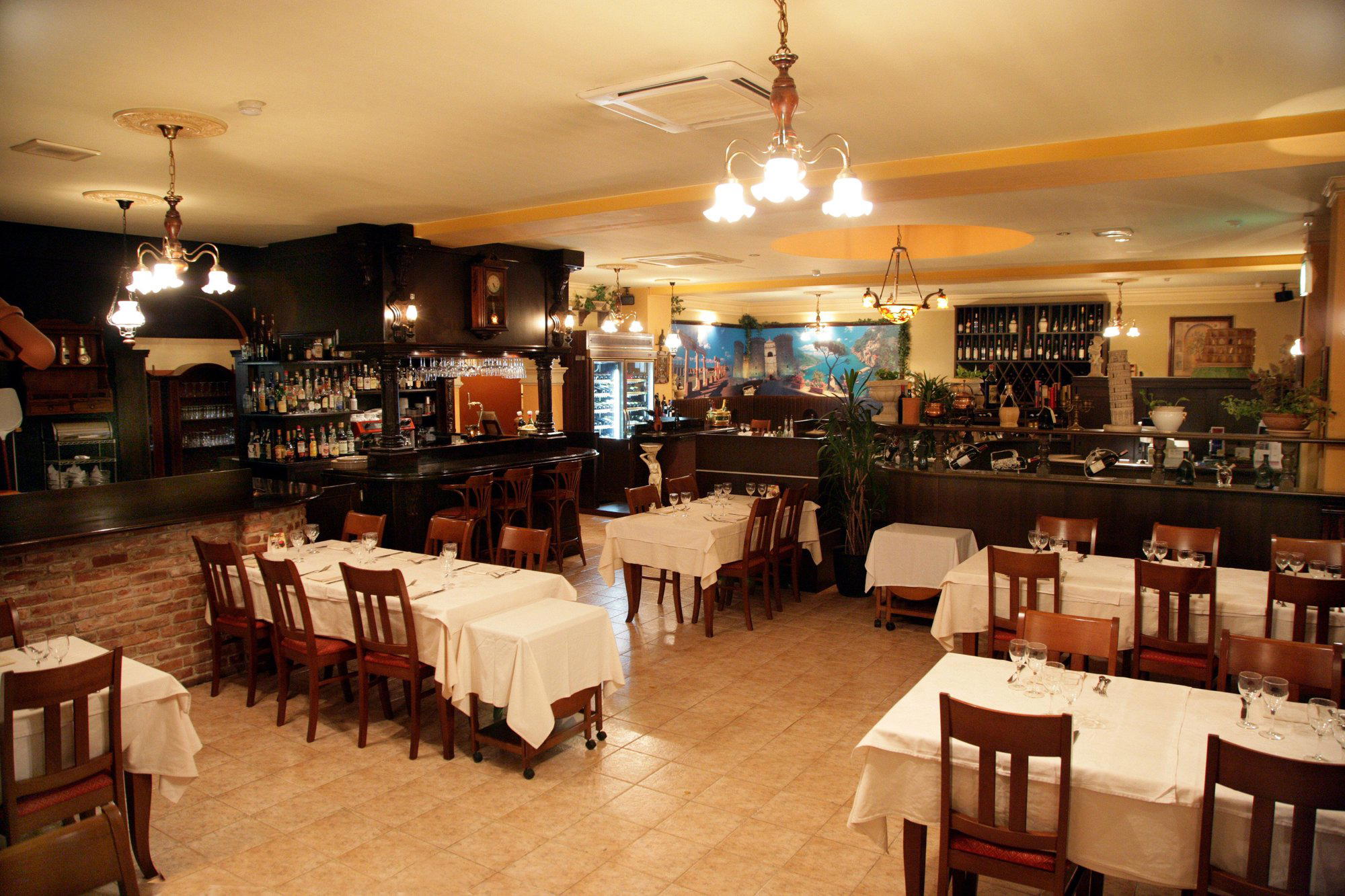
Cozy and intimate low-profile address with a warm, rustic neighborhood食堂 atmosphere.