

Tabelog Bronze #114
Our verdict
Hinode places Kuwana’s seafood tradition in a polished regional-kappo setting, with clam hot pot as the anchor rather than a garnish. The case for going is strongest for travellers using Mie as a food destination, not a side trip: Tabelog Bronze recognition, OAD Japan placement, and a fish-led menu make it a serious address in a city shaped by river, bay, and port cooking.

Pearl is the En Primeur Club membership app — saves, bookings, and concierge access live there. Same editors, same standards.
- Address
- 19 Kawaguchicho, Kuwana, Mie 511-0021, Japan
- Phone
- +81 594-22-0657
- Hours
- Mon–Tue 5–9:30 PMWed ClosedThu–Sun 5–9:30 PM
- Website
- ishi98.wixsite.com
- Directions
- Get directions
Approaching a Kuwana seafood room is different from walking into an urban counter built for theatre. The rhythm is quieter and more regional: private rooms, tatami or sunken seating, and a meal structure that treats local waters as the central argument. In Mie, the coast is never abstract. Ise Bay, river mouths, and old post-town trade routes have long shaped what lands on the table, and the stronger restaurants in this category do not need imported drama to prove their point.
Hinode belongs to that regional seafood tradition, with Japanese cuisine and local cooking as its frame and clam hot pot as the dish that defines the conversation around the restaurant. That matters because Kuwana is associated with hamaguri, the thick-shelled clam prized in Japanese cooking for clear broth, gentle sweetness, and ceremonial usefulness. In a dining culture often dominated internationally by sushi counters and Kyoto-style kaiseki, this is a different kind of destination meal: less about knife performance, more about what a specific place has learned to cook well over generations.
Kuwana clam cooking gives the meal its centre of gravity
The catch-led angle here is not a generic seafood promise. Kuwana’s position at the mouth of the Kiso Three Rivers has made shellfish part of the city’s identity, and clam hot pot sits in the same family of regional dishes that reward restraint. The point is not to bury shellfish under luxury ingredients; it is to let broth, heat, timing, and texture carry the meal. That is why a restaurant built around this tradition reads differently from high-price seafood rooms in Tokyo or crab houses farther north.
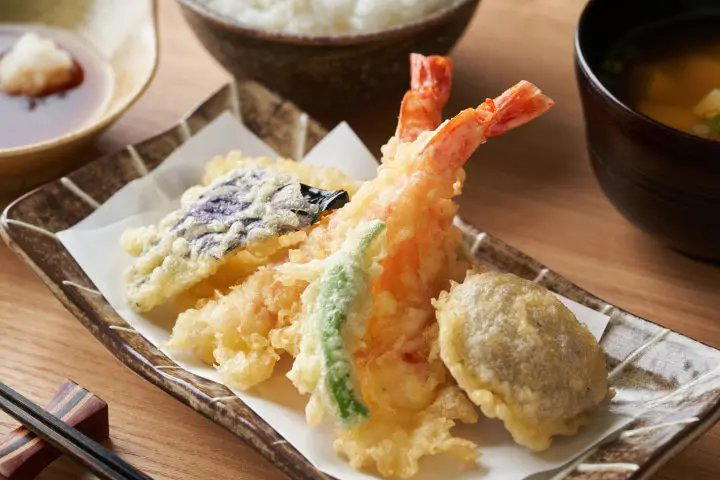
The menu is classified as Japanese cuisine and regional cuisine, with fish treated as a defining strength. Chef Yoshinori Sano’s name appears in the public recognition around the restaurant, but the more useful way to understand the cooking is through the local format: seasonal seafood handled in a room structure built for groups, business dinners, and deliberate meals rather than counter-seat turnover. The 60-seat, seven-room arrangement also signals a style of Japanese dining that values privacy and pacing. It is not the tiny omakase model that has become shorthand for premium Japan dining abroad.
Recognition supports that reading. The restaurant holds Tabelog Award Bronze status for 2026, following a run of Tabelog Award listings across prior years, including Silver in 2019 and 2020. It was also selected for Tabelog Japanese cuisine WEST “Tabelog 100” in 2025, 2023, and 2021, and appears in Opinionated About Dining’s 2026 Japan recommended list. Those signals place it in a serious regional tier: not a publicity-driven seafood stop, but a restaurant with sustained approval from Japanese diners and international dining obsessives who pay attention outside Tokyo, Kyoto, and Osaka.
How it fits Mie's more interesting dining circuit
Mie rewards travellers who stop treating the prefecture as a shrine-and-resort add-on. The dining map is unusually broad: Ise-Shima seafood, Matsusaka beef culture, coastal French influences, and compact sushi counters all sit within the same prefectural conversation. In that context, Hinode gives Kuwana a distinct voice. It is not trying to imitate Ginza sushi or Kyoto kaiseki; it makes a stronger case by staying close to the shellfish and fish traditions that make the city legible.
For travellers building a Mie itinerary, the comparison is useful. Edo Machi Sugimoto (Sushi) and Komada (Sushi) speak to the prefecture’s counter culture, while La Mer and L’etude show how Western formats intersect with Mie produce. Hinome adds another local point of reference. Seen against that group, Kuwana’s clam-led cooking is not a minor detour; it is one of the clearer ways to taste why Mie’s food identity cannot be reduced to a single resort meal or beef dinner.
The seafood comparison also runs beyond Mie. Kawaki and Akasaka Kitafuku occupy another Japanese seafood lane, associated with specialist crab and shellfish dining rather than Kuwana’s regional hot-pot emphasis. In Europe, addresses such as 12 Ristorante, Seafood in Cesenatico and 14 Avenue, Seafood in La Baule show how port proximity can shape luxury seafood in a completely different register. The shared lesson is simple: serious seafood restaurants are strongest when they are specific to water, season, and local habit.
Who should prioritise this table
This is a strong fit for diners who care about regional Japanese cuisine more than spectacle. The listed dinner budget sits in the JPY 10,000 to JPY 14,999 range, with review-based spending higher, and service charge and tax added separately. That places the meal in a considered-dining bracket, but not in the same price conversation as Japan’s rarest counter formats. The value argument depends on whether clam hot pot and local seafood are part of the reason for visiting Mie in the first place.
The room format matters. Private rooms for groups and table-based seating make the experience better suited to conversation than to watching a chef’s hands from six inches away. Smoking is listed as allowed, with rooms generally private, so travellers sensitive to that detail should factor it into the decision. Drinks cover sake, shochu, wine, and cocktails, which makes sense for a restaurant serving seafood across several preparations rather than a single beverage lane.
For wider planning, start with Our full Mie restaurants guide, then decide whether the trip needs supporting hotel, bar, winery, or experience research through Our full Mie hotels guide, Our full Mie bars guide, Our full Mie wineries guide, and Our full Mie experiences guide. Travellers comparing Japanese regional formats beyond Mie might also look at -Grilled beef Sukiyaki- KAMAKURA TANUKIAN 鎌倉 たぬき庵 in Kamakura. 鮪と炭火焼き うお炭 秋葉原店 in Tokyo.cafe in Osaka.know in Kumamoto, (Shoku) Vietnam in Kawasaki, and [Curry Senmon Ten] Maruyama Kyoju. in Sapporo.
Frequently asked questions
Would Hinode be comfortable with kids?
Hinode lists private rooms for 2 to 10-20 people, which makes it easier for families than a tightly packed counter. The restaurant also has 60 seats across 7 rooms at 19 Kawaguchicho, Kuwana, and reservations are required.
What's the vibe at Hinode?
Expect a private-room, house-restaurant setting rather than a theatrical dining room. Hinode in Mie serves fish-focused Japanese cuisine, holds Tabelog Bronze recognition in 2026, and operates by reservation only, which keeps the room controlled and orderly.
How would you describe the cuisine at Hinode?
Hinode serves Seafood cuisine.
What are Hinode's hours?
Hours at Hinode: Hours: Monday 5–9:30 pm Tuesday 5–9:30 pm Wednesday Closed Thursday 5–9:30 pm Friday 5–9:30 pm Saturday 5–9:30 pm Sunday 5–9:30 pm.
What part of town is Hinode in?
Hinode is located in Mie.
Comparable venues nearby, for context on price, style, and recognition.
| Venue | Cuisine | Price | Awards | Notes |
|---|---|---|---|---|
| HinodeThis venue — the venue you are viewing | Traditional Japanese Kaiseki with Kuwana Clams | $150–200 | Tabelog Bronze #114 | Not listed |
| Wadakin | Matsusaka Beef Japanese | Not listed | Tabelog Bronze #508 | Nakamachi |
| Komada | Edo-style Omakase Sushi | $300–500 | Tabelog Gold #14 | Kawasaki, Ise |
| Hinome | Modern Vegetarian Japanese Fusion | $50–100 | We're Smart World 4 Radishes | Kameyama |
| restaurant Ryu | French-Japanese Fusion | Not listed | Tabelog Bronze #363 | Meiwa-cho |
| Nikawa | Modern Yakitori Omakase | $300–500 | Tabelog Bronze #314 | Ichinoki |
Recognition history
Dated appearances from independent guides and award organizations, with the underlying list record or original source where available.
Opinionated About Dining Top Restaurants in Japan Recommended
Opinionated About Dining
Tabelog Bronze #114
Tabelog
Full recognition history (7 entries)
Opinionated About Dining Top Restaurants in Japan Ranked #339
Opinionated About Dining
Tabelog Bronze
Tabelog
Tabelog 100 #35 · No. 35
Tabelog · Tabelog 100 - Japanese cuisine - WEST - 2025
Opinionated About Dining Top Restaurants in Japan Ranked #293
Opinionated About Dining
Opinionated About Dining Top Restaurants in Japan Highly Recommended
Opinionated About Dining
Details
- Classic
- Elegant
- Intimate
- Special Occasion
- Business Dinner
- Private Dining
- Sake Program
- Local Sourcing
- Omakase
- Sake
- Pescatarian Friendly
Current opening hours
- Monday
- 5–9:30 PM
- Tuesday
- 5–9:30 PM
- Wednesday
- Closed
- Thursday
- 5–9:30 PM
- Friday
- 5–9:30 PM
- Saturday
- 5–9:30 PM
- Sunday
- 5–9:30 PM
Hours can change for holidays and private events. Last verified .
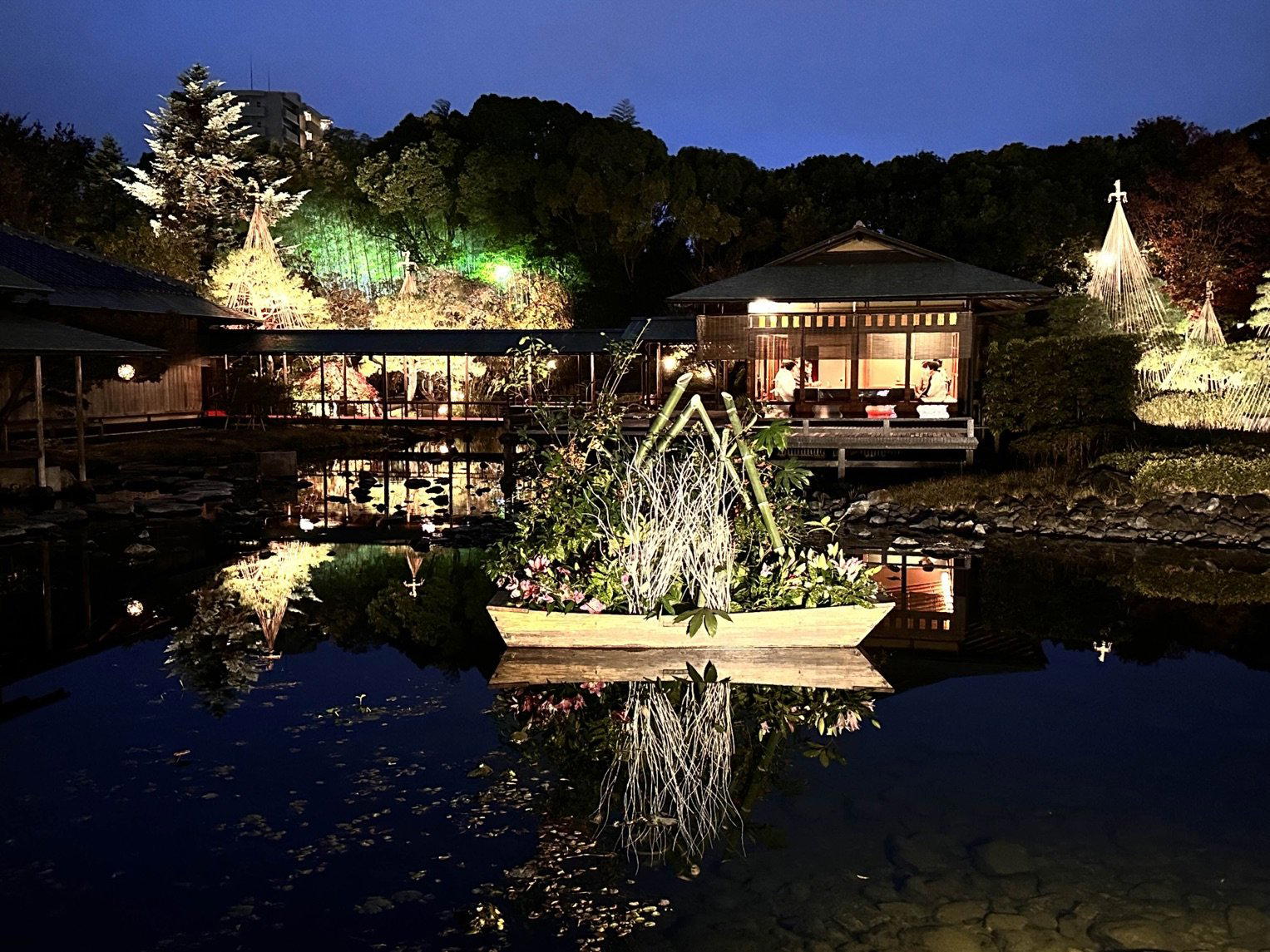
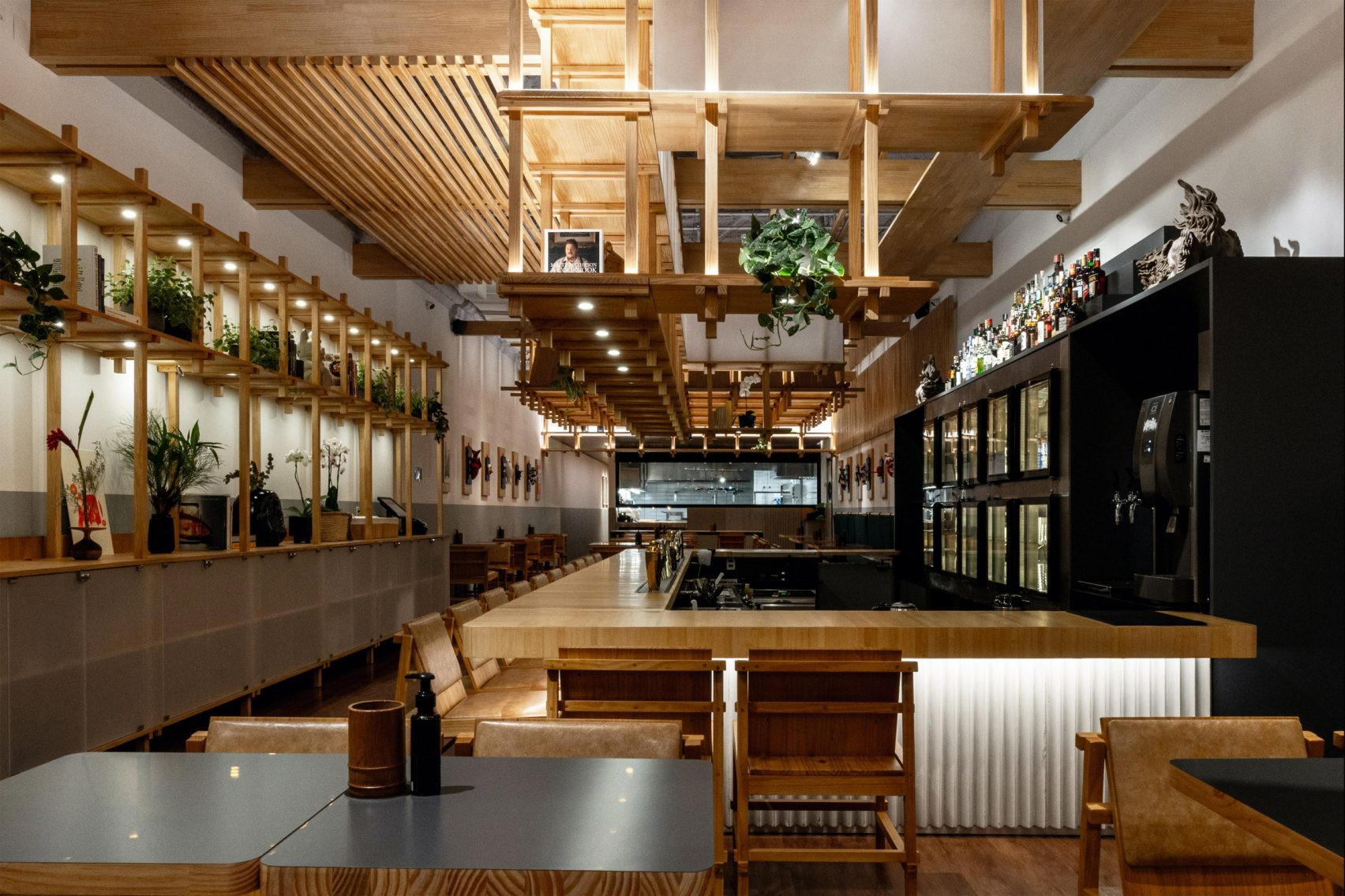
Calm and inviting atmosphere in tatami rooms with sunken seating, providing a relaxing traditional Japanese dining experience.