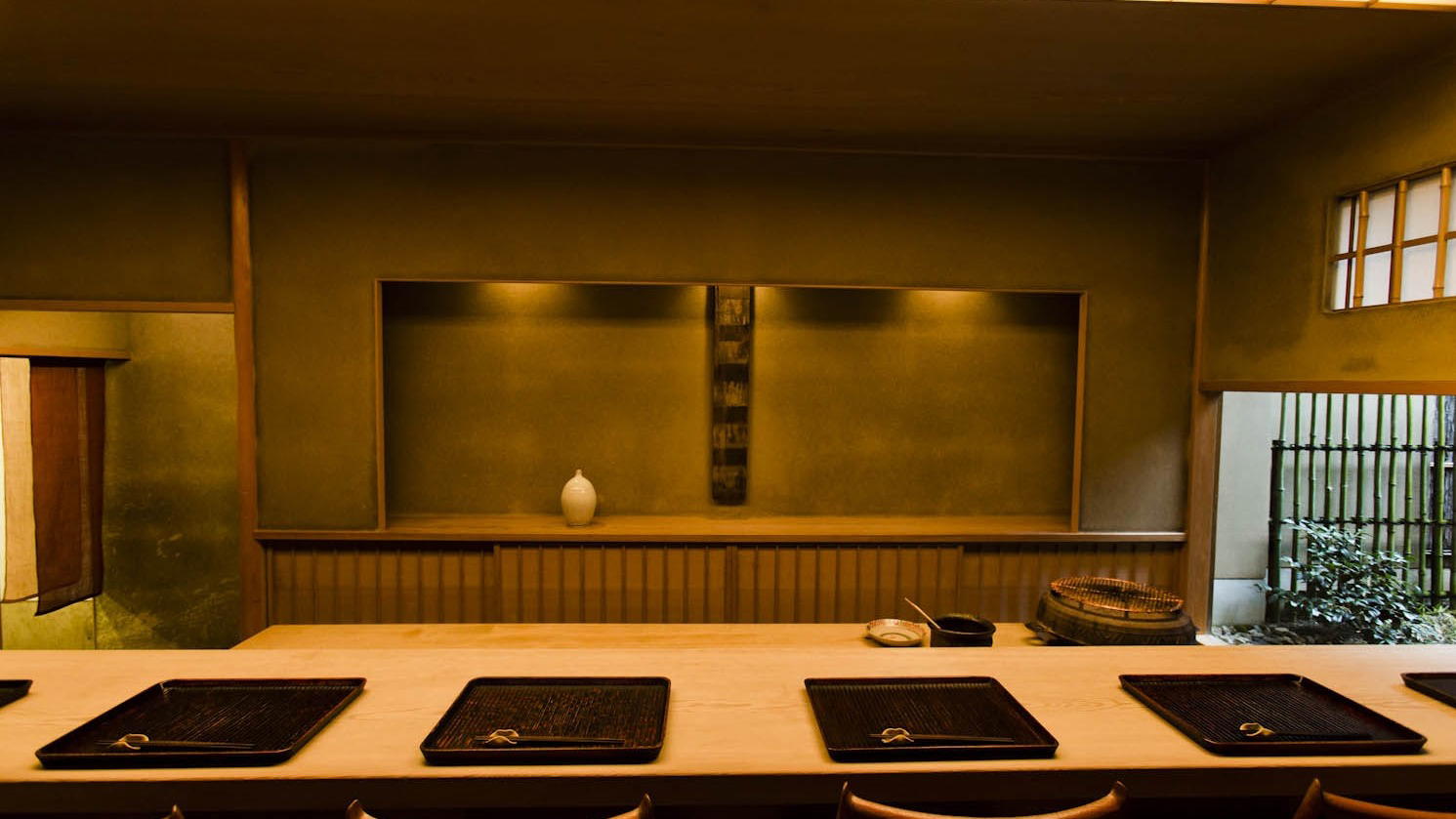
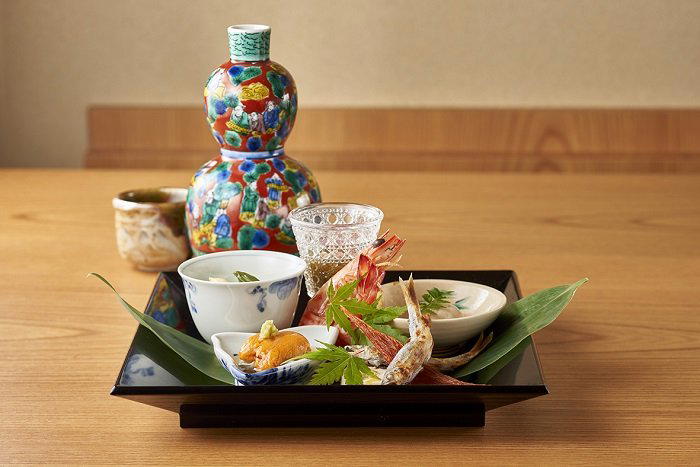
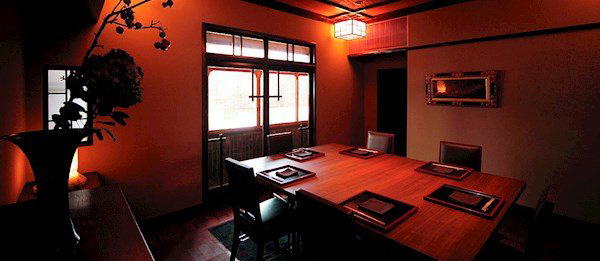
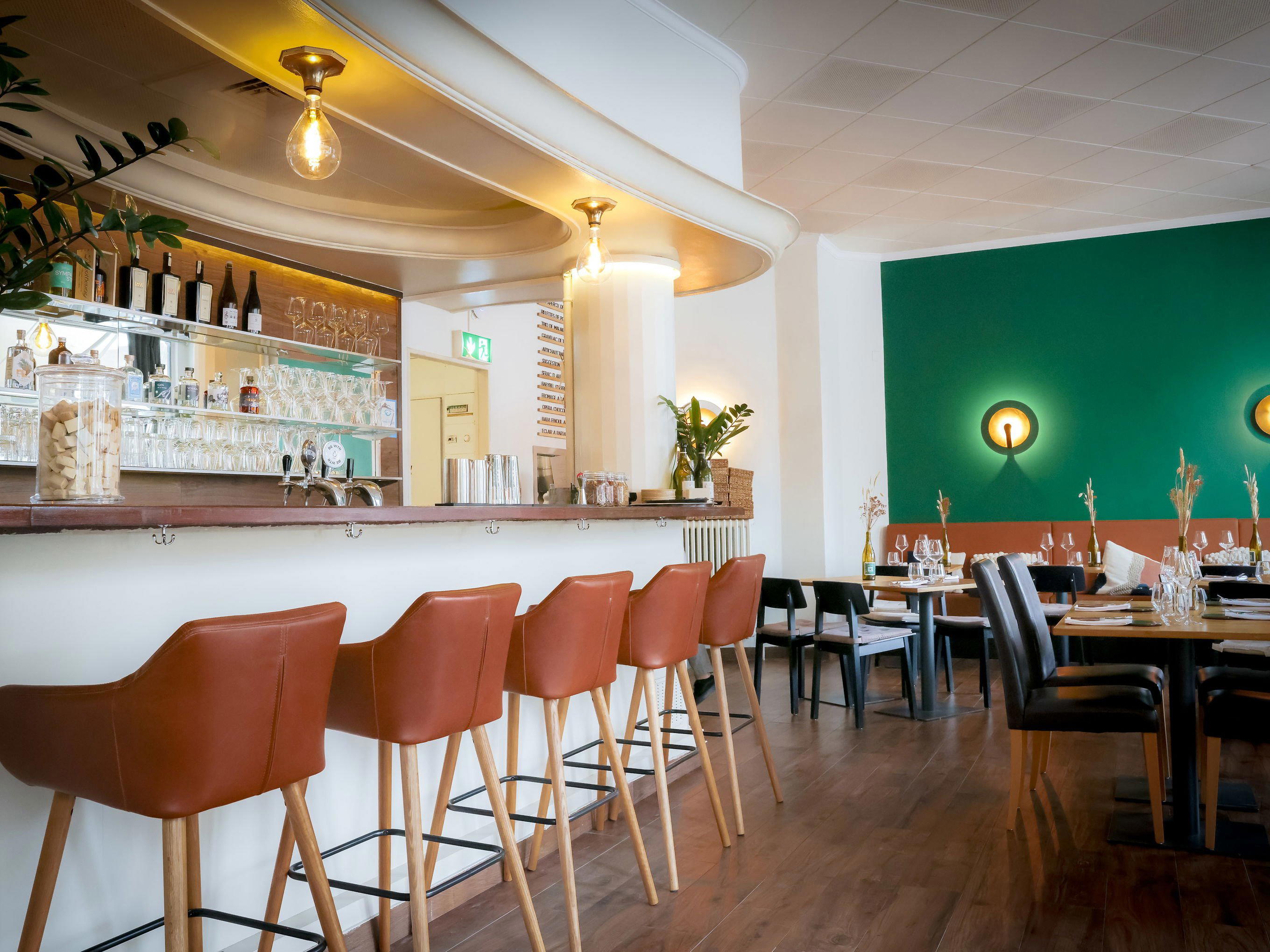
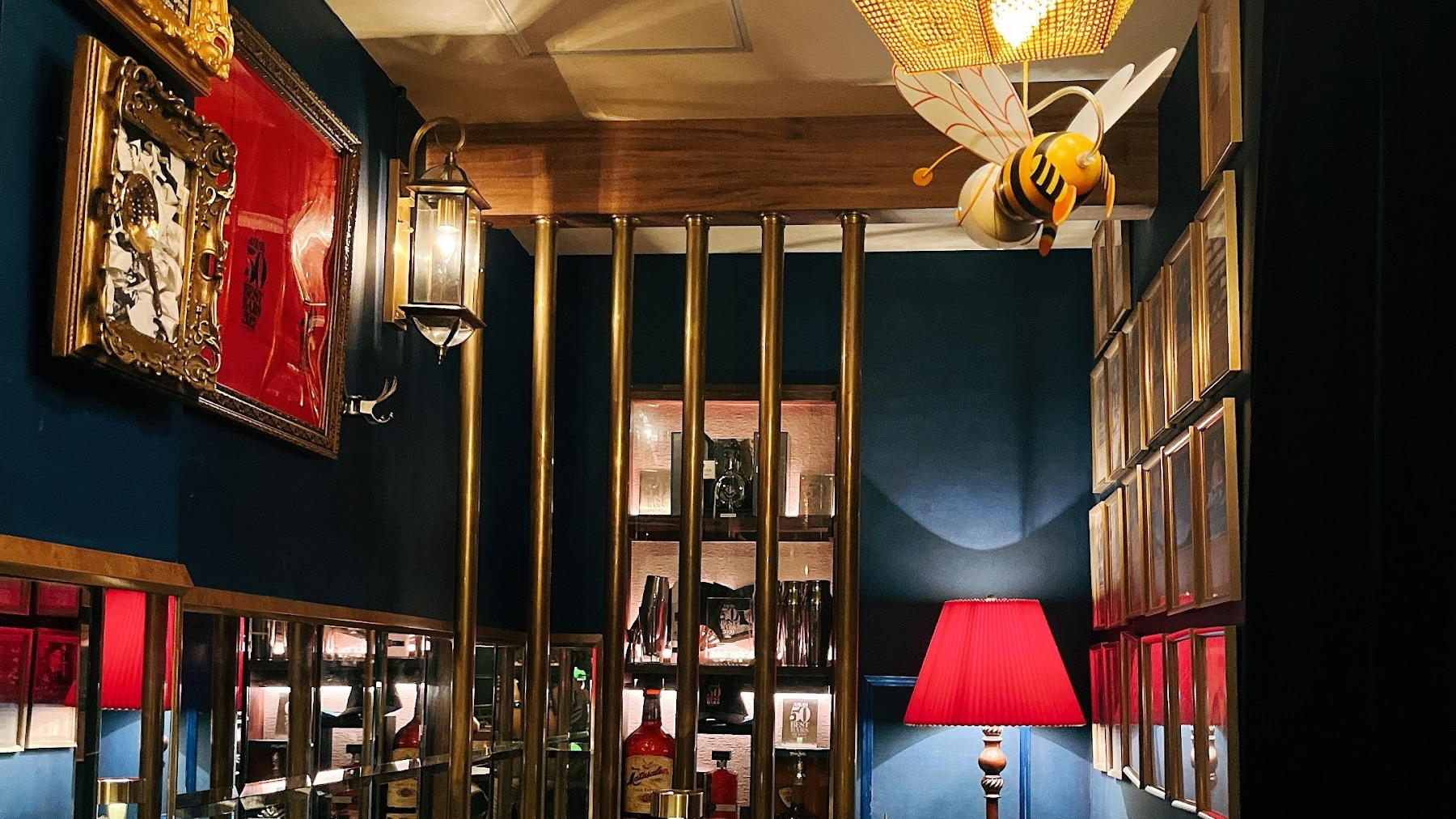
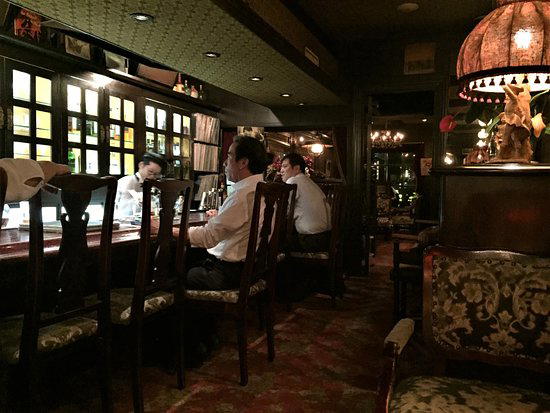
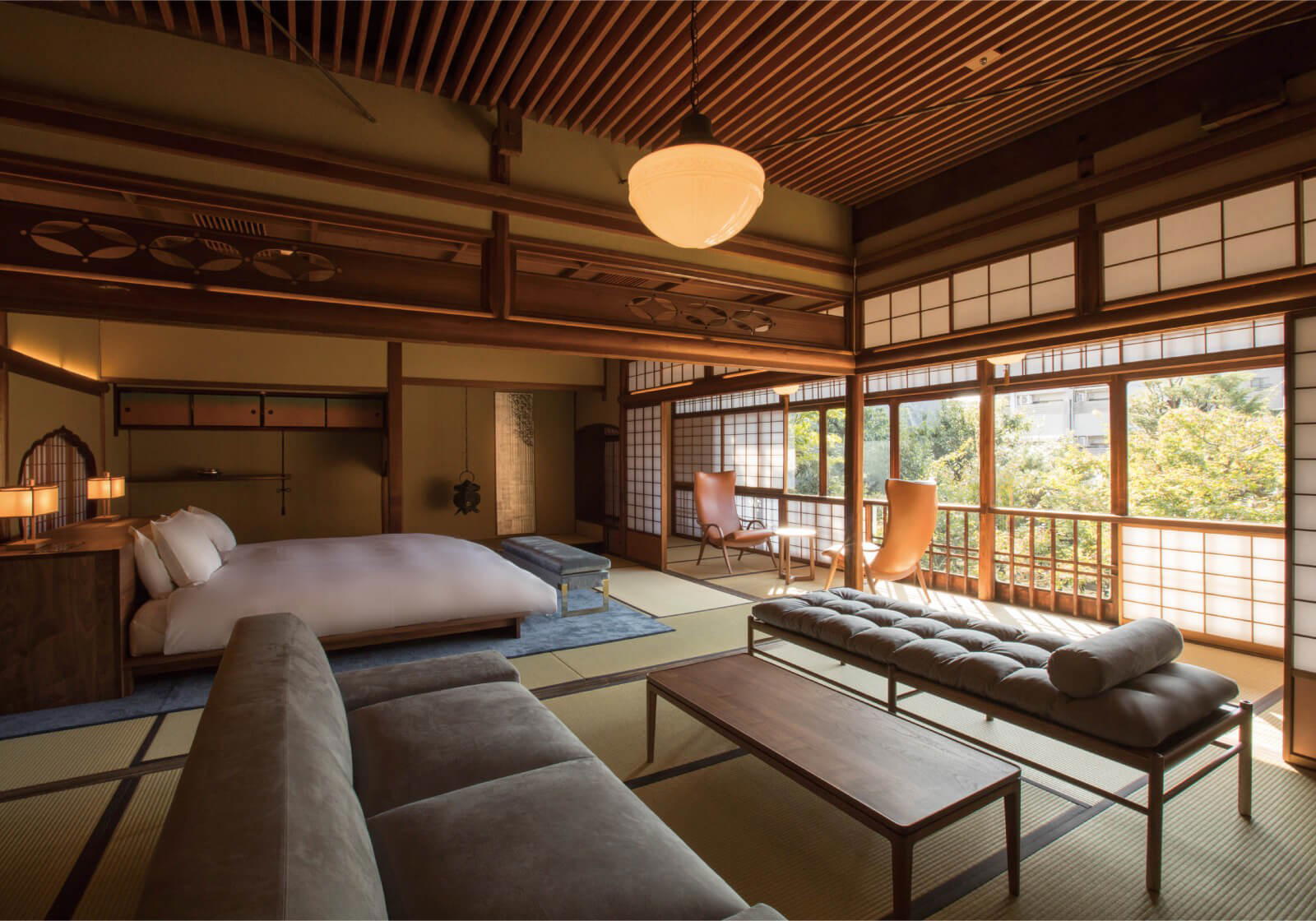
宝泉 occupies a quiet address in Kyoto's Nakagyo Ward, where the traditions of Japanese confectionery and tea culture intersect with the precision that Kyoto's culinary institutions have long demanded. The setting is unhurried, the craft deliberate, and the experience structured around seasonal wagashi and matcha in a form that positions it squarely within Kyoto's serious artisan tier.
Pearl is the En Primeur Club membership app — saves, bookings, and concierge access live there. Same editors, same standards.
- Address
- Japan, 〒604-0865 Kyoto, Nakagyo Ward, Kameyacho, 143-2
- Phone
- +81752512007
- Website
- restaurant.ikyu.com
 Saves & bookings on Pearl
Where Kyoto's Confectionery Tradition Holds Its Ground
Kameyacho sits within Nakagyo Ward's quieter residential margin, a few streets removed from the pedestrian corridors that funnel visitors between temples. Arriving at 宝泉 (Hosen), the shift in register is immediate: a wooden gate, a stone path, and the kind of deliberate stillness that Kyoto's most considered venues use as a form of communication before you've been seated or served. In a city where the tea ceremony aesthetic has been exported, commodified, and repackaged for mass consumption, this corner of Nakagyo preserves something closer to the original premise, that the surroundings are inseparable from the substance.
That premise matters because wagashi, the category of Japanese confectionery most closely associated with formal tea culture, is a form where environment does meaningful work. The sweetness of a well-made namagashi (fresh wagashi) is calibrated against bitter matcha; the texture is engineered for a specific moment within a specific ritual. Strip that context and you have a pleasant sweet. Preserve it and you have a practice. Kyoto's confectionery houses at the serious end of the market understand this distinction and build around it.
The Intersection of Indigenous Ingredients and Accumulated Technique
Japanese wagashi is one of the clearest examples of a culinary tradition where local raw materials and refined technique operate in close, codependent relationship. The core ingredients, azuki beans, mochi rice, kuzu starch, seasonal fruits and botanicals, are sourced from Japan's agricultural calendar, and the leading Kyoto houses treat that calendar as a structural constraint rather than a decorative detail. What arrives on the plate in April is categorically different from what arrives in October, not because the season has been acknowledged symbolically, but because the ingredients themselves have changed.
The technique dimension is equally precise. The folding and shaping of nerikiri (a white bean paste confection), the control of moisture in yokan (jellied bean paste), and the timing required for fresh mochi all demand the kind of repetitive, accumulated craft knowledge that parallels the rigour seen at Gion Sasaki or Hyotei in the kaiseki sphere. The difference is that wagashi's technical grammar remains largely legible only to those who have spent time inside it, which makes Kyoto's confectionery houses a quieter, less internationally visible tier than their kaiseki counterparts, even when the underlying craft standard is comparable.
This is the editorial point worth holding: Kyoto's position as Japan's confectionery capital is historically documented and still structurally intact. Houses like Kikunoi Honten and Mizai draw consistent international attention for kaiseki's savoury architecture, while the city's serious wagashi and matcha venues operate on a lower media profile despite occupying an equivalent position within their own tradition. 宝泉 sits in that latter category.
Global Technique, Kyoto Address
The influence of cross-regional and international technique on Japanese pastry and confectionery has been a slow but visible current over the past three decades. The movement runs in both directions: Japanese patissiers trained in France returned with lamination and ganache techniques that found their way into hybrid wagashi forms; simultaneously, European and American pastry programs began incorporating wagashi principles, the restraint in sweetness, the textural contrast, the seasonal logic, into their own frameworks. Venues like Atomix in New York City have demonstrated how Korean culinary traditions can be reframed through fine-dining technique to produce something that operates at the intersection of cultures without collapsing either. The same tension between fidelity and evolution plays out in Kyoto's confectionery scene.
At the more conservative end of that spectrum, houses in Kyoto maintain the traditional forms with deliberate resistance to hybridisation. The argument is that the integrity of wagashi depends on its specificity, its relationship to the tea ceremony, to the seasonal calendar, to particular regional ingredients. This is a different posture from the creative-fusion approach seen at places like HAJIME in Osaka or the technically expansive kaiseki at akordu in Nara, but it is not a passive one. Maintaining a tradition under commercial pressure is its own form of discipline.
Where This Sits in the Kyoto Artisan Tier
Kyoto's serious food and drink culture spans a wider range of formats than the international conversation typically acknowledges. Beyond the kaiseki institutions covered in our full Kyoto restaurants guide, the city holds a layer of specialist venues, lacquerware studios, tofu houses, sake breweries, and confectionery rooms, that operate according to the same disciplinary logic but receive a fraction of the press attention. The comparison set for 宝泉 is not Isshisoden Nakamura or the high-end kaiseki circuit, but rather the cluster of wagashi makers in northern Kyoto, Demachiyanagi, Kamigamo, and the streets around Kitaoji, where long-established houses serve a clientele that includes both practicing tea ceremony students and visitors who understand what they're looking for.
That geographic and categorical specificity matters for the reader making a trip decision. Nakagyo Ward is accessible from central Kyoto, and the address in Kameyacho places 宝泉 within a walkable distance of several significant temple and garden sites. The area draws a different visitor pattern from Gion or Higashiyama, quieter, more residential, with a higher proportion of repeat visitors who have moved past the primary sightseeing circuit. Pairing a visit here with the northern temples or the Nishiki market area produces a more coherent half-day than trying to integrate it into a packed south-Kyoto itinerary.
For context on how Japan's more technically experimental restaurants approach the same raw-material traditions from a different angle, Goh in Fukuoka and Harutaka in Tokyo offer useful reference points, venues where the discipline applied to sourcing and technique is comparable, but the format and audience are different. Similarly, regional Japanese venues like 一本木 石川製 in Nanao and 湖畔庵 in Takashima demonstrate how Japan's artisan food culture extends well beyond its major cities. Even internationally, the precision-led approach to ingredients and craft at places like Le Bernardin in New York City reflects a comparable commitment to technique over spectacle.
Planning a Visit
The address at 143-2 Kameyacho, Nakagyo Ward, places 宝泉 in a low-traffic residential area most easily reached on foot from central Kyoto or by taxi. The surrounding neighbourhood rewards a slower pace: the streets between Kameyacho and the Kamo River are among the less-documented in central Kyoto, and the area's residential character is part of what makes venues like this feel distinct from the tourist-facing confectionery shops along Shijo or Kawaramachi.
Reputation Context
Comparable venues nearby, for context on price, style, and recognition.
| Venue | Cuisine | Price | Awards | Notes |
|---|---|---|---|---|
| 実伶This venue — the venue you are viewing | japanese | $ | , | |
| Honke Funahashiya | Japanese traditional sweets | $ | , | Nakagyō |
| Mikura Ya | Traditional Kyoto Wagashi (Japanese confectionery) | $ | , | Kita |
| Seikou Udoku | Japanese Mazesoba | $ | , | Uji |
| Kameya Mutsu | Traditional Kyoto wagashi (Japanese confectionery) | $ | , | Shimogyō |
| Inari Futaba | Traditional Japanese wagashi & mochi shop | $ | , | Fushimi |
Continue exploring