
Mikura Ya sits in Kyoto’s northern wagashi circuit, where confectionery is tied less to spectacle than to season, gifting, and careful portioning. Its selection for Tabelog 100 Japanese traditional sweets / Japanese sweets cafe WEST 2023 places it within a serious regional category, while its modest spend range keeps the experience closer to everyday Kyoto ritual than luxury dining theatre.
Pearl is the En Primeur Club membership app — saves, bookings, and concierge access live there. Same editors, same standards.
- Address
- 78 Shichiku Kitadaimoncho, Kita Ward, Kyoto, 603-8416, Japan
- Phone
- +81 75-492-5948
- Website
- mikuraya.jp
 Saves & bookings on Pearl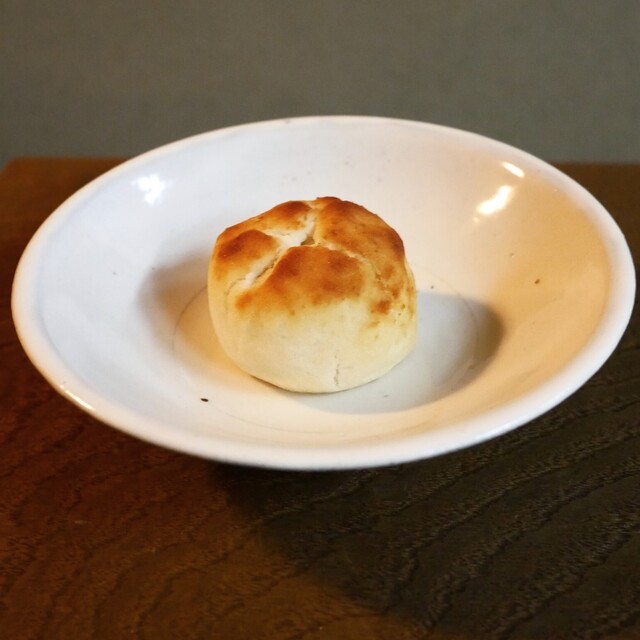
North Kyoto changes the tempo before the first sweet is chosen. Central shopping streets give way to quieter residential blocks, and wagashi reads differently here: not dessert after a long meal, but a calibrated object for tea, visiting, apology, celebration, or a pause between errands. Mikura Ya belongs to that older Kyoto rhythm, where the counter is less a performance stage than an exchange between season, craft, and domestic habit.
Kyoto’s confectionery culture has always been unusually good at restraint. Tea traditions encouraged small formats, natural cues, and sweets that mark time without turning abundance into excess. That matters in 2026, when premium food travel is judged not only by rarity or price, but by how intelligently a place handles scale. At its better end, wagashi offers a built-in answer: measured portions, plant-led ingredients, packaging-conscious gifting, and a calendar that follows the year rather than forcing weekly novelty.
Kyoto wagashi, judged by season rather than spectacle
The serious Kyoto sweets shop follows a different competitive logic from a restaurant tasting menu. Recognition comes through consistency, regional trust, and how well a maker repeats without flattening the work into commodity. Mikura Ya’s selection for Tabelog 100 Japanese traditional sweets / Japanese sweets cafe WEST 2023 is useful because it places the shop inside a broad western Japan field, not a narrow tourist list. The category is crowded with family-run counters, tea-linked specialists, and neighborhood addresses whose reputations travel through gifting as much as restaurant media.
That context matters. Kyoto has a visible confectionery canon around temple districts and ceremonial tea, but the stronger everyday culture often lives away from postcard routes. Northern neighborhoods support shops serving locals first: sweets to take to a host, seasonal pieces for home tea, and modest purchases without a full dining commitment. Compared with a higher-spend peer such as Wagashi Mise Seiyo, or a lower-spend address such as Jinba Do, this tier sits in the practical middle of Kyoto’s sweets economy. The point is not escalation; it is fit.
Sustainability here should not be read as slogan language. Traditional Japanese sweets already carry low-impact habits: small serving sizes, limited waste by design, and seasonality that encourages repetition within natural cycles rather than permanent menu sprawl. Without making sourcing claims that are not public, the category offers a quieter model for conscious eating. It asks the traveler to buy less, pay attention more, and treat sweetness as an interval rather than an event.
That restraint also corrects Kyoto overplanning. A full day of temples, kaiseki, bars, and hotel dining can become a schedule of reservations. A sweets stop works differently. It can sit between lunch and tea, after a northern shrine visit, or as a purchase carried back to a room. In a city where ceremony is often packaged for visitors, buying sweets remains one of the cleaner ways to meet Kyoto on its own terms.
Why the northern setting changes the read
Kita Ward is not the Kyoto of immediate gratification. Distances feel longer, shopfronts are quieter, and domestic architecture becomes part of the experience. That geography suits wagashi because the craft is bound to household use. The sweets are not merely plated for a diner; they move. They are taken home, shared, boxed, opened later, and placed beside tea. In sustainability terms, that mobility can cut both ways, since packaging matters, but it keeps the format small and intentional.
For travelers comparing Kyoto categories, this is a different register from contemporary dining rooms such as 3TOKU6MI Shijo karasuma ten, quick urban eating around 551蓬莱, or the design-forward mood of [ki:]. It also differs from the European lens at Abbesses. The closer cultural comparison is another sweets tradition with place memory attached, such as Aburi Mochi Honke Nemoto Kazariya, where the format teaches as much about Kyoto as the flavor.
The city’s better food days are built by contrast. A visitor can treat wagashi as a minor stop, but that misses its structural role in Kyoto eating. These shops preserve the soft infrastructure of hospitality: the edible gift, seasonal marker, sweet that respects tea’s bitterness, and purchase that does not require long seating. Mikura Ya’s position in a recognized western Japan sweets list gives that everyday role a useful credential without turning it into a trophy meal.
A compact stop in a city that rewards restraint
The editorial case is strongest for travelers who already know Kyoto’s food culture is not limited to dinner. The city’s sweets shops often reveal a more sustainable luxury than high-cost dining because they compress craft, timing, and local use into a small transaction. There is no need to inflate that into a grand claim. The value lies in precision: a recognized wagashi address in the north, connected to the old logic of seasonality and gifting, priced for repeatable pleasure rather than special-occasion theatre.
Those building a wider Kyoto itinerary should think in clusters rather than single trophies. Use Our full Kyoto restaurants guide for dining structure, then balance it with Our full Kyoto hotels guide, Our full Kyoto bars guide, Our full Kyoto wineries guide, and Our full Kyoto experiences guide. For broader Japan and Japanese-adjacent reading, compare how format changes the encounter at -Grilled beef Sukiyaki- KAMAKURA TANUKIAN 鎌倉 たぬき庵 in Kamakura,. 鮪と炭火焼き うお炭 秋葉原店 in Tokyo,.cafe in Osaka,.know in Kumamoto, (Shoku) Vietnam in Kawasaki, [Curry Senmon Ten] Maruyama Kyoju. in Sapporo, Jōdo Saké Bar in Los Angeles, and Onigiri Time in Pasadena.
Read this stop as part of Kyoto’s low-volume intelligence. The city’s serious sweets culture does not need drama to justify attention. It uses season, portion, and social purpose to keep pleasure exact. In that frame, Mikura Ya is less a detour than a reminder that Kyoto often speaks clearly when the format is small.
Peers Worth Knowing
Comparable venues at the same tier for side-by-side context.
| Venue | Cuisine | Price | Notes |
|---|---|---|---|
| Mikura YaThis venue — the venue you are viewing | Traditional Kyoto Wagashi (Japanese confectionery) | $ | |
| Fuka Fuchomae honten | Traditional Kyoto Japanese sweets & nama-fu shop | $ | Kamigyō |
| Flip up! | Kyoto bakery & bagel shop | $ | Nakagyō |
| Ramen Jiro Kyoto ten | Jiro-style ramen | $ | Sakyō |
| Amaguri no Shinise Hayashi Mansho Do Honten | Traditional Japanese chestnut sweets & cafe | $ | Nakagyō |
| Takagi Coffee Ten Takatsuji honten | Japanese kissaten & coffee shop | $ | Shimogyō |
Continue exploring
More in Kyoto
Restaurants in Kyoto
Browse all →

Bars in Kyoto
Browse all →


Hotels in Kyoto
Browse all →
Wineries in Kyoto
Browse all →
At a Glance
- Classic
- Quiet
- Cozy
- Solo
- Family
- Casual Hangout
- Special Occasion
- Standalone
- Local Sourcing
Traditional Kyoto sweets shop atmosphere with a compact, quietly bustling retail space focused on take-away gift boxes rather than on-premise dining.