
Seikou Udoku brings Uji into the Kansai ramen conversation through brothless styles: abura-soba, maze-soba and tantan-men without soup. The draw is not Kyoto temple-district polish but a compact counter format with Tabelog Ramen WEST “Tabelog 100” selections across 2019, 2020, 2021, 2023, 2024 and 2025, priced in the everyday ramen bracket.
Pearl is the En Primeur Club membership app — saves, bookings, and concierge access live there. Same editors, same standards.
- Address
- 京都府宇治市宇治池森20-1
- Website
- seikouudoku-uji.com
 Saves & bookings on Pearl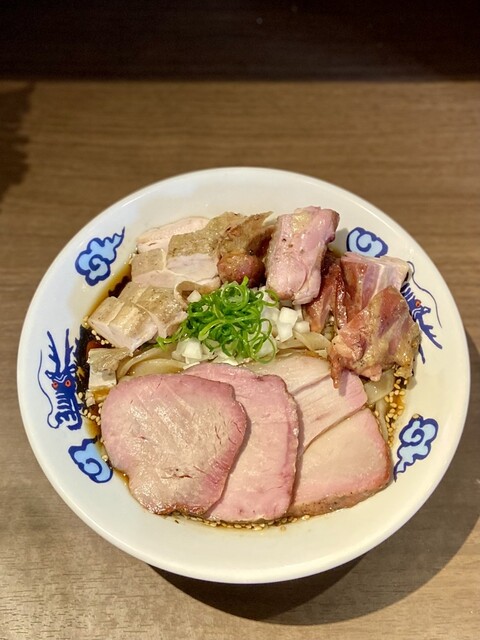
Uji is usually approached through tea, riverside sweets and temple traffic. A ramen counter changes the rhythm: counter-led rather than leisurely, using a modern Japanese noodle vocabulary where tare, oil, spice and texture carry the argument without a large bowl of soup. Seikou Udoku is a serious Kyoto-area food stop outside the central circuit, recognised enough to justify the detour and informal enough to stay grounded.
Kyoto dining is often reduced to kaiseki, tofu, wagashi and matcha, a poor reading of the prefecture’s appetite. The city and satellite towns sustain a dense noodle culture, from station-adjacent bowls to specialist counters built around narrow styles. Uji’s identity is shaped by tea tourism, but everyday eating is broader than souvenir streets suggest. Here, a brothless ramen specialist plays a different role from a tea house such as Nakamura Tokichi Honten Uji honten or a low-cost bakery like Mogu Mogu Bakery: local lunch logic rather than sightseeing ritual.
Brothless ramen as Kyoto's counterpoint to ceremonial dining
Abura-soba and maze-soba are built on mixing, not sipping. Noodles are coated in seasoning, oil and toppings, with the diner finishing the bowl’s assembly. Brothless tantan-men pushes that idea toward sesame, chilli and minced-meat traditions adapted through Japanese ramen culture. This is not the ramen image sold abroad, where broth is treated as the point. In Japan, soup-free styles have their own grammar: less liquid, sharper seasoning, more noodle chew and a faster, more concentrated meal.
That matters in Kyoto because it cuts against the slow-dining stereotype. A traveller can compare contemporary Kyoto restaurants such as 3TOKU6MI Shijo karasuma ten, [ki:] or Abbesses, then understand another side of the region at a counter built for a shorter, functional meal. Kyoto’s range is the point: Chinese-derived buns at 551蓬莱, old sweet shops such as Aburi Mochi Honke Nemoto Kazariya, and specialist noodle shops all belong to the same daily food economy.
The strongest credential is external selection, not luxury signalling. Seikou Udoku was selected for Tabelog Ramen WEST “Tabelog 100” in 2019, 2020, 2021, 2023, 2024 and 2025, useful in a category where local repeat custom and narrow specialisation matter more than formal service. The listed score is 3.70, and the price band is at the low end of Japanese restaurant spending, placing it in the practical, high-turnover ramen tier even as list recognition draws planners.
Uji makes the detour feel different from central Kyoto
The address is in Uji rather than Kyoto’s hotel-heavy centre, which changes the decision. This is not a convenient add-on to a downtown bar crawl or Gion tasting-menu evening. It works better as part of a Uji day, when the itinerary already points toward the river, tea shops and Byodoin-area sightseeing. Keihan Uji Ekimae Surugaya and Shubaku show other local patterns around sweets and soba; Seikou Udoku gives the area a sharper contemporary ramen option rather than regional ceremony.
For diners based in Kyoto, Uji is close enough for a half-day plan, but the rhythm matters. The listed business window is lunch-focused Monday through Thursday, with Friday through Sunday closed. Reservations are listed through a website form, opening at midnight the day before business days. Payment is cash-oriented: credit cards, electronic money and QR-code payments are not accepted. There is parking, including a second lot near the shop. The transport note points to Keihan Bus routes from Kintetsu Okubo Station or JR/Keihan Uji Station to Nishicho, then a short walk. These details help travellers while underlining the local nature of the place.
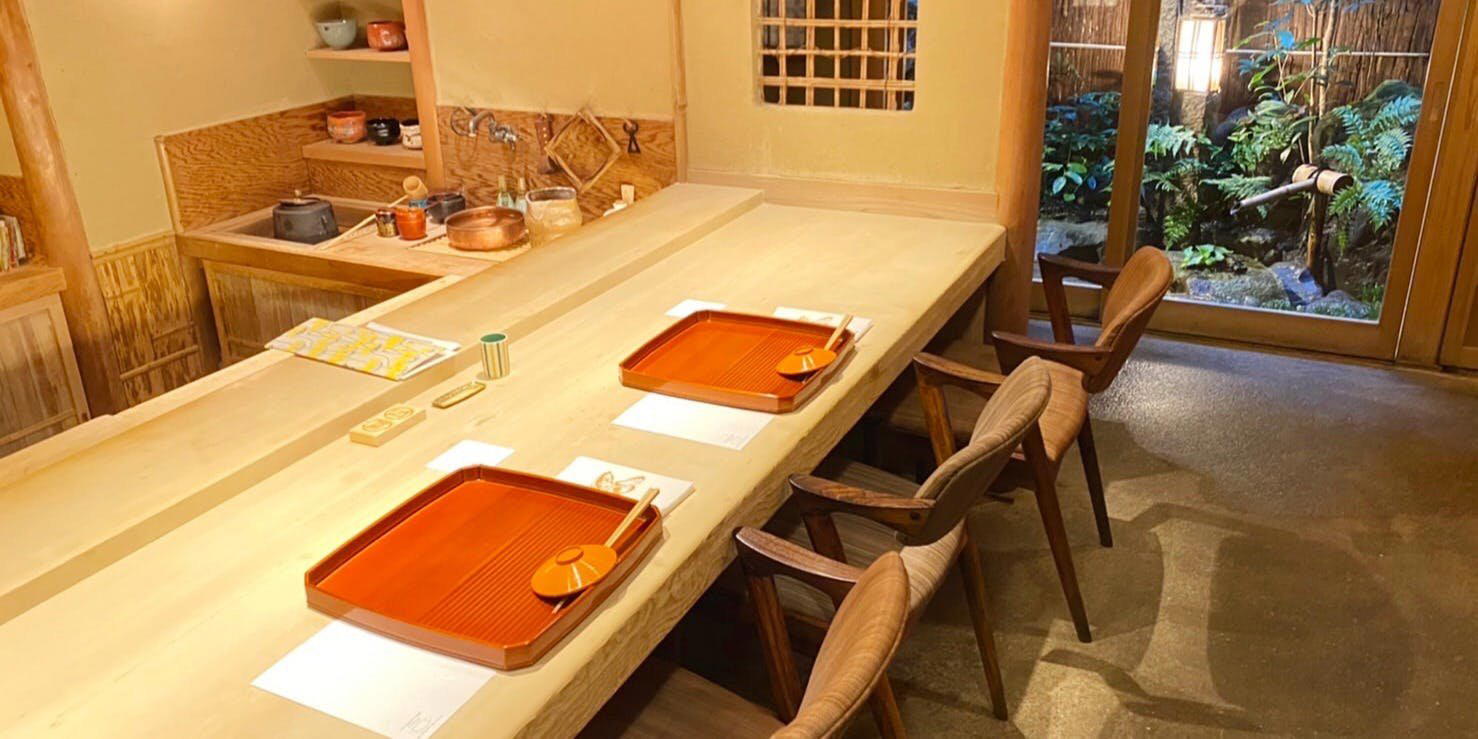
Counter seating suits the genre. Brothless ramen needs timing, heat and immediate mixing, not ceremony. Private rooms and private use are unavailable, as expected for the format. The no-smoking note and children-welcome listing make it more approachable than many tight ramen counters, while solo dining friendliness fits the Japanese noodle-house norm. The trade-off is narrow timing: plan-ahead lunch, not flexible late meal.
How to read it against Kyoto's broader food map
The restaurant corrects a common Kyoto mistake: assuming every worthwhile meal needs a reservation ledger, tasting sequence or heritage setting. Japanese ramen awards reward another discipline. Consistency, speed, noodle handling and category clarity carry weight. Repeated Tabelog 100 presence over multiple years means the shop has held attention within western Japan’s ramen field, not just Uji’s tourist circuit.
The better comparison is Japan’s network of category specialists, not formal Kyoto dining. A visitor following regional food might place it beside casual, focused addresses such as.cafe in Osaka.know in Kumamoto, (Shoku) Vietnam in Kawasaki or [Curry Senmon Ten] Maruyama Kyoju. in Sapporo: places where the category is tight and the decision turns on appetite, timing and location. It sits far from the mood of -Grilled beef Sukiyaki- KAMAKURA TANUKIAN 鎌倉 たぬき庵 in Kamakura or. 鮪と炭火焼き うお炭 秋葉原店 in Tokyo, and that contrast is why Japan rewards close reading by format.
For a wider trip, keep categories separate. Use Our full Kyoto restaurants guide for dining structure, Our full Kyoto hotels guide for where to base, Our full Kyoto bars guide for the evening, Our full Kyoto wineries guide for regional drinking context and Our full Kyoto experiences guide for the daylight itinerary. Kyoto also travels abroad through specialist Japanese formats, from Jōdo Saké Bar in Los Angeles to Onigiri Time in Pasadena, but Uji’s value is in eating the form where it belongs: locally, quickly and with the category doing the talking.
A Pricing-First Comparison
Comparable venues by category and price.
| Venue | Cuisine | Price | Notes |
|---|---|---|---|
| Seikou UdokuThis venue — the venue you are viewing | Uji, Japanese Mazesoba | $ | Not listed |
| 熙怡 | Shimogyō, Kyoto Saba Sushi | $ | Not listed |
| Rokuyosha Coffee Ten | Not listed | $ | Nakagyō, Traditional Japanese kissaten & coffee shop |
| Aburi Mochi Honke Nemoto Kazariya | Not listed | $ | Kita, Traditional Kyoto Japanese sweets (Aburi Mochi) |
| Jinba Do | Not listed | $ | Kita, Traditional Japanese Yaki-Mochi & Wagashi |
| Henkotsu | Not listed | $ | Shimogyō, Traditional Kyoto Izakaya & Oden |
Recognition history
Dated appearances from independent guides and award organizations, with the underlying list record or original source where available.
Tabelog 100 #19 · No. 19
Tabelog · Tabelog 100 - Ramen - WEST - 2025
Continue exploring
More in Kyoto
Restaurants in Kyoto
Browse all →
Bars in Kyoto
Browse all →


Hotels in Kyoto
Browse all →
Wineries in Kyoto
Browse all →
At a Glance
- Cozy
- Minimalist
- Modern
- Solo
- Casual Hangout
- Group Dining
- Standalone
- Open Kitchen
- Local Sourcing
- Organic
- Farm To Table
- Street Scene
A simple, intimate noodle-shop atmosphere centered on careful ingredient sourcing and a quiet, craft-oriented approach rather than elaborate décor.