In Katamachi, Kanazawa's most concentrated dining district, 割烹 ゆづる occupies the tier of kappo dining that has made this city a serious destination for special-occasion meals. The format places it squarely within a tradition where counter-seat kaiseki and seasonal Hokuriku ingredients define what milestone dining looks like outside Tokyo and Kyoto.
Pearl is the En Primeur Club membership app — saves, bookings, and concierge access live there. Same editors, same standards.
- Address
- Japan, 〒920-0981 Ishikawa, Kanazawa, Katamachi, 1 Chome−8−1 片町シャンテビル
- Phone
- +81762553780
- Directions
- Get directions
 Saves & bookings on Pearl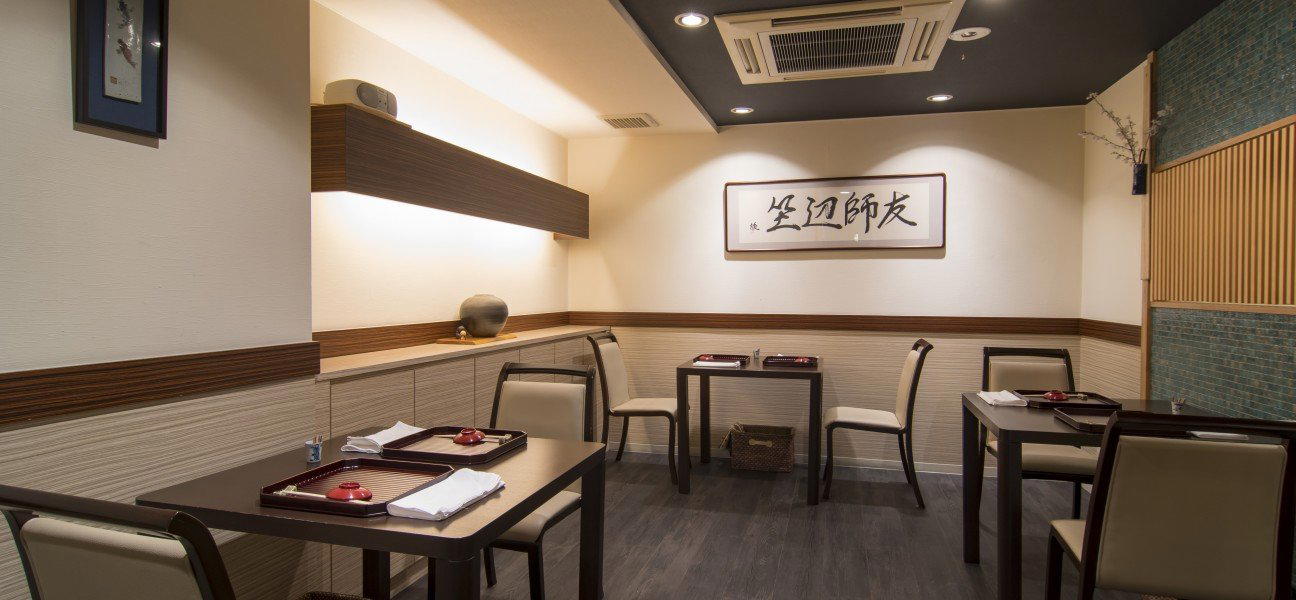
Katamachi and the Occasion-Dining Standard in Kanazawa
Kanazawa has built a reputation for serious dining that sits apart from the more tourist-facing kaiseki circuit of Kyoto. The Katamachi district, where 割烹 ゆづる is located, functions as the city's primary after-dark dining and bar quarter, and within it a cluster of kappo and kaiseki restaurants has developed a local standard that rewards the kind of deliberate, occasion-oriented reservation. This is not the neighbourhood for casual drop-ins. Katamachi operates at a register where the meal is the event, and regulars return for birthdays, promotions, and seasonal marker meals in the same way they might in Gion or Ginza.
Kappo dining as a format occupies a middle position in formal Japanese dining. It is more interactive than kaiseki at its strictest — the open counter allows for direct exchange between kitchen and guest — but it carries the same commitment to seasonal ingredients and technique. In Kanazawa, that seasonality is shaped by Hokuriku geography: winter crab from the Sea of Japan, spring firefly squid, summer sweetfish from mountain rivers, autumn mushrooms from the Noto Peninsula. For a milestone meal in this city, the kappo counter consistently delivers what a special occasion requires: a progression of courses that reflects the precise moment in the year, prepared in view of the guest, at a pace that is designed to hold attention rather than move tables.
Where Kappo Sits in Kanazawa's Dining Hierarchy
Kanazawa's formal dining scene has a coherent internal structure. At the leading, traditional kaiseki establishments like Dokkan and Budoonomori Les Tonnelles hold their ground through decades of local prestige. Below them, a layer of kappo restaurants operates with more flexibility, shorter menus, counter seating, and a willingness to engage the guest in real time. 割烹 ゆづる sits in this kappo tier, in the Katamachi address that signals seriousness without the full ceremony of a traditional kaiseki room.
For comparative context, the kappo format in Kanazawa draws loosely from the same tradition visible at higher-profile counters elsewhere in Japan. Restaurants like Gion Sasaki in Kyoto and Harutaka in Tokyo represent the best of that format nationally, and the gap between those two-Michelin-star-and-above operations and regional city kappo is measurable. What the regional kappo counter offers instead is proximity, to the seasonal catch, to a local kitchen culture that has not been calibrated for international reviewers, and to the particular mood of an occasion meal in a city still slightly under the radar compared to the usual Japan itinerary anchors. Readers looking at Japan's wider formal dining tier should also consider HAJIME in Osaka, Goh in Fukuoka, and akordu in Nara for a sense of how serious cooking is distributed across Japan's secondary cities.
The Occasion Case for 割烹 ゆづる
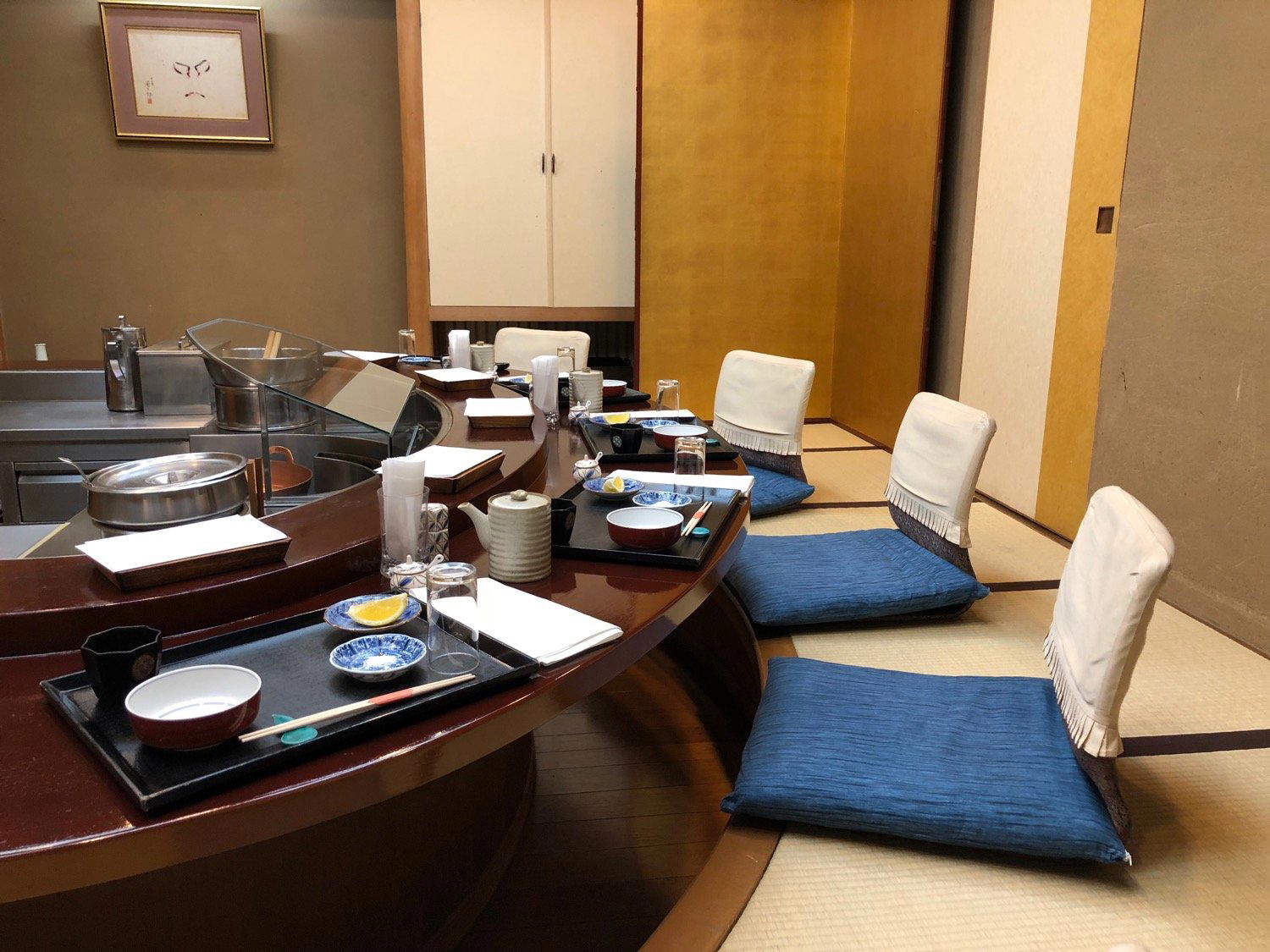
Kappo dining in Japan has a structural advantage for celebration meals that the more elaborate kaiseki formats sometimes lack. The counter seat places you close enough to the kitchen to watch a dish being finished, which creates a kind of low-intensity theatre that formal tatami kaiseki, served course by course in a separate room, does not offer. For guests marking a specific moment, that visibility adds meaning: the meal becomes something witnessed as well as eaten.
Kanazawa's seasonal calendar amplifies this. If the reservation falls in winter, roughly November through March, the Hokuriku crab season defines the local ingredient story in ways that few other cities in Japan can match. Zuwaigani from the Sea of Japan is to this coast what wagyu is to Kobe: a regional product with a designated season, a governed supply chain, and a price premium that signals seriousness. A kappo counter in Katamachi in crab season is, by definition, an occasion-calibrated experience, regardless of the individual venue. The same logic applies in autumn, when Noto Peninsula produce comes into full supply, and in spring when mountain vegetables and river fish shape the menu direction. For guests considering the full range of Kanazawa dining, the EP Club Kanazawa restaurants guide maps the seasonal calendar across venue types.
Outside formal cuisine, Katamachi also contains Amanatto Kawamura and the traditional crafts district anchored by Hakuichi, context that places the dining quarter within a broader culture of regional craft and precision that Kanazawa maintains consistently across categories.
Planning Your Visit
Kappo counters in Katamachi generally operate dinner-focused services, with reservations advisable for any Friday or Saturday booking, and near-essential for winter crab season from November onwards. Guests staying at higher-end Kanazawa properties can usually request reservation assistance through hotel concierge, which remains the most reliable route for non-Japanese speakers. Dress at Kanazawa kappo counters tends toward smart-casual at minimum; formal occasions are served well by a jacket.
For regional context beyond Kanazawa, the broader Hokuriku dining circuit extends to Nanao on the Noto Peninsula, 一本杉 川嶋製 represents the northern end of that reach, and westward toward Takashima, where 琵琶湖畔 offers a lakeside counterpoint to the coastal Kanazawa focus. For guests assembling a wider Japan itinerary, comparison with 夕杜山乃 in Sapporo and 羽根屋 in Nishikawa Machi rounds out the picture of how regional Japanese formal dining distributes across prefectures outside the main metropolitan axis.
How 割烹 ゆづる Kanazawa compares with similar nearby venues.
| Venue | Cuisine | Price |
|---|---|---|
| A_RESTAURANT | Not listed | JPY 20,000 - JPY 29,999 JPY 15,000 - JPY 19,999 |
| Kabuna | Not listed | JPY 6,000 - JPY 7,999 |
| Tempura Koizumi | Tempura | Not listed |
Continue exploring
More in Kanazawa
Restaurants in Kanazawa
Browse all →
Bars in Kanazawa
Browse all →
Hotels in Kanazawa
Browse all →
Wineries in Kanazawa
Browse all →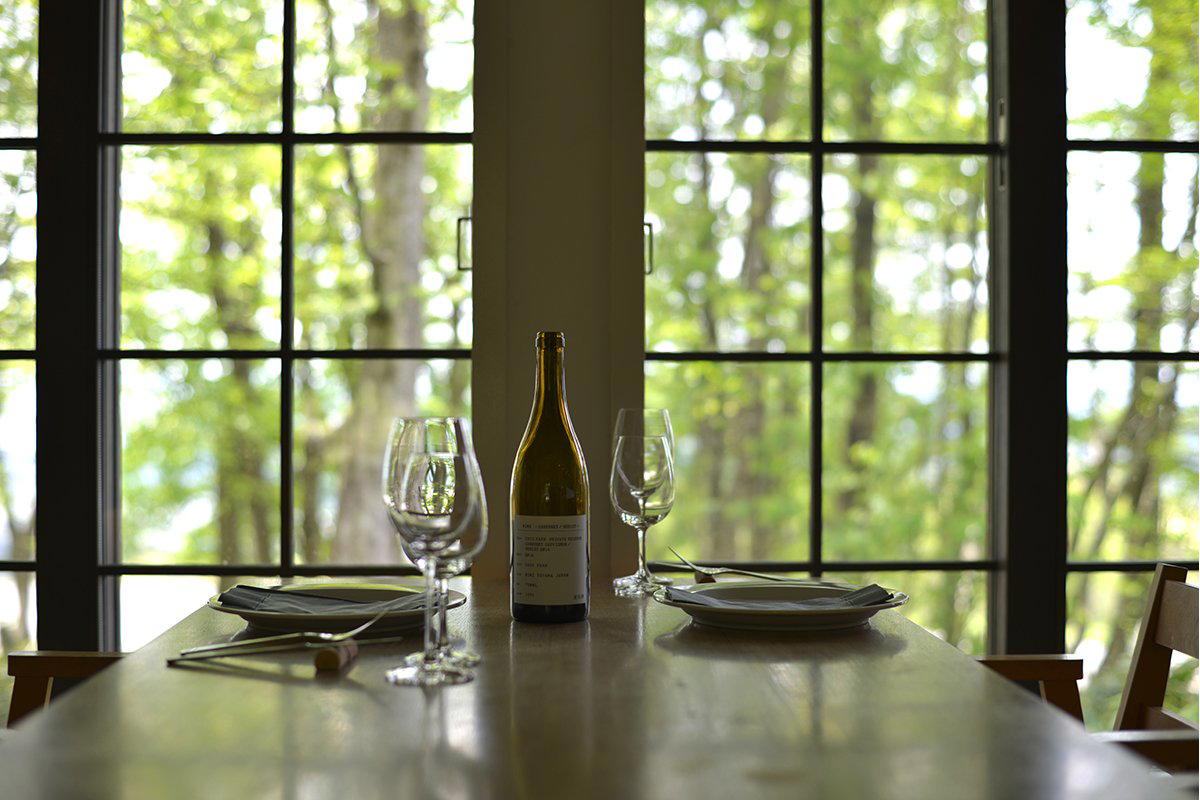
At a Glance
- Elegant
- Intimate
- Sophisticated
- Special Occasion
- Date Night
- Sake Program
- Local Sourcing
Current opening hours
- Monday
- 6–9 PM
- Tuesday
- 6–9 PM
- Wednesday
- 6–9 PM
- Thursday
- 6–9 PM
- Friday
- 6–9 PM
- Saturday
- 6–9 PM
- Sunday
- Closed
Hours can change for holidays and private events. Last verified .
Warm and welcoming counter seating with an elegant, unpretentious atmosphere.
Know Before You Go
- Getting there
- Japan, 〒920-0981 Ishikawa, Kanazawa, Katamachi, 1 Chome−8−1 片町シャンテビル