Our verdict
Set on the civic plaza adjoining La Moneda, Santiago's presidential palace, Cívico la moneda occupies one of the Chilean capital's most charged public spaces. The address alone places it in a different conversation from the city's neighbourhood dining rooms, and the wine program reflects that positioning. A reference point for Chilean viticulture in the heart of downtown Santiago.

Pearl is the En Primeur Club membership app — saves, bookings, and concierge access live there. Same editors, same standards.
- Address
- Pl. de la Ciudadanía 26, Santiago, Región Metropolitana, Chile
- Phone
- +56982943708
- Hours
- Mon–Fri 8:30 AM–7:30 PMSat ClosedSun 10:30 AM–4:30 PM
- Website
- opentable.com
- Directions
- Get directions
- Booking
- Book on OpenTable
The menu
What to order
- Pulpo al olivo
- Plateada de wagyu
- Cebiche
- Salmón sobre risotto de murtilla
Where the Plaza Frames the Glass
Plaza de la Ciudadanía sits directly south of La Moneda, Santiago's presidential palace, and the open concrete expanse carries a particular weight at any hour. Arriving at Cívico la moneda means crossing that civic ground first, with the palace's neoclassical facade holding the northern edge of the view. The experience of the address is part of the proposition before you reach the table. Downtown Santiago has historically been underserved by serious dining compared to Providencia, Vitacura, and Las Condes, which makes a restaurant at this specific latitude a statement of intent about who the city centre can attract.
The broader pattern across Chilean dining over the past decade has been a pull toward outer residential districts and neighbourhood clusters. The restaurants that have attracted the most editorial attention, from Boragó (Modern Chilean) to 99 Restaurante, operate in areas where the surrounding streets support an evening out. Cívico la moneda works against that grain, drawing on institutional footfall and a captive audience of government workers, cultural visitors, and tourists oriented around the historic core.
Chilean Wine in a Civic Frame
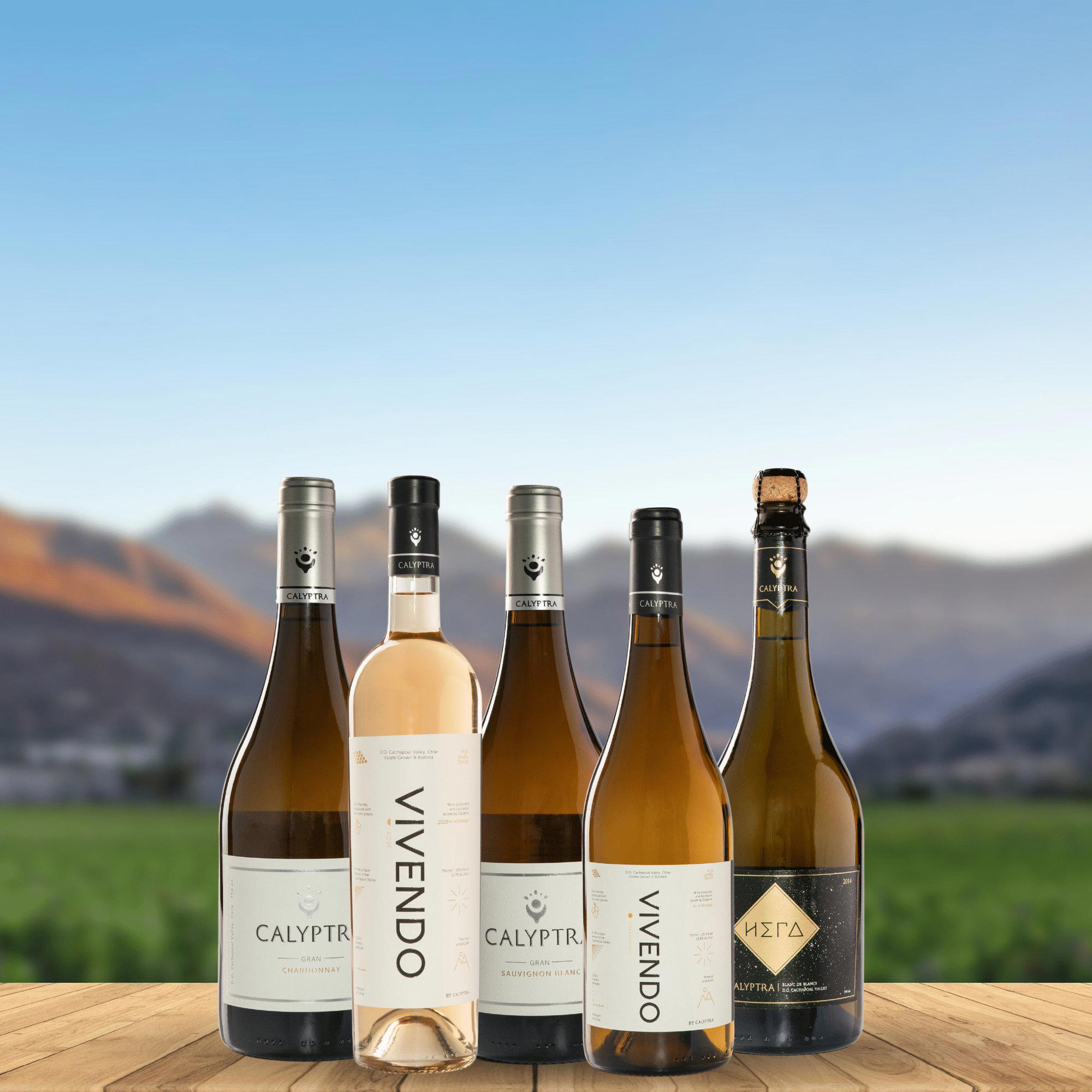
The editorial angle that leading explains Cívico la moneda's position in Santiago's dining conversation is the wine program. Chile's viniculture has been repositioning itself for two decades, moving away from varietal commodity production toward appellation-specific, terroir-aware bottlings. The country's DO system now covers distinct zones from the cool-climate Casablanca and Leyda valleys on the coast to the higher-altitude Apalta and Colchagua zones inland, and the contrasts between them are as legible in the glass as those between appellations in established European regions.
A restaurant at this address, functioning as a civic dining room for a politically and culturally active clientele, has natural incentives to present Chilean wine seriously. The cellar logic for a venue in this position tends to favour breadth across appellations and producers rather than depth in a single style, which suits the varied pace of the space. Carménère from Colchagua alongside Pinot Noir from the Bio-Bio, Sauvignon Blanc from Leyda beside Chardonnay from Limarí: the geography of Chilean wine maps well onto a list that wants to make the country's range legible to visitors and locals alike. For a parallel reference outside Chile, the sommelier programs at Le Bernardin in New York City demonstrate how institutional dining can anchor serious cellar work without sacrificing accessibility.
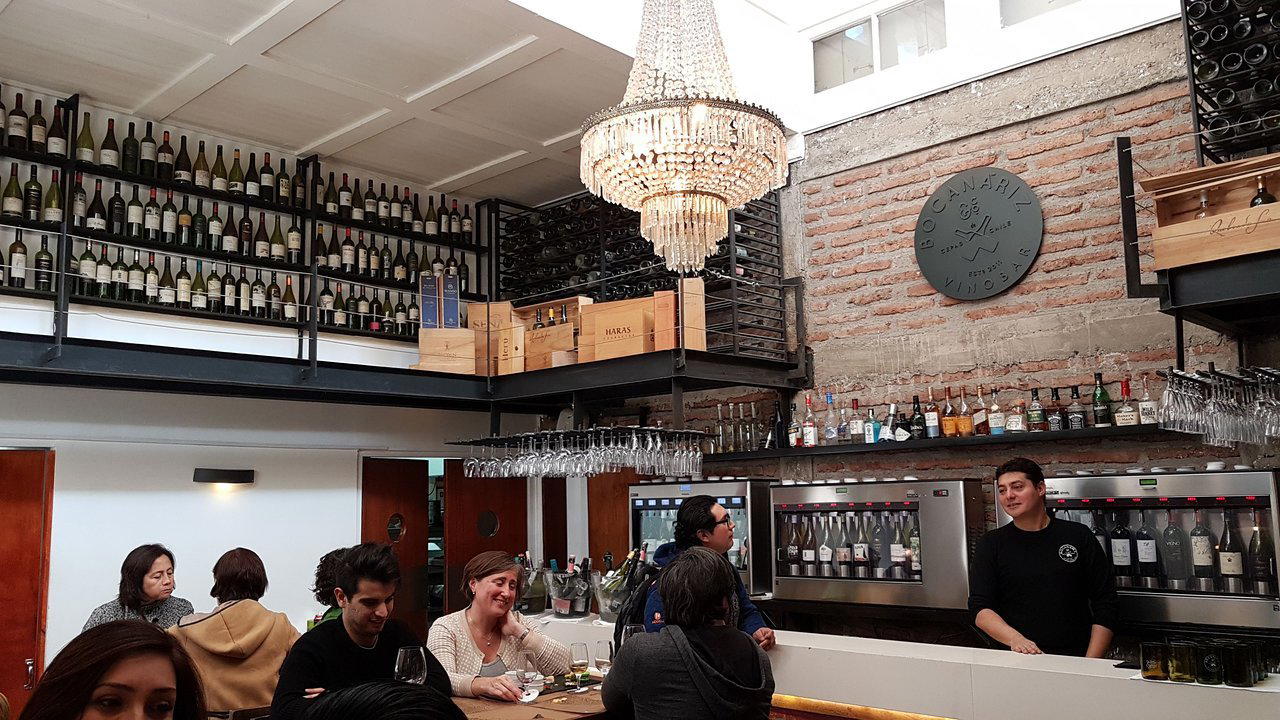
Santiago's most wine-focused dining rooms have historically clustered around the Bocanáriz model in Barrio Bellavista, where the wine bar format lets the list be the primary point of difference. A restaurant on Plaza de la Ciudadanía operates differently: the wine program supports rather than leads the proposition, which demands a different curatorial discipline. The question is whether the list rewards attention from someone already familiar with the Chilean producers appearing at Lapostolle Residence in Santa Cruz or Viña Concha y Toro in Pirque.
The Cuisine Context
Santiago's restaurant scene has split broadly into two tracks: modern Chilean tasting menus that draw on indigenous ingredients and contemporary technique, and more accessible bistro formats that read the city's cosmopolitan demographics. The former track is represented most prominently by Boragó and its closest peers; the latter by places like Ambrosia (French - Chilean) in Providencia, which blends classical French preparation with Chilean produce.
A civic restaurant at La Moneda's doorstep occupies a third position: it needs to work for a business lunch, a post-museum dinner, and a tourist's first serious meal in Santiago. That range of use cases tends to produce menus that anchor in Chilean staples — seafood from the Pacific coast, beef from the central valley, produce from the country's varied agricultural zones — without committing to the kind of conceptual framing that defines the tasting-menu tier. La Calma by Fredes (Seafood) and Demencia each occupy more defined niches than this position allows. The civic restaurant format trades creative concentration for range and regularity.
For visitors arriving from coastal Chile or coming directly from wine country, the contrast with more destination-focused properties, Awasi Atacama in San Pedro de Atacama or andBeyond Vira Vira in Araucanía, is instructive. Those addresses fold the table into a total experience of place. Cívico la moneda asks you to bring the context of the plaza with you, which requires a different kind of attention from the diner.
Placing It in the Wider Santiago Map
Visitors building a Santiago dining sequence often anchor in the same northern arc: Lastarria, Bellavista, Vitacura. The historic centre gets routed around rather than into. That navigational habit undersells what the civic core offers, particularly for lunch, when the plaza draws a genuinely mixed public that restaurants in residential districts rarely see. Peumayen in Providencia and D.O. Restoran in Lo Barnechea each make a strong case for their own neighbourhoods, but neither address carries the civic charge of a meal taken in view of the seat of government.
Within Chile's wider dining geography, the contrast with coastal or valley properties, Pasta e Vino Ristorante in Valparaiso, Rosario in Rengo, Aquí Jaime in Concon, CasaMolle in El Molle, clarifies what the urban civic format asks of a restaurant: density of purpose over singularity of experience. Our full Santiago restaurants guide maps the wider scene for anyone building a multi-day itinerary. For a comparable American analogy of format discipline in an urban dining room, Lazy Bear in San Francisco shows how intentional a civic-facing address can be.
Planning a Visit
Cívico la moneda sits at Plaza de la Ciudadanía 26, directly accessible from the Moneda metro station on Line 1. Lunch is the natural anchor visit, when the plaza is animated and the walk across the open ground from the metro carries its fullest charge. The address is a ten-minute walk from the main tourist cluster around the Mercado Central and Plaza de Armas, which makes it a sensible midpoint for a morning that starts at the market and ends at La Moneda's cultural centre. Reservations and current hours are best confirmed directly given that civic-adjacent venues in Santiago have adjusted their service patterns in recent years.
Frequently asked questions
What part of town is Cívico la moneda in?
Cívico la moneda is located at Pl. de la Ciudadanía 26, Santiago, Región Metropolitana, Chile, Santiago.
Is Cívico la moneda a good option for dining near La Moneda palace in Santiago?
It is the closest seated dining option directly on Plaza de la Ciudadanía, the public square immediately south of La Moneda palace in Santiago's historic centre. The venue is accessible from Moneda metro station on Line 1, making it convenient before or after visiting the palace and its adjoining cultural centre. For travellers spending time in the centro histórico rather than the northern barrios, it fills a gap that the standard Santiago restaurant guides rarely address.
What should I eat at Cívico la moneda?
The kitchen sits within Santiago's broader arc of Chilean-ingredient-led cooking, so expect the menu to follow what the country's central valley and coastal producers are putting forward seasonally. The restaurant's position at Plaza de la Ciudadanía 26, drawing a civic lunch crowd from the surrounding government district, points toward a menu built for midday eating rather than extended tasting-format dinners.
How hard is it to get a table at Cívico la moneda?
The location directly adjacent to La Moneda palace makes Cívico la moneda a natural landing point for the government and business lunch crowd concentrated in Santiago's historic centre. Demand at midday on weekdays is likely higher than weekend evenings, given the neighbourhood's professional footfall. Reservation lead times are not currently on record, but arriving without a booking at peak lunch hours carries risk.
What's the standout thing about Cívico la moneda?
The address is the sharpest differentiator: Plaza de la Ciudadanía 26 places the venue on the open plaza directly south of Chile's presidential palace, a civic frame that few Santiago restaurants can claim. Most of the city's serious dining gravitates north toward Lastarria, Bellavista, and Vitacura, which means Cívico operates largely outside the standard dining circuit — a position that shapes both its audience and its identity.
Can Cívico la moneda handle vegetarian requests?
Chile's contemporary restaurant scene has integrated vegetarian options broadly, driven in part by the indigenous-ingredient movement that foregrounds grains, legumes, and Andean produce. Contacting the venue ahead of your visit is the practical step.
Same-City Peers
Comparable venues nearby, for context on price, style, and recognition.
| Venue | Cuisine | Price | Awards | Notes |
|---|---|---|---|---|
| Cívico la monedaThis venue — the venue you are viewing | Modern Chilean | Not listed | Not listed | Not listed |
| Confitería Torres | Traditional Chilean | $20–30 | Not listed | Centro Histórico |
| 99 Restaurante | Modern Chilean Bistronomy | $30–50 | Not listed | Providencia |
| Las Cabras - Fuente de Soda | Chilean Fuente de Soda | Not listed | Not listed | Barrio Plaza la Alcaldesa |
| Restaurante Happening | Argentine-Style Steakhouse | Not listed | Star Wine List | Las Condes |
| Aqui Esta Coco | Traditional Chilean Seafood | $50–100 | Not listed | Vitacura |