Aqui Esta Coco is one of Santiago's most enduring seafood addresses, a reference point for Chilean coastal cooking in a city that sits hours from the shore. The kitchen draws on the Pacific's cold-water larder, corvina, congrio, locos, translating regional sourcing into a dining room that has remained relevant across decades of change in the Chilean capital.

Pearl is the En Primeur Club membership app — saves, bookings, and concierge access live there. Same editors, same standards.
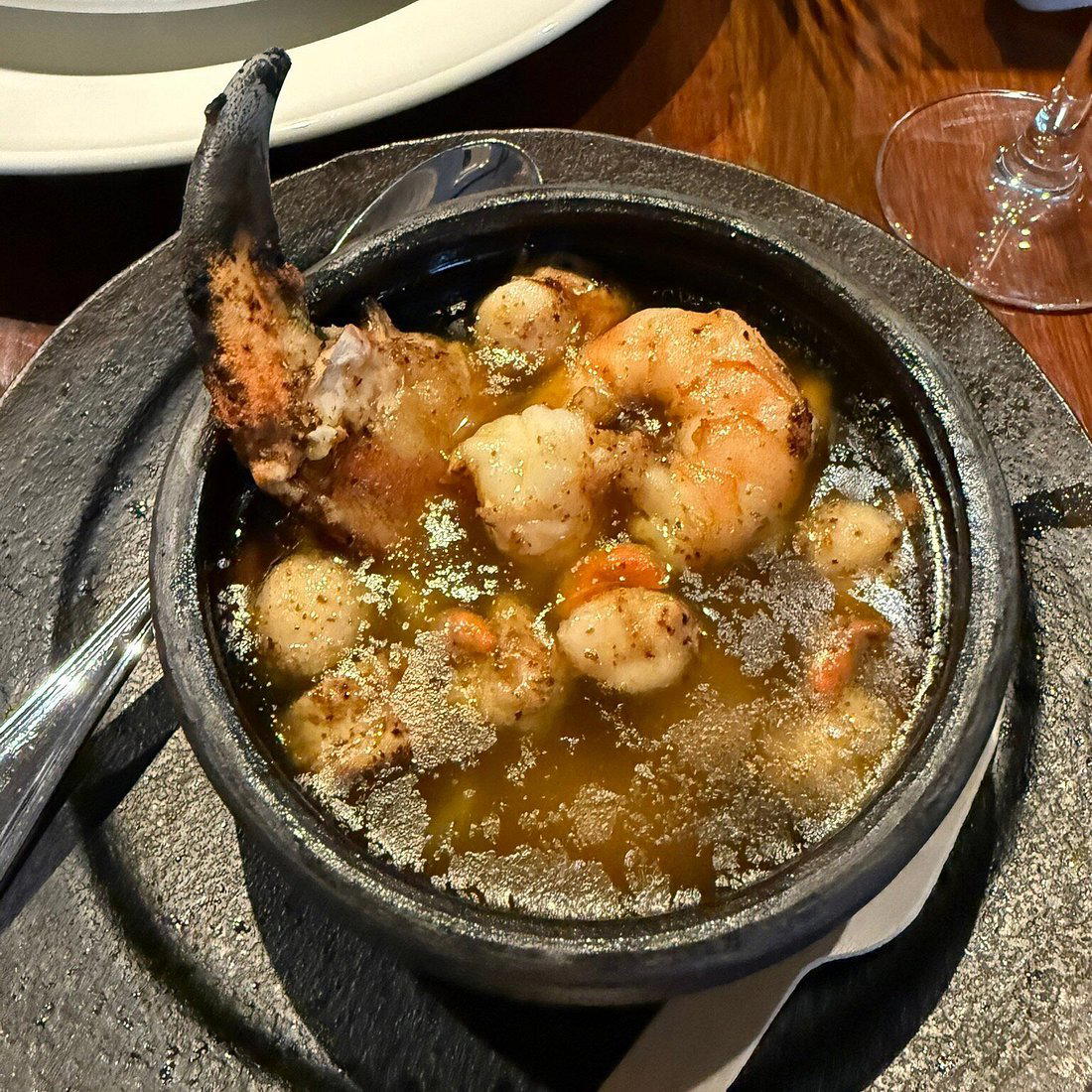
Chilean Seafood, Landlocked: What Santiago's Coastal Kitchens Reveal
There is something instructive about eating Pacific seafood in Santiago. The city sits in a central valley framed by the Andes to the east and coastal ranges to the west, yet Chile's relationship with the ocean runs so deep through its culture and cuisine that the capital's seafood restaurants carry a weight of identity that inland dining rooms in other countries rarely do. The 4,300 kilometres of coastline that define Chile's western edge deliver cold Humboldt Current waters and one of the world's most biodiverse marine harvests: congrio negro, corvina, reineta, centolla from the far south, razor clams and locos from rocky Pacific shelves. Aqui Esta Coco operates inside that tradition, a Santiago institution that has made the argument, across multiple decades, that serious Chilean seafood does not require proximity to the shore.
The Sourcing Logic Behind Chilean Coastal Cooking
Chile's geography makes ingredient provenance a more specific conversation than in most countries. The Humboldt Current suppresses water temperatures along the entire Pacific coast, producing conditions that favour shellfish of notable density and flavour, locos (Chilean abalone) in particular carry a mineral intensity that warm-water equivalents do not replicate. Congrio, the elongated eel-fish that appears in Pablo Neruda's famous ode and on nearly every serious Chilean seafood menu, arrives from cold southern waters where slower growth produces firmer, more flavourful flesh. Centolla, the Magallanic king crab sourced from the Strait of Magellan and Tierra del Fuego, represents Chile's most geographically specific premium product, a species tied to waters so remote that handling and transport logistics directly affect what reaches the plate.
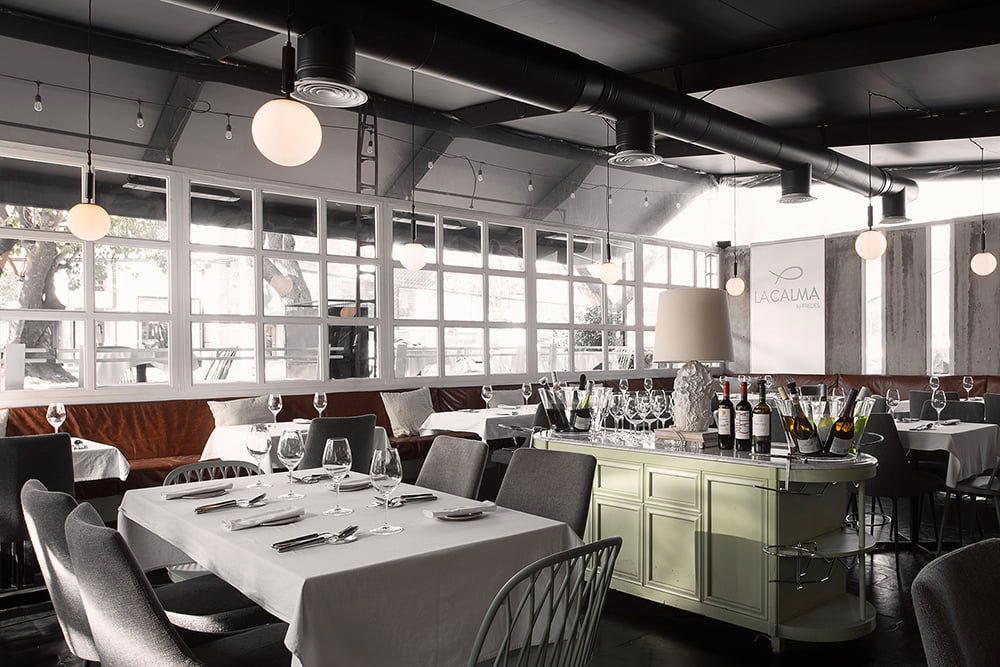
Restaurants like Aqui Esta Coco, which has built its reputation on this Pacific larder, sit at a particular point in the Chilean dining ecosystem: committed to the tradition rather than reinterpreting it. That is a different position from what Boragó (Modern Chilean) occupies, where indigenous ingredients are folded into an avant-garde framework, or from La Calma by Fredes (Seafood), which brings a more contemporary presentation to coastal produce. The traditional end of the spectrum has its own rigour: sourcing consistency, preparation fidelity, and a refusal to obscure product quality behind technique are the standards against which a classical Chilean seafood kitchen is measured.
For comparison points outside Santiago, Aquí Jaime in Concon operates closer to the source, in a port town where the supply chain is shorter. The Aquí está Coco Restaurante in Vitacura represents a related address within the same extended family of the brand, serving a wealthier residential neighbourhood with its own clientele expectations. Understanding the relationship between these addresses helps map how the concept has expanded and where each iteration sits in the city's seafood hierarchy.
Santiago's Seafood Tier and Where Classical Kitchens Fit
Santiago's premium seafood segment has diversified considerably over the past decade. On one side, contemporary Chilean kitchens like 99 Restaurante and Demencia have built reputations on reinvention and technique-led menus that frequently incorporate coastal produce within broader tasting formats. On the other, Ambrosia (French-Chilean) occupies a Franco-Chilean register where classic European technique meets Chilean sourcing. The Ambrosia Bistro in Providencia operates as a more accessible extension of that positioning.
Classical Chilean seafood restaurants occupy a distinct tier from all of these: they are evaluated less on innovation and more on sourcing integrity and execution consistency. A congrio en salsa verde should taste of the fish, not the sauce. A loco gratinado should carry the mineral density of Pacific abalone, not disappear beneath cheese and cream. These are simple standards to articulate and demanding ones to maintain across a full service, which is precisely why restaurants that have managed it for decades command the loyalty they do.
For Chilean seafood in contexts beyond Santiago, Casino Dreams in Punta Arenas operates at the southern end of the country where centolla is essentially a local ingredient, and La Concepción in Valparaiso sits in a port city where the relationship between restaurant and fishing fleet is more direct. Each geography inflects the seafood tradition differently. International reference points for technically accomplished seafood cooking at the summit of the market include Le Bernardin in New York City, where the fish-first philosophy has been maintained across decades, and the precision-focused approach of Atomix in New York City illustrates what technique-led menus look like when executed at the highest level, a different register entirely, but useful for understanding what separates tradition-led from innovation-led kitchens.
Planning a Visit
Aqui Esta Coco draws a mixed clientele of Santiago residents and visitors who specifically seek out the Chilean seafood tradition rather than its contemporary reinventions. The restaurant's location in Providencia makes it accessible from the city's central and eastern neighbourhoods. Reservations are recommended. Reservations at the restaurant are advisable, particularly for weekend lunches when the dining room draws families and groups.
Fast Comparison
Comparable venues nearby, for context on price, style, and recognition.
| Venue | Cuisine | Price | Notes |
|---|---|---|---|
| Aqui Esta CocoThis venue — the venue you are viewing | Chilean Seafood | $$$ | Not listed |
| Cívico la moneda | Modern Chilean | $$$ | Centro |
| Restaurante Peluquería Francesa - Boulevard Lavaud - Barberia Patrimonial Barrio Yungay | French-European Bistro | $$$ | Yungay |
| Vietnam Discovery Restaurant | Authentic Vietnamese | $$ | Vitacura |
| De Patio Restaurante | Innovative Chilean Seafood with Asian Influence | $$$ | Vitacura |
| La Mesa | Modern Chilean Farm-to-Table | $$$ | Vitacura |
Continue exploring
More in Santiago
Restaurants in Santiago
Browse all →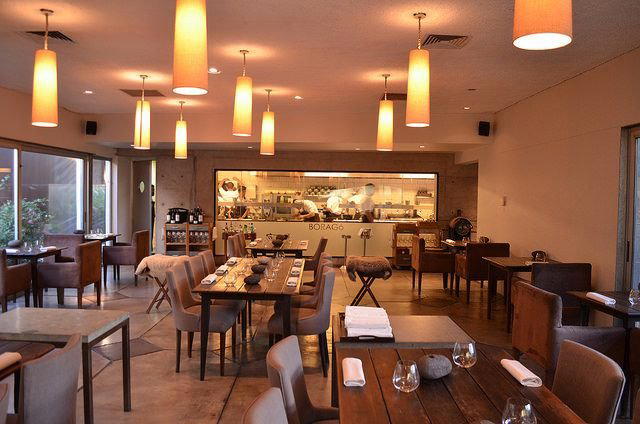

Bars in Santiago
Browse all →

Hotels in Santiago
Browse all →


At a Glance
- Cozy
- Well Known
- Lively
- Special Occasion
- Family
- Celebration
- Historic Building
- Extensive Wine List
- Craft Cocktails
- Sustainable Seafood
- Local Sourcing
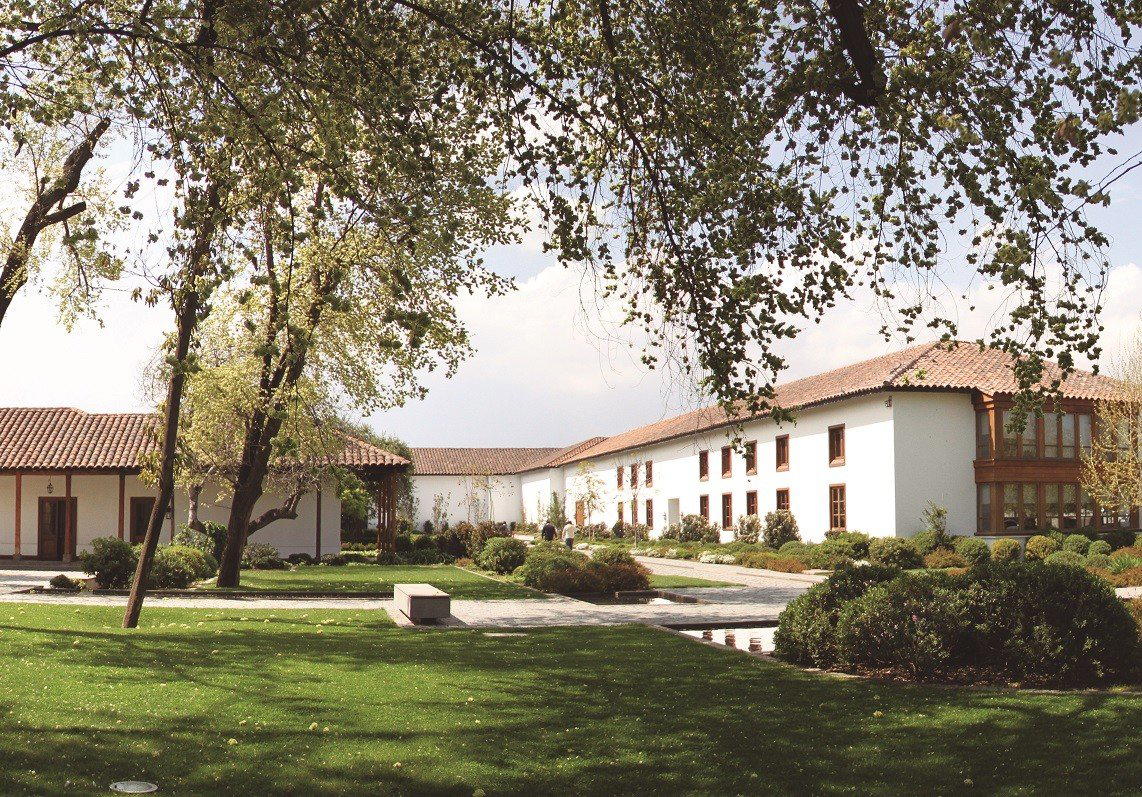
Inviting, relaxed, and kitschy with nautical decor in a historic 140-year-old home, creating a warm and memorable atmosphere.