Cucina Takemura
Our verdict
Cucina Takemura sits in Naka Ward, Yokohama, at an address that places it within reach of the city's historic Italian quarter and its long tradition of Western-influenced dining. The name signals a hybrid identity — Italian structure, Japanese sensibility — that Yokohama has made its own over more than a century. For a city that opened its port before Tokyo fully did, that conversation between European form and local ingredient logic runs deep.

Pearl is the En Primeur Club membership app — saves, bookings, and concierge access live there. Same editors, same standards.
- Address
- 201 4 Chome-76 Aioicho, Naka Ward, Yokohama, Kanagawa 231-0012, Japan
- Phone
- +81 45 225 8773
- Hours
- Mon ClosedTue–Sun 12–2 PM, 5:30–11 PM
- Website
- cucinatakemura.com
- Directions
- Get directions
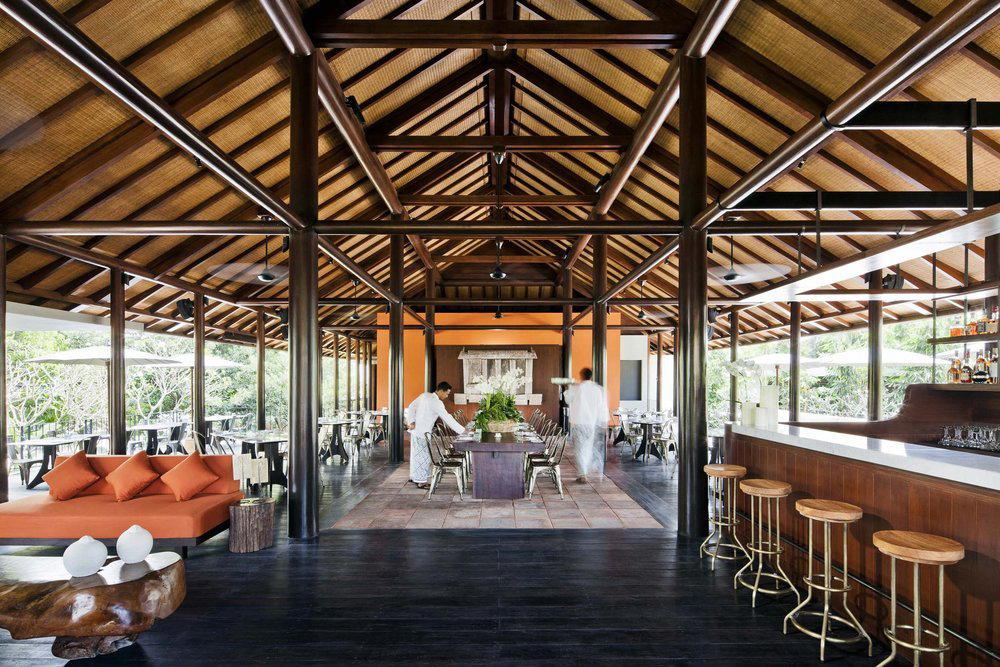
Where Yokohama's Western Dining Tradition Meets Ingredient Discipline
Naka Ward is not a neighbourhood that announces itself. Its streets in the 4-chome stretch of Aioicho carry the residue of Yokohama's nineteenth-century port culture: low-rise buildings whose ground floors have cycled through generations of restaurants, the occasional converted warehouse, and a general absence of the glass-and-steel density that defines Tokyo's premium dining districts. It is exactly the kind of setting where a restaurant built around sourcing logic, rather than spectacle, makes sense. Cucina Takemura occupies that environment, and the name itself frames the offer before you arrive: Italian structure, Japanese surname, the combination that Yokohama has been refining since foreign merchants first settled the Kannai area in the 1860s.
Yokohama's relationship with Western cooking is not borrowed. The city was among the first in Japan to develop a native Italian and French dining tradition precisely because its port gave it direct access to imported ingredients and European culinary influence before most of Japan had either. That history matters when assessing a restaurant like Cucina Takemura, because the Italian-Japanese synthesis it appears to represent is not a contemporary trend here — it is the continuation of something the city has been working out for well over a century. For broader context on where this fits within Yokohama's wider restaurant scene, see our full Yokohama Shi restaurants guide.
The Sourcing Logic Behind Italian-Japanese Cooking
The strongest version of Italian cooking in Japan does not simply substitute Japanese ingredients into Italian frameworks. It asks which Japanese ingredients carry the structural properties — acidity, fat content, umami depth, textural resilience, that Italian technique was designed to work with, and then rebuilds the dish from that starting point. Kanagawa Prefecture, which surrounds Yokohama, gives any serious kitchen in this city a meaningful head start on that question. The prefecture produces distinctive agricultural output: Miura Peninsula vegetables are known across the Kanto region for their density and flavour concentration, and the waters off Sagami Bay provide access to fish that Tokyo's Tsukiji and Toyosu pipelines do not always prioritise.
That regional supply context is relevant because ingredient sourcing in premium Japanese Italian cooking has become a differentiating variable in the same way that sake provenance differentiates kaiseki counters. Restaurants like akordu in Nara and affetto akita in Akita have demonstrated that Italian cooking in Japanese regional cities gains credibility precisely by anchoring itself to what the surrounding prefecture actually produces, rather than importing standard European commodity ingredients.
The broader pattern across Japan's premium Italian sector is worth understanding. Restaurants operating at the level implied by an address in central Naka Ward, with a name that carries clear Italian culinary intent, tend to fall into one of two camps: those that treat Italian cooking as a reference framework applied to Japanese seasonal logic, and those that attempt a closer technical fidelity to regional Italian tradition while substituting locally sourced proteins and produce. The former approach has produced some of Japan's most interesting cooking over the past two decades, venues like HAJIME in Osaka show what happens when French-Italian influence is taken as a starting point for something genuinely original rather than imitative. The latter approach produces a different kind of restaurant, one where the cooking rewards comparison with Italian regional benchmarks rather than asking to be evaluated entirely on its own terms.
Yokohama in the Context of Japan's Wider Dining Geography
Japan's Michelin and Tabelog coverage concentrates heavily on Tokyo, Osaka, and Kyoto, which means restaurants operating in Yokohama, Kanagawa, and the wider Kanto periphery are systematically underrepresented in international dining discourse relative to their actual quality levels. This is not a Yokohama-specific problem: Aji Arai in Oita, Goh in Fukuoka, and Amegen in Saga all operate in cities that receive a fraction of the international attention their cooking warrants. Yokohama is at least closer to the Tokyo media infrastructure, but restaurants in Naka Ward still tend to build their reputations through local and regional recognition before attracting broader notice.
That structural dynamic means Cucina Takemura is worth approaching with the assumption that regional reputation precedes documented international recognition. Comparable venues in similarly positioned cities, such as anchoa in Kanagawa and Abon in Ashiya, demonstrate the pattern: strong local reputation, selective regional coverage, limited international profile despite cooking that would read clearly at that level in a higher-visibility city.
The comparison set for serious Italian cooking in Japan extends well beyond the obvious. Internationally reviewed benchmarks such as Le Bernardin in New York City and experience-format venues like Lazy Bear in San Francisco represent the kind of technical seriousness and sourcing discipline that premium Italian-influenced restaurants in Japan are increasingly measured against, even when the cooking itself takes a very different form. The standard has globalised; the ingredients and the sensibility remain local.
Planning a Visit to Cucina Takemura
The Aioicho address in Naka Ward is accessible from Kannai Station on the JR Negishi Line and Yokohama Municipal Subway Blue Line, placing the restaurant within a short walk of central Yokohama's transport infrastructure. Naka Ward sits between Chinatown to the east and the Kannai business district to the west, a position that makes it a natural dinner destination for visitors arriving from Tokyo via the Tokaido Line or Yokohama Line. The neighbourhood is compact enough to walk between restaurants, and the Motomachi shopping street nearby provides a pre-dinner orientation point for those unfamiliar with the area.
For a restaurant at this address in this category, telephone reservation or a reservation platform such as Tableall or Omakase is the standard approach for premium Italian counters in the Kanto region. Arriving without a reservation at a restaurant of this apparent format carries meaningful risk, particularly on weekends, when Naka Ward dining destinations draw both local regulars and visitors from across the broader Yokohama-Tokyo corridor. Contacting the venue directly in advance is the more reliable path. For additional reference points on comparable Japanese restaurant formats elsewhere in the country, the coverage of Gion Sasaki in Kyoto, Harutaka in Tokyo, aki nagao in Sapporo, Amaki in Aichi, Akakichi in Imabari, Ajidocoro in Yubari District, and Arakawa in Hyogo each illustrate how Japan's regional restaurant sector operates across different cuisine types and price tiers.
Frequently asked questions
Is Cucina Takemura suitable for children?
Cucina Takemura sits in Naka Ward, Yokohama, a neighbourhood with a measured, unhurried character. The Italian-Japanese cooking approach here leans toward considered ingredient combinations rather than casual fare, which suggests the experience is better suited to adults or older children who will engage with that register. Families with very young children should consider whether the setting and format align with their needs before booking.
Is Cucina Takemura better for a quiet night or a lively one?
The Aioicho address in Naka Ward occupies streets that carry the residue of Yokohama's nineteenth-century Western-influenced dining culture, a neighbourhood that tends toward the composed rather than the animated. Cucina Takemura fits that context: expect a setting oriented toward conversation and focused eating rather than a high-energy room. It reads as an evening for two or a small group who want the food to be the primary event.
How does Cucina Takemura fit into Yokohama's broader dining scene compared to Tokyo-area Italian restaurants?
Japan's critical coverage, including Michelin and Tabelog rankings, concentrates heavily on Tokyo, Osaka, and Kyoto, which means restaurants operating in Yokohama and Kanagawa Prefecture often receive less documentation despite comparable cooking. Cucina Takemura's position in Naka Ward, a district with documented Western-dining heritage dating to the nineteenth century, places it in a tradition that predates many of Tokyo's Italian-Japanese addresses. For diners already in Yokohama Shi, it represents a local alternative with a distinct sourcing philosophy rather than a derivative of the Tokyo Italian scene.
What should I order at Cucina Takemura?
Cucina Takemura's approach is built around the question of which Japanese ingredients belong inside Italian frameworks rather than simple substitution, so the most coherent way to eat here is to follow what the kitchen is currently working with rather than seeking a fixed signature dish. Ask the restaurant directly about the current menu focus when you book or arrive at the Aioicho location. Dishes driven by seasonal Japanese produce within an Italian structure are the clearest expression of what distinguishes this address from standard Italian restaurants in Kanagawa.
What's the address for Cucina Takemura?
Cucina Takemura is located at 201 4 Chome-76 Aioicho, Naka Ward, Yokohama, Kanagawa 231-0012, Japan, Yokohama Shi.
Can I walk in to Cucina Takemura?
Cucina Takemura is located at 4 Chome-76 Aioicho, Naka Ward, Yokohama, accessible from Kannai Station on the JR Negishi Line and Yokohama Municipal Subway Blue Line. Restaurants operating at this level of ingredient specificity in Yokohama's Naka Ward typically run at capacity on weekends and Friday evenings.
In Context: Similar Options
| Venue | Cuisine | Price | Awards | Notes |
|---|---|---|---|---|
| Cucina TakemuraThis venue — the venue you are viewing | Wild Game Italian | $30–50 | Not listed | Not listed |
| HAJIME | Avant-Garde Japanese Fine Dining | $300–500 | 3 Michelin Stars · World's 50 Best #83 | French, Innovative |
| Harutaka | Edo-Style Omakase Sushi | $200–300 | 3 Michelin Stars · World's 50 Best #76 | Sushi |
| L'Effervescence | Modern French with Japanese Influences | $200–300 | 3 Michelin Stars · World's 50 Best #69 | French |
| RyuGin | Modern Kaiseki | $500+ | 3 Michelin Stars · World's 50 Best #41 | Kaiseki, Japanese |
| Crony | Modern French with Japanese Influences | $150–200 | 2 Michelin Stars · World's 50 Best #34 | Innovative, French |
Continue exploring
More in Yokohama Shi
Restaurants in Yokohama Shi
Browse all →
Bars in Yokohama Shi
Browse all →
Details
- Elegant
- Intimate
- Date Night
- Special Occasion
- A La Carte
Current opening hours
- Monday
- Closed
- Tuesday
- 12–2 PM, 5:30–11 PM
- Wednesday
- 12–2 PM, 5:30–11 PM
- Thursday
- 12–2 PM, 5:30–11 PM
- Friday
- 12–2 PM, 5:30–11 PM
- Saturday
- 12–2 PM, 5:30–11 PM
- Sunday
- 12–2 PM, 5:30–11 PM
Hours can change for holidays and private events. Last verified .