Com Ngon (コムゴン) occupies a mid-city Kyoto address in Nakagyo-ku, sitting at a different register from the kaiseki houses that define the city's fine-dining reputation. Where Kyoto's premium tier prices against tradition and ceremony, Com Ngon positions itself as a more accessible entry point into the city's broader Japanese dining scene, making it a practical option for visitors working through the full range of what Kyoto's restaurants offer.
Pearl is the En Primeur Club membership app — saves, bookings, and concierge access live there. Same editors, same standards.
- Address
- 中京区一蓮社町304, 京都市, 京都府, 604-8146
 Saves & bookings on Pearl
Nakagyo-ku and the Dining Tiers Below Kaiseki
Kyoto's restaurant conversation defaults quickly to kaiseki. The city's most discussed tables, from the multi-generational formality of Hyotei and Kikunoi Honten to the more contemporary precision of Gion Sasaki and Mizai, operate at price points and booking lead times that place them beyond the casual visit. That concentration of attention on the top tier tends to flatten coverage of everything else, and Kyoto has a substantial dining middle ground that receives far less editorial space than it deserves.
Com Ngon (コムゴン) sits in that middle ground, operating out of Nakagyo-ku, the central ward that stretches between the tourist corridors of Gion and the commercial density of Shijo-Karasuma. The address, in the 一蓮社町 block of Nakagyo, puts the restaurant within the kind of residential-commercial mix that defines much of Kyoto's everyday dining geography. This is not the postcard Kyoto of stone lanterns and machiya storefronts marketed to visitors; it is the functional, lived-in part of the city where residents actually eat.
What the Name Signals
The name Com Ngon is Vietnamese in origin: cơm ngon translates roughly as "delicious rice" or "good meal" in everyday Vietnamese. In a city where naming conventions tend toward either classical Japanese restraint or Western-inflected modernity, a Vietnamese-language name represents a deliberate positioning choice. It signals, at minimum, that the kitchen is working with Southeast Asian reference points rather than the kaiseki or washoku frameworks that structure most of Kyoto's serious dining. This places Com Ngon in a distinct and still-developing niche within Japan's second culinary capital.
Vietnamese cuisine in Japan has expanded steadily over the past decade, moving from a handful of immigrant-run establishments in urban centers like Tokyo and Osaka into smaller cities and more varied formats. Kyoto's version of that shift has been gradual; the city's conservative dining culture and tourism dependence on traditional Japanese formats have slowed the emergence of the kind of international mid-range restaurant scene that Osaka's more experimental dining environment has developed. Com Ngon, in that context, occupies an early-mover position in a category the city has been slow to build out.
Menu Architecture and What It Implies
The editorial angle that matters most for a restaurant like Com Ngon is not which specific dishes appear on the menu, but what the menu's structural logic says about the kitchen's intentions. Vietnamese restaurant menus in Japan tend to split along a predictable axis: on one side, abbreviated menus of high-recognition dishes designed for Japanese customers unfamiliar with the cuisine (pho, bánh mì, gỏi cuốn); on the other, broader menus that assume more engagement and present the cuisine's regional diversity. Which of these models a restaurant adopts tells you a great deal about its target customer and its own confidence in the food.
What can be said with confidence is that the restaurant's positioning, a Vietnamese-named establishment in a residential Kyoto ward rather than a tourist-facing street, suggests it is not operating on the abbreviated, lowest-common-denominator model. Restaurants that design primarily for tourist throughput tend to cluster near Gion, Higashiyama, and the major temple approaches. Nakagyo-ku's 一蓮社町 address does not fit that pattern.
Across Japan's Vietnamese restaurant scene, the kitchens earning consistent local attention, from smaller operators in Fukuoka to the more ambitious formats that have appeared in the Kansai region, tend to prioritize either regional specificity (Hanoi versus Ho Chi Minh City versus Hue) or a hybrid approach that adapts Vietnamese flavors to Japanese ingredient quality. Both models produce menus that reward repeat visits rather than one-time sampling. Whether Com Ngon aligns with either of these approaches requires a visit; what the address and naming suggest is that it is not trying to be something else.
Kyoto's Broader Mid-Range Dining Context
Understanding Com Ngon's position in Kyoto requires understanding what the city's mid-range dining actually looks like. Below the kaiseki tier, which includes Isshisoden Nakamura and similar houses operating formal multi-course formats at ¥¥¥¥ pricing, Kyoto's restaurant scene diversifies sharply. There is a substantial obanzai tradition, the Kyoto version of small-dish home cooking, numerous ramen and soba operations, and a growing international segment that has expanded alongside the city's pre-pandemic tourism surge. The international segment, in particular, remains thinner and less developed than Osaka's.
That context makes the Vietnamese mid-range a somewhat contrarian choice for a Kyoto address, and contrarian choices in conservative dining cities either find an underserved audience or struggle for traction. The fact that Com Ngon maintains a presence in Nakagyo suggests it has found enough of the former to sustain operations. For comparison, internationally-influenced mid-range restaurants in other Japanese cities, like akordu in Nara or the European-influenced operations around Goh in Fukuoka, demonstrate that non-Japanese formats can find durable audiences even in cities with strong indigenous dining traditions, provided the quality and positioning are clear.
Practical Considerations for Visitors
Reservations are recommended for Com Ngon. The Nakagyo-ku address, 中京区一蓮社町304, is reachable from central Kyoto by foot or bicycle from the Shijo-Karasuma area, placing it within practical range of the city's central accommodation cluster. For visitors building a Kyoto itinerary that extends beyond the kaiseki circuit, Com Ngon represents a divergence from the expected dining path. Those planning multi-day stays who want a broader picture of what Kyoto's restaurant scene contains, rather than a sequence of progressively formal Japanese tasting menus, will find the Nakagyo neighborhood worth exploring.
For visitors who have already covered the kaiseki tier or who are returning to Kyoto with familiarity, the mid-range international segment offers a different read on the city. Comparable mid-range value propositions appear in other Japanese cities: affetto akita in Akita, Abon in Ashiya, and aki nagao in Sapporo all demonstrate that Japan's regional dining depth extends well beyond the headline names. Further afield, Akakichi in Imabari, Aji Arai in Oita, and Ajidocoro in Yubari District illustrate how far from the major cities serious eating in Japan extends. Internationally, the structural logic of a chef bringing a non-native culinary tradition into a conservative dining city is something that high-recognition kitchens like Le Bernardin in New York City and format-driven operations like Lazy Bear in San Francisco have demonstrated at different ends of the price spectrum: clarity of concept and commitment to a defined audience matter more than fitting the prevailing local format.
Just the Basics
Comparable venues nearby, for context on price, style, and recognition.
| Venue | Cuisine | Price | Notes |
|---|---|---|---|
| Com Ngon (コムゴン)This venue — the venue you are viewing | Nakagyo-ku, Authentic Vietnamese | $$ | Not listed |
| 微風台南 | 上京区, Authentic Taiwanese Street Food | $$ | Not listed |
| 551蓬莱 | Not listed | $$ | Kyoto Station Area, Chinese Pork Buns & Dim Sum |
| Grill Kodakara (グリル小宝) | Not listed | $$ | Okazaki, Retro Yoshoku (Japanese Western) |
| koe donuts Kyoto ten | Not listed | $$ | Nakagyō, Organic donut café & dessert shop |
| Kissa Ashijima | Not listed | $$ | Nakagyō, Specialty Coffee & Japanese Sweets Kissaten |



At a Glance
- Cozy
- Relaxed
- Casual Hangout
- Special Occasion
- Standalone
- Sake Program
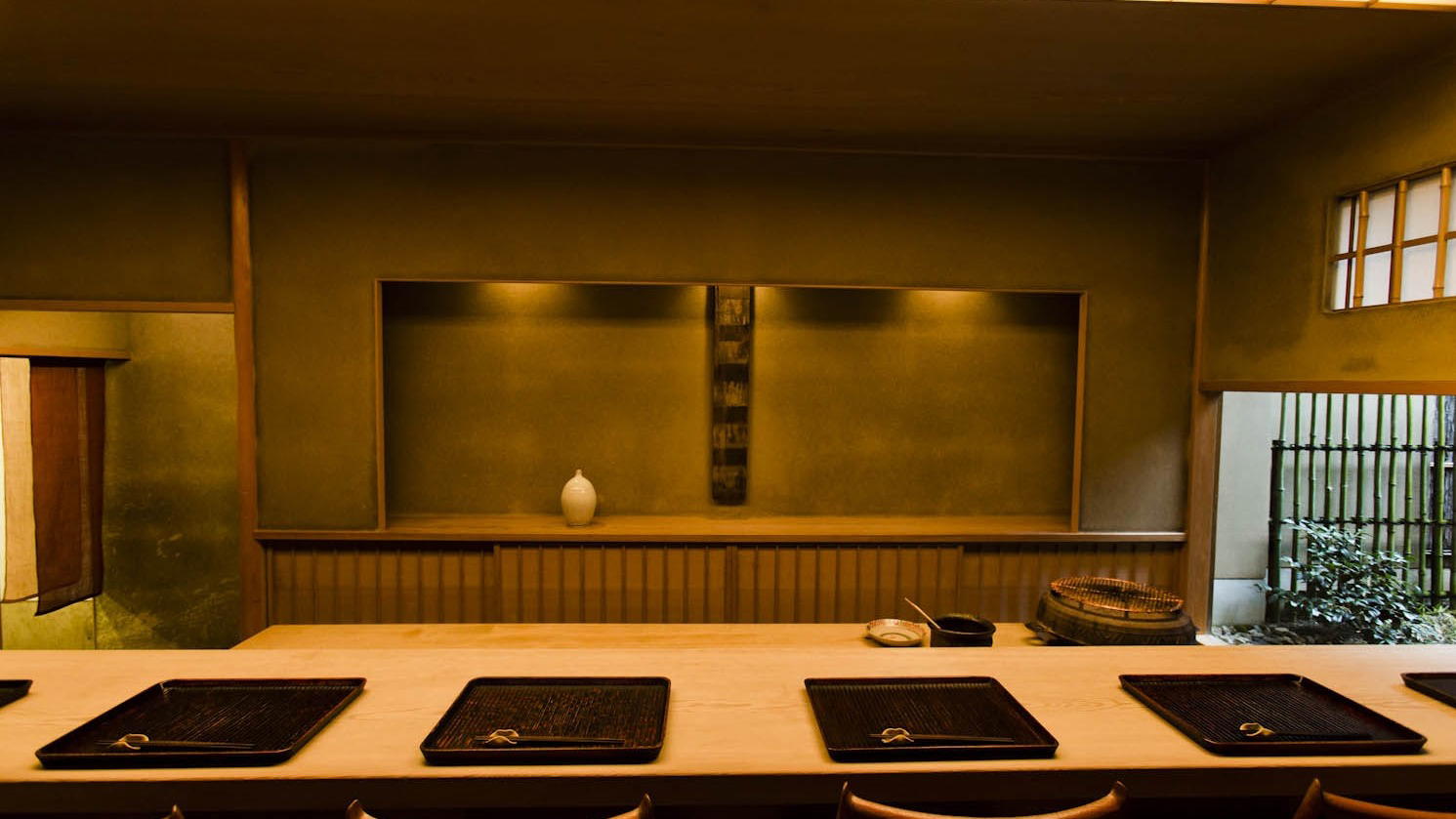
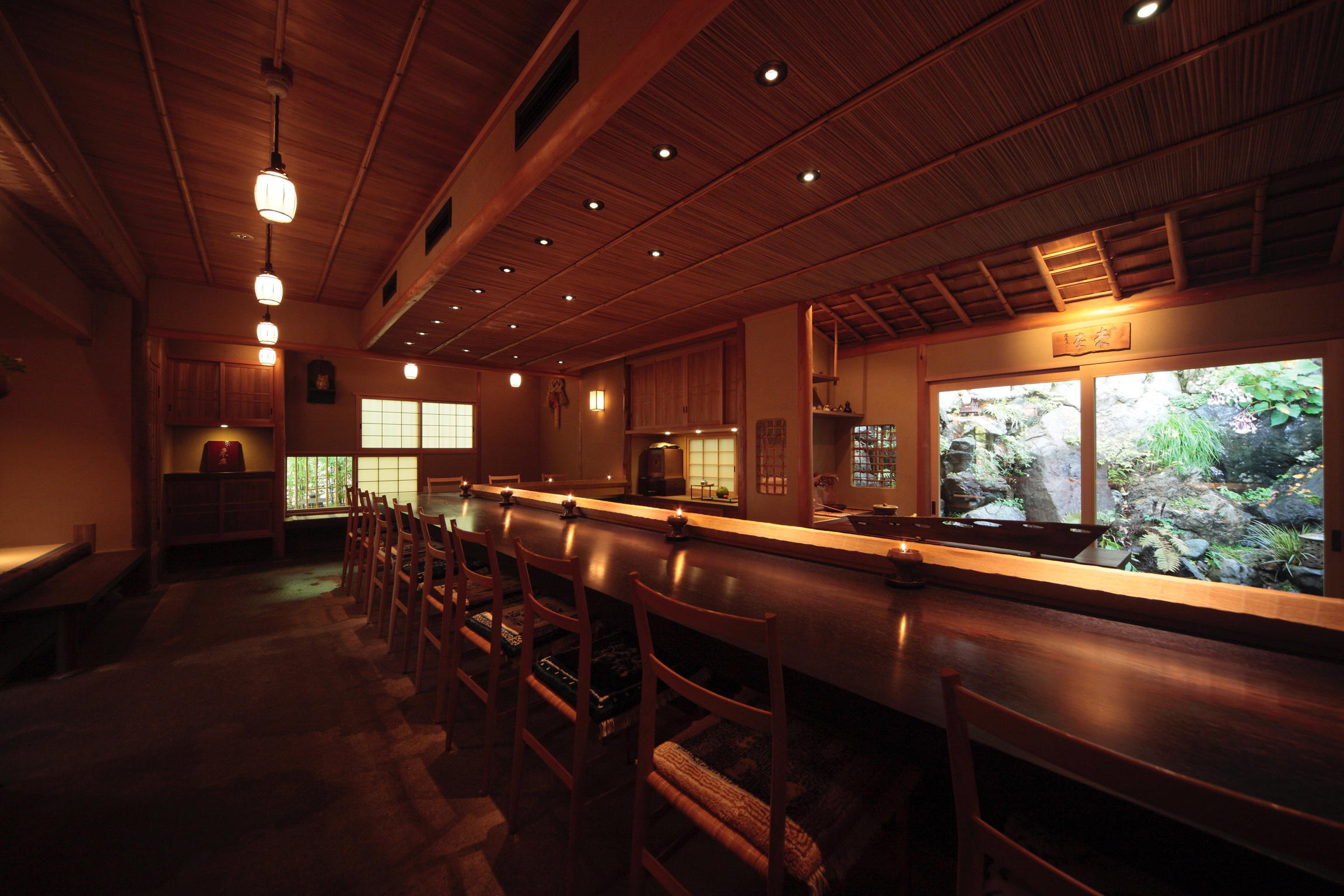
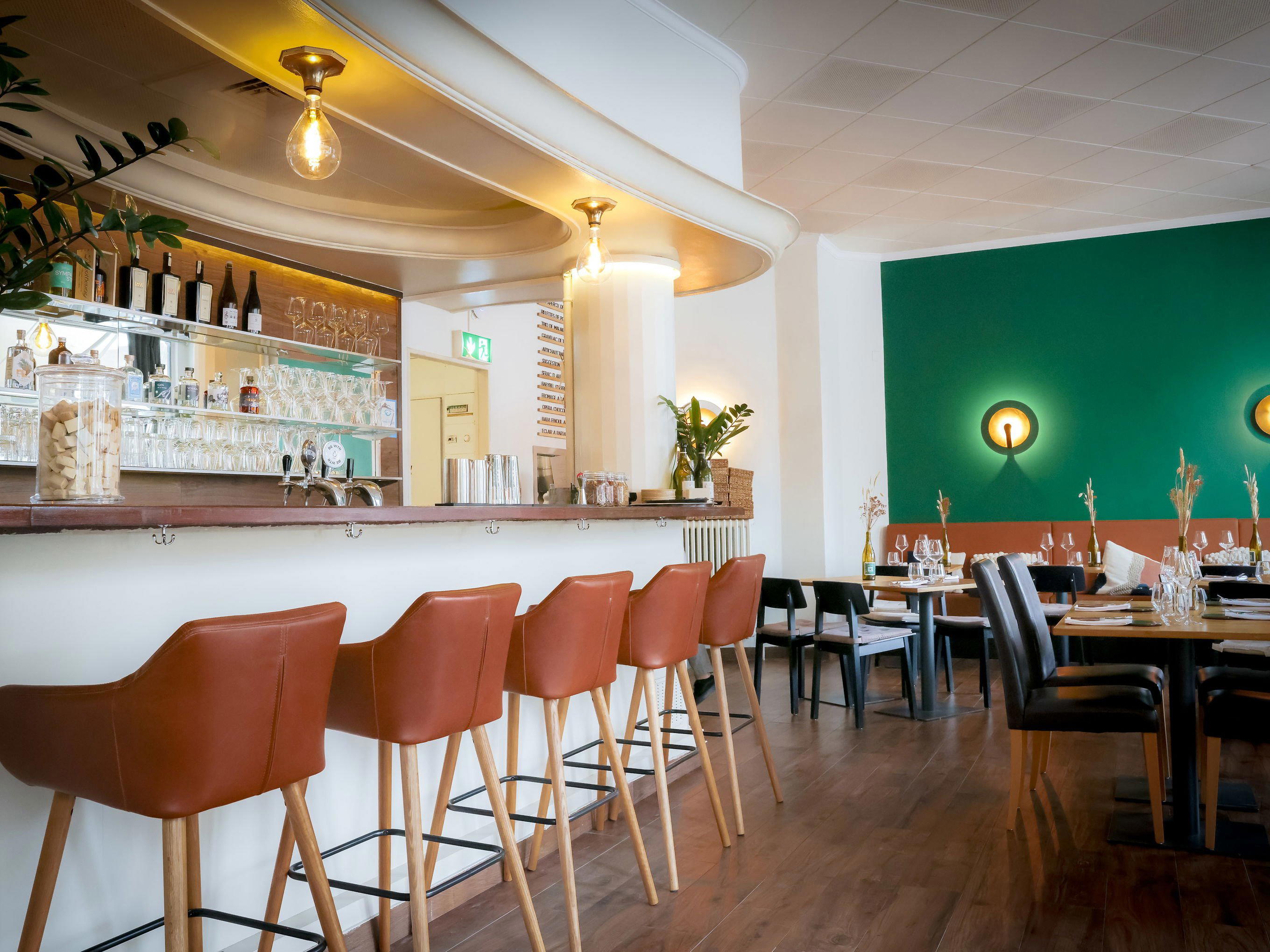
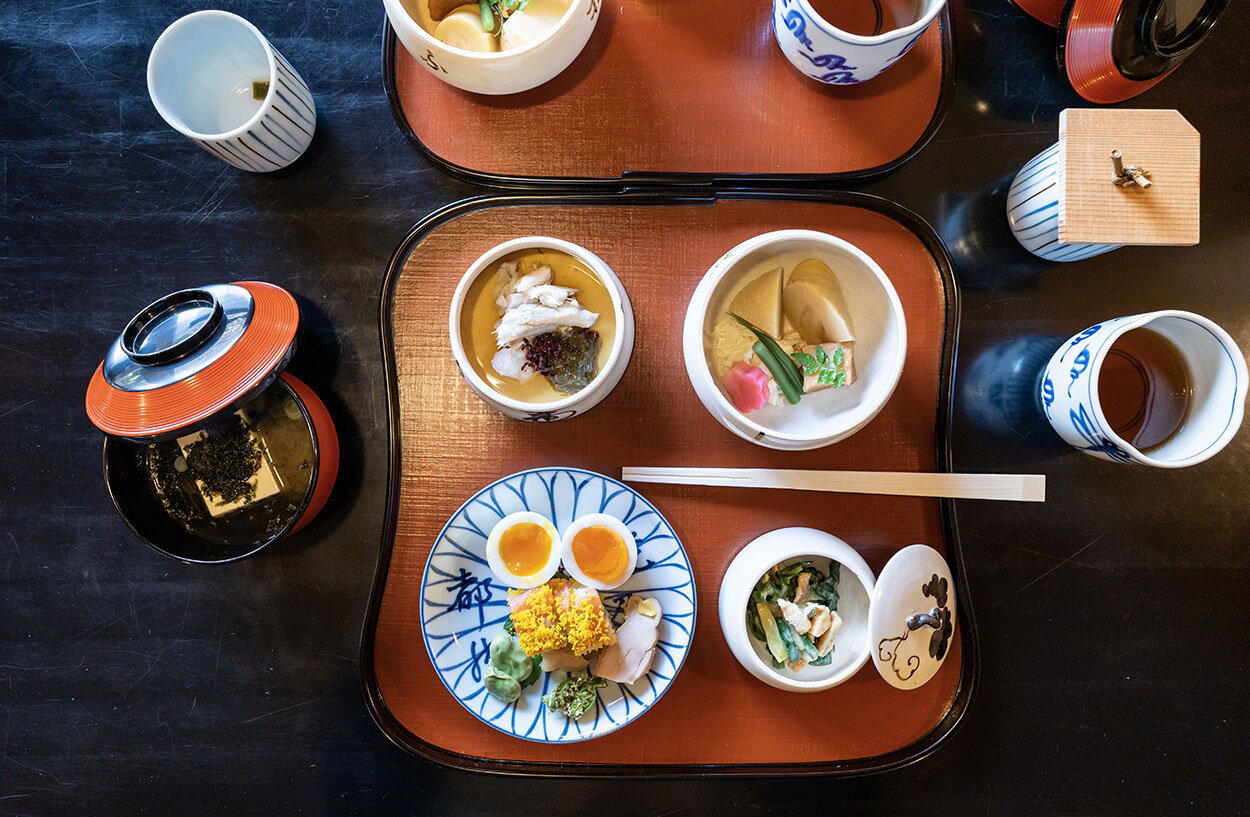
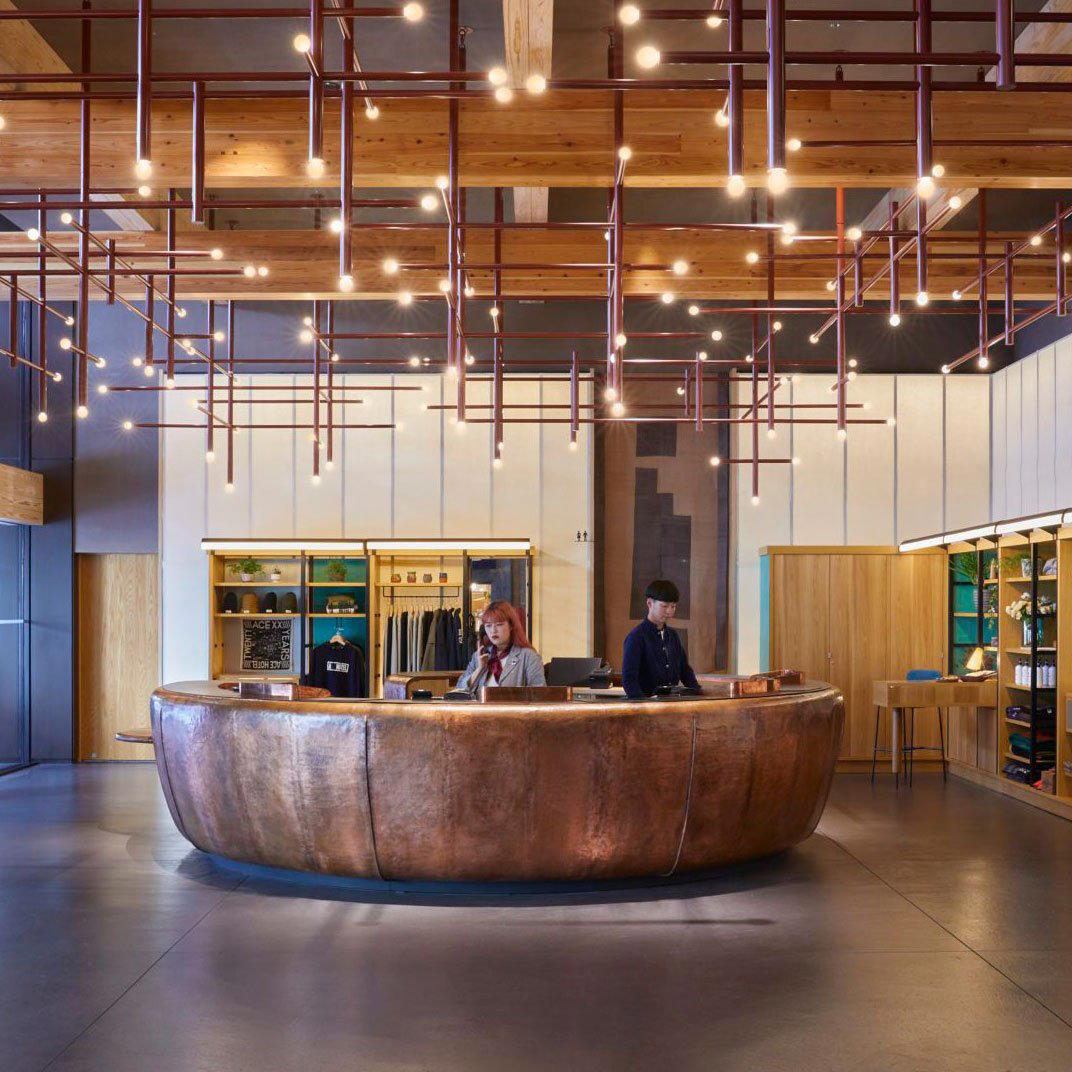
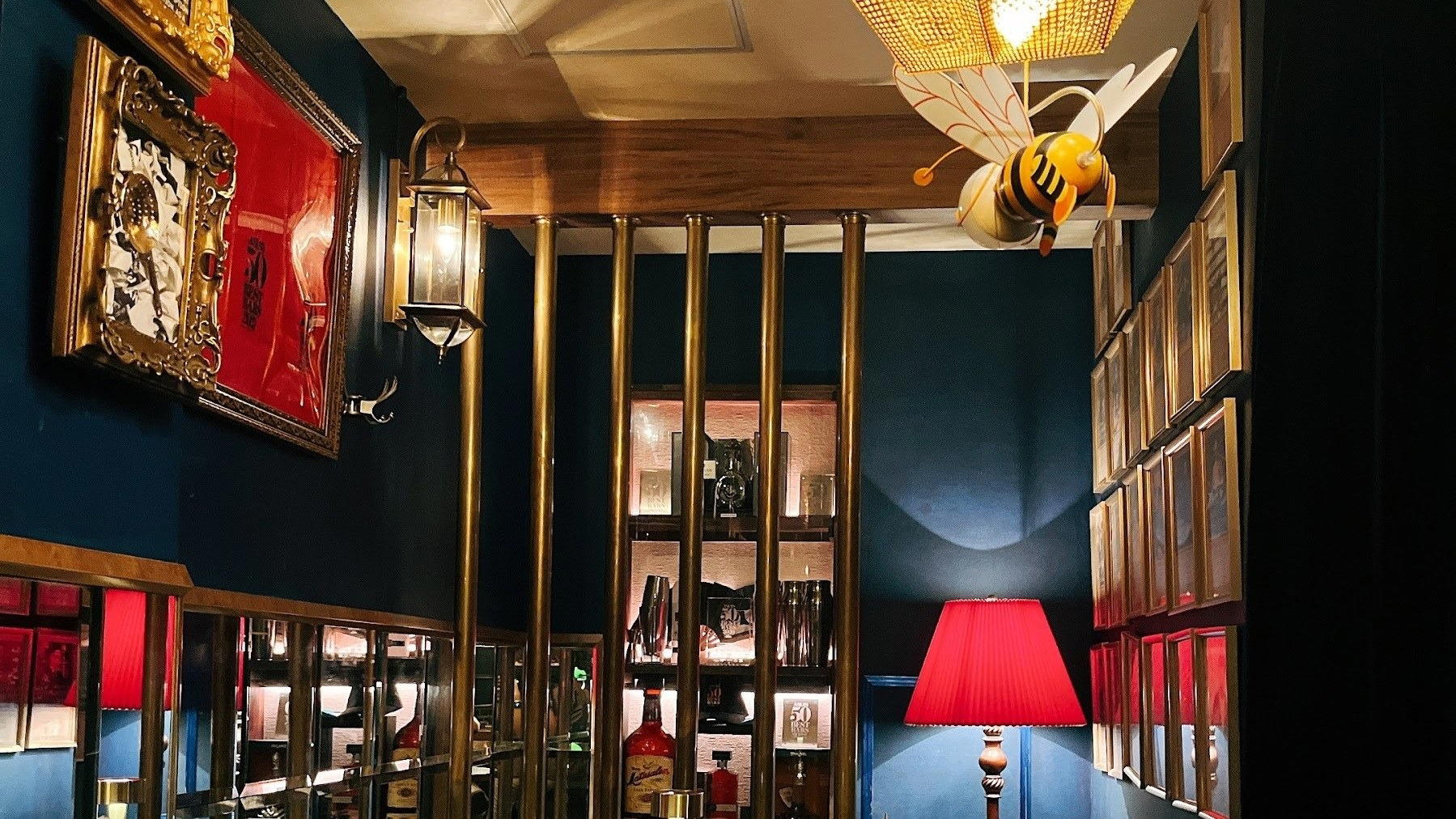
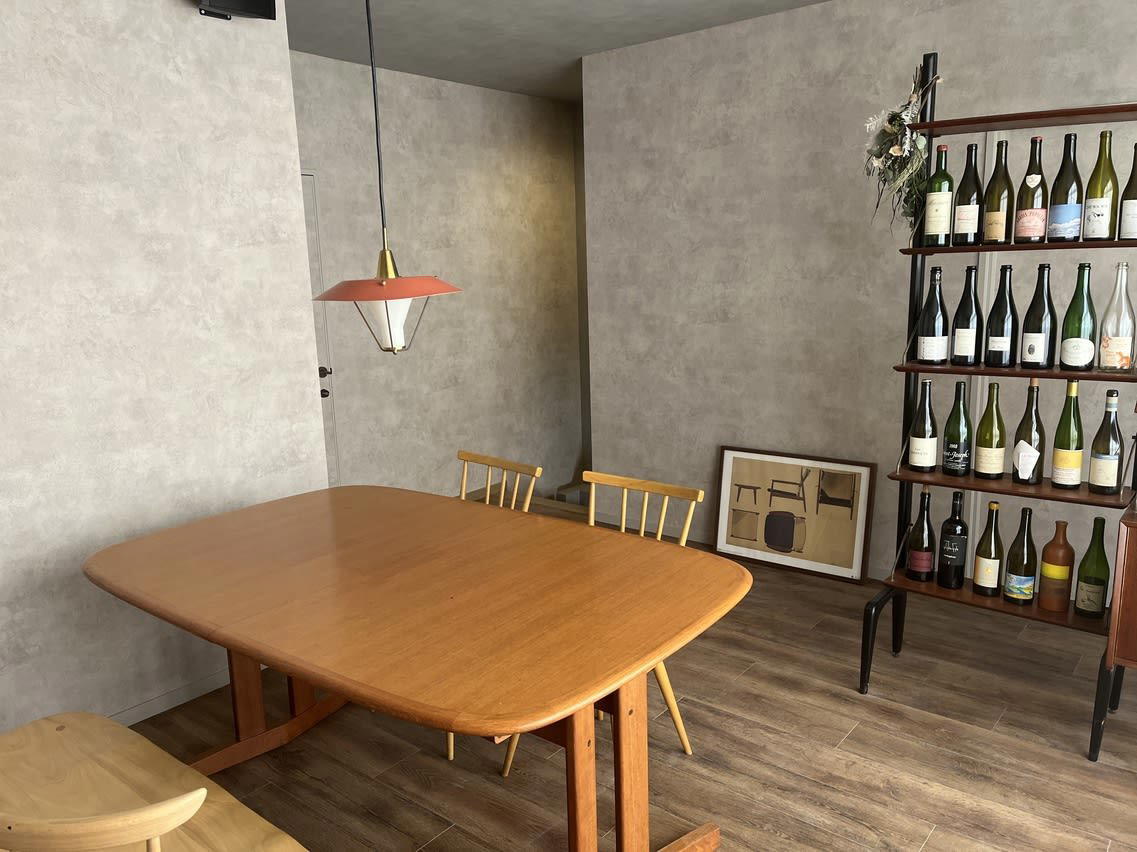
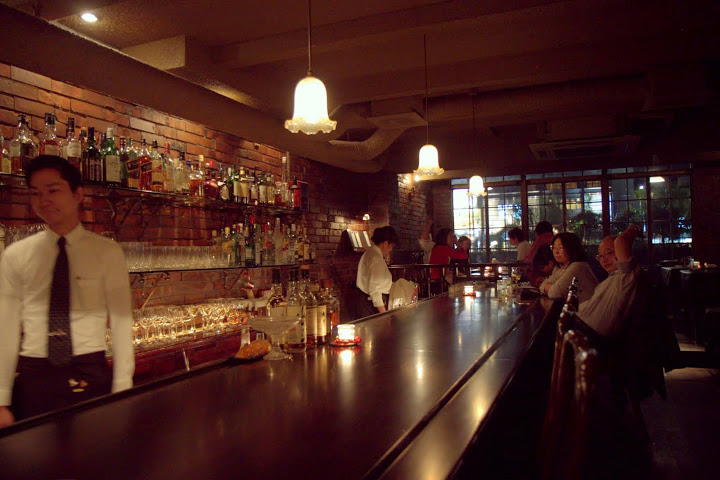
Cozy and relaxed atmosphere with a welcoming vibe.