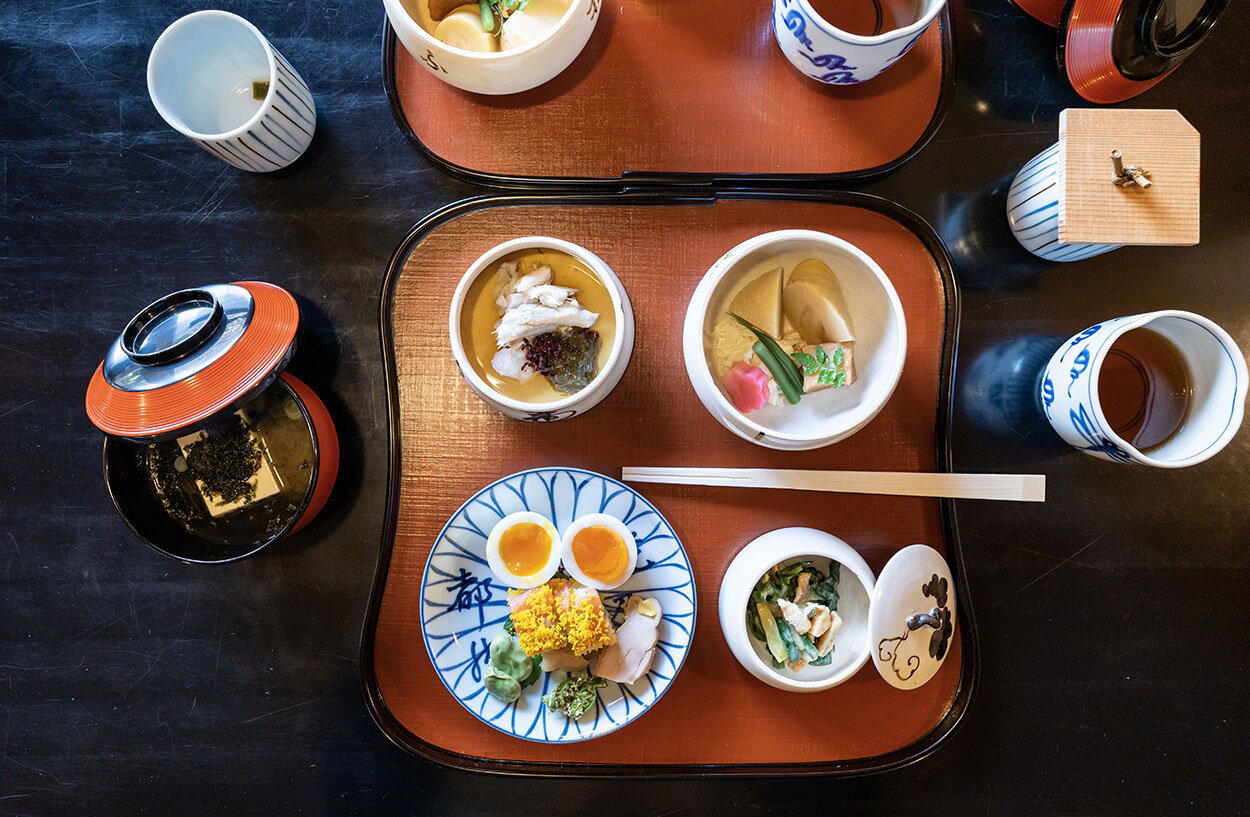
微風台南 occupies a quiet address in Kyoto's Kamigyo ward, where the name gestures toward the gentler culinary traditions of southern Taiwan. In a city dominated by kaiseki lineage, this address represents a different register: cross-strait technique applied to Kyoto-adjacent ingredients, with a format that sits outside the conventional kaiseki tier occupied by venues like Gion Sasaki or Kikunoi Honten.
Pearl is the En Primeur Club membership app — saves, bookings, and concierge access live there. Same editors, same standards.
- Address
- 上京区桝屋町359, 京都市, 京都府, 602-0000
 Saves & bookings on Pearl
A Taiwanese Name in a Kaiseki City
Kyoto's dining identity is so thoroughly shaped by kaiseki that anything falling outside that tradition tends to read as a footnote. 微風台南, whose name translates loosely as "Tainan Breeze", sits in Kamigyo ward at 上京区桝屋町359, a residential stretch of the city where the streets are narrow and the signage sparse.
Tainan is southern Taiwan's historical capital, associated with older Hoklo foodways, braised preparations, and a cooking register quite different from the restraint that defines Kyoto's culinary self-image. Dropping that reference into the Kamigyo streetscape produces a friction that, in the leading cases, becomes productive: a place where two different ingredient and technique traditions have to negotiate with each other on the plate.
The Cross-Strait Technique Problem
When Taiwanese culinary thinking meets Japanese ingredient sourcing, the results sit in genuinely contested territory. Japan's domestic ingredient culture, particularly in Kyoto, is built around seasonal precision: Nishiki Market's tofu suppliers, the mountain vegetables of Kitayama, the fish brought down from Obama Bay on the Sea of Japan coast. These are ingredients that kaiseki chefs spend careers learning to work with minimally, trusting the product. Taiwanese cooking, particularly in the Tainan tradition, is more interventionist: longer braises, aromatic depth from five-spice, soy-based reductions that accumulate flavor over time.
Restaurants attempting this kind of synthesis across Japan, from akordu in Nara (which brings Spanish wine-country technique to local Yamato produce) to HAJIME in Osaka (which applies French conceptual frameworks to Japanese materials), have demonstrated that the cross-cultural synthesis is most convincing when the technique amplifies rather than disguises what the ingredient already is. The same test applies here.
This is a Taiwanese street food restaurant in Kyoto's Kamigyo ward, serving casual meals at an accessible price point. That question is more interesting than provenance alone.
Where Kamigyo Fits in Kyoto's Dining Geography
Kyoto's dining concentration runs roughly from Gion and Higashiyama in the east through the covered arcades of the city center. Kamigyo, by contrast, is quieter and more residential, a ward where temples outnumber restaurants and where the foot traffic is largely local rather than tourist-driven. This positions 微風台南 within a subset of Kyoto dining that operates at a remove from the standard visitor circuit.
That remove is not incidental. Some of Kyoto's more interesting cross-cultural addresses have historically operated in exactly these quieter wards, where lower rents allow for format experimentation and where the clientele skews toward regulars rather than one-time visitors looking for a kaiseki credential to photograph.
Comparable cross-cultural formats elsewhere in Japan offer useful reference points. Goh in Fukuoka operates a French-Japanese synthesis in another city with strong culinary traditions of its own; Harutaka in Tokyo represents the more orthodox end of the ingredient-first Japanese counter. The range between those two approaches defines the space in which cross-cultural Kyoto addresses like 微風台南 have to find their footing.
The Kamigyo Ward Address
Practically speaking, 桝屋町 is not a street that appears on standard tourist itineraries. Kamigyo ward's northern stretches are accessible from Kyoto Station by subway (Karasuma Line to Imadegawa or Kuramaguchi) or by bus along the city's north-south corridors. The residential character of the area means parking is limited and the approach is leading made on foot or by taxi from the nearest subway stop.
For travelers already spending time in the northern end of the city, the ward sits within reasonable reach of Nishiki market, the Imperial Palace grounds, and Daitoku-ji temple complex, a cluster of destinations that together make a logical full-day routing through upper Kyoto.
The Broader Synthesis Trend
Cross-cultural restaurants in Japan's historic cities are not new, but the register has shifted. Where earlier waves of international influence in places like Kyoto and Nara tended to produce direct fusion, the current generation is more methodologically specific: chefs trained in one tradition who apply its technical framework to the ingredients of another. Atomix in New York City provides a useful parallel from the other direction, a Korean culinary framework applied to an American ingredient context, while Le Bernardin in New York City represents the endpoint of French technique applied to global seafood sourcing with a level of rigor that leaves no ambiguity about the technical commitment involved.
Kyoto's ingredient culture is specific enough that it tends to demand a response. The Tainan reference in the name suggests that 微風台南 is not trying to blend into the kaiseki mainstream, but rather to hold its own culinary position within the city.
Know Before You Go
- Address: 上京区桝屋町359, 京都市, 京都府, 602-0000
- Ward: Kamigyo, Kyoto
- Phone: Not confirmed, check current reservation platforms
- Website: Not confirmed at time of publication
- Price range: About US$15 per person
- Getting there: Karasuma subway line (Imadegawa or Kuramaguchi stations); taxi from central Kyoto recommended for first visit
- Booking: Advance contact strongly advised; no online booking platform confirmed
Quick Comparison
Comparable venues nearby, for context on price, style, and recognition.
| Venue | Cuisine | Price | Notes |
|---|---|---|---|
| 微風台南This venue — the venue you are viewing | Authentic Taiwanese Street Food | $$ | Not listed |
| 551蓬莱 | Chinese Pork Buns & Dim Sum | $$ | Kyoto Station Area |
| Kanton Sankan Houhi | Chinese (Cantonese) restaurant | $ | Kita |
| Meirin | Kyoto Chinese | $$ | Kamigyō |
| Smart Coffee | Traditional Kyoto kissaten & yoshoku café | $$ | Nakagyō |
| Mughal | Authentic Indian Curry House | $$ | Nakagyō |


At a Glance
- Cozy
- Rustic
- Classic
- Casual Hangout
- Family
- Historic Building
- Beer Program
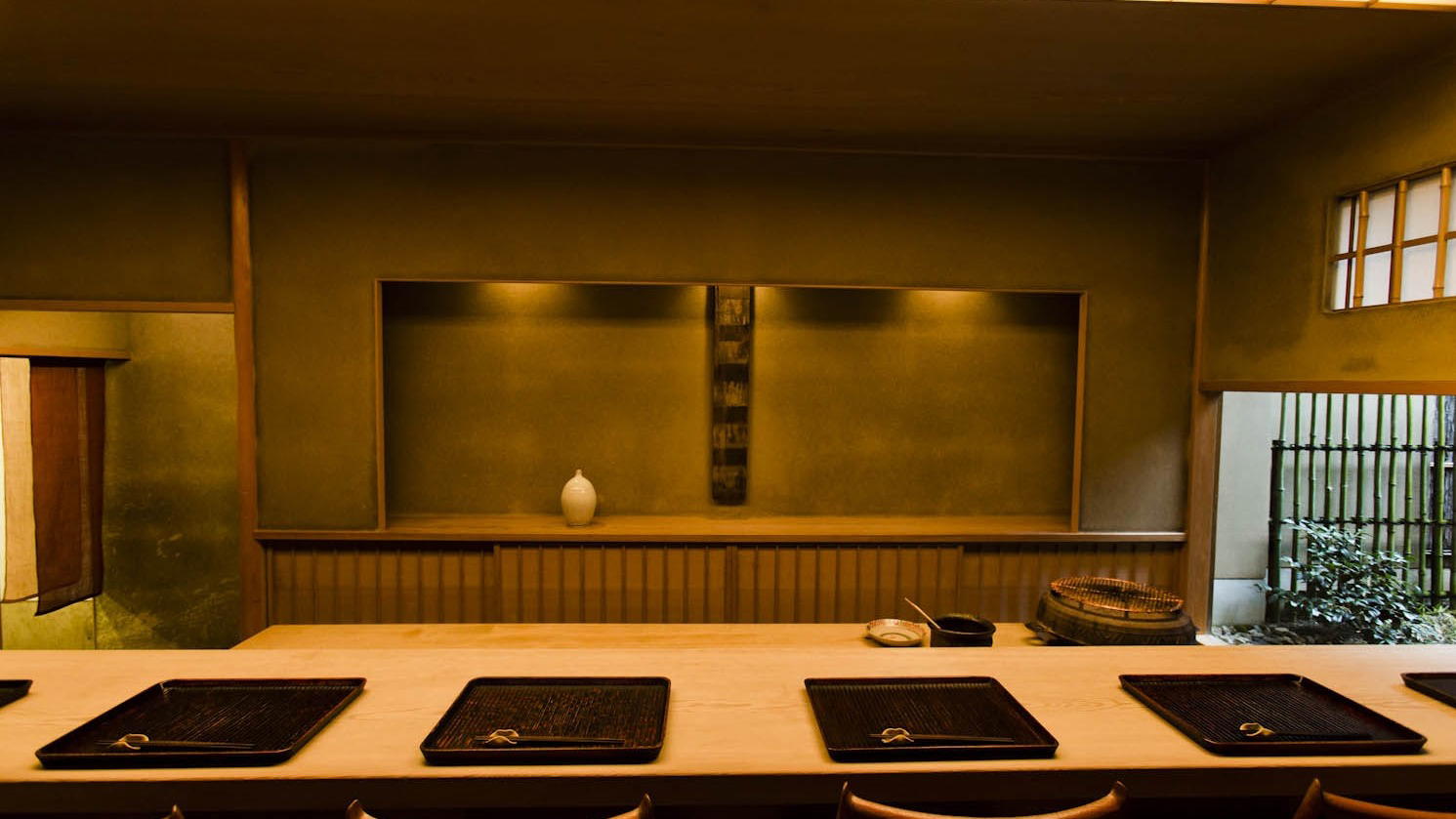
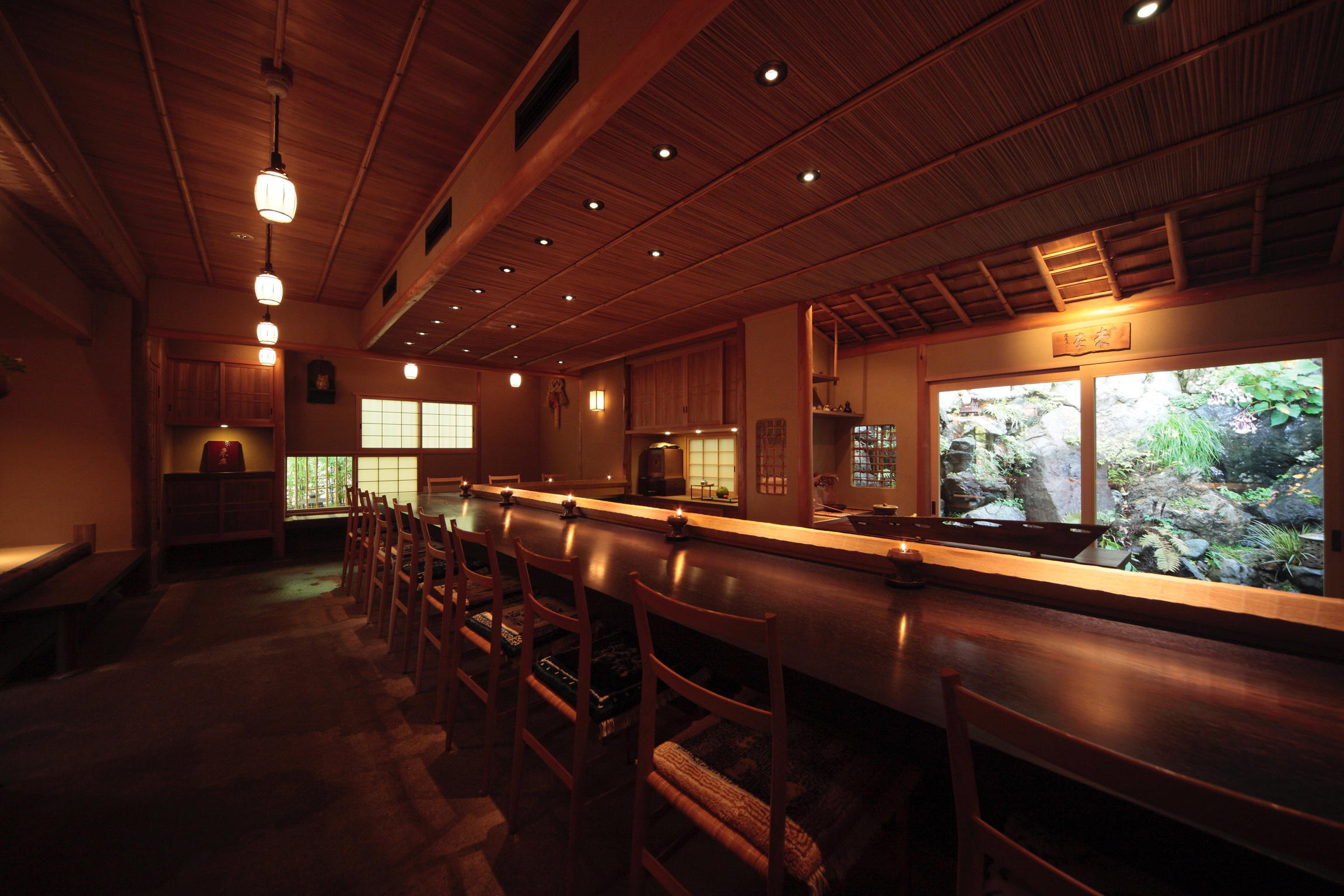
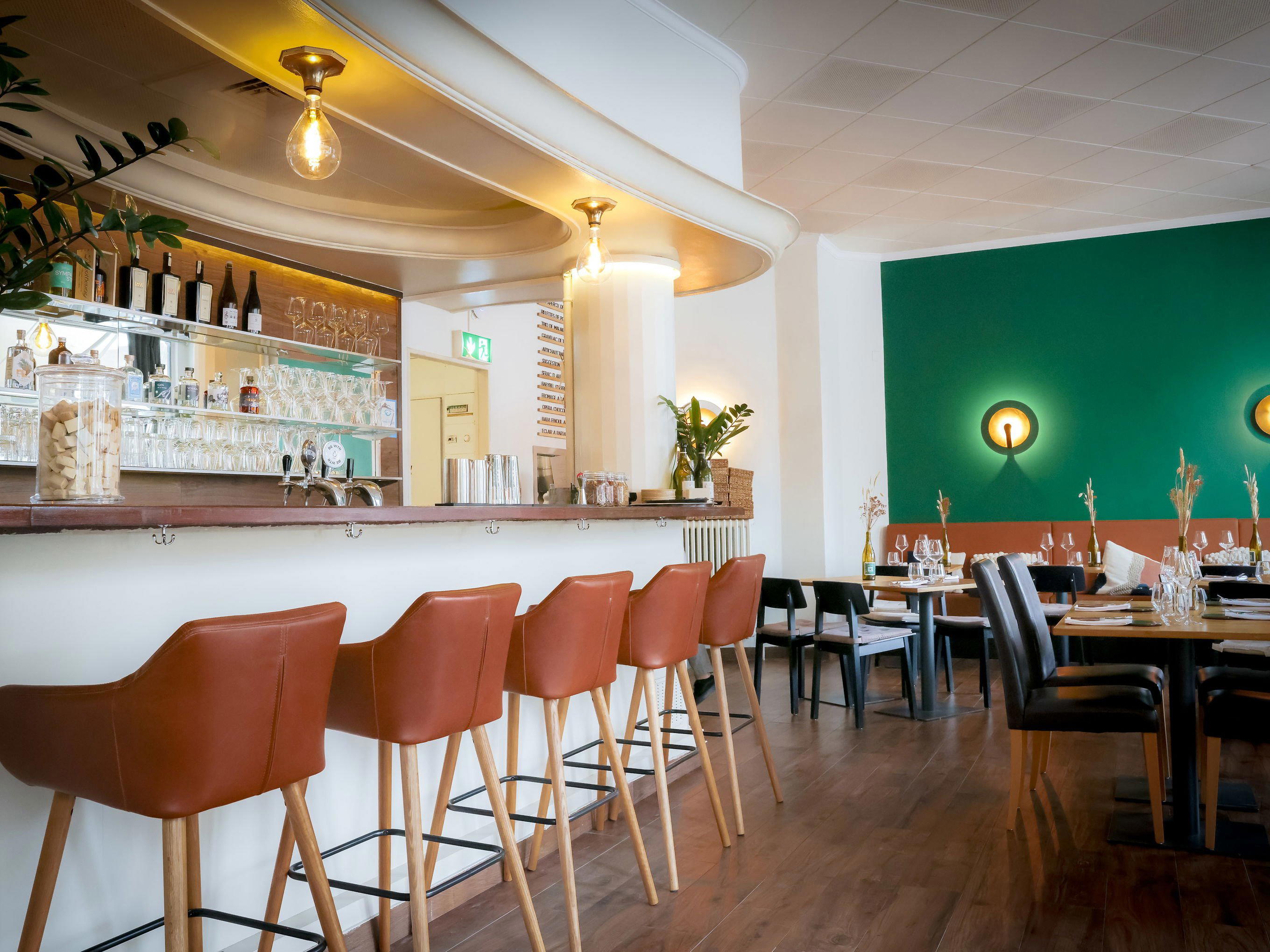
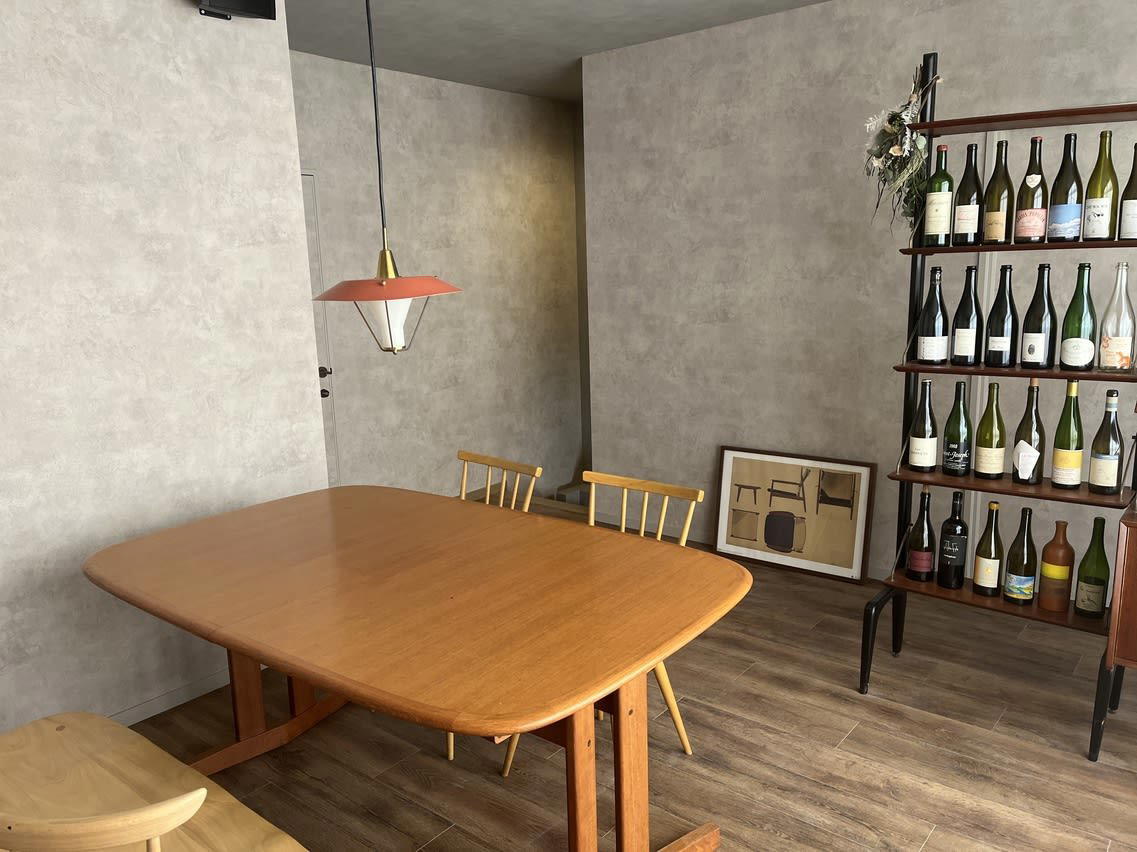
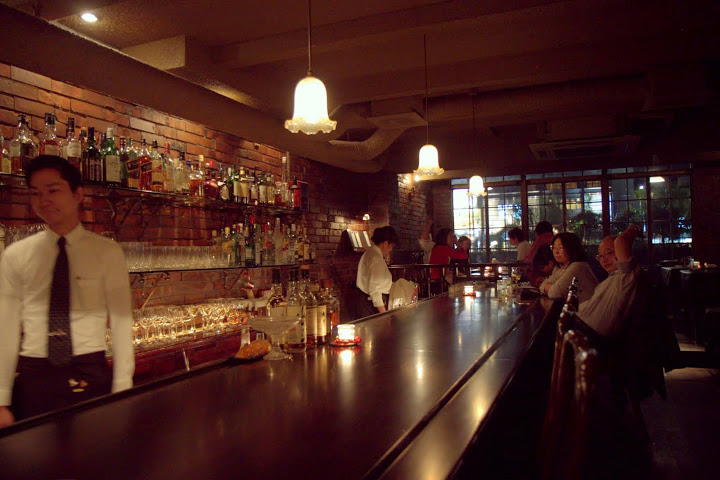
Cozy and nostalgic atmosphere in a renovated old folk house with tatami rooms, quiet spaces, and Taiwanese retro elements.