
Tokyo's coffee culture has evolved well beyond the kissaten era, and Coffee Tengoku sits within a city where specialist cafes now compete on the same precision terms as the dining rooms around them. Located in one of the world's most demanding food cities, this is a venue for those who treat coffee with the same rigour they bring to an omakase counter.
 Discover on Pearl
Pearl is the En Primeur Club membership app — saves, bookings, and concierge access live there. Same editors, same standards.
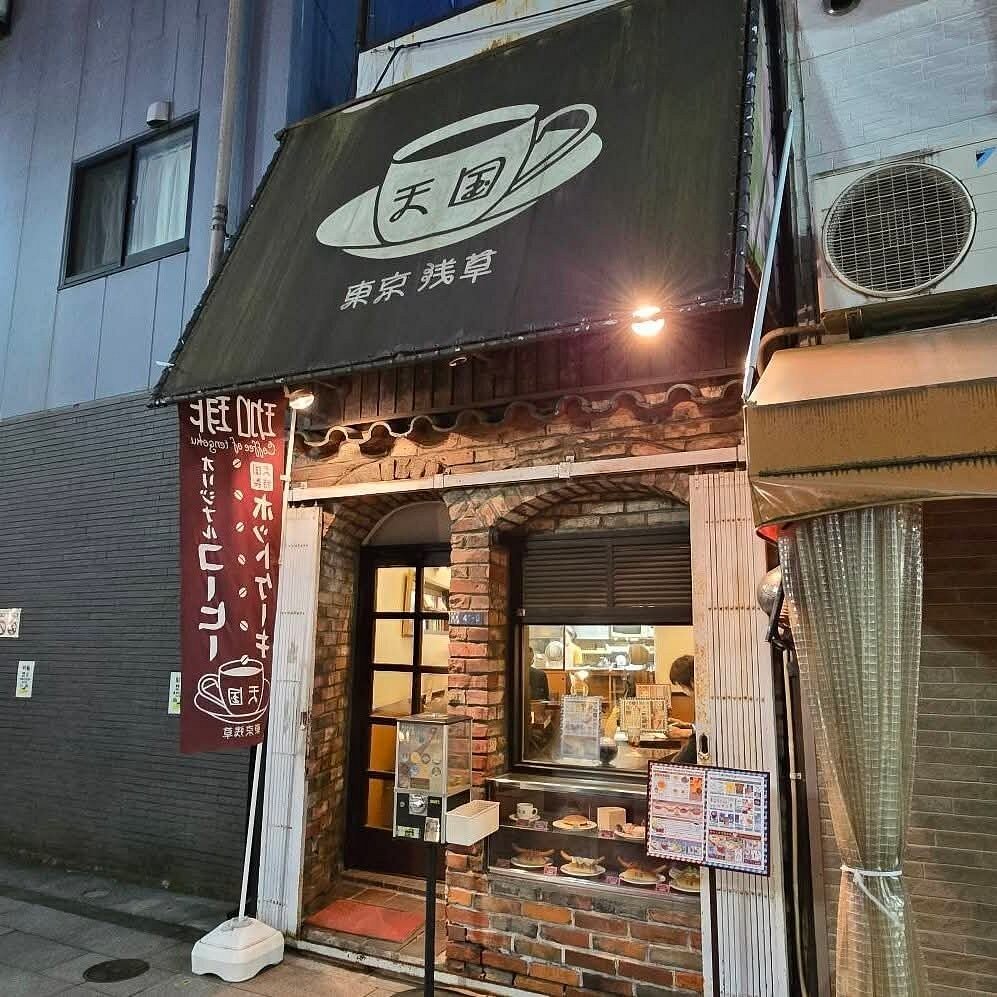
There is a particular quality to the light in Tokyo's specialist coffee spaces that distinguishes them from their counterparts elsewhere. The city's approach to coffee has moved through several distinct phases, from the postwar kissaten culture of jazz and hand-drip ritual to the contemporary third-wave precision houses that now occupy a serious place in the broader food conversation. Coffee Tengoku operates within that evolved context, in a city where the bar for technical execution is set by some of the most demanding hospitality standards in the world.
Where Coffee Sits in Tokyo's Dining Conversation
Tokyo's position as a reference point for global food culture extends beyond its density of Michelin-starred restaurants. The city's coffee scene has developed along parallel tracks: one serving the commuter and convenience market with extraordinary efficiency, another oriented entirely around sourcing provenance, extraction discipline, and the kind of counter service that mirrors omakase in its attention to each guest. Coffee Tengoku belongs to a city where both tracks coexist at a high level, and where the specialist cafe format has earned a place in the same editorial conversation as venues like Harutaka in sushi or L'Effervescence in French cuisine.
That broader context matters when placing Coffee Tengoku. Tokyo diners who move across price tiers and format types with fluency will assess a coffee venue by many of the same criteria they apply to a kaiseki counter: sourcing transparency, the consistency of execution across multiple visits, and whether the physical environment reinforces or undermines the product. The kissaten tradition established that a cup of coffee deserved its own dedicated space and ritual. Contemporary specialist houses have carried that logic forward with a more globally referenced vocabulary.
The Neighbourhood as Frame
Tokyo's geography shapes how food and drink venues are read by both locals and visitors. The city's distinct ward-level identities, from the density and transience of Shinjuku to the residential weight of Bunkyo or the design consciousness of Minami-Aoyama, create contexts that inflect how a venue is experienced before a single cup is poured. A coffee house in a quiet backstreet off a residential shopping street carries a different social meaning than one occupying a ground-floor unit beneath a commercial tower, even if the coffee in the cup is identical.
Coffee Tengoku's placement within Tokyo's fabric is part of what defines its register. The name itself, which translates loosely as coffee heaven, signals an aspiration that sits within a city-wide tradition of naming food and drink venues with a directness that either lives up to its promise or doesn't. In Tokyo, the market tends to sort those outcomes efficiently.
For visitors building a broader itinerary across Japan, the coffee culture of Tokyo provides a useful reference point against which to measure regional variations. The precision-led approach visible in Tokyo's specialist venues differs from the more overtly heritage-focused aesthetics of Kyoto's coffee scene, where venues like those near Gion Sasaki operate alongside machiya-style spaces that wear their age differently. Osaka's coffee culture, feeding a city with its own distinct hospitality personality and anchor venues like HAJIME at the leading of its dining register, leans differently again.
The Precision Standard and What It Demands
Tokyo's specialist coffee operations compete against a peer set shaped by global reference points. The city has hosted competitions, produced competition-winning baristas, and absorbed and reinterpreted specialty coffee approaches from Scandinavia, Australia, and the American west coast while maintaining its own distinct service ethos. The result is a market where technical knowledge is a baseline expectation, not a differentiator. What separates venues at the upper end of that market is the quality of the sourcing relationships, the consistency of the extraction parameters, and the coherence of the physical experience around the cup.
That same precision logic applies across Tokyo's premium dining spectrum. At venues like RyuGin in kaiseki and Sézanne in French cuisine, the common thread is a refusal to treat any element of the experience as incidental. The coffee venues that operate at a comparable level of seriousness carry that same refusal into a format that most of the world still treats casually. Tokyo's market rewards that seriousness consistently enough that it has become self-reinforcing.
For those exploring the more experimental end of Tokyo's food scene, venues like Crony represent a parallel precision in how contemporary French technique is applied with local ingredients. The discipline that produces a technically coherent tasting menu and the discipline that produces a technically coherent pour share a common logic in this city.
Japan Beyond Tokyo: Coffee as Part of a Wider Journey
Visitors who treat Coffee Tengoku as part of a Tokyo chapter within a longer Japan itinerary will find reference points across the country's food and drink culture. The precision aesthetic visible in Tokyo's coffee houses reappears in the craft sensibility of smaller regional restaurants: akordu in Nara applies a European wine-focused lens to a deeply Japanese setting, while Goh in Fukuoka demonstrates that technical ambition is not confined to the capital. More regionally specific still, venues like those in Nanao and Takashima signal that Japan's commitment to product-led hospitality extends well outside its major cities. In Sapporo, the local dining register reflects Hokkaido's distinct ingredient culture. The Nishikawa Machi and Birdland in Sakai entries in the EP Club database further illustrate how that same hospitality logic operates at different scales and in different formats across the country.
For those also planning visits that extend across to Toyohashi or other mid-sized Japanese cities, the contrast with Tokyo's density is instructive: the capital's specialist coffee market benefits from foot traffic and competition volumes that smaller cities cannot replicate, which is part of why the standard in Tokyo's better coffee houses is what it is.
International reference points are also useful here. The precision-led counter service model that Tokyo's coffee culture has absorbed and refined appears in different forms in New York, where venues like Atomix apply a comparable attention to sequencing and sourcing in the dining context, and Le Bernardin has long demonstrated what sustained technical discipline looks like across decades in a major city. The comparison is not direct, but the underlying commitment to craft as a consistent standard rather than an occasional achievement is the same.
For the full EP Club view of Tokyo's dining and drinking scene, see our full Tokyo restaurants guide.
Know Before You Go
- City: Tokyo, Japan
- Category: Specialist Coffee
- Address: Confirm directly with the venue before visiting
- Booking: Contact details not currently listed; check Google Maps or local directories for current information
- Hours: Verify current opening hours before your visit, as Tokyo's specialist cafe hours vary seasonally
- Pricing: Pricing information not available in our current record; budget within the range typical for Tokyo's specialty coffee market
Standing Among Peers
A quick peer reference to anchor this venue in its category.
| Venue | Awards | Cuisine | Notes |
|---|---|---|---|
| Coffee Tengoku | This venue | ||
| Harutaka | Michelin 3 Star | Sushi | Sushi, ¥¥¥¥ |
| L'Effervescence | Michelin 3 Star | French | French, ¥¥¥¥ |
| RyuGin | Michelin 3 Star | Kaiseki, Japanese | Kaiseki, Japanese, ¥¥¥¥ |
| Crony | Michelin 2 Star | Innovative, French | Innovative, French, ¥¥¥¥ |
| Florilège | Michelin 2 Star | French | French, ¥¥¥ |



At a Glance
- Retro
- Cozy
- Classic
- Hidden Gem
- Casual Hangout
- Solo
- Standalone
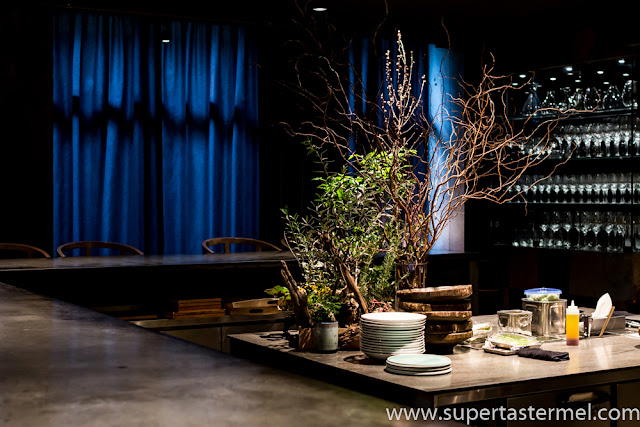
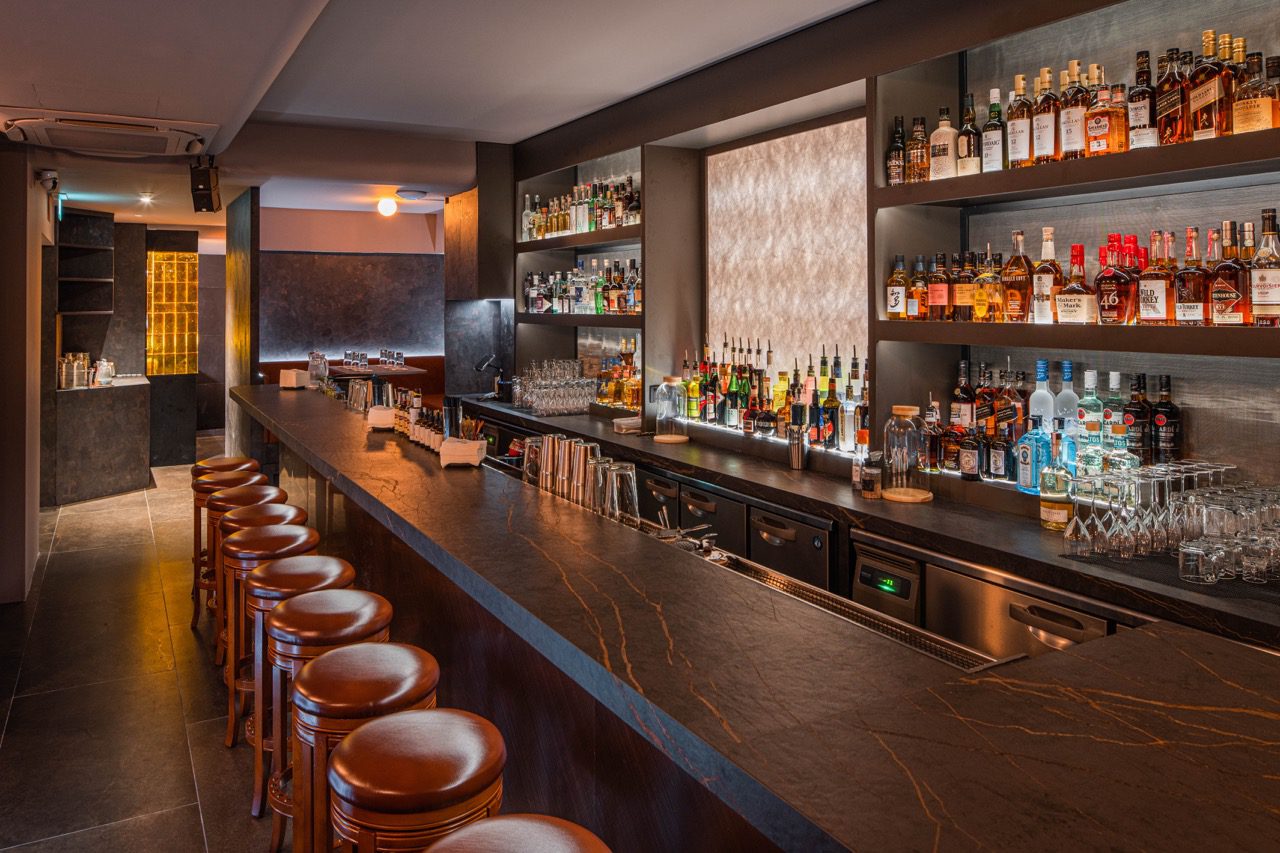
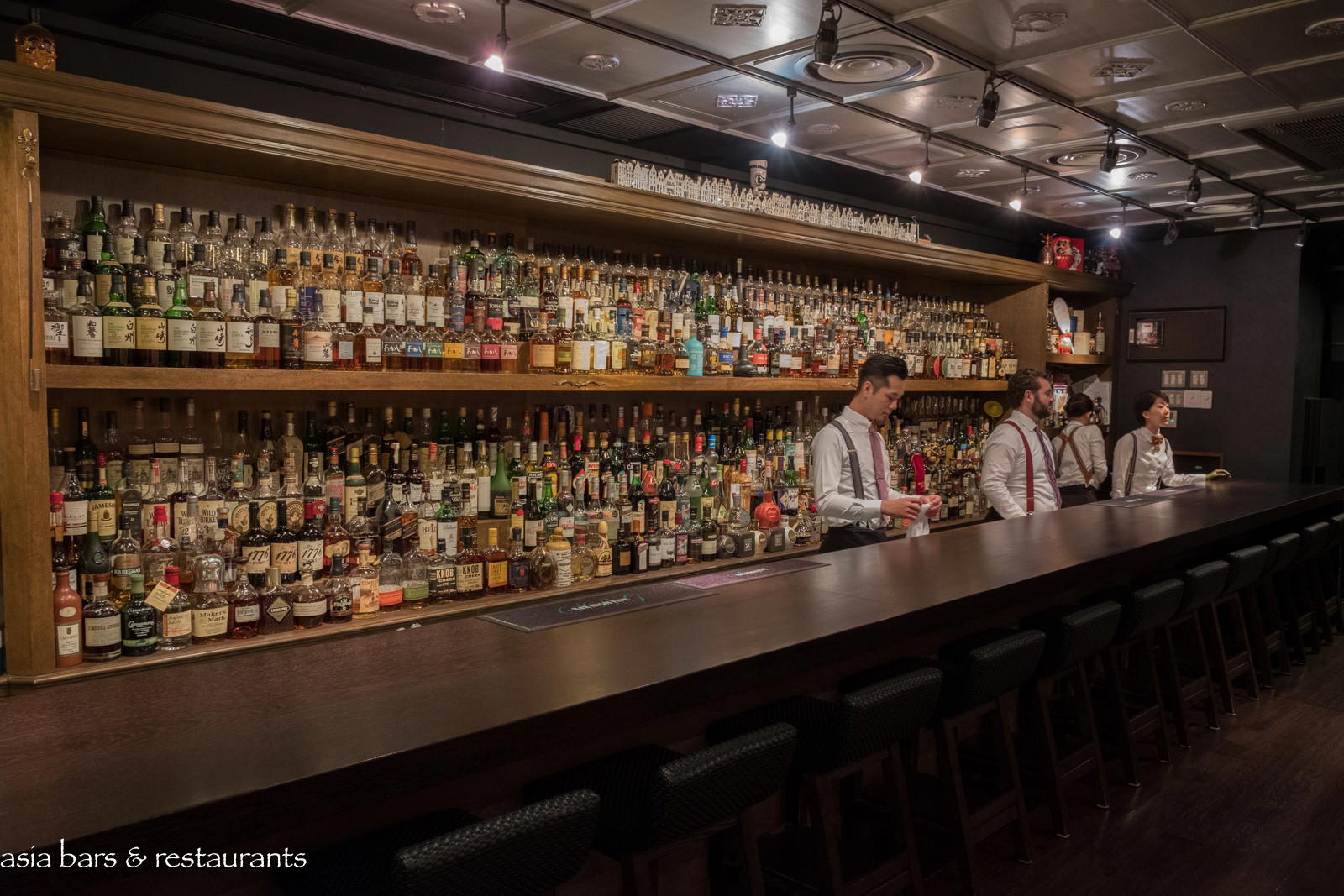
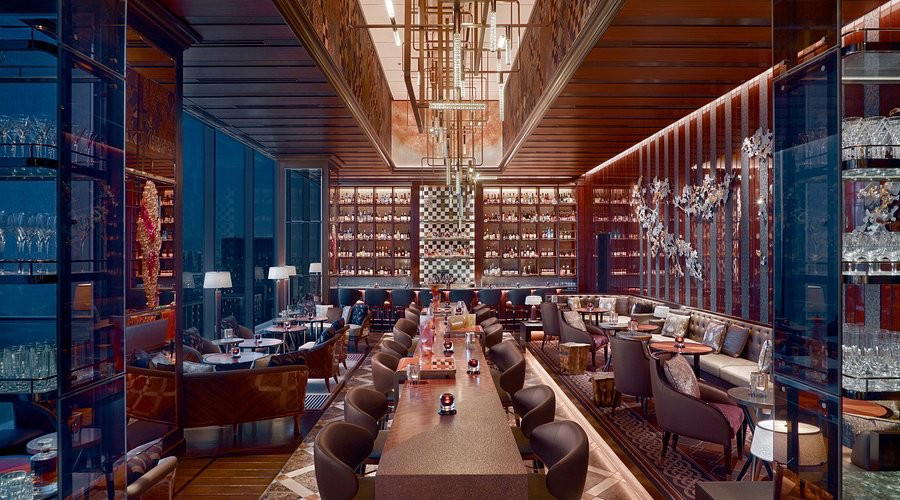
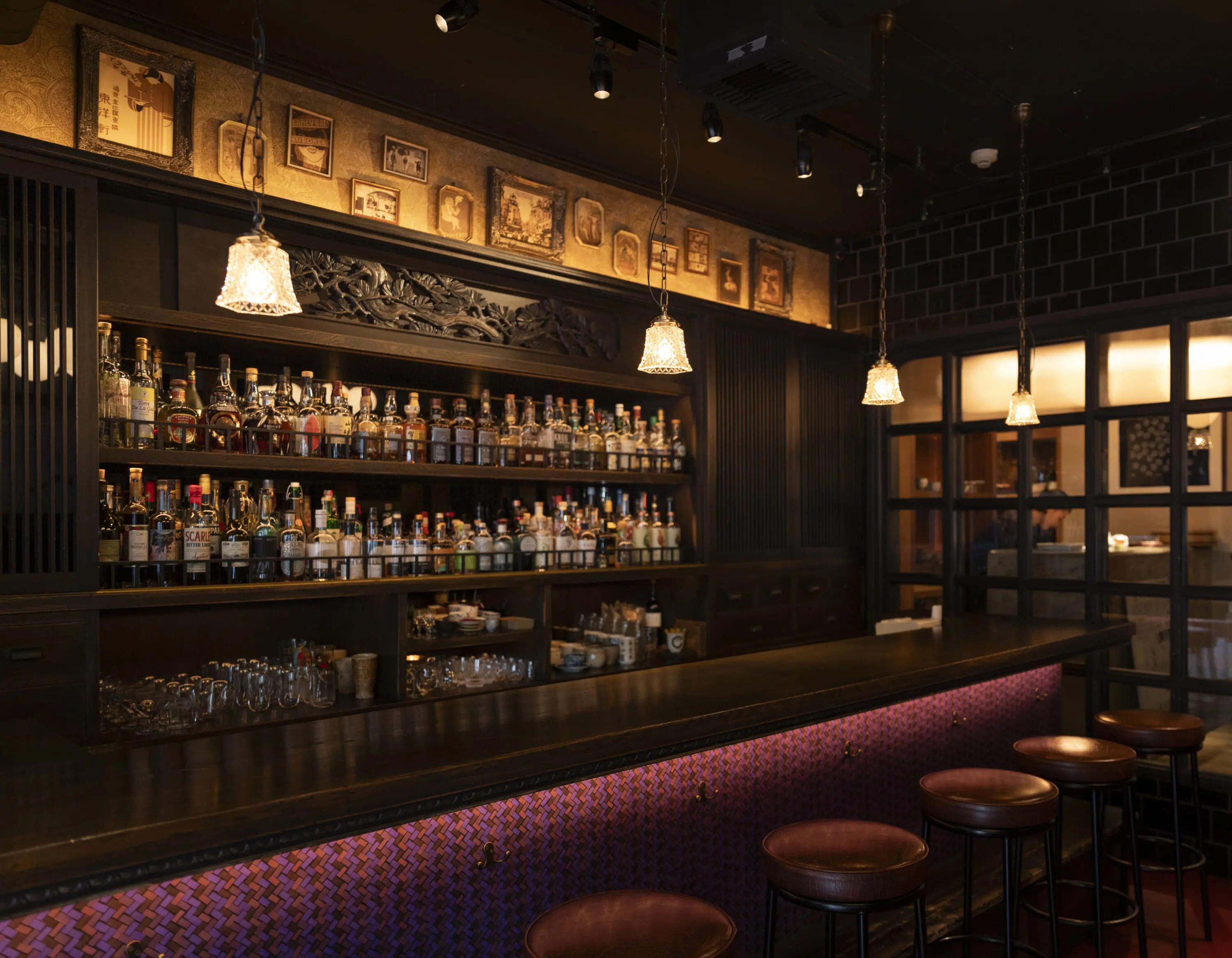
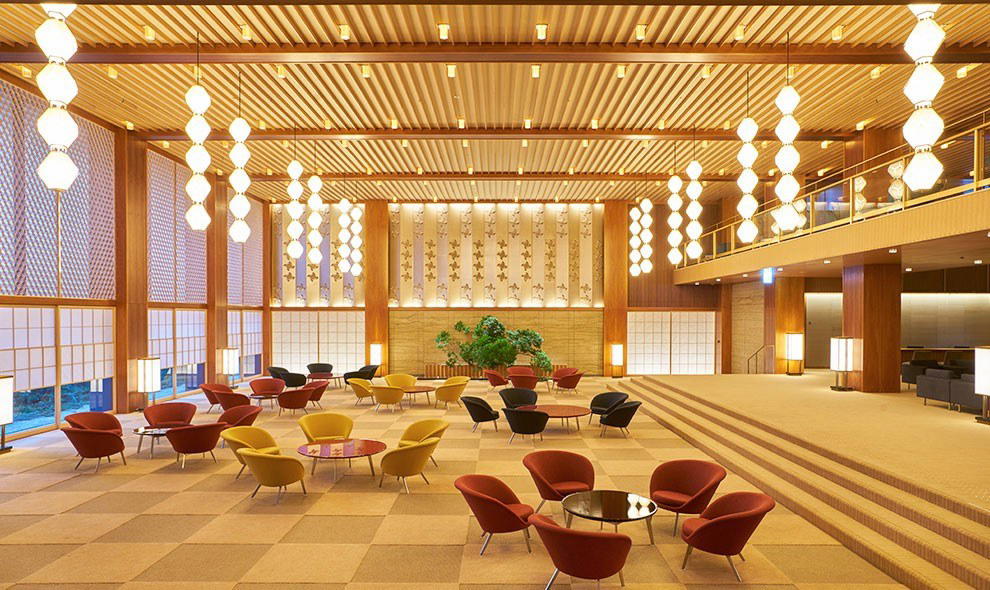
Cozy and nostalgic with old-school Japanese kissaten atmosphere, small seating for about 20 people in a quiet alley.