
Tabelog 100 #30
Our verdict
銀座 うち山 occupies a basement address on Ginza 2-chome, operating within the upper tier of Tokyo's kaiseki and high-end Japanese dining circuit. Booking follows the standard model for counter-format restaurants at this level: advance planning is essential, and the Ginza address places it squarely among the city's most competitive dining reservations. A considered choice for travellers building a serious Tokyo itinerary.

Pearl is the En Primeur Club membership app, where members save venues, book tables and use the concierge.
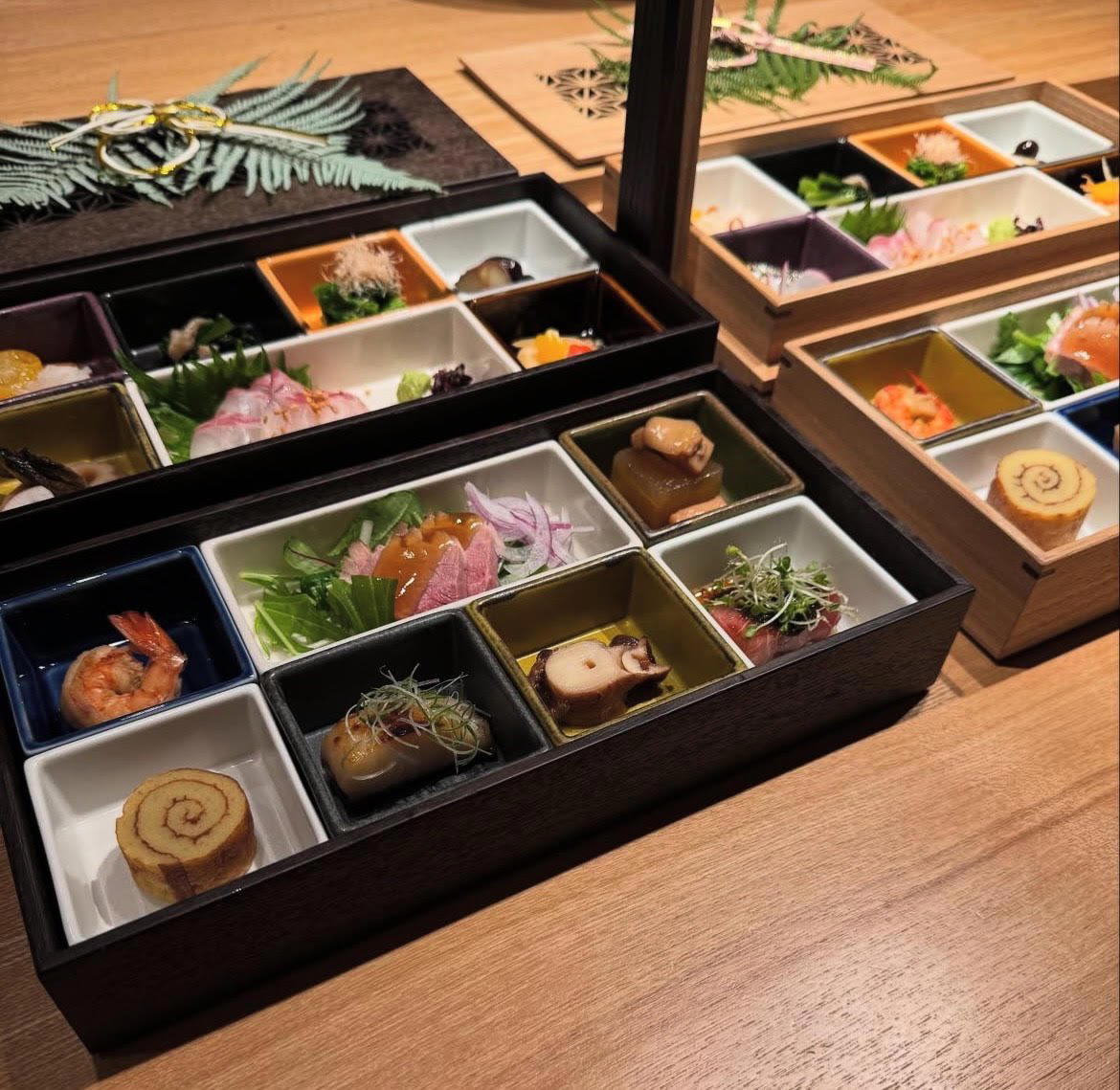
The Ginza Counter Reservation: What You're Actually Dealing With
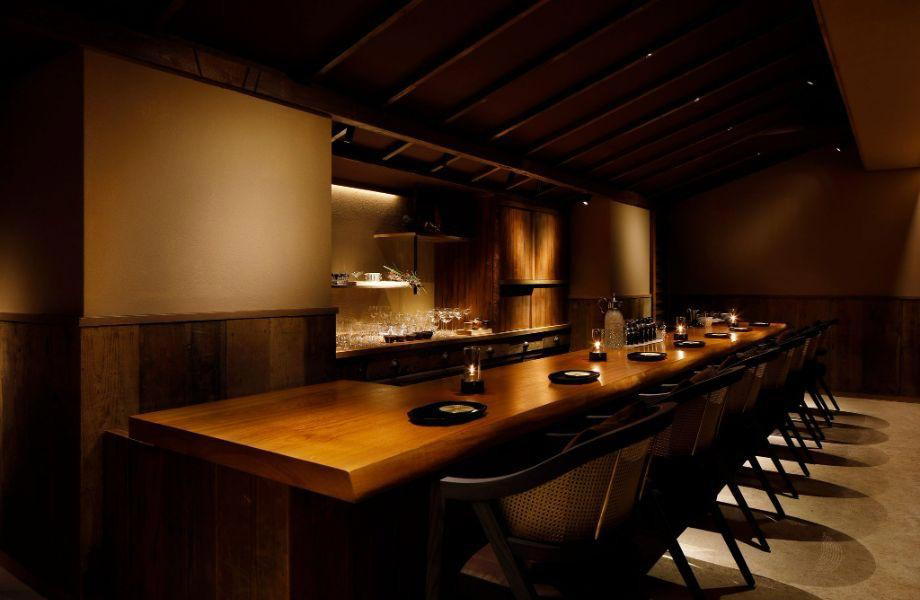
Ginza's basement-level dining rooms have a specific grammar. They sit below street level by design, insulated from the commercial noise of one of Tokyo's most expensive retail districts, and they operate on the assumption that the guests arriving already know why they came. 銀座 うち山, at 2 Chome-12-3 in Ginza's tighter southern grid, fits this template precisely. The B1 designation in the address is not incidental, it signals a room built for concentration, not foot traffic.
For international visitors unfamiliar with how high-end Japanese dining reservations actually work, the mechanics matter more than almost any other logistical detail. Tokyo's top-tier Japanese restaurants, particularly those operating counter formats in Ginza and Azabu, do not function like Western restaurant bookings. Many require contact through a hotel concierge, a domestic phone number, or a Japanese-language intermediary. Availability windows open weeks or months ahead. At venues of this category, a same-week walk-in is essentially not an option, and treating the booking process as an afterthought is the single most common planning error among first-time visitors.
Where Ginza Sits in Tokyo's Dining Hierarchy
Tokyo holds more Michelin stars than any other city, and Ginza concentrates a disproportionate share of the top-end allocation. The neighbourhood functions as a premium signal in its own right: a Ginza address in the kaiseki or kappo register implies a certain price floor, a certain formality of service, and a certain expectation that the guest has done their research. Venues like Harutaka operate in the same district and at the same general price tier, with the four-symbol price range (¥¥¥¥) functioning as the baseline rather than the ceiling for this category.
The broader Tokyo fine-dining scene has stratified over the past decade. French-influenced rooms like L'Effervescence and Sézanne compete for the same international traveller attention as the city's Japanese counter restaurants, while innovative hybrids like Crony occupy a younger, less ceremony-bound tier. 銀座 うち山 sits on the Japanese side of that divide, in a tradition where seasonal produce, technique discipline, and the counter format itself carry the communicative weight that tableside service and wine programming carry elsewhere.
For context on how this fits into Japanese fine dining beyond Tokyo, comparable counter-format experiences at the highest tier include RyuGin in Tokyo's Roppongi district, HAJIME in Osaka, and Gion Sasaki in Kyoto. Each occupies a different city's premium tier but shares the structural logic of advance booking, seasonal menu rotation, and counter proximity as the central dining proposition.
Planning the Visit: Booking, Timing, and Practical Logistics
The address, B1, 2 Chome-12-3 Ginza, Chuo City, Tokyo 104-0061, places the restaurant in walking distance of Ginza Station (Tokyo Metro Ginza, Hibiya, and Marunouchi lines), making access direct once the reservation is confirmed. The harder work is the reservation itself.
For visitors staying at a Tokyo luxury hotel, the concierge desk is the most reliable channel for securing a table at restaurants operating at this level. Many Ginza and Azabu venues maintain relationships with specific hotels and will accept reservations through that channel that they would not take from an unknown international contact. Building the restaurant booking into the hotel reservation conversation, ideally at least four to six weeks before arrival, longer for peak travel periods, is the most consistently effective approach.
Seasonal timing matters in the kaiseki and high-end Japanese dining calendar in ways that are not always visible to international travellers. Spring (March to May) and autumn (October to November) represent the two periods when ingredient quality peaks and competition for reservations intensifies. Winter brings its own distinct produce register, particularly for fish. Summer is the leanest season by some measures but attracts fewer competing reservations. Building flexibility into the travel dates, where possible, increases the probability of securing a preferred time slot.
For a broader view of how 銀座 うち山 fits into a Tokyo itinerary, our full Tokyo restaurants guide maps the city's dining categories, neighbourhoods, and booking strategies in more detail.
The Japanese Counter Format: What the Experience Involves
Counter dining at this level in Tokyo is a specific contract between kitchen and guest. The chef works within direct eyeline; the menu is set and seasonal; the pacing is controlled by the kitchen rather than the table. This is not a format that rewards guests who arrive with strong preferences about what they want to eat or how quickly they want to eat it. The assumption built into the format is that the guest has ceded those decisions in exchange for a more considered sequence.
This model has proven durable across decades of Tokyo dining and has influenced counter formats internationally, venues like Atomix in New York City, which brings Korean fine dining into a similarly structured counter proposition, and the tasting menu architecture at Le Bernardin in New York City represent different interpretations of the same underlying logic: that the restaurant's coherence depends on controlling the sequence.
Other high-end Japanese counter experiences across the country's regions offer useful comparisons for travellers building a longer Japan itinerary. akordu in Nara applies a European-Japanese fusion approach within a similarly intimate format. Goh in Fukuoka represents Kyushu's premium counter tier. More regionally specific experiences include 一本木 佳川製 in Nanao on the Noto Peninsula, 大地の恵み乃 in Sapporo, 湖畔荘 in Takashima, and 鶴羽屋 in Nishikawa Machi, each placing premium Japanese hospitality within a distinct regional produce context. Additional reference points for travellers with a wider Japan scope include Birdland in Sakai and Bistro Ange in Toyohashi.
Frequently asked questions
How do I find 銀座 うち山?
銀座 うち山 is located at Japan, 〒104-0061 Tokyo, Chuo City, Ginza, 2 Chome−12−3 B1, Tokyo.
Where exactly is 銀座 うち山 located, and how do I find the entrance?
The restaurant is at B1, 2 Chome-12-3 Ginza, Chuo City, Tokyo 104-0061, placing it a short walk from Ginza Station on the Tokyo Metro Ginza, Hibiya, and Marunouchi lines. As with most basement-level dining rooms in this part of Ginza, the entrance is below street level, look for building signage at ground level on 2 Chome and descend. Arriving a few minutes early is advisable, as basement entries in this corridor are easy to walk past.
What should I order at 銀座 うち山?
At counter-format kaiseki restaurants in Ginza, the menu is set by the kitchen rather than selected by the guest. The seasonal course structure determines what arrives and in what order, so the question of what to order is largely resolved before you sit down. Confirm current course offerings directly with the restaurant when booking, as the menu shifts with the season.
Is 銀座 うち山 reservation-only?
Counter kaiseki at this tier in Ginza operates on reservations, and walk-in availability is not a realistic expectation. Seats at basement-level kaiseki rooms in this neighbourhood are allocated in advance, often weeks out. check the venue's official channels to confirm lead times and availability.
What's the defining dish or idea at 銀座 うち山?
The defining idea is the kaiseki contract itself: a sequenced, kitchen-directed meal built around seasonal Japanese produce, served across a counter where the chef works in direct view of the guest. In Ginza's basement dining rooms, that format carries a specific discipline, the neighbourhood concentrates some of Tokyo's most technically exacting kitchens, and the counter format leaves little room for improvisation.
Can 銀座 うち山 accommodate dietary restrictions?
Kaiseki menus are structured courses rather than à la carte selections, which makes mid-meal substitutions genuinely difficult. Serious dietary restrictions, allergies in particular, should be communicated at the time of booking so the kitchen can assess what adjustments, if any, are possible. Do not assume accommodation is automatic at this format.
Is a meal at 銀座 うち山 worth the investment?
Ginza is the address in Tokyo where the highest concentration of top-end Japanese dining operates, and a kaiseki counter at this postcode reflects that positioning in its pricing. Whether the spend is justified depends on how you weight format: this is kitchen-directed, counter-seated, season-led dining with no à la carte fallback. For guests who want that specific structure, Ginza is the reference neighbourhood in Japan.
At-a-Glance Comparison
Comparable venues nearby, for context on price, style, and recognition.
| Venue | Cuisine | Price | Awards | Notes |
|---|---|---|---|---|
| 銀座 うち山This venue (the venue you are viewing) | Tea Kaiseki Japanese | $150–200 | Tabelog 100 #30 | Not listed |
| Sushi Mitani (鮨 三谷) | Edomae Omakase | $200–300 | La Liste Top Restaurants · Tabelog Gold #16 | Yotsuya |
| Ushigoro Ginza Namiki St. | Premium Yakiniku Wagyu and Horumon | $100–150 | Tabelog 100 #89 | Chūō |
| Hyoki Shabu-shabu Yaesu | Kyoto-style Dashi Shabu-shabu | $50–100 | Not listed | Chūō |
| 銀座 kappou ukai | Traditional Kappou Robatayaki | $200–300 | Not listed | Chūō |
| subin | Modern Japanese Nikushabu & Yakiniku | Not listed | Tabelog Bronze #463 | Chūō |
Recognition history
Dated appearances from independent guides and award organizations, with the underlying list record or original source where available.
Tabelog 100 #30 · No. 30
Tabelog · Tabelog 100 - Japanese cuisine - TOKYO - 2025
Continue exploring
More in Tokyo
Restaurants in Tokyo
All restaurants in Tokyo →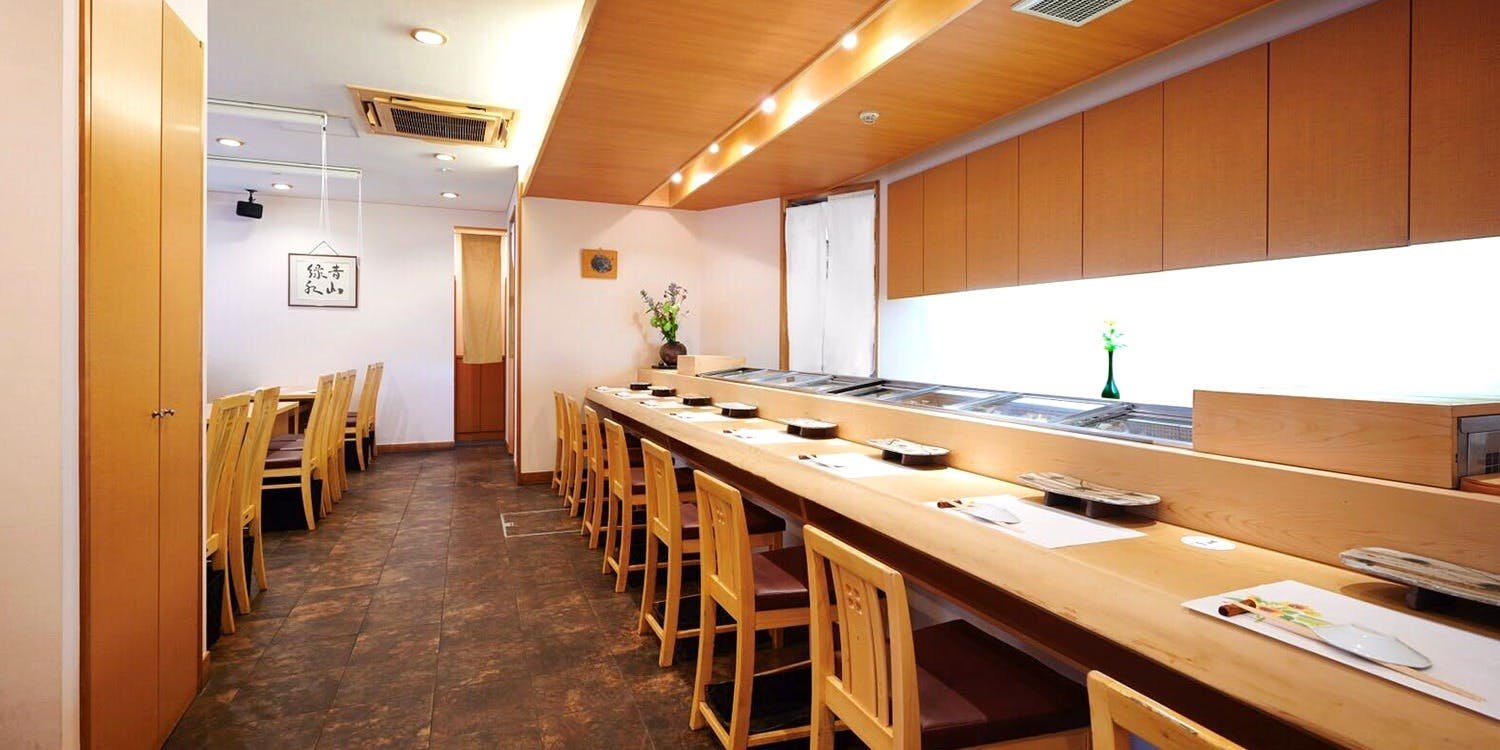

Bars in Tokyo
All bars in Tokyo →

Details
- Elegant
- Quiet
- Sophisticated
- Cozy
- Classic
- Special Occasion
- Business Dinner
- Date Night
- Chefs Counter
- Sake Program
- Tasting Menu
- Counter Dining
- Sake
Current opening hours
- Monday
- 11:30 AM–2 PM, 6–9 PM
- Tuesday
- 9 AM–5 PM, 6–9 PM
- Wednesday
- 11:30 AM–2 PM, 6–9 PM
- Thursday
- 11:30 AM–2 PM, 6–9 PM
- Friday
- 11:30 AM–2 PM, 6–9 PM
- Saturday
- 11:30 AM–2 PM, 6–9 PM
- Sunday
- 11:30 AM–2 PM, 6–9 PM
Hours can change for holidays and private events. Hours as of .
Calm space with traditional Japanese elegance and relaxed adult atmosphere.