Our verdict
Situated on Tràng Tiền, one of Hanoi's most historically charged streets in the Hoàn Kiếm district, Club Opera Novel occupies a setting where French colonial architecture and Vietnamese cultural memory converge. The address places it within easy reach of Hoan Kiem Lake and the city's core heritage corridor, making it a reference point for understanding how Hanoi's dining scene has evolved at the intersection of old and new.
- Address
- 17 Tràng Tiền, Hoàn Kiếm4g54, Hà Nội, Vietnam
- Directions
- Get directions
The menu
What to order
- Fried spring rolls Imperial Style
A Street That Tells the City's Story
Tràng Tiền is not simply a central Hanoi address. The street running from Hoan Kiem Lake toward the Opera House carries the weight of French colonial planning, mid-century Vietnamese cultural life, and the contemporary dining and retail energy that has moved into the district over the past decade. Venues on this corridor operate in a specific kind of context: they are judged not only on what they serve but on how they situate themselves within a setting that most Hanoi residents regard as the city's civic core. Club Opera Novel, at number 17, holds a position on that street where the Opera House itself stands within visible proximity, framing the immediate environment with a grandeur that the surrounding neighbourhood has spent generations absorbing.
Hoàn Kiếm, the district in which Tràng Tiền sits, is where Hanoi's self-image is most concentrated. The lake, the pagoda on the island at its centre, the old quarter's edge, and the French Quarter's widened boulevards all converge here. Dining in this district means dining in a place that carries considerable symbolic weight for Vietnamese visitors and residents, not just international travellers. That distinction matters when assessing what a venue in this location is trying to do.
Where Hanoi's Dining Tiers Are Drawn
Hanoi's restaurant scene has stratified noticeably over the past several years. At the upper end, venues like Gia and Hibana by Koki operate at the ₫₫₫₫ tier, where tasting menus and imported produce set the price expectation. At the more accessible end, spots like Tầm Vị hold the ₫₫ band, where traditional Vietnamese cooking is the primary draw. The middle and upper tiers of Hoàn Kiếm specifically attract venues that can trade on address as much as on kitchen output, because the footfall from tourism, business travel, and domestic leisure spending in the district is among the highest in the country.
Nationally, Vietnam's premium dining conversation spans several cities. La Maison 1888 in Da Nang and Akuna in Ho Chi Minh City represent the kind of credentialed fine dining that draws international comparison. Saffron in Hue City connects to that city's specific royal culinary heritage, while Cargo Club Cafe and Restaurant in Hoi An occupies a different niche within heritage tourism. Hanoi's own range, which you can explore in depth through our full Hanoi restaurants guide, reflects a city where local cooking traditions run deep and international formats are still finding their footing.
The Cultural Weight of the Hoàn Kiếm Address
Vietnamese dining culture is not reducible to pho and banh mi, though those two dishes have done considerable work in shaping external perceptions of the cuisine. The Hanoi tradition specifically centres on a distinct northern palate: less sweet than the south, more reliant on clear broths and subtle seasoning, with an emphasis on freshness over richness. Hoàn Kiếm has historically housed both the street-level expression of this tradition and the more formal dining rooms that served the city's administrative and intellectual class during the French colonial period and beyond.
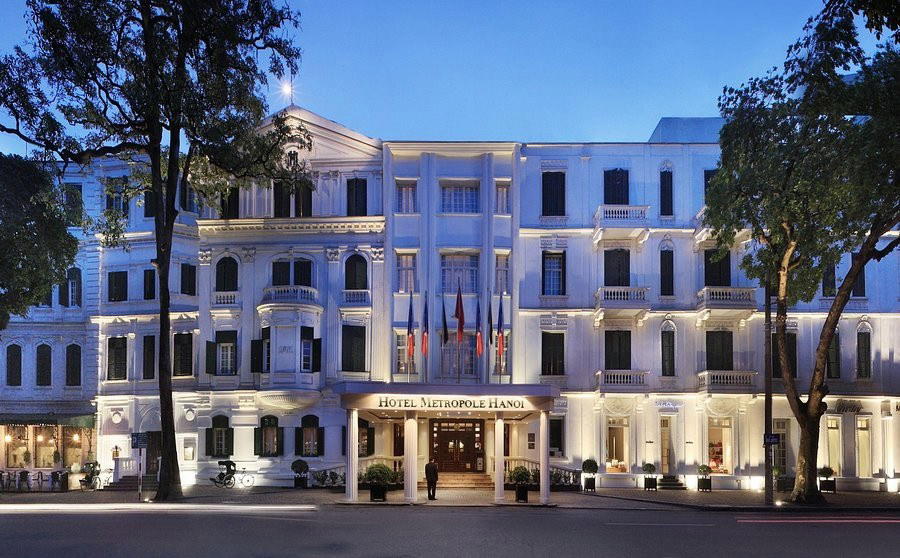
That layering is visible in the neighbourhood's built environment and in its food culture. Venues that occupy colonial-era buildings on streets like Tràng Tiền carry an implicit conversation with that history. The proximity to the Opera House in particular connects the address to a period when Hanoi was shaped by imported European institutions sitting alongside Vietnamese daily life. For visitors trying to understand what Hanoi is, the Hoàn Kiếm district is the most legible starting point, and venues within it operate as much as cultural addresses as they do as dining destinations.
Other Hanoi venues worth mapping against this context include 19 P. Ngũ Xã, 1946 Cua Bac, each of which signals a different relationship to Vietnamese culinary heritage and Hanoi's urban geography.
Reaching Tràng Tiền and Planning a Visit
The address at 17 Tràng Tiền is walkable from Hoan Kiem Lake in under five minutes, and the street itself is a natural route between the lake and the Opera House, meaning foot traffic is consistent throughout the day and evening. The Hoàn Kiếm district is well served by taxi and ride-hailing services, with Grab operating reliably across the city. Parking is limited in this part of central Hanoi, and the density of the area makes walking or being dropped off the practical approach for most visitors.
For those building a broader picture of Vietnam's dining geography, the country's coastal and central regions offer significant counterpoints to Hanoi's northern style. Mi Quang Ba Vi in Thanh Khe, Bau Troi Do in Son Tra, and Le Pont Club in Hai Phong each represent distinct regional cooking traditions that sit at a remove from what Hanoi's central district produces. Further afield, Phuong Nhung Restaurant in Cat Hai, Duyên Anh Restaurant in Phu Vang, and Nhà hàng Madame Lân in Hai Chau demonstrate how Vietnamese food culture diversifies across provinces and coastlines.
For international comparison points, the discipline of a highly focused, chef-driven format as practised at venues like Le Bernardin in New York City or the communal tasting structure of Lazy Bear in San Francisco frames the kind of format ambition that Hanoi's upper dining tier is beginning to engage with directly.
Frequently asked questions
Does Club Opera Novel work for a family meal?
The 17 Tràng Tiền address places Club Opera Novel on one of Hanoi's most storied streets, which tends to attract a mixed crowd of professionals, travellers, and local families. The location, walkable from Hoan Kiem Lake, makes it a practical stop on a central Hanoi itinerary for groups of any composition.
What's the vibe at Club Opera Novel?
Sitting at 17 Tràng Tiền, the address itself shapes the atmosphere: the street runs from Hoan Kiem Lake directly to the French-era Opera House, giving the area a composed, historic character that filters into the venues along it. Hanoi's Hoàn Kiếm district at this end of Tràng Tiền skews toward a quieter, more considered register than the Old Quarter a few blocks north. Expect a setting that reflects the boulevard's architectural weight rather than the high-energy pace of the city's newer dining corridors.
Is Club Opera Novel near the Hanoi Opera House, and does the location affect the dining experience?
Club Opera Novel is at 17 Tràng Tiền, the street that terminates at the Hanoi Opera House — one of the city's most architecturally significant French colonial structures. That proximity means the venue draws pre- and post-performance diners alongside the broader Hoàn Kiếm crowd, which typically produces a more international and occasion-conscious clientele than restaurants set further from this corridor. For visitors timing a Hanoi evening around a performance, the address is logistically convenient without requiring a taxi or crossing district lines.
What's the must-try dish at Club Opera Novel?
What is clear is that the venue operates in a Hanoi neighbourhood where dining expectations run high — Hoàn Kiếm's central corridor is where the city's more considered restaurants compete for a well-travelled local and international clientele.
Budget Reality Check
Comparable options at a glance, pulled from our tracked venues.
| Venue | Cuisine | Price | Awards | Notes |
|---|---|---|---|---|
| Club Opera NovelThis venue — the venue you are viewing | Traditional Vietnamese Fine Dining | Not listed | Not listed | Not listed |
| Gia | Modern Vietnamese Fine Dining | $100–150 | 1 Michelin Star · La Liste Top Restaurants | Vietnamese Contemporary, ₫₫₫₫ |
| Hibana by Koki | Michelin-Starred Japanese Teppanyaki | $200–300 | 1 Michelin Star · La Liste Top Restaurants | Teppanyaki, ₫₫₫₫ |
| Tầm Vị | Northern Vietnamese Home-Style | $10–20 | 1 Michelin Star | Vietnamese, ₫₫ |
| Bun Cha Ta (Nguyen Huu Huan Street) | Authentic Vietnamese Bun Cha | $1–10 | Michelin Bib Gourmand | Noodles, ₫ |
| Chapter | Modern Northern Vietnamese Fine Dining | $50–100 | Michelin Plate · Star Wine List | Nordic, Vietnamese Contemporary, ₫₫₫₫ |
Details
- Elegant
- Classic
- Sophisticated
- Date Night
- Special Occasion
- Business Dinner
- Historic Building
- Wine Cellar
- Extensive Wine List
- Street Scene
- A La Carte
- Set Menu
- Vegetarian Friendly
- Vegan Options
- Gluten Free Options
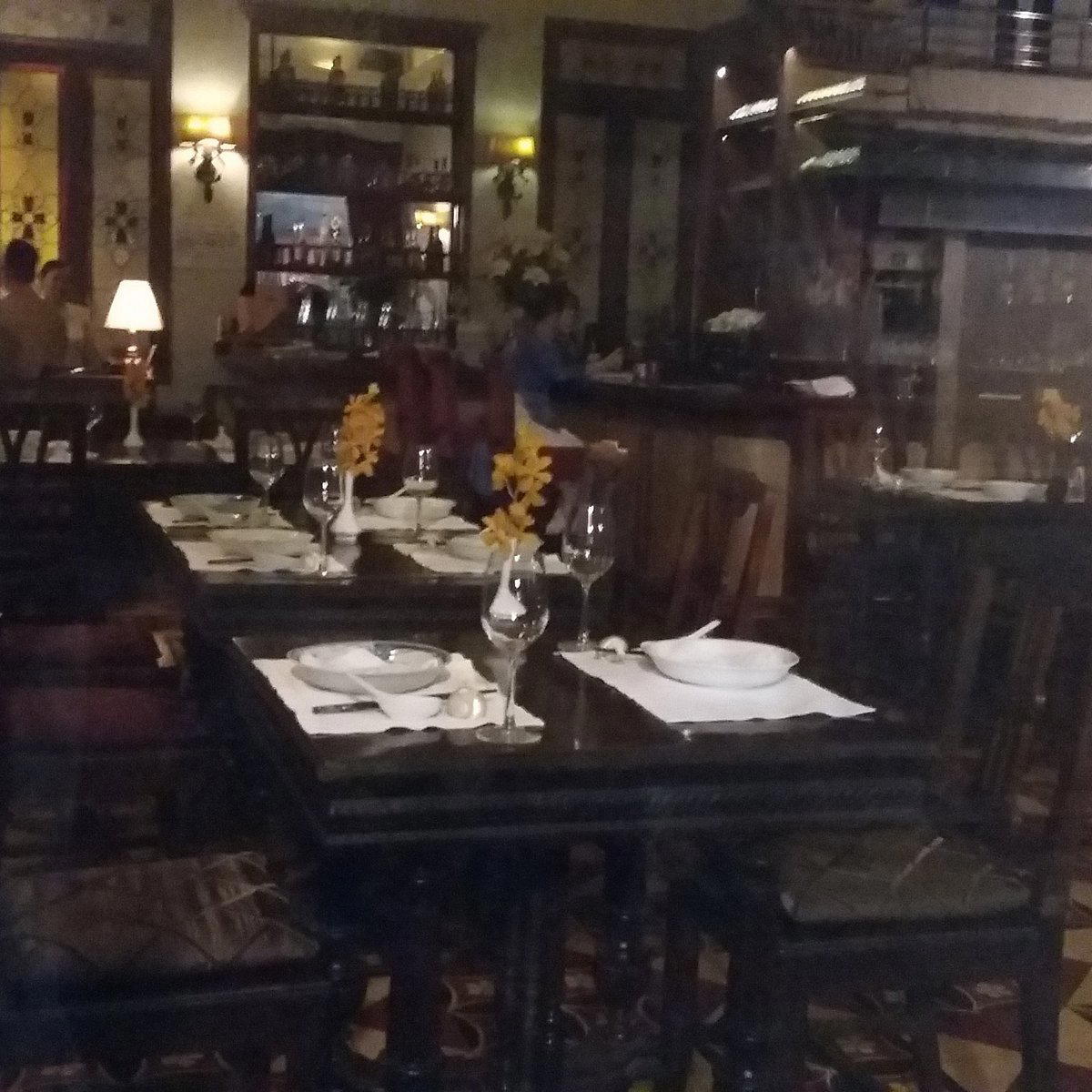
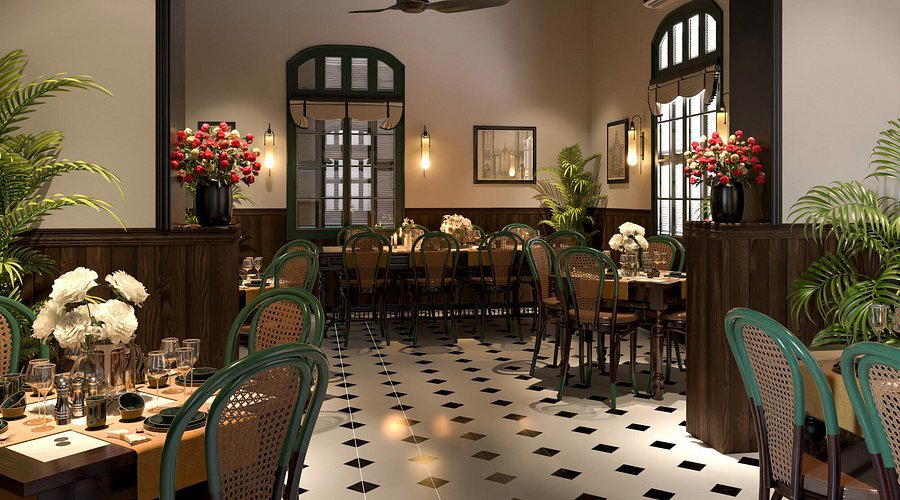
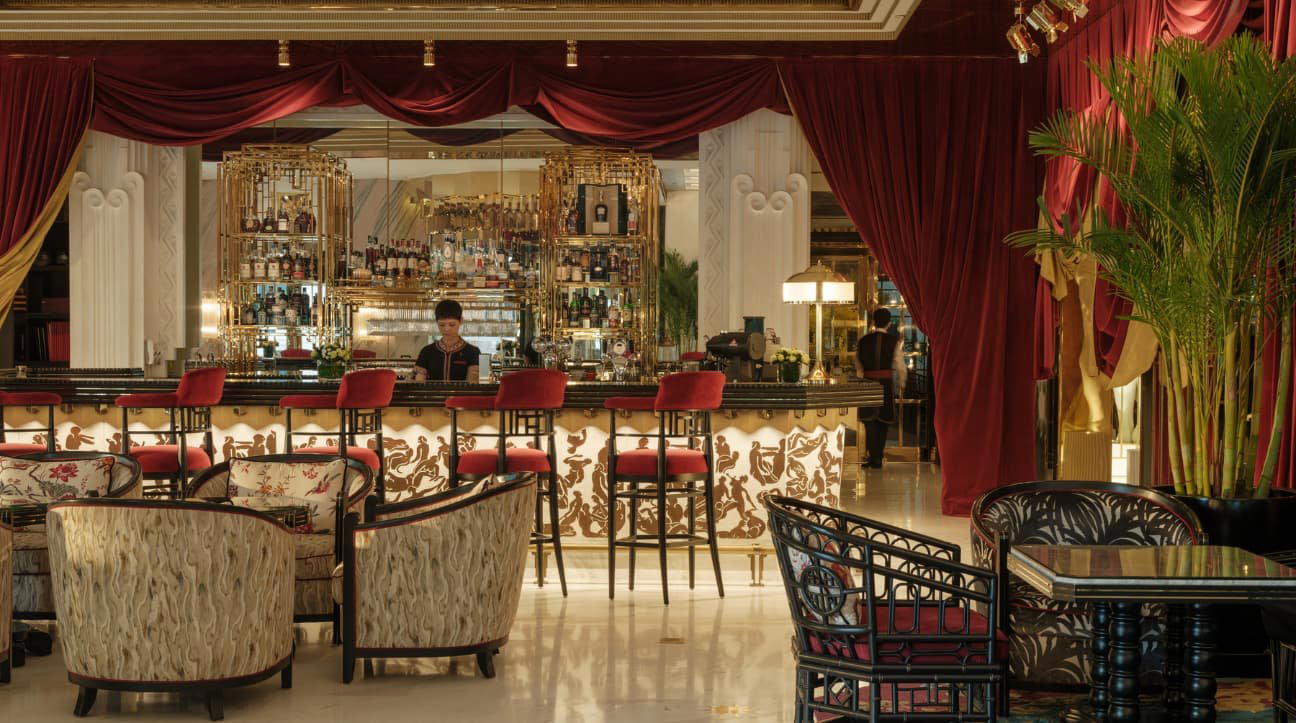
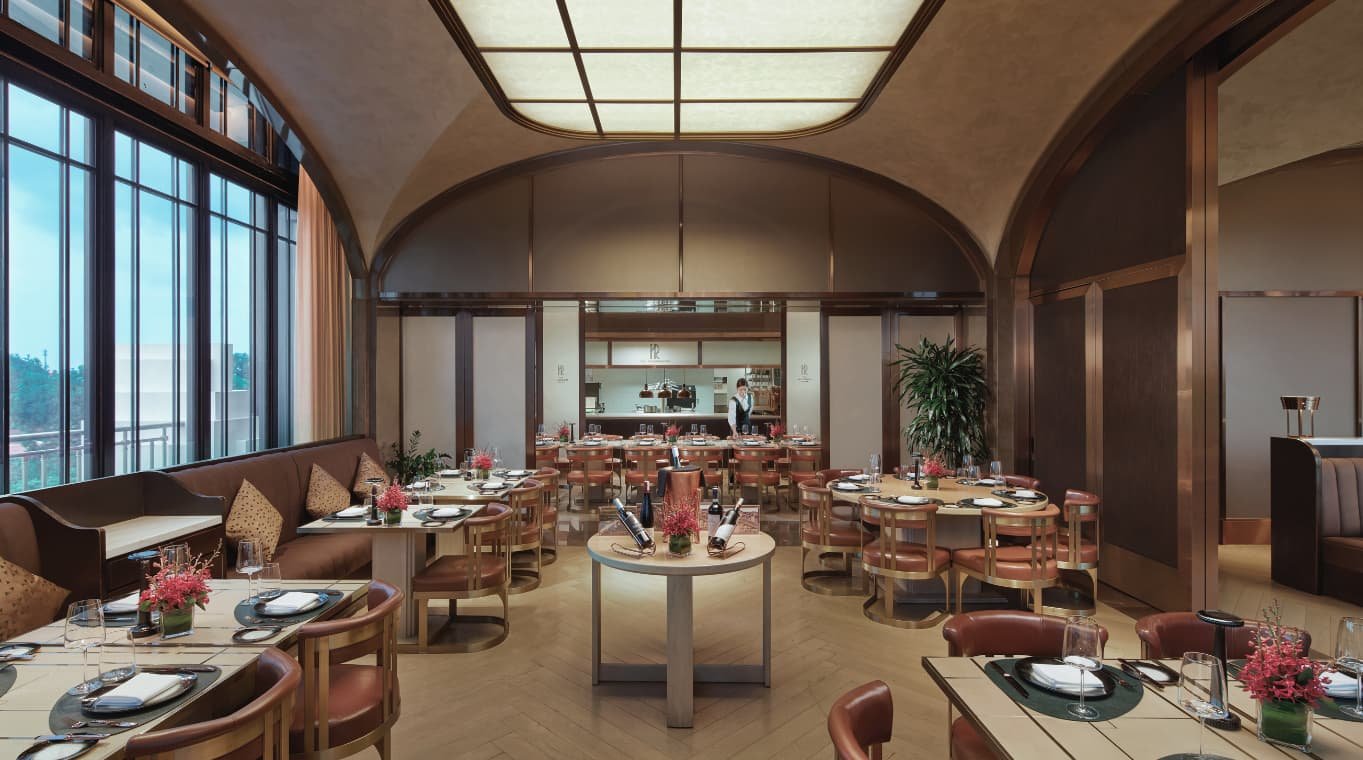
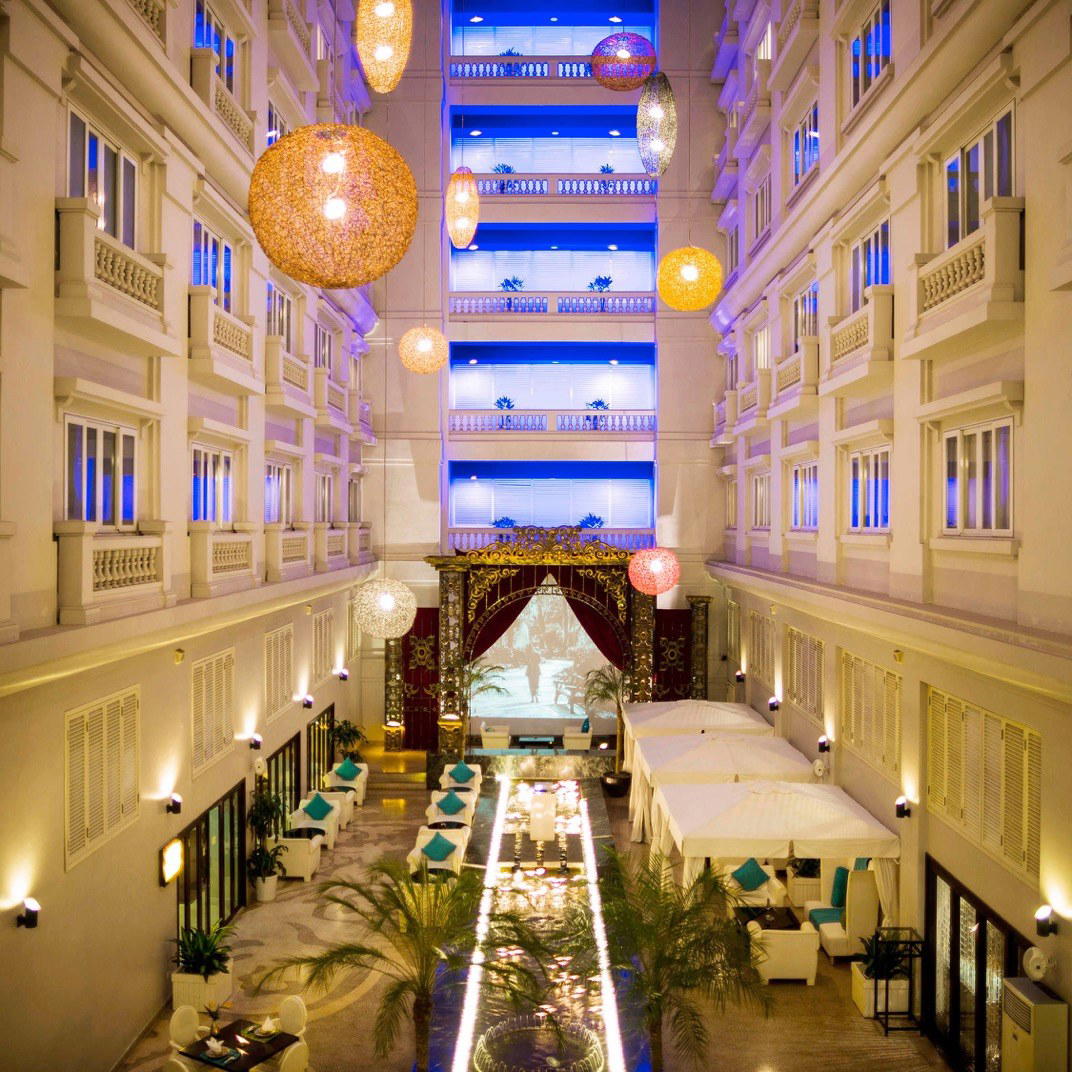
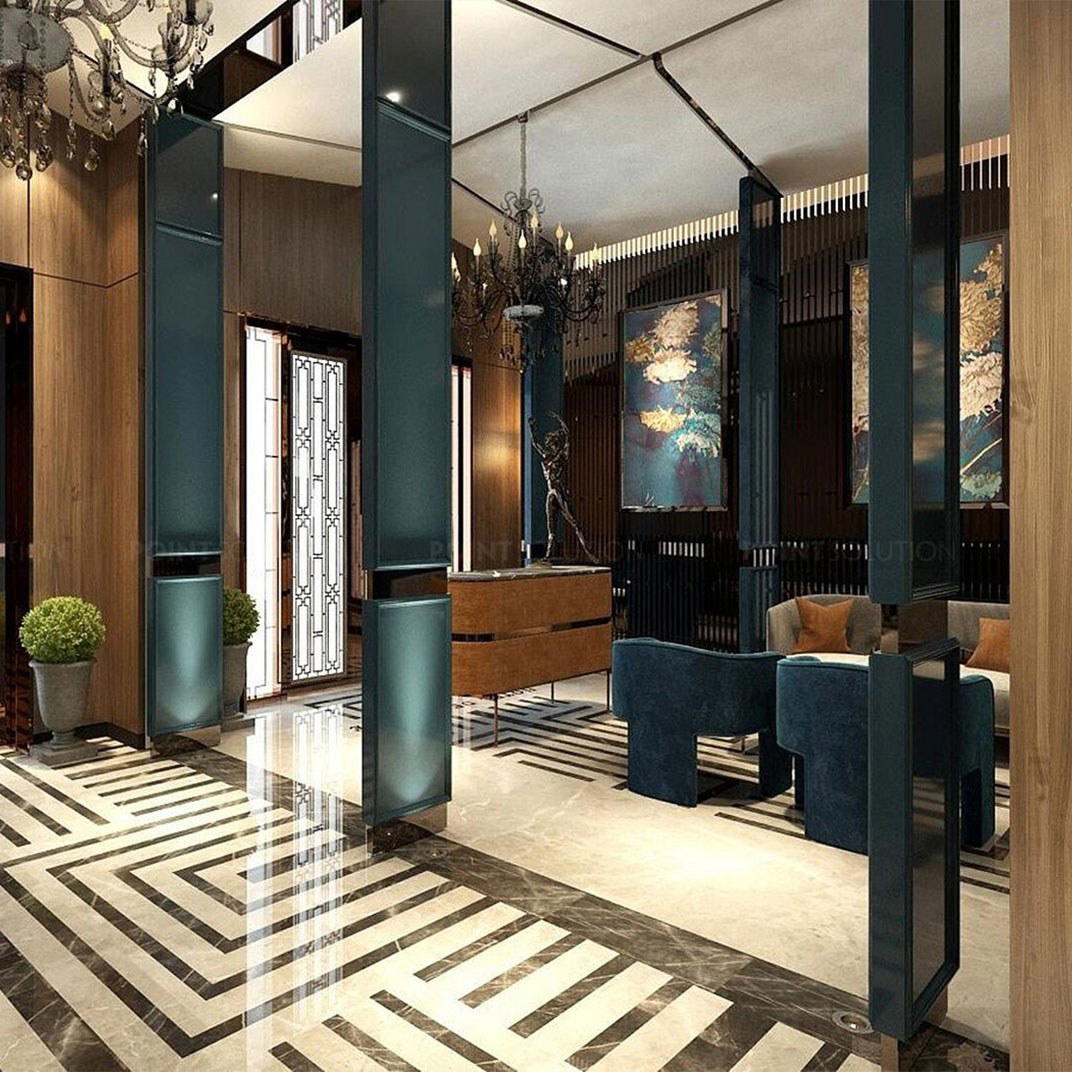
Charming old world colonial ambience with high ceilings, stained wood, and elegant French-style interior.