Our verdict
On Hoang Sa road in Son Tra district, Bau Troi Do sits along Da Nang's coastal fringe where the East Sea sets the culinary agenda. The address places it within the same seafood-driven strip as several neighbourhood staples, where proximity to the water shapes what lands on the table. For visitors working through Son Tra's restaurant scene, it represents the coastal, ingredient-led end of the local spectrum.
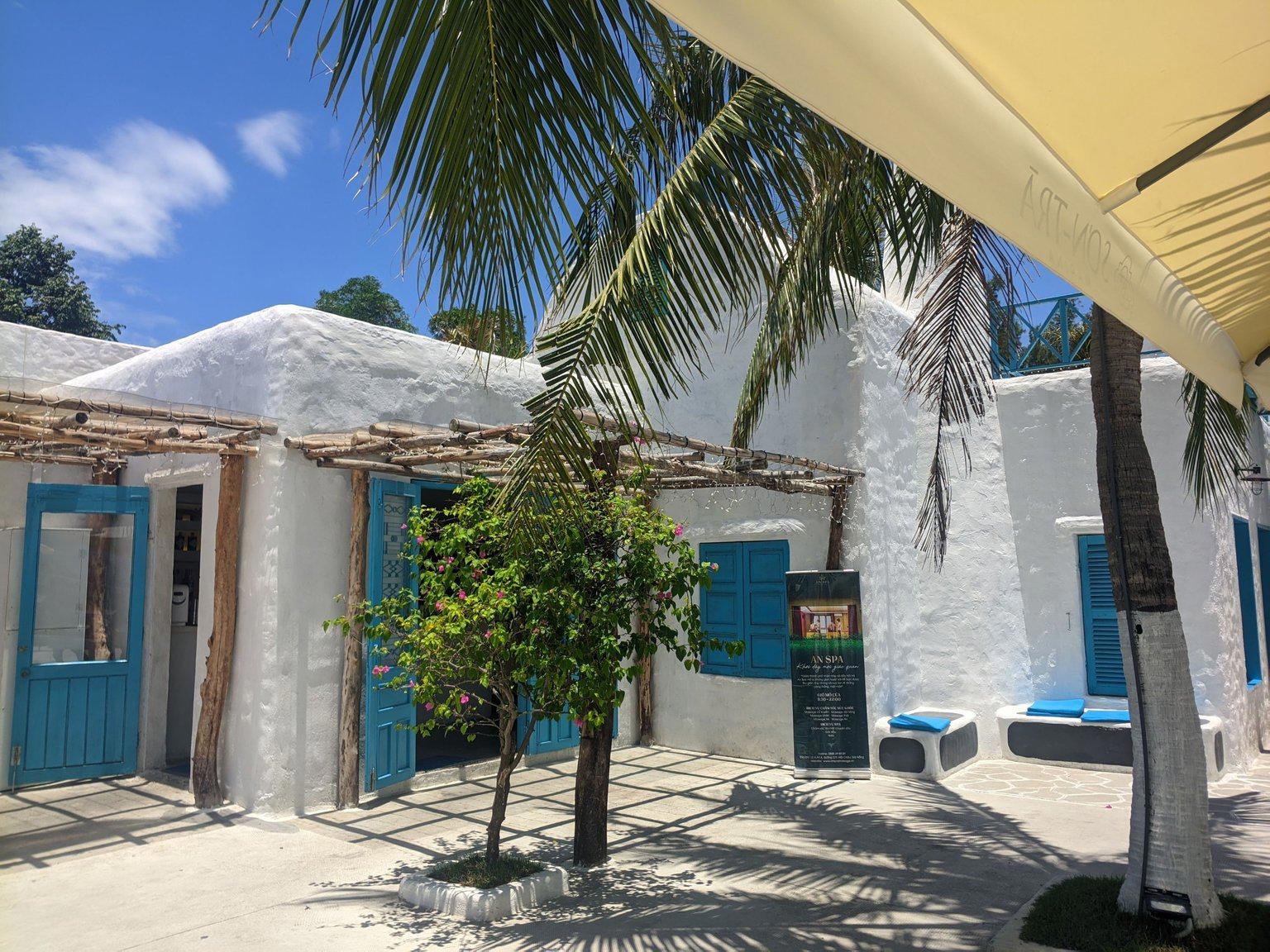
The menu
What to order
- Banana_blossom_salad_with_shrimp
- Steamed_grouper
- Clam_sashimi
Where the East Sea Sets the Table
Son Tra district runs along Da Nang's northeastern shoreline, a peninsula where the East Sea is visible from most vantage points and where the fishing boats that supply the city's restaurants operate close enough to matter. Along Hoang Sa road, the stretch that edges the coast before climbing toward the Son Tra Nature Reserve, a cluster of dining addresses has formed around a single, consistent logic: the sea is the supplier, and everything else follows. Bau Troi Do sits on this strip, at Lo 2 Duong Hoang Sa in the Mân Thái ward, within a neighbourhood where sourcing is less a philosophy than a practical reality shaped by geography.
This is a different dining register from what you find at the formal end of Da Nang's restaurant scene. La Maison 1888 in Da Nang operates at the hotel-dining tier, with structured menus and international framing. The Hoang Sa coastal strip operates on a shorter, more direct supply chain. The restaurants here tend to work with what arrived that morning rather than what a centrally designed menu specifies weeks in advance. That immediacy is the defining characteristic of Son Tra's seafood dining culture, and it produces a different kind of meal: less predictable, more contingent on season and catch, and more reflective of what the sea is actually offering at any given moment.
The Ingredient Logic of Da Nang's Coastal Strip
Central Vietnam's coastline runs roughly 900 kilometres and produces some of the country's most varied seafood. The waters off Da Nang and the Son Tra peninsula sit at a transitional point along that coast, where catches tend to include a mix of species associated with both the central and southern Vietnamese fishing traditions. Locally, this means menus that shift with the season and with what the smaller-scale fishing operations bring in rather than what large wholesale networks distribute. For the restaurants along Hoang Sa road, that supply dynamic shapes the character of the food more directly than any kitchen philosophy does.
This ingredient-first approach is not unique to Bau Troi Do. It characterises the whole coastal tier of Son Tra dining, which includes addresses like My Hanh Seafood and Nhà Hàng Bé Anh, both operating within the same neighbourhood and the same sourcing context. What distinguishes individual addresses within this tier is execution, atmosphere, and the specific relationships they hold with local suppliers, rather than dramatic differences in concept or format. When Be Man Restaurant and Citron appear in the same conversation, it is usually because the comparison is about register and style within a shared geography, not about fundamentally different culinary traditions.
Across Vietnam's coastal dining scene more broadly, this kind of proximity-to-source model produces the most interesting eating when the supply chain is genuinely short and the kitchen is genuinely responsive to it. In Hoi An, Cargo Club Cafe and Restaurant navigates a different balance, blending local ingredients with a format that accommodates international visitors. In Hue, Saffron operates within a cuisine tradition so codified that sourcing arguments play out differently. The Son Tra coastal tier sits between those modes: locally grounded but without the rigid culinary grammar of Hue, and more ingredient-focused than the hybrid formats that work for tourist-heavy Hoi An.
Reading the Neighbourhood
Mân Thái ward, where Bau Troi Do is addressed, is a residential and light-commercial zone that does not function primarily as a dining destination. Visitors arriving here are generally making a specific decision to eat locally rather than in the more heavily trafficked Hai Chau or Ngu Hanh Son districts. That self-selection matters for the atmosphere. Addresses like Nhà hàng Madame Lân in Hai Chau operate in a district with much higher foot traffic and a clientele mix that includes a significant tourist proportion. The Mân Thái end of Son Tra tends to attract a different balance: more local regulars, fewer one-time visitors, and less pressure on the kitchen to perform to an international-facing script.
For travellers who have already worked through the more obvious Da Nang options, this neighbourhood tier often delivers more direct, less mediated eating experiences. This is less of a concern at places with structured reservation systems, but for coastal Vietnamese addresses at this register, showing up is often the operative approach, particularly for lunch, when the catch from the morning's boats is freshest and the kitchen is at its most responsive.
Visitors planning a broader Son Tra dining session can find a fuller map of the district's options in our full Son Tra restaurants guide. Those building a Vietnam dining itinerary beyond Da Nang might also reference Gia in Hanoi for the northern end of the spectrum, or Akuna in Ho Chi Minh City for a southern counterpoint. For contrast with the coastal seafood tradition, Le Rendez Vous French Restaurant Da Nang offers a European-leaning alternative within Son Tra itself. Further afield across Vietnam's coast, Phuong Nhung Restaurant in Cat Hai and Duyên Anh Restaurant in Phu Vang offer useful reference points for how other coastal Vietnamese communities approach the same ingredient-led dining tradition. For the noodle-specific end of Da Nang's culinary repertoire, Mi Quang Ba Vi in Thanh Khe represents the district-level benchmark for that category, and Le Pont Club in Hai Phong shows how northern Vietnamese coastal dining compares across the country's geographic range.
Planning Your Visit
Bau Troi Do is located at Lo 2 Duong Hoang Sa in Mân Thái ward, Son Tra district, Da Nang. Arriving earlier in the day gives access to the freshest seafood, and flexibility in timing is advisable given the lack of confirmed operational hours. The address is accessible from central Da Nang by taxi or motorbike, with the Hoang Sa coastal road serving as the navigation anchor. For a structured comparison before visiting, the Son Tra district guide covers the full spectrum of options from this part of the city.
Frequently asked questions
What kind of setting is Bau Troi Do?
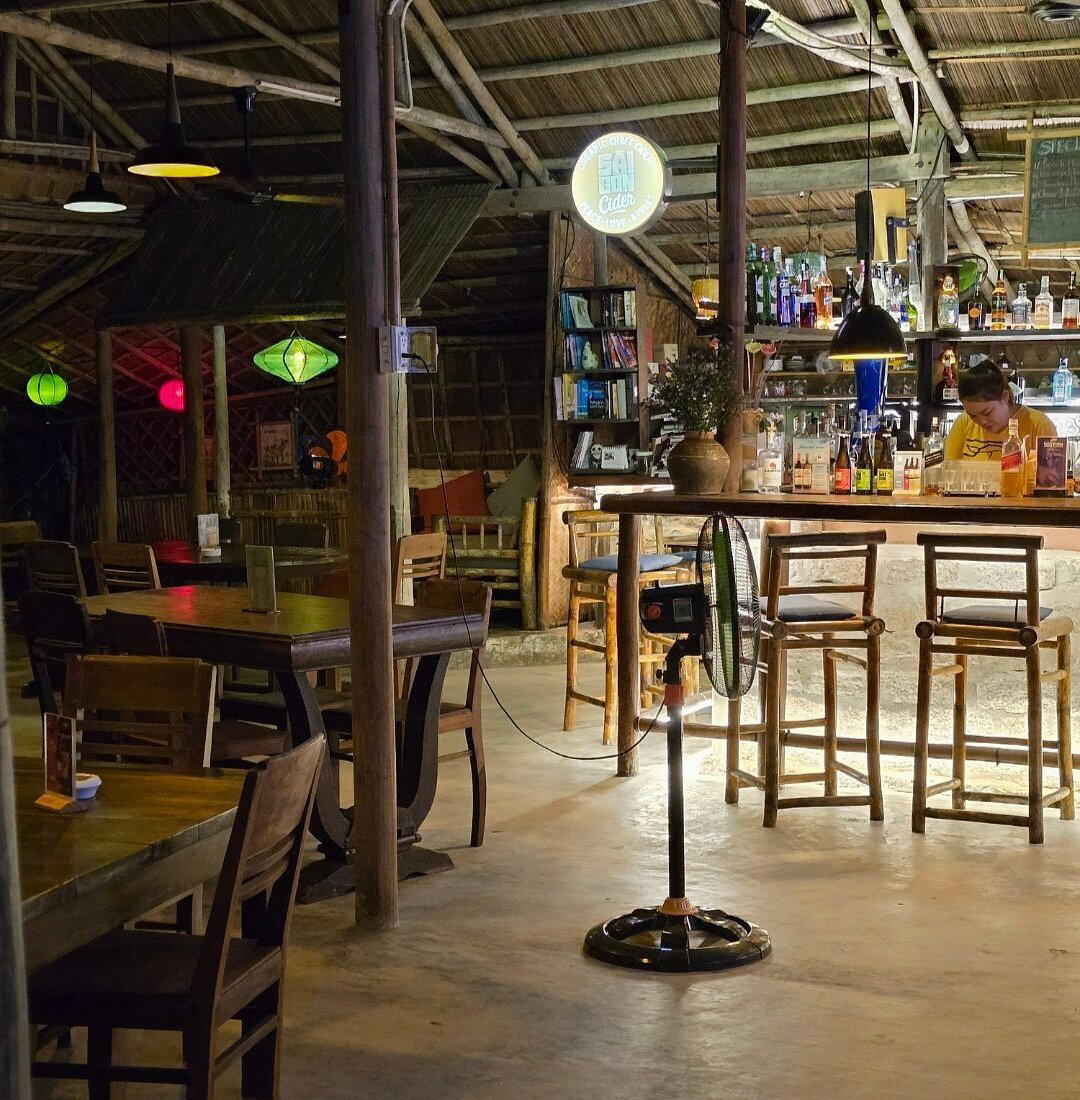
Bau Troi Do is addressed at Lo 2 Duong Hoang Sa in Mân Thái, a ward on the Son Tra peninsula where the East Sea is a constant visual reference and the immediate surroundings are residential rather than tourist-commercial. Venues in this part of Da Nang typically operate as open-air or semi-open structures oriented toward the water.
Is Bau Troi Do suitable for a seafood dinner on the Son Tra peninsula?
Bau Troi Do's location on Hoang Sa Road in Mân Thái places it directly along the coastline that defines Son Tra's working-harbour character, where proximity to the East Sea is the dominant factor in what ends up on local menus. Central Vietnam's roughly 900-kilometre coastline delivers some of the country's most varied daily catches to Da Nang kitchens, and Son Tra addresses are among the closest to the source. Cuisine type and pricing are not formally documented so treating it as a seafood destination is an informed inference based on location rather than a confirmed menu claim.
What should I order at Bau Troi Do?
What is known is that the venue sits on the Son Tra peninsula, where the local fishing fleet supplies Da Nang's coastal strip with crab, mantis shrimp, and reef fish that are staples across the area's seafood-focused kitchens. Asking staff what came in that morning is the most reliable approach at any Mân Thái address.
| Venue | Cuisine | Price | Awards |
|---|---|---|---|
| Bau Troi DoThis venue (the venue you are viewing) | Central Vietnamese Seafood | Not listed | Not listed |
| Be Man Restaurant | Fresh Live Seafood | $10–20 | Michelin Plate |
| Le Rendez Vous French Restaurant Da nang | French Bistro with Local Fusion | $30–50 | Not listed |
| My Hanh Seafood | Fresh Vietnamese Seafood | $20–30 | Michelin Plate |
| Nhà Hàng Bé Anh | Fresh Vietnamese Seafood | $10–20 | Not listed |
| Citron | Upscale Vietnamese with Champagne Brunch & Afternoon Tea | $50–100 | Not listed |
Continue exploring
More in Da Nang
Restaurants in Da Nang
All restaurants in Da Nang →
Bars in Da Nang
All bars in Da Nang →
Details
- Rustic
- Casual Hangout
- Group Dining
- Waterfront
- Local Sourcing
- Waterfront
- A La Carte
Casual coastal dining atmosphere focused on fresh seafood in Son Tra's seafood corridor.