Our verdict
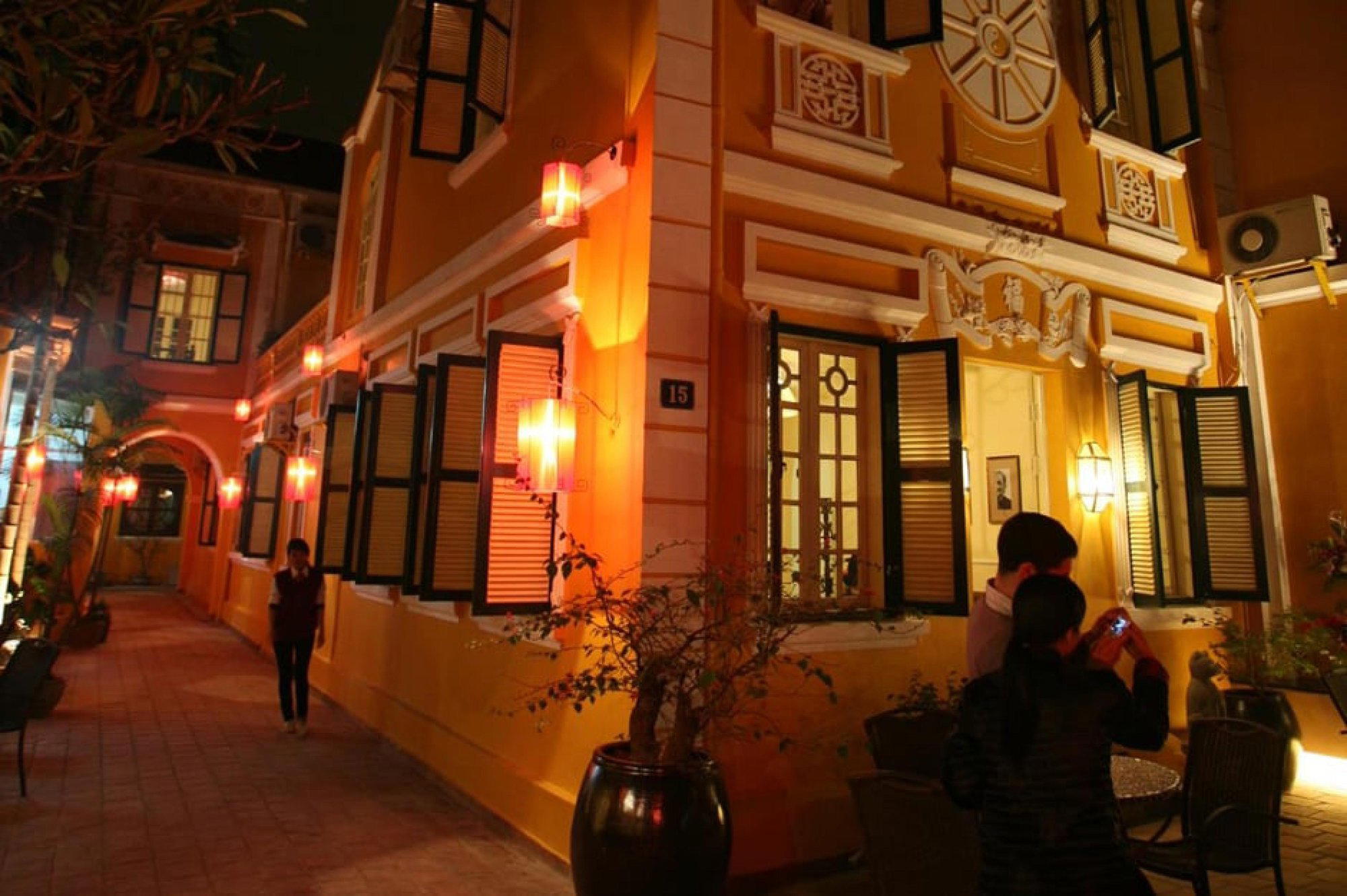
Set on Hàng Bè in Hanoi's Old Quarter, Madame Hien draws on the depth of Vietnamese culinary tradition in a neighbourhood where French-colonial architecture meets the organised chaos of the Old Quarter's trading streets. The room and the service work as a coordinated whole, making it a useful reference point for visitors trying to orient themselves within Hanoi's mid-to-upper tier of Vietnamese dining.

Pearl is the En Primeur Club membership app — saves, bookings, and concierge access live there. Same editors, same standards.
- Address
- 48 P. Hàng Bè, Hàng Bạc, Hoàn Kiếm, Hà Nội 10000, Vietnam
- Phone
- +84 24 3938 1588
- Hours
- Daily 11 AM–10:30 PM
- Directions
- Get directions
The menu
What to order
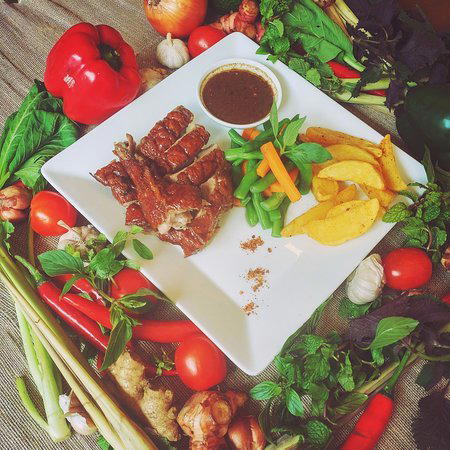
- Pho with foie gras
- Banh Cuon
- Bun Cha
- Duck three ways
- Crab soup
Hàng Bè and the Old Quarter Dining Tier
Hoàn Kiếm's Hàng Bè street sits inside the Old Quarter's tighter commercial grid, a short walk from Hoàn Kiếm Lake and the covered market that spills across the surrounding lanes. This is a part of Hanoi where restaurants must compete not only with each other but with the street-level food culture operating at a fraction of the price directly outside. The decision to eat indoors in this neighbourhood is always a deliberate one, and the restaurants that hold their position here tend to do so through a clarity of offer: a defined cuisine, a readable room, and service that justifies the step up from pavement dining.
Madame Hien occupies 48 P. Hàng Bè within that context. The address places it squarely in the Old Quarter's tourist-facing but locally credible dining corridor, where French-colonial shophouse architecture and Vietnamese-run kitchens have coexisted for decades. The venue's name carries a French-inflected register that signals its positioning: not the phở counter on the ground floor of a guesthouse, but a more composed interpretation of Vietnamese food intended for a clientele that includes both international visitors and Hanoian professionals looking for a mid-to-upper dining experience in their own city.
What the Room Communicates Before the Food Arrives
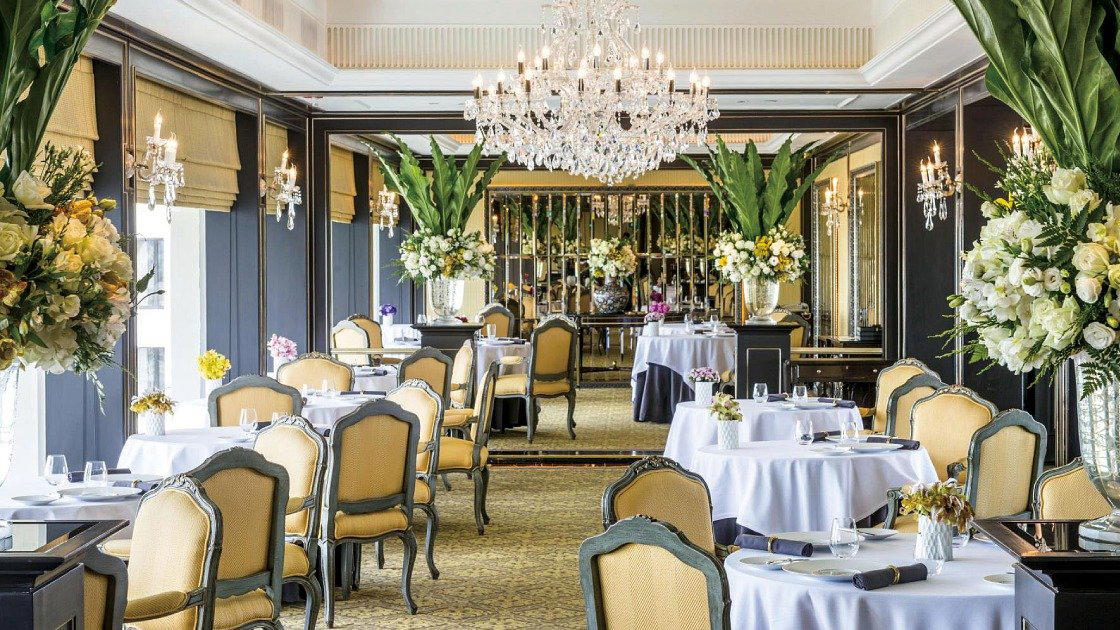
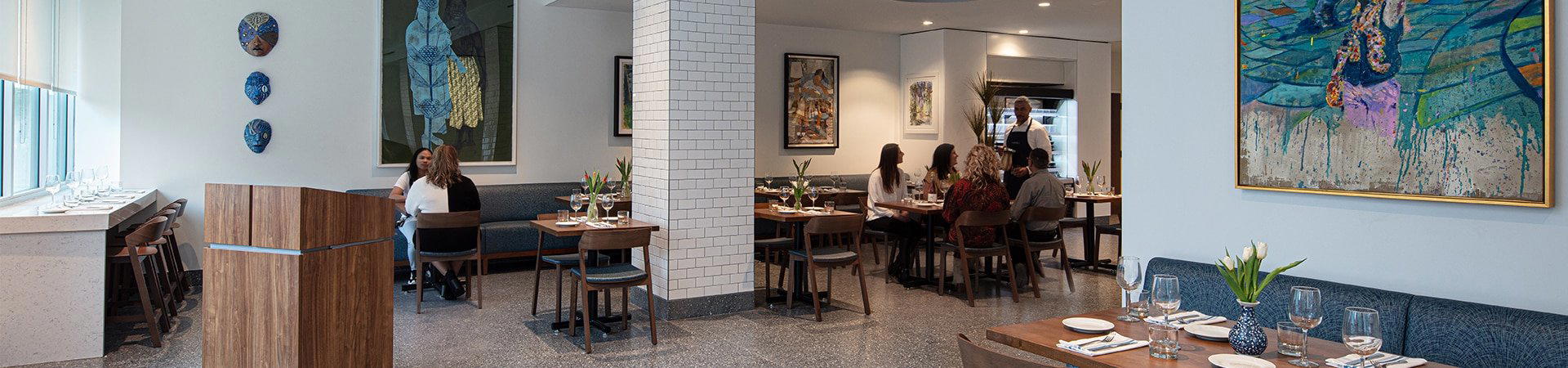
In Hanoi's Old Quarter, the physical environment of a restaurant carries editorial weight. A room that manages colonial-era proportions without tipping into pastiche, that deploys Vietnamese textile or lacquerware details without reducing them to decoration, and that produces a noise level at which conversation is possible — these are operational achievements in a district where the default is either open-air informality or over-designed tourist traps. The front-of-house team in a restaurant like Madame Hien functions as the first layer of that communication: how tables are set, how guests are received, how quickly the room reads its own pace.
This matters particularly in Vietnamese dining contexts where the meal format is not always linear. The tradition of shared dishes, of ordering in waves, of tea arriving before decisions are made — these rhythms require a floor team that can hold the structure of a service without imposing a Western tasting-menu tempo on it. Restaurants in this tier of the Old Quarter that handle that transition well tend to attract repeat business from both ends of their audience: international guests who want to understand what they are eating, and Vietnamese guests who want the food treated with appropriate seriousness.
Vietnamese Culinary Tradition as the Kitchen's Reference Point
The broader Vietnamese dining scene in Hanoi has split into roughly three tracks over the past decade. The street-food tier, exemplified by single-dish specialists, operates at price points that remain among the most accessible in Southeast Asia. A bowl of bún chả or a plate of bánh cuốn at a neighbourhood specialist costs a fraction of what any table-service restaurant charges. The mid-tier, where Madame Hien operates, draws on the same culinary canon but adds plating coherence, a more complete menu range, and the logistics of a full-service room. Above that sits a smaller contemporary tier represented in Hanoi by venues like Gia (Vietnamese Contemporary), which works at a ₫₫₫₫ price point and applies a more experimental kitchen approach to Vietnamese ingredients and technique.
Madame Hien's position in that middle register gives it a specific editorial function: it is where visitors who have spent time at street level and want a more structured read of Vietnamese cuisine logically land. The kitchen's reference points in this kind of restaurant are regional classics, northern Vietnamese preparations in particular, with the depth of hà nội-style cooking, the preference for clarity over chilli heat, the reliance on herb arrangements and dipping sauces as structural elements of a dish rather than garnish. For comparison, the southern-leaning intensity found in Ho Chi Minh City restaurants like Akuna or the central Vietnamese register at Saffron in Hue City represents a different grammar entirely.
Service as Editorial Voice
The editorial angle that most usefully frames a restaurant like Madame Hien is not the kitchen alone but the coordination between kitchen, floor, and guest. In Vietnamese dining at this tier, the sommelier function, where it exists, is more likely to be handled by a knowledgeable floor manager guiding drink pairings from a list that balances imported wine with Vietnamese craft beer and tea service. The decision of whether to offer a Vietnamese spirit pairing alongside a traditional feast-format meal, or to steer international guests toward a curated selection of local beers, is a front-of-house call that shapes the experience significantly.
Restaurants across Vietnam that have handled this well, from the colonial-dining format at La Maison 1888 in Da Nang to the more casual coordination at Cargo Club Cafe & Restaurant in Hoi An, tend to have floor teams that can read the table's level of familiarity with the cuisine and calibrate their guidance accordingly. That calibration, more than any individual dish, is what turns a restaurant in the Old Quarter into a reference point rather than a transactional stop.
Within Hanoi's own scene, the contrast is instructive. 1946 Cua Bac operates in a similar Vietnamese-heritage register. Tầm Vị sits at the ₫₫ price point, making different trade-offs on format and room. Hibana by Koki moves into teppanyaki at the ₫₫₫₫ tier, serving a different brief entirely. 19 P. Ngũ Xã represents another address worth tracking in the same broader search. Madame Hien's competitive set is the mid-tier Vietnamese table-service category: restaurants where the cuisine is the primary credential, the room is considered, and the service is structured enough to carry a full meal.
Planning a Visit
The Old Quarter's Hàng Bè address means the restaurant is walkable from the lake and from most of the district's accommodation. The surrounding streets are busiest in the early evening, when market traffic and tourist movement converge, so arriving slightly ahead of the peak dinner window, or later in the evening when the lane quiets, affects both access and atmosphere. Vietnamese mid-tier restaurants in this district tend to be more accommodating of walk-ins than their counterparts at the contemporary fine-dining tier, though for groups or weekend evenings, contacting the venue ahead is advisable. For those building a wider Hanoi itinerary, our full Hanoi restaurants guide maps the city's dining tiers across neighbourhoods.
For context on what higher-budget Vietnamese dining coordination looks like at an international level, the service architecture at venues like Le Bernardin in New York City or the collaborative kitchen-floor model at Lazy Bear in San Francisco offers a useful frame for what full team-dynamic dining can achieve, even if the cuisines are entirely different. The principle, that the room and the kitchen must communicate a shared point of view, applies regardless of geography.
Frequently asked questions
Where is Madame Hien - Vietnamese Restaurant Hanoi located?
Madame Hien - Vietnamese Restaurant Hanoi is located at 48 P. Hàng Bè, Hàng Bạc, Hoàn Kiếm, Hà Nội 10000, Vietnam, Hanoi.
What should I eat at Madame Hien Vietnamese Restaurant Hanoi?
Madame Hien's kitchen draws from the Vietnamese culinary tradition rather than a fusion or modern-reinterpretation framework, which points visitors toward dishes rooted in northern Vietnamese technique. The Hàng Bè address places it in Hanoi's Old Quarter, where regional specificity — pho, bun cha, and herb-forward preparations — carries more weight than novelty. Order according to what the server recommends on the day; the floor at Vietnamese restaurants operating at this address tier typically tracks kitchen strengths closely.
Is Madame Hien - Vietnamese Restaurant Hanoi reservation-only?
Reservations are recommended for Madame Hien - Vietnamese Restaurant Hanoi in Hanoi. Confirm current policy via the venue's official channels.
What's Madame Hien - Vietnamese Restaurant Hanoi best at?
Madame Hien - Vietnamese Restaurant Hanoi is best approached by focusing on the core concept and signature offerings.
Price and Positioning
| Venue | Cuisine | Price | Awards | Notes |
|---|---|---|---|---|
| Madame Hien - Vietnamese Restaurant HanoiThis venue — the venue you are viewing | Authentic Vietnamese Fine Dining | $20–30 | Not listed | Not listed |
| Gia | Modern Vietnamese Fine Dining | $100–150 | 1 Michelin Star · La Liste Top Restaurants | Vietnamese Contemporary, ₫₫₫₫ |
| Hibana by Koki | Michelin-Starred Japanese Teppanyaki | $200–300 | 1 Michelin Star · La Liste Top Restaurants | Teppanyaki, ₫₫₫₫ |
| Tầm Vị | Northern Vietnamese Home-Style | $10–20 | 1 Michelin Star | Vietnamese, ₫₫ |
| Bun Cha Ta (Nguyen Huu Huan Street) | Authentic Vietnamese Bun Cha | $1–10 | Michelin Bib Gourmand | Not listed |
| Chapter | Modern Northern Vietnamese Fine Dining | $50–100 | Michelin Plate · Star Wine List | Not listed |

Details
- Cozy
- Elegant
- Intimate
- Historic
- Date Night
- Special Occasion
- Group Dining
- Courtyard
- Historic Building
- Open Kitchen
- Extensive Wine List
- Street Scene
- A La Carte
- Set Menu
- Tasting Menu
- Vegetarian Friendly
- Vegan Options
- Gluten Free Options
Current opening hours
- Monday
- 11 AM–10:30 PM
- Tuesday
- 11 AM–10:30 PM
- Wednesday
- 11 AM–10:30 PM
- Thursday
- 11 AM–10:30 PM
- Friday
- 11 AM–10:30 PM
- Saturday
- 11 AM–10:30 PM
- Sunday
- 11 AM–10:30 PM
Hours can change for holidays and private events. Last verified .
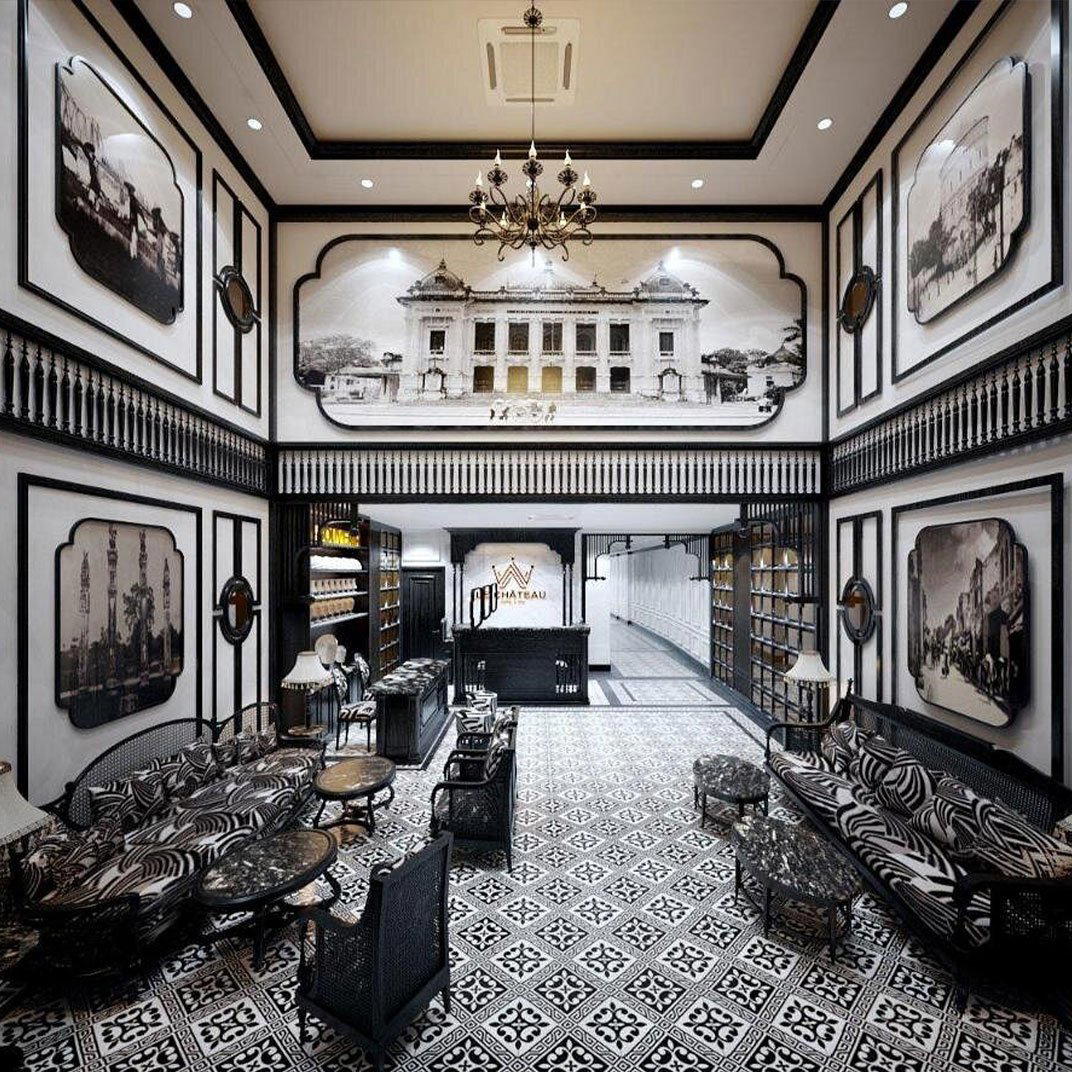
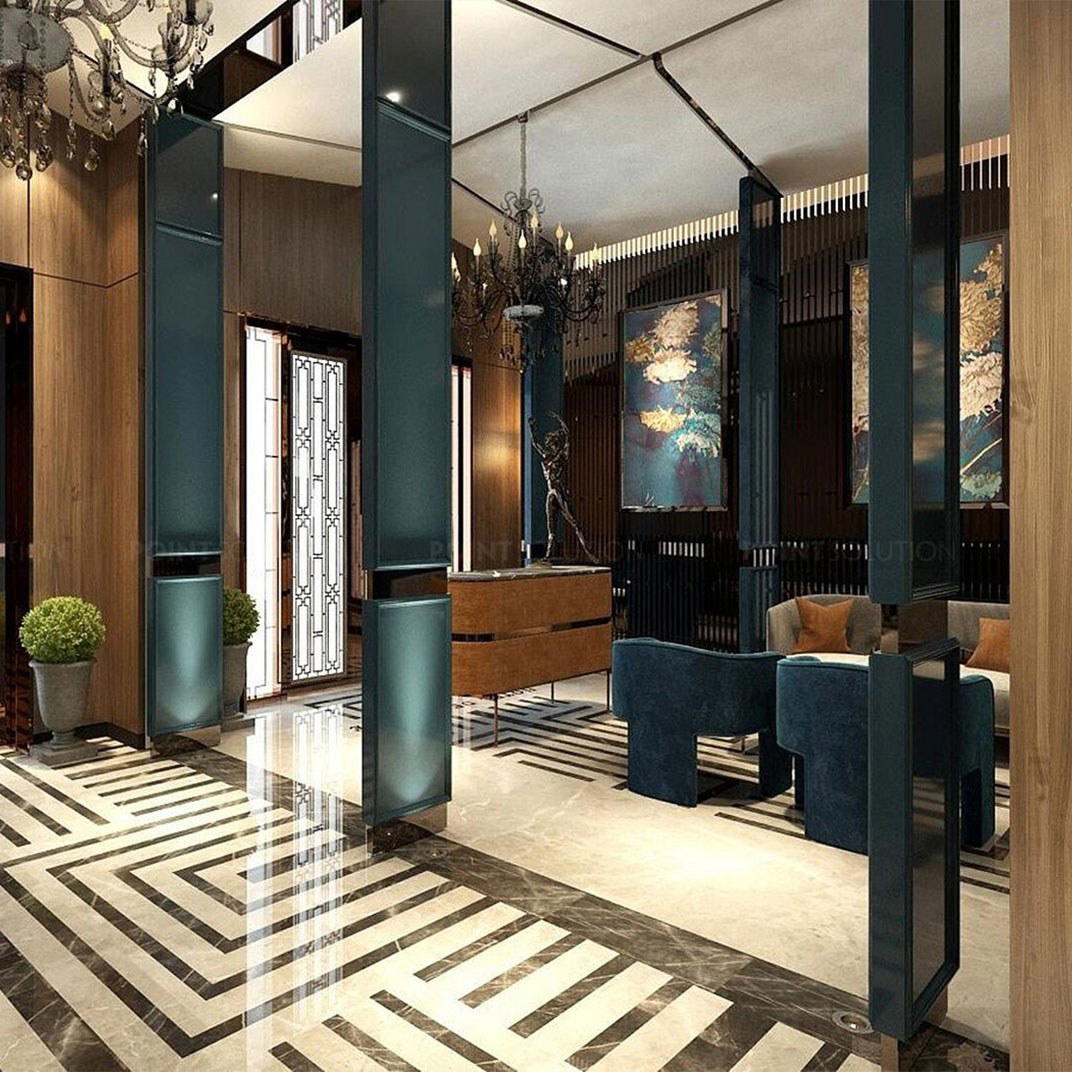
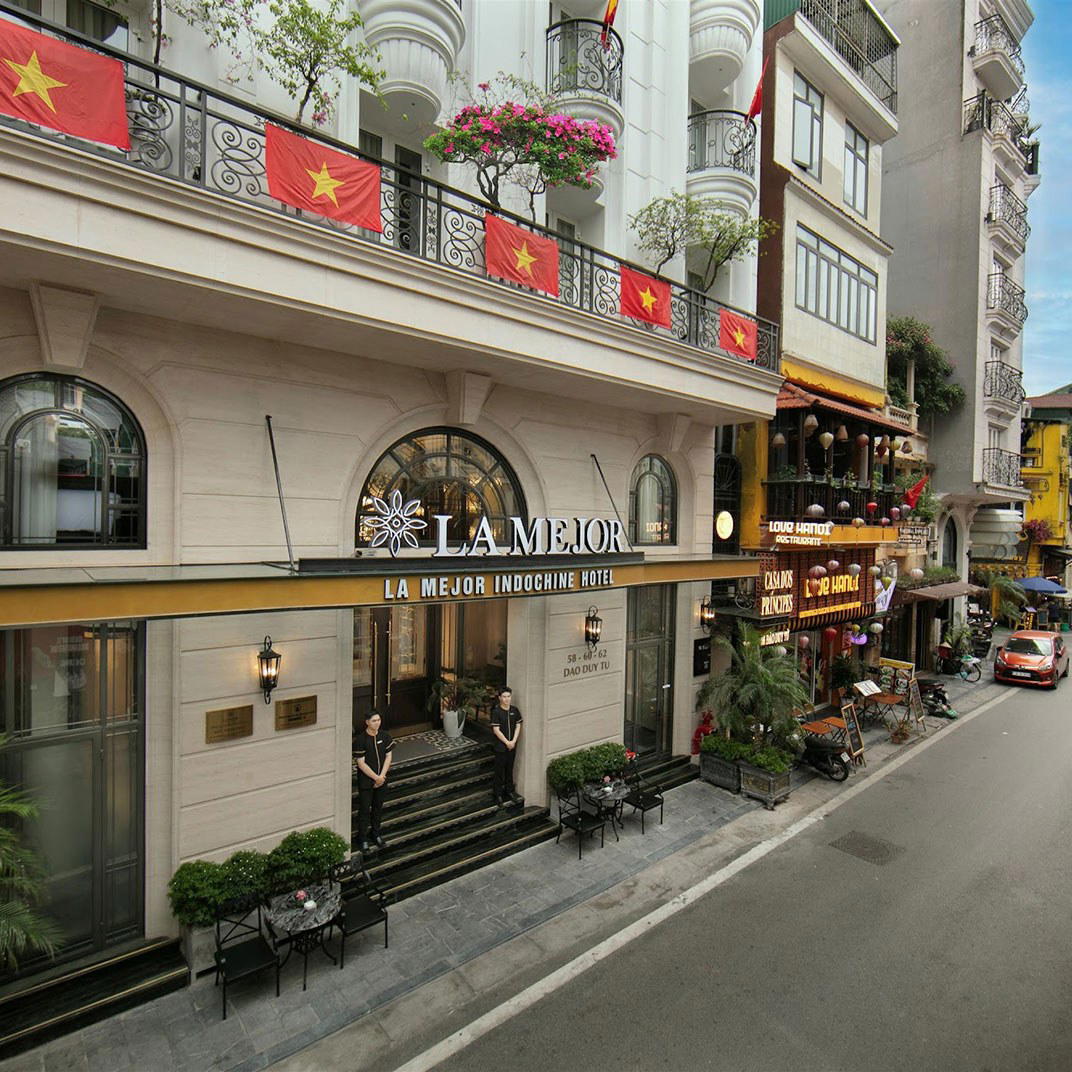
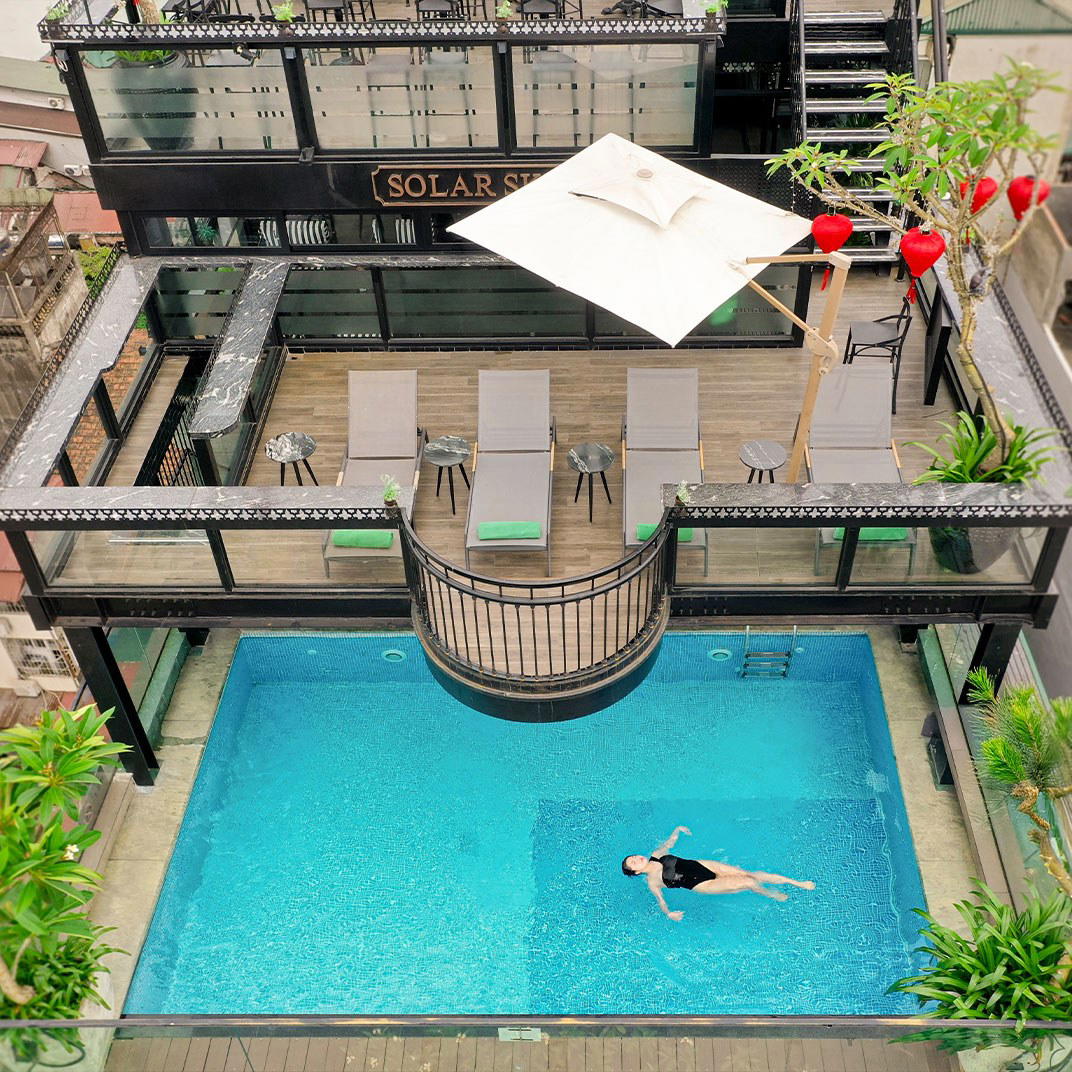
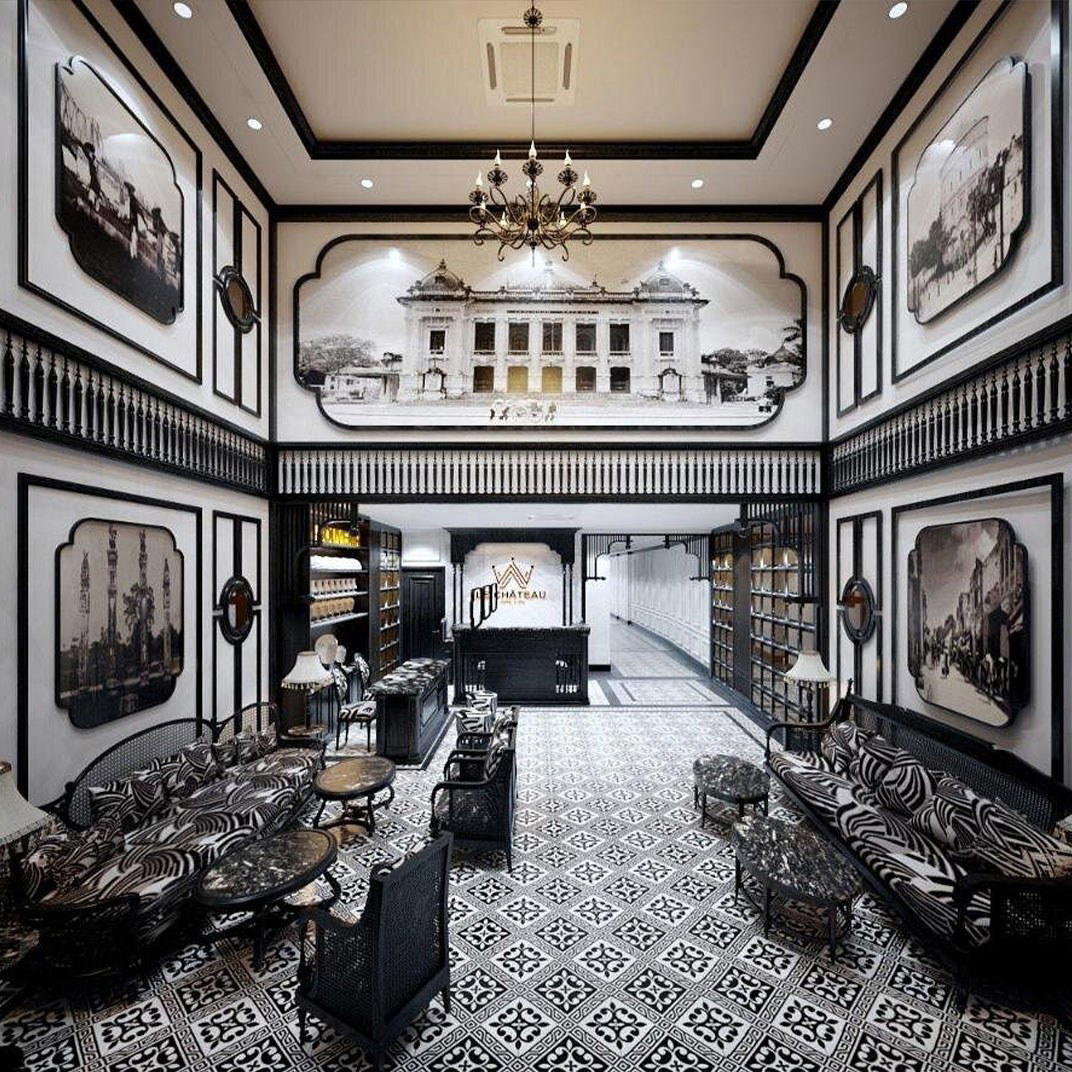
Cozy atmosphere with luxury furniture, red lanterns, and open-air courtyard providing refuge from Hanoi's bustle in a historic colonial setting.