Our verdict
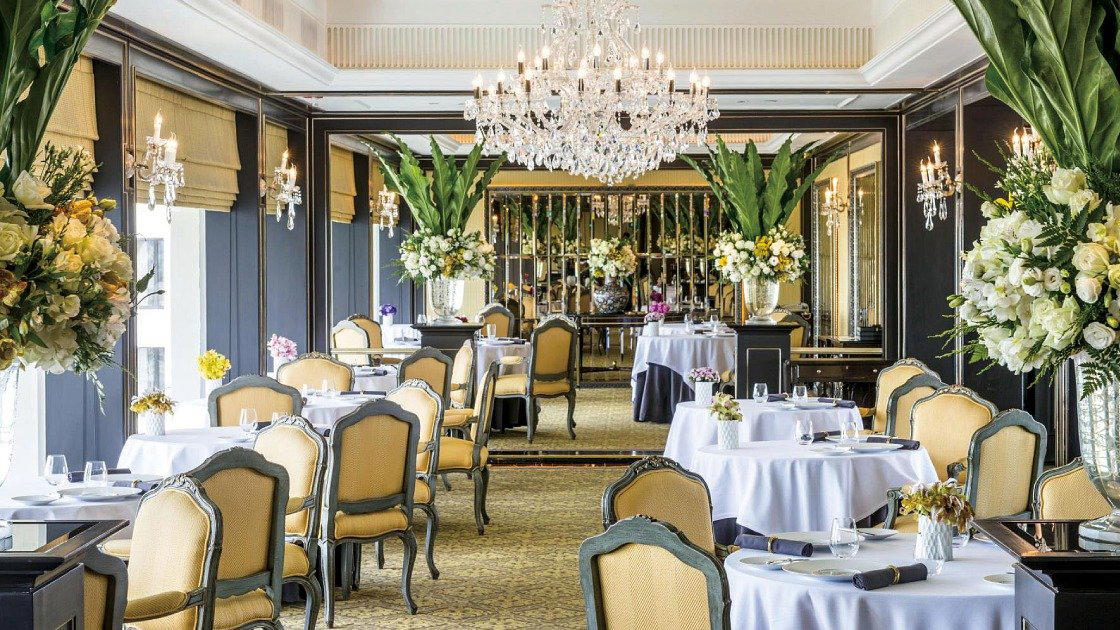
On a narrow lane threading through Hoan Kiem's oldest trading quarter, Gia Ngư Restaurant occupies a corner of Hanoi where street-level cooking culture has operated for generations. The address at 27-29 Gia Ngu Street places it inside a dense district where the rhythm of the neighbourhood shapes the dining character as much as anything on the plate. A reference point for Vietnamese cooking in its local, unfussy form.

Pearl is the En Primeur Club membership app — saves, bookings, and concierge access live there. Same editors, same standards.
- Address
- 27-29 Gia Ngu Street, Hoan Kiem Dist, Hanoi City, Hà Nội 100000, Vietnam
- Phone
- +842439279907
- Hours
- Daily 6:30 AM–10 PM
- Website
- giangu-restaurant.com
- Directions
- Get directions
The menu
What to order
- Gia Ngu Fresh Spring Rolls
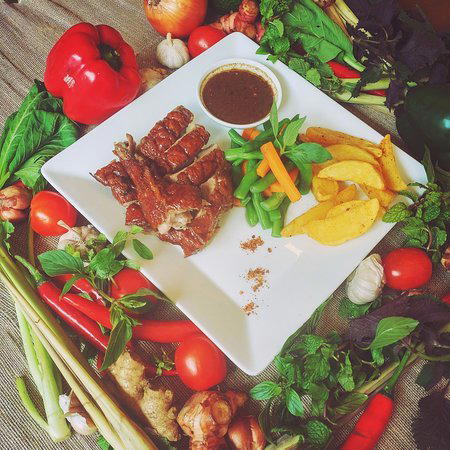
- Orange Duck
- Pumpkin with Shrimp Soup
A Street That Does the Work Before You Sit Down
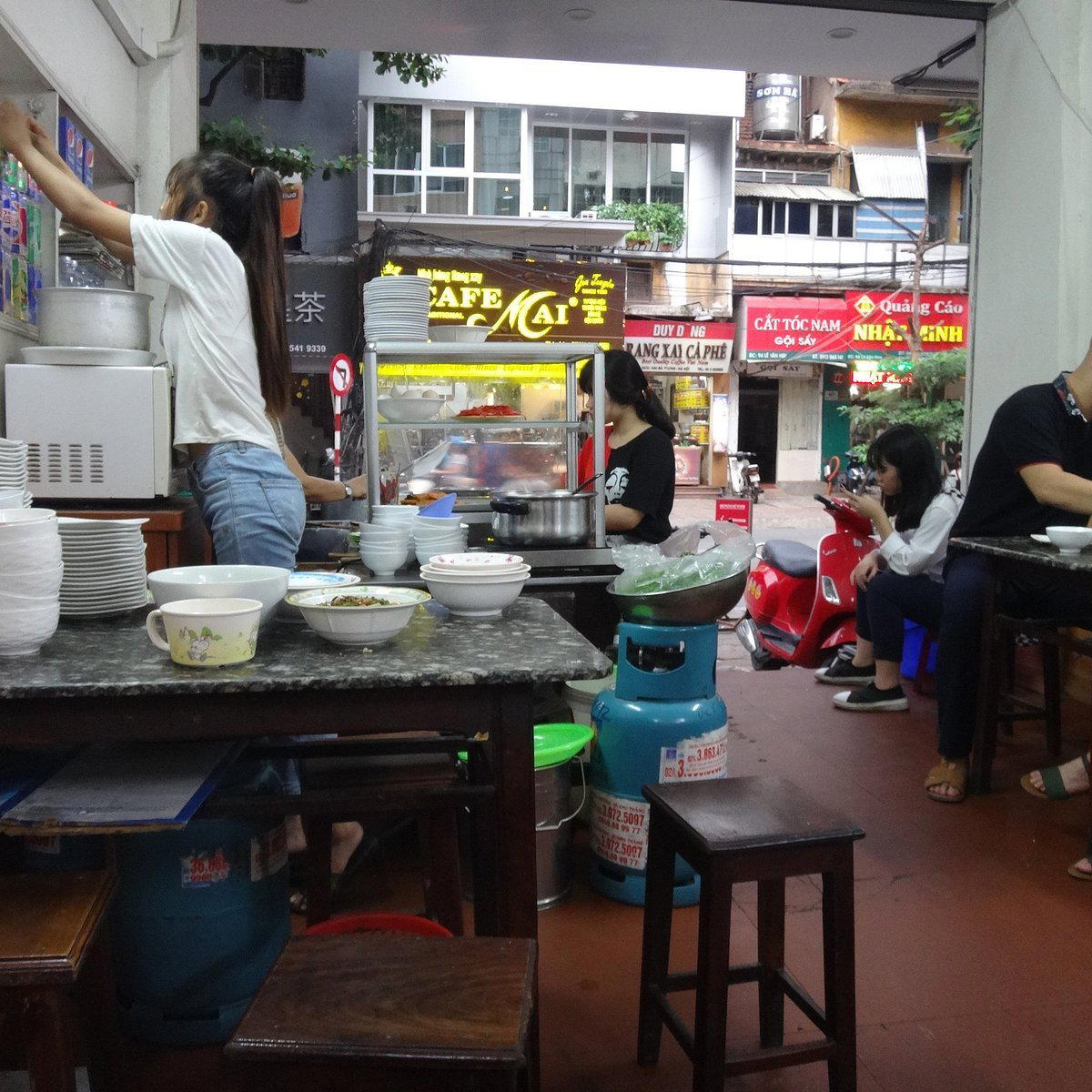
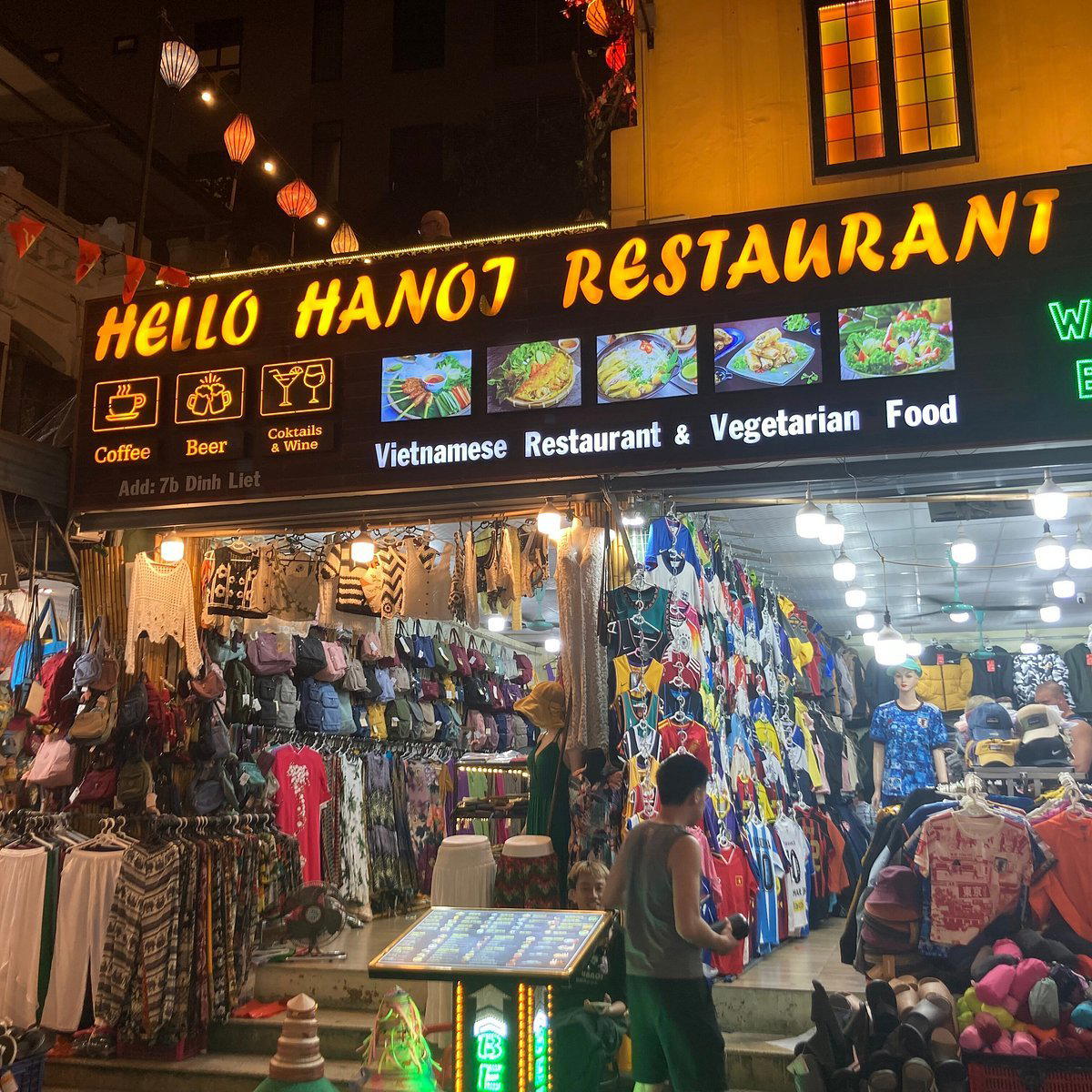
Gia Ngu Street arrives at you in layers before you reach any restaurant door. The lane is a tight corridor in Hoan Kiem District, one of Hanoi's oldest commercial quarters, where the architecture compresses into narrow shophouse frontages and the ambient sounds of traffic, vendors, and kitchen clatter from multiple directions merge into something that functions less like noise and more like a continuous proof of activity. Entering this part of the Old Quarter at meal time is to step into a scene where dining is not an event but an ongoing condition of the street itself. That context matters when assessing 27-29 Gia Ngu Street, the address of Gia Ngư Restaurant, because here the surrounding environment is inseparable from what happens inside.
Hanoi's Old Quarter has long operated as one of the most concentrated expressions of Vietnamese street-food culture anywhere in the country. The district's famous 36 guild streets each carried a specific trade, and while that mercantile logic has softened over time, the density of food vendors, family-run kitchens, and neighbourhood restaurants persists. Gia Ngư Restaurant sits within that tradition: a local address defined less by a singular chef vision and more by its place inside a community of eating that stretches across the block and the district.
How This Part of Hanoi Eats
The Vietnamese dining culture that defines Hoan Kiem at this price tier is built around a set of assumptions quite different from the contemporary Vietnamese restaurants emerging in Hanoi's newer districts. At venues like Gia (Vietnamese Contemporary) or Hibana by Koki, both positioned at the ₫₫₫₫ bracket, the format is shaped by tasting menus, curated service, and deliberate plating. The Old Quarter addresses operate differently. The expectation is communal tables or close-set chairs, dishes arriving in quick succession, and a meal that participates in the street rather than insulating the diner from it. That model is not inferior to the contemporary format; it is a different category of experience, one with its own internal standards.
Comparison with Tầm Vị, a Vietnamese restaurant at the ₫₫ tier, is instructive. Both addresses represent accessible Vietnamese cooking in Hanoi, but Gia Ngư's Hoan Kiem location puts it at the geographic and cultural centre of the Old Quarter's dining identity, where the neighbourhood itself generates foot traffic and a particular ambient energy that more peripheral addresses cannot replicate. Proximity to landmarks, hotels, and the steady current of visitors who move through this part of the city gives the street its own commercial rhythm.
The Sensory Register of the Old Quarter
To understand what eating on Gia Ngu Street involves, it helps to think in terms of what arrives before the food does. The smell of charcoal and broth, the visual compression of buildings that rise narrowly above street level, the sound of motorcycles idling at the intersection, the warmth that radiates from kitchens open to the pavement: all of this constitutes the atmospheric context in which the meal takes place. Vietnamese cooking at this register is calibrated to that environment. Dishes are designed to be eaten quickly, to hold flavour without requiring silence or ceremony, and to function as part of a larger social transaction that includes the street, the neighbours, and the hour of the day.
Hanoi's Old Quarter kitchens have historically served food that is direct and legible: broth-based dishes, grilled proteins, fresh herbs that arrive raw and are added by the diner, sauces that shift the dish depending on how they're used. The approach is systematic in its own way, even when it looks spontaneous from the outside. Diners who have moved between Hanoi and the more produced restaurant environments of, say, Ho Chi Minh City, as at Akuna, or the heritage-inflected settings of central Vietnam, including Saffron in Hue or Cargo Club in Hoi An, often describe Hanoi's Old Quarter cooking as the most immediate: least mediated between kitchen intention and eating experience.
Where Gia Ngư Sits in Hanoi's Broader Dining Picture
Hanoi's restaurant scene has divided noticeably over the past decade. At one end, a cluster of addresses has pursued international recognition and a format legible to global fine dining. At the other, neighbourhood institutions and family-run kitchens have continued serving local clientele with limited concession to outside expectations. The middle ground, Old Quarter restaurants with fixed addresses, printed menus, and some accommodation of visitors, represents a category that both communities use. 1946 Cua Bac and 19 P. Ngũ Xã occupy adjacent positions in that middle register, each with its own neighbourhood character and menu logic.
Internationally, the gap between street-anchored Vietnamese cooking and the fine dining tier is illustrated more starkly by looking at what the format requires at either extreme. A meal at Le Bernardin in New York City or Lazy Bear in San Francisco is defined by narrative, pacing, and deliberate removal from ambient city life. The Old Quarter addresses in Hanoi work in the opposite direction, drawing the city in rather than filtering it out. Neither approach is a concession; they are simply different propositions. The reader choosing between them should be clear about which kind of meal they are building their evening around.
For those planning time in northern Vietnam more broadly, Le Pont Club in Hai Phong or Phuong Nhung Restaurant in Cat Hai offer further reference points for how coastal Vietnamese dining operates at comparable price tiers outside the capital. And La Maison 1888 in Da Nang represents the French-colonial heritage strand that runs through Vietnamese fine dining in the central region, a useful contrast to the Old Quarter's more direct register.
Planning a Visit
Gia Ngư Restaurant is located at 27-29 Gia Ngu Street in Hoan Kiem District, within walking distance of Hoan Kiem Lake and the surrounding Old Quarter grid. The area is leading reached on foot or by taxi; the lane's dimensions make private vehicles impractical. Given the absence of confirmed booking details, walk-in is the standard approach for this category of Old Quarter address, though arrival before peak lunch and dinner hours reduces wait time. For a fuller orientation to what the city offers across price tiers and cuisine types, the EP Club Hanoi restaurants guide covers the range from Old Quarter standbys to the contemporary Vietnamese addresses that have defined Hanoi's dining conversation in recent years.
Frequently asked questions
What's the address for Gia Ngư Restaurant?
Gia Ngư Restaurant is located at 27-29 Gia Ngu Street, Hoan Kiem Dist, Hanoi City, Hà Nội 100000, Vietnam, Hanoi.
How does Gia Ngư Restaurant compare to other restaurants on Gia Ngu Street in Hanoi's Old Quarter?
Gia Ngư Restaurant occupies a double address at 27-29 Gia Ngu Street, giving it a slightly larger footprint than many single-frontage neighbours on the same lane in Hoan Kiem District. The street as a whole functions as a concentration of Vietnamese dining within walking distance of Hoan Kiem Lake, with individual venues differentiated more by house speciality and opening hours than by format or price tier. No award distinctions currently separate Gia Ngư from its immediate peers on published records.
What should I order at Gia Ngư Restaurant?
Given its location on Gia Ngu Street in Hoan Kiem District, the kitchen operates within a neighbourhood tradition built around Vietnamese staples tied to northern Hanoi cooking. Asking staff for the day's preparations is the most reliable approach, as Old Quarter restaurants at this tier typically work with a rotating set of dishes rather than a fixed printed menu.
Is Gia Ngư Restaurant reservation-only?
No reservation contact details are publicly documented for Gia Ngư Restaurant at 27-29 Gia Ngu Street. Restaurants in this part of Hoan Kiem District commonly operate on a walk-in basis, particularly at lunch. Arriving early or outside peak meal hours is the practical way to secure a table without advance booking.
What do critics highlight about Gia Ngư Restaurant?
Its position on Gia Ngu Street places it within a corridor that draws attention for its density of Vietnamese cooking in one of Hanoi's oldest commercial districts, but documented critical coverage is not available at this time.
Can Gia Ngư Restaurant accommodate dietary restrictions?
No formal dietary accommodation policy is documented for Gia Ngư Restaurant. Northern Vietnamese cooking in Hoan Kiem District is typically meat- and seafood-forward, with fish sauce appearing frequently as a base ingredient. Communicating restrictions directly with staff at 27-29 Gia Ngu Street before ordering is the most practical course of action.
Recognition, Side-by-Side
Comparable venues nearby, for context on price, style, and recognition.
| Venue | Cuisine | Price | Awards | Notes |
|---|---|---|---|---|
| Gia Ngư RestaurantThis venue — the venue you are viewing | Vietnamese Fusion Fine Dining | $20–30 | Not listed | Not listed |
| Luc Thuy | Modern Vietnamese Fine Dining | $20–30 | Not listed | Hoan Kiem |
| Hanoi Cuisine 1925 | Traditional Vietnamese | $10–20 | Not listed | Hoan Kiem |
| Senté | Modern Vietnamese Lotus Cuisine | $10–20 | Michelin Plate | Hoan Kiem |
| Club Opera Novel | Traditional Vietnamese Fine Dining | Not listed | Not listed | Hoan Kiem |
| New Day Restaurant | Authentic Northern Vietnamese Home Cooking | $1–10 | Not listed | Hoan Kiem |