Tadioto occupies a quiet address in Hanoi's Hoàn Kiếm district, drawing a loyal crowd of writers, artists, and long-term expats who treat it less like a bar and more like a second living room. The atmosphere runs closer to a Parisian salon than a Vietnamese drinking den, with the kind of regulars who arrive alone and leave having argued about literature. It sits in a distinct tier within the city's bar scene: unhurried, unannounced, and resistant to trend.

Pearl is the En Primeur Club membership app, where members save venues, book tables and use the concierge.
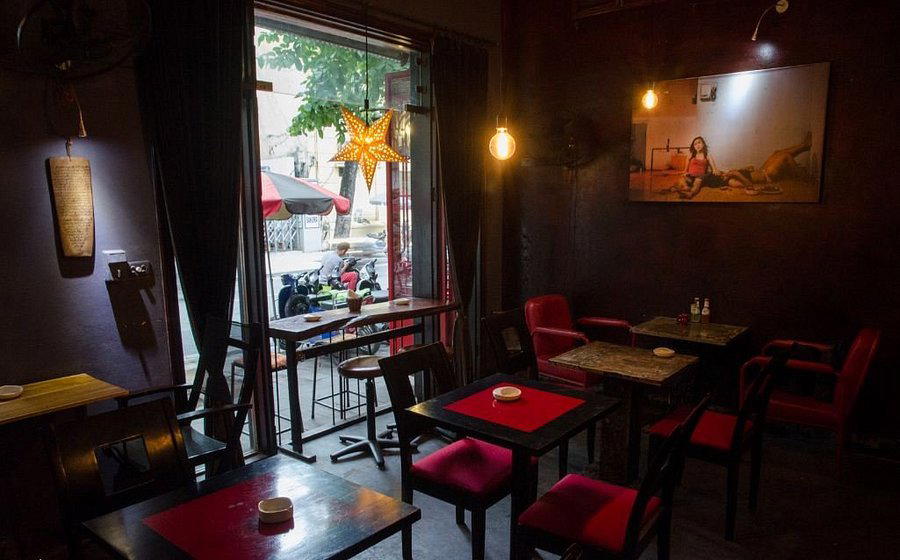
A Room That Takes Its Time
The Tông Đản address in Tràng Tiền puts Tadioto at the quieter eastern edge of Hoàn Kiếm, a few minutes' walk from Hoan Kiem Lake but well clear of the backpacker circuit that clusters around the Old Quarter's northern streets. The neighbourhood itself is older Hanoi in character: wide French-era pavements, government buildings, the occasional bookshop. Approaching the bar, there is no signage designed to catch your attention from a distance, no bouncer, no queue management rope. The entrance communicates nothing except that whoever is inside already knows where they are.
That deliberate understatement is not accidental. Hanoi's drinking culture has always maintained a distinction between places that perform for newcomers and places that exist for people who have already decided. Tadioto sits firmly in the second category, and regulars treat that positioning as part of the value. In a city where The Haflington and The Hudson Rooms occupy a polished, spirits-forward tier of the market, Tadioto operates on a different social register entirely: slower, more literary, less concerned with cocktail theatre.
The Clientele as Context
Understanding Tadioto requires understanding who returns to it repeatedly, because the regulars define the atmosphere more than the interior does. The bar has accumulated a specific kind of loyal crowd: Vietnamese intellectuals, long-term foreign residents, journalists, translators, artists and the occasional academic who has been in Hanoi long enough to have opinions about the city's changes over the past two decades. The conversations that happen here tend to run long. Tables do not turn quickly. This is not a place where the crowd cycles through in ninety-minute waves.
That social texture puts it in a tradition with more in common with a Left Bank café than with any contemporary Asian bar concept. Across the region, premium bar culture has increasingly bifurcated between technically ambitious cocktail programs with chef-adjacent menus and casual neighbourhood places built around community rather than product. Tadioto sits in the latter category but at an refined social register: the clientele is not casual in the sense of being indifferent. They are selective, and their selectiveness is what sustains the room's character.
Within Hanoi's wider scene, this positions Tadioto differently from the more programmatic bars emerging around the city. Workshop14 and 12 P. Phúc Tân represent formats that lean into visual identity and structured experiences. Tadioto's format, by contrast, resists structuring. There is no tasting menu logic at work, no concept to explain on arrival. The return visit is the concept.
What Keeps People Coming Back
The unwritten appeal of a regulars' bar is always difficult to translate into first-visit terms, because the things that matter most accumulate over time. At Tadioto, several factors appear consistently in how long-term patrons describe the place. The pace of service matches the pace of conversation, which means neither hurries the other. The drinks list favours familiarity over novelty: the room is not chasing trend cycles from Bangkok or Singapore, and the regulars prefer it that way.
The bar's location in Hoàn Kiếm also carries weight among its audience. Tràng Tiền is one of Hanoi's historically significant cultural corridors, home to the Tràng Tiền Plaza, the National Museum of Vietnamese History nearby, and the older institutional fabric of the city. Regulars who drink at Tadioto are often the same people who find that context meaningful rather than incidental. The geography is part of the selection mechanism.
Vietnam's bar culture more broadly has been expanding its international reference points, particularly in Ho Chi Minh City, where venues like those covered in Drinking and Healing in Ho Chi Minh City reflect a more experimental southern sensibility. Hanoi moves differently: more measured, more rooted in local social ritual. Tadioto is one of the clearer expressions of that northern character.
Situating Tadioto in a Wider Region
Vietnam's drinking culture varies considerably by geography. The brewpub format that works in Hoi An, as seen at the Hoi An Brewing Company Tap Room and Riverside Beer Garden, would be a category error in Tràng Tiền. The port-city energy of venues like Le Pont Club in Hai Phong operates on a different social rhythm entirely. Tadioto is specific to Hanoi in a way that does not translate easily to any other Vietnamese city, which is one reason it has not been replicated.
Across the broader region, the contrast is equally instructive. A technically ambitious bar like Bar Leather Apron in Honolulu competes on craft credentials and measurable program depth. Tadioto's credentials are of a different kind: durability, cultural specificity, and the loyalty of a crowd that could drink elsewhere but chooses not to. Neither is a superior model. They answer different questions about what a bar is supposed to do.
Other northern Vietnam venues, including United Bar in Thanh Khe, Genji Bar in Cam Pha, and Le Rendez Vous in Son Tra, reflect how varied the format choices are even within a single country. Tadioto's particular answer, a salon-style room built around repeat visitors and unhurried time, remains its own.
Planning a Visit
Tadioto sits at 24b P. Tông Đản in the Tràng Tiền ward of Hoàn Kiếm, reachable on foot from Hoan Kiếm Lake in under ten minutes. The bar suits evening visits rather than afternoon drop-ins; the room's social dynamic takes time to develop and is better experienced when the regulars have settled in. First-time visitors are not unwelcome, but arriving with the expectation of being oriented or sold to will produce friction. The bar does not perform for strangers. Come with patience, order something familiar, and let the room come to you. For a fuller picture of where Tadioto sits among Hanoi's options, see our full Hanoi restaurants guide.
Cuisine Context
| Venue | Price | Awards |
|---|---|---|
| TadiotoThis venue (the venue you are viewing) | $20–30 | Not listed |
| Workshop14 | $10–20 | World's 50 Best #34 · Top 500 Bars Best Bars #355 |
| The Haflington | $10–20 | World's 50 Best #87 · Top 500 Bars Best Bars #274 |
| The Hudson Rooms | Not listed | World's 50 Best #46 · Top 500 Bars Best Bars #266 |
| Tannin Wine Bar Hang Vai | $20–30 | Star Wine List |
| Longer Than a Summer | $20–30 | Not listed |
Continue exploring
More in Hanoi
Bars in Hanoi
All bars in Hanoi →
Restaurants in Hanoi
All restaurants in Hanoi →
Tadioto
The drinks
- Craft cocktails
- Classic cocktails
Signature drinks: Hanoi Breeze.
Details
- Bohemian
- Intimate
- Cozy
- Date Night
- After Work
- Casual Hangout
- Group Outing
- Live Music
- Design Destination
- Historic Building
- Standalone
- Seated Bar
- Lounge Seating
- Outdoor Terrace
- Classic Cocktails
- Craft Cocktails
- Whiskey
- Gin
- Conventional Wine
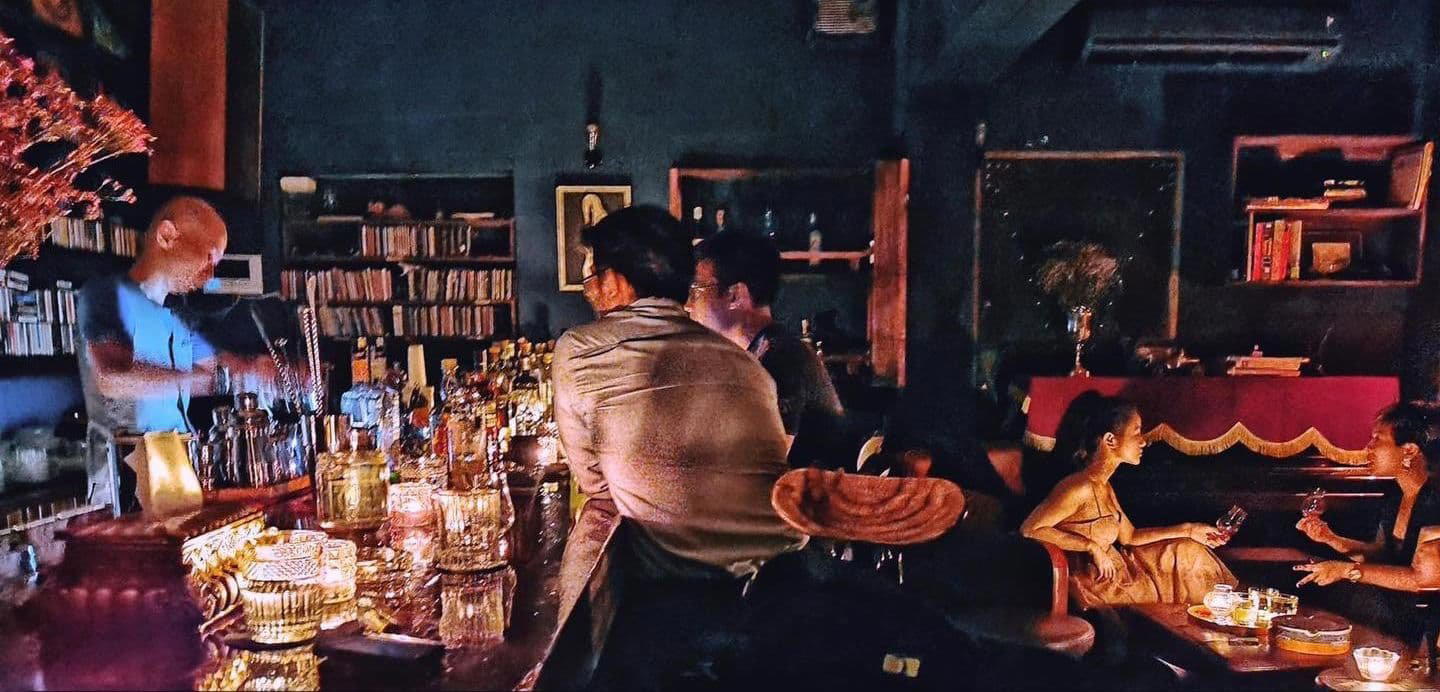
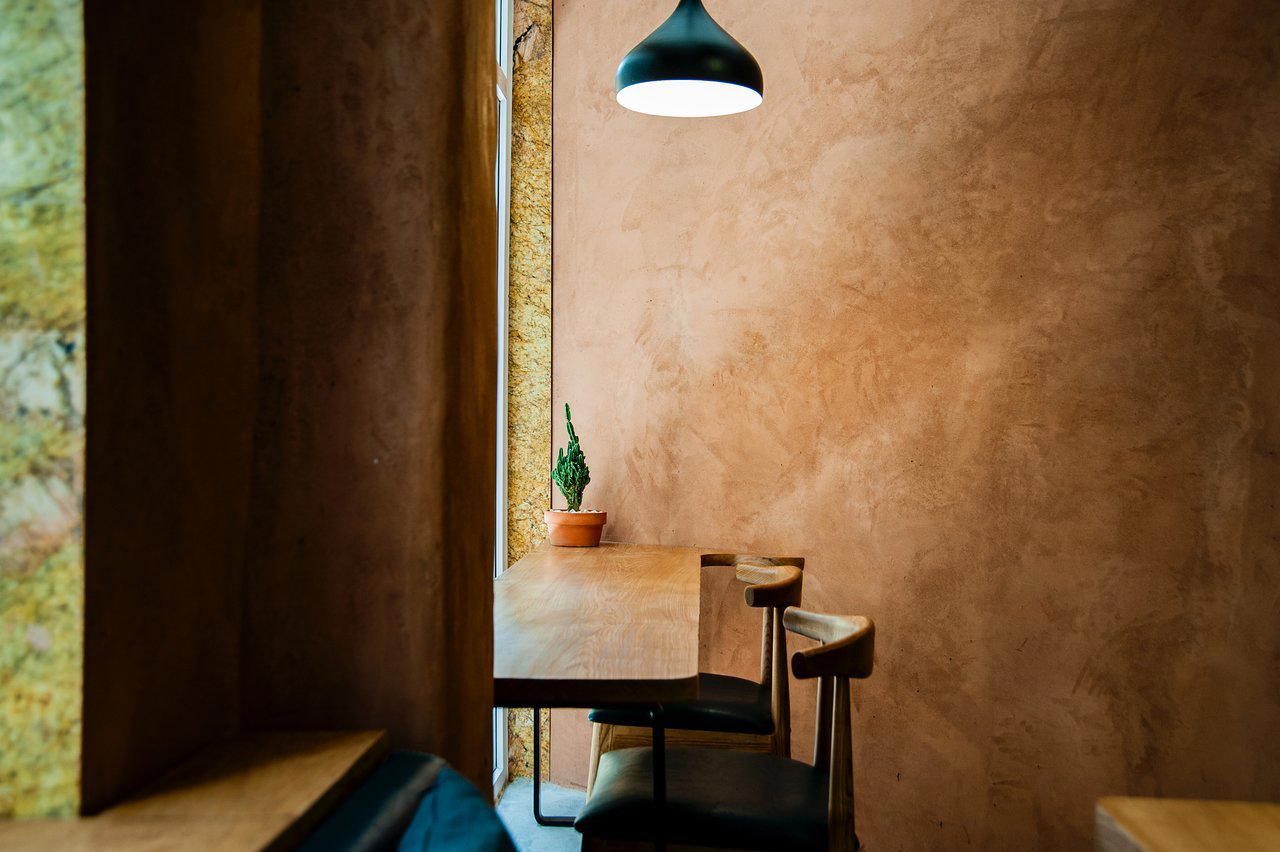
Dimly lit with moody, atmospheric lighting and hand-crafted lamps; intimate interconnected rooms with artistic decor and filmy curtains creating a sophisticated yet relaxed creative sanctuary.