On a narrow lane off Hoàn Kiếm's trading district, Hello Hanoi draws on the dual traditions of Vietnamese street cooking and plant-based eating, serving both meat dishes and a dedicated vegetarian programme in a setting that reflects the old quarter's layered character. The address at 7B Đinh Liệt places it within walking distance of the lake, in a neighbourhood where food and commerce have coexisted for centuries.

Pearl is the En Primeur Club membership app — saves, bookings, and concierge access live there. Same editors, same standards.
- Address
- 7B P. Đinh Liệt, Hàng Đào, Hoàn Kiếm, Hà Nội 10000, Vietnam
- Phone
- +84 964 375 588
- Hours
- Daily 10 AM–12 AM
- Website
- hellohanoirestaurant.com
- Directions
- Get directions
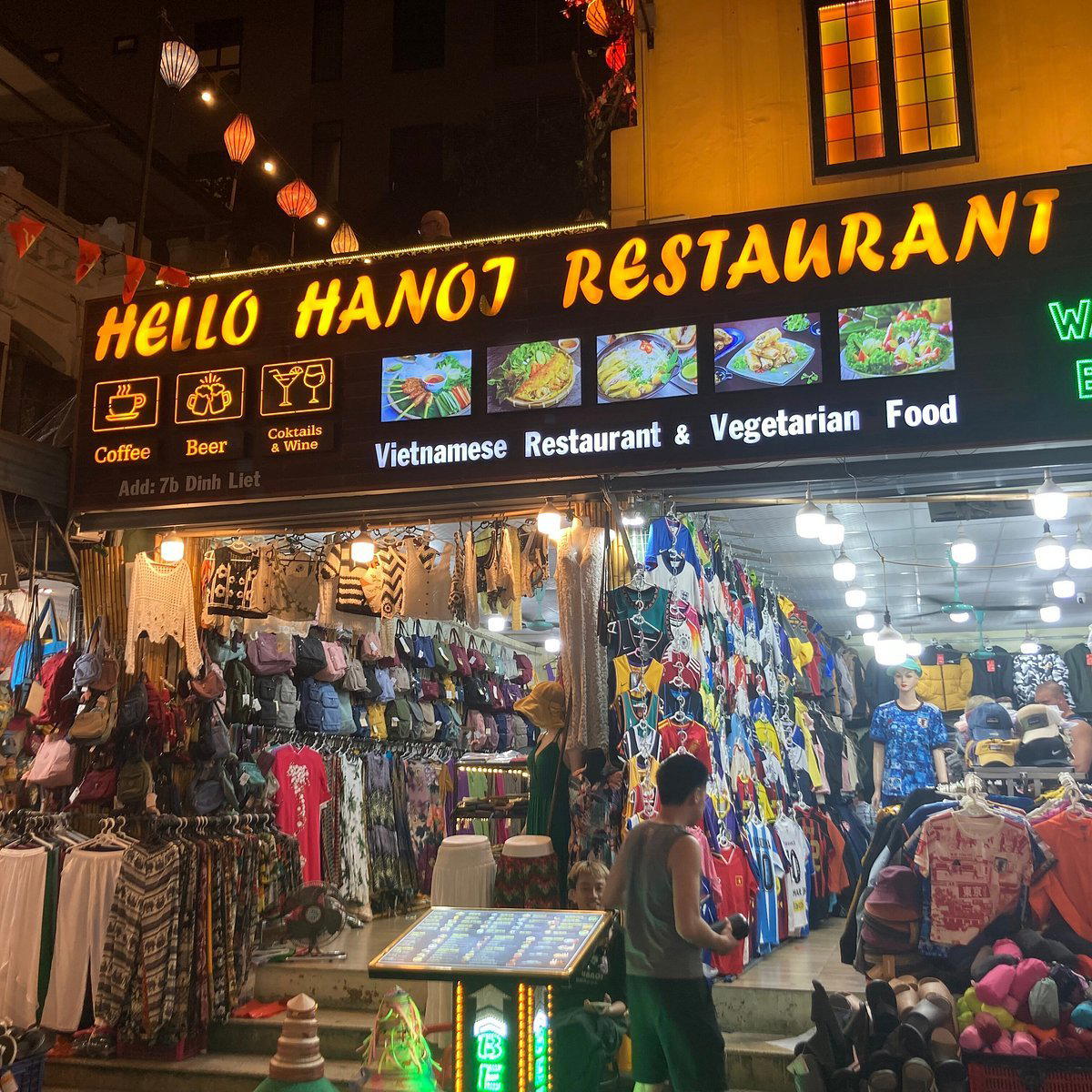
Vietnamese Vegetarian Dining in Hanoi's Old Quarter
Hoàn Kiếm's Đinh Liệt street sits at the commercial edge of the Old Quarter, where the tourist-facing row of souvenir shops gives way to a more mixed strip of local eateries and narrow shophouses. It is the kind of address that rewards walkers who deviate a block from the main Hàng Đào drag. Hello Hanoi Restaurant occupies a position on that street with a menu that covers both traditional Vietnamese dishes and a parallel vegetarian offering — a structural pairing that says something pointed about how Hanoi's mid-range dining has evolved to serve a broadening visitor base alongside its Buddhist-inclined local regulars.
The Menu Architecture: Two Menus, One Kitchen
The most revealing thing about a restaurant is not a single signature dish — it is how the full menu is organised and what that organisation signals about the kitchen's priorities. Hello Hanoi's dual-track approach, running Vietnamese omnivore staples alongside a dedicated vegetarian section, reflects a documented shift in Old Quarter dining over the past decade. As the Hoàn Kiếm neighbourhood absorbed rising numbers of travellers with non-meat diets, many Vietnamese kitchens faced a choice: ignore that segment or build around it. The restaurants that chose the latter and did it with structural seriousness, meaning a vegetarian menu that mirrors the breadth of the main menu rather than retreating to a footnote of stir-fried morning glory, occupy a distinct sub-category in Hanoi's mid-market tier.
Vietnamese vegetarian cooking draws on centuries of Buddhist temple cuisine, particularly the tradition observed during the first and fifteenth days of the lunar calendar when many Vietnamese households eat entirely plant-based. That tradition has its own techniques: mock meats made from tofu and gluten, broths built on shiitake and dried fungi rather than pork bones, and herb-forward garnish plates that carry the textural and aromatic weight that meat would otherwise provide. A kitchen that understands this history constructs its vegetarian section differently from one that simply substitutes tofu into an existing meat-based recipe. The distinction matters to anyone eating here with dietary intent rather than curiosity.
The Vietnamese side of the menu at an address like this typically spans the regional breadth that Hanoi restaurants have come to offer as baseline: pho in its northern form (cleaner, less sweet than southern variations), bún dishes with fresh herbs, and rice plates that reflect Central and Southern influences absorbed into the capital's food culture over decades of migration. Northern pho is worth understanding as a reference point. The Hanoi version uses a lighter, more precisely seasoned broth and applies garnishes with restraint compared to the herb-loaded Saigon bowl. If the kitchen observes that distinction rather than blending styles for tourist preference, that is a signal of culinary positioning worth noting.
Old Quarter Context: What the Neighbourhood Produces
The Old Quarter's 36 guild streets have a complicated relationship with food credibility. At the highest visitor density, the area produces restaurants that optimise for throughput and approachability over depth. But Đinh Liệt, positioned slightly off the main pedestrian spine, tends to draw a customer mix that includes both international visitors and Hanoi residents who work nearby, and that mixed audience tends to produce kitchens that hold a higher baseline. Restaurants in this micro-corridor compete on value and consistency in ways that the directly tourist-facing blocks do not, because local regulars will not return to a kitchen that cuts corners on seasoning or stock quality.
For comparative reference, Hanoi's drinking and bar scene around Hoàn Kiếm has followed a parallel trajectory toward local-international hybrids. Venues like The Haflington, The Hudson Rooms, and Workshop14 each sit at different points on that spectrum, and the cocktail bar at 12 P. Phúc Tân represents a more locally-rooted direction. The food side of Hoàn Kiếm follows a similar logic: the addresses that serve a blended local-visitor audience tend to maintain better kitchen discipline than those in the pure tourist corridor. Visitors planning an evening that combines dinner and drinks in the Old Quarter should factor this geography into sequencing.
Elsewhere in Vietnam, the appetite for dining that bridges local tradition and international accessibility has produced notable examples at every price point. The craft beer focus at Hoi An Brewing Company and the bar programming at venues in Ho Chi Minh City illustrate how the country's hospitality tier has broadened well beyond the traditional tourist trail. Northern Vietnam, and Hanoi in particular, has developed its own version of that broadening, particularly in food. For a fuller orientation to where Hello Hanoi Restaurant sits within Hanoi's dining options, EP Club's full Hanoi restaurants guide maps the scene by neighbourhood and cuisine type.
Planning a Visit: Practical Orientation
Đinh Liệt sits within easy walking distance of Hoàn Kiếm Lake, making it a natural stop before or after an evening circuit of the lake and surrounding streets. The Old Quarter's pedestrian zones are most active from late afternoon through to around 22:00, and restaurants on this strip tend to fill earliest between 18:30 and 20:00 when both tour groups and independent travellers are moving through dinner windows simultaneously. Arriving before that window, or after 20:30, typically means less queue pressure. The address, 7B P. Đinh Liệt, is specific enough to locate accurately on any navigation application.
For broader context on drinking options in the region, United Bar in Thanh Khe, Genji Bar in Cam Pha, Le Pont Club in Hai Phong, and Le Rendez Vous in Da Nang each represent the range of hospitality options available across northern and central Vietnam for travellers moving through the region. And for those extending their itinerary into the Pacific, Bar Leather Apron in Honolulu sets a useful benchmark for craft cocktail programming at the higher end of the market.
Standing Among Peers
Comparable venues nearby, for context on price, style, and recognition.
| Venue | Cuisine | Price | Notes |
|---|---|---|---|
| Hello Hanoi Restaurant Vietnamese Cuisine & Vegetarian foodThis venue — the venue you are viewing | wine_bar | Not listed | Not listed |
| Bar Betta | cocktail_bar | Not listed | Ba Dinh |
| Tadioto | cocktail_bar | $20–30 | Hoan Kiem |
| Binh Minh Jazz Club | lounge | $10–20 | Hoan Kiem |
| Longer Than a Summer | cocktail_bar | $20–30 | Hoan Kiem |
| The Hanoi Social Club | lounge | $10–20 | Hoan Kiem |

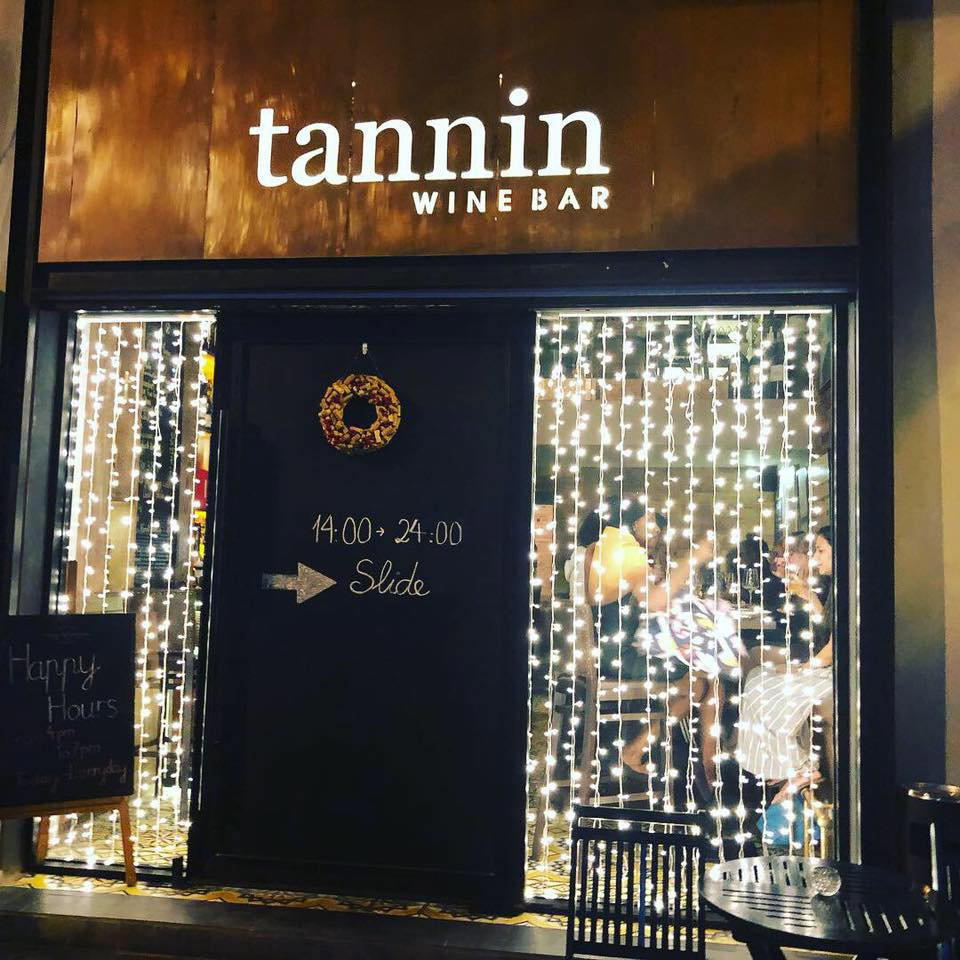
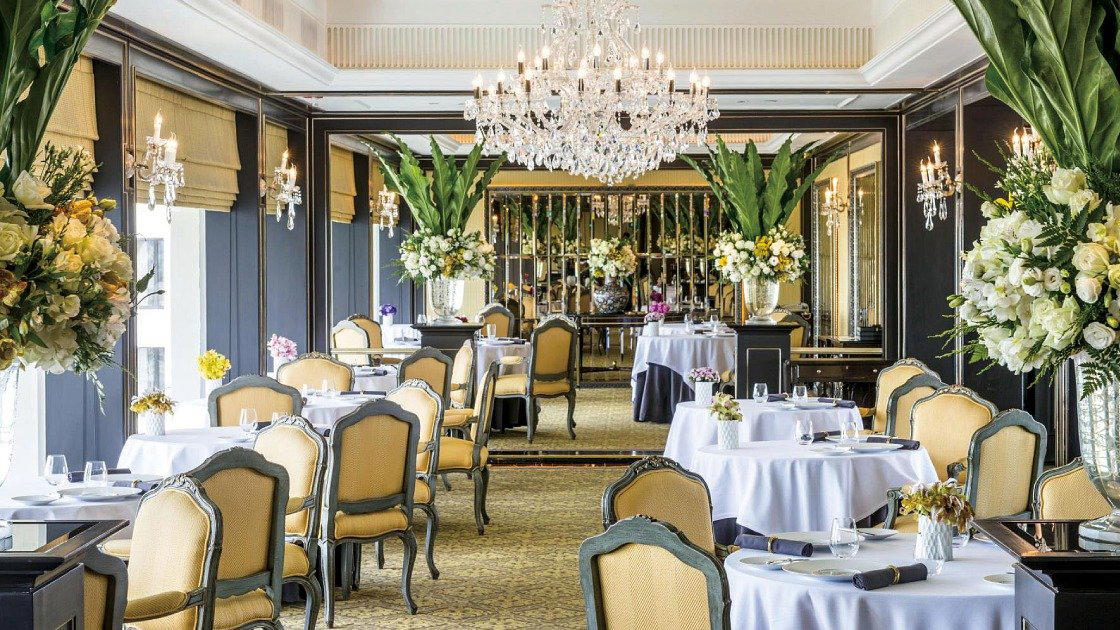
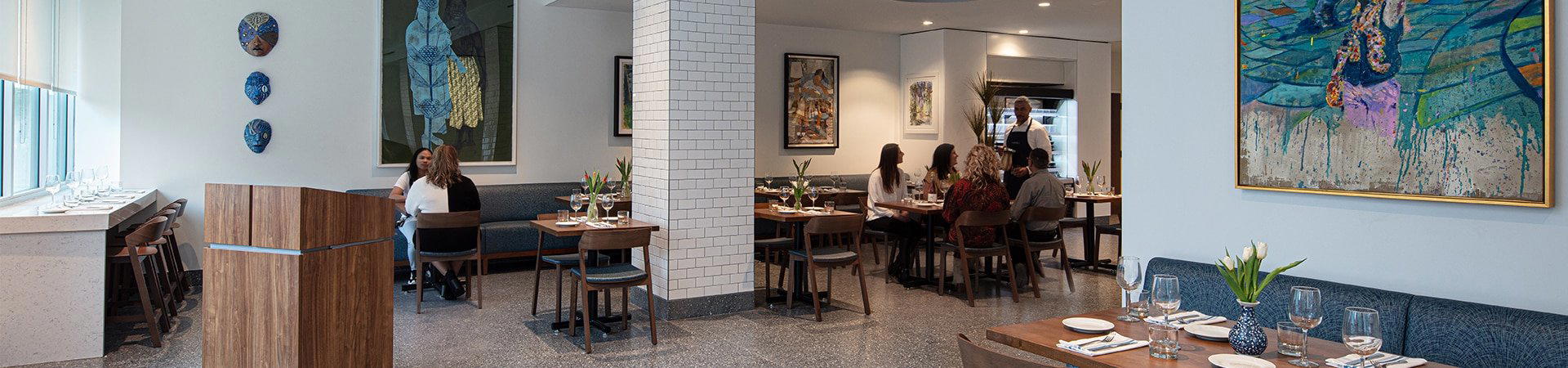
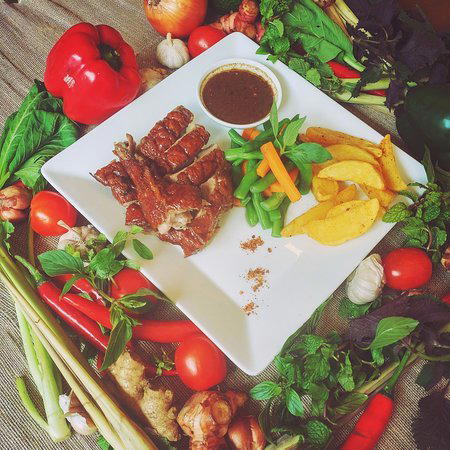
Details
- Cozy
- Casual Hangout
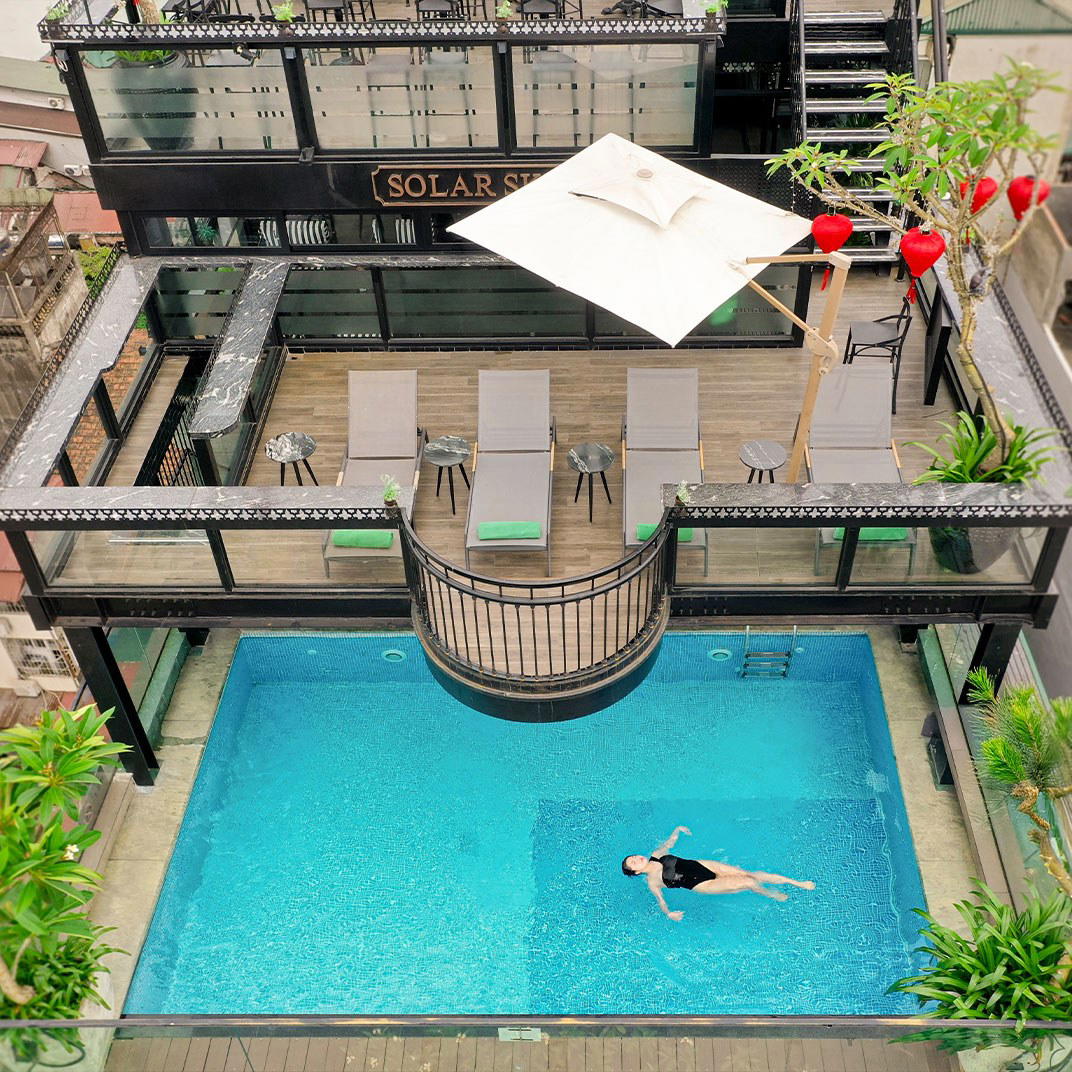
- Rooftop
- Street Scene
Current opening hours
- Monday
- 10 AM–12 AM
- Tuesday
- 10 AM–12 AM
- Wednesday
- 10 AM–12 AM
- Thursday
- 10 AM–12 AM
- Friday
- 10 AM–12 AM
- Saturday
- 10 AM–12 AM
- Sunday
- 10 AM–12 AM
Hours can change for holidays and private events. Last verified .
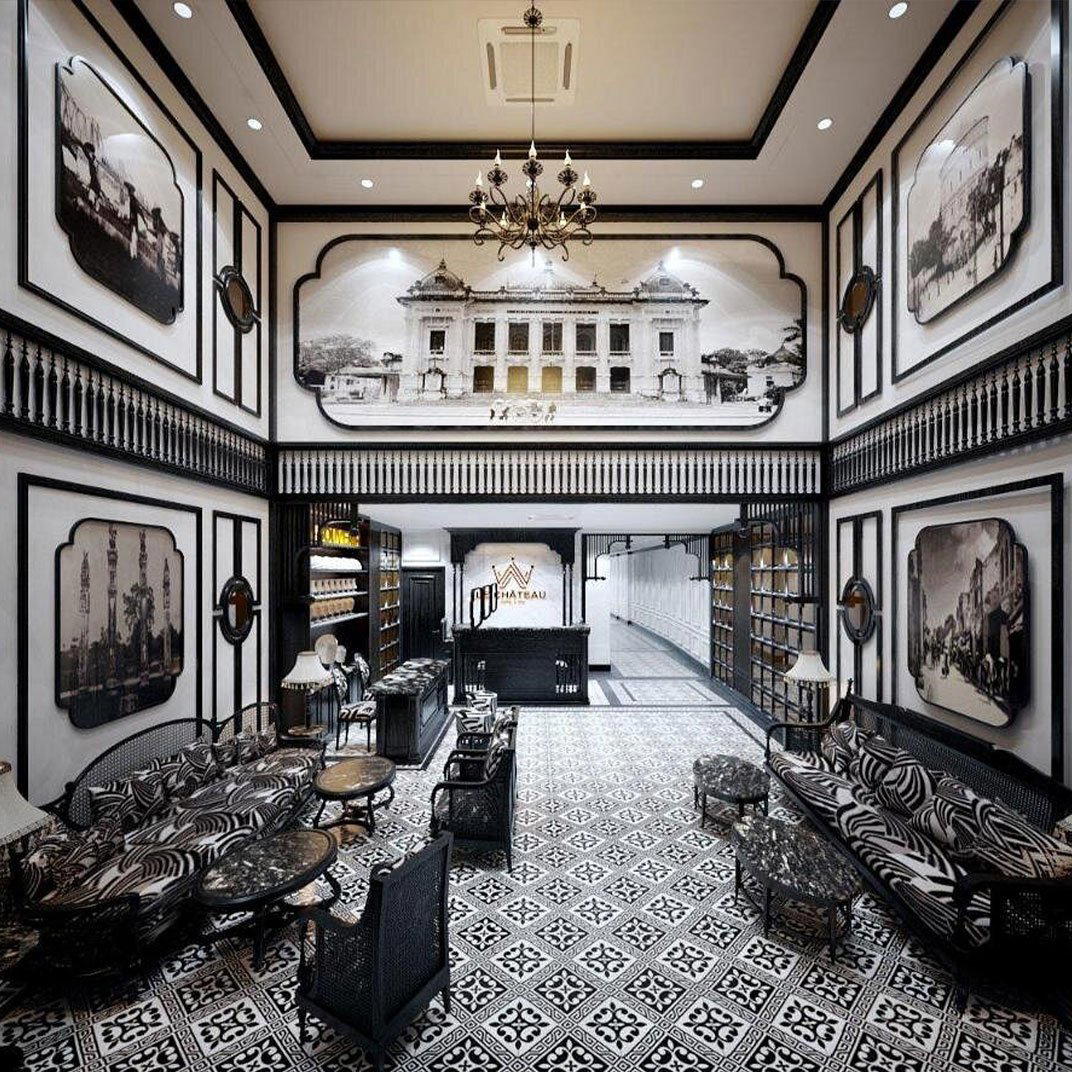
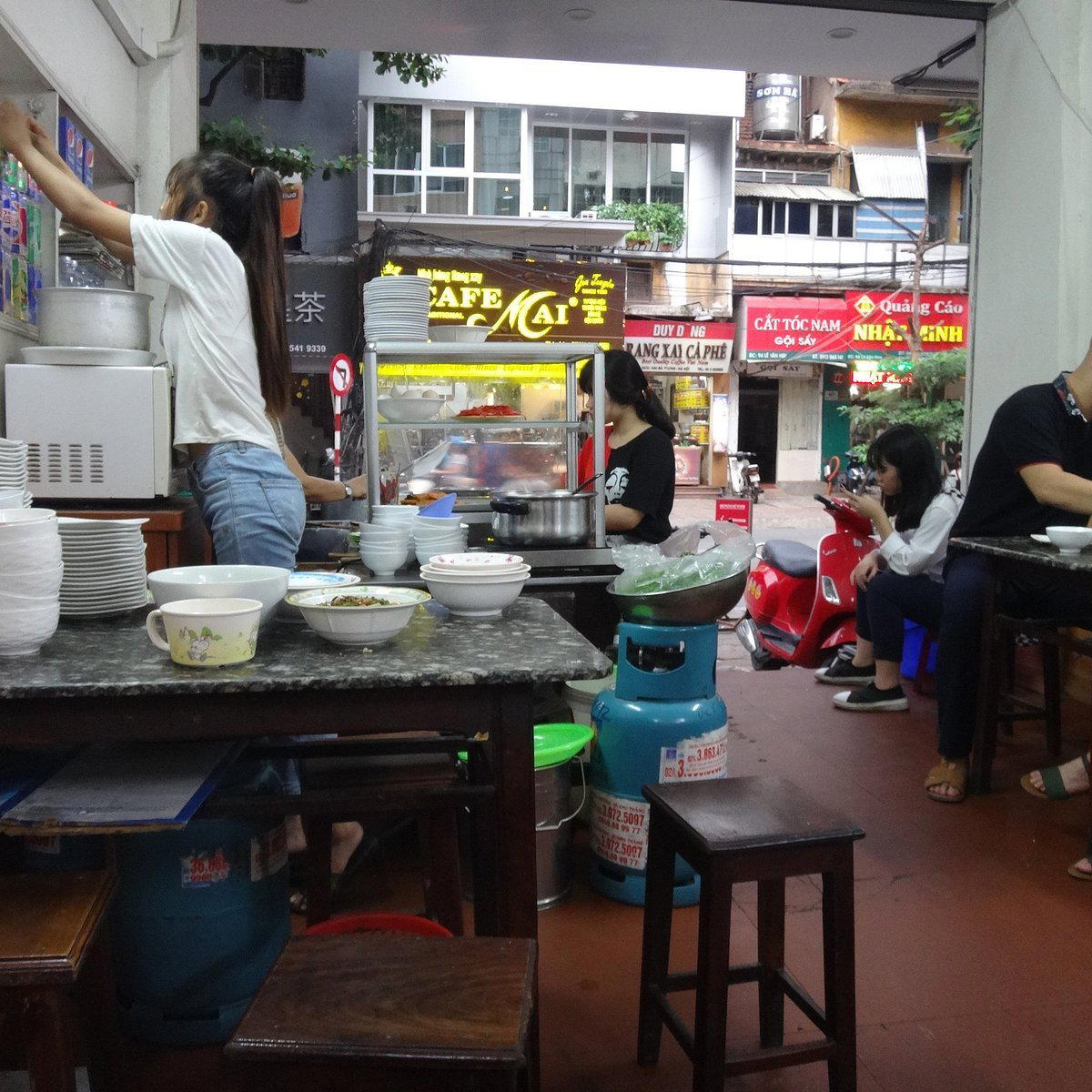
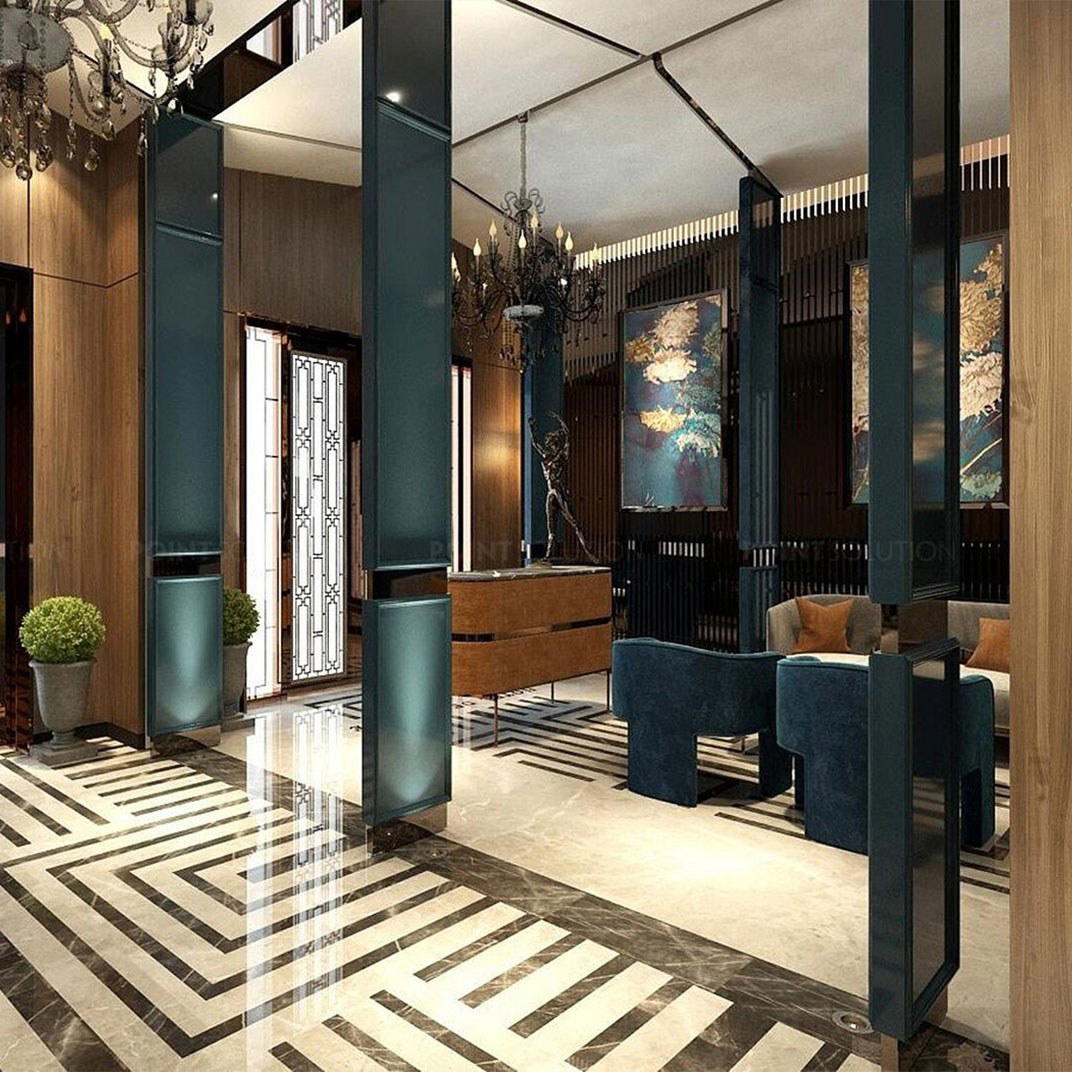
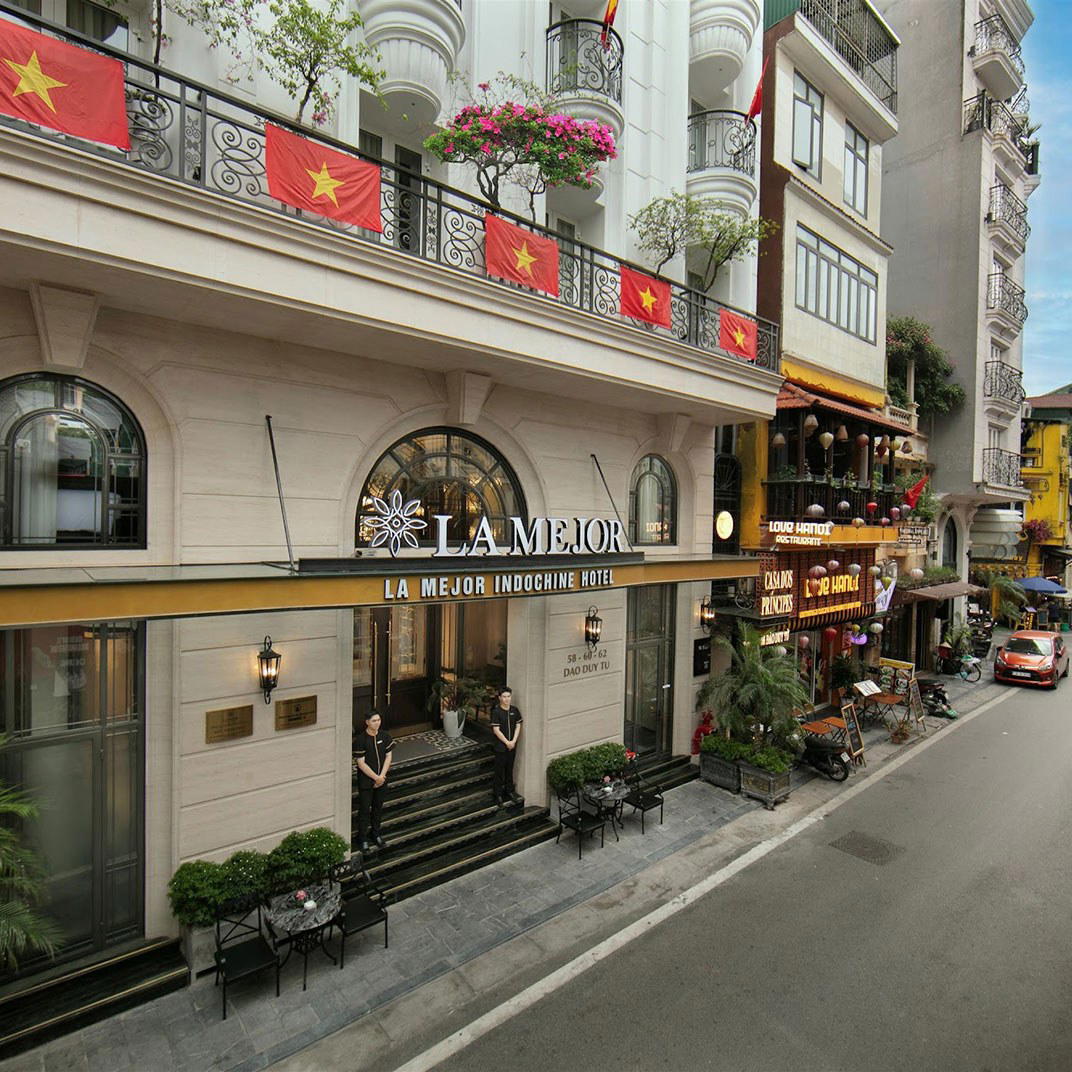
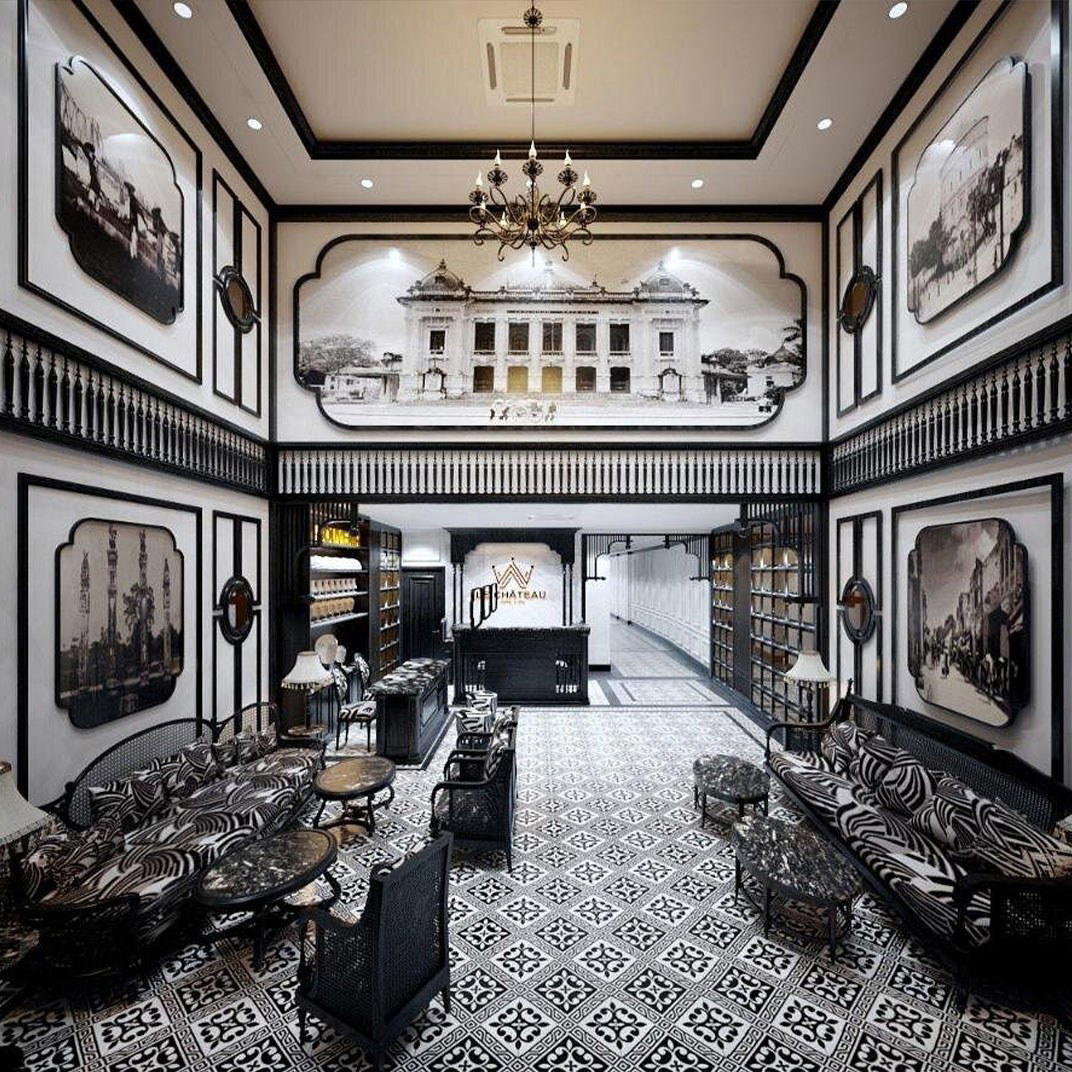
Cozy atmosphere on the 2nd floor of a busy street, enhanced by friendly staff and warm hospitality.