Our verdict
Set along the ĐT10A road in Mỹ Thượng, Phu Vang district, Duyên Anh Restaurant sits within reach of Hue's storied culinary traditions while drawing on the agricultural and aquatic produce of the Thừa Thiên Huế region. For travellers moving between Hue city and the coastal lowlands, it represents a grounded, locally oriented dining stop in an area where royal court cooking and everyday table culture have long overlapped.

Pearl is the En Primeur Club membership app, where members save venues, book tables and use the concierge.
The menu
What to order
- Crab salad with banana blossom
- Steamed brown fish with spinach
- Crab with sour bamboo shoots
Where the Mỹ Thượng Road Meets the Hue Pantry
The stretch of ĐT10A running through Mỹ Thượng in Phu Vang district is not the kind of address that appears in international travel supplements. It sits in the floodplain territory between Hue city proper and the Tam Giang lagoon system, a region whose food culture is shaped less by restaurant ambition than by what the land and water reliably produce: freshwater fish and crustaceans from the lagoon, aromatic herbs from home gardens, and rice grown in fields that have supplied Hue's kitchens for centuries. Duyên Anh Restaurant occupies this context. It is a neighbourhood-scale operation in an area where the agricultural supply chain is short and the cooking vocabulary is local.
Understanding Duyên Anh requires understanding what Phu Vang district actually is. It is one of the rural communes that rings Hue city, and it sits within Thừa Thiên Huế province, whose food traditions carry the weight of imperial history. Hue was the seat of the Nguyễn dynasty from 1802 to 1945, and the court kitchen that developed there over those decades produced a style of Vietnamese cooking that prioritises precision, balance, and visual restraint over volume. That tradition did not stay inside the palace walls. It filtered into everyday cooking across the surrounding area, and restaurants operating in the Phu Vang zone inherit that context whether they acknowledge it explicitly or not. For a broader look at where Duyên Anh sits relative to Hue city dining, our full Phu Vang restaurants guide maps the district's options in more detail.
The Ingredient Logic of the Lagoon Belt
The editorial angle that matters most here is sourcing. The Tam Giang lagoon, one of the largest lagoon systems in Southeast Asia, begins its inland reach within a short distance of Mỹ Thượng. That proximity shapes what ends up on tables in this part of Phu Vang in ways that no supply chain from a distant market could replicate. Lagoon-caught fish, clams, shrimp, and crab move from water to kitchen at a speed that urban restaurant districts rarely achieve. Hue-area cooking depends on this freshness: dishes like chả cá chiên (fried fish cake) and canh chua (sour soup) are calibrated to ingredients at their most immediate, and the flavour logic collapses when the primary components are older or less local.
This sourcing geography is what separates a district like Phu Vang from the more formalized restaurant corridors of Hue city. Places like Saffron in Hue City or Bún Bò Cẩm in Hue operate within the city's established dining circuit, with the infrastructure and visibility that urban location provides. Duyên Anh, by contrast, sits closer to the source. The trade-off is legibility: it requires a reader who already knows why proximity to the lagoon matters, rather than one who needs a Michelin sticker to confirm the quality signal.
Across Vietnam, the conversation about ingredient sourcing has become more prominent at the upper end of the market. Restaurants like Gia in Hanoi have built reputations around explicit sourcing narratives and Vietnamese-first ingredient philosophies. At the other end of the price register, coastal and lagoon-adjacent spots in central Vietnam do the same thing without the editorial framing, simply because the supply chain has always worked that way. Cargo Club Cafe and Restaurant in Hoi An illustrates the middle ground, where accessibility and local produce coexist within a more tourist-legible format. Duyên Anh, with its address in a district that most international visitors pass through rather than stop in, sits at the more local end of that spectrum.
Reading the Central Vietnamese Table
Hue-regional cooking is not monolithic. It contains court-derived preparations that demand technical patience, street-level dishes like bún bò Huế that have become nationally recognised, and a category of everyday home-style cooking that rarely travels beyond its immediate geography. The latter is where district restaurants like Duyên Anh most plausibly operate. This is the cooking that uses whole fish rather than fillets, that incorporates fermented shrimp paste (mắm ruốc) as a seasoning baseline, and that treats rice not as a backdrop but as a calibrated component with its own textural requirements.
For context on how dramatically Vietnamese dining can shift across price tiers and formats, it is useful to consider the full range. At one pole sits La Maison 1888 in Da Nang, a French contemporary operation in the ₫₫₫₫ bracket with an entirely different reference system. At another sits the street-food register represented by neighbourhood eateries across the central coast. Duyên Anh is not in competition with either of those categories. It serves the practical, deeply regional dining that sustains the communities living and working along the ĐT10A corridor.
Central Vietnam's table also places unusual emphasis on condiment precision. The dipping sauces, pickled vegetables, and herb plates that arrive alongside main dishes are not decorative. They are calibration tools. Getting the balance right between a fermented dipping sauce and the protein it accompanies is a skill that local diners apply without thinking, and it indexes directly to ingredient quality. When the fish or pork is genuinely fresh, the condiment system works as designed. Restaurants further from source often compensate with heavier seasoning in the primary dish. The lagoon-belt advantage is that the primary ingredient can carry its own weight.
Visiting: What to Expect Practically
Duyên Anh is located on ĐT10A in the Mỹ Thượng area of Hue, within Phu Vang district. The address places it outside the central Hue hotel district, which means arriving by motorbike or hired car is the most direct approach for visitors without their own transport. Travellers planning a visit should confirm practical details locally or through accommodation staff in Hue city, who will generally have current information about district restaurants in the surrounding communes.
For those building a broader itinerary across central and northern Vietnam, restaurants like Akuna in Ho Chi Minh City, Le Pont Club in Hai Phong, and Phuong Nhung Restaurant in Cat Hai represent different regional registers worth comparing. Closer to the Phu Vang area, Mi Quang Ba Vi in Thanh Khe and Bau Troi Do in Son Tra offer points of reference for the broader central coast dining picture. Further south, Nhà hàng Madame Lân in Hai Chau, Phước Hòa 5 in Cam Le, and Quảng Nam in Nam Giang extend the regional comparison set. For seafood-focused formats at a different scale, Bien 14 Seafood Buffet Restaurant in Hao Long and the more casual BIG CHILL INTERNATIONAL FOOD COURT in Phan Thiết complete the picture of how seafood translates across Vietnam's dining formats. For reference points at the technical apex of dining internationally, Le Bernardin in New York City and Lazy Bear in San Francisco represent the kind of documented culinary rigour that rarely intersects with district-road restaurants but illuminates what the full spectrum of ingredient-driven cooking can look like at its most formalised end.
Frequently asked questions
Is Duyên Anh Restaurant child-friendly?
The restaurant's position on ĐT10A in Mỹ Thượng, Phu Vang, a district road serving a local residential community, points toward a relaxed, low-pressure format typical of neighbourhood Vietnamese restaurants in this part of Hue. Seating arrangements at places like this tend to be informal, and the pace is generally unhurried.
What's the vibe at Duyên Anh Restaurant?
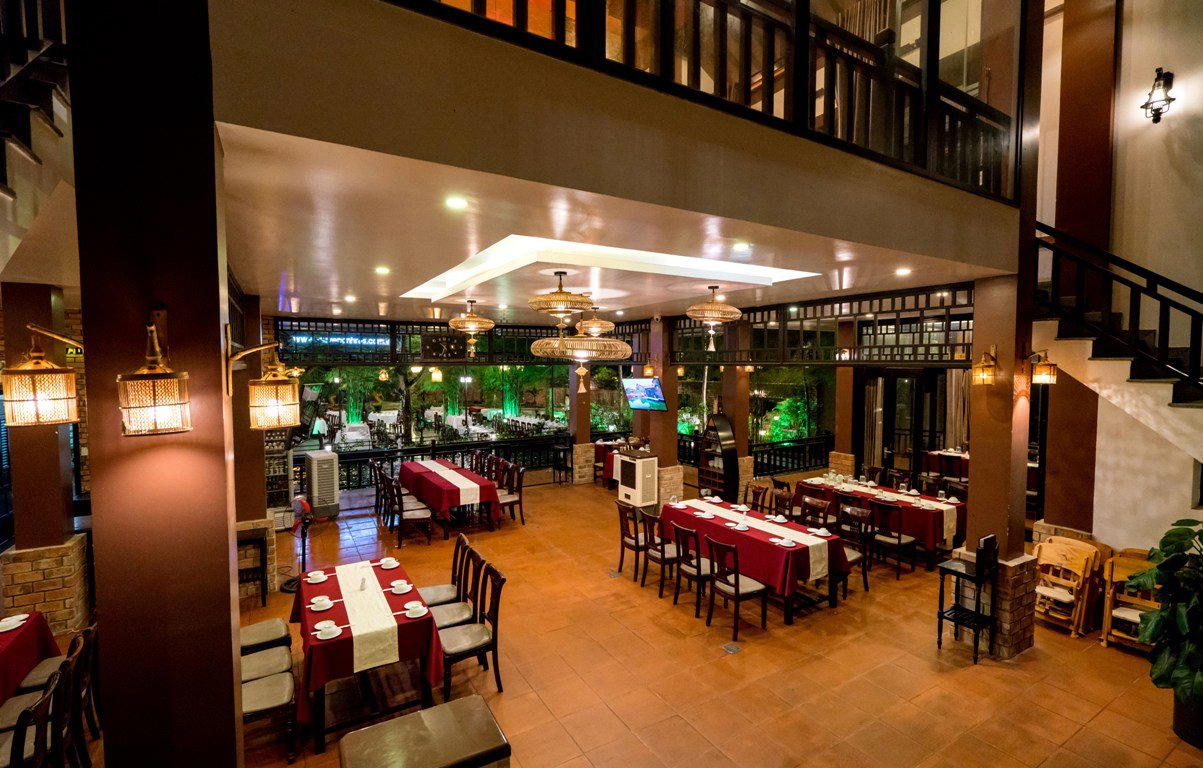
Duyên Anh sits on ĐT10A in Mỹ Thượng, outside the central Hue restaurant strip where most internationally reviewed venues operate. That address places it firmly in neighbourhood territory: community-serving, without the performance of a tourist-facing dining room. Expect a room where the regulars are locals from Phu Vang district, not hotel guests working through a guidebook shortlist.
Is Duyên Anh Restaurant worth the trip from central Hue for travellers focused on non-tourist regional cooking?
Its address on ĐT10A in Phu Vang district puts it several kilometres outside the central Hue hotel zone, which is precisely what separates it from restaurants calibrated for international visitors. The Mỹ Thượng area sits within the Tam Giang lagoon catchment, a sourcing geography that shapes what central Vietnamese cooks in this district actually put on the table. For anyone tracking down Hue cooking that reflects the region's ingredient logic rather than its export identity, the detour is consistent with that objective.
What should I order at Duyên Anh Restaurant?
The restaurant's location in the Tam Giang lagoon belt, one of the largest lagoon systems in Southeast Asia, makes freshwater seafood and lagoon-sourced ingredients a reasonable expectation in whatever is on offer. Central Vietnamese cooking in this district also frequently features bún bò Huế and court-influenced preparations that distinguish Hue's table from the rest of the country. Check the venue's official channels for the latest details.
How do I find Duyên Anh Restaurant?
Duyên Anh Restaurant is located at ĐT10A, Phường Mỹ Thượng, Huế, Thành phố Huế, Vietnam, Phu Vang.
Comparable Venues
Comparable venues nearby, for context on price, style, and recognition.
| Venue | Cuisine | Price | Notes |
|---|---|---|---|
| Duyên Anh RestaurantThis venue (the venue you are viewing) | Hue Regional Vietnamese Seafood | $10–20 | Not listed |
| Seashell by Nu Eatery | Modern Vietnamese Fusion Tapas | $10–20 | Hoi An Old Town |
| Madam Khanh The Banh Mi Queen | Hoi An Banh Mi | $1–10 | Minh An Ward |
| Xoi Che Ba Thin | Traditional Vietnamese Xôi Chè | $1–10 | Hoan Kiem |
| Phi Banh Mi | Vietnamese Banh Mi Sandwiches | $1–10 | Minh An Ward |
| Cargo Club Cafe & Restaurant | Vietnamese-Western Fusion Cafe | $10–20 | Hoi An Old Town |
Continue exploring
More in Phu Vang
Restaurants in Phu Vang
All restaurants in Phu Vang →
Details
- Cozy
- Rustic
- Scenic
- Family
- Group Dining
- Casual Hangout
- Garden
- Local Sourcing
- Garden
- A La Carte
- Family Style
Current opening hours
- Monday
- 10 AM–10 PM
- Tuesday
- 10 AM–10 PM
- Wednesday
- 10 AM–10 PM
- Thursday
- 10 AM–10 PM
- Friday
- 10 AM–10 PM
- Saturday
- 10 AM–10 PM
- Sunday
- 10 AM–10 PM
Hours can change for holidays and private events. Hours as of .
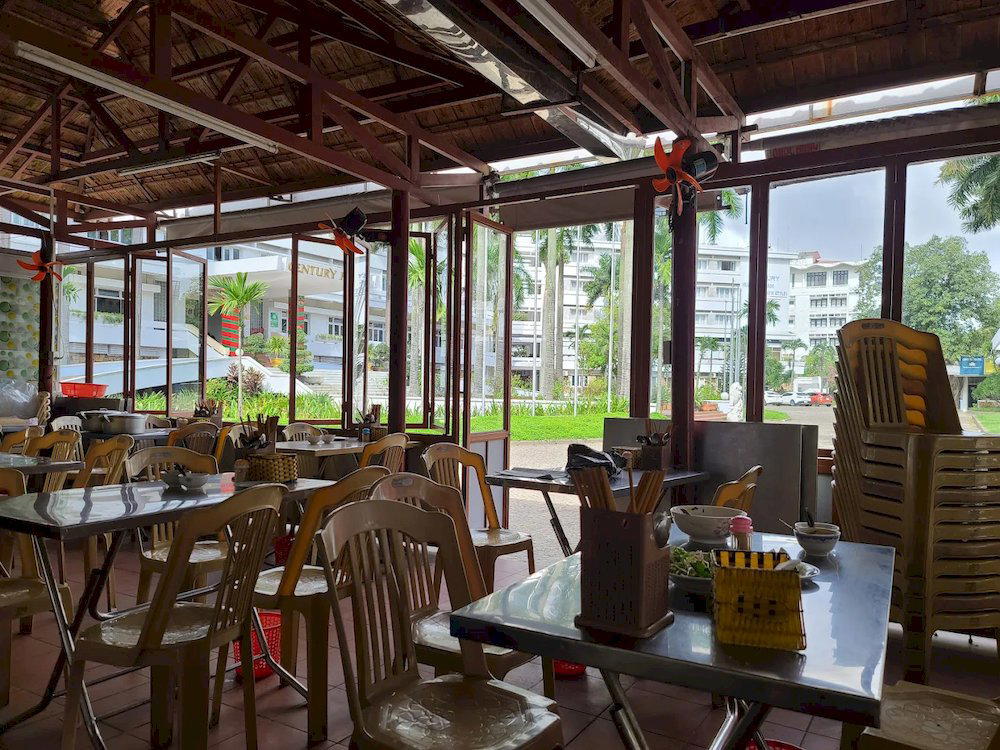
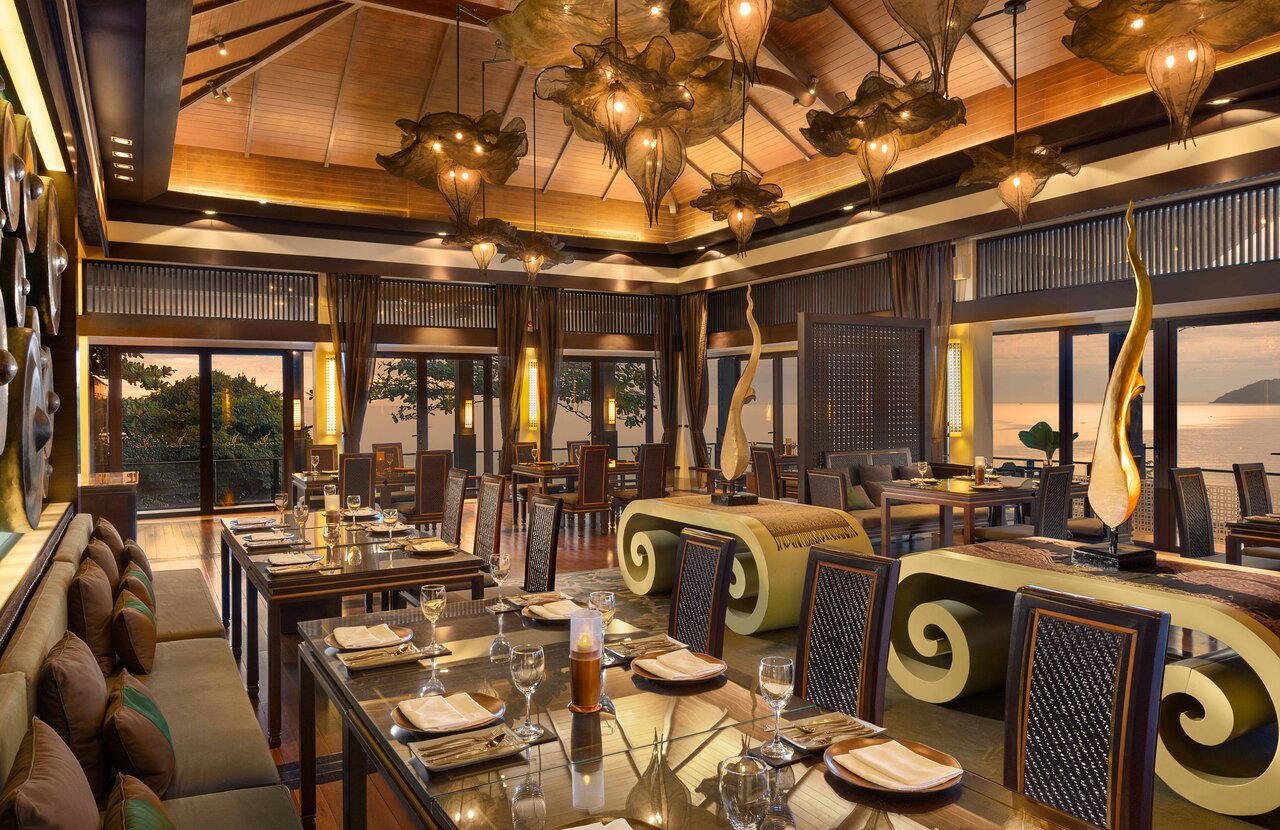
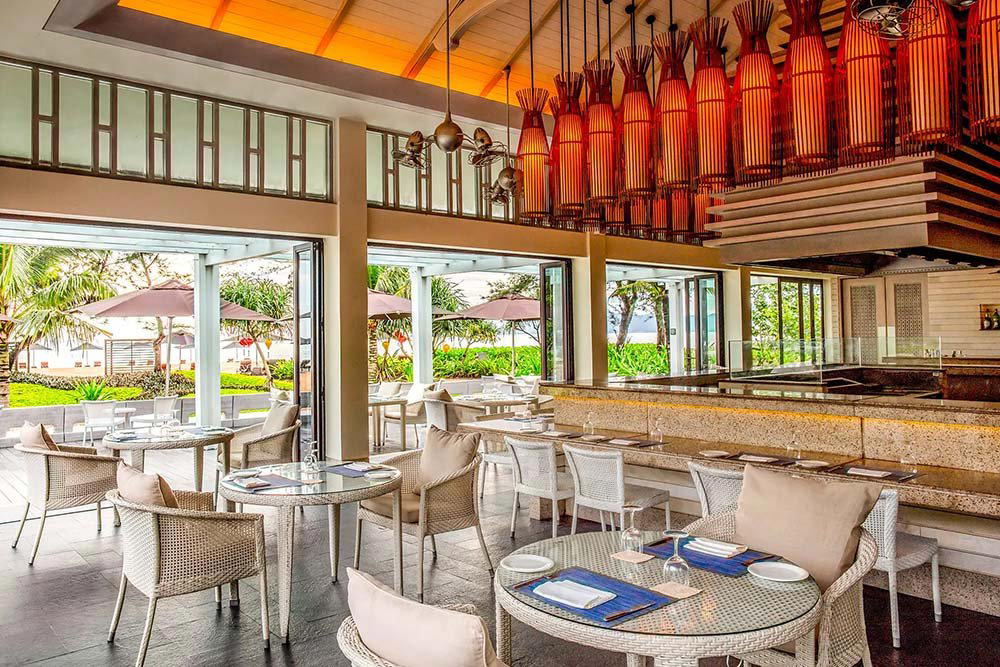
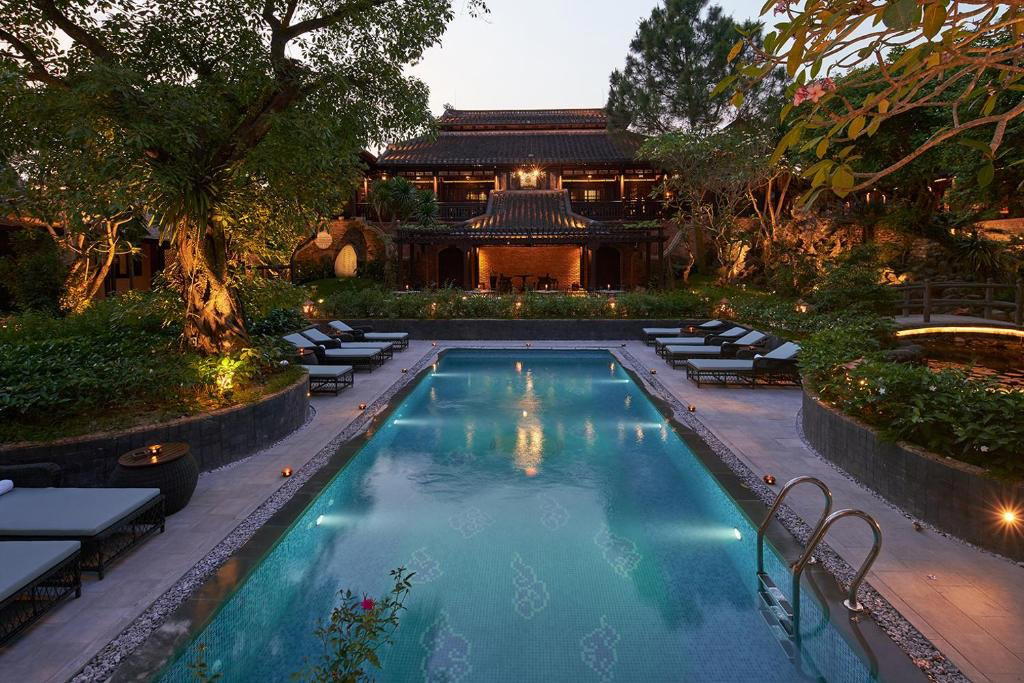
Charming and cozy atmosphere with garden views and a warm, local feel.