Our verdict
Le Pont Club sits near Beach 3 on Cát Bà Island, placing it inside one of northern Vietnam's most ecologically significant coastal zones. The venue operates at the intersection of island leisure and local seafood culture, where proximity to Lan Ha Bay's fishing communities shapes what reaches the table. For travelers moving between Hai Phong port and the archipelago, it represents a recognizable anchor point on the island's modest dining circuit.
The menu
What to order
- Fresh lobster
- Fresh fish
Where the Bay Meets the Plate: Dining on Cát Bà Island
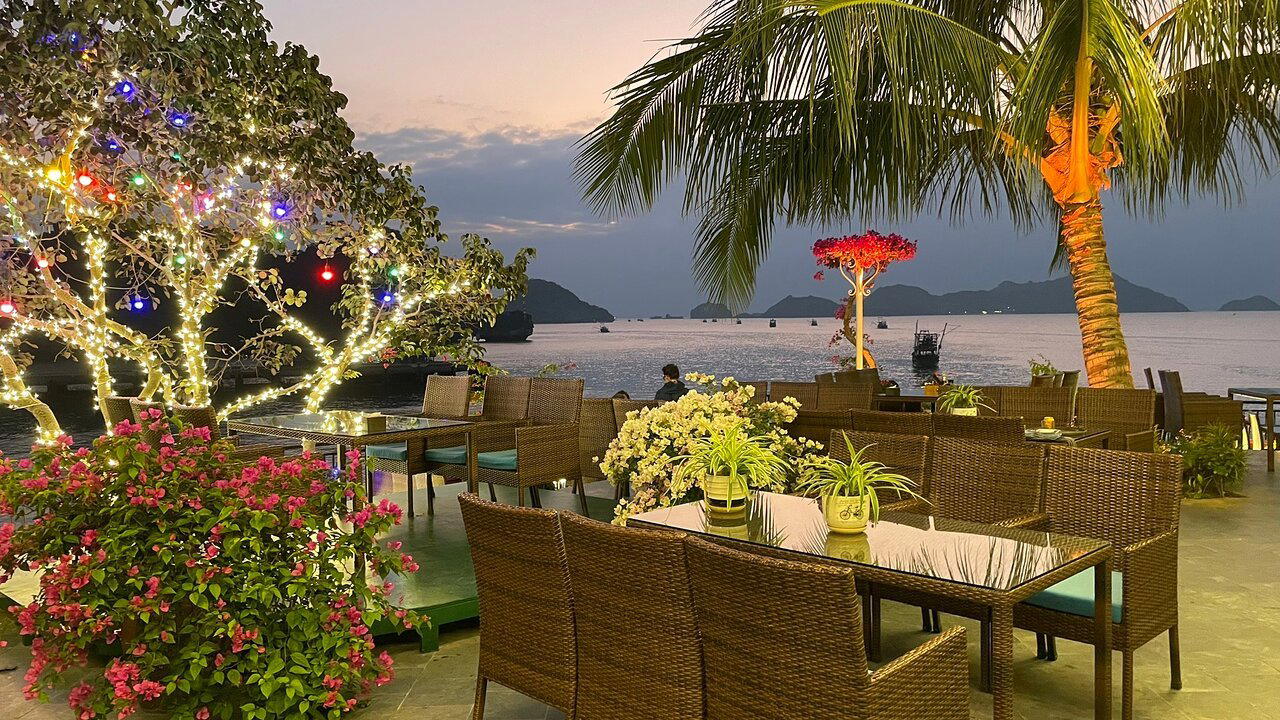
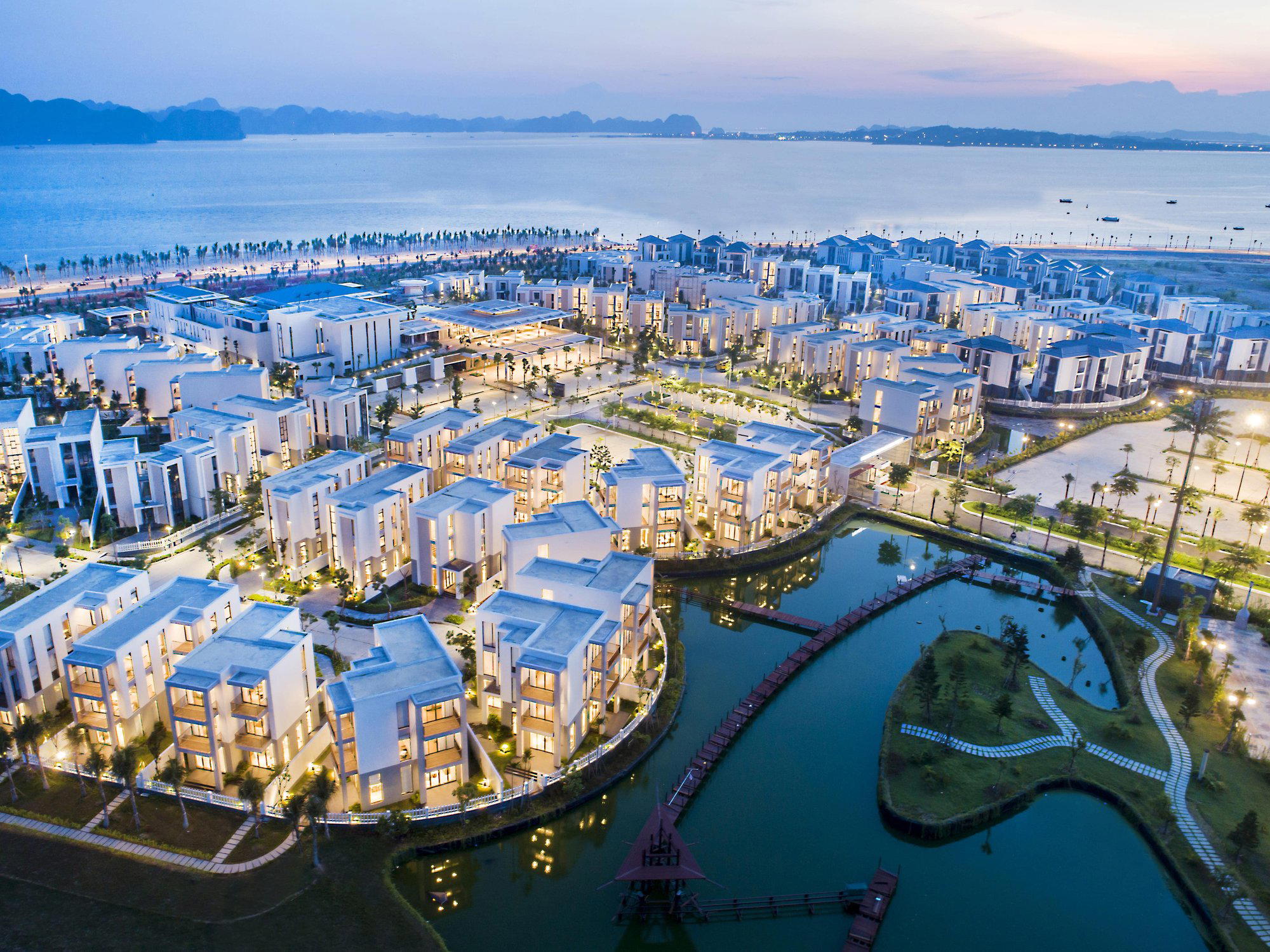
Arriving near Beach 3 on Cát Bà Island, the context arrives before any menu does. The South China Sea sits at the edge of the frame, and the working rhythm of Lan Ha Bay, fishing vessels, floating villages, the quiet industry of a community that has harvested these waters for generations, sets the terms for what eating here means. Le Pont Club occupies this setting near the waterfront strip that serves as Cát Bà Town's informal dining center, a stretch where the sourcing story is geographic rather than curated: the sea is visible from the table, and the supply chain is, by default, short.
Cát Bà Island sits roughly 30 kilometers from Hai Phong port and is accessible by ferry or speedboat, with most routes departing from Bến Bính pier. The crossing takes between 45 minutes and two hours depending on vessel and departure point, and arrival tips you directly into a town that runs on tourism and fishing in roughly equal measure. For context on the broader Hai Phong dining scene before making the island crossing, our full Hai Phong restaurants guide maps the mainland options worth considering on either end of the journey.
The Sourcing Logic of an Island Venue
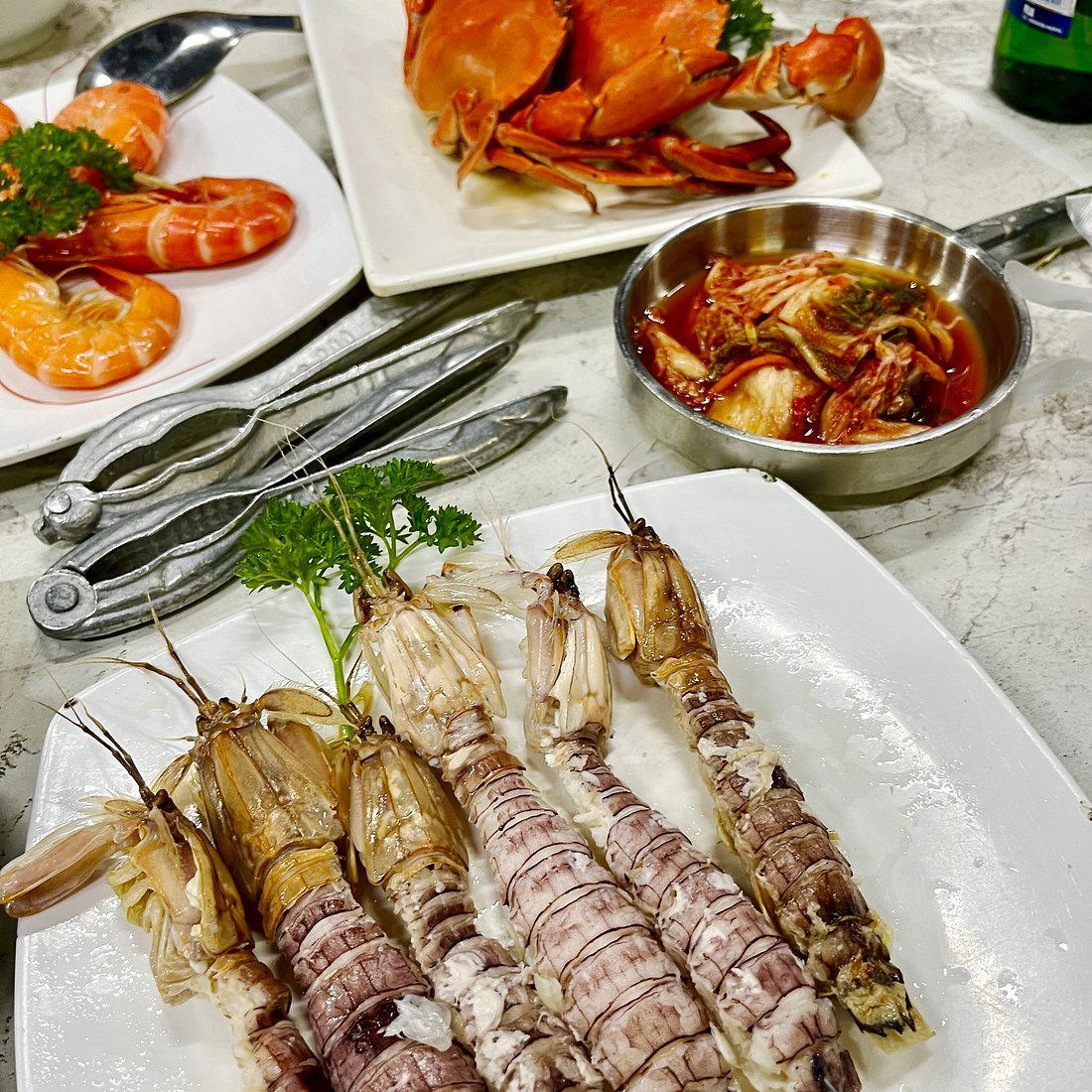
Northern Vietnam's coastal dining culture operates on a different axis from the restaurant-forward scenes in Hanoi or Ho Chi Minh City. On Cát Bà, proximity to the water is the primary editorial fact. Lan Ha Bay, the quieter, less trafficked southern extension of Ha Long Bay, supports an active fishing economy. Squid, crab, mantis shrimp, grouper, and blood cockles move from net to market to kitchen within hours rather than days, a supply dynamic that the island's geography enforces rather than one that any single venue manufactures as a selling point.
This is meaningfully different from the sourcing claims attached to urban Vietnamese fine dining. Venues like Gia in Hanoi or Akuna in Ho Chi Minh City work hard to build transparent supply chains back to regional producers. On Cát Bà, the supply chain compression is structural. The island's relative isolation, there is no road connection to the mainland, means that what is served reflects what the surrounding waters and local markets hold at any given moment. That constraint functions as an ingredient in itself.
The contrast extends further down the coast. La Maison 1888 in Da Nang operates at the formal end of Vietnamese coastal dining, with French-trained technique applied to central Vietnamese ingredients at a price point that reflects its resort positioning. The island dining model that Cát Bà venues inhabit is structurally different: informal, market-dependent, and priced for the mix of domestic tourists, backpackers, and international visitors who make up the island's seasonal population.
Cat Ba's Place in Vietnam's Coastal Dining Hierarchy
Vietnam's coastal dining circuit runs from the Gulf of Tonkin in the north through Da Nang and Hoi An in the center to the Mekong Delta and Phu Quoc in the south. Each zone carries distinct seafood identities. The north, particularly the Ha Long Bay corridor that includes Cát Bà, specializes in cold-water shellfish and deep-sea catches that differ noticeably from the warmer-water species dominating central and southern menus. Visitors who have eaten at Saffron in Hue City or Cargo Club Cafe and Restaurant in Hoi An will notice the shift in flavor register when they reach the northern archipelago: lighter broths, different crab species, and a cooking approach that tends toward simplicity and heat rather than the spice-forward profiles of the center.
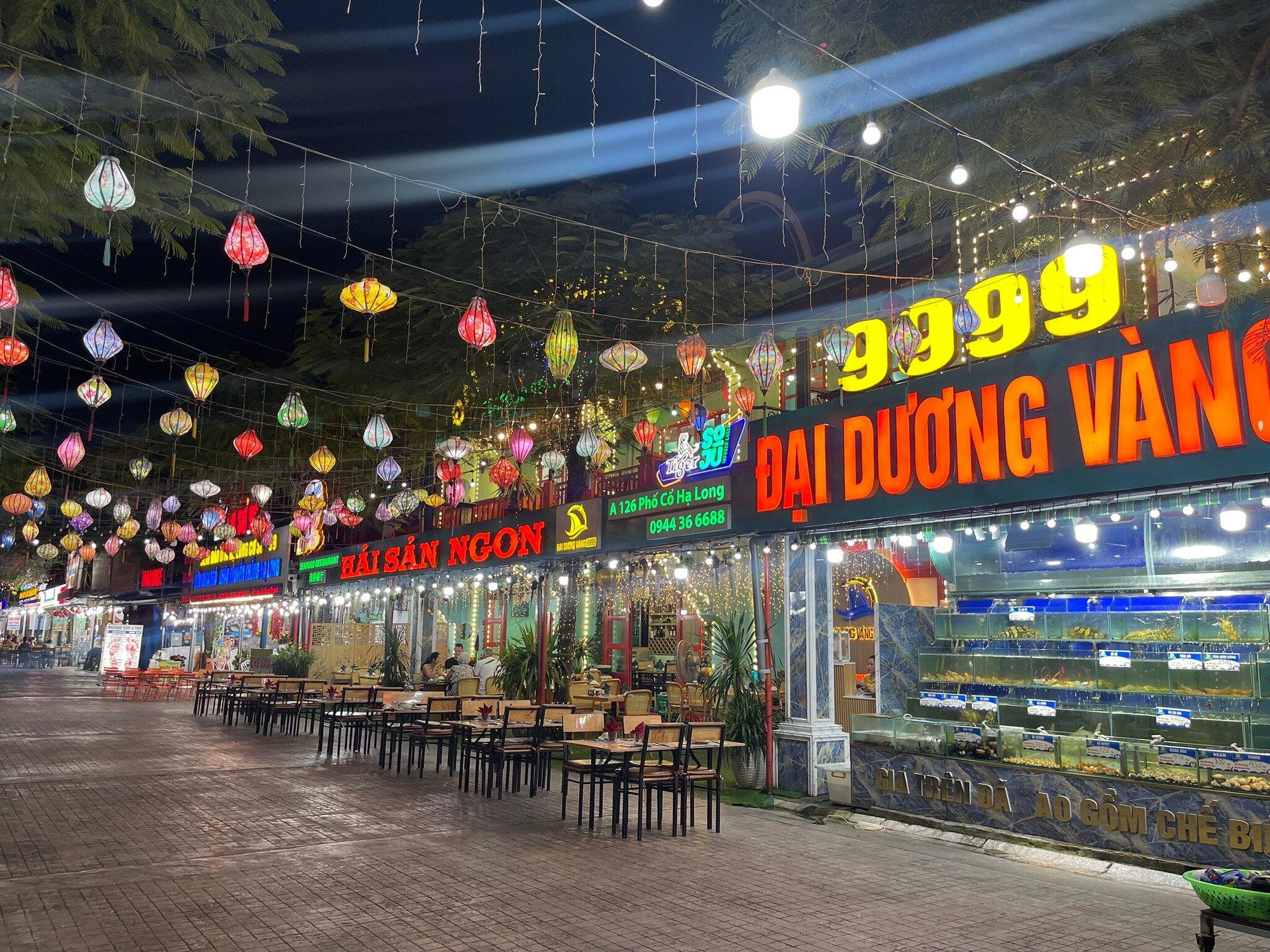
Within the Hai Phong and Cát Bà zone specifically, seafood restaurants cluster near Beach 1 and Beach 3 in Cát Bà Town, competing primarily on freshness signals, live tanks, market adjacency, and the visual theatre of raw product on display. Phuong Nhung Restaurant in Cat Hai and Bien 14 Seafood Buffet Restaurant in Hao Long operate in adjacent territory, offering frames of reference for how this northern coastal category positions itself across different formats and price registers.
Arriving and Planning Around Le Pont Club
Le Pont Club's position near Beach 3 places it within walking distance of the main pier area and the town's core accommodation cluster. Cát Bà Town is compact enough that most venues are reachable on foot, though motorbike taxis are available for transfers to the national park or the island's more remote beaches. Given that the island draws a high volume of day-trippers on packaged bay cruises, evenings tend to be quieter and more representative of the venue's actual operating rhythm, the lunch-hour surge from tour groups disperses by late afternoon.
Visitors arriving without reservations should expect the informal drop-in model that governs most of Cát Bà Town's dining, though high-season weekends in July and August can fill beachfront seating quickly. The island's peak season runs from May through September, with June and July bringing the densest domestic tourist traffic from Hanoi and Hai Phong city. Shoulder-season visits in April or October offer the same seafood access with noticeably fewer competing diners.
Travelers building a broader northern Vietnam food itinerary might use this island detour alongside mainland stops. Mi Quang Ba Vi in Thanh Khe and Bau Troi Do in Son Tra anchor a central Vietnamese comparison, while the range across Nha hang Madame Lan in Hai Chau, Phuoc Hoa 5 in Cam Le, and Quang Nam in Nam Giang maps the spectrum from casual to mid-tier in the central region. For comparison at the international fine-dining end, Le Bernardin in New York City and Lazy Bear in San Francisco represent what rigorous sourcing and format discipline looks like when applied at a completely different scale and price tier. The distance between those venues and a beachfront seafood spot on Cát Bà Island is real, but the underlying logic, that geography and proximity shape what ends up on the plate, runs through both ends of the spectrum. Finally, Duyen Anh Restaurant in Phu Vang and Bun Bo Cam in Hue round out the central Vietnamese picture for travelers moving south after the northern archipelago. BIG CHILL INTERNATIONAL FOOD COURT in Phan Thiet offers a southern coastal reference point for the same category of beachfront casual dining.
Frequently asked questions
Can I bring kids to Le Pont Club?
Le Pont Club's position near Beach 3 in Cát Bà Town, within walking distance of the main pier and family accommodation clusters, puts it in a setting that draws a broad visitor mix including families. The island's casual coastal dining culture generally accommodates children without difficulty.
How would you describe the vibe at Le Pont Club?
The address near Beach 3 on Cát Bà Island sets the tone before you arrive: South China Sea views, working harbour proximity, and the unhurried pace of an island town rather than a city restaurant district. Northern Vietnam's coastal dining culture leans toward the relaxed and ingredient-led, and Le Pont Club sits within that tradition. Expect a setting shaped more by geography than by urban hospitality formulas.
What is Le Pont Club best at?
Le Pont Club's address near Beach 3 places it at the intersection of Cát Bà's tourism core and its working waterfront, which is the geographic argument for its appeal: proximity to both the catch and the view. Northern Vietnam's coastal dining circuit distinguishes itself from the restaurant-forward scenes in Hanoi through immediacy of sourcing rather than kitchen elaboration. That proximity to Gulf of Tonkin product is the strongest case for the venue.
What's the must-try dish at Le Pont Club?
What is known is that Cát Bà Island's kitchen logic runs on Gulf of Tonkin sourcing, crab, squid, and reef fish landed close to where they're served. Dishes worth prioritising at any Cat Ba venue operating on this sourcing model are those built around the day's catch rather than a fixed menu anchor.
How do I find Le Pont Club?
Le Pont Club is located at Near Beach 3, TT. Cát Bà, Cát Hải, Hải Phòng, Vietnam, Hai Phong.
Is Le Pont Club reservation-only?
Booking policy details are not currently on record for Le Pont Club. Given the venue's location near Beach 3 in Cát Bà Town, a working coastal hub with high visitor turnover during peak season, contacting the venue in advance is a practical precaution, particularly for groups or weekend visits.
What's Le Pont Club best at?
Le Pont Club is best approached by focusing on the core concept and signature offerings.
Comparable Spots, Quickly
| Venue | Cuisine | Price | Awards | Notes |
|---|---|---|---|---|
| Le Pont ClubThis venue (the venue you are viewing) | Seafood with Sunset Bay Views | Not listed | Not listed | Not listed |
| Anan Saigon | Modern Vietnamese Street Food Fine Dining | $50–100 | 1 Michelin Star · World's 50 Best #86 | Vietnamese Street Food, ₫₫ |
| La Maison 1888 | Michelin-Starred French Contemporary | $150–200 | 1 Michelin Star · La Liste Top Restaurants | French Contemporary, ₫₫₫₫ |
| Akuna | Modern Australian-Vietnamese Fine Dining | $150–200 | 1 Michelin Star · La Liste Top Restaurants | Innovative, ₫₫₫₫ |
| Coco Dining | Progressive Vietnamese Fine Dining | $150–200 | 1 Michelin Star | Innovative, ₫₫₫ |
| Gia | Modern Vietnamese Fine Dining | $100–150 | 1 Michelin Star · La Liste Top Restaurants | Vietnamese Contemporary, ₫₫₫₫ |
Continue exploring
More in Hai Phong

Details
- Scenic
- Lively
- Date Night
- Casual Hangout
- Waterfront
- Terrace
- Craft Cocktails
- Waterfront
- A La Carte
- Family Style
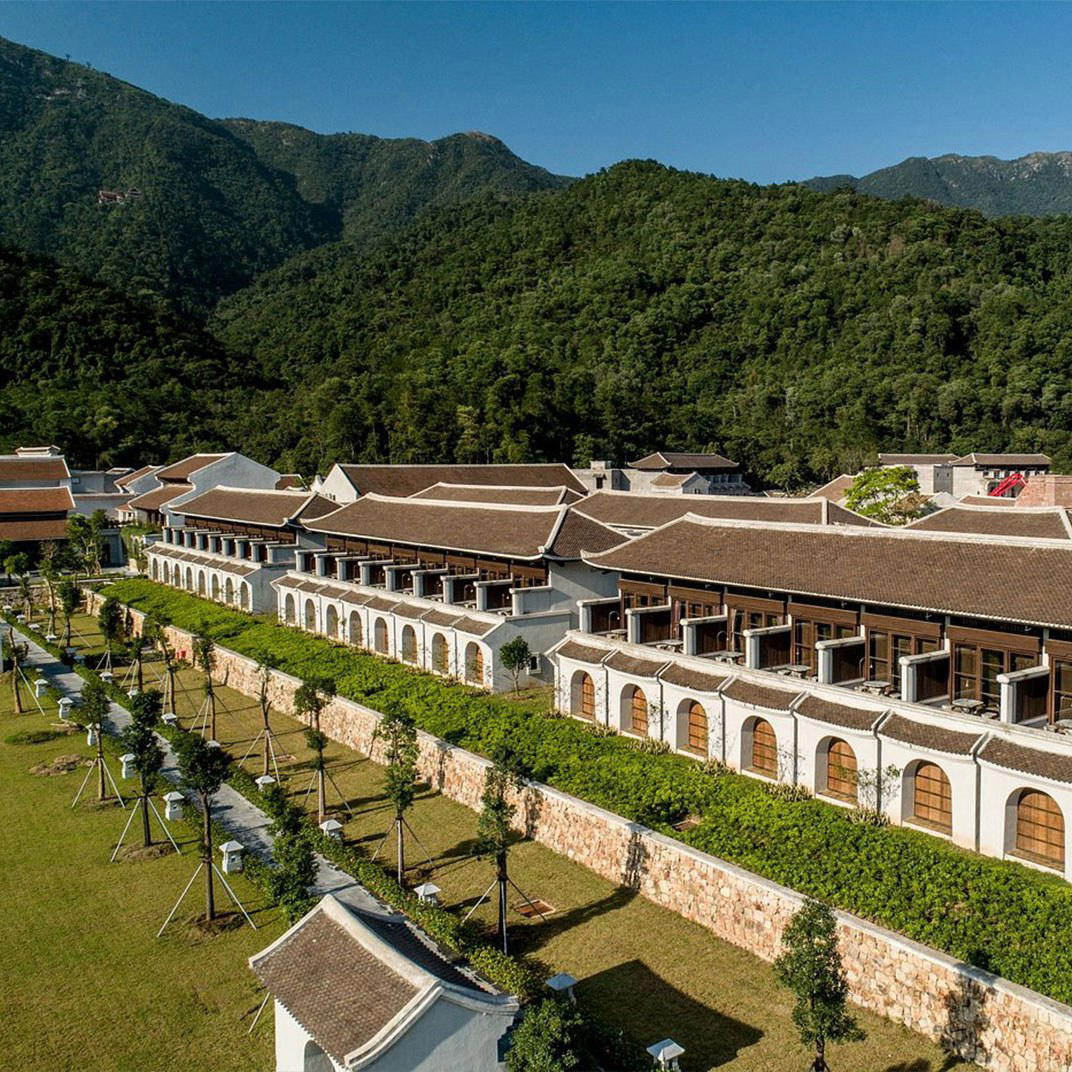
Relaxed beachside atmosphere with dramatic bay vistas, cooling breezes, and lively local crowds at sunset.