Our verdict
On a quiet lane off Đường Thành in Hanoi's Hoàn Kiếm district, Cha Ca Tang Long serves the dish that has defined northern Vietnamese cooking for generations: turmeric-marinated fish grilled tableside over charcoal, finished with dill and fermented shrimp paste. The restaurant occupies a specific, serious niche in a city where cha ca has become both everyday staple and point of cultural pride.

Pearl is the En Primeur Club membership app — saves, bookings, and concierge access live there. Same editors, same standards.
- Address
- 6B P. Đường Thành, Cửa Đông, Hoàn Kiếm, Hà Nội 000084, Vietnam
- Phone
- +842438286007
- Website
- chacathanglong.com.vn
- Directions
- Get directions
The Dish That Built a Street
Hanoi has a street named after a single dish. Phố Cha Cá, a short lane in the Hoàn Kiếm district, took its name from cha ca so completely that the food and the address became inseparable in the city's collective memory. That culinary specificity — one dish, one neighbourhood, one technique — is unusual even by Vietnamese standards, where regional identity tends to express itself through noodle soups and banh mi rather than grilled fish preparations. Cha Ca Tang Long, addressed at 6B Đường Thành just inside Hoàn Kiếm, operates within that tradition and within walking distance of its historic centre.
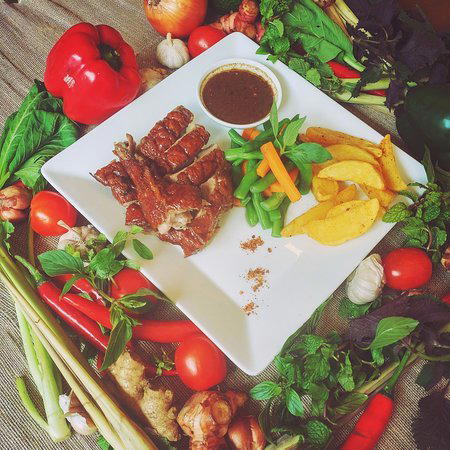
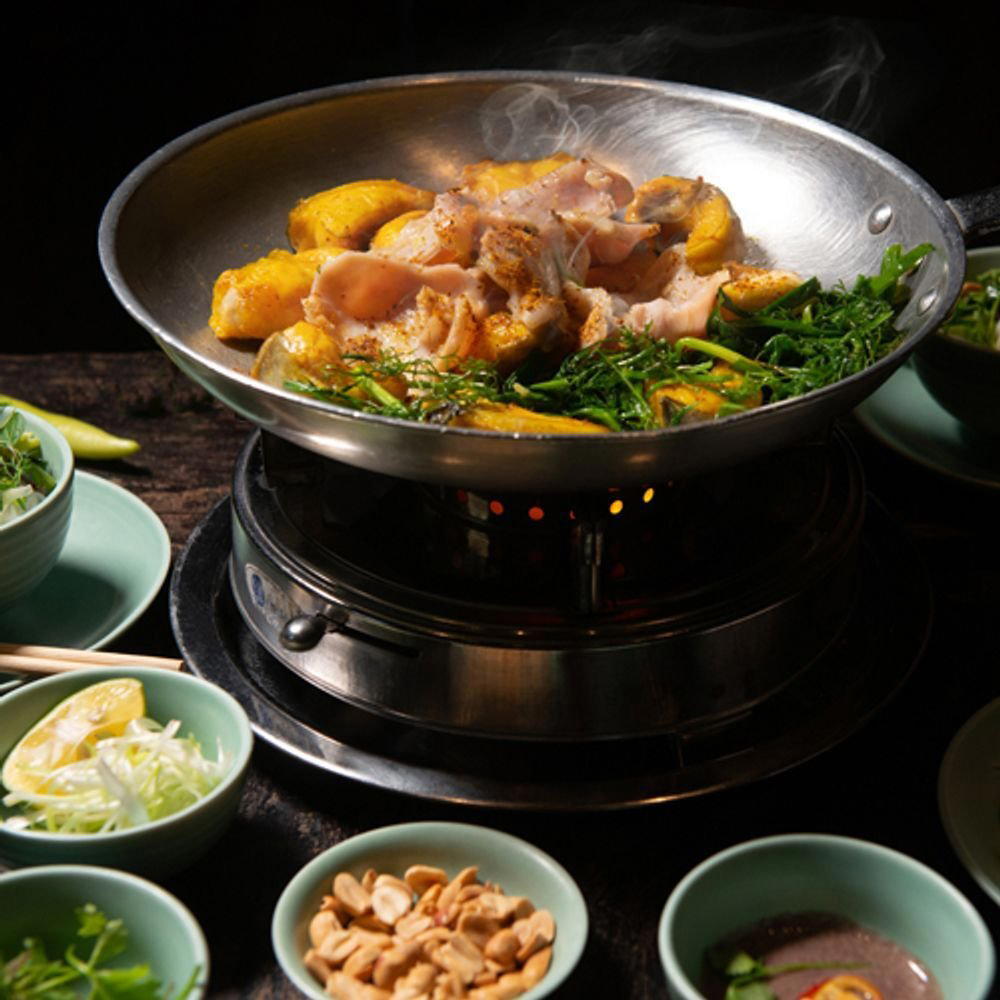
The dish itself is northern Vietnamese in character: freshwater fish, typically hemibagrus or snakehead, marinated in turmeric and galangal, grilled over charcoal, then finished at the table in a pan of hot oil with generous quantities of dill and spring onion. It arrives with rice vermicelli, roasted peanuts, and mắm tôm, the fermented shrimp paste that divides uninitiated diners and anchors regulars. The sourcing logic behind this preparation has remained essentially unchanged for well over a century: fish from the Red River basin, aromatics from the vegetable markets of the Old Quarter, fermented condiments from producers who supply the same style of paste to households across the north.
Ingredient Logic in a Single-Dish Kitchen
Single-dish restaurants in Hanoi operate on a different sourcing calculus than multi-course establishments. Where contemporary Vietnamese kitchens like Gia or tasting-menu formats must manage diverse ingredient streams, a cha ca specialist bets everything on the quality of a narrow supply chain: the fish, the turmeric, the dill, and the fermented paste. That concentration of focus tends to produce either genuine depth or stagnation. The leading operators in this category build direct relationships with specific suppliers, adjusting their sourcing seasonally as Red River fish stocks and market availability shift across the year.
Dill is not a common herb in Vietnamese cooking outside the north. Its dominance in cha ca is a function of Hanoi's particular culinary geography, where Chinese and French colonial influences layered over indigenous northern traditions to produce something that looks like neither. The herb arrives in quantities that would overwhelm most other dishes, cooked down quickly in the tableside oil so it wilts into the fish rather than sitting raw on leading. The galangal in the marinade does similar work: it reads as ginger to unfamiliar palates but carries a sharper, more medicinal edge that distinguishes northern Vietnamese flavour profiles from the sweeter, more herb-forward cooking of the south.
For context on how ingredient sourcing defines cooking style across Vietnam's regions, the contrast with coastal preparations is instructive. Restaurants like Saffron in Hue or Cargo Club in Hoi An work with a different ingredient grammar entirely, one shaped by proximity to the sea and central Vietnam's spicier, more complex sauce traditions. Cha ca represents the northern answer to that diversity: restrained, ferment-forward, and built around freshwater rather than oceanic protein.
Hoàn Kiếm and the Old Quarter Context
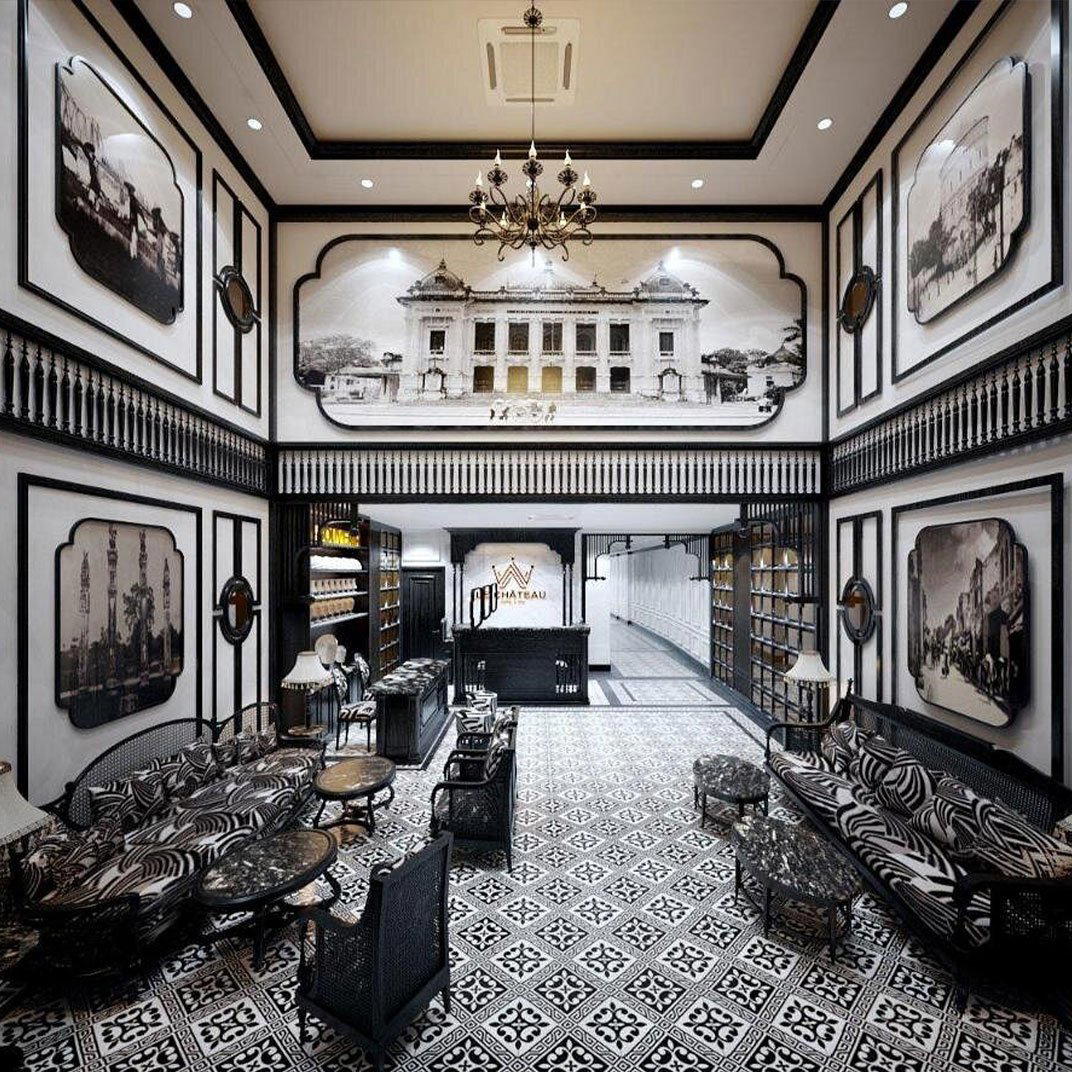
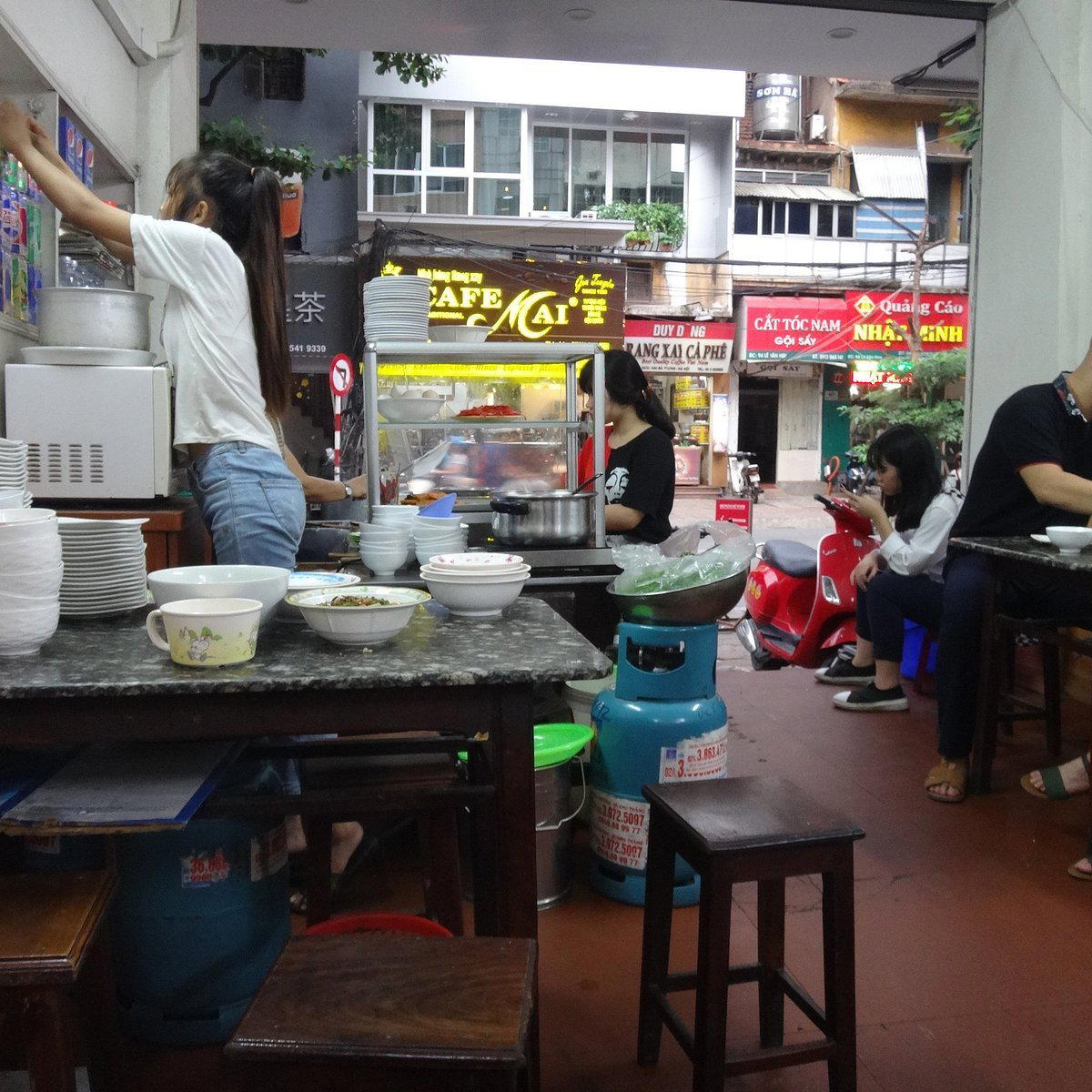
The Cửa Đông ward of Hoàn Kiếm sits between the commercial density of the Old Quarter's tourist corridor and the quieter residential lanes to the west. Đường Thành itself is a working street rather than a visitor showcase, which means the surroundings at Cha Ca Tang Long reflect a more everyday register than the curated heritage atmosphere of some neighbouring addresses. This is consistent with how cha ca has functioned historically: as a meal eaten by Hanoians rather than a performance produced for visitors, even as the dish's reputation has pulled increasing international attention toward its practitioners.
Hanoi's dining scene has split in recent years between internationally positioned fine-dining addresses and neighbourhood specialists that maintain older formats largely unchanged. Hibana by Koki represents one end of that spectrum. Single-dish traditional operators like the cha ca houses of Hoàn Kiếm represent the other. Both have audiences; both serve functions that the other cannot. The Old Quarter's cha ca restaurants collectively draw visitors who have done enough research to know that the dish is worth seeking out, alongside regulars for whom the meal is simply part of the week.
For a broader orientation to Hanoi's restaurant spectrum, from street-level noodle counters to contemporary tasting menus, our full Hanoi restaurants guide maps the city's options by neighbourhood and price tier. Nearby alternatives worth noting include Tầm Vị, which operates in the affordable Vietnamese register, and 1946 Cua Bac, which approaches northern Vietnamese cooking from a more structured perspective. 19 P. Ngũ Xã offers another angle on the neighbourhood's eating culture.
Planning a Visit
Cha ca restaurants in Hanoi generally function without advance booking requirements, operating on the walk-in model that defines much of the city's traditional dining culture. Hours follow the meal-period logic of Vietnamese restaurants rather than all-day service. Visiting at lunch or early dinner on weekdays reduces the likelihood of waiting for a table during peak tourist seasons, which in Hanoi run from September through November and again from March through April, when the cooler northern climate makes outdoor and tableside cooking formats particularly well-suited to the weather. The dish is inherently interactive, requiring a level of tableside attention that makes rushed visits less rewarding than a meal taken at reasonable pace.
For those exploring Vietnam's wider dining geography beyond Hanoi, Akuna in Ho Chi Minh City and La Maison 1888 in Da Nang represent points of contrast in the country's southern and central registers. For northern coastal eating, Le Pont Club in Hai Phong and Phuong Nhung Restaurant in Cat Hai are worth including in any extended itinerary. Those with interest in central Vietnamese seafood traditions might also consider Bau Troi Do in Son Tra, Mi Quang Ba Vi in Thanh Khe, Duyên Anh Restaurant in Phu Vang, or Nhà hàng Madame Lân in Hai Chau. At the far end of the international dining comparison, the rigorous seafood sourcing philosophy at Le Bernardin in New York or the communal format at Lazy Bear in San Francisco offer instructive counterpoints to how single-ingredient focus operates in different culinary contexts.
Frequently asked questions
Where is CHA CA TANG LONG located?
CHA CA TANG LONG is located at 6B P. Đường Thành, Cửa Đông, Hoàn Kiếm, Hà Nội 000084, Vietnam, Hanoi.
Is CHA CA TANG LONG in the Old Quarter, and how does its location compare to other cha ca restaurants in Hanoi?
Tang Long is on Đường Thành in Cửa Đông ward, Hoàn Kiếm — which sits at the western edge of the Old Quarter tourist corridor rather than inside its densest commercial lanes. That placement puts it closer to local residential foot traffic than venues on Phố Cha Cá itself, the street in Hoàn Kiếm that is most closely associated with the dish. Both areas draw visitors specifically for cha ca, but the Đường Thành address tends to see a slightly different mix of neighbourhood regulars and food-focused travellers.
What do people recommend at CHA CA TANG LONG?
The menu centres on one dish: cha ca, the turmeric-marinated white fish served tableside on a charcoal brazier with dill, spring onions, rice vermicelli, and roasted peanuts. In a single-dish kitchen on Đường Thành in Hoàn Kiếm, ordering is not a decision — the cha ca arrives as a matter of course. The variables are portion size and whether you add extra condiments.
How hard is it to get a table at CHA CA TANG LONG?
Cha ca restaurants in Hanoi's Hoàn Kiếm district operate on a walk-in basis, and Tang Long at 6B Đường Thành follows that model. Peak lunch and dinner hours draw the longest waits, particularly during tourist season in the Old Quarter corridor. Arriving at off-peak times — mid-afternoon or early evening — typically means faster seating.
What's the defining dish or idea at CHA CA TANG LONG?
Cha ca is the defining dish of an entire street in Hanoi: Phố Cha Cá in Hoàn Kiếm took its name from the preparation before most of the city's current restaurants were built. Tang Long sits in Cửa Đông ward, close to that lineage, serving a version of the dish that involves interactive tableside cooking rather than kitchen-finished plating. The format — charcoal heat, fresh herbs, the fish finishing at the table — is the experience itself.
How does CHA CA TANG LONG handle allergies?
The cha ca preparation at a single-dish kitchen like Tang Long involves a fixed set of ingredients: fish, turmeric, galangal, dill, fermented shrimp paste, and roasted peanuts. Guests with fish, shellfish, or nut allergies should communicate requirements directly with staff at the Đường Thành address before ordering. Ingredient substitution options in a single-dish format are structurally limited compared to multi-course restaurants.
Same-City Peers
Comparable venues nearby, for context on price, style, and recognition.
| Venue | Cuisine | Price | Notes |
|---|---|---|---|
| CHA CA TANG LONGThis venue — the venue you are viewing | Hanoi Cha Ca (Turmeric Fish with Dill) | $10–20 | Not listed |
| Hanoi Cooking Centre | Traditional Vietnamese Cooking School | Not listed | Ba Dinh |
| Hanoi Cuisine 1925 | Traditional Vietnamese | $10–20 | Hoan Kiem |
| Phở 10 Lý Quốc Sư | Authentic Hanoi Beef Phở | Not listed | Hoan Kiem |
| Bittet Hải Tý | Vietnamese Bistro | Not listed | Hoan Kiem |
| Bia Hải Xồm | Hanoi Bia Hoi with Vietnamese Snacks | $1–10 | Ba Dinh |