


Hibana by Koki brings Michelin-recognised teppanyaki to Hanoi's French Quarter, where chef Hiroshi Yamaguchi works a live iron griddle in a format that positions the kitchen as theatre and craft simultaneously. Consecutive Michelin Stars in 2024 and 2025, alongside a La Liste Top Restaurants score of 75 points, place it at the summit of the city's Japanese dining tier. Reservations are strongly advised given capacity constraints.
Pearl is the En Primeur Club membership app — saves, bookings, and concierge access live there. Same editors, same standards.
- Address
- 11 P. Lê Phụng Hiểu, French Quarter, Hoàn Kiếm, Hà Nội 100000, Vietnam
- Phone
- +84 24 3987 8888
- Website
- capellahotels.com
- Directions
- Get directions
 Saves & bookings on Pearl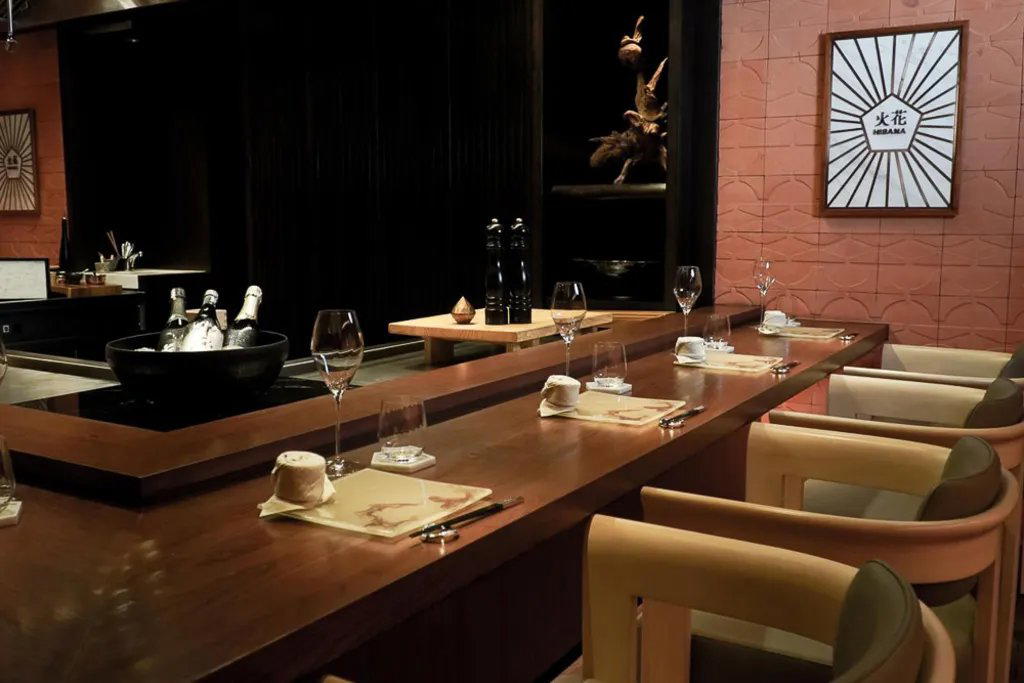
The Iron Griddle in the French Quarter
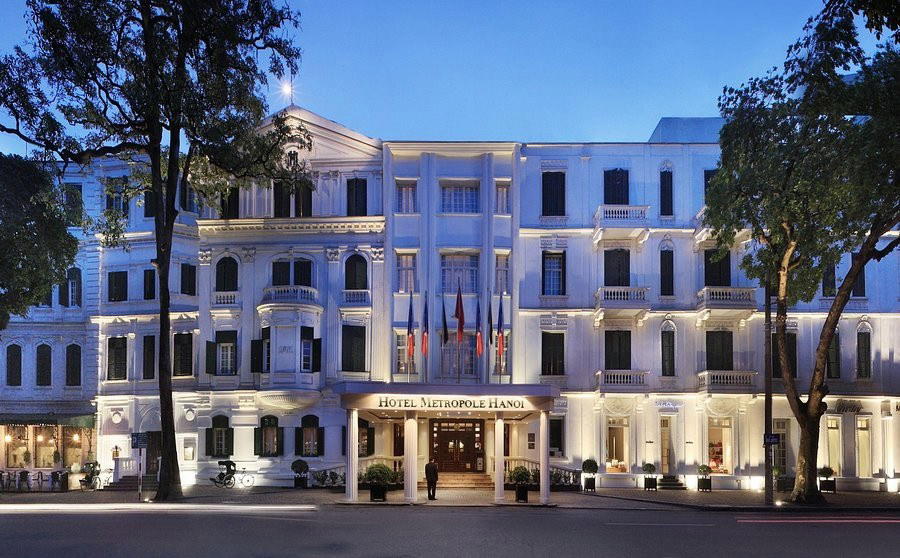
Lê Phụng Hiểu is a quiet address even by the French Quarter's standards, colonial-era facades, narrow pavements, the hum of motorbikes kept at a polite distance. Stepping into Hibana by Koki, the register shifts immediately. This Michelin-starred Japanese teppanyaki restaurant in Hanoi's French Quarter is led by chef Hiroshi Yamaguchi. The teppanyaki counter dominates the room, its steel surface radiating an even, low heat that you feel before you sit. This is the defining characteristic of the format: the cooking surface is the dining room's centre of gravity, and everything, sight, sound, the way conversation breaks into moments of focused silence, organises itself around it.
Teppanyaki as a serious restaurant format sits at an interesting intersection globally. In Japan, the iron griddle tradition produces some of the country's most technically demanding table-side cooking, where heat management, sequencing, and knife work are the primary vocabulary. That discipline has migrated in limited numbers to European capitals and Southeast Asian cities, but the transfer rarely arrives intact. Hanoi's version, anchored by chef Hiroshi Yamaguchi and recognised with consecutive Michelin Stars in 2024 and 2025, represents one of the more credible transplants of the format outside Japan itself. For comparable teppanyaki counter experiences, the comparable set runs to venues like Ishigaki Yoshida in Tokyo, JIBUNDOKI in Osaka, and Oribe, also in Osaka, a reference set that speaks to how seriously this format is being pursued.
Sourcing in a City That Trades in Locality
The sustainability question in Hanoi's premium dining tier is not academic. The city sits inside a country with one of Asia's most productive agricultural bases, the Red River Delta to the north, highland producers accessible within a few hours, coastal fishing communities a reasonable supply distance away. For restaurants working at the ₫₫₫₫ price point, the sourcing decision carries both ethical and quality dimensions: ingredient quality is itself an argument for shorter supply chains.
Teppanyaki's structure makes this more pointed than it might be in other formats. The iron griddle exposes protein and vegetable with little interference, no long braising, no masking sauces, no textural complexity to compensate for a mediocre primary ingredient. What lands on the steel is what the diner sees and tastes with almost total transparency. In this context, sourcing discipline and environmental consciousness are not peripheral concerns; they are load-bearing elements of the format's integrity. The degree to which Hibana by Koki integrates Vietnamese regional produce alongside Japanese technique is one of the more instructive aspects of watching the kitchen work.
Across Hanoi's Michelin-recognised restaurants, this local-sourcing tension appears repeatedly. Gia, working in Vietnamese Contemporary at the same price tier, has built a programme around seasonal and regional produce. Tầm Vị, recognised at one star with a fraction of the price point, makes locality a structural feature of its menu rather than an optional credential. The pattern across these kitchens suggests that Hanoi's starred tier is converging on provenance-aware cooking as a category expectation rather than a differentiator.
Chef Hiroshi Yamaguchi and the Michelin Signal
The Michelin recognition here is worth reading carefully. A single star in 2024 and 2025 places Hibana by Koki inside Hanoi's Japanese dining tier. The star is not a guide to the cheapest or most accessible meal in the city; it is a signal about technical consistency at a specific price tier. At ₫₫₫₫, the restaurant prices against a cohort that includes the Vietnamese Contemporary addresses operating at the same level.
Chef Hiroshi Yamaguchi's role at the counter is both executive and performative in the way teppanyaki demands. The format does not allow for a separation between kitchen preparation and dining-room presentation, the chef works in front of the diner, and craft is visible in real time. This transparency raises the stakes considerably compared to formats where the kitchen is hidden. Within Hanoi's broader Japanese dining bracket, this format sits in a more specialised position than the omakase sushi or izakaya categories, for further context on the city's Japanese restaurant tier, Azabu offers a useful counterpoint in terms of price positioning and format.
Beyond Hanoi, the format's credibility in less obvious cities is an emerging story. Kazumi in Angers and Koji in Paris represent teppanyaki's European footprint, while Robin's Teppanyaki in Taipei shows how the format has embedded itself into premium Asian dining outside Japan. Hibana by Koki belongs to this pattern of the iron griddle finding serious homes in cities where the category was previously absent or underrepresented.
Where This Sits in Hanoi's Dining Structure
Hanoi's Michelin-recognised dining is more varied than its surface read suggests. The starred tier spans Vietnamese street-adjacent cooking at one end, 1946 Cua Bac at a single ₫ price point, and international fine dining at the other. A Bản Mountain Dew represents the northern highland Vietnamese tradition within the recognised set. This range means a single star does not communicate a uniform dining experience, it flags consistent technical achievement within a given category and price tier.
For the city's non-Vietnamese Japanese dining, the French Quarter and Hoàn Kiếm district carry the greatest concentration of premium addresses. The restaurant's position on Lê Phụng Hiểu puts it within easy reach of the historic quarter's hotel and business corridor, which shapes its guest profile toward a combination of hotel guests, expatriate diners, and Vietnamese professionals with familiarity with Japanese counter formats. This is a narrower diner cohort than the local Vietnamese starred addresses draw, and the format rewards prior exposure to teppanyaki pacing and structure.
For visitors building a multi-restaurant programme, Vietnam's broader fine dining tier is also worth mapping: Akuna in Ho Chi Minh City and La Maison 1888 in Da Nang anchor the country's other two premium dining centres, offering a useful national context for where the restaurant sits within Vietnamese fine dining as a whole.
Planning Your Visit
The restaurant sits at 11 Lê Phụng Hiểu in the Hoàn Kiếm district, inside the French Quarter concentration that makes it walkable from the area's principal hotels. At the ₫₫₫₫ price tier with Michelin recognition, reservations should be made well in advance, teppanyaki formats typically run limited seatings determined by counter capacity, and the restaurant's. The format itself benefits from a relaxed pace: teppanyaki counter meals are not quick-service formats, and the experience is calibrated for diners willing to spend an extended evening at the counter. For a complete overview of Hanoi's dining, drinking, and hospitality options, EP Club's full city guides cover the field: our full Hanoi restaurants guide, our full Hanoi bars guide, our full Hanoi hotels guide, our full Hanoi wineries guide, and our full Hanoi experiences guide are each maintained with current coverage.
What People Recommend at Hibana by Koki
The restaurant operates a teppanyaki format under chef Hiroshi Yamaguchi, meaning the menu centres on high-quality proteins and seasonal produce cooked on the iron griddle in front of diners. In teppanyaki formats at this Michelin-starred tier, the counter experience itself is the primary recommendation: the sequencing of courses, the heat management across different ingredients, and the visible craft of preparation are as much the point as any single dish. Visitors familiar with Japanese teppanyaki in other cities should expect a format-consistent experience operating at a recognised technical level; those new to the format should approach the counter as a paced, multi-course meal in which the cooking process is part of the offer.
Accolades, Compared
Comparable venues nearby, for context on price, style, and recognition.
| Venue | Cuisine | Price | Awards | Notes |
|---|---|---|---|---|
| Hibana by KokiThis venue — the venue you are viewing | Michelin-Starred Japanese Teppanyaki | $$$$ | Michelin 1 Star | Not listed |
| Le Beaulieu | Modern French Fine Dining | $$$$ | Michelin Plate | Hoan Kiem |
| Izakaya by Koki | Modern Japanese Izakaya & Teppanyaki | $$$$ | Michelin Plate | Hoan Kiem |
| Gia | Modern Vietnamese Fine Dining | $$$$ | Michelin 1 Star | Dong Da |
| Hà Thành Mansion | Authentic Northern Vietnamese | $$$ | Bib Gourmand | Hoan Kiem |
| Mr Bảy Miền Tây | Southern Vietnamese Banh Xeo | $$ | Bib Gourmand | Hoan Kiem |
Recognition history
Dated appearances from independent guides and award organizations, with the underlying list record or original source where available.
Michelin 1 Star
Michelin
La Liste Top Restaurants
La Liste
Michelin 1 Star
Michelin
The Best Chef One Knife
The Best Chef
Michelin 1 Star
Michelin
Continue exploring
More in Hanoi
More from Chef Hiroshi Yamaguchi
Browse all →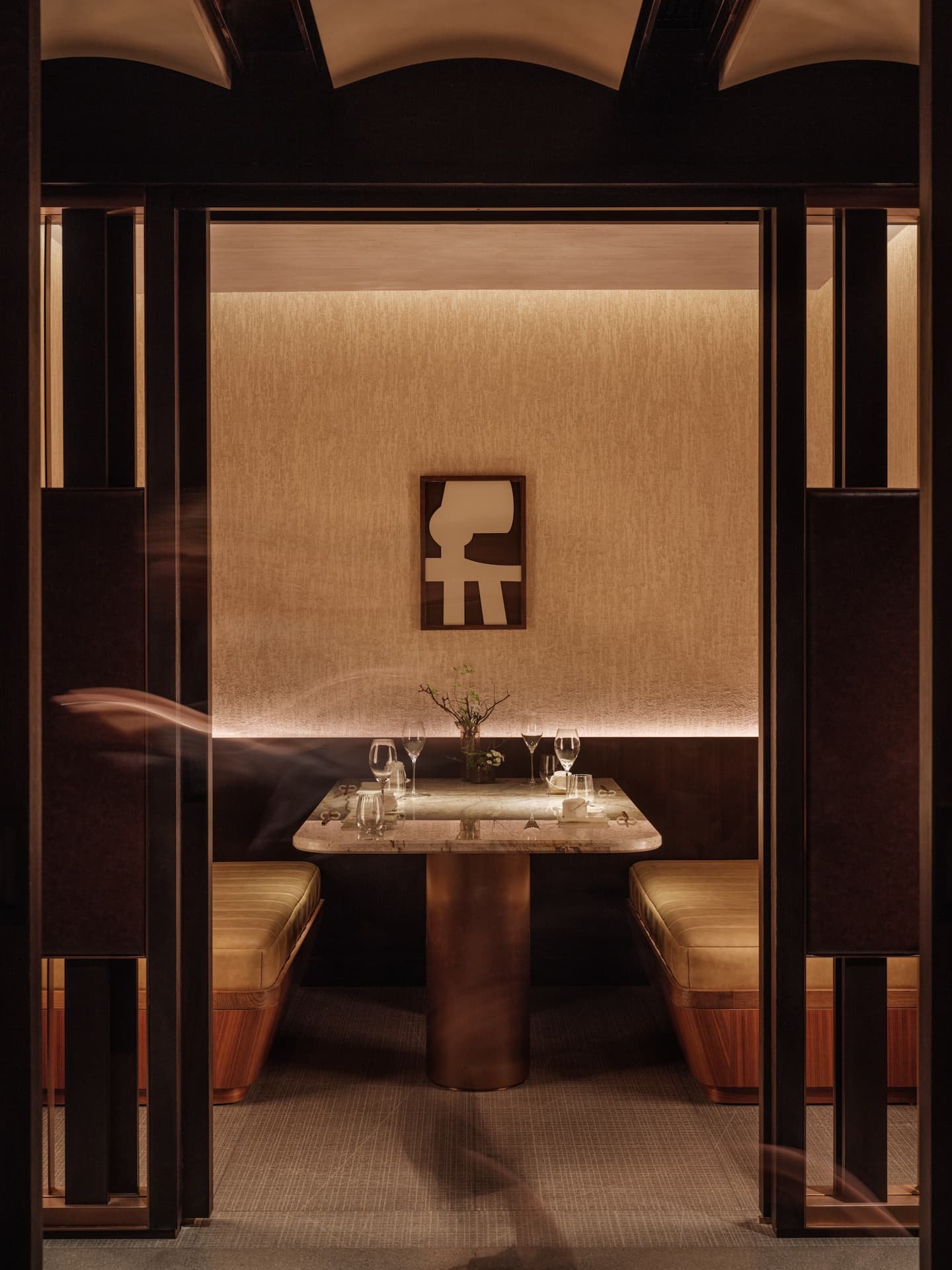
Restaurants in Hanoi
Browse all →
Bars in Hanoi
Browse all →
At a Glance
- Intimate
- Elegant
- Sophisticated
- Cozy
- Date Night
- Special Occasion
- Business Dinner
- Chefs Counter
- Open Kitchen
- Hotel Restaurant
- Sake Program
Current opening hours
- Monday
- Closed
- Tuesday
- 11:30 AM–1:30 PM, 6–10 PM
- Wednesday
- 11:30 AM–1:30 PM, 6–10 PM
- Thursday
- 11:30 AM–1:30 PM, 6–10 PM
- Friday
- 11:30 AM–1:30 PM, 6–10 PM
- Saturday
- 11:30 AM–1:30 PM, 6–10 PM
- Sunday
- Closed
Hours can change for holidays and private events. Last verified .
Intimate and cozy 14-seat counter in a hotel basement with open kitchen, elegant atmosphere, and a sense of privacy and tranquility.