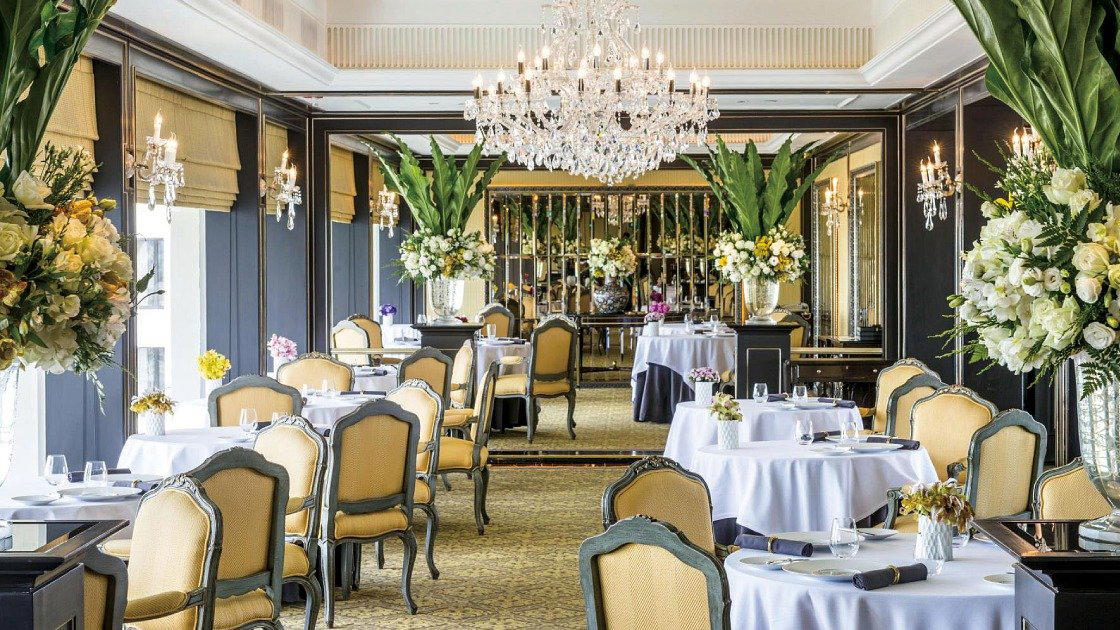
Fairmont Hanoi belongs to the capital’s more formal luxury conversation: a hotel to assess through architecture, public rooms, and how international polish sits beside Hanoi’s layered urban fabric.

Pearl is the En Primeur Club membership app, where members save venues, book tables and use the concierge.
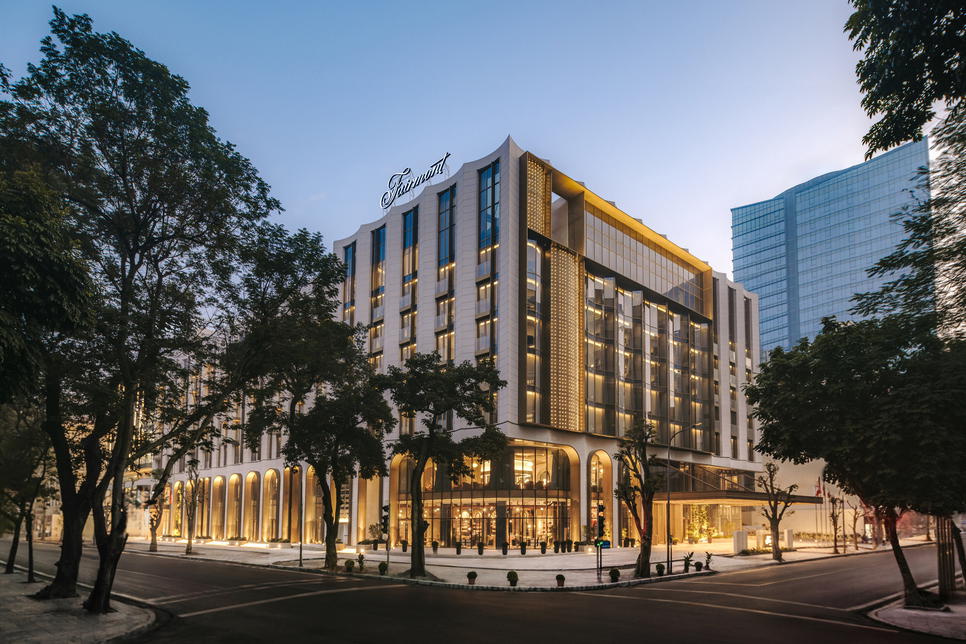
Hanoi luxury is increasingly an argument about buildings
Approaching a high-end hotel in Hanoi is rarely just a matter of arrival. The city compresses French-era boulevards, tube houses, lakeside promenades, government quarters, motorbike traffic, and intimate alley commerce into a tight urban field. In that setting, a hotel’s physical presence carries unusual weight. A lobby can feel detached from the city, or it can interpret Hanoi’s scale with restraint: shaded thresholds, quieter public rooms, materials that do not shout over the street, and circulation that acknowledges the capital’s stop-start rhythm.
Fairmont Hanoi sits inside that design conversation rather than a resort conversation. The name signals an international luxury register, but Hanoi does not reward generic grandeur as easily as beach destinations or purpose-built leisure districts. The city’s stronger hotels tend to succeed when architecture mediates between ceremony and density. That is why comparisons here matter. The question is not only whether a property has polished service, but whether its rooms, bars, restaurants, and arrival sequence make sense in a capital where the Old Quarter can feel handmade, the French Quarter more composed, and West Lake more residential and diplomatic.
For travelers weighing Hanoi hotels, this is the useful frame: the city has split into several luxury modes. There are theatrical, culture-coded hotels such as Capella Hanoi, heritage-facing properties near the opera-house orbit such as Hotel de l'Opera - MGallery Hanoi and Hotel de l'Opera Hanoi, boutique addresses calibrated for shorter city stays such as Aira Boutique Hanoi Hotel & Spa, and smaller local propositions including Hotel de Lagom and Hotel Château de Hanoi. Fairmont Hanoi should be read against those categories: formal branded luxury, likely of interest to guests who want the reassurance of a major name without treating the hotel as separate from the city around it.
Design-led hotels in Hanoi have to solve for scale
Hanoi is not Bangkok, Singapore, or Ho Chi Minh City. Its luxury hotel scene has fewer mega-property signals and more dependence on location, texture, and atmosphere. In the Old Quarter, hospitality is often vertical and compressed; near Hoan Kiem and the opera-house axis, it becomes more ceremonial; around West Lake, it relaxes into diplomatic compounds, residences, and longer-stay calm. A hotel’s architecture is therefore not decoration. It determines whether the guest experience feels urban, civic, theatrical, or secluded.
That distinction matters for a Fairmont-branded address. Fairmont’s international reputation is tied to grand hotels and civic presence, from railway-era properties in Canada to landmark urban hotels in other capitals. That heritage can translate well in Hanoi if the design avoids a pasted-on colonial vocabulary and instead uses proportion, quiet materials, and public-space choreography to create a sense of occasion. The city has enough actual history that imitation reads quickly as costume. Strong hotel design here tends to be referential without becoming a theme set.
Hanoi’s hotel market also asks travelers to choose between intimacy and infrastructure. A smaller property may place guests closer to street life and independent dining, while a larger luxury hotel usually offers more controlled arrival, broader facilities, and more predictable service systems. That trade-off is not a minor detail after a long-haul flight or a wet-season afternoon. It shapes how much energy remains for the city. Guests considering Fairmont Hanoi should compare it not only with other Hanoi addresses, but with how they like to use a capital: as a base for walking and eating, a formal business stop, or a calmer interlude between northern Vietnam and the coast.
The Hanoi hotel field is useful because it is not uniform. GM Premium Hotel in Hoan Kiem points toward the practical appeal of centrality. Hanoi Royal Palace Hotel 2 belongs to the more access-driven side of the market, where proximity and value often matter more than architectural statement. Dusit Le Palais Tu Hoa Hanoi suggests another branded interpretation of comfort in the capital. The more serious comparison for Fairmont Hanoi is with hotels that treat design as part of the stay’s meaning rather than a surface layer.
This is where architecture becomes an editorial filter. A hotel can be expensive without being spatially persuasive. It can have a recognizable brand without saying much about Hanoi. The stronger city hotels earn their place by giving guests a coherent sequence: arrival, room, public space, breakfast or evening drink, and departure all held in the same aesthetic register.
What to expect from the city around the hotel
Hanoi rewards guests who plan by neighborhood rather than by a generic list of sights. Hoan Kiem is the natural center for first visits: walkable, compressed, and dense with food, shops, lakefront movement, and old-city texture. The French Quarter brings wider streets, state buildings, embassies, and cultural venues into the frame. West Lake changes the pace, adding longer drives, larger plots, and a more residential rhythm. Those differences affect hotel choice more than many visitors expect.
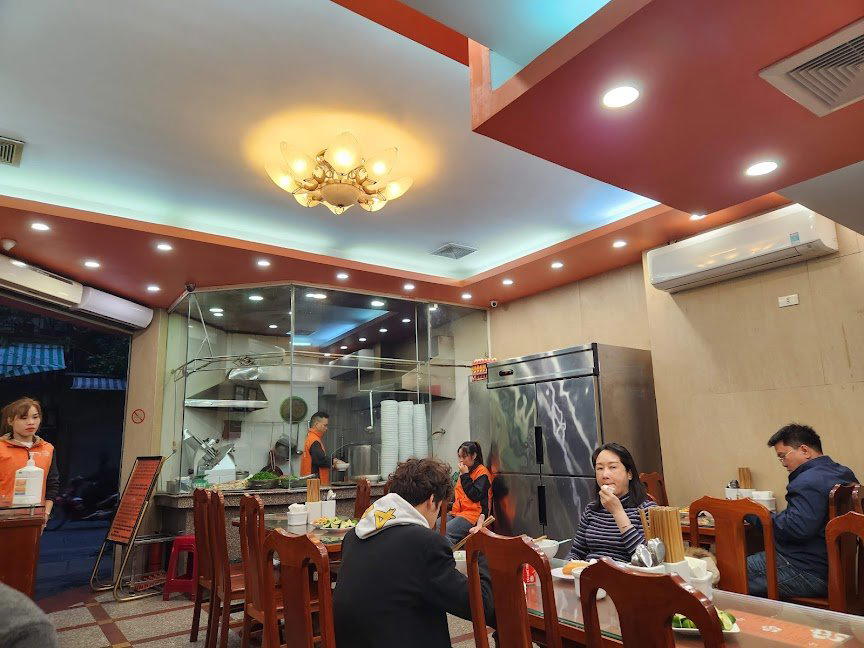
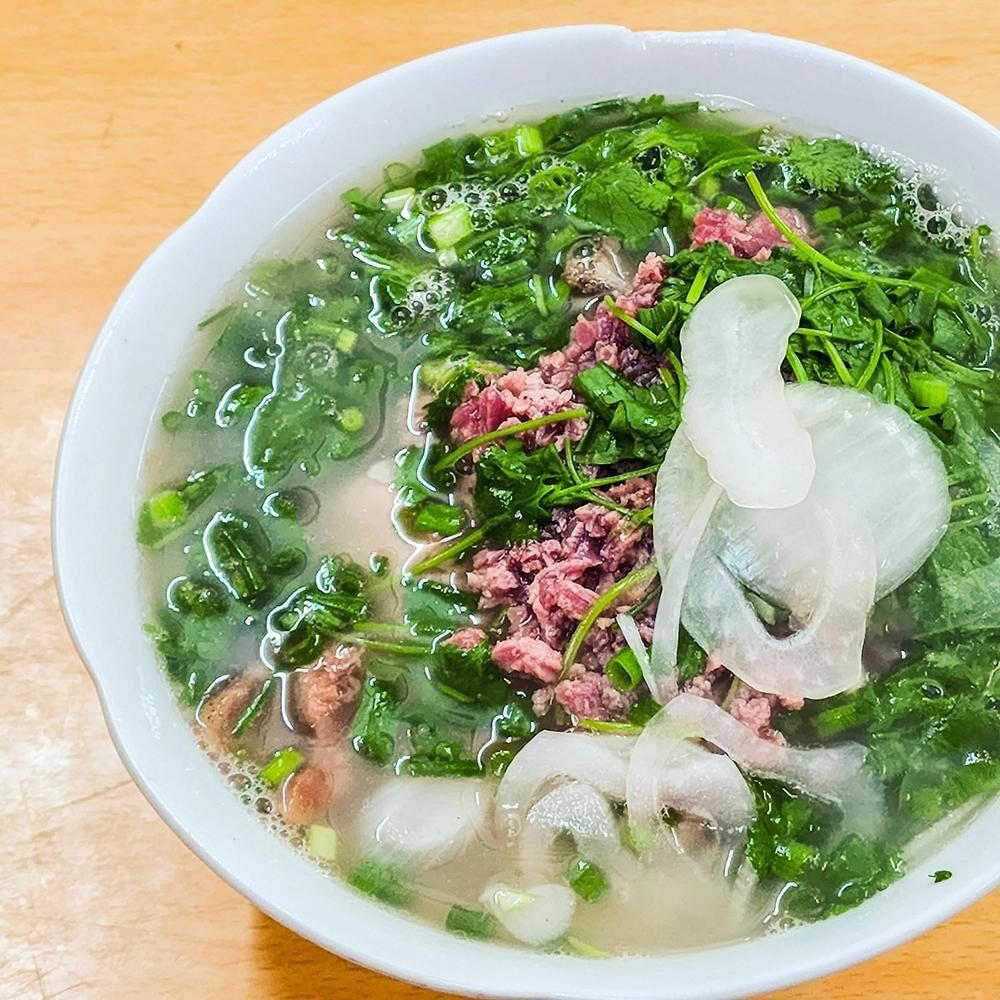
The dining culture follows the same pattern. Hanoi’s defining meals are not only restaurant reservations; they include morning bowls, coffee rituals, bia hoi corners, family-run noodle shops, and newer dining rooms translating northern Vietnamese ingredients into tasting-menu or wine-led formats. Guests who want the broader food map should use Our full Hanoi restaurants guide alongside the hotel decision. The bar scene is also increasingly varied, from hotel lounges to independent cocktail rooms, and Our full Hanoi bars guide is the more useful companion for evening planning than relying only on an in-house venue list. For cultural programming, workshops, markets, and specialist-led formats, Our full Hanoi experiences guide helps separate serious formats from generic sightseeing. Wine is a smaller category in the city, but Our full Hanoi wineries guide keeps that niche visible for readers tracking broader drinking culture.
Seasonality should shape expectations. Hanoi’s cooler months, roughly late autumn through early spring, are easier for walking and café-hopping. Summer brings heat, humidity, and heavy rain, which makes hotel infrastructure more important: covered arrival, calm public spaces, and reliable transport coordination become part of the experience rather than background details. That is the practical reason a larger luxury hotel can justify attention in this city. It provides a buffer when Hanoi is at its most physically demanding.
Planning the stay without overreading missing data
That absence should not be treated as a gap to fill with guesswork. It changes the advice. Before committing, travelers should verify the exact location, current opening status, room inventory, cancellation terms, breakfast arrangement, airport transfer options, and any dining or spa reservations through official channels or a trusted travel adviser.
That caution is especially relevant in Hanoi because a small shift in location changes the trip. A property near Hoan Kiem supports walking-heavy days. A site farther west may trade immediate street life for calmer rooms and easier access to diplomatic or residential districts. A hotel near the opera-house quarter suits guests who like formal boulevards and cultural venues.
For Vietnam-wide context, compare the capital’s urban hotel logic with the country’s resort and heritage-city properties. Amanoi in Vinh Hy represents the secluded coastal model, where landscape and retreat define the stay. Banyan Tree Lăng Cô in Lăng Cô belongs to the integrated resort side of the spectrum. Hotel Royal Gallery Hoi An in Hoi An sits in a heritage-town conversation. Southern and coastal addresses such as Amanaki Saigon Boutique Hotel in Ho Chi Minh City, Asteria Mui Ne Resort in Phan Thiet, The Anam Mui Ne in Mui Ne, and L’Azure Resort & Spa in Phu Quoc solve different problems: beach time, resort facilities, or softer leisure pacing. Hanoi is sharper-edged. The hotel has to work as an urban instrument.
Mountain and rural Vietnam add another contrast. Garrya Mu Cang Chai in Lao Cai Province points toward landscape immersion and slower movement. Hanoi compresses experience into shorter distances and denser decisions. That makes the design of the room, the acoustic separation from the street, and the usefulness of public spaces more consequential. A hotel that looks persuasive in photographs can fail the city if it cannot manage noise, weather, and transitions.
Questions travelers are already asking
What room should I choose?
Choose by exposure and purpose rather than by label. In Hanoi, quieter orientation, higher floors where available, and enough workspace can matter more than decorative category names.
What is the one thing a first-timer should know?
Treat the hotel as the base, not the whole Hanoi experience. The city’s strongest pleasures often happen at street level, across coffee counters, noodle shops, galleries, lake walks, and evening drinks. Use Our full Hanoi hotels guide to compare the sleep decision, then build the day around neighborhood movement rather than staying inside a single property bubble.
Does it justify its room rates?
The fair test is whether the rate buys tangible urban advantages: location that fits the itinerary, quiet rooms, serious service systems, useful public spaces, and design that feels specific to Hanoi rather than transferable to any capital. Awards are also not listed, so price should be judged against current competitors rather than assumed prestige.
How Fairmont Hanoi fits a wider luxury map
Internationally, city hotels with strong identities tend to do more than provide rooms. The Fifth Avenue Hotel in New York City uses design to mediate between residential fantasy and downtown energy. Hôtel de Paris Monte-Carlo in Monte Carlo is inseparable from civic theatre and address value. Badrutt's Palace Hotel in St. Moritz operates within alpine seasonality and social ritual. Hanoi asks for a different intelligence: not spectacle for its own sake, but a controlled urban refuge that lets the city remain legible.
That is the sharper way to think about Fairmont Hanoi. The hotel’s promise, based on the available record, cannot be reduced to specific restaurants, named designers, room counts, or awards because those facts are not supplied. Its relevance comes from the category it enters. Hanoi needs luxury hotels that understand density, weather, history, and the traveler’s need to move between street-level intensity and interior calm. If the property delivers that balance, it belongs in the serious Hanoi conversation. If it relies only on brand familiarity, the city has enough character to expose the difference quickly.
Comparable Venues Nearby
Comparable venues nearby, for context on price, style, and recognition.
| Venue | Cuisine | Price | Awards | Notes |
|---|---|---|---|---|
| Fairmont HanoiThis venue (the venue you are viewing) | Urban luxury flagship blending a mixed‑use tower with a high‑end Fairmont hotel, spa, and large‑scale event facilities in the historic heart of Hanoi. | $300–500 | Not listed | Not listed |
| Meliá Hanoi | Modern luxury tower with rooftop exclusivity | $100–200 | Not listed | Hoan Kiem |
| Hotel de l'Opera - MGallery Hanoi | French colonial architecture with contemporary furnishings and operatic interiors | $100–200 | Michelin Selected | Hoan Kiem |
| Mövenpick Hotel Hanoi Centre | Blends preserved French colonial architecture with modern residential comfort. | Not listed | World Luxury Hotel Awards WLHA Continent Winner | Hoan Kiem |
| InterContinental Hanoi Westlake by IHG | Luxury lakeside resort blending contemporary design with Vietnamese architectural elements, positioned as Vietnam's most romantic resort. | $200–300 | Michelin Selected | Tay Ho |
| Hotel de l'Opera Hanoi | Boutique luxury with theatrical opera theme | $100–200 | Michelin Selected | Hoan Kiem |
Continue exploring
More in Hanoi
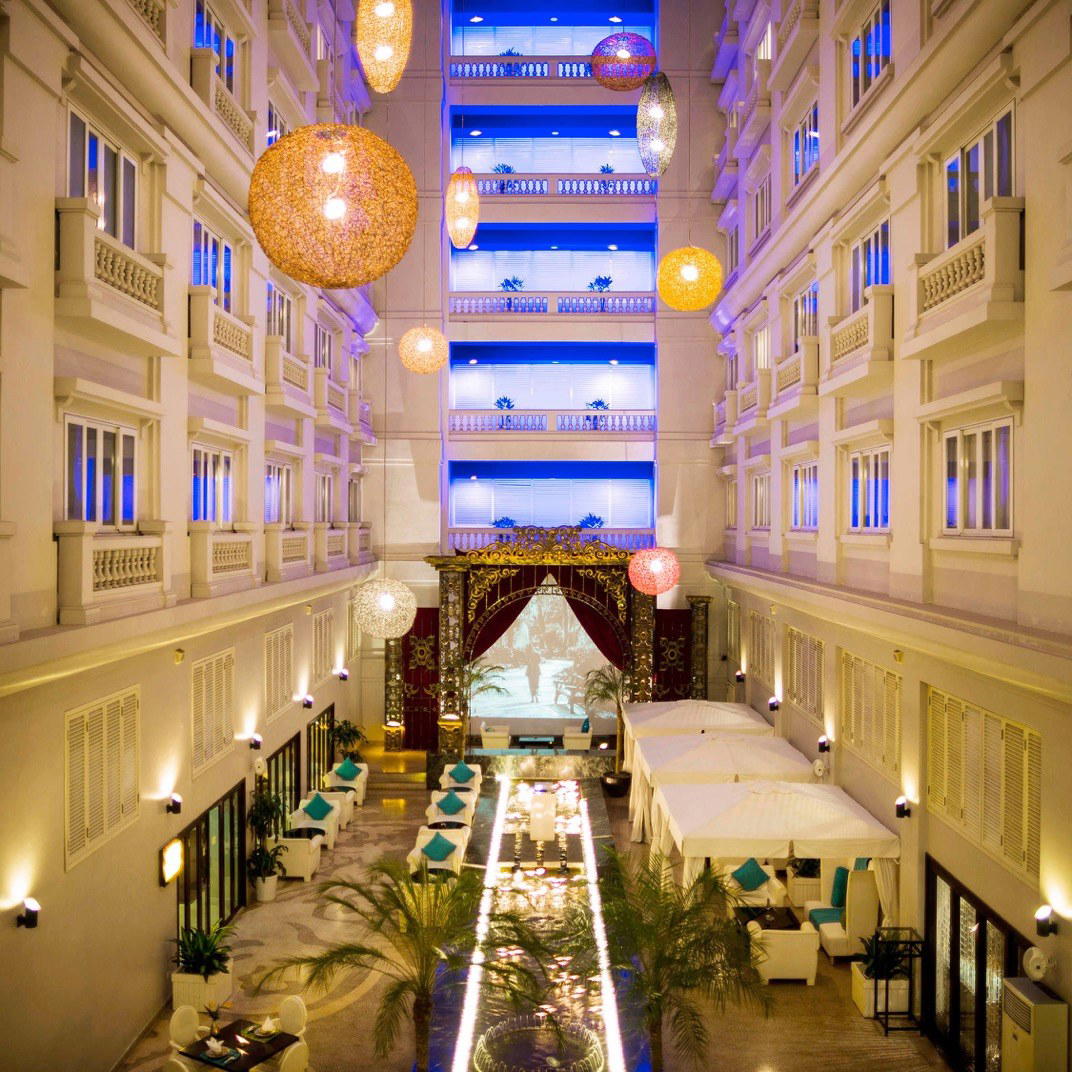
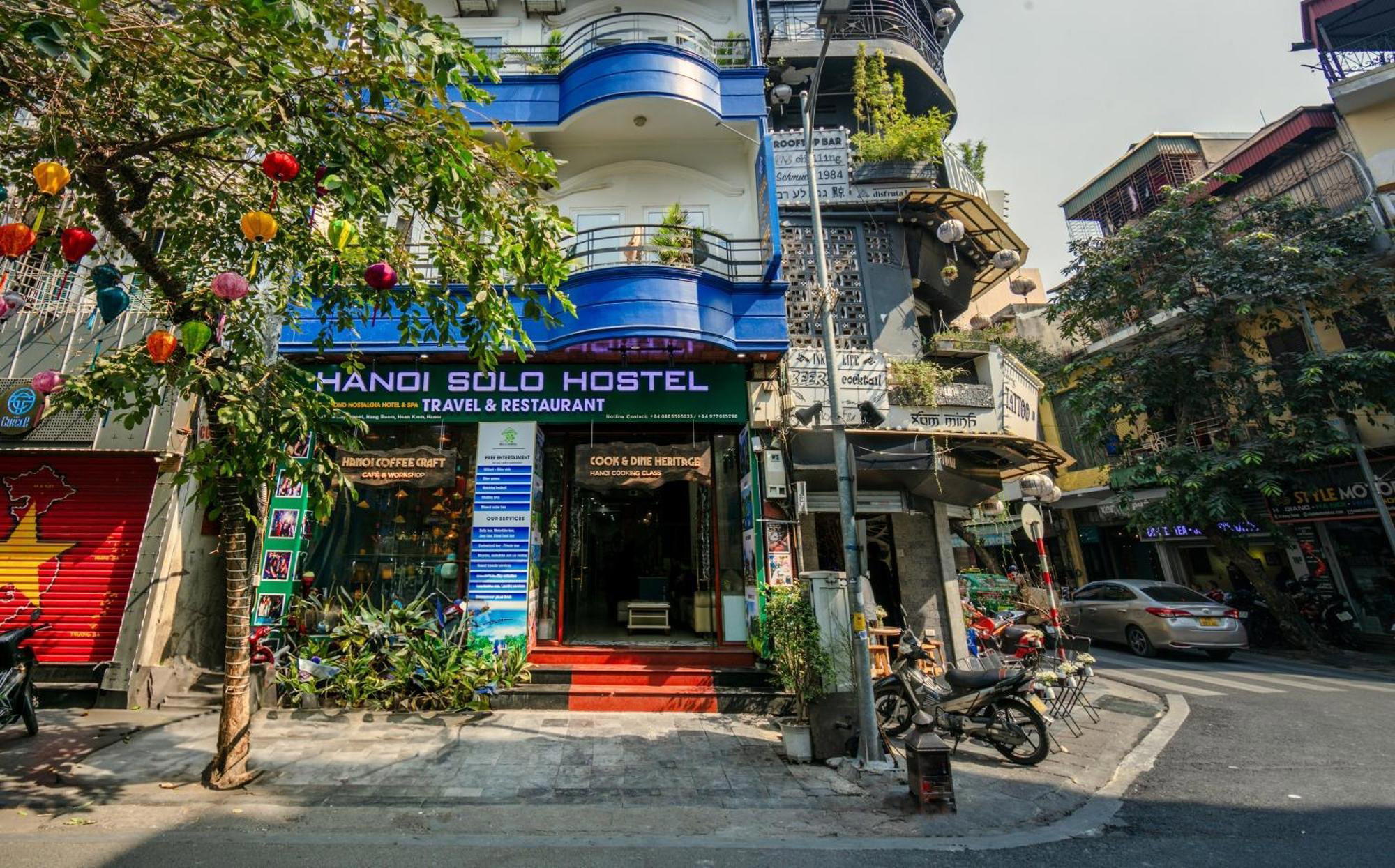
Hotels in Hanoi
All hotels in Hanoi →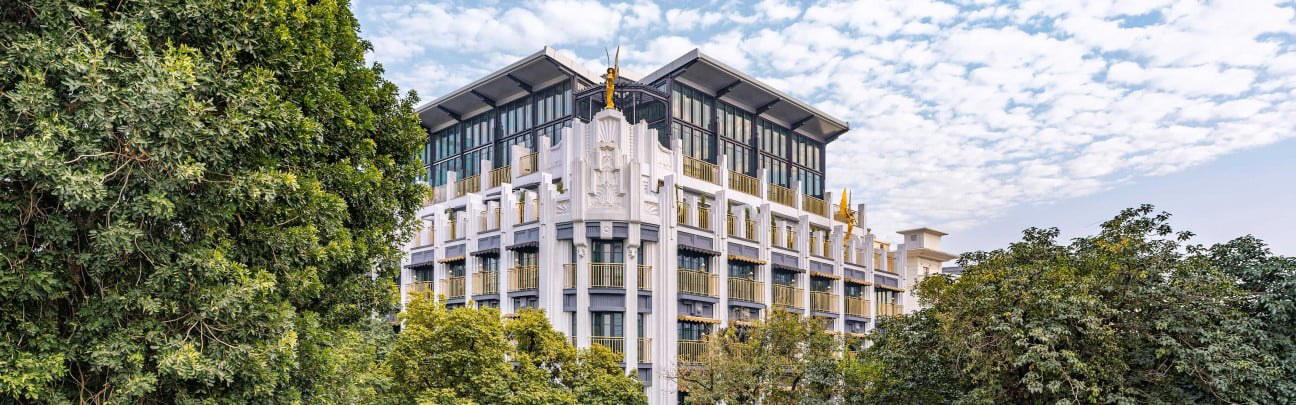
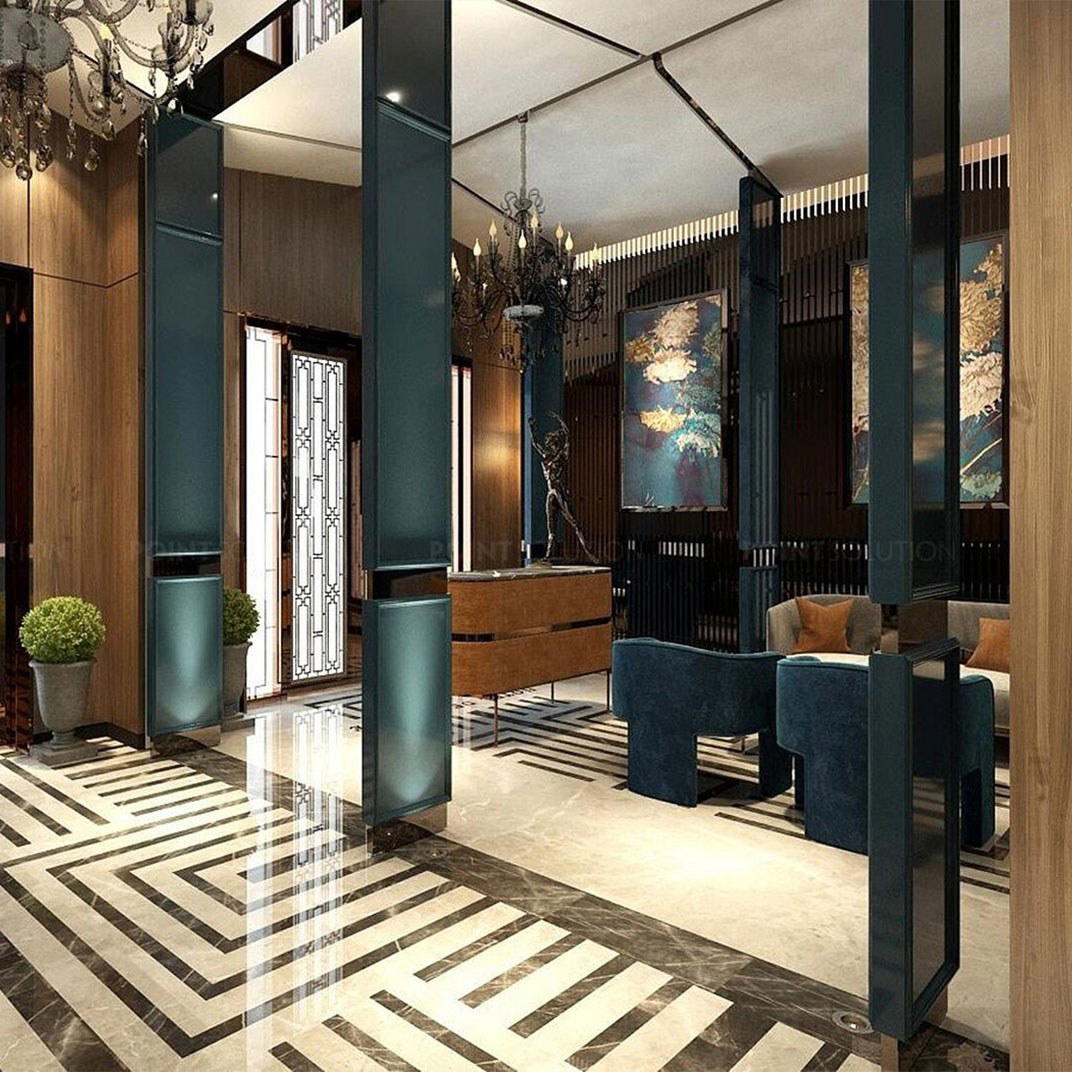
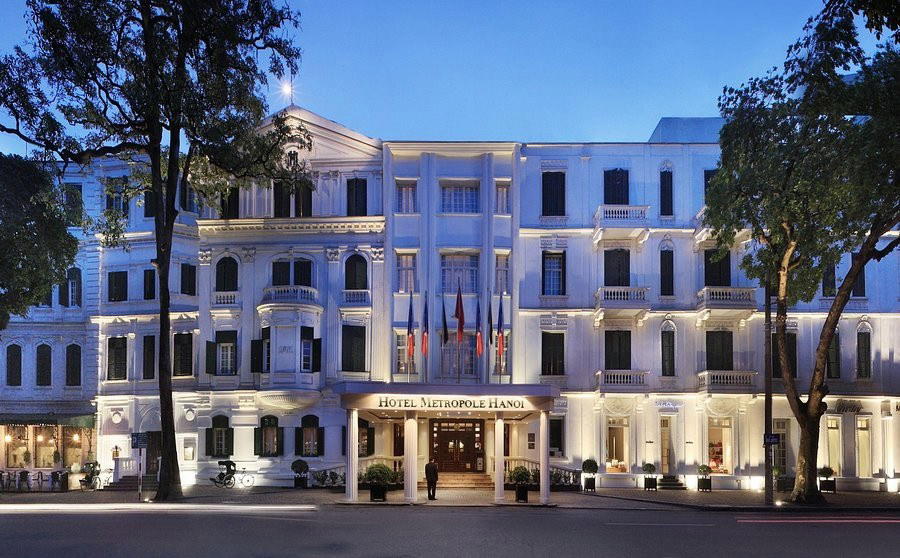
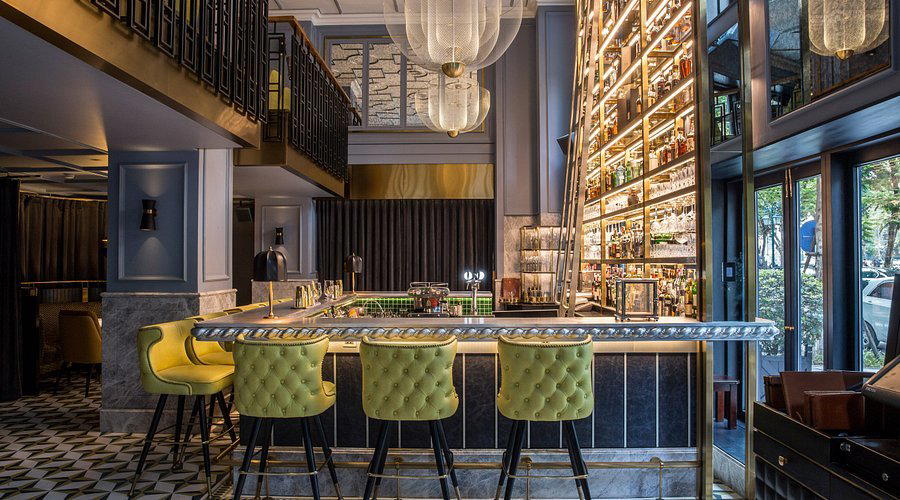
Bars in Hanoi
All bars in Hanoi →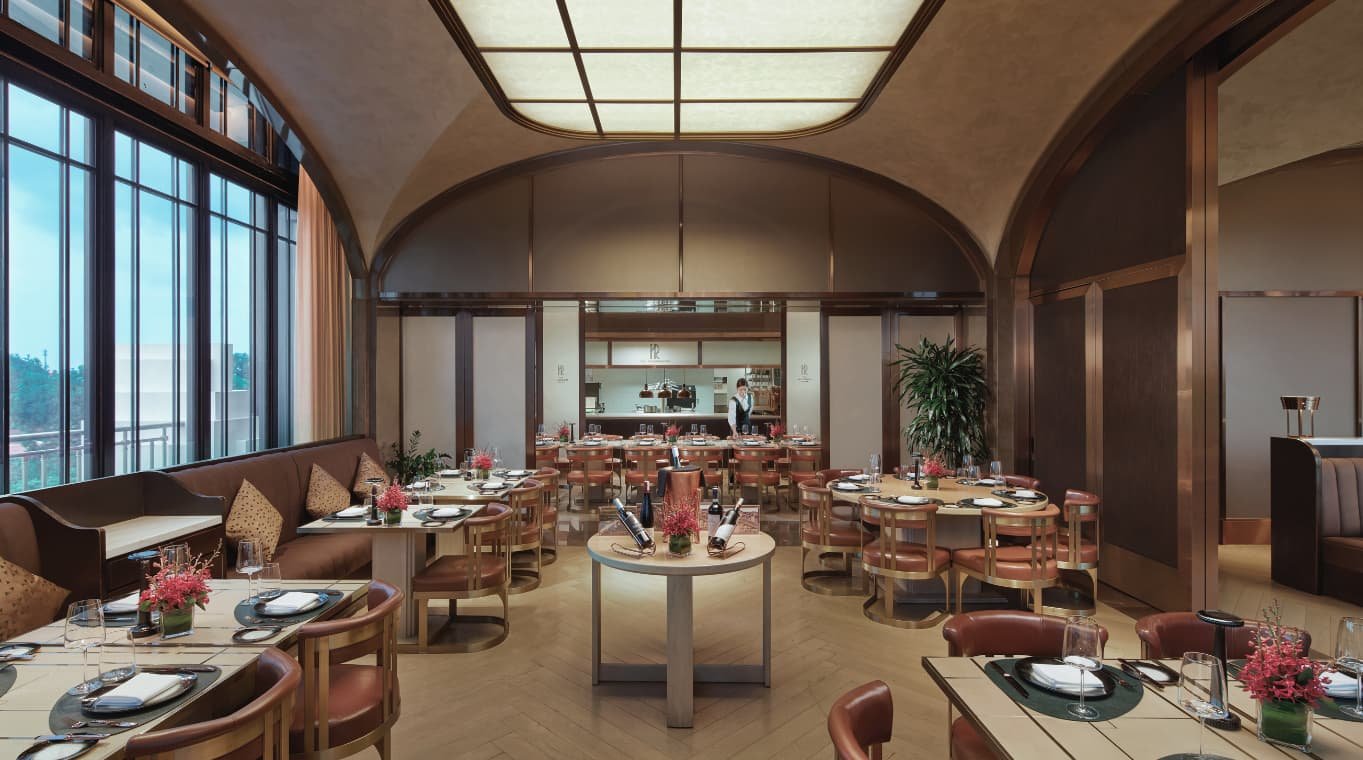
Details
- Modern
- Elegant
- Sophisticated
- Ornate
- Well Known
- Business Trip
- Romantic Getaway
- Family Vacation
- Weekend Escape
- Celebration
- Destination Wedding
- Wellness Retreat
- Rooftop Pool
- Destination Spa
- Historic Building
- Design Destination
- Panoramic View
- Terrace
- Wi Fi
- Pool
- Spa
- Fitness Center
- Room Service
- Concierge
- Business Center
- Valet Parking
- Skyline
- Garden
- Street Scene
- Elevator
Upscale and contemporary with mid‑century and Indochine‑French colonial influences, blending warm, polished service and curated art with a lively urban energy in the heart of Hanoi.