Our verdict
On Cát Bà Island, Phuong Nhung Restaurant draws visitors and locals alike with seafood pulled from the waters of Lan Ha Bay and the Gulf of Tonkin. The setting is straightforward island dining, where proximity to the source matters more than ceremony. For travellers passing through Cat Hai district, it represents the kind of place that earns its reputation through consistency rather than credentials.
The menu
What to order
- Oysters
- Pad Thai noodles
- Pho
- Rice noodles
- Seafood
Where the Gulf Comes to the Table
Cát Bà Island sits at the southern edge of Ha Long Bay's ecosystem, separated from the mainland by a short ferry crossing and governed by the rhythms of the Gulf of Tonkin. The waters surrounding Cat Hai district are among the most productive fishing grounds in northern Vietnam, and the restaurants that line the island's main township reflect that proximity in the most direct way possible: the catch that arrived at dawn is on the table by midday. Phuong Nhung Restaurant operates within that tradition, occupying a position in the island's dining scene that is defined less by formal accolades and more by its place in the supply chain between sea and plate.
This is not the kind of dining that competes with urban Vietnamese contemporaries such as Gia in Hanoi or the innovative tasting menus at Akuna in Ho Chi Minh City. Those restaurants work with Vietnamese ingredients through the lens of technique and curation. Here, the editorial work is done upstream, at the point of sourcing, and the cooking exists to express what the water produces rather than to transform it.
The Sourcing Logic of Island Seafood
Understanding why Cát Bà's seafood dining works requires understanding the geography. The island is ringed by limestone karst formations that shelter calm bays and create the kind of nutrient-rich tidal environment where crab, shrimp, squid, and reef fish thrive. Local fishing communities have worked these waters for generations, and the supply chain between boat and kitchen on the island is shorter than almost anywhere else in Vietnam's coastal north. What reaches a restaurant like Phuong Nhung travels, in many cases, a matter of kilometres rather than hundreds.
That compression of distance matters for texture and flavour in ways that are well-documented in seafood gastronomy globally. The difference between fish consumed within hours of landing and fish that has spent two days in transit is not subtle. In this context, the sourcing is the skill, and the kitchen's job is largely one of restraint: applying heat and seasoning in ways that preserve rather than obscure. This is a different craft from what you find at, say, La Maison 1888 in Da Nang, where French technique is layered onto Vietnamese produce, or at Le Bernardin in New York City, where the same sourcing-first philosophy is executed through a fine-dining apparatus that costs considerably more.
Cat Hai's version is democratic. The produce quality is high because the geography guarantees it, not because a procurement team has negotiated with distant suppliers.
The Setting and What to Expect
The township of Cát Bà, which sits within the Cat Hai administrative district of Hai Phong province, has evolved significantly over the past decade as domestic tourism from Hanoi and Hai Phong city grew and as international backpacker circuits extended from Ha Long Bay into the island proper. The dining scene has stratified accordingly, with seafood restaurants ranging from open-air stalls along the waterfront to slightly more organised sit-down establishments. Phuong Nhung sits within the latter category, offering a more composed environment than street-level vendors while remaining firmly within the casual register that characterises most island eating.
Visitors arriving from Hai Phong via ferry, or crossing from Ha Long by speedboat, will find the restaurant accessible from the main township area. For those also planning time in the broader Hai Phong region, Le Pont Club in Hai Phong offers a contrasting urban dining reference point. The island operates on tourist-season rhythms, with peak footfall running from late spring through early autumn when weather conditions in the Gulf of Tonkin are most favourable for both fishing and leisure travel. Visiting outside peak months generally means shorter waits and, in some cases, better access to the fishing fleet's output when demand is lower.
Cat Hai in the Wider Vietnam Coastal Dining Context
Vietnam's coastal dining culture is not uniform. Central Vietnam operates on different seafood traditions, visible in restaurants such as Saffron in Hue City or the Cargo Club Cafe and Restaurant in Hoi An, where the produce mix and cooking vernacular diverge from what you encounter in the north. Even within the Da Nang orbit, the references shift, as seen at venues like Bau Troi Do in Son Tra or Mi Quang Ba Vi in Thanh Khe, where regional noodle traditions anchor the menu rather than live seafood.
Cát Bà's northern position means its culinary vocabulary is closer to the Hai Phong and Quang Ninh traditions: emphasis on freshness over spice complexity, preference for steaming and grilling over elaborate sauce construction, and a general tendency to let the protein carry the dish. This is not minimalism by aesthetic choice; it is minimalism by logic, a response to the quality of what the sea provides. Restaurants elsewhere in the country that work with lesser-quality seafood compensate with more elaborate preparation. On Cát Bà, that compensation is less necessary.
For a broader map of where Phuong Nhung sits within the Cat Hai dining scene, our full Cat Hai restaurants guide covers the range of options across the island, from budget seafood to the more organised establishments in the township centre.
Planning Your Visit
Island restaurants of this type do not typically operate reservation systems in the conventional sense, and walk-in access at off-peak hours is generally direct. Travelling in the May-to-September window aligns with the strongest fishing activity and the warmest conditions for exploring Lan Ha Bay, though typhoon season (July through September) introduces weather variability that can affect both ferry crossings and local fishing output.
Visitors with a deeper interest in Vietnam's coastal restaurant scene at different price points and culinary registers might also consider Duyén Anh Restaurant in Phu Vang, Nha hang Madame Lan in Hai Chau, or the seafood-focused Bien 14 Seafood Buffet Restaurant in Hao Long for contrast across formats and regions. For a sense of how Vietnam's contemporary fine dining registers by comparison, Lazy Bear in San Francisco offers a useful international reference for the chef-driven tasting format that sits at the other end of the dining spectrum from Cát Bà's direct sourcing model.
Frequently asked questions
Would Phuong Nhung Restaurant be comfortable with kids?
Cát Bà township restaurants of this type generally draw a broad local and visitor mix, and the relaxed pace of island dining in Cat Hai tends to suit families. The address places it within the township centre, which is walkable and low-traffic by Vietnamese town standards. Specific facilities for children are not documented, so checking directly on arrival or through your accommodation is the practical route.
What should I expect atmosphere-wise at Phuong Nhung Restaurant?
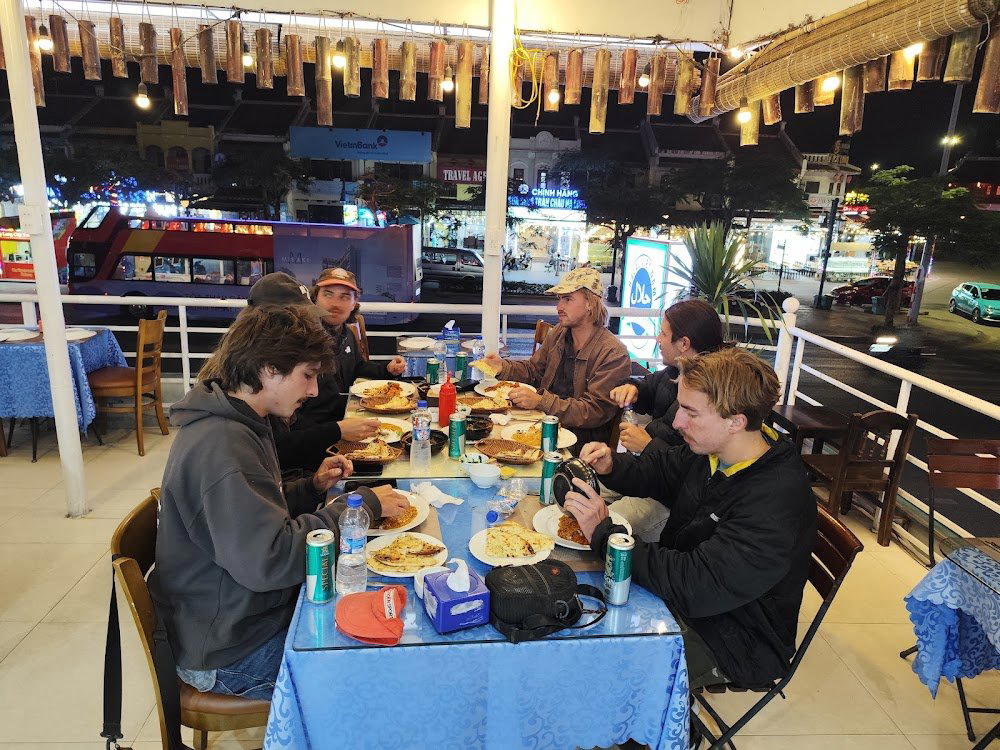
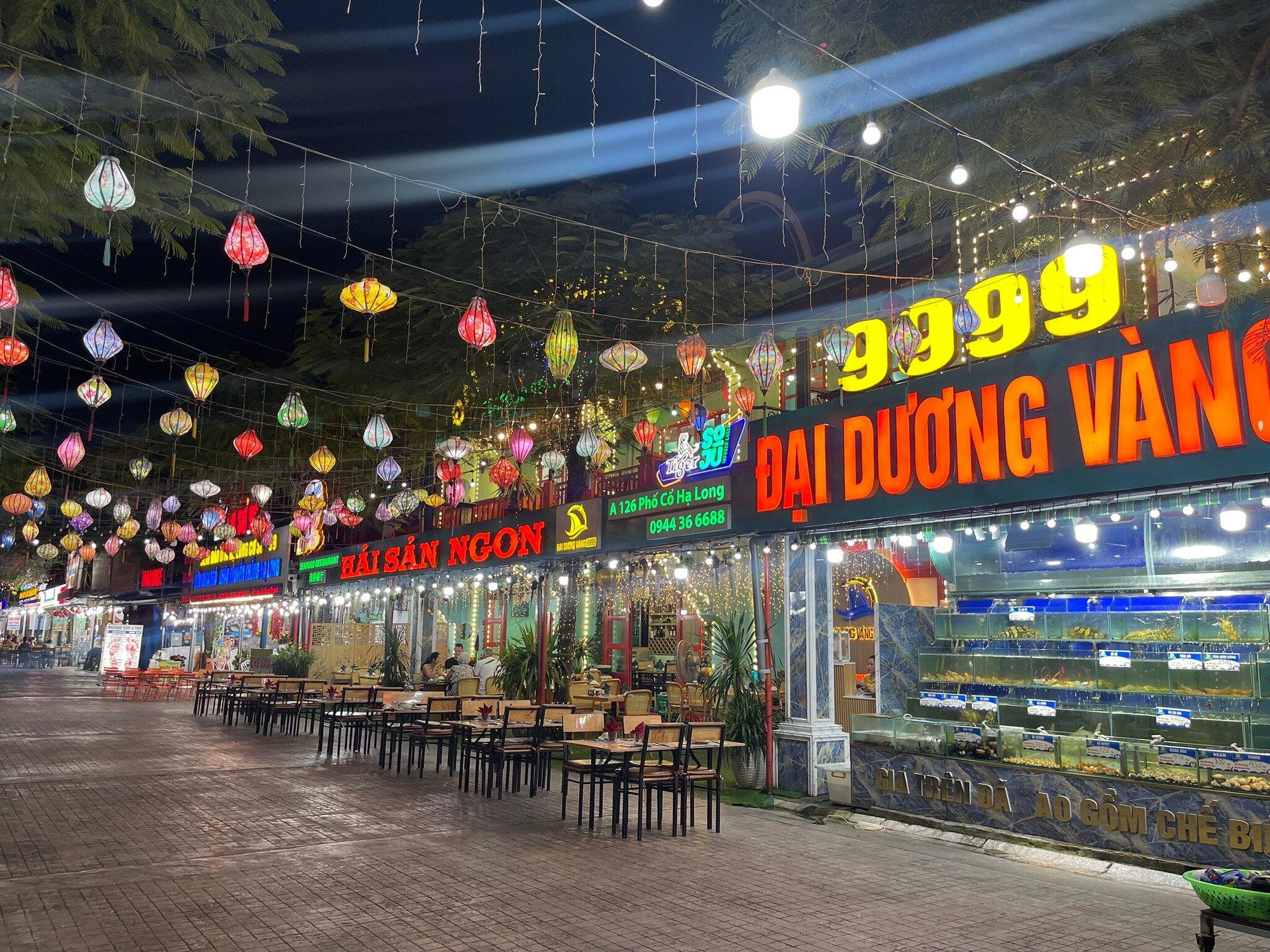
Cát Bà township restaurants in the Cat Hai district operate in a workaday coastal register, think open-fronted rooms, table arrangements built for groups, and a pace set by the fishing schedule rather than a hospitality script. Phuong Nhung sits within this local dining culture rather than outside it. Visitors accustomed to resort dining should recalibrate expectations toward neighbourhood function over formal presentation.
Is Phuong Nhung Restaurant a good option for seafood dining near Ha Long Bay?
Phuong Nhung Restaurant is located in Cát Bà township within Cat Hai district, Hai Phong province, administratively distinct from Ha Long City but ecologically part of the same limestone bay system. For travellers crossing to Cát Bà Island rather than staying on the Ha Long City side, it represents a local dining option within the township rather than a resort-facing alternative. The island's geographic separation from the mainland keeps its seafood supply chain shorter than most Ha Long Bay-adjacent restaurants on the Quảng Ninh shore.
What's the best thing to order at Phuong Nhung Restaurant?
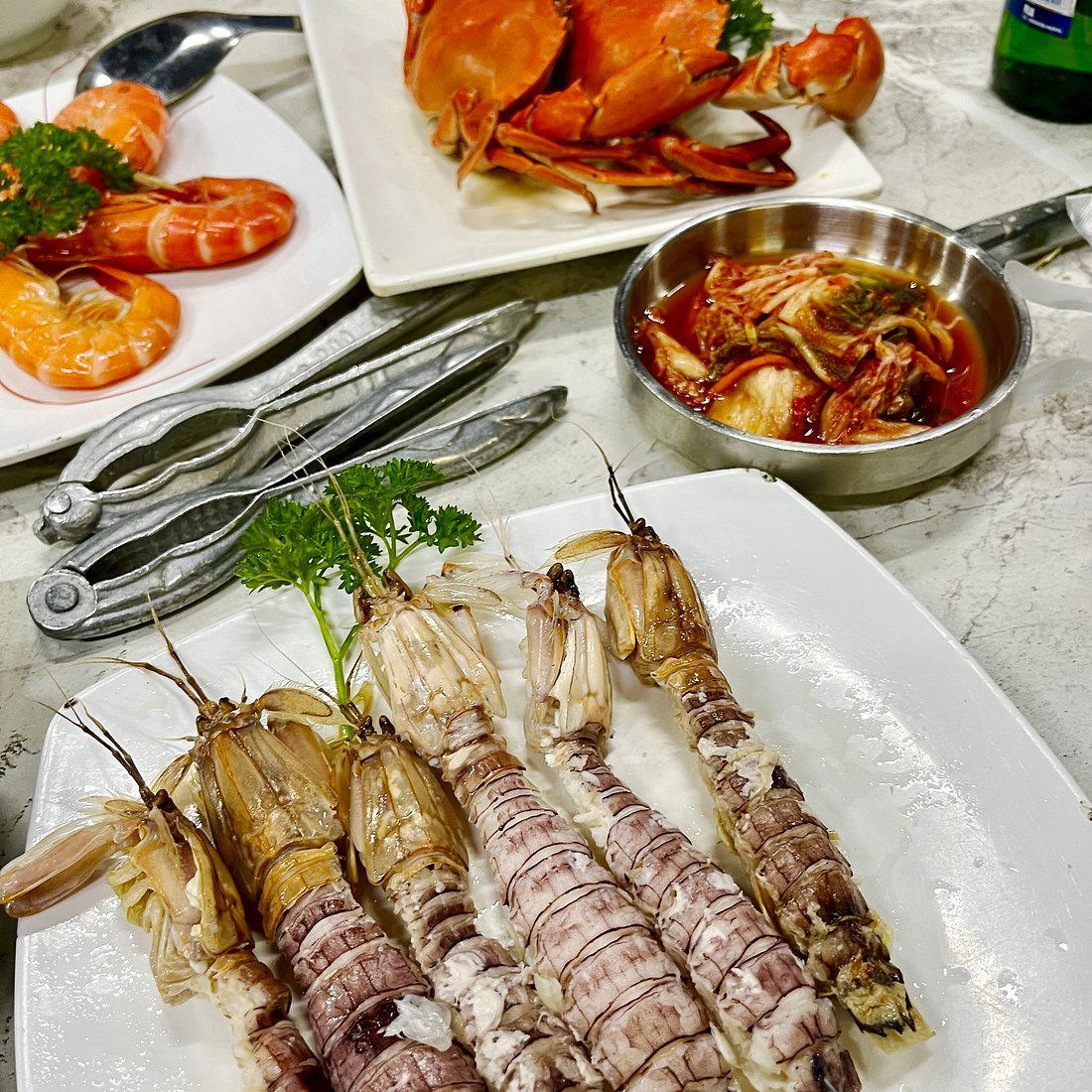
Specific menu documentation for Phuong Nhung is not publicly detailed, but Cat Hai's position at the southern edge of Ha Long Bay means the island's seafood supply reflects the karst-sheltered waters directly offshore. Across Cát Bà township, crab, mantis shrimp, and clams sourced from local fishing operations are the standard reference points. Ordering based on what arrived that morning is the approach most consistent with how island seafood restaurants in this district actually work.
In Context: Similar Options
| Venue | Cuisine | Price | Awards | Notes |
|---|---|---|---|---|
| Phuong Nhung RestaurantThis venue (the venue you are viewing) | Traditional Vietnamese Seafood & Noodles | Not listed | Not listed | Not listed |
| Anan Saigon | Modern Vietnamese Street Food Fine Dining | $50–100 | 1 Michelin Star · World's 50 Best #86 | Vietnamese Street Food, ₫₫ |
| La Maison 1888 | Michelin-Starred French Contemporary | $150–200 | 1 Michelin Star · La Liste Top Restaurants | French Contemporary, ₫₫₫₫ |
| Akuna | Modern Australian-Vietnamese Fine Dining | $150–200 | 1 Michelin Star · La Liste Top Restaurants | Innovative, ₫₫₫₫ |
| Coco Dining | Progressive Vietnamese Fine Dining | $150–200 | 1 Michelin Star | Innovative, ₫₫₫ |
| Gia | Modern Vietnamese Fine Dining | $100–150 | 1 Michelin Star · La Liste Top Restaurants | Vietnamese Contemporary, ₫₫₫₫ |
Continue exploring
More in Cat Hai

Details
- Casual
- Lively
- Casual Hangout
- Family
- Group Dining
- Standalone
- Local Sourcing
- A La Carte
- Family Style
- Pescatarian Friendly
Casual, unpretentious dining environment with a focus on food quality over ambiance; can be quiet during off-peak hours.