Michelin Bib Gourmand
Our verdict
Habakuk brings European contemporary cooking to Phan Huy Chú Street in Hanoi's Hoàn Kiếm district, holding back-to-back Michelin Bib Gourmand recognition in 2024 and 2025. It sits at the ₫₫ price tier, making it one of the more accessible entry points into Hanoi's Michelin-tracked dining scene.

Pearl is the En Primeur Club membership app, where members save venues, book tables and use the concierge.
The menu
What to order
- Homemade pasta
- Burrata tomato salad
- Grilled octopus salad
- Single-origin coffee
- Panini
A European Accent on a Quiet Hoàn Kiếm Street
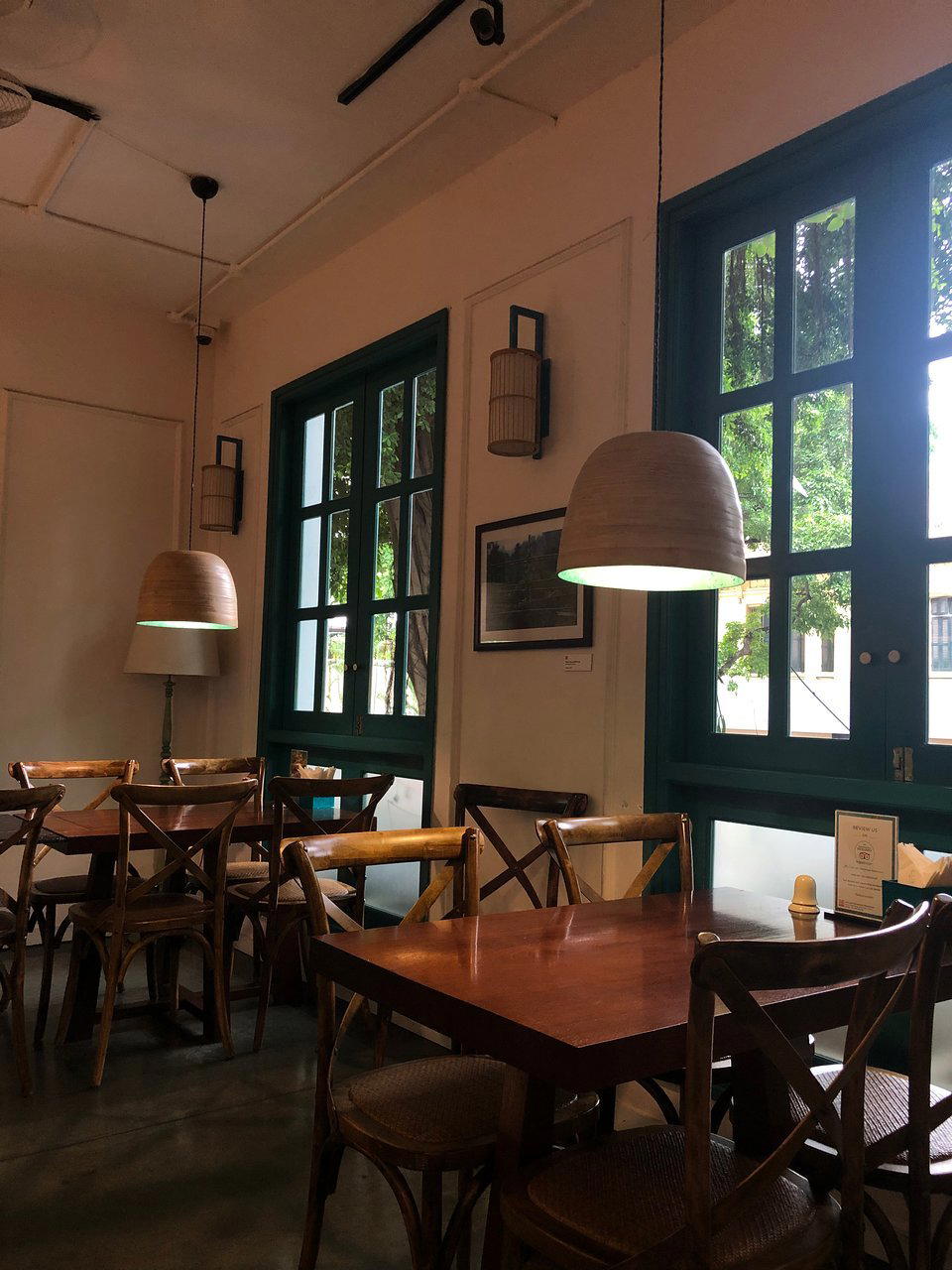
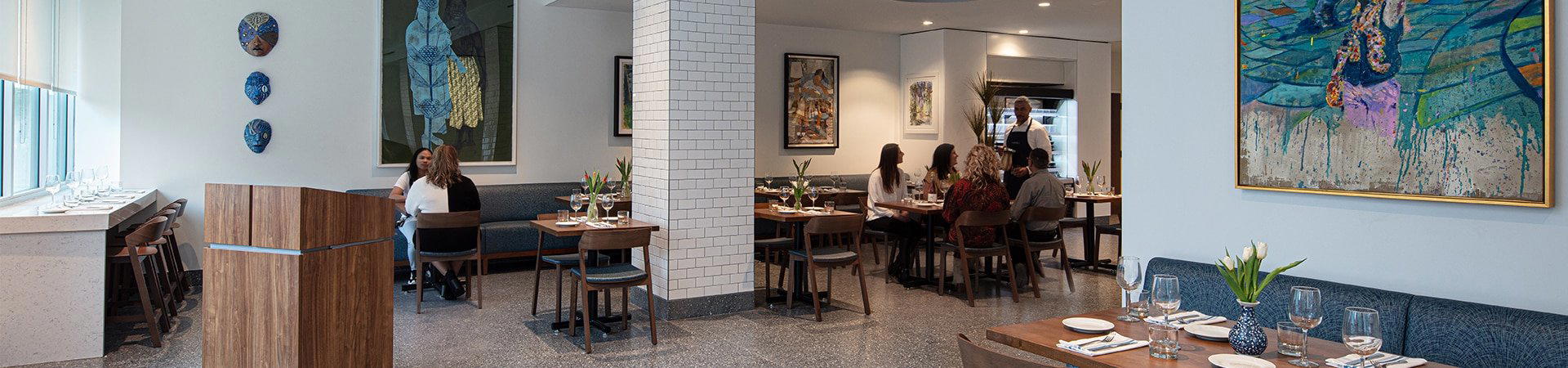
Phan Huy Chú is the kind of address that rewards the visitor who arrives on foot rather than by map pin. The street runs through Phan Chu Trinh ward in Hoàn Kiếm, a district where the French colonial grid still organises the blocks, shuttered shophouses press close to the pavement, and the ambient noise is scooters rather than tourist crowds. Arriving at Habakuk, the transition from street-level Hanoi to a European contemporary kitchen happens without ceremony, which is appropriate: the restaurant's identity rests on cooking, not on spectacle.
European contemporary as a category has developed a specific tension in Southeast Asian cities over the past decade. The format is technically European in its classical foundations but shaped by its host city's ingredient access, price expectations, and dining rhythm. In Singapore, venues like Zén operate that tradition at the fine-dining tier. In Bangkok, IGNIV imports the Alpine sharing-format model. In Shanghai, EHB anchors European craft to a high-density urban audience. Habakuk occupies a different position: Michelin-recognised but priced at ₫₫, it represents the point where European technique reaches an accessible bracket in a city where that combination is still relatively rare.
What Bib Gourmand Signals in This Market
Michelin's Bib Gourmand designation, awarded to Habakuk in both 2024 and 2025, marks a specific category of recognition: good cooking at a price that sits below the guide's starred tier. In Hanoi's current Michelin landscape, that distinction carries weight. The city's starred restaurants, including Gia and Hibana by Koki, both operate at ₫₫₫₫. Even Tầm Vị, the Vietnamese one-star that works within traditional frameworks, commands a higher price point than Habakuk's ₫₫ positioning.
Back-to-back Bib recognition is not automatic. It signals that a kitchen has maintained consistency across two full Michelin inspection cycles, which in a city still developing its infrastructure for European-style ingredient sourcing is a meaningful operational achievement.
For comparison within the European contemporary format across Asia, venues like Ad Astra in Taipei and Caractère in London demonstrate how the category scales across price tiers and geographies. Habakuk's position at the accessible end of that spectrum, with verified Michelin recognition, is the structural argument for why it registers differently from a generic European café or bistro in Hanoi.
The Sensory Register of a Mid-Range European Kitchen in Hanoi
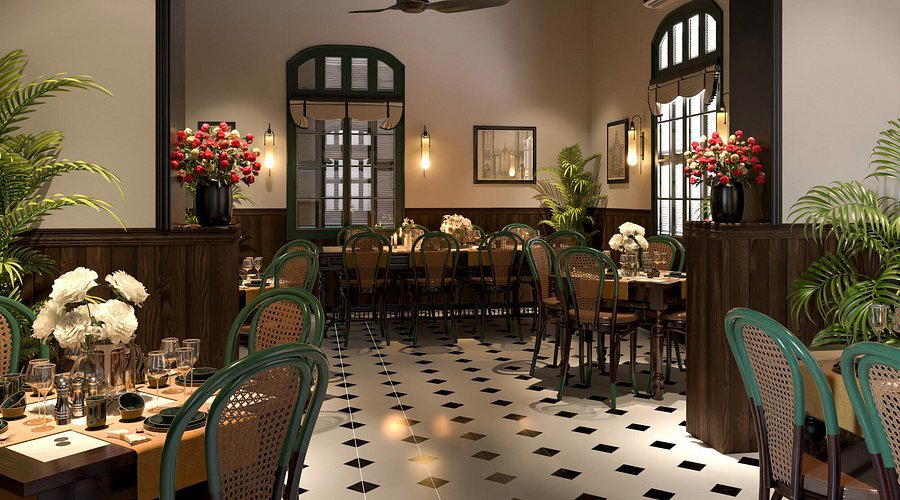
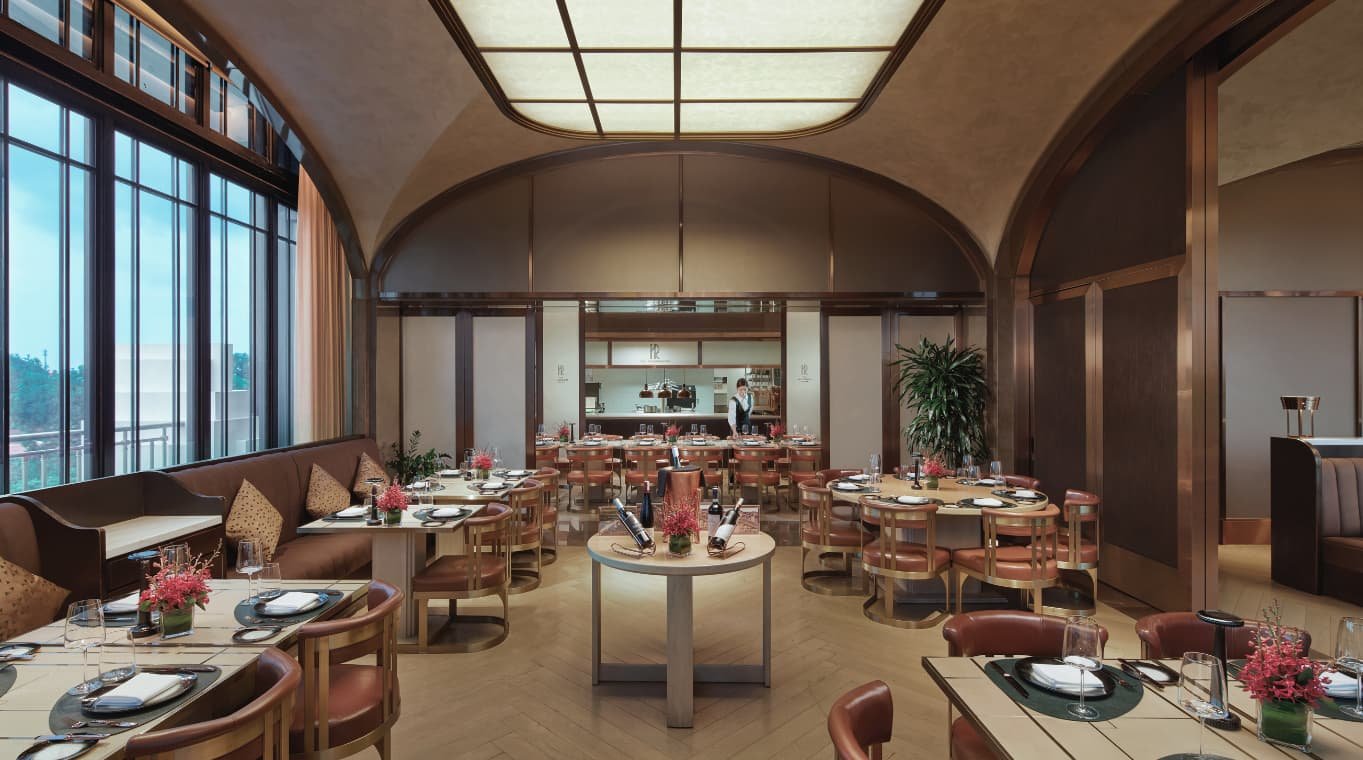
The editorial convention for writing about European contemporary restaurants in Southeast Asia tends toward the visual: white tablecloths, imported glassware, the visual grammar of a European dining room transplanted. The more useful frame for Habakuk, given what the address and price point suggest, is aural and olfactory. Hoàn Kiếm at street level is a particular kind of noise: the flat percussion of motorbike engines, vendors, the compressed acoustic of narrow streets. A restaurant that holds a 4.5 rating at volume, in that environment, stands out within Hanoi's busy street life.
What European contemporary kitchens in the ₫₫ bracket do well, when they work, is compress the sensory range without abandoning the technique. The smell of reduction sauces, of butter used in quantity, of protein cooked with European timing rather than Vietnamese wok speed: these are distinct registers in Hanoi's food environment, where the dominant kitchen vocabulary is broth, fresh herbs, and quick heat. That contrast is part of what draws a Hanoi audience to the format, and part of what the Bib Gourmand appears to be recognising: not mere novelty, but execution that justifies the sensory departure.
Habakuk in Hanoi's Broader Dining Pattern
Hanoi's restaurant scene has diversified quickly since 2022, when Michelin first included Vietnam. The guide's arrival accelerated a sorting process that was already underway: restaurants that could sustain technical consistency rose into recognition tiers, while the broader market remained dominated by Vietnamese formats at single-tier pricing. Habakuk sits inside that sorting process as one of the cleaner signals that European contemporary cooking in Hanoi has moved past the expat-restaurant phase and into a recognisable culinary category with its own local audience.
The city now supports multiple Michelin-tracked options at different price points. Etēsia and Labri represent other nodes in the fine-dining and contemporary segment. Further afield in Vietnam, Akuna in Ho Chi Minh City and La Maison 1888 in Da Nang show how European-influenced formats have embedded across the country's major cities. Habakuk's specific contribution to that pattern is the ₫₫ price bracket: the only Michelin-recognised European contemporary address in Hanoi that doesn't require the same outlay as the starred tier.
Planning a Visit
Habakuk is located at 4 Phan Huy Chú in the Phan Chu Trinh ward of Hoàn Kiếm, accessible on foot from the Old Quarter and from the lake district. The ₫₫ price bracket places it at a mid-range spend by Hanoi standards and a low spend by the benchmarks of Michelin-recognised European contemporary cooking elsewhere in Asia. Contact Habakuk directly to plan your visit. For a wider Hanoi itinerary, see the experiences guide.
Frequently asked questions
What cuisine category does Habakuk fall under?
Habakuk is a European contemporary restaurant.
What distinctions does Habakuk have?
Habakuk has received recognition including: Michelin Bib Gourmand (2025); Michelin Bib Gourmand (2024).
What's the price range at Habakuk?
Pricing at Habakuk is listed as ₫₫.
What's the address for Habakuk?
Habakuk is located at 4 Phan Huy Chú, Phan Chu Trinh, Hoàn Kiếm, Hà Nội, Vietnam, Hanoi.
What's the standout thing about Habakuk?
The Bib Gourmand designation, held consecutively in 2024 and 2025, is the clearest measure of what Habakuk does well: Michelin-acknowledged cooking at a price coded ₫₫ in a city where European contemporary kitchens rarely hold that combination. The Hoàn Kiếm address on Phan Huy Chú keeps it accessible without the tourist-district premium.
Cost Snapshot
Comparable venues for quick context.
| Venue | Cuisine | Price | Awards | Notes |
|---|---|---|---|---|
| HabakukThis venue (the venue you are viewing) | Modern European Bistro with Mediterranean Influences | $20–30 | Michelin Bib Gourmand | Not listed |
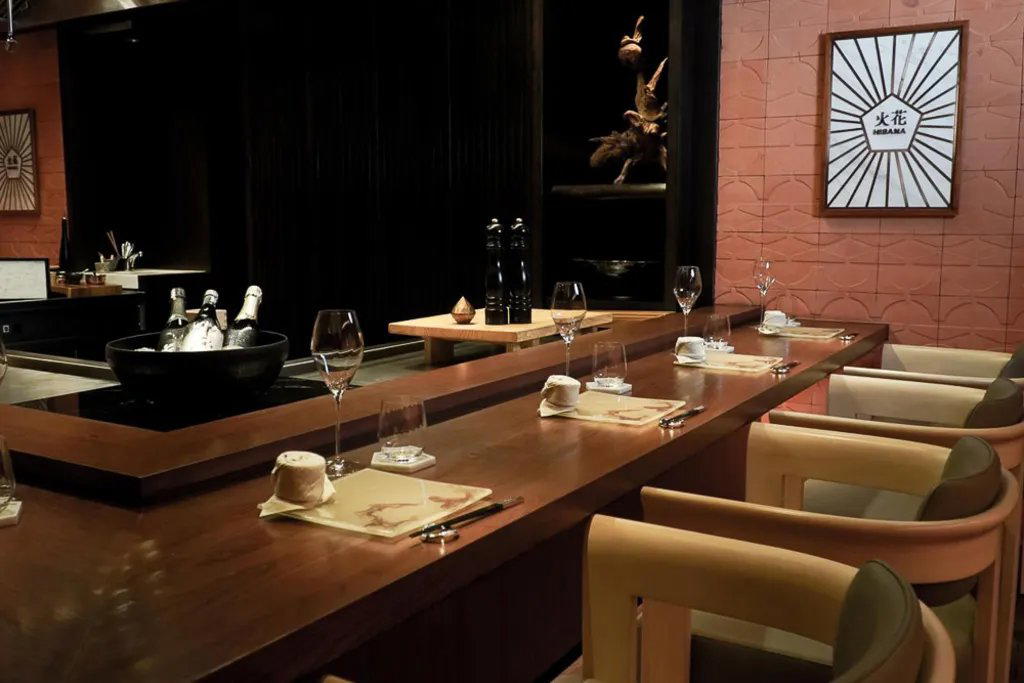
| Hibana by Koki | Michelin-Starred Japanese Teppanyaki | $200–300 | 1 Michelin Star · La Liste Top Restaurants | Teppanyaki, ₫₫₫₫ |
| Tầm Vị | Northern Vietnamese Home-Style | $10–20 | 1 Michelin Star | Vietnamese, ₫₫ |
| Gia | Modern Vietnamese Fine Dining | $100–150 | 1 Michelin Star · La Liste Top Restaurants | Vietnamese Contemporary, ₫₫₫₫ |
| 1946 Cua Bac | Northern Vietnamese | $10–20 | Michelin Bib Gourmand | Vietnamese, ₫ |
| Bun Cha Ta (Nguyen Huu Huan Street) | Authentic Vietnamese Bun Cha | $1–10 | Michelin Bib Gourmand | Noodles, ₫ |
Recognition history
Dated appearances from independent guides and award organizations, with the underlying list record or original source where available.
Michelin Bib Gourmand
Michelin
Full recognition history (3 entries)
Michelin Bib Gourmand
Michelin
Michelin Bib Gourmand
Michelin