
A two-time Michelin Bib Gourmand recipient (2024 and 2025), 1946 Cua Bac sits in the Ba Đình quarter of Hanoi, where traditional Vietnamese cooking holds its ground against a rapidly modernising dining scene. The address points to a lane off Cửa Bắc street, the kind of tucked-away setting where the food does all the talking. At single-symbol pricing, it represents the accessible tier of Michelin-recognised Vietnamese cooking in the capital.
Pearl is the En Primeur Club membership app — saves, bookings, and concierge access live there. Same editors, same standards.
- Address
- Ngõ 3, Ng. Yên Thành/61 Cửa Bắc, Ba Đình, Hà Nội, Vietnam
- Phone
- +84 909 661 946
- Website
- 1946.vn
- Directions
- Get directions
 Saves & bookings on Pearl
Where Ba Đình Keeps Its Appetite
Approach Ngõ 3 off Cửa Bắc on a weekday morning and you are entering one of Hanoi's older residential quarters, Ba Đình, the administrative district that surrounds the Presidential Palace and Ho Chi Minh Mausoleum. Streets here are wider than the Old Quarter's compressed alleyways, the pace is slower, and the eating culture tilts toward neighbourhood permanence rather than tourist traffic. That context matters for understanding what 1946 Cua Bac represents: not a destination engineered for outside visitors, but a place the city's own residents have kept returning to, year after year, until Michelin recognised it with Bib Gourmand honours in 2024 and 2025.
In Hanoi, price spread is considerable. At the higher end, Bếp Prime and venues like Gia operate at four-symbol pricing, where tasting menus and composed plating absorb the cost. 1946 Cua Bac sits at a single ₫, a price point that signals full bowls, counter-style hospitality, and cooking governed by repetition and mastery rather than innovation and theatre. The Michelin Bib Gourmand, awarded in both 2024 and 2025, is the guide's recognition of that category: good cooking and accessible pricing.
The Pho Question
Any serious reading of Hanoi's food culture eventually arrives at pho, and specifically at the north-south divide that the dish carries with it. Hanoi pho, the northern version, is austere by design. The broth runs clear to pale gold, built from beef bones over many hours with a restrained aromatics profile: charred ginger and onion, star anise, cassia bark, clove. It does not carry the sweetness or the garnish volume of Saigon-style pho. The condiment table is minimal: a few slices of fresh chilli, a squeeze of lime, but no bean sprout heap or hoisin jar to obscure the broth's work.
This restraint is not simplicity, it is discipline. The quality of a Hanoi pho kitchen is readable in its broth clarity and depth, in the give of the noodle (just enough resistance, never mushy), and in how the beef is handled. A well-run kitchen achieves a broth that is simultaneously clean on the palate and deeply savoury, a balance that takes years of calibration and access to good-quality bones. The Bib Gourmand recognition in consecutive years signals consistency within Hanoi's competitive pho scene.
For context on how Vietnamese cooking registers differently at opposite ends of the price range in this city, Tầm Vị holds a full Michelin star at the ₫₫ tier, a peer reference point for what formal recognition looks like one price bracket up. The Bib Gourmand bracket, by contrast, is about extraction of maximum quality within deliberate cost constraints, and that is the harder editorial story to tell.
The Ba Đình Setting
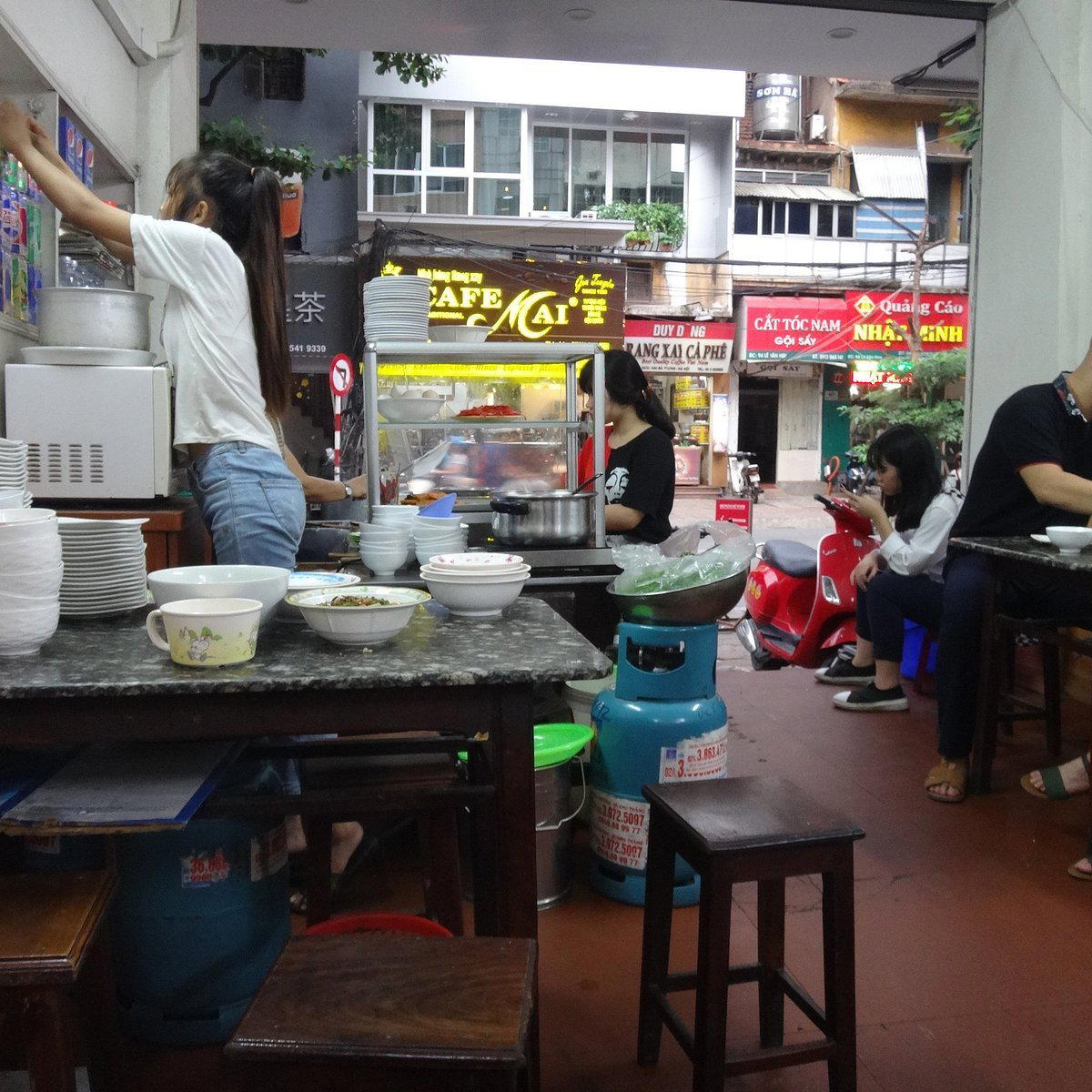
The physical address, a lane number within a street that runs alongside the French-era city grid, gives 1946 Cua Bac the character of discovery even for residents who know the city well. Ba Đình dining in this mould tends toward smaller rooms, family-run front-of-house operations, and an assumption that the guest already knows what they are ordering. The experience is transactional in the leading sense: bowl arrives quickly, the broth is hot, the table turns at the pace of a working lunch. This is not the format of Cau Go, with its rooftop drama and panoramic lake views. The appeal here is the opposite: no distraction from the food.
At single-symbol Vietnamese cooking in Hanoi, the review pool skews toward regular local diners rather than international food tourists, which makes that average a moderately reliable signal of neighbourhood trust rather than viral attention. A Bib Gourmand plus sustained local repeat custom is, in practice, a stronger credential than a higher star count at a venue with six months of opening noise behind it.
Vietnamese Cooking in a Wider Frame
Hanoi is not the only city where Vietnamese food earns formal recognition, but the capital's version carries a specific set of parameters that distinguish it from how the cuisine translates elsewhere. In Singapore, An Nam operates with the refinement adjustments that export markets require. In Hong Kong, Ăn Chơi pitches to a different demographic with different expectations around format and presentation. Even within Vietnam, the approach shifts: Ăn Thôi in Da Nang and Akuna in Ho Chi Minh City reflect their own regional identities. What 1946 Cua Bac represents is the northern source: pho as Hanoi defines it, cooked for the city that invented the parameters.
For a counterpoint within the city, Vietnamese cooking that interprets the northern tradition through a contemporary register, A Bản Mountain Dew and Chào Bạn occupy adjacent positions in the Hanoi food conversation, each asking different questions about what the cuisine can do when kitchen ambition extends beyond the bowl. Further afield, Vietnamese cooking reaches into unexpected international contexts, Camille in Orlando, Berlu in Portland, and Agave in Ubon Ratchathani each demonstrate how the cuisine travels and transforms. The original, though, remains in quarters like Ba Đình, in kitchens that have been doing the same thing for decades, quietly refining rather than reinventing.
For those planning wider exploration of the capital's food scene, our full Hanoi restaurants guide maps the broader tier structure. The Hanoi hotels guide covers accommodation across the city's different neighbourhoods, the Hanoi bars guide covers the drinking scene, and both the Hanoi wineries guide and Hanoi experiences guide round out the planning picture. Also worth noting in the context of formal dining recognition at lower price points: La Maison 1888 in Da Nang represents what happens when Vietnamese culinary heritage intersects with fully formal fine-dining infrastructure, a useful contrasting data point for anyone trying to read the full range of how the country's food culture is being positioned internationally.
Planning a Visit
The restaurant sits at 61 Cửa Bắc in the Ba Đình district, accessible from the centre of Hanoi by a short taxi or motorbike ride from the Old Quarter. At single ₫ pricing, this is among the more accessible of Michelin-recognised addresses in the city. No website or booking contact is listed in current records, which in this format typically means walk-in only, arrive early at peak meal times, particularly for the breakfast and lunch hours when pho kitchens in Hanoi run at full capacity.
What People Recommend at 1946 Cua Bac
The venue's Michelin Bib Gourmand recognition in both 2024 and 2025 points consistently toward its Northern Vietnamese cooking, with pho in the Hanoi tradition as the central reference point for what the kitchen does. At this price tier and in this neighbourhood context, the menu is shaped by what Hanoi has always done: broth-based cooking executed with precision and proportion. The Bib Gourmand designation indicates the inspectors found multiple items worth returning for. The food rather than any individual name tends to hold the reputation.
Comparable Spots, Quickly
Comparable venues nearby, for context on price, style, and recognition.
| Venue | Cuisine | Price | Awards | Notes |
|---|---|---|---|---|
| 1946 Cua BacThis venue — the venue you are viewing | Northern Vietnamese | $$ | Bib Gourmand | Not listed |
| Phở 10 Lý Quốc Sư (Hoan Kiem) | Authentic Northern Vietnamese Pho | $$ | Bib Gourmand | Hoan Kiem |
| Bún Chả Chan | Hanoi-Style Bún Chả | $$ | Bib Gourmand | Hoan Kiem |
| Phở Gà Châm (Yen Ninh Street) | Authentic Chicken Phở (Phở Gà) | $$ | Michelin Plate | Ba Dinh |
| Phở Gia Truyền (Hoan Kiem) | Traditional Hanoi Beef Pho | $ | Bib Gourmand | Hoan Kiem |
| Mr Bảy Miền Tây | Southern Vietnamese Banh Xeo | $$ | Bib Gourmand | Hoan Kiem |
Recognition history
Dated appearances from independent guides and award organizations, with the underlying list record or original source where available.
Michelin Bib Gourmand
Michelin
Michelin Bib Gourmand
Michelin
Michelin Bib Gourmand
Michelin




At a Glance
- Cozy
- Rustic
- Family
- Group Dining
- Casual Hangout
- Historic Building
- Beer Program
- Local Sourcing
Current opening hours
- Monday
- 10:30 AM–10:30 PM
- Tuesday
- 10:30 AM–10:30 PM
- Wednesday
- 10 AM–10:30 PM
- Thursday
- 10:30 AM–10:30 PM
- Friday
- 10:30 AM–10:30 PM
- Saturday
- 10:30 AM–10:30 PM
- Sunday
- 10:30 AM–10:30 PM
Hours can change for holidays and private events. Last verified .
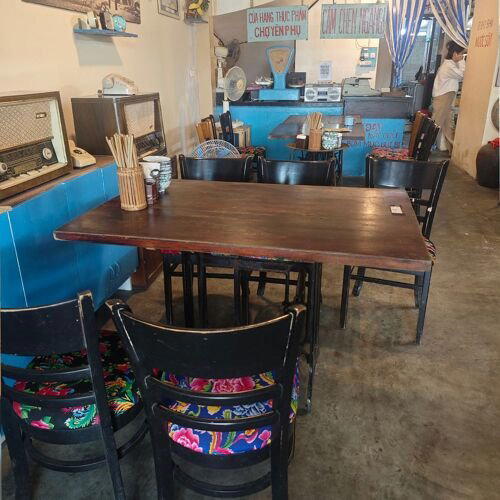
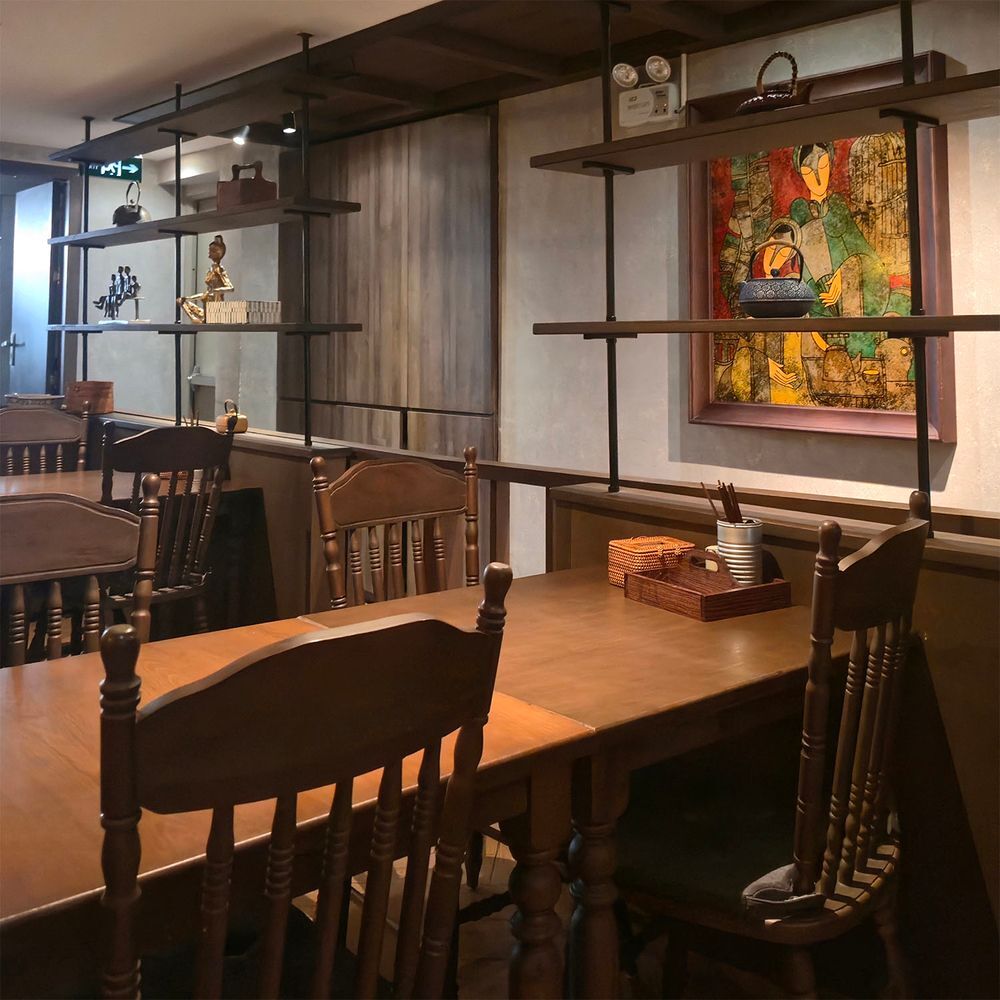
Brightly colored yellow and green house in a tucked-away alley, with a local, bustling atmosphere that can be noisy and smoky.