
Michelin Plate
Our verdict
Holding a Michelin Plate in both 2024 and 2025, Madame Lân sits on Da Nang's riverfront Bạch Đằng strip and draws a crowd that spans local families and international visitors alike. The kitchen works within the Vietnamese tradition but applies a level of technical discipline more common to formal dining, making it one of the city's clearer reference points for Central Vietnamese cooking at a mid-range price point.

Pearl is the En Primeur Club membership app, where members save venues, book tables and use the concierge.
The menu
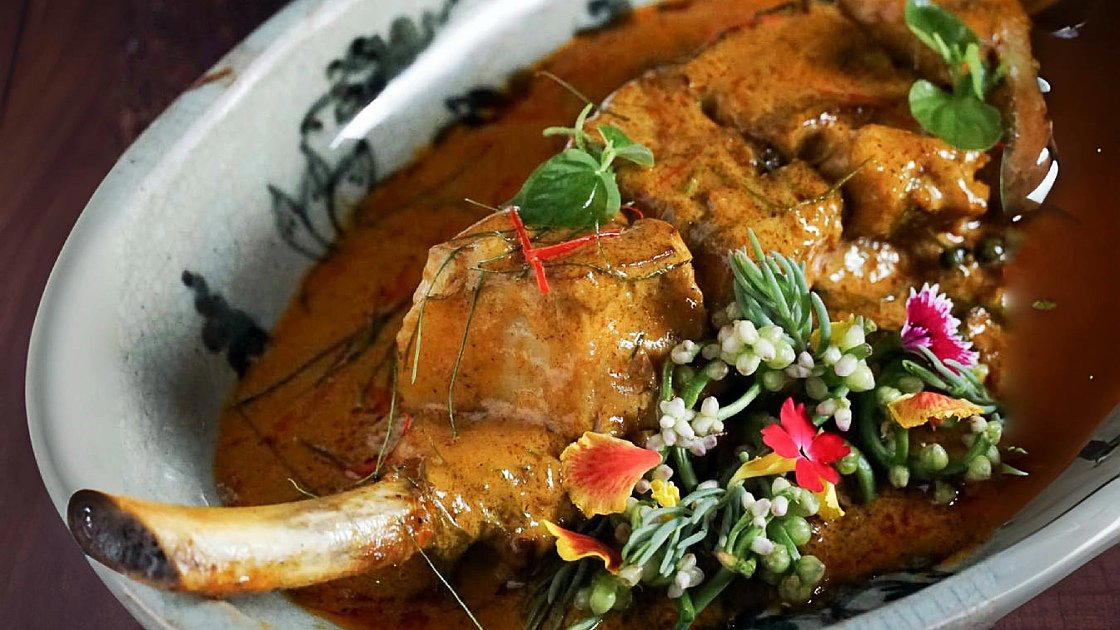
What to order
- Fried fish summer roll
- Sautéed beef with pepper elder
- Madame Lan grilled fish
The Bạch Đằng Setting and What It Signals
Da Nang's Bạch Đằng strip runs along the Han River's west bank, and the address has always functioned as a dividing line between the city's tourist-facing face and its working dining culture. Restaurants here pull a genuinely mixed crowd: the riverfront location attracts visitors, but the price points and menu logic at the mid-tier end of the strip still answer to a local audience. Madame Lân sits at number 04 on that stretch, in a category of dining that Vietnam's Michelin guide has increasingly paid attention to since it extended its coverage beyond Hanoi and Ho Chi Minh City. The Michelin Plate recognition, awarded in both 2024 and 2025, places the restaurant in a tier of acknowledged quality without the pressure or price architecture of a starred operation, a bracket that arguably represents the guide's most useful signal for everyday dining decisions in a city like Da Nang.
Central Vietnamese Cooking in Its Own Register
The broader story of Vietnamese cuisine at any serious level is a story about regional specificity. Central Vietnam, the stretch anchored by Hội An, Huế, and Da Nang, has a culinary identity distinct from both the north and south: stronger fermented notes, more assertive spice, and a tradition of small, complex dishes built around technique rather than volume. Huế's court cooking history created a regional habit of precision and layering that filters into Da Nang's mid-range dining in ways that casual street food doesn't always demonstrate. Madame Lân operates within that tradition, with a menu that draws on Central Vietnamese references and presents them with a level of finishing detail that separates it from the purely casual end of the city's food scene.
The editorial angle worth holding here is the intersection of local ingredients and disciplined kitchen method. Across Vietnam's Michelin-recognized restaurants, from Anan Saigon in Ho Chi Minh City at the more experimental end to mid-tier regional specialists, the recurring pattern is that indigenous produce and fermented bases are the raw material, but consistency and technique are what separate a recognised kitchen from a neighbourhood staple. Da Nang's produce context helps: proximity to coastal waters, access to highland herbs, and a year-round supply of rice-based pantry staples give any kitchen working in the Central tradition a strong starting point. What Michelin's inspectors appear to be rewarding at Madame Lân is the degree to which those materials are handled with kitchen discipline rather than improvisation.
Where It Sits in the Da Nang Dining Field
Understanding Madame Lân requires understanding what surrounds it. At the casual, street-level end of Da Nang's Vietnamese cooking, you have highly specific single-dish operations: bánh xèo specialists like Bánh Xèo 76, Bánh Xèo Bà Dưỡng, and Bánh Xèo Tôm Nhảy Cô Ba, each operating within a very narrow and deep focus. At the other end, La Maison 1888 runs a French Contemporary program at ₫₫₫₫ pricing, operating in an entirely different competitive set with a formal tasting menu format. Madame Lân's ₫₫ positioning puts it in the middle register: broader than a single-dish specialist, more structured than a street stall, but priced for repeat visits rather than occasion dining.
That mid-tier position is where the Michelin Plate designation carries the most weight. Unlike a starred operation, where the award functions partly as a signal to international fine-dining travelers, a Plate at ₫₫ pricing tells a different story: that the kitchen is operating at a standard the guide considers worth directing diners toward, within a price bracket that the city's own residents use regularly. Across the city's more focused Vietnamese kitchens, including Bếp Cuốn and Bếp Hên, consistency at scale is the hardest discipline to maintain.
Vietnamese Culinary Technique at This Level
The question of technique in Vietnamese mid-range dining is worth examining, because it shapes what distinguishes a Michelin-noted kitchen from a reliable neighbourhood option. In Central Vietnamese cooking, the technical variables include broth depth and clarity, the balance of fermented versus fresh elements, the precision of rice-based wrappers and pancakes, and the control of heat in dishes that depend on wok timing. These are not skills that appear in every kitchen that serves the same dishes. The broader Vietnamese restaurant field internationally, from Berlu in Portland to Camille in Orlando to Hanoi-based operations like Tầm Vị and 1946 Cua Bac, shows that Vietnamese cuisine translates effectively across very different contexts when the technical foundation is solid. What Madame Lân represents locally is that same technical discipline applied within the source region, where the ingredient quality is highest and the cultural reference is most direct.
For context within Vietnam's own Michelin-recognized scene, A Bản Mountain Dew in Hanoi draws on northern highland traditions with a similar emphasis on local produce and kitchen precision. The pattern across these recognitions points to a guide that is actively mapping regional Vietnamese cooking by its technical execution, not just its novelty. Madame Lân fits that pattern as the Central Vietnamese entry in a recognisable typology.
Planning a Visit
The address at 04 Bạch Đằng places the restaurant within walking distance of Da Nang's main riverfront hotels and the Han River bridge approaches, making it direct to combine with an evening on the water. The ₫₫ price range means a full meal for two sits comfortably within the kind of budget that would cover a single course at a high-end resort operation. Reservations or walk-in availability will depend on the time of day and season; Da Nang's peak visitor periods (April to August, when the dry season draws both domestic and international tourists) push demand across all mid-tier dining options on Bạch Đằng. Arriving before peak dinner service or on weekday evenings generally gives better access across this category of Da Nang restaurant.
For a wider orientation to the city's food and hospitality options, see our full Da Nang restaurants guide, our full Da Nang hotels guide, our full Da Nang bars guide, our full Da Nang wineries guide, and our full Da Nang experiences guide. If your interest extends to Japanese-influenced fine dining elsewhere in Vietnam, Hibana by Koki in Hanoi and Agave in Ubon Ratchathani show how the broader Southeast Asian region is absorbing global technique at different price points.
Frequently asked questions
What's the pricing like at Madame Lân?
Pricing at Madame Lân is listed as ₫₫.
What kind of recognition has Madame Lân received?
Madame Lân has received recognition including: Michelin Plate (2025); Michelin Plate (2024).
What's the best thing to order at Madame Lân?
What the Michelin Plate recognition in both 2024 and 2025 does confirm is that the kitchen executes Central Vietnamese cooking at a level consistent across visits, the regional canon here runs to dishes from the Hội An and Huế traditions. Arrive with an appetite for the specialities of that corridor rather than pan-Vietnamese standards.
Where is Madame Lân located?
Madame Lân is located at 04 Bạch Đằng, Thạch Thang, Hải Châu, Đà Nẵng 550000, Vietnam, Da Nang.
Comparable Spots
| Venue | Cuisine | Price | Awards | Notes |
|---|---|---|---|---|
| Madame LânThis venue (the venue you are viewing) | Authentic Vietnamese Regional Cuisine | $10–20 | Michelin Plate | Not listed |
| La Maison 1888 | Michelin-Starred French Contemporary | $150–200 | 1 Michelin Star · La Liste Top Restaurants | French Contemporary, ₫₫₫₫ |
| Ăn Thôi | Authentic Vietnamese | $10–20 | Michelin Bib Gourmand | Vietnamese, ₫ |
| Bé Ni 2 | Fresh Local Seafood | $10–20 | Michelin Bib Gourmand | Seafood, ₫₫ |
| Bún Bò Bà Rơi (Hai Chau) | Huế-Style Bún Bò | $1–10 | Michelin Bib Gourmand | Noodles, ₫ |
| Cô Chủ Nhỏ | Vietnamese Duck Street Food | $1–10 | Michelin Bib Gourmand | Street Food, ₫ |
Recognition history
Dated appearances from independent guides and award organizations, with the underlying list record or original source where available.
Michelin Plate
Michelin
Full recognition history (3 entries)
Michelin Plate
Michelin
Michelin Plate
Michelin
Continue exploring
More in Da Nang
Restaurants in Da Nang
All restaurants in Da Nang →
Bars in Da Nang
All bars in Da Nang →
Details
- Classic
- Cozy
- Elegant
- Scenic
- Family
- Group Dining
- Casual Hangout
- Special Occasion
- Waterfront
- Open Kitchen
- Terrace
- Waterfront
- Street Scene
- A La Carte
- Family Style
- Set Menu
- Vegetarian Friendly
- Vegan Options
- Gluten Free Options
Current opening hours
- Monday
- 6:30 AM–9:30 PM
- Tuesday
- 6:30 AM–9:30 PM
- Wednesday
- 6:30 AM–9:30 PM
- Thursday
- 6:30 AM–9:30 PM
- Friday
- 6:30 AM–9:30 PM
- Saturday
- 6:30 AM–9:30 PM
- Sunday
- 6:30 AM–9:30 PM
Hours can change for holidays and private events. Hours as of .
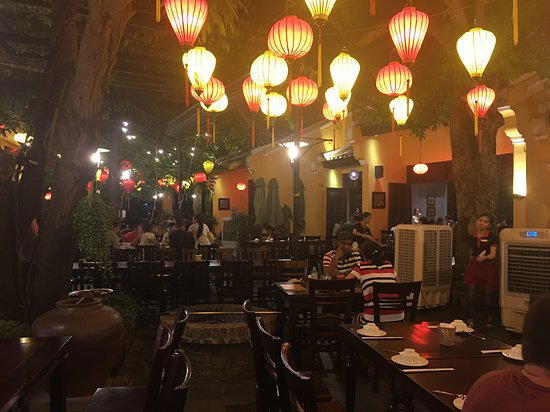
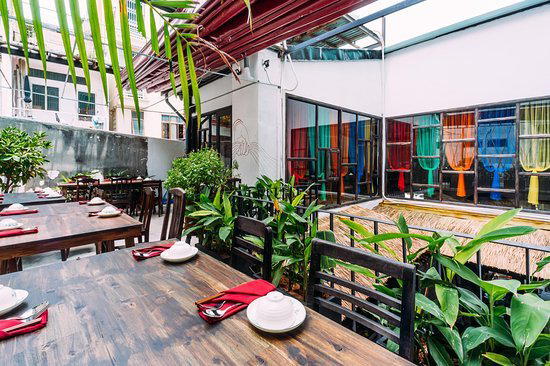
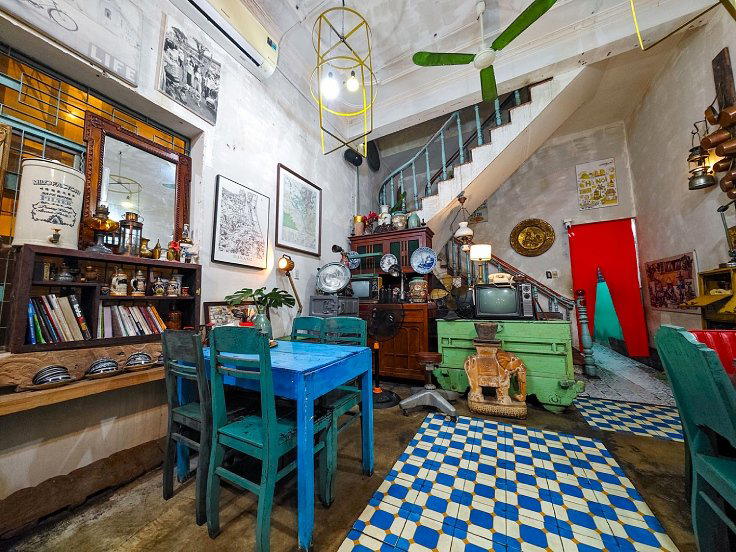
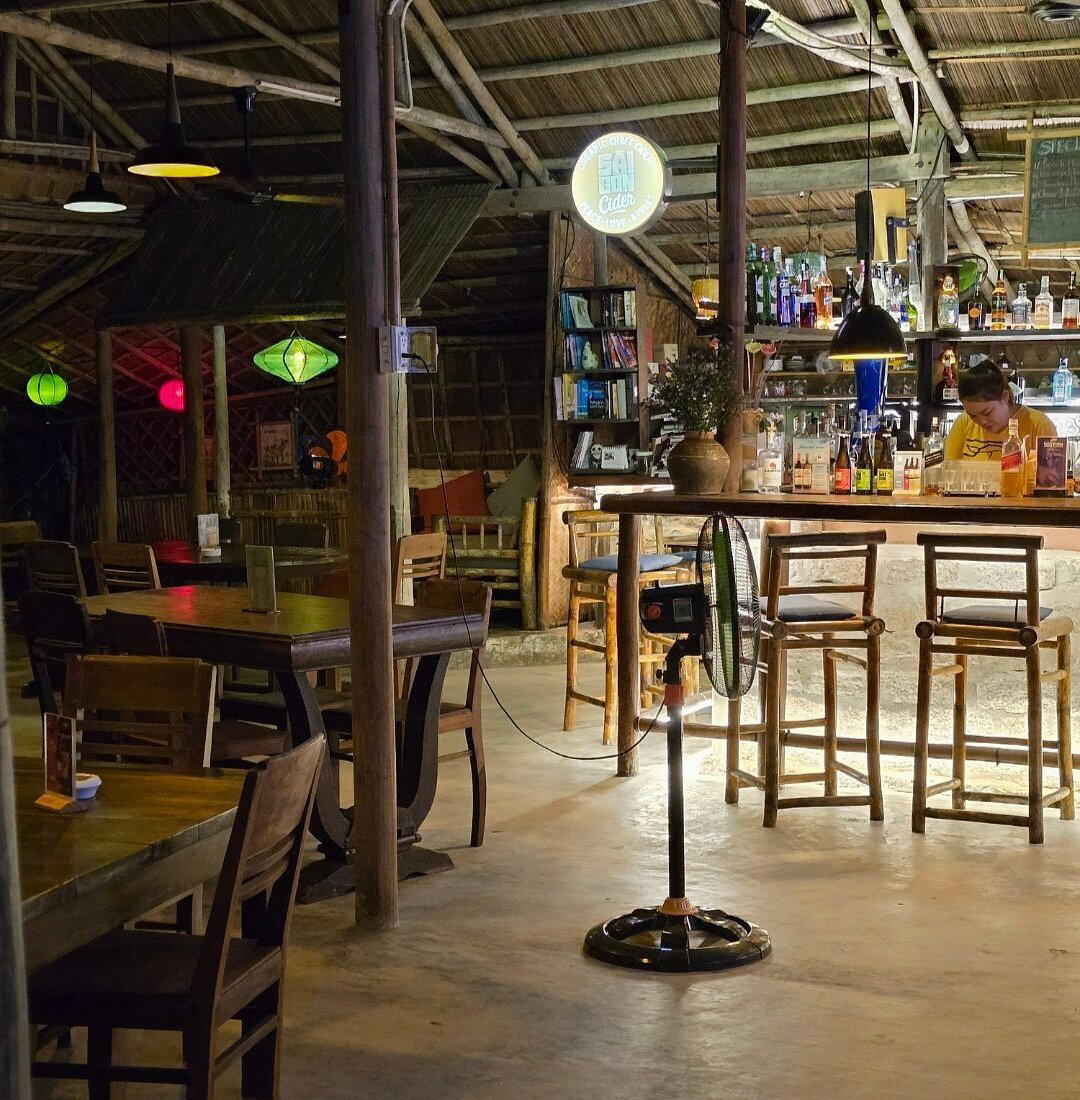
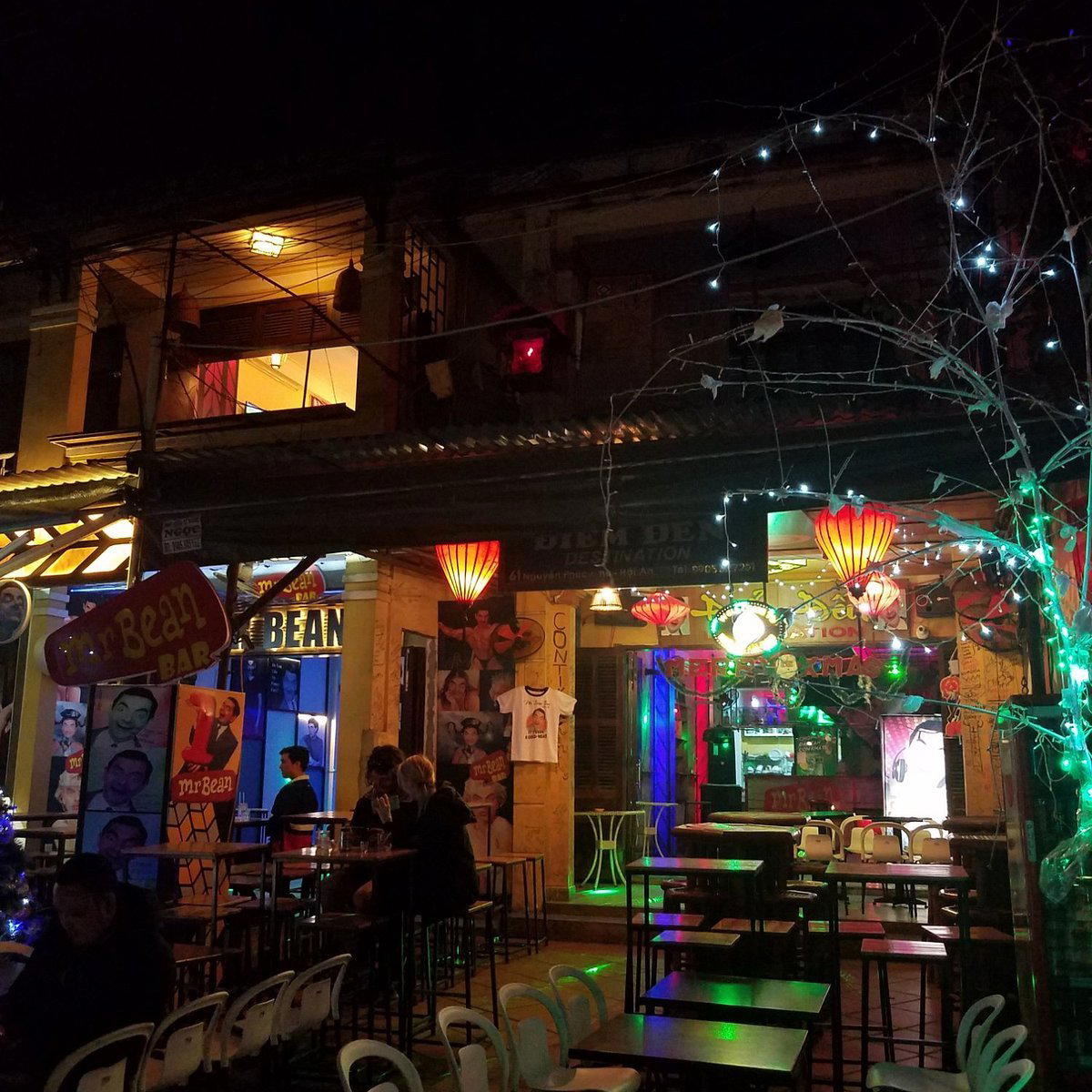
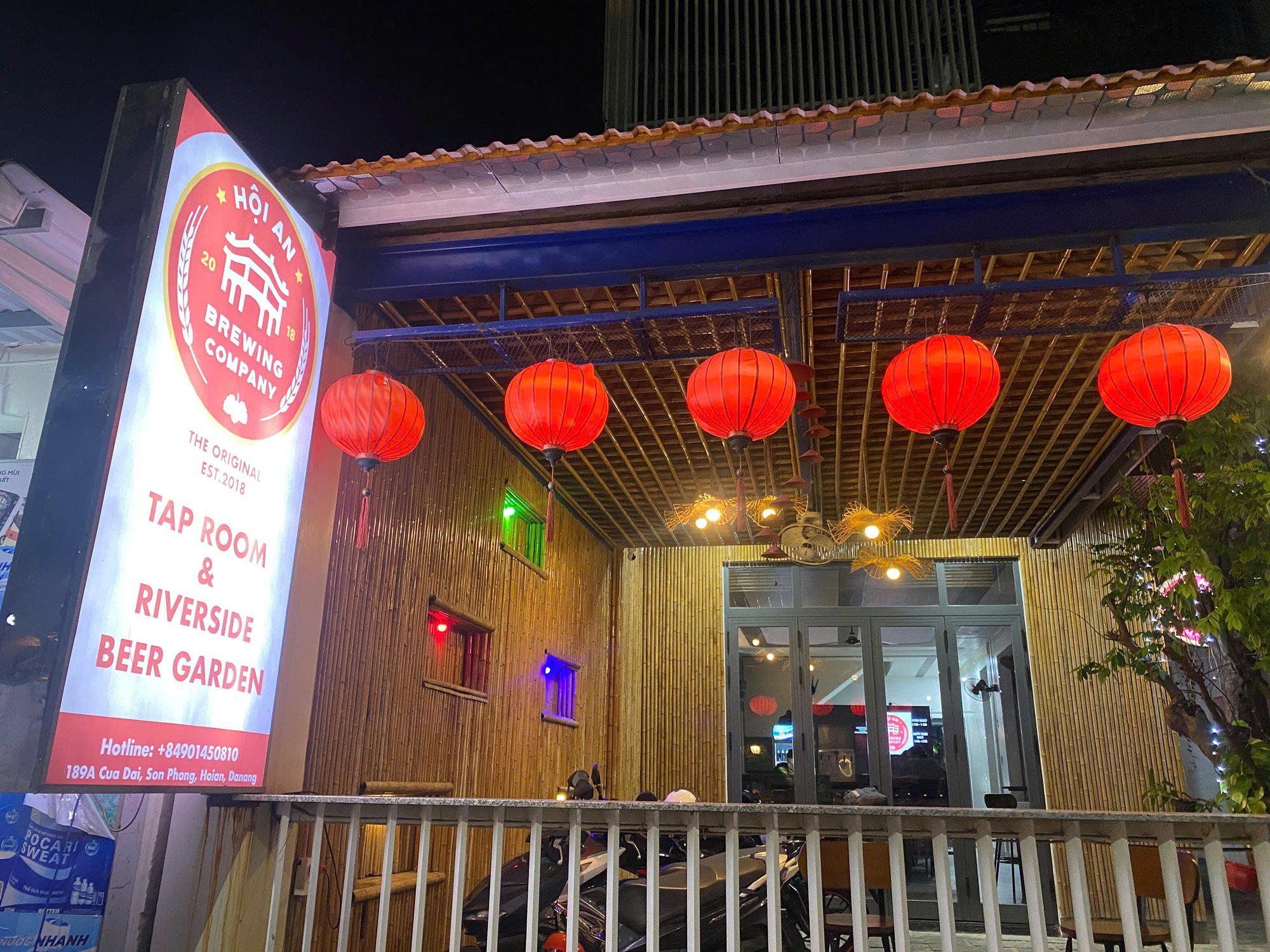
Warm and inviting Hoi An-inspired decor with lanterns, water features, and a mix of indoor air-conditioned and outdoor seating, blending traditional Vietnamese charm with modern sensibilities.