On Tràng Tiền, within walking distance of Hoan Kiem Lake and the Hanoi Opera House, Hotel de l'Opera sits at the intersection of French colonial architecture and contemporary Vietnamese hospitality. As part of the MGallery collection, it occupies a tier of design-led boutique hotels that prioritise atmosphere and neighbourhood character over scale. The address alone places it inside one of Hanoi's most culturally layered streets.
Pearl is the En Primeur Club membership app — saves, bookings, and concierge access live there. Same editors, same standards.
- Address
- 29 Tràng Tiền, Hoàn Kiếm, Hà Nội 010000, Vietnam
- Phone
- +84 24 6282 5555
- Website
- hoteldelopera.com
 Saves & bookings on Pearl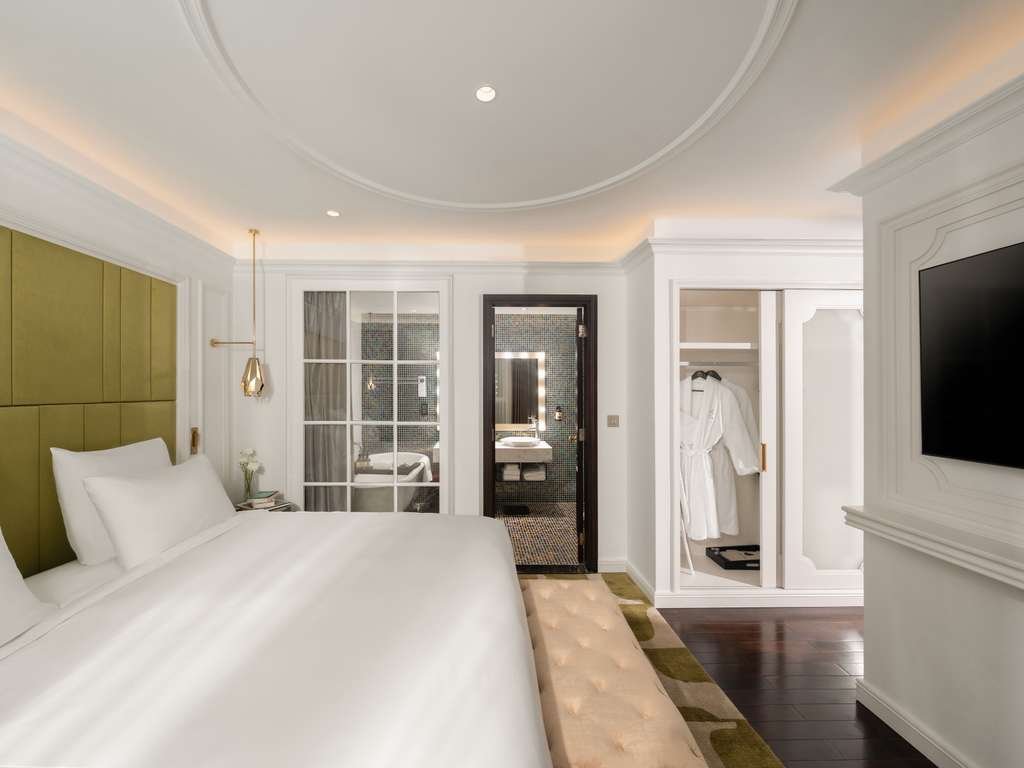
Where Tràng Tiền Meets the MGallery Format
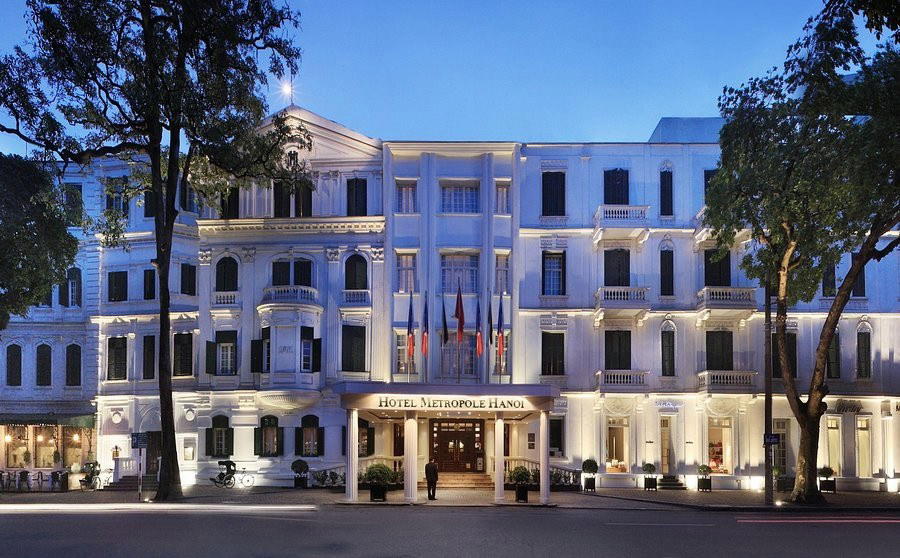
Tràng Tiền is one of Hanoi's most historically loaded streets. It runs from the edge of Hoan Kiem Lake toward the Hanoi Opera House, passing French colonial facades, state-run bookshops, and the kind of pavement activity that makes Hanoi's Old Quarter-adjacent districts feel permanently alive. At number 29, Hotel de l'Opera occupies a position that is difficult to overstate in terms of cultural geography: directly opposite the 1911 Opera House, in a neighbourhood that still carries the architectural logic of the French concession era. This is not peripheral Hanoi. It is the city's historical and institutional core, and properties that hold this address trade on that proximity as much as on their own programming.
The MGallery collection, under which this property operates, is Accor's design-led boutique tier. The format targets travellers who want architectural character and narrative ambiguity over the predictable amenities of a full-service international flag. In Hanoi specifically, that positioning places Hotel de l'Opera in dialogue with properties like the Hilton Hanoi Opera, which occupies similarly prominent Opera House-adjacent real estate, and the Capella Hanoi. MGallery's approach is deliberately mid-register: more story-led than a standard business hotel, less maximalist than properties built around a signature interior concept.
The Retreat Logic of a City-Centre Address
There is a case for urban hotels as wellness destinations that often goes unmade in favour of the resort model. The assumption that retreat requires remoteness, that recovery demands distance from the city, is increasingly contested by a generation of Hanoi properties that have built contemplative programming into dense, walkable neighbourhoods. Hotel de l'Opera's position on Tràng Tiền is relevant here: the ability to step outside at dawn and reach Hoan Kiem Lake within minutes, to walk the restored streets of the French Quarter before the city's noise levels climb, is a form of restorative access that a beach resort in Nha Trang or a hillside property in Dalat cannot replicate. Guests who want withdrawal from their daily context but not from urban culture are a distinct segment, and this address serves them directly.
For comparison, properties like Amanoi in Vinh Hy or Anantara Quy Nhon Villas offer the coastal retreat format with serious spa infrastructure and physical distance from urban life. The Almanity Hoi An Wellness Resort has built its identity around structured wellness programming in a heritage town context. Hotel de l'Opera is not competing in that tier. Its wellness offer, whatever its current programming, operates as an amenity within a city stay rather than as the primary reason for the booking. That is not a criticism. It is a category distinction that matters when choosing between Hanoi as a base and a coastal property specifically for restoration.
Guests arriving from international connections typically land at Noi Bai International Airport, roughly 35 kilometres north of the city centre. The transfer to Tràng Tiền takes between 30 and 50 minutes depending on traffic, with airport taxis and pre-arranged hotel transfers both available. Within Hanoi, the hotel's location makes it walkable to Hoan Kiem Lake, the Old Quarter, and the Opera House itself, reducing the need for transport during a short urban stay. Travellers connecting through Hanoi before heading south might consider the Novotel Danang Premier Han River or the Hilton Quang Hanh Onsen Resort for subsequent legs of a multi-city Vietnam itinerary.
The Hanoi Luxury Tier in Context
Hanoi's upper-end hotel market has stratified considerably over the past decade. At the leading sits the Sofitel Legend Metropole, which operates as a reference point for colonial-era luxury and long-stay prestige. Below it, properties like the JW Marriott Hotel Hanoi and the Lotte Hotel Hanoi serve the corporate and high-end leisure market with full-service infrastructure and large-scale F&B.; The InterContinental Hanoi Landmark72 and InterContinental Hanoi Westlake by IHG occupy different neighbourhood registers, with Westlake appealing to those who prefer a quieter, lake-facing environment over the density of the Old Quarter edge.
Hotel de l'Opera sits below the Metropole tier in both price and prestige but above the standard four-star category in terms of positioning and address quality. Its MGallery identity gives it a degree of brand legibility for Accor loyalty members, but the property's primary asset remains geographic: the Opera House address is not reproducible, and that specificity carries weight in a city where proximity to French Quarter heritage is part of the premium accommodation pitch. For travellers who want a lighter footprint and a more intimate scale than the Marriott or InterContinental formats, the MGallery boutique structure is a logical fit. For those exploring other Hanoi options at a different price point, the Essence d'Orient Hotel & Spa and Hanoi Royal Palace Hotel 2 represent the boutique mid-market, while Capella Hanoi occupies the design-luxury ceiling.
Vietnam in the Wider Frame
Vietnam's hotel development over the past decade has been geographically diffuse, with serious investment in Hoi An, Da Nang, Hue, Nha Trang, and the Mekong delta alongside Hanoi and Ho Chi Minh City. Properties like the Azerai La Residence in Hue, the Banyan Tree Lăng Cô, and the Dalat Palace Heritage Hotel show how deep the heritage hotel genre now runs across the country. The Emeralda Resort Ninh Binh offers a nature-adjacent alternative within two hours of Hanoi for guests who want to extend their stay beyond the capital.
For travellers using Hanoi as part of a longer country itinerary, the range of available properties across Vietnam is now broad enough to sustain a two-week circuit without repeating hotel formats. Our full Hanoi restaurants guide covers the dining context in more detail, and comparisons with Amanaki Saigon Boutique Hotel or the Amiana Resort Nha Trang illustrate how differently the country's hotel tier plays out by region. At the global boutique level, Aman New York and Aman Venice represent the upper ceiling of the format Hotel de l'Opera gestures toward, at a considerably different price point. The The Fifth Avenue Hotel in New York offers a useful Western parallel for the urban-heritage boutique category. Similarly, the Asteria Mui Ne Resort and Four Points by Sheraton Danang anchor the coastal and mid-market ends of Vietnam's spectrum.
Practical Considerations
The hotel sits at 29 Tràng Tiền in the Hoàn Kiếm district, directly in the French Quarter. The Hoàn Kiếm location means high pedestrian traffic and ambient city noise are part of the environment, particularly on weekend evenings when the Opera House area draws crowds. Guests sensitive to street-level sound should confirm room positioning at the time of booking.
Credentials Lens
Comparable venues nearby, for context on price, style, and recognition.
| Venue | Cuisine | Price | Awards | Notes |
|---|---|---|---|---|
| Hotel de l'Opera - MGallery HanoiThis venue — the venue you are viewing | French colonial architecture with contemporary furnishings and operatic interiors | $$$$ | 5-Star | Not listed |
| Meliá Hanoi | Modern luxury tower with rooftop exclusivity | $$$$ | 5-Star | Hoan Kiem |
| Hotel de Lagom | Boutique hotel fusing Scandi and Vietnamese design principles embodying balance. | $$$$ | 5-Star | Hoan Kiem |
| JW Marriott Hotel Hanoi | contemporary luxury with timeless elegance | $$$$ | 5-Star | Nam Tu Liem |
| Dusit Le Palais Tu Hoa Hanoi | Luxurious royal palace-inspired retreat blending Vietnamese heritage with modern sophistication. | $$$$ | 5-Star | Tay Ho |
| Aira Boutique Hanoi Hotel & Spa | Elegant urban boutique with colonial influences and modern Vietnamese design | $$$$ | 4-Star | Ba Dinh |
At a Glance
- Elegant
- Sophisticated
- Classic
- Romantic Getaway
- Business Trip
- Historic Building
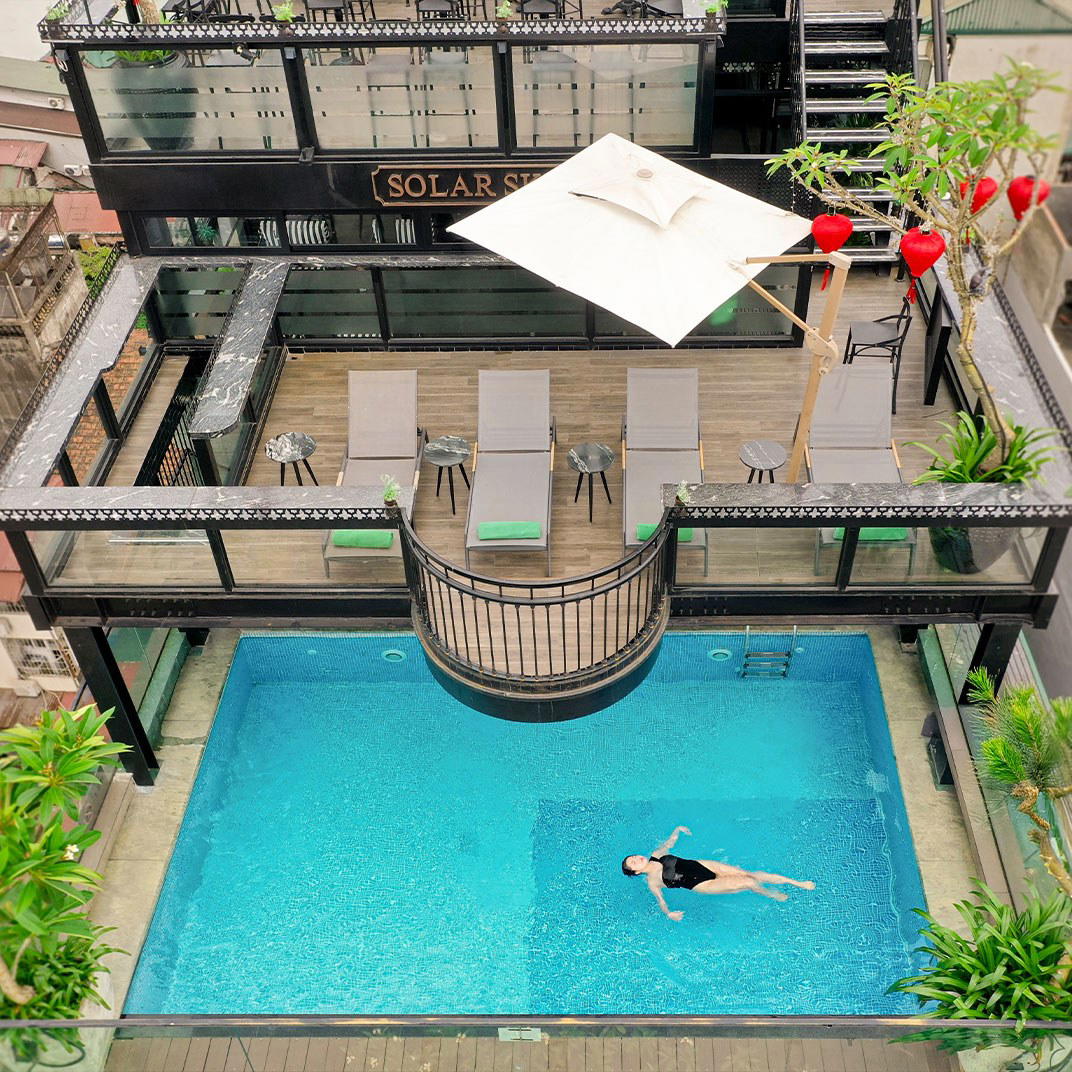
- Rooftop Pool
- Indoor Pool
- Fitness Center
- Spa
- Sauna
- Room Service
- Concierge
- Business Center
- Wi Fi
- Restaurant
- Street Scene
- Skyline
- Indoor Pool
- Fitness Center
- Spa
- Sauna
- Room Service
- Concierge
- Business Center
- Wi Fi
- Restaurant
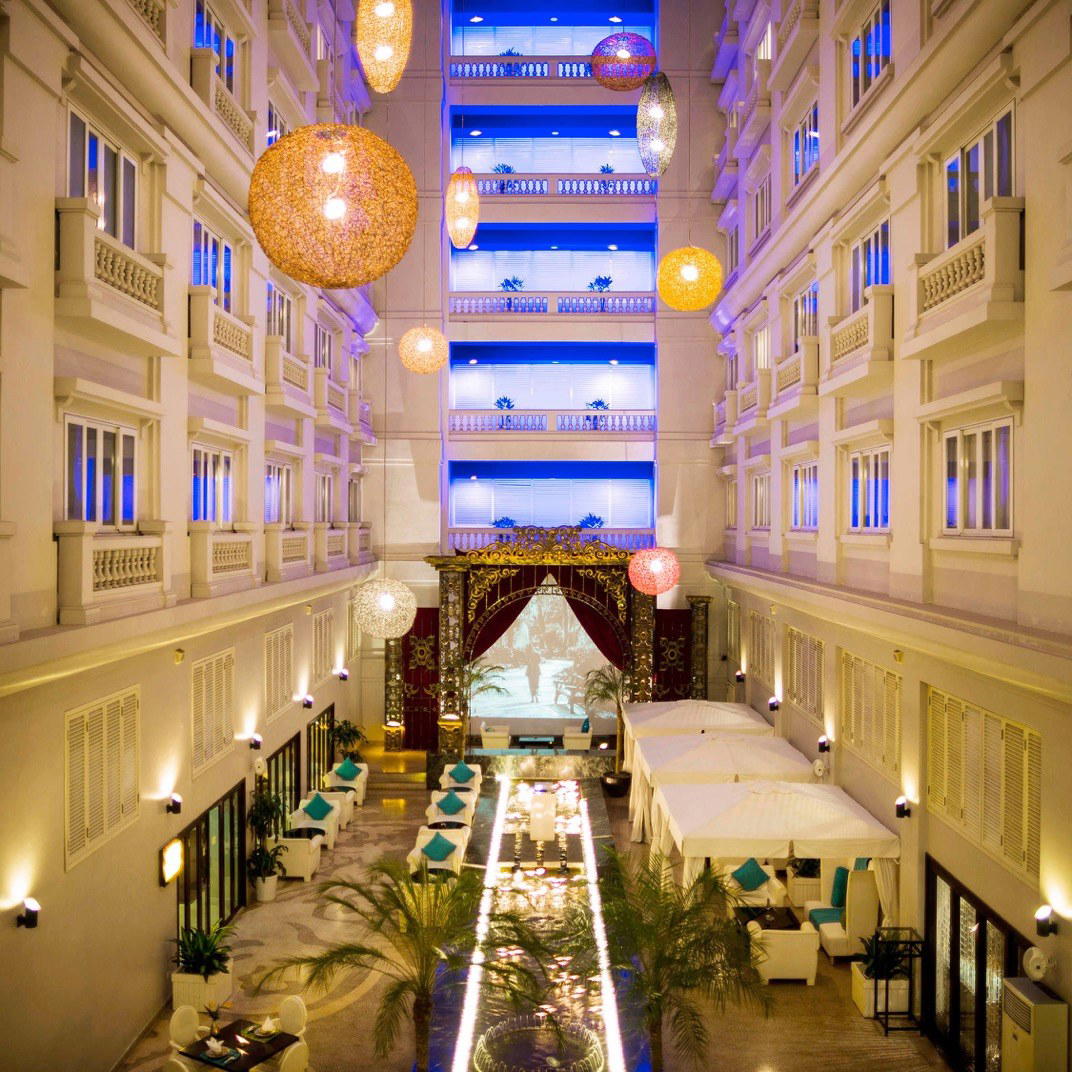
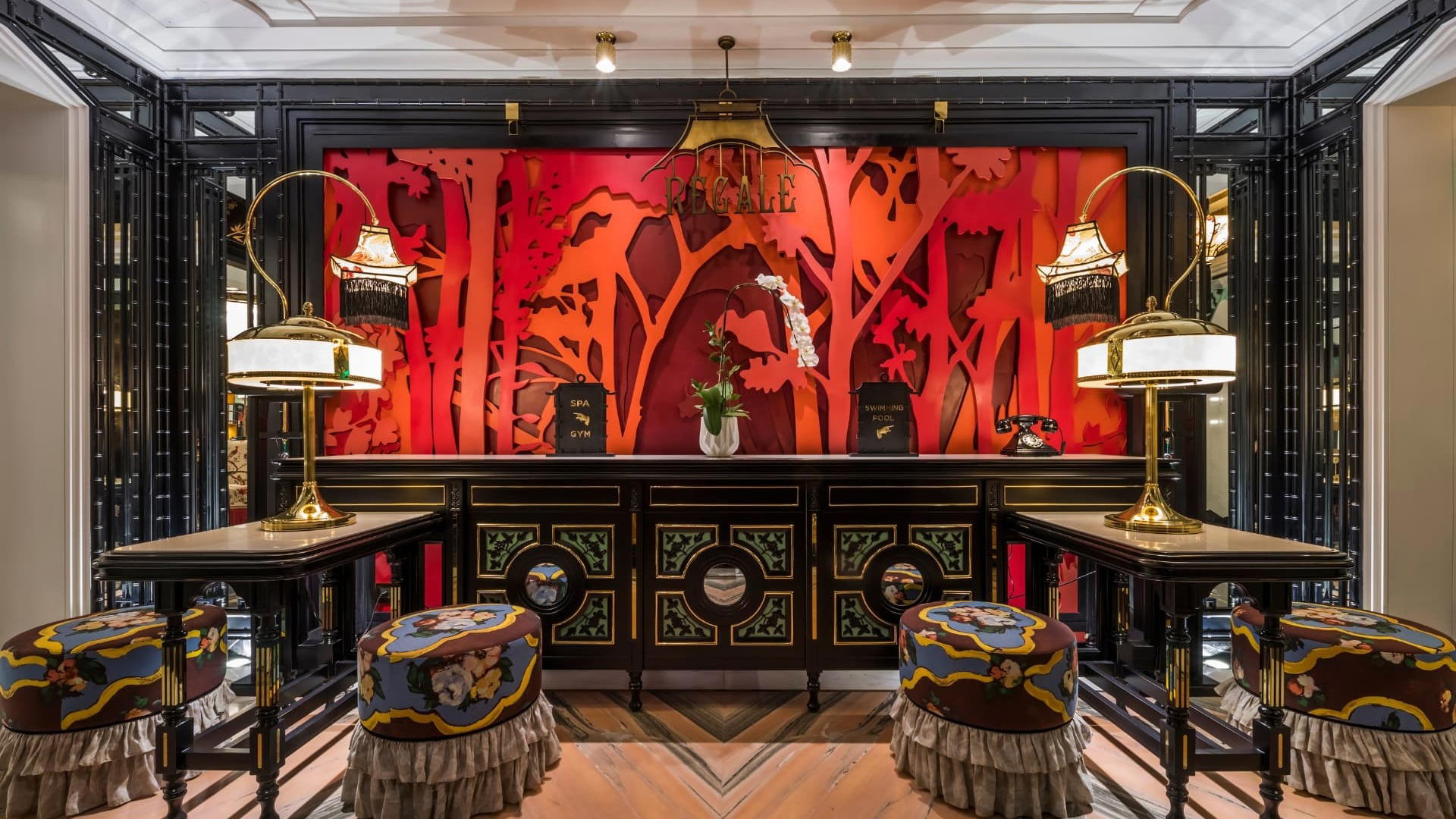
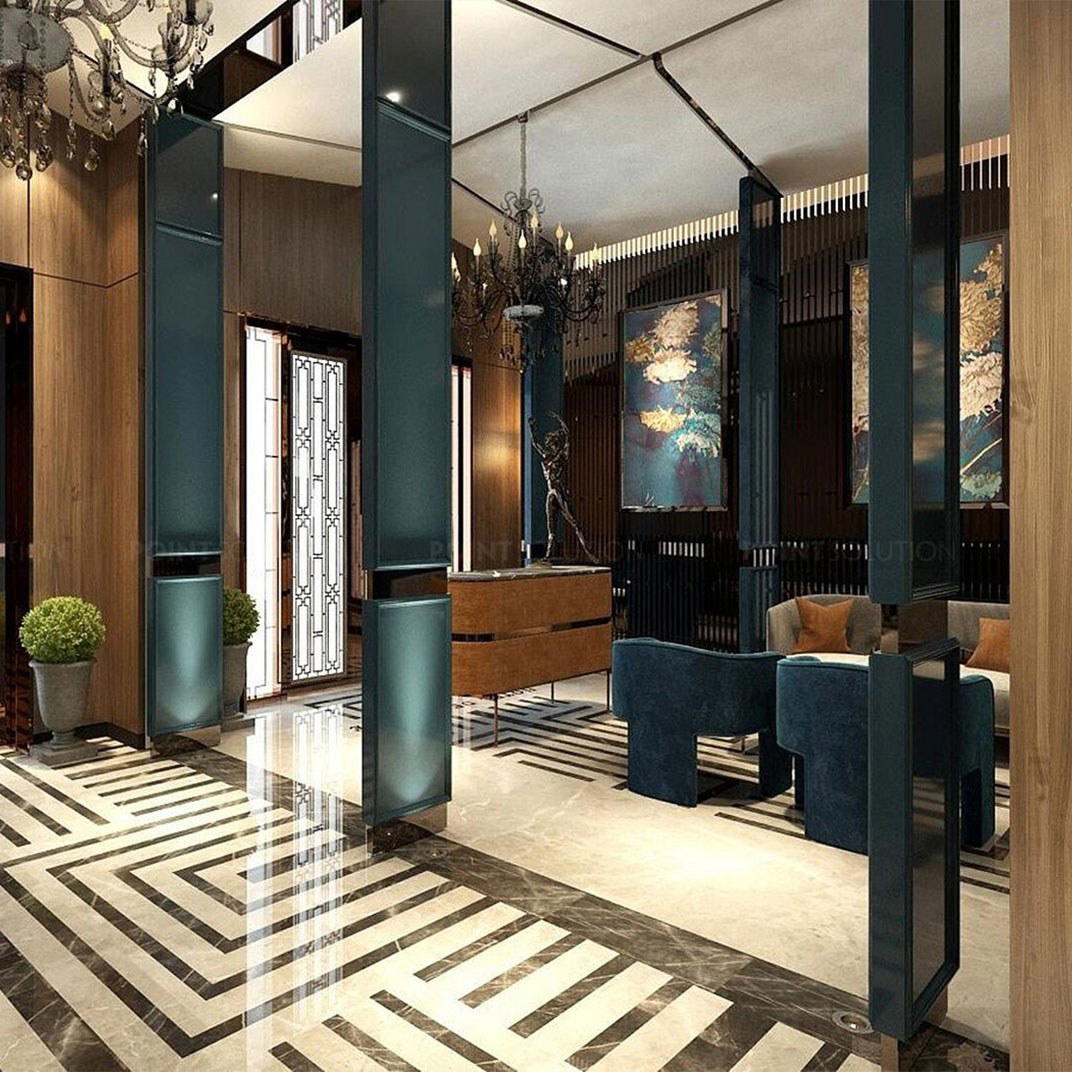
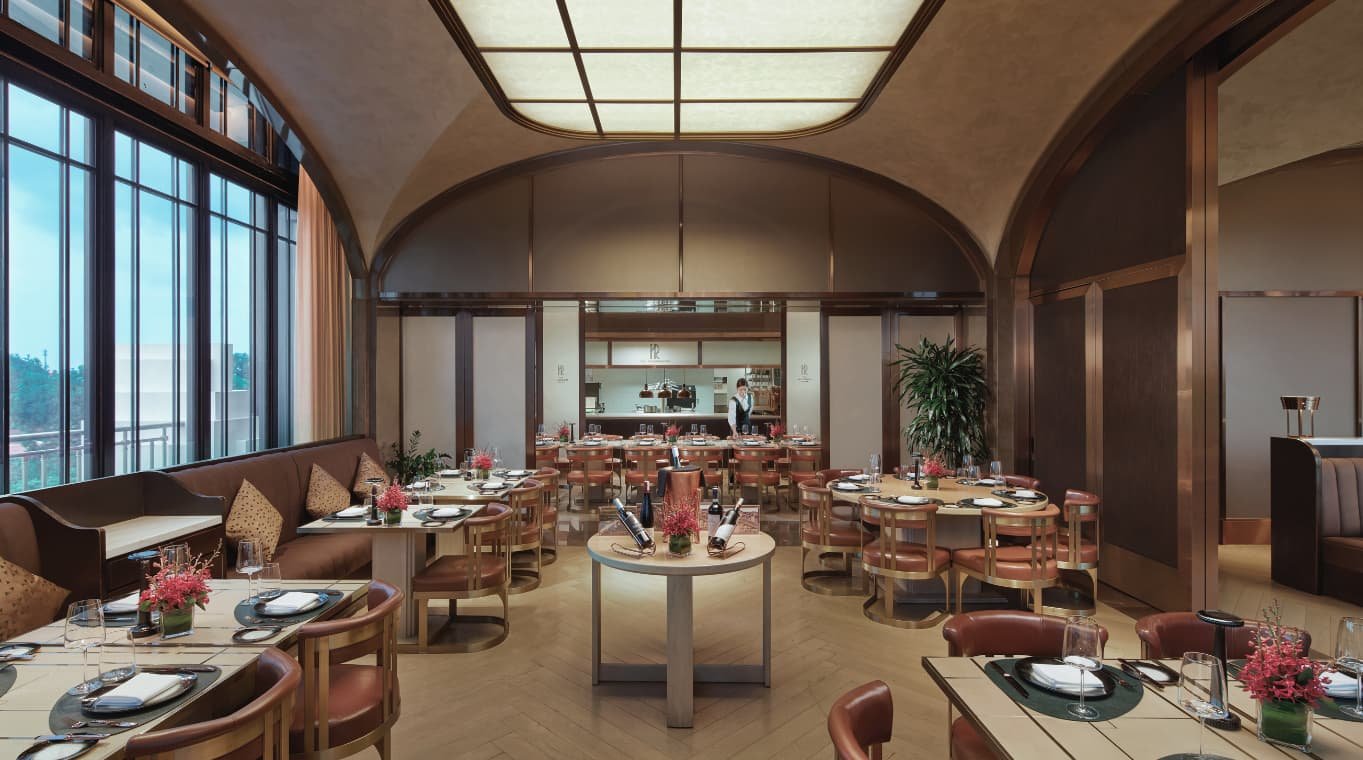
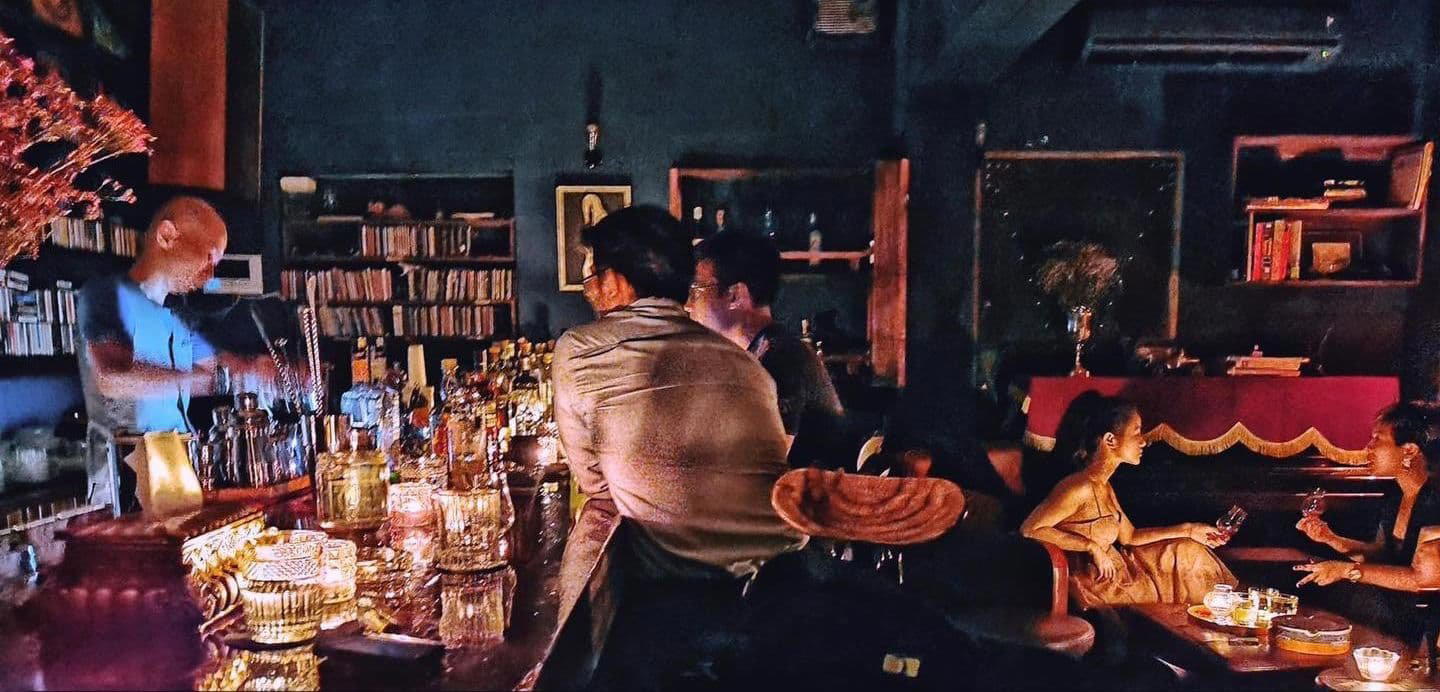
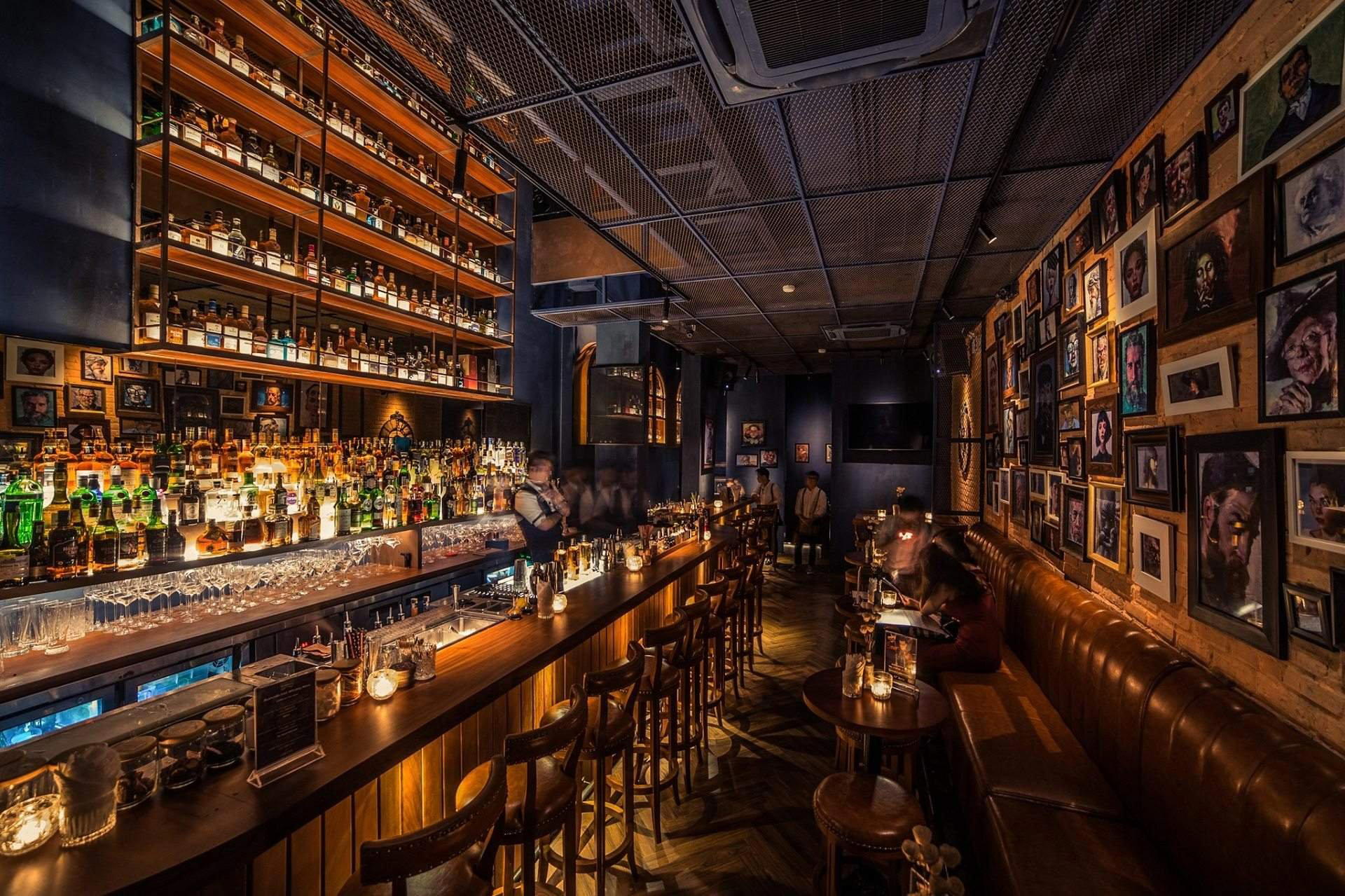
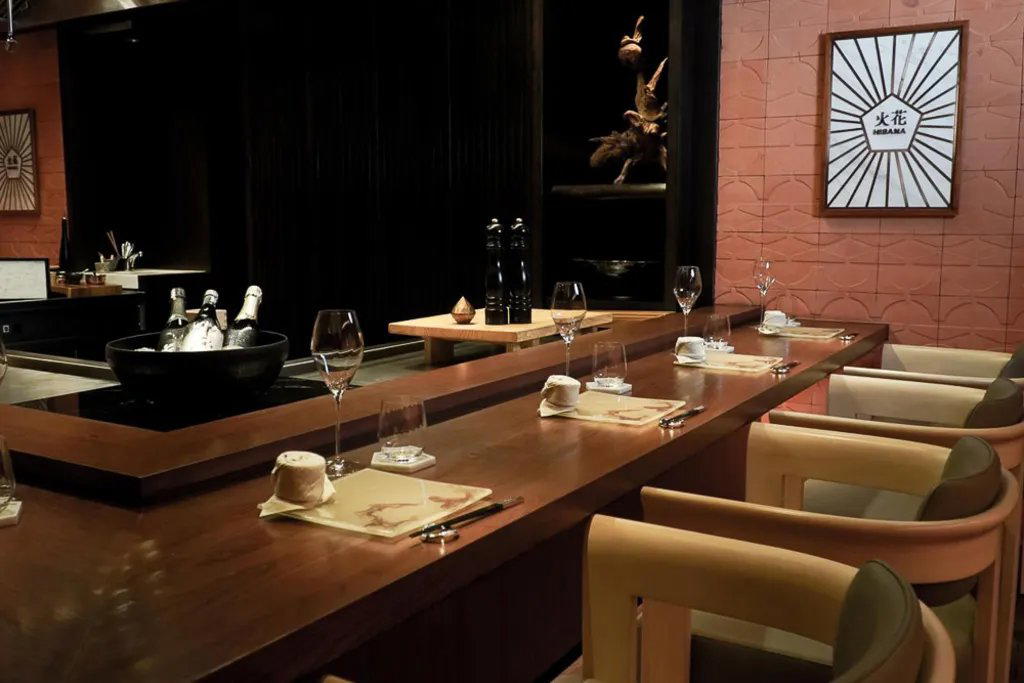
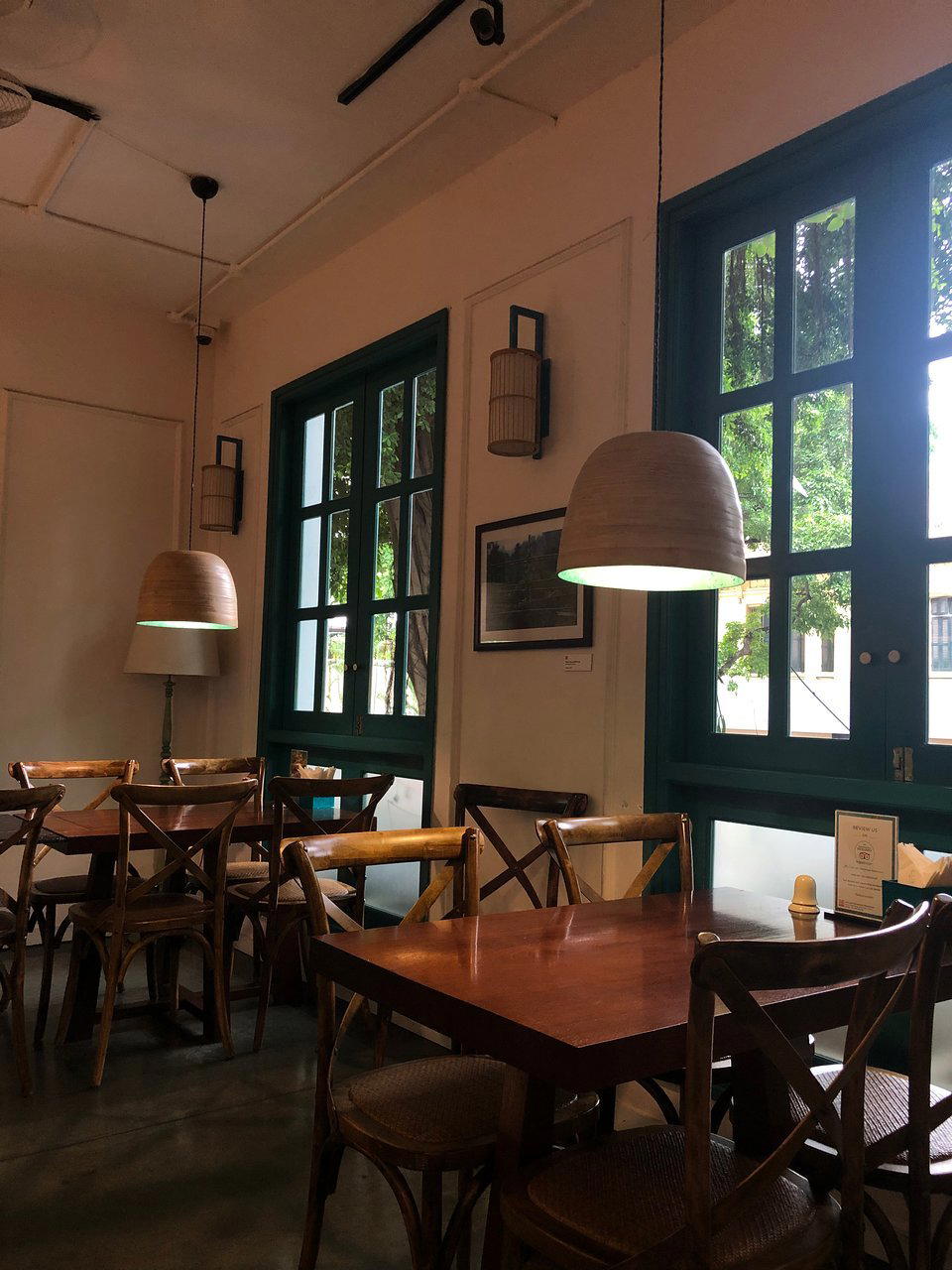
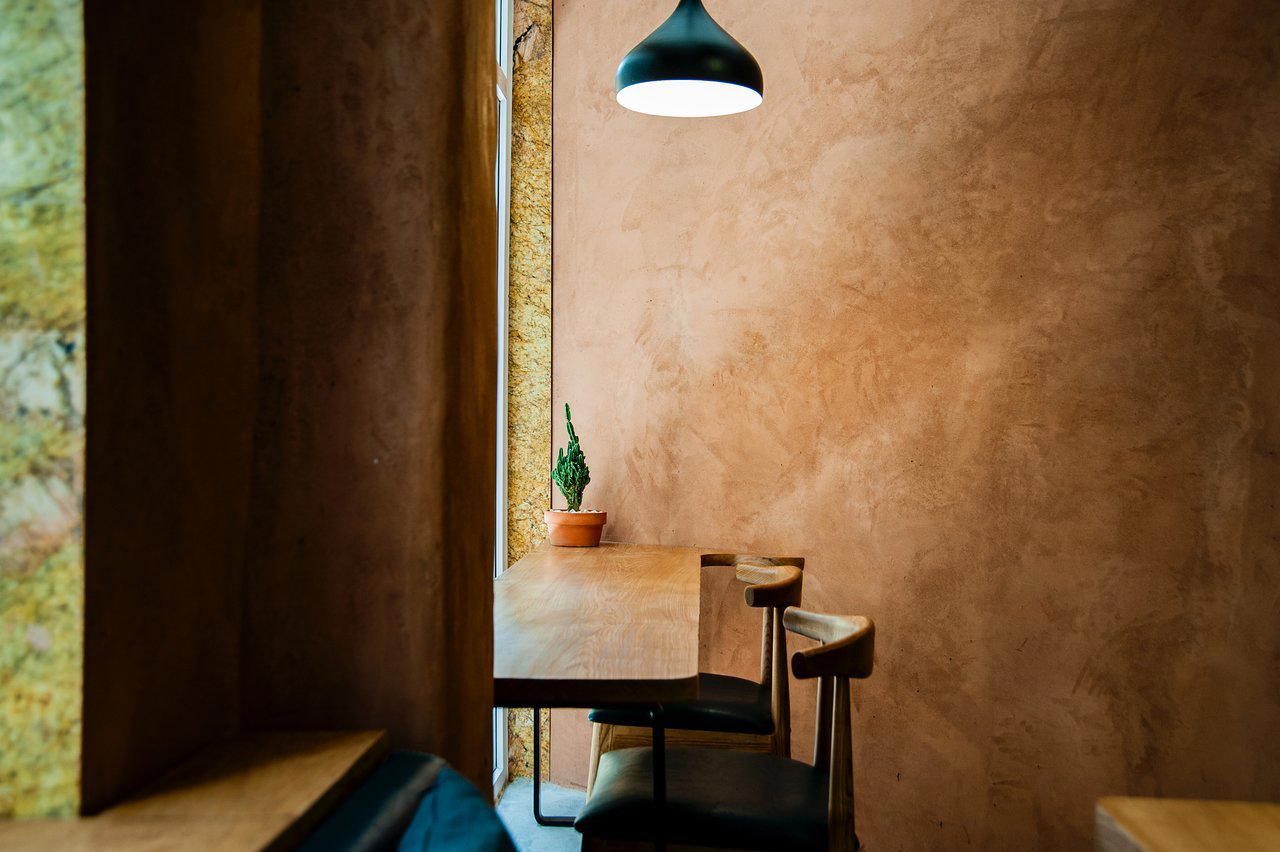
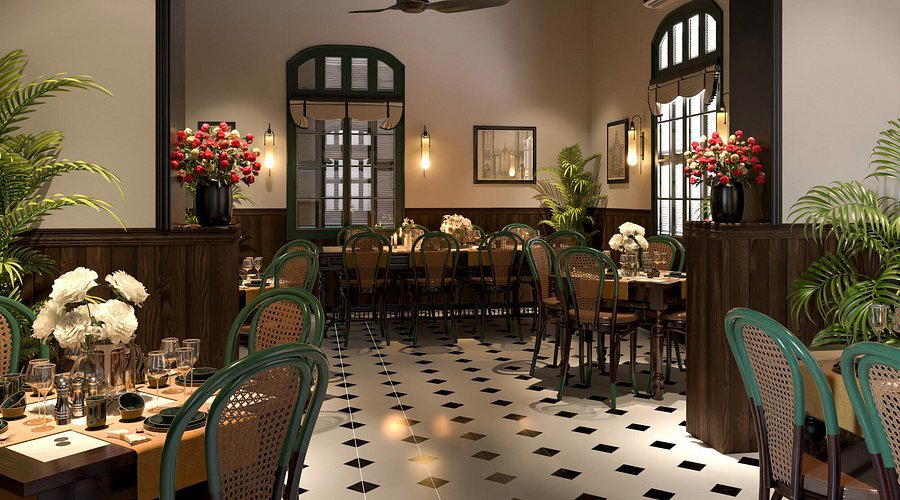
Dramatic lighting with Neo-Baroque furniture, rich materials, jewel-toned accents, and dark operatic tones creating an elegant, theatrical atmosphere.