
Michelin Selected
Occupying a prime address on Trang Tien Street opposite the Hanoi Opera House, Hotel de l'Opera Hanoi carries a MICHELIN Selected distinction for 2025 and sits within the French Quarter's most architecturally coherent hotel corridor. The property speaks to a strand of Hanoi hospitality that uses colonial-era design language as a serious structural argument, not merely a decorative layer.

Pearl is the En Primeur Club membership app — saves, bookings, and concierge access live there. Same editors, same standards.
- Address
- 29 Tràng Tiền, Cửa Nam, Hà Nội 010000, Vietnam
- Phone
- +84 24 6282 5555
- Website
- hoteldelopera.com
- Directions
- Get directions
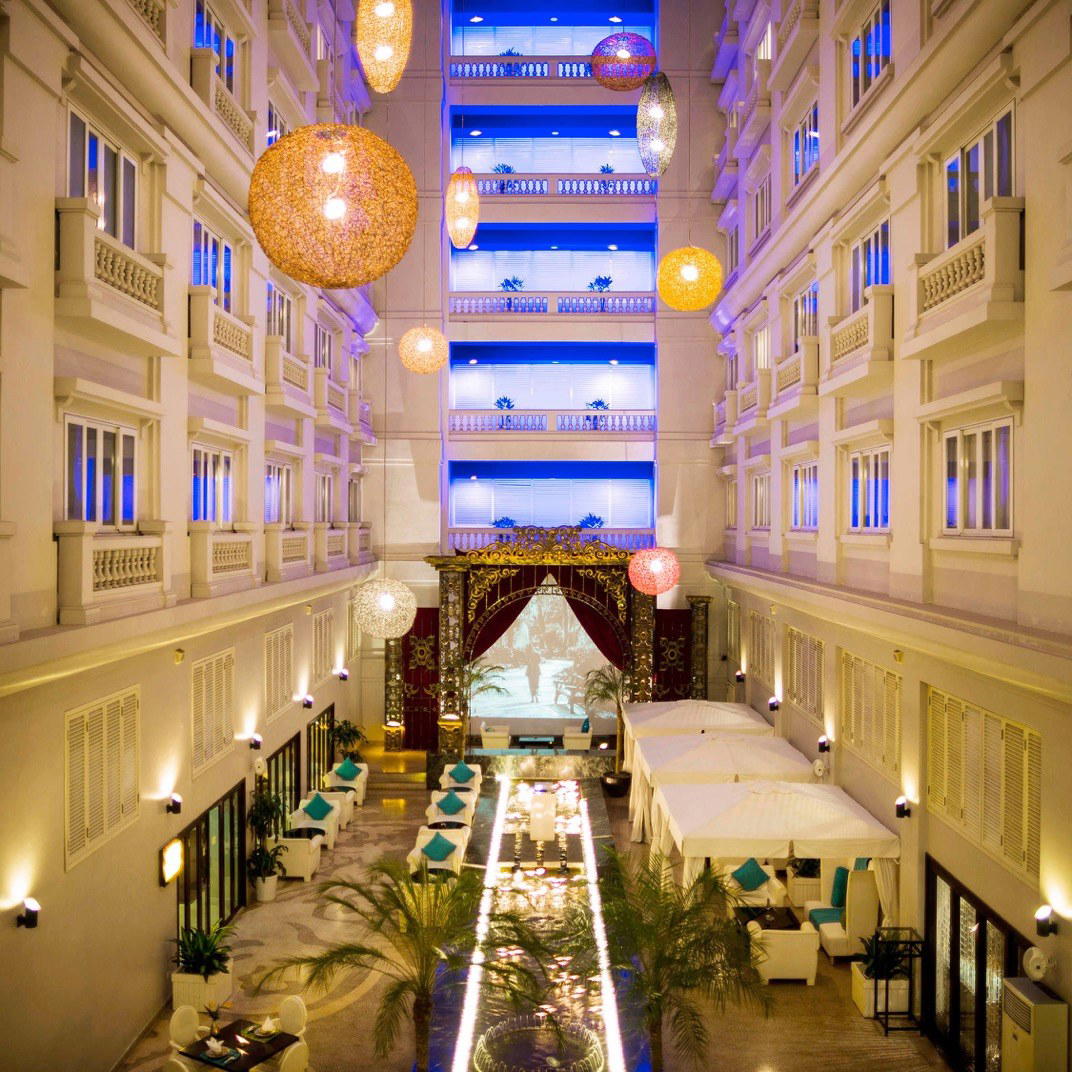
Where the French Quarter Makes Its Architectural Case
Trang Tien Street has a way of settling the question of what Hanoi's French Quarter is actually about. Stand at the corner facing the Hanoi Opera House — a 1911 structure modelled loosely on the Palais Garnier — and the surrounding block reads as one of the more coherent exercises in colonial-era urbanism that Vietnam has preserved. It is into this specific urban argument that Hotel de l'Opera Hanoi positions itself, at number 29, directly across from the opera building that gives it its name. The address is not incidental; it is the editorial premise of the entire property.
Hoan Kiem District concentrates Hanoi's premium hotel inventory along a corridor that runs from the lake northward toward the opera and cathedral. Within that corridor, properties split broadly into two categories: the international chain flags that use colonial aesthetics as brand texture, and the smaller independent or soft-brand properties that treat those same aesthetics as structural identity. Hotel de l'Opera Hanoi sits in the latter group, where the architecture and interior language are the primary argument rather than the loyalty programme behind the desk.
The Design Logic of a Colonial Address
French Indochina's architectural legacy in Hanoi is genuinely layered. The villas and administrative buildings that survive in the French Quarter were constructed across several decades of the late 19th and early 20th centuries, and they drew on a range of influences: Haussmann-era Paris, tropical adaptation strategies borrowed from other colonial territories, and local craft traditions that inflected the ornamental detail. The leading hotels in this district use that complexity as a design brief rather than collapsing it into a single pastiche motif.
At Hotel de l'Opera Hanoi, the architectural positioning is legible from the facade: the building's proportions and detailing acknowledge the opera house across the street rather than competing with it. This kind of contextual deference is rarer in hospitality design than it should be. The interior carries the period language into its spatial organisation, high ceilings, formal symmetry in public areas, an emphasis on craft detail that reads as period-appropriate rather than theme-park historical. For travellers whose interest in Vietnam extends to its architectural contradictions, the property is a productive base: you are sleeping inside the argument, not observing it from a distance.
The broader competitive set in this district includes Capella Hanoi, which occupies a comparable French Quarter position and has drawn significant attention for its own heritage-inflected design approach, and the Hilton Hanoi Opera, which shares the same immediate neighbourhood and the opera house adjacency. Hotel de l'Opera - MGallery Hanoi operates nearby under Accor's heritage soft-brand, offering a useful comparison point for those weighing independent character against chain infrastructure. Each of these properties makes a different trade-off between brand support and architectural authenticity, the decision depends on what you are actually optimising for.
The Hoan Kiem Context
Hotels on Trang Tien benefit from one of Hanoi's most walkable luxury positions. The street connects Hoan Kiem Lake, whose perimeter is one of the city's principal evening gathering points, with the opera house at its far end, and the stretch between them includes the city's most established fine retail and gallery presence. For our full guide to what surrounds this district, the Hanoi restaurants guide covers the dining geography across Hoan Kiem and the Old Quarter in detail.
The district's broader hospitality character has sharpened over the past several years. Properties like Aira Boutique Hanoi Hotel & Spa, Essence d'Orient Hotel & Spa, and Hotel Château de Hanoi have each staked out positions in the design-conscious mid-to-upper tier, and the GM Premium Hotel operates a compact option within the same district boundaries. The cumulative effect is a neighbourhood that now supports genuine comparison shopping rather than a single obvious choice. Hotel de l'Opera Hanoi's MICHELIN Selected status gives it a verifiable credential within that competitive field.
Planning Your Stay
For travellers approaching Hanoi from elsewhere in Vietnam, the routing varies considerably by origin. Those arriving from the central coast, whether from Hoi An, Da Nang, or Lang Co, will typically connect through Noi Bai International Airport, approximately 35 kilometres north of central Hanoi. From the airport, the journey to Hoan Kiem District takes between 40 minutes and over an hour depending on traffic, and the route into the city along Highway 5 and then through the urban approach roads is not a particularly scenic arrival. Taxi or pre-arranged transfer is the standard approach; the airport express bus serves the district but deposits passengers at a walking distance from most Trang Tien addresses.
The MICHELIN Selected classification, combined with the property's opera-house address, means it attracts visitors with defined cultural programmes rather than those seeking resort-style amenity. Hanoi's opera house itself runs a regular schedule of performances, booking ahead for any specific programme is advisable, as the venue's capacity is limited and performances tied to national holidays or visiting companies sell quickly. The hotel's position means that on performance evenings, the entire immediate precinct takes on a different energy: the street fills, the facade of the opera house is lit, and the neighbourhood briefly resembles what it was designed to resemble a century ago.
Those building a broader Vietnam itinerary around premium accommodation can trace a coherent arc: from Amanoi in Vinh Hy on the southern coast, through Banyan Tree Lang Co in the centre, to Hanoi properties like this one in the north. Alternatively, for those combining Hanoi with a bay excursion, The Yacht Hotel by DC in Ha Long represents the northern coastal extension of that itinerary. Internationally, travellers familiar with heritage-positioned urban properties, Badrutt's Palace Hotel in St. Moritz or Hôtel de Paris Monte-Carlo, will recognise the logic of location-as-credential that Hotel de l'Opera Hanoi applies in its own register.
Advance planning depends significantly on when you intend to visit. Hanoi's peak cultural season runs roughly from October through April, when temperatures are cooler and the opera house schedule is fullest. The Tet period (Vietnamese Lunar New Year, typically falling in late January or February) creates sharp compression in premium hotel inventory across Hoan Kiem; rates climb and availability tightens several months out. For Tet travel specifically, planning four to six months ahead is not conservative, it is standard practice among travellers who have misjudged the demand cycle once.
Comparison Snapshot
Comparable venues nearby, for context on price, style, and recognition.
| Venue | Cuisine | Price | Awards | Notes |
|---|---|---|---|---|
| Hotel de l'Opera HanoiThis venue — the venue you are viewing | Boutique luxury with theatrical opera theme | $100–200 | Michelin Selected | Not listed |
| Dusit Le Palais Tu Hoa Hanoi | Luxurious royal palace-inspired retreat blending Vietnamese heritage with modern sophistication. | Not listed | Travel + Leisure It List Hotels | Tay Ho |
| Meliá Hanoi | Modern luxury tower with rooftop exclusivity | $100–200 | Not listed | Hoan Kiem |
| JW Marriott Hotel Hanoi | contemporary luxury with timeless elegance | $100–200 | Michelin Selected · Forbes Recommended | Nam Tu Liem |
| Meritel Hanoi | Luxury boutique hotel blending Indochine colonial elegance with contemporary Renaissance architectural details and modern amenities. | $100–200 | Michelin Selected · World Luxury Hotel Awards WLHA Regional Winner | Hoan Kiem |
| La Mejor Indochine Hotel | Indochine style blending colonial French architecture with traditional Vietnamese aesthetics | $100–200 | Michelin Selected | Hoan Kiem |
Recognition history
Dated appearances from independent guides and award organizations, with the underlying list record or original source where available.
Michelin Selected
Michelin
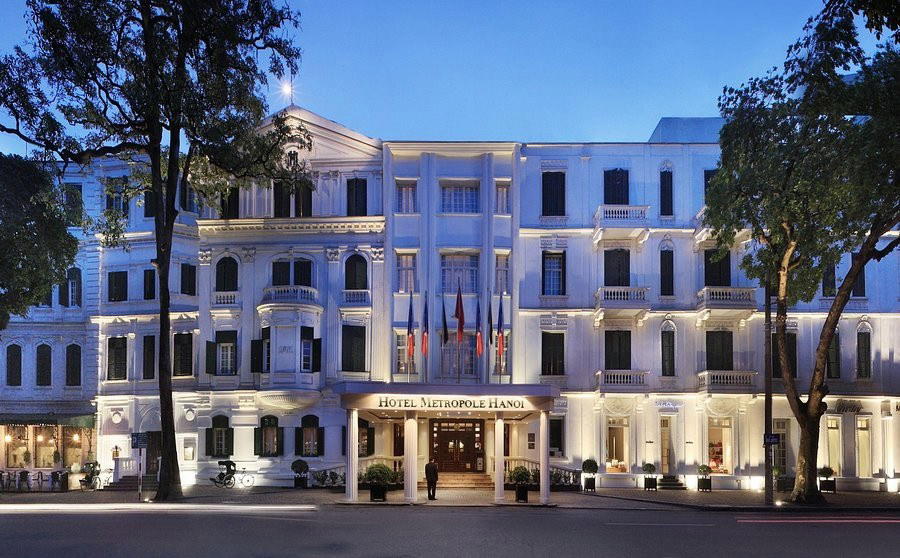
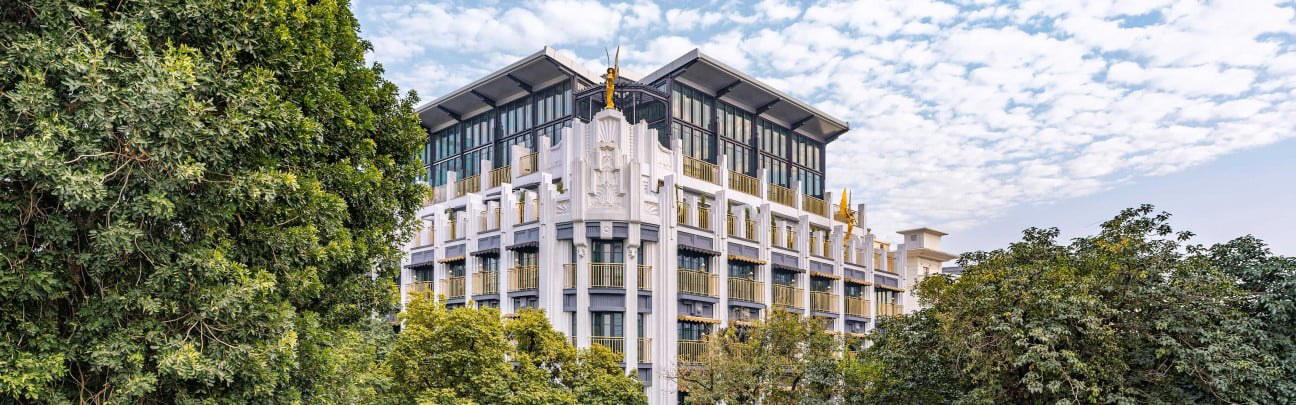
Details
- Elegant
- Sophisticated
- Ornate
- Classic
- Romantic Getaway
- Business Trip
- Weekend Escape
- Historic Building
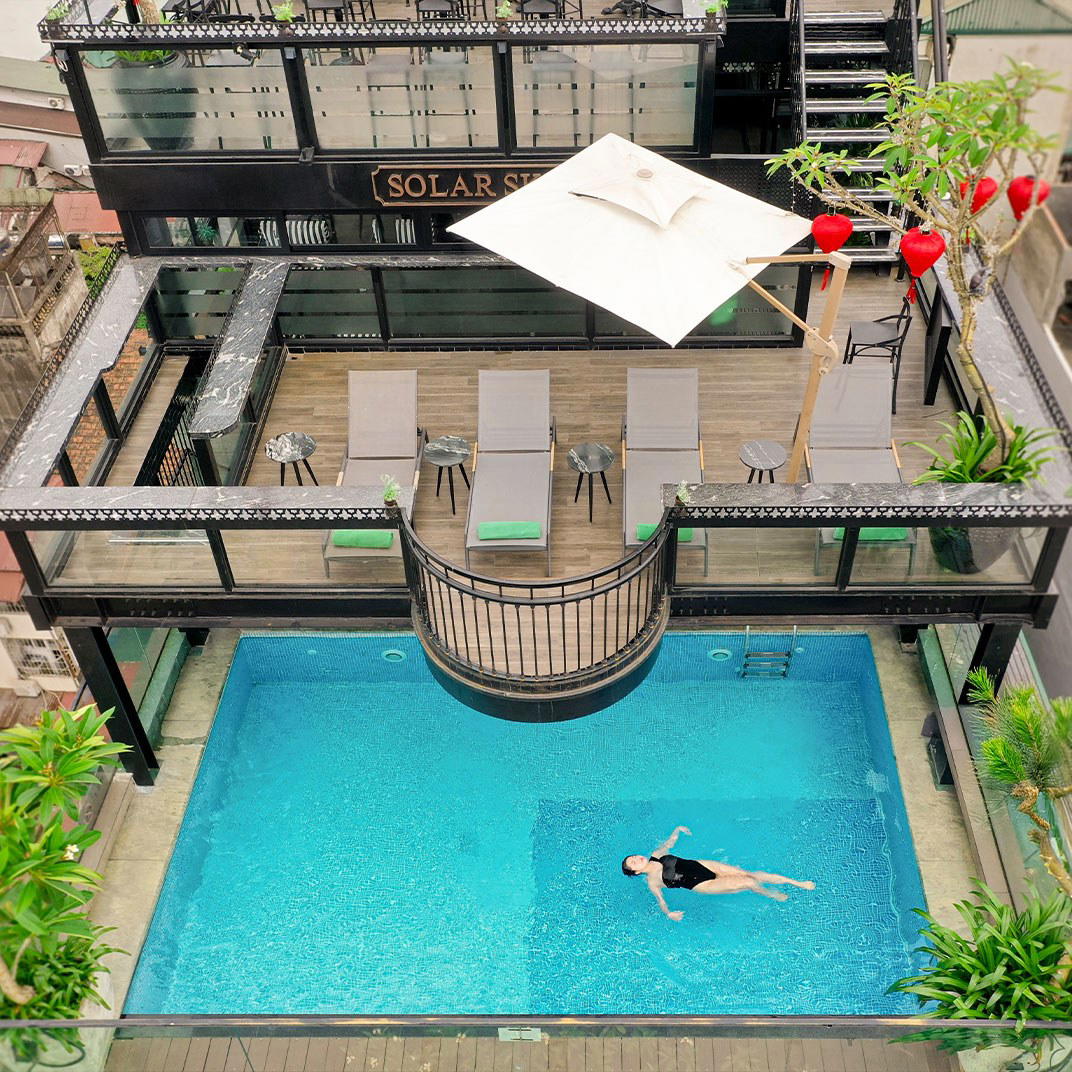
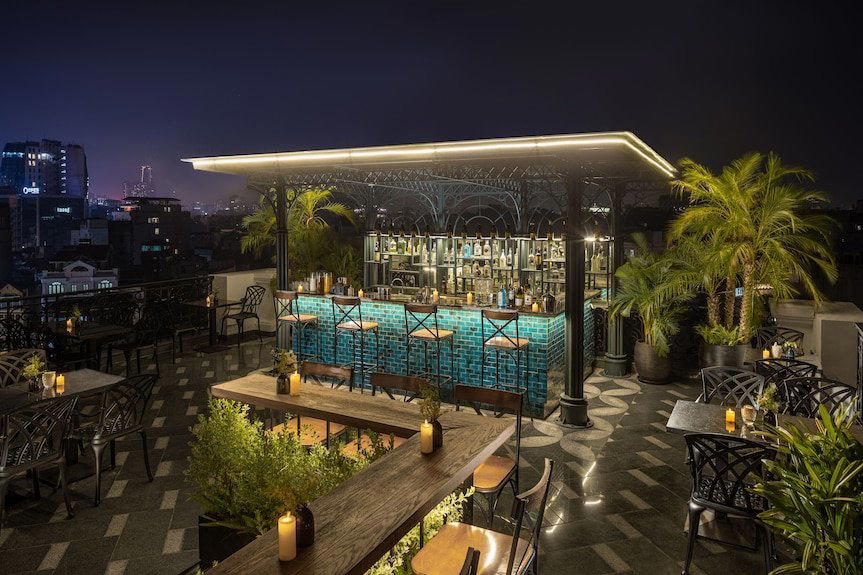
- Terrace
- Pool
- Spa
- Fitness Center
- Room Service
- Concierge
- Wi Fi
- Street Scene
- Elevator
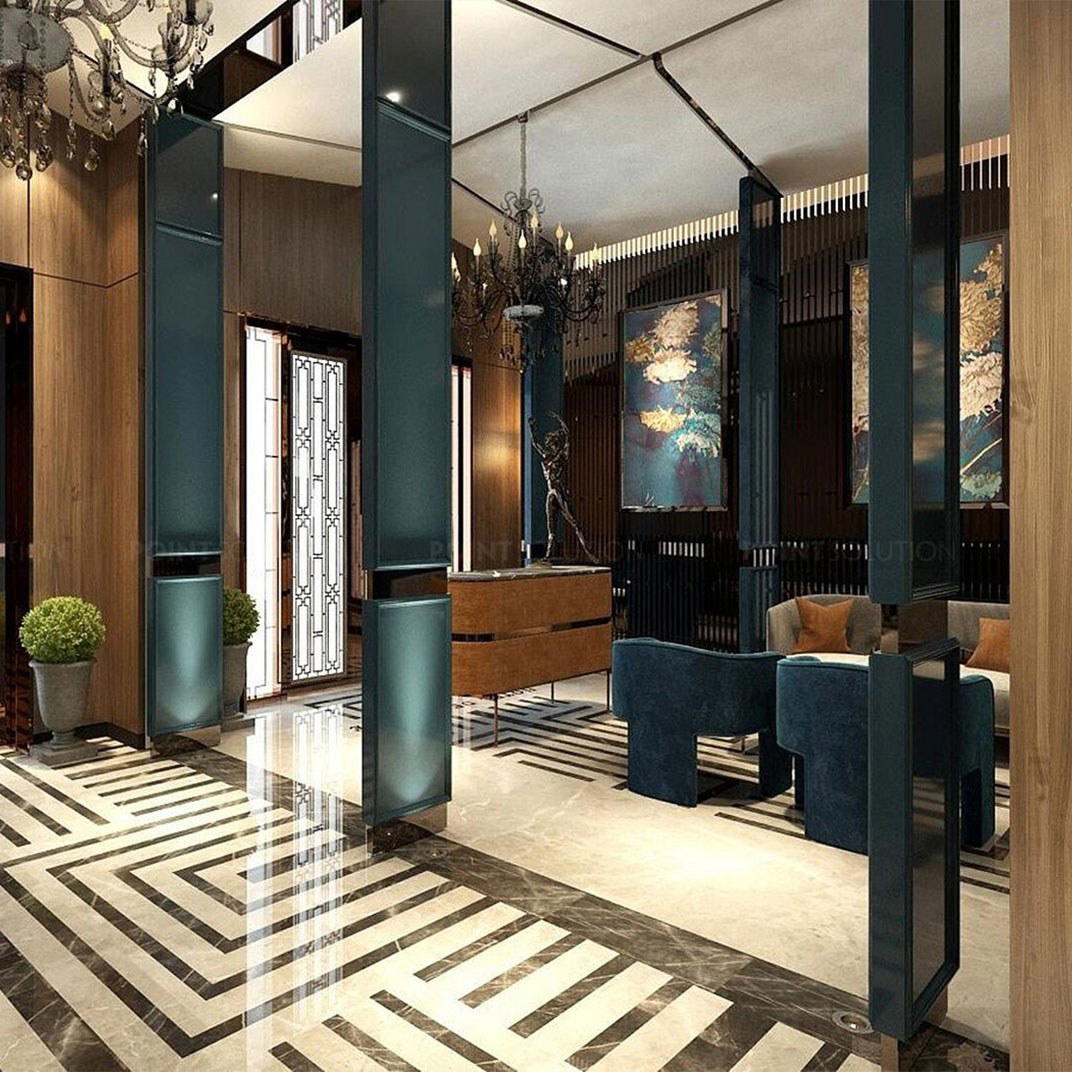
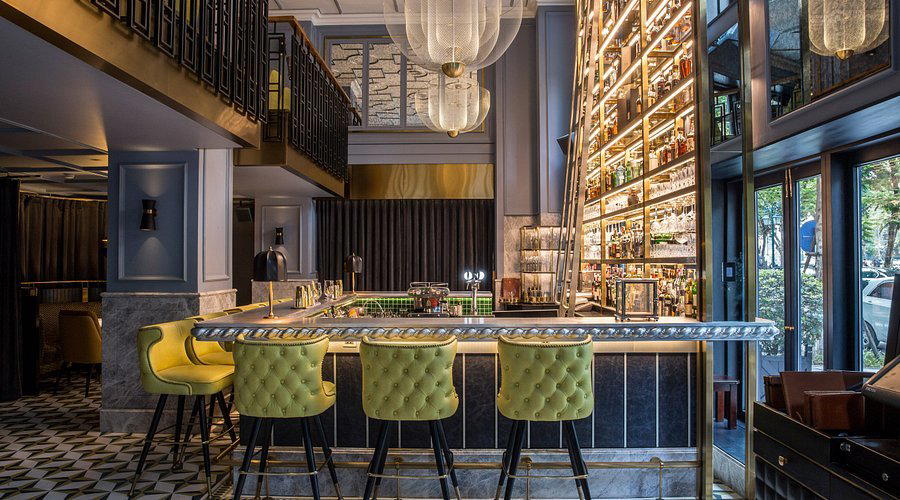
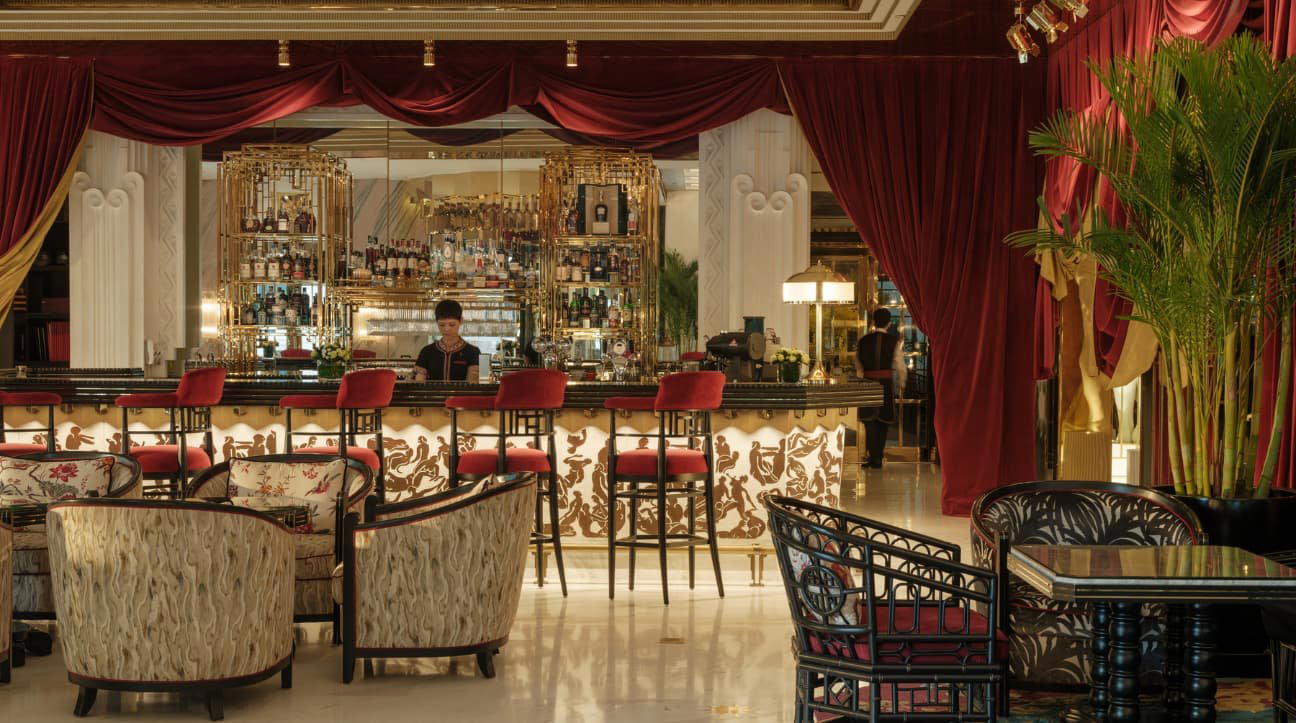
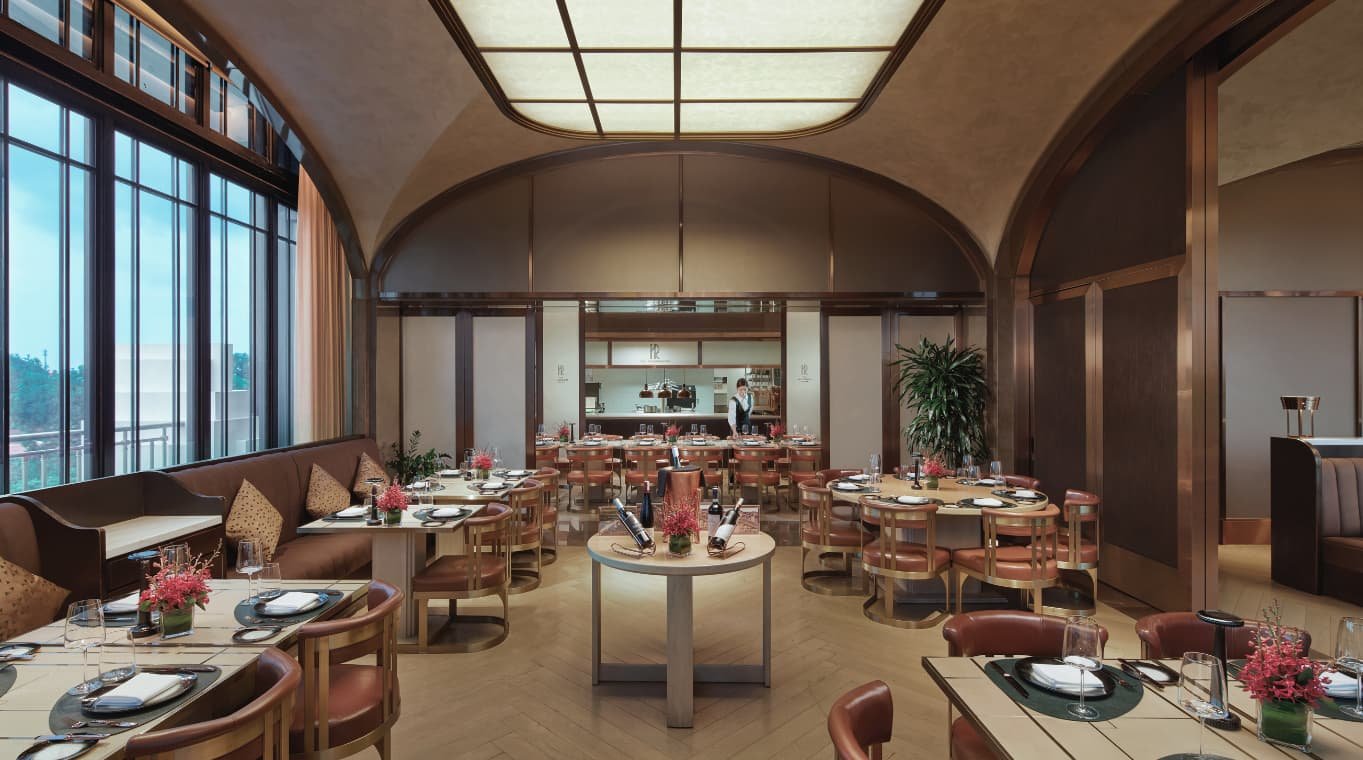
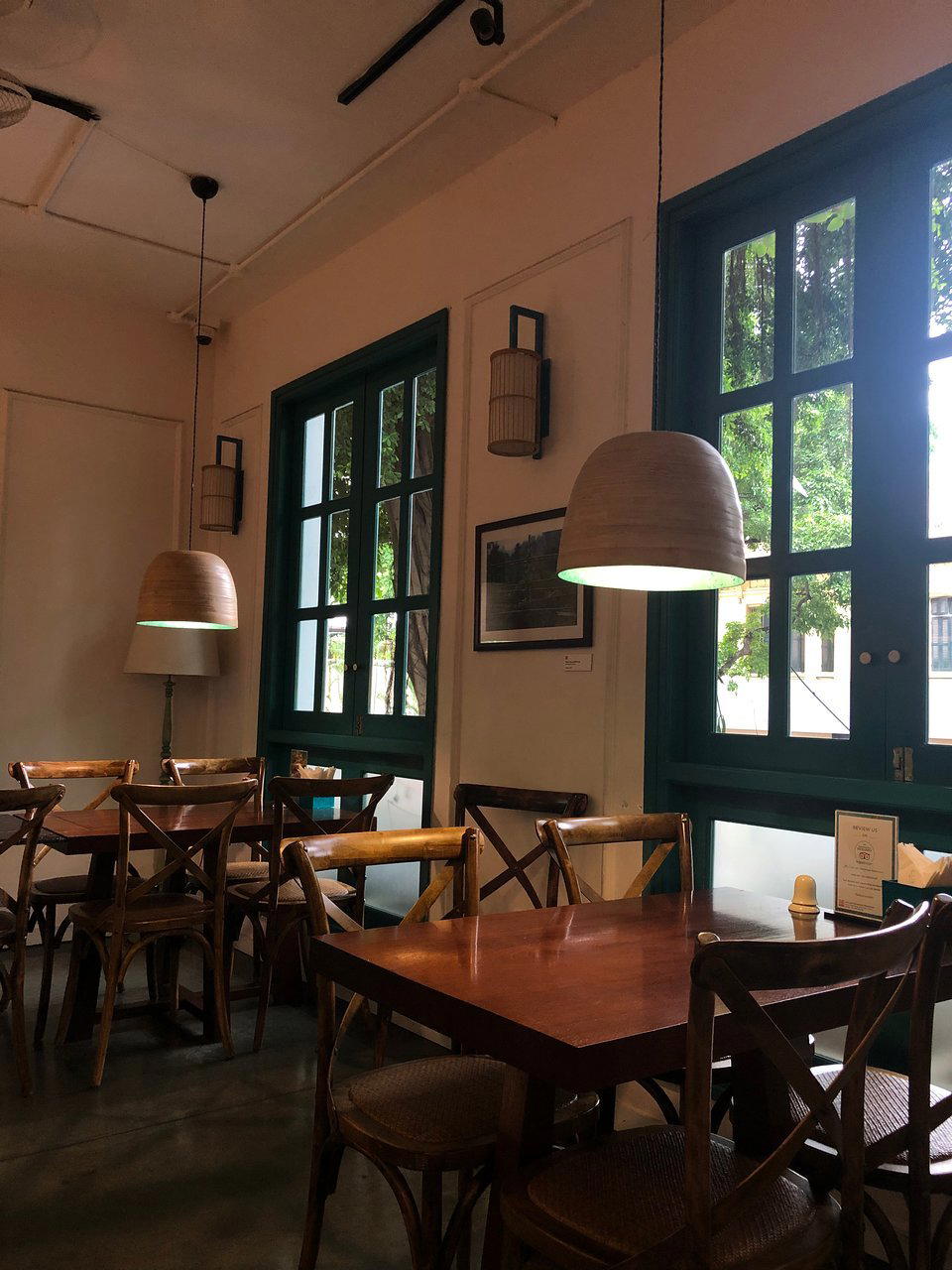
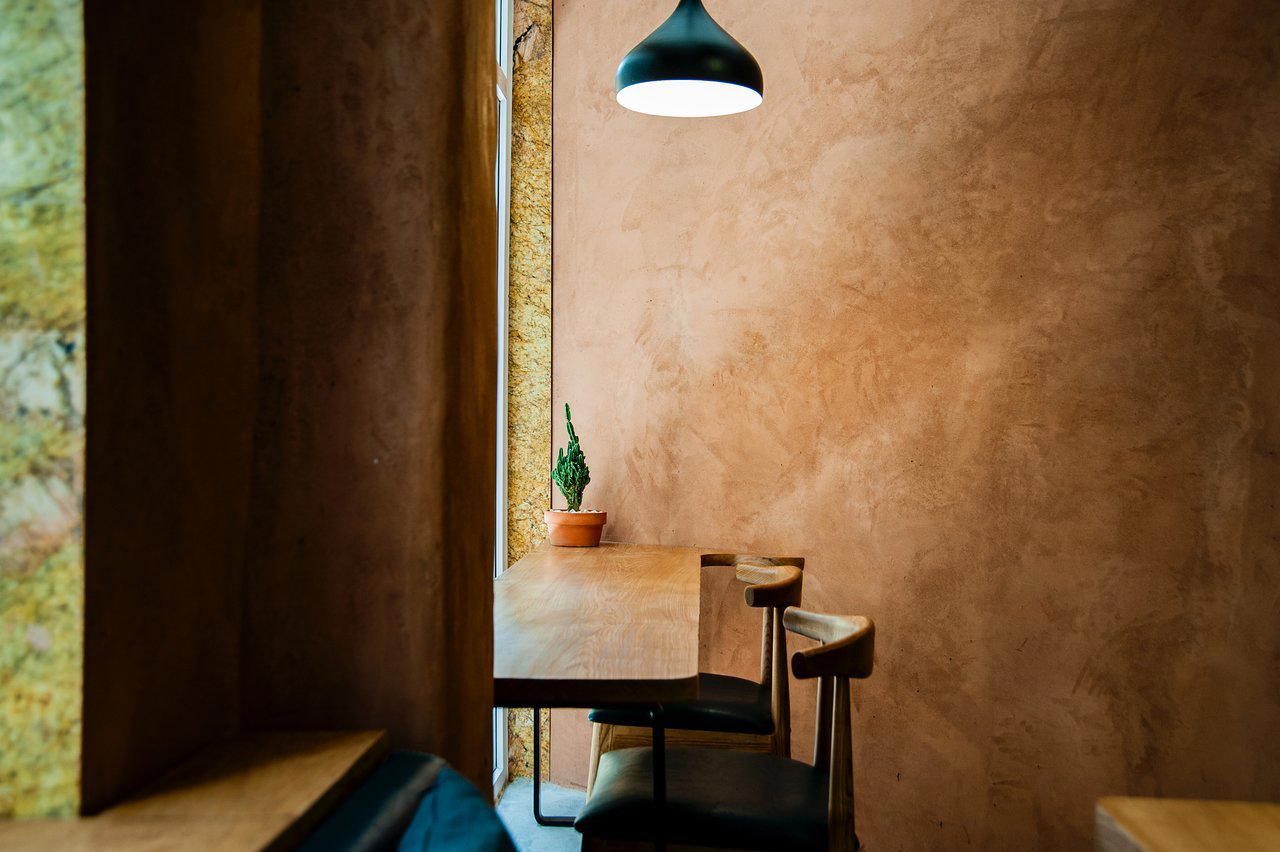
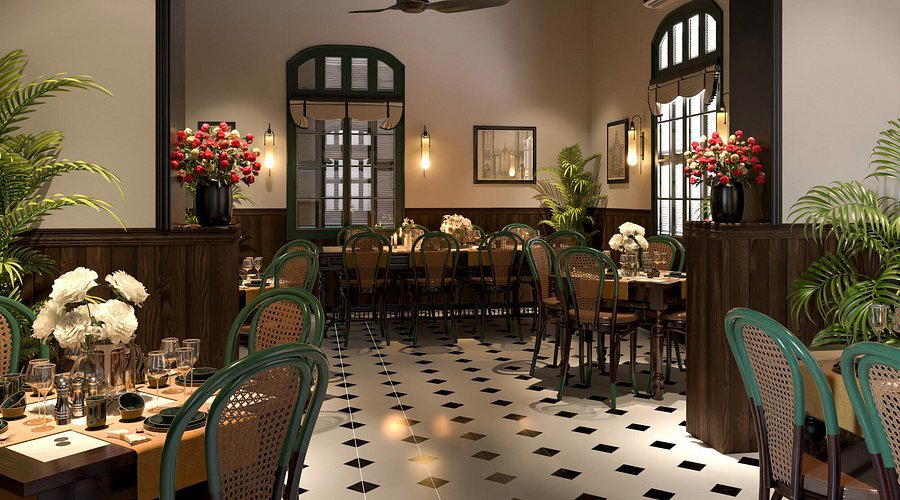
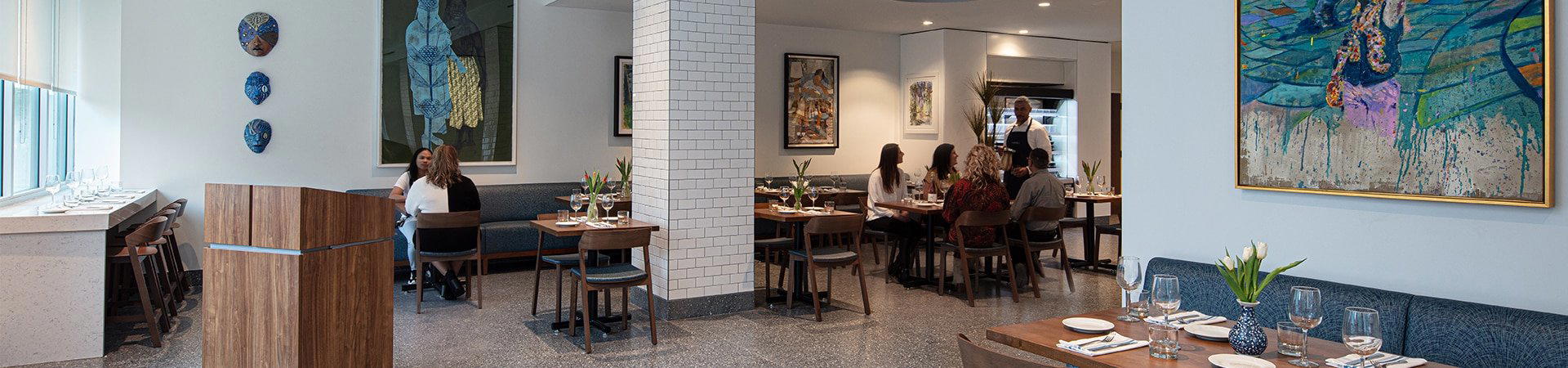
Dramatically decorated with jewel-toned furniture, velvet finishes, chandeliers, and gilt mirrors creating a glamorous, operatic atmosphere.