Our verdict
Bittet Hải Tý sits on Hàng Giấy in Hanoi's Hoàn Kiếm district, at the northern edge of the Old Quarter where the street grid loosens and the pace slows. The venue draws from the deep well of northern Vietnamese dining tradition, positioned in a neighbourhood that has fed the city for generations. For visitors building an itinerary through Hanoi's dining scene, it represents the local end of the spectrum rather than the internationally formatted one.

Pearl is the En Primeur Club membership app — saves, bookings, and concierge access live there. Same editors, same standards.
- Address
- 20 P. Hàng Giấy, Hàng Buồm, Hoàn Kiếm, Hà Nội, Vietnam
- Hours
- Daily 11 AM–11 PM
- Directions
- Get directions
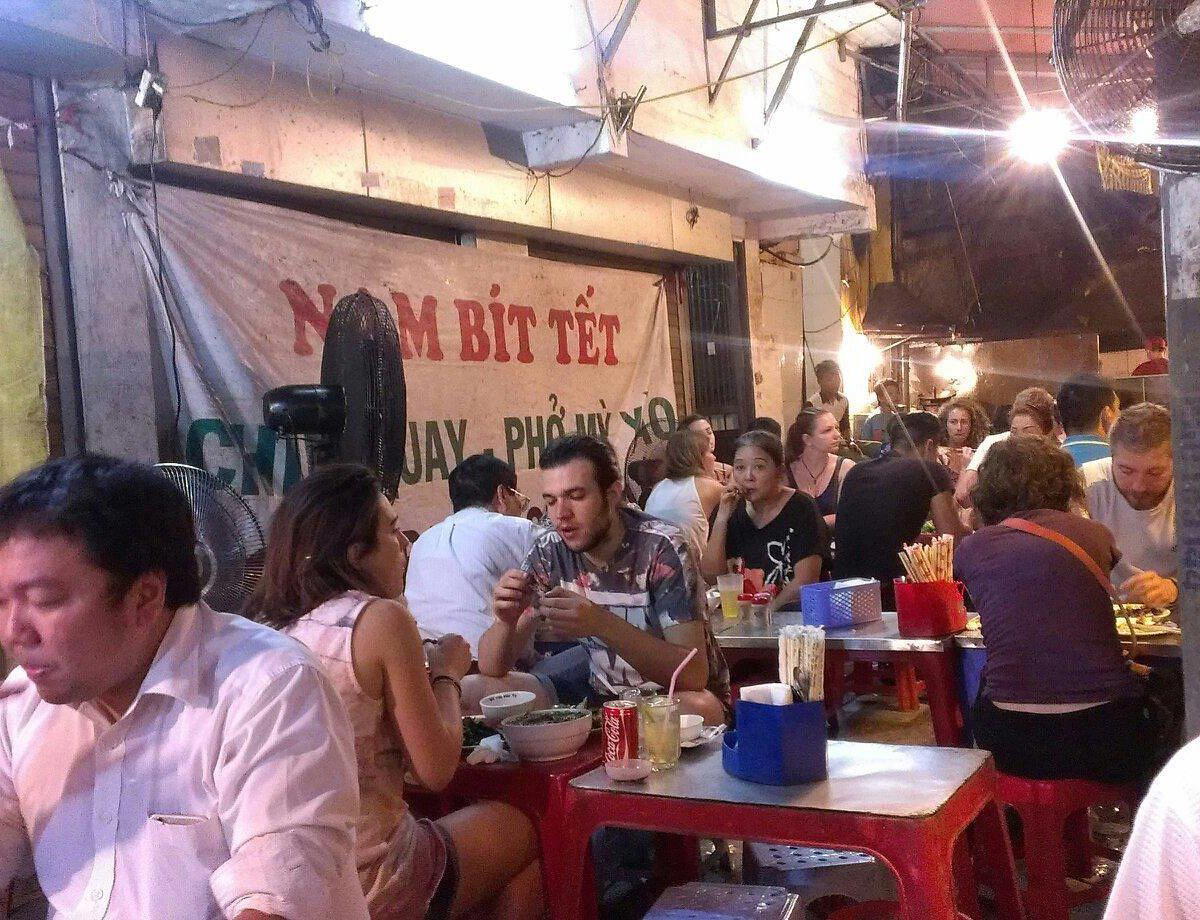
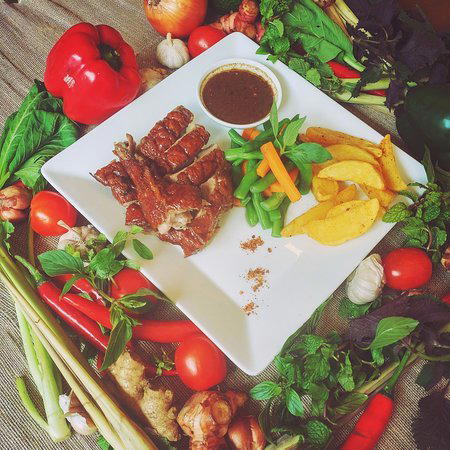
The menu
What to order
- Steak and eggs
- Pancakes
Hàng Giấy and the Northern Edge of the Old Quarter
The stretch of Hàng Giấy that runs north toward Đồng Xuân market occupies a different register from the tourist-dense lanes further south. Street-level commerce here is oriented toward residents: produce vendors, hardware shops, and eating houses that open early and close when the food runs out rather than on any fixed schedule. Bittet Hải Tý at number 20 sits inside this logic. The address places it at the boundary between Hàng Buồm ward and the busier pedestrian zones, close enough to draw foot traffic from visitors staying in the Old Quarter, but operating according to neighbourhood rhythms rather than hospitality-industry ones.
This part of Hoàn Kiếm is worth understanding before you arrive. Hàng Giấy translates loosely as Paper Street, named for the trade that once defined it. The area's commercial identity has shifted over decades, but the eating culture has remained relatively stable: northern Vietnamese cooking, executed at street level, priced for daily repeat visits. That is the competitive frame for Bittet Hải Tý, not the ₫₫₫₫ contemporary Vietnamese restaurants like Gia or the international-format kitchens such as Hibana by Koki that occupy the higher end of Hanoi's dining tiers.
Where It Sits in Hanoi's Dining Tier Structure
Hanoi's restaurant scene has stratified sharply over the past decade. At one end, contemporary venues with tasting menus and international wine programs have carved out a small, expensive tier that prices against regional peers in Bangkok and Ho Chi Minh City. At the other, neighbourhood eating houses and street stalls maintain price points and formats that are inseparable from the communities they serve.
This matters for how you plan a visit. A Hanoi itinerary that includes both 1946 Cua Bac and a place like Bittet Hải Tý is tracking the full range of the city's food culture rather than staying in a single tier. The Old Quarter and its immediate surroundings contain more eating options per block than almost any other urban area in Southeast Asia, which means the selection calculus is about specificity: what kind of cooking, at what hour, from what tradition.
The Beverage Question in a Neighbourhood Format
The editorial angle here runs against the grain of the venue's likely format. Wine curation, cellar depth, and sommelier programs belong to a different tier of Hanoi's hospitality sector. That conversation does not typically extend to the neighbourhood eating-house tier.
What Bittet Hải Tý's address and market positioning suggest instead is a beverage offer built around what northern Vietnamese drinking culture actually looks like at street level: bia hơi, the fresh draught beer brewed daily and consumed at low tables on plastic stools, and possibly local spirits. Hàng Giấy sits close enough to the Đồng Xuân wholesale district that access to fresh beer from the city's established producers is direct. If you are building an evening around wine, the neighbourhood format is not the right frame. If you are tracking the full arc of how Hanoi drinks across its tiers, from the curated lists at the leading end to the bia hơi culture of the Old Quarter's street level, then the contrast is the point. For reference on what a formal wine program looks like in the broader Vietnamese context, La Maison 1888 in Da Nang and Akuna in Ho Chi Minh City represent the structured end of that spectrum.
Planning a Visit: What the Address Tells You
Hoàn Kiếm is walkable from most Old Quarter accommodation, and Hàng Giấy is reachable on foot from the central lake in under fifteen minutes, depending on which direction you approach from. The neighbourhood eating-house format in this part of Hanoi typically means no reservation system, cash payment, and seating that fills and empties quickly during peak meal hours. Lunch service in this tier often runs from around 11am and can wind down before 2pm if the kitchen sells through its prepared dishes. Evening hours vary.
For visitors who want to cover more of Hanoi's food geography in a single visit, 19 P. Ngũ Xã offers a different neighbourhood reference point on the western lake side. The contrast between Trúc Bạch and the Old Quarter illustrates how differently local eating culture can feel within a short taxi ride. Our full Hanoi restaurants guide maps the city's dining scene by neighbourhood and tier, which is the most useful framework for building an itinerary rather than chasing individual addresses.
Visitors arriving from other Vietnamese cities will find useful context in what the regional contrasts look like: Saffron in Hue City, Cargo Club Cafe and Restaurant in Hoi An, and Nhà hàng Madame Lân in Hai Chau each represent how different cities in Vietnam have developed their own hospitality formats at the mid-tier. Northern Vietnamese cooking, as practised in Hanoi's Old Quarter, is noticeably more restrained in its seasoning than the central or southern equivalents, which is a distinction worth understanding before you sit down.
Beyond Vietnam, the tier comparison extends further: what Le Bernardin in New York City or Lazy Bear in San Francisco represent at the formal end of their respective cities' dining markets is structurally opposite to what a Hàng Giấy eating house represents in Hanoi. Both ends of that spectrum serve a real function; the error is to judge one by the criteria of the other.
Frequently asked questions
What part of town is Bittet Hải Tý in?
Bittet Hải Tý is located at 20 P. Hàng Giấy, Hàng Buồm, Hoàn Kiếm, Hà Nội, Vietnam, Hanoi.
Where exactly is Bittet Hải Tý and how does its location shape the experience?
Bittet Hải Tý is at 20 P. Hàng Giấy, Hàng Buồm, Hoàn Kiếm — on the northern arc of Hanoi's Old Quarter, closer to Đồng Xuân market than to the more visitor-dense lanes around Hoàn Kiếm Lake. That placement matters: the street draws a predominantly local crowd, and the dining formats here reflect Hanoi's own eating habits rather than an international comfort zone. The address is reachable on foot from most Old Quarter accommodation.
What should I eat at Bittet Hải Tý?
Bittet Hải Tý sits on Hàng Giấy in Hanoi's Hoàn Kiếm district, a street with a long-standing culture of local Vietnamese cooking. The surrounding neighbourhood skews toward northern Vietnamese formats — expect dishes rooted in that tradition rather than tourist-adapted menus. Specific current offerings are best confirmed on arrival or by visiting in person at 20 P. Hàng Giấy.
How far ahead should I plan for Bittet Hải Tý?
No booking infrastructure is publicly documented for Bittet Hải Tý, which aligns with the walk-in culture common to this stretch of Hàng Giấy. Neighbourhood formats at this northern edge of the Old Quarter typically fill during lunch and early evening. Arriving outside peak hours is the practical approach.
What's Bittet Hải Tý best at?
The address on Hàng Giấy places Bittet Hải Tý in a corridor that has historically served Hanoi residents rather than the tourist circuit centred further south in the Old Quarter. That positioning tends to produce cooking calibrated to local standards rather than adapted for outside audiences. The specific kitchen strengths require a direct visit to assess.
Can Bittet Hải Tý handle vegetarian requests?
Northern Vietnamese cooking includes vegetable-forward dishes, but dietary accommodation at this specific address on Hàng Giấy in Hanoi's Hoàn Kiếm district should be confirmed directly when you arrive.
Is Bittet Hải Tý worth the price?
No price range is documented for Bittet Hải Tý. Neighbourhood dining on Hàng Giấy in Hoàn Kiếm typically operates at a significantly lower price point than Hanoi's tasting-menu venues or hotel restaurants, which in this part of the city means strong value by default. Precise costs are best checked on the day.
Side-by-Side Snapshot
Comparable venues nearby, for context on price, style, and recognition.
| Venue | Cuisine | Price | Awards | Notes |
|---|---|---|---|---|
| Bittet Hải TýThis venue — the venue you are viewing | Vietnamese Bistro | Not listed | Not listed | Not listed |
| Hanoi Cooking Centre | Traditional Vietnamese Cooking School | Not listed | Not listed | Ba Dinh |
| Koto Villa | Modern Vietnamese Fusion | Not listed | Not listed | Tay Ho |
| Comida Hanoi Restaurant & Cooking Class | Vietnamese | Not listed | Not listed | Hoan Kiem |
| Cau Go Vietnamese Cuisine | Authentic Regional Vietnamese Cuisine | $10–20 | Michelin Plate | Hoan Kiem |
| Senté | Modern Vietnamese Lotus Cuisine | $10–20 | Michelin Plate | Hoan Kiem |
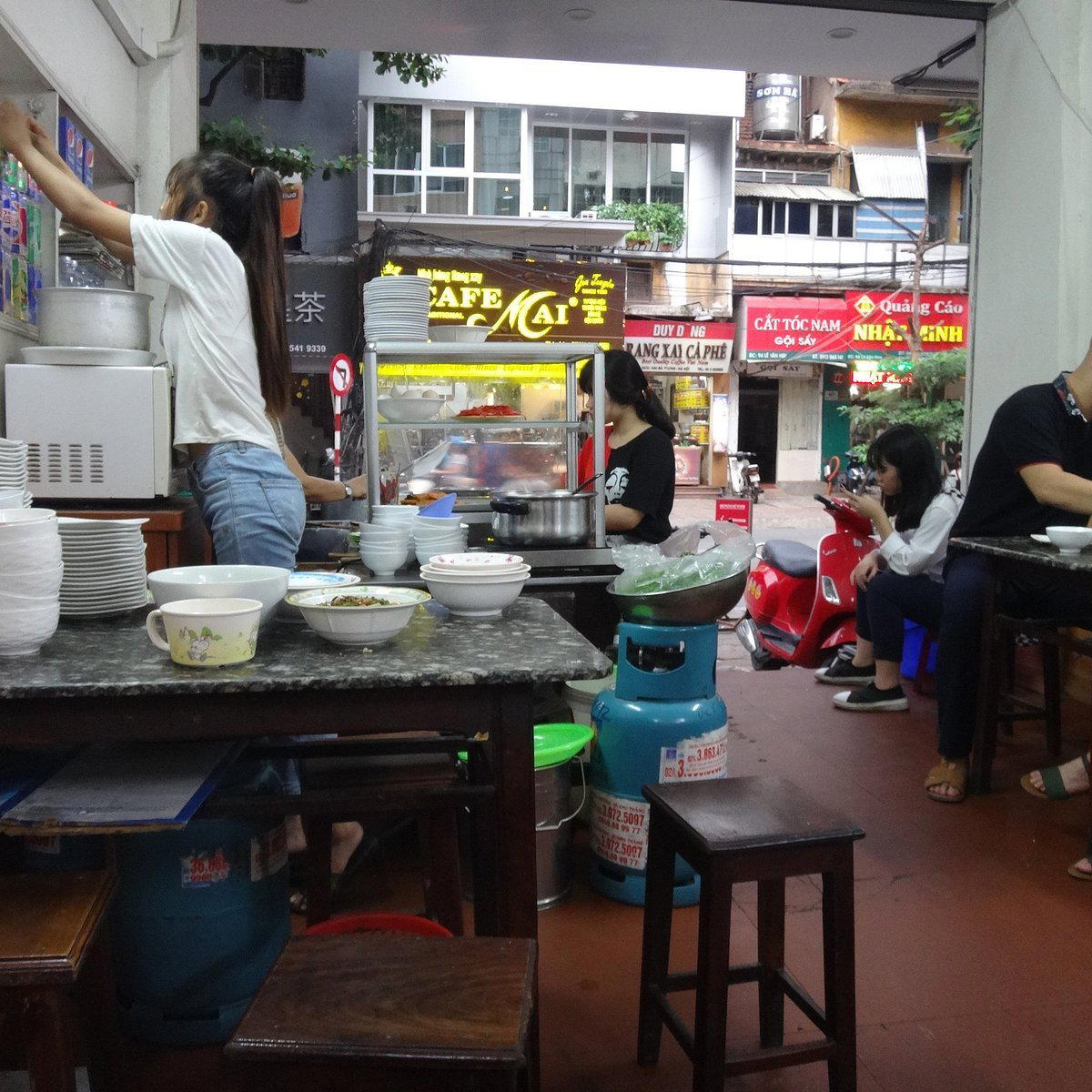
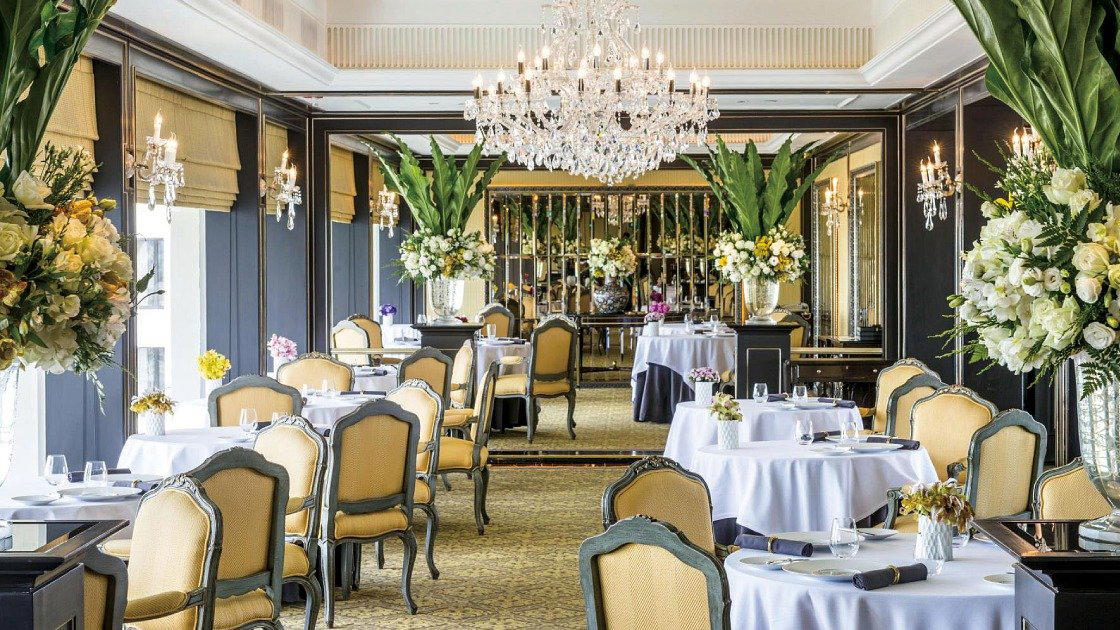

Details
- Cozy
- Casual Hangout
- Street Scene
- A La Carte
Current opening hours
- Monday
- 11 AM–11 PM
- Tuesday
- 11 AM–11 PM
- Wednesday
- 11 AM–11 PM
- Thursday
- 11 AM–11 PM
- Friday
- 11 AM–11 PM
- Saturday
- 11 AM–11 PM
- Sunday
- 11 AM–11 PM
Hours can change for holidays and private events. Last verified .
Charming casual eatery with sizzling hot plate presentations.