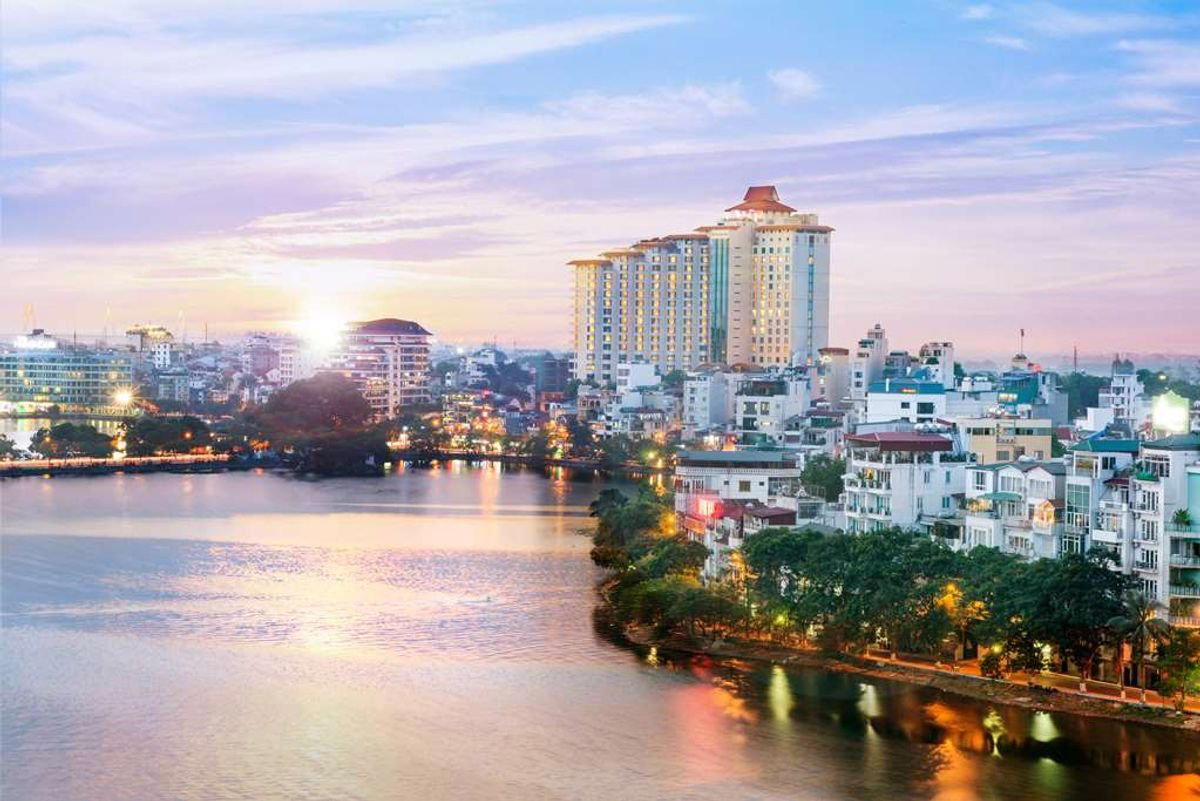
On the quiet western bank of Trúc Bạch Lake in Ba Đình, 19 P. Ngũ Xã occupies one of Hanoi's most architecturally layered addresses. The street sits within a neighbourhood where French colonial-era planning meets the rhythms of old Hanoian residential life, placing any table here inside a broader tradition of lakeside dining that the capital has sustained for generations.
Pearl is the En Primeur Club membership app — saves, bookings, and concierge access live there. Same editors, same standards.
- Address
- 19 P. Ngũ Xã, Trúc Bạch, Ba Đình, Hà Nội, Vietnam
- Directions
- Get directions
 Saves & bookings on Pearl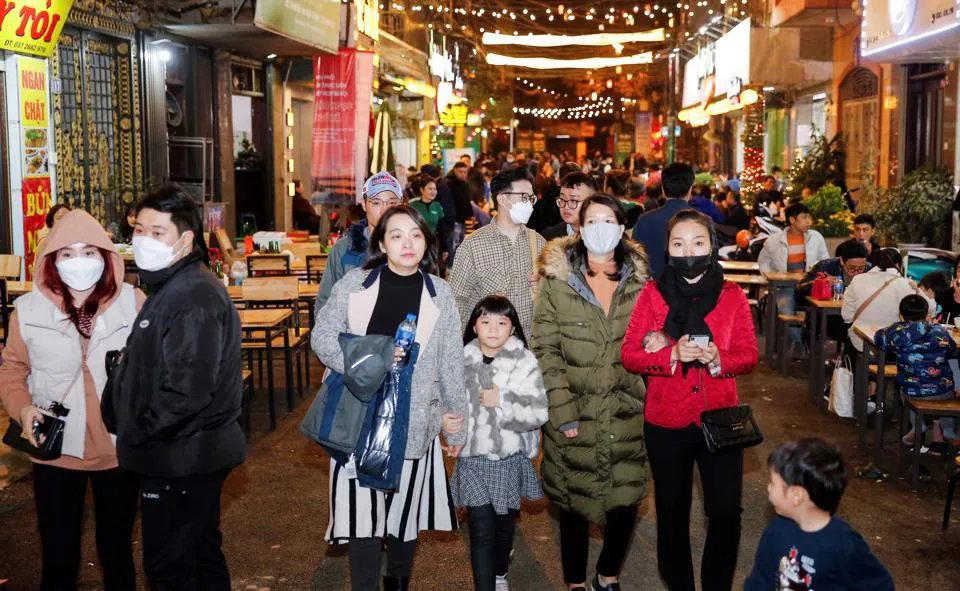
Where Trúc Bạch Lake Sets the Table
Approach Ngũ Xã Street from Ba Đình and the shift in register is immediate. The traffic noise from Phan Đình Phùng softens, the canopy of mature trees thickens, and the surface of Trúc Bạch Lake catches the afternoon light in a way that slows the pace of everyone moving along the western bank. Hanoi's lakeside addresses have always carried a particular social weight: they concentrate the city's older residential fabric, its slower pace of neighbourhood commerce, and a dining culture that does not perform for tourists so much as simply exist for locals. This corner of Ba Đình, bounded by the lake on one side and French-era street grids on the other, sits at the intersection of all three.
Within the wider map of Hanoi dining, this neighbourhood operates at a different frequency from the Old Quarter's high-turnover street food corridors or the new-build restaurant blocks emerging around Tây Hồ. The streets around Trúc Bạch have been feeding residents for long enough that their dining identity is sedimentary rather than curated. Establishments here tend to draw regulars rather than first-timers, and the rituals of eating in this part of the city, the slow accumulation of dishes on a shared table, the glass of bia hơi poured before the food arrives, the unhurried settlement of a bill, are habits embedded in the neighbourhood's social architecture.
The Hanoian Table as Ritual
Vietnamese dining in the northern tradition is, structurally, a communal choreography. In Hanoi specifically, the meal unfolds in an order that differs from the course-by-course logic of European service or even from the more improvisational approach found further south. Dishes arrive based on readiness rather than a pre-announced sequence. Cold preparations come early, proteins and broths follow, and the rice that anchors a full meal tends to appear mid-table when the kitchen judges the timing right. The diner who attempts to impose a rigid order on proceedings is working against the grain of how food here is meant to be received.
This kind of pacing matters especially in a residential neighbourhood setting, where the dining room tends to feel like an extension of domestic space rather than a stage. The customs that govern shared eating in Hanoi, serving others before yourself, topping up drinks around the table before your own, waiting until the eldest or most senior guest has gestured toward a dish, are not performative formalities. They are the operating system of a communal meal, and understanding them changes what an evening in a place like this actually feels like. For visitors accustomed to structured tasting menus, the experience at a neighbourhood address in Ba Đình offers a fundamentally different kind of attention, one paid to the people at the table rather than the sequence of the plates.
Comparable dynamics operate at other Hanoi addresses where Vietnamese culinary tradition shapes the service framework. Tầm Vị and 1946 Cua Bac both work within Vietnamese formats at different price tiers, while Gia and 84 P. Trần Nhân Tông represent the contemporary end of the city's dining range. The neighbourhood address on Ngũ Xã sits in a different register from any of those, closer to the unreconstructed local end of the spectrum.
Ba Đình and the Geography of Hanoi Eating
Ba Đình is not the district most international visitors reach first. The Old Quarter, with its compressed street grid and high concentration of visitor-facing venues, tends to absorb the initial days of any Hanoi stay. But Ba Đình holds most of the city's administrative and historical weight: the Ho Chi Minh Mausoleum complex, the Temple of Literature, and the Presidential Palace are all within its boundaries. The residential streets that web between these monuments are where a significant share of Hanoi's middle-class professional population lives and, crucially, eats.
That demographic shapes the dining offer in the area considerably. Restaurants around Trúc Bạch are sized for neighbourhood use, not for tour groups. The pricing tends to reflect local purchasing power rather than international visitor expectations, and the menus skew toward the kind of northern Vietnamese cooking that Hanoians eat by habit rather than by occasion. Phở made with northern-style clear broth, bún thang with its layered toppings, chả cá preparations found across the city but particularly embedded in this district's food culture, these are the reference points.
For comparison across Vietnam's dining map, the city-specific traditions that define places like Hanoi, Hội An, or Da Nang each carry their own logic. White Rose in Hội An offers a useful illustration of how localised a Vietnamese dish can be, its preparation tied to a single family and a single town. La Maison 1888 in Da Nang and Akuna in Ho Chi Minh City occupy entirely different tiers of the national dining conversation, as do internationally benchmarked addresses like Le Bernardin in New York or Atomix in New York. The neighbourhood address on Ngũ Xã operates without reference to any of those frameworks.
Planning a Visit to Ngũ Xã
The Trúc Bạch area is accessible from the Old Quarter in under fifteen minutes by taxi or xe ôm, and the lakeside stretch of Ngũ Xã Street is navigable on foot once you arrive in Ba Đình. The neighbourhood is at its most active during the long Hanoian lunch window, typically between 11:30 and 13:30, and again in the early evening from around 18:00. Midday visits in the warmer months between April and September will require adjustment for humidity; the lakeside position offers some relief, but Hanoi's summer heat is not incidental.
Ngũ Xã carries no confirmed hours, booking method, or price data, one reliable approach is to arrive during standard Hanoi meal service windows and treat the visit as a neighbourhood discovery rather than a timed reservation. That approach, unhurried and without fixed expectations, aligns with the dining rhythm the area is built around. Further context on the teppanyaki end of Hanoi's international offer is available at Hibana by Koki.
Cuisine and Credentials
Comparable venues nearby, for context on price, style, and recognition.
| Venue | Cuisine | Price | Notes |
|---|---|---|---|
| 19 P. Ngũ XãThis venue — the venue you are viewing | Traditional Vietnamese Pho Rolls | $$ | Not listed |
| Koto Villa | Modern Vietnamese Fusion | $$ | Tay Ho |
| Hanoi Cuisine 1925 | Traditional Vietnamese | $$ | Hoan Kiem |
| Bittet Hải Tý | Vietnamese Bistro | $$ | Hoan Kiem |
| Gia Ngư Restaurant | Vietnamese Fusion Fine Dining | $$$ | Hoan Kiem |
| Madame Hien - Vietnamese Restaurant Hanoi | Authentic Vietnamese Fine Dining | $$ | Hoan Kiem |

At a Glance
- Well Known
- Lively
- Casual Hangout
- Standalone
- Beer Program
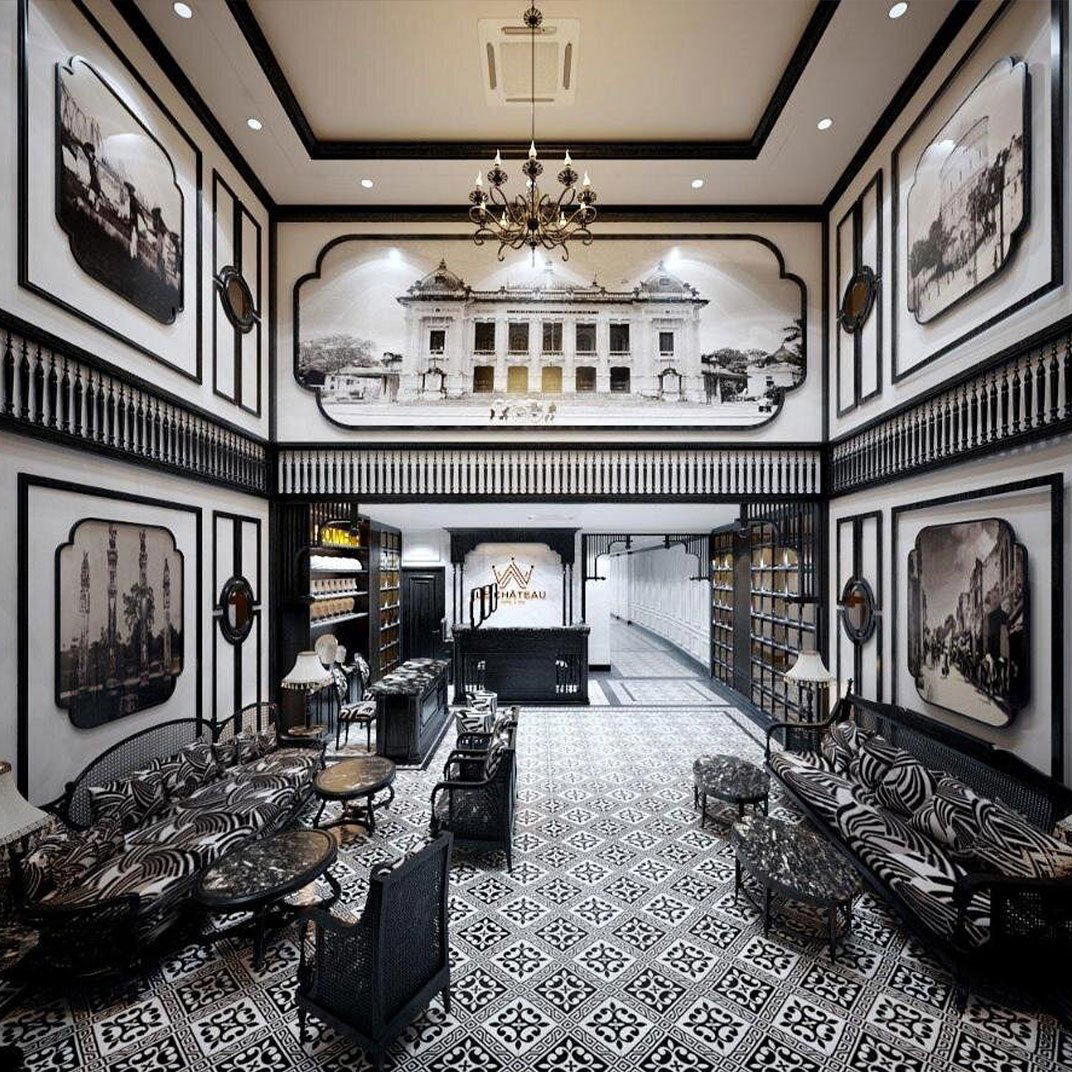
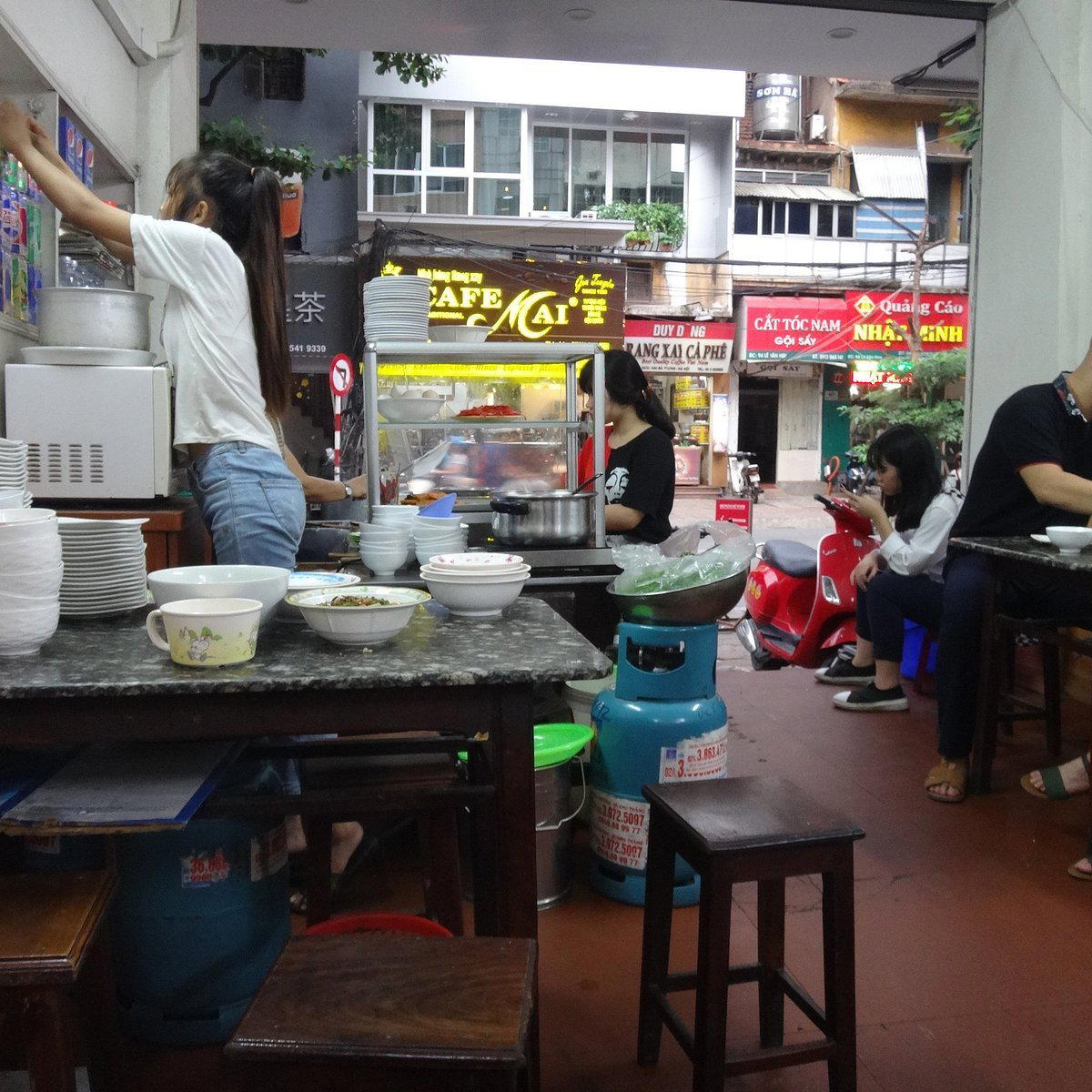
Casual, bustling street-level dining with a local atmosphere typical of traditional Hanoi restaurants.