Situated on the second floor of a low-key Nishiazabu building, 西麻布 香宮 (Shangū) occupies the quieter, more considered end of Tokyo's upscale dining scene. The name itself signals intent: 香宮 evokes a shrine to fragrance and refinement, a frame that shapes how the kitchen approaches Chinese-influenced cooking in one of the city's most discerning neighbourhoods.
Pearl is the En Primeur Club membership app — saves, bookings, and concierge access live there. Same editors, same standards.
- Address
- Japan, 〒106-0031 Tokyo, Minato City, Nishiazabu, 3 Chome−13−10 パークサイドセピア 2F
- Phone
- +81334786811
- Website
- shangu.jp
 Saves & bookings on Pearl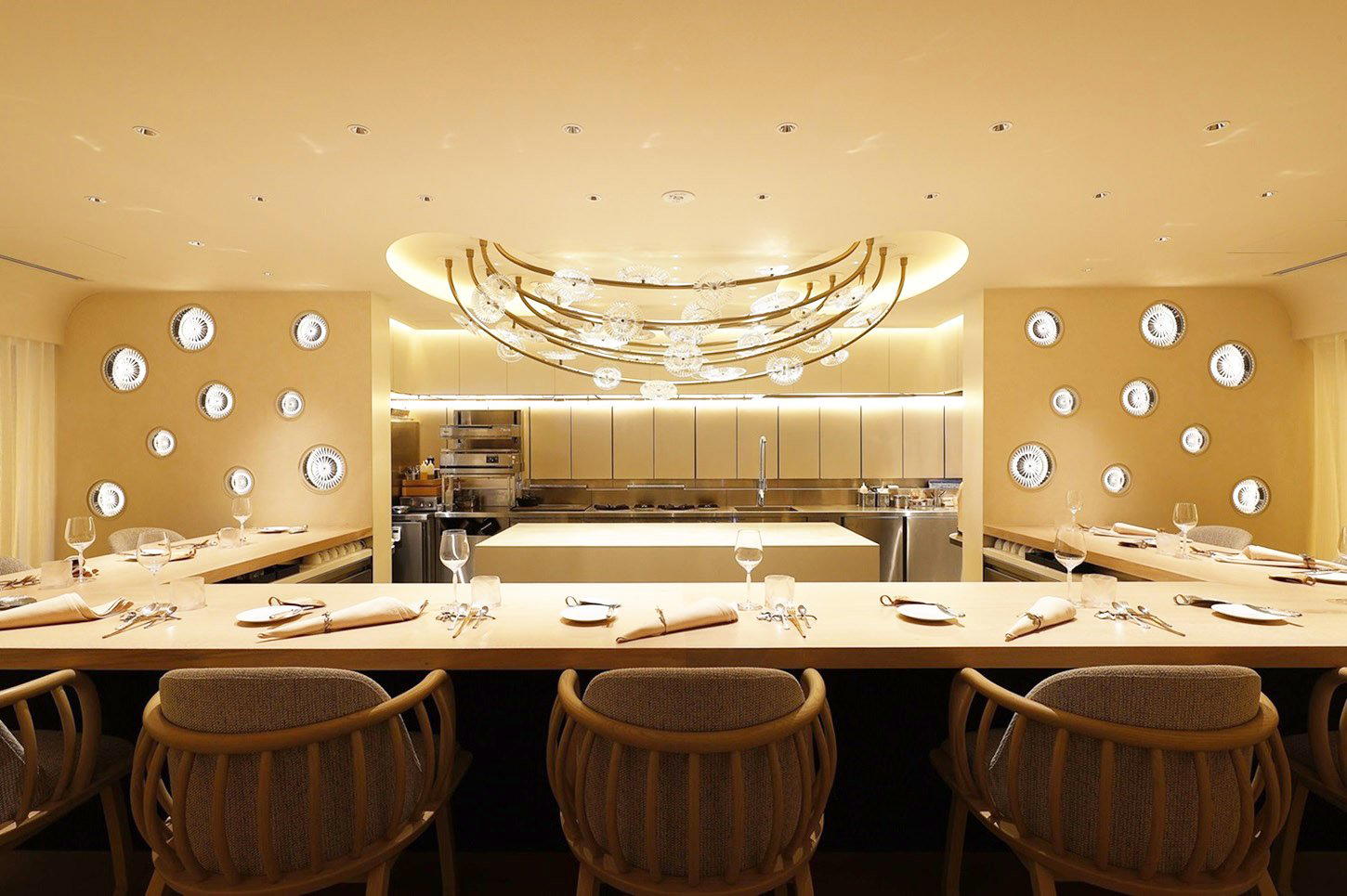
Nishiazabu's Quieter Register
Tokyo's fine dining map is often read through its Michelin columns and omakase counters, but Nishiazabu operates at a different frequency from Ginza or Roppongi Hills. The neighbourhood sits between Hiroo and Roppongi without fully belonging to either, and its restaurant scene reflects that positioning: smaller rooms, less foot traffic, a clientele that tends to know exactly where it is going. Restaurants here do not depend on walk-in trade. 西麻布 香宮 (Shangū), housed on the second floor of Park Side Sepia at 3-13-10 Nishiazabu, fits the neighbourhood's logic precisely, a second-floor address with no pavement signage to speak of, in a city where that kind of restraint functions as its own signal.
The name deserves some attention before anything else. 香宮, read as Shangū in Japanese, combines the characters for fragrance and shrine or palace. That pairing is not incidental. It sets an expectation about register: this is not a room built around spectacle or provocation, but around a certain kind of sensory refinement that Chinese cooking, at its most considered, has always been capable of delivering. In the broader context of Tokyo's Chinese fine dining scene, that framing places Shangū alongside a small cohort of restaurants that treat the cuisine as a subject of serious craft rather than comfort or banquet tradition.
Chinese Fine Dining in Tokyo: The Competitive Frame
Tokyo's premium Chinese dining scene occupies a specific and sometimes underappreciated position in the city's restaurant hierarchy. Compared to the depth of sushi counter culture, represented at the high end by places like Harutaka, or the kaiseki tradition as practised at RyuGin, Chinese cuisine in Japan has historically operated in a more diffuse range, from neighbourhood gyoza shops to Cantonese banquet halls. The category of Chinese cooking serious enough to occupy the same conversation as French-influenced tasting menus at L'Effervescence or Sézanne is genuinely small.
What defines that smaller tier is typically the application of Japanese product standards and seasonality logic to Chinese technique. The result is something shaped by Japan's procurement culture, its preference for restraint in presentation, and its deep familiarity with umami as a structural principle rather than an accent. Shangū's positioning within Nishiazabu, a neighbourhood that regularly supports serious, low-profile restaurants, suggests it is operating within that tier.
Cultural Roots of the Cuisine
To understand what a restaurant named 香宮 is likely doing, it helps to understand the culinary tradition it references. Chinese haute cuisine, in the Japanese interpretation, tends to draw from Cantonese and Shanghainese foundations while incorporating a degree of lightness and ingredient focus more common in kaiseki. The concept of 香, fragrance, is central to Chinese cooking in a way that Western kitchens rarely foreground. Aromatics are not merely background; they are architectural. The sequence in which garlic, ginger, scallion, and dried spices meet heat in a wok is as codified, in its own way, as the dashi hierarchy in Japanese cooking.
That cultural depth is what makes Chinese fine dining a compelling subject in a city like Tokyo, where the audience is sophisticated enough to read those distinctions and the supply chain is good enough to support them. The question for any restaurant in this space is whether it is translating that tradition with fidelity and intelligence, or simply applying premium pricing to familiar formats. Nishiazabu, with its history of supporting restaurants that reward the effort of finding them, is a neighbourhood where the former tends to survive.
For comparison points outside Tokyo, the challenge of presenting Chinese or Chinese-influenced cooking at a fine dining register is visible across Japan. HAJIME in Osaka takes a different approach, French-rooted but deeply influenced by Japanese and Asian ingredient philosophy. Gion Sasaki in Kyoto demonstrates how Japanese kaiseki can absorb outside influence while remaining formally itself. The cross-pollination between Japanese and continental Asian culinary traditions is one of the more generative forces in the country's restaurant scene, and it shows up differently depending on the city and the kitchen.
The Nishiazabu Dining Pattern
Nishiazabu has a particular relationship with serious restaurants that do not need to announce themselves. The area's dining culture skews toward regulars rather than tourists, which means the restaurants that last here tend to have a defined point of view and a stable clientele rather than a reliance on discovery traffic. In this sense, a second-floor address like Shangū's is less a liability than a filter. The guests who arrive are the guests the restaurant is designed for.
This pattern is consistent across Tokyo's most considered dining neighbourhoods. Compare it to the more visible concentration of internationally recognised restaurants in Ginza, where Crony represents the innovative French end of a very competitive tier, and the contrast in audience and register becomes clear. Nishiazabu restaurants tend to draw a Tokyo-fluent crowd rather than a global food tourism circuit crowd. That distinction shapes everything from service style to pacing to the assumptions a kitchen can make about its guests' familiarity with the cuisine.
For those building a broader Japan itinerary around serious dining, the country's regional depth is worth noting. Akordu in Nara, Goh in Fukuoka, and a growing number of recognised restaurants in smaller cities, including 一本木 若川製 in Nanao and 夕佳亭 山乃 in Sapporo, demonstrate that Japan's fine dining culture extends well beyond the Tokyo-Kyoto-Osaka axis. But for Chinese fine dining at this register, Tokyo remains the primary context, and Nishiazabu is one of its more coherent settings.
Planning a Visit
Reservations are essential, and the restaurant is open Tuesday through Sunday for lunch and dinner, with Monday closed. Second-floor restaurants in this neighbourhood are rarely walk-in friendly. Given the address at Park Side Sepia, 3-13-10 Nishiazabu, Minato City, advance planning is the only practical approach.
International comparisons are instructive for calibrating expectations. At Atomix in New York City, Korean fine dining has demonstrated how a non-Western tradition can operate at the highest formal register when the kitchen has both technical command and genuine cultural depth. Le Bernardin in New York represents the French end of that same principle. Shangū's name and neighbourhood position it in the same aspirational register, a room where the cuisine's cultural seriousness is the point, not the backdrop.
Budget Reality Check
Comparable venues nearby, for context on price, style, and recognition.
| Venue | Cuisine | Price | Awards | Notes |
|---|---|---|---|---|
| 西麻布 香宮 (シャングウ)This venue — the venue you are viewing | Minato, Modern Cantonese Fine Dining | $$$$ | , | |
| Maison de Yuron | Minato, Nouvelle Chinoise | $$$$ | , | |
| 中華寝台 | Shibuya, Modern Creative Chinese | $$$$ | , | |
| Cantonese en | $$$ | , | Chiyoda, Modern Cantonese for Beauty and Health | |
| Piaoxiang Hiroo Store | Shibuya, Traditional Sichuan Omakase | $$$$ | ||
| Ren | $$$$ | , | Minato, Modern Chinese with French influence tasting menu |









At a Glance
- Elegant
- Sophisticated
- Intimate
- Special Occasion
- Business Dinner
- Date Night
- Chefs Counter
- Open Kitchen
- Sake Program
- Extensive Wine List
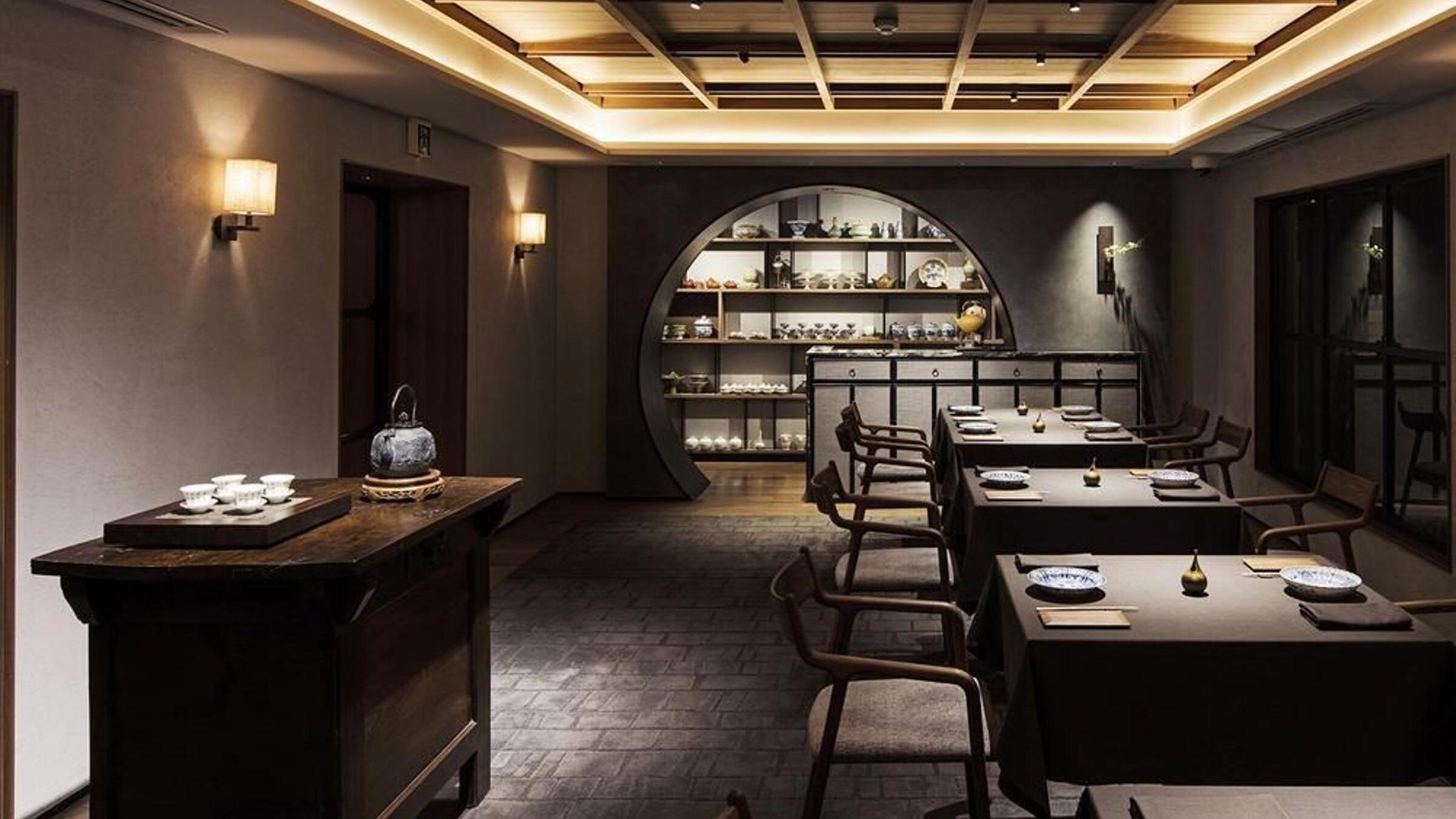
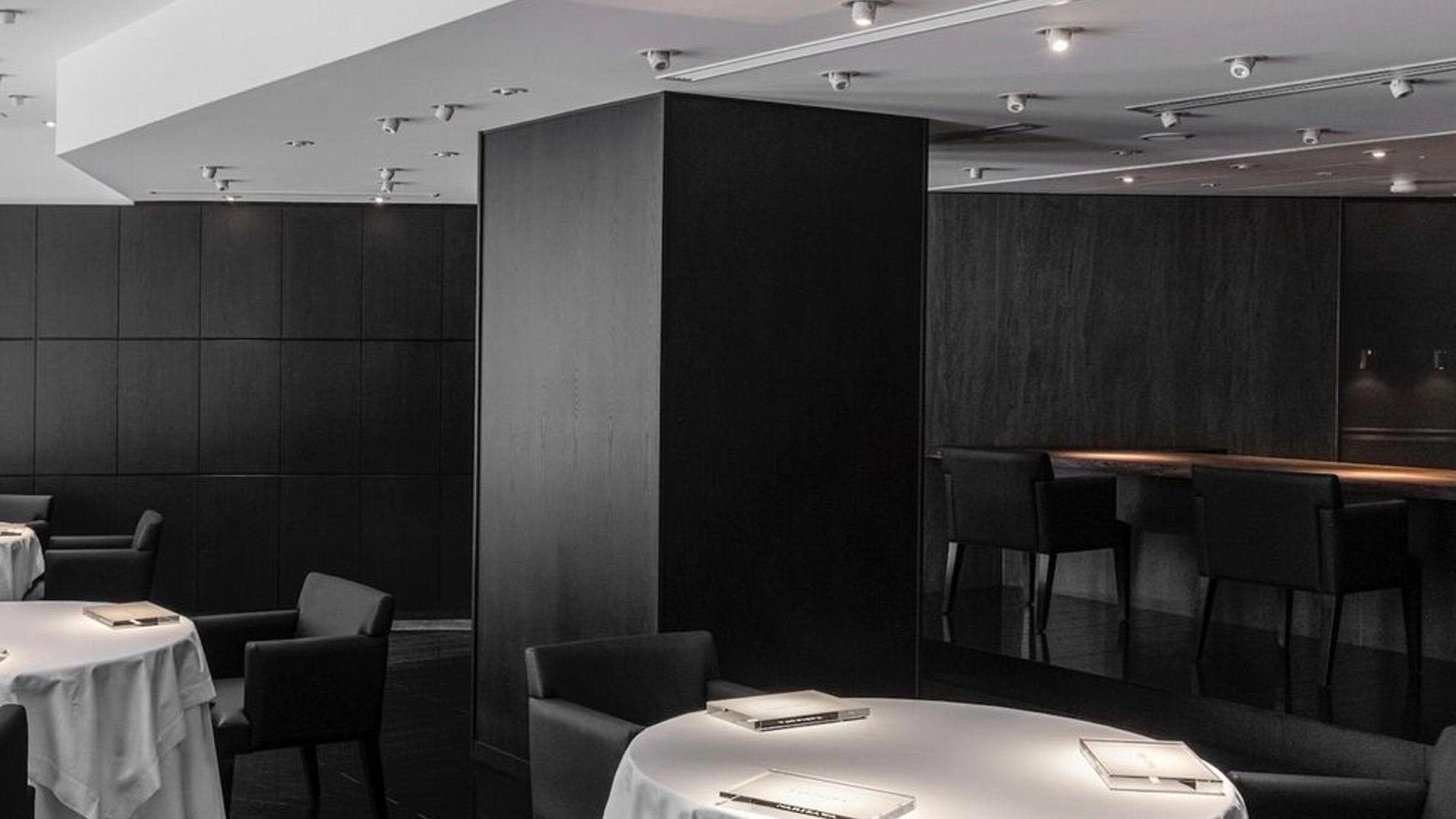
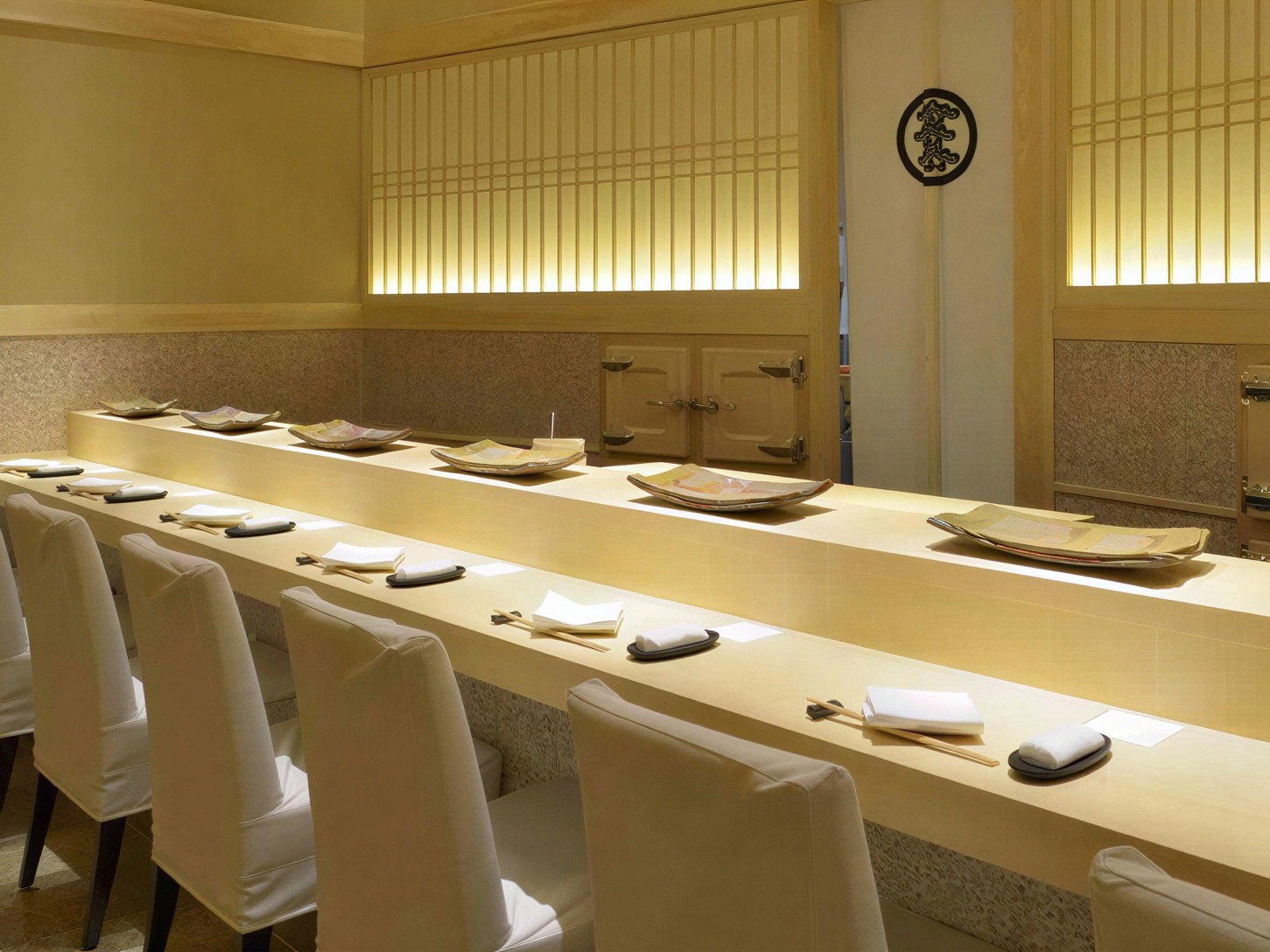
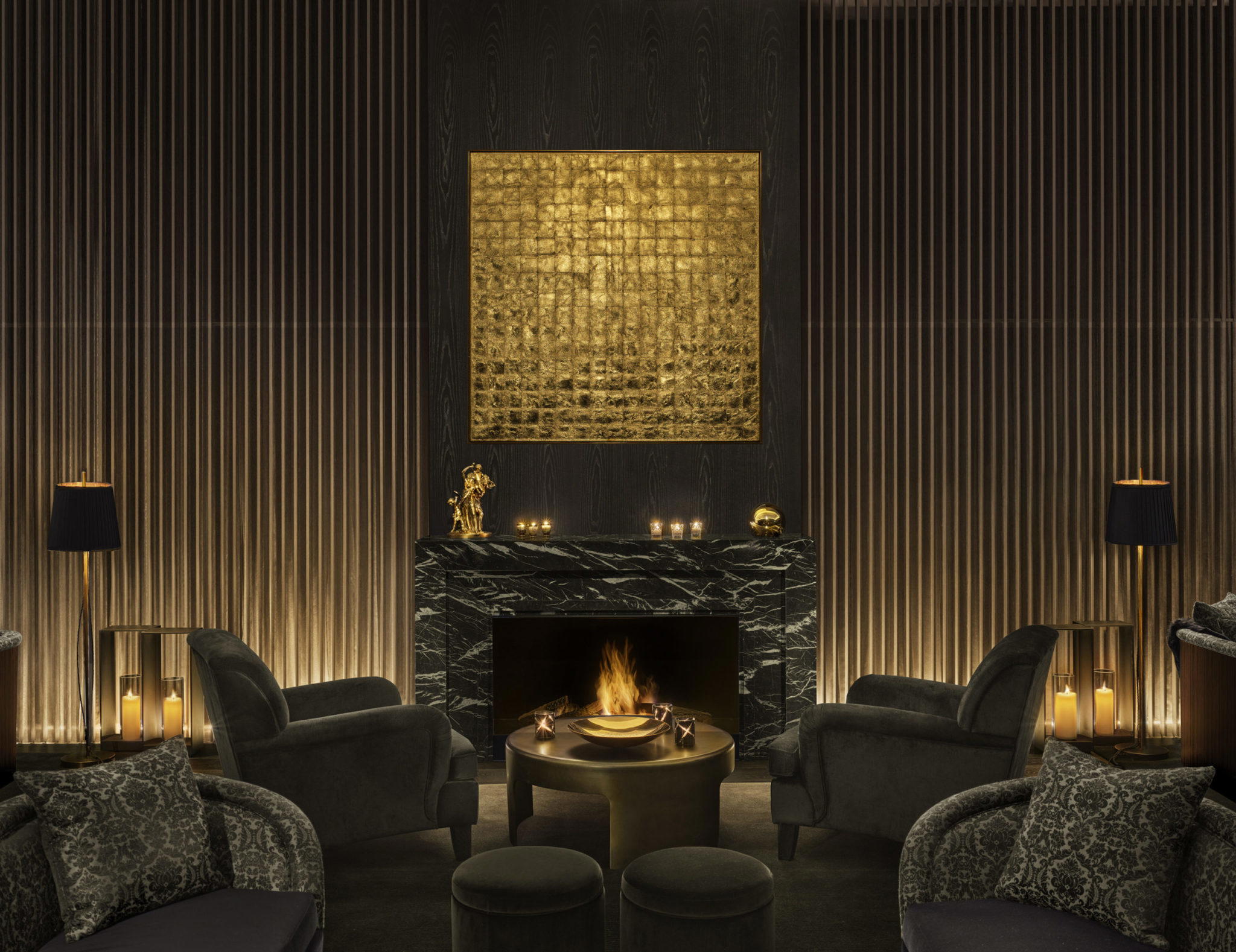
Luxurious counter seating overlooking the open kitchen, with elegant lounge for dessert, creating a sophisticated and intimate atmosphere.