
飘香 广尾店 sits in Tokyo’s high-scrutiny Chinese dining tier, where menu structure matters as much as technique. Its Black Pearl Restaurant Guide 2026 one-diamond recognition places it in a selective category for diners reading Chinese cuisine through awards, sequencing, and a city context that rewards precision over spectacle.
 Request Booking on Pearl
Pearl is the En Primeur Club membership app — saves, bookings, and concierge access live there. Same editors, same standards.
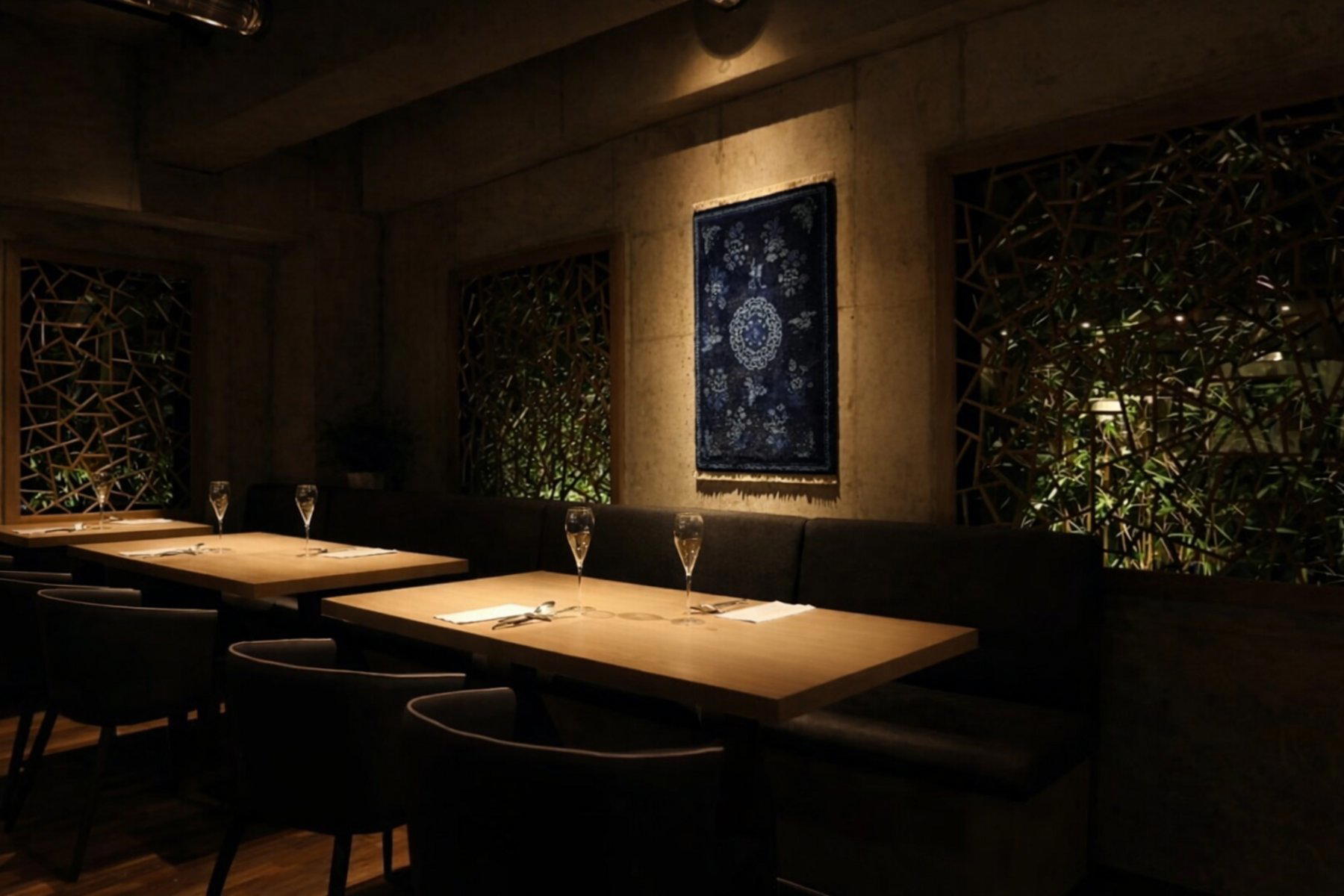
Hiroo changes tempo quickly: embassies, residential side streets, discreet dining rooms, and a clientele that tends to read menus closely rather than chase noise. In that setting, Chinese cooking in Tokyo is not a single category. It runs from everyday noodle counters to banquet-led rooms and chef-driven tasting formats, with the serious end judged by control: heat, pacing, texture, and how the menu moves from appetite to finish.
飘香 广尾店 belongs to that more analytical end of the spectrum. The useful way to read it is through architecture rather than ornament. A Chinese menu at this level has to solve several problems at once: it must show range without becoming encyclopedic, deliver spice without flattening the meal, and pace richer dishes so they do not exhaust the table before the final course. That structure reveals the kitchen’s argument more clearly than any single plate could.
A Chinese menu in Hiroo built around sequence, not volume
Tokyo’s premium Chinese dining has become more disciplined in the past decade. The old binary between formal hotel Chinese and casual neighborhood cooking no longer explains the city. Smaller, more focused restaurants now treat regional technique with the same attention Japanese diners bring to sushi counters and kappo rooms: temperature, seasoning, and the order of arrival are part of the experience, not background logistics.
That is where this restaurant’s Black Restaurant Guide 2026 one-diamond recognition matters. Black is especially relevant for Chinese restaurants because it evaluates within a dining culture where regional identity, service rhythm, and banquet logic carry weight. A one-diamond listing does not merely signal popularity; it places the restaurant within a vetted Chinese dining conversation that extends beyond Tokyo’s local restaurant cycle.
The menu idea here is less about a parade of luxury ingredients than about controlled contrast. Serious Chinese cooking depends on changes in register: cool and warm, crisp and yielding, numbing heat and clean relief, fragrance and depth. In Tokyo, where diners often prize restraint, the challenge is sharper. A kitchen can lose its edge by softening everything for local taste, or lose the room by pushing intensity without modulation. The more persuasive approach is a sequence that lets spice, aroma, and texture appear in measured turns.
Why recognition matters for Chinese dining in Tokyo
Tokyo has deep Chinese dining traditions, but awards coverage has not always mapped them cleanly for international readers. Michelin, local review culture, and regional Chinese guides each reward different signals. Black recognition gives Chinese cuisine a frame closer to its own logic, especially for restaurants where the point is not a single counter format or a chef biography but the broader grammar of the meal.
That distinction is useful for visitors planning a serious Tokyo dining week. Sushi and kaiseki are easier to categorize from abroad because the formats are familiar: counter, omakase, seasonal progression. Chinese dining asks for a different reading. The question is how the table is composed, how intensely the kitchen handles seasoning, and whether the meal has enough internal rhythm to carry multiple courses. 飘香 广尾店 is therefore better understood as part of Tokyo’s quiet expansion of specialist Chinese rooms rather than as a generic upscale dinner option.
Hiroo also shapes the meal’s likely audience. This is not the Shinjuku model of late-night density or the Ginza model of visible ceremony. The neighborhood favors restaurants that can hold attention without theatrical excess. For Chinese cuisine, that setting suits a menu whose credibility rests on balance and sequencing. Diners comparing categories across the city can use Our full Tokyo restaurants guide for the broader restaurant field, while Our full Tokyo hotels guide, Our full Tokyo bars guide, Our full Tokyo wineries guide, and Our full Tokyo experiences guide help place dinner within a wider itinerary.
How to judge the meal: pacing, heat, and restraint
The strongest test for this kind of restaurant is not whether one dish dominates memory. It is whether the meal keeps its shape. Chinese cooking can turn heavy when every course is built for immediate impact; it can turn timid when spice is treated as decoration. A convincing menu works through escalation and release, giving aromatic intensity enough room while keeping the table alert.
For diners used to Japanese tasting menus, the adjustment is mental as much as culinary. The pleasure is not only in seasonality or knife work, though those may matter; it is in the way the kitchen organizes appetite. That makes 飘香 广尾店 a useful booking for travelers who want Tokyo dining beyond the standard sushi-tempura-kappo circuit and who are willing to read Chinese cuisine on its own terms.
For further context across Japan and beyond, EP Club’s restaurant pages range from Tokyo entries such as. 鮪と炭火焼き うお炭 秋葉原店, 12/10 Shinjuku ten, 124. KAGURAZAKA (Yakitori), 2D Cafe, and 3 Chome no Curry Ya San to wider reference points including -Grilled beef Sukiyaki- KAMAKURA TANUKIAN 鎌倉 たぬき庵 in Kamakura.cafe in Osaka.know in Kumamoto, (Shoku) Vietnam in Kawasaki, [Curry Senmon Ten] Maruyama Kyoju. in Sapporo, [ki:] in Kyoto, Jōdo Saké Bar in Los Angeles, and Onigiri Time in Pasadena.
How It Compares
Comparable venues nearby, for context on price, style, and recognition.
| Venue | Cuisine | Price | Notes |
|---|---|---|---|
| 飘香 广尾店This venue — the venue you are viewing | Michelin-starred Traditional Sichuan Tasting Menu | $$$$ | Not listed |
| の弥七 | Japanese-Chinese Fusion Fine Dining | $$$$ | Shinjuku |
| Tsukushi Rou Ginza ten | Luxury Chinese shark fin specialist | $$$$ | Chūō |
| M Mugen | Fine Chinese counter omakase in Ginza | $$$$ | Chūō |
| Akasaka Rikyu Ginza ten | Traditional Cantonese fine dining in Ginza | $$$$ | Chūō |
| Fureika (中国飯店 富麗華) | Traditional Shanghai & Cantonese Chinese | $$$$ | Higashiazabu |
Recognition history
Dated appearances from independent guides and award organizations, with the underlying list record or original source where available.
Black Pearl 1 Diamond
Black Pearl






At a Glance
- Elegant
- Sophisticated
- Intimate
- Modern
- Special Occasion
- Date Night
- Business Dinner
- Celebration
- Solo
- Open Kitchen
- Standalone
- Design Destination
- Extensive Wine List
- Craft Cocktails
- Sommelier Led
- Corkage Allowed
- Local Sourcing
- Sustainable Seafood
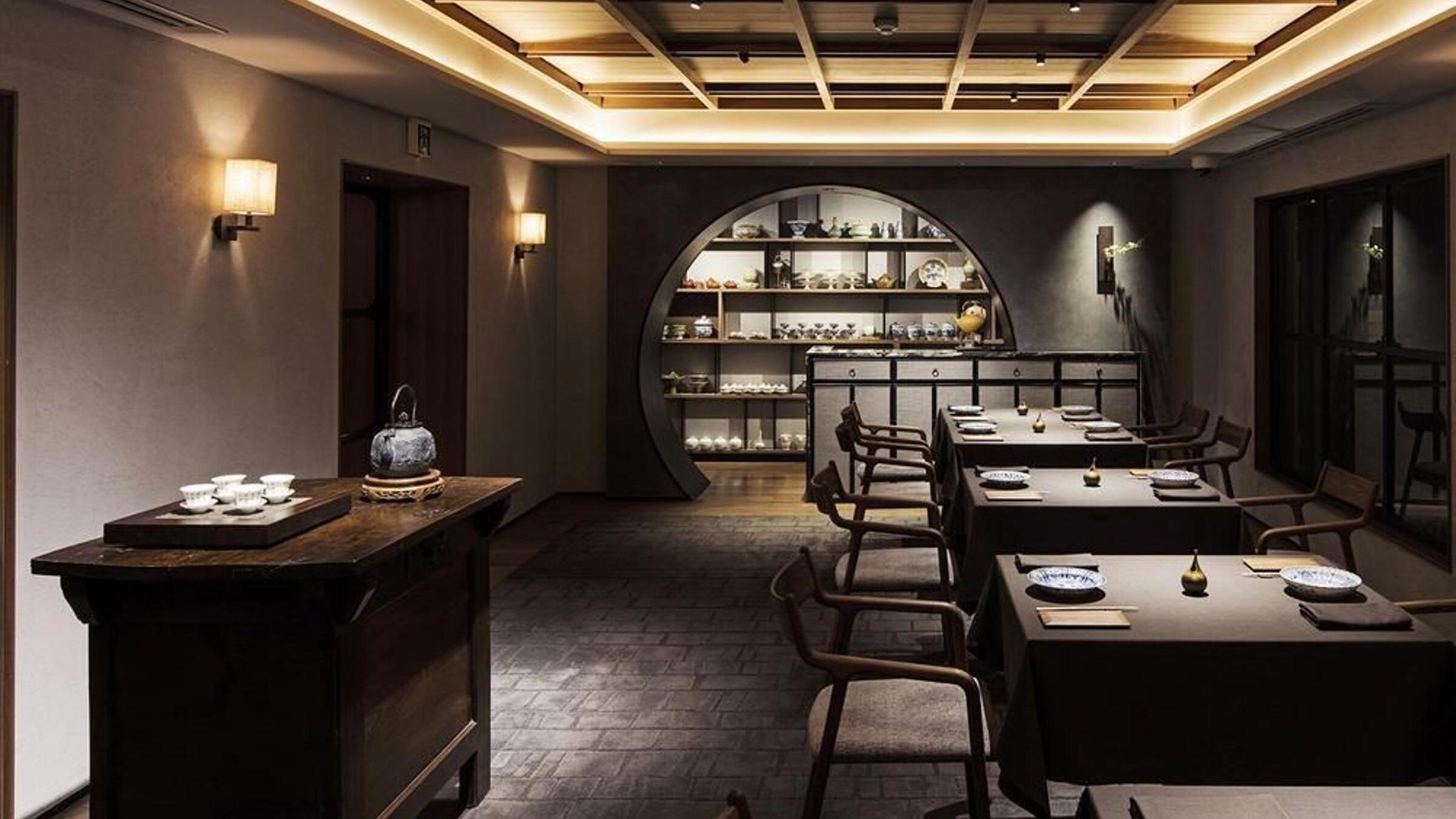
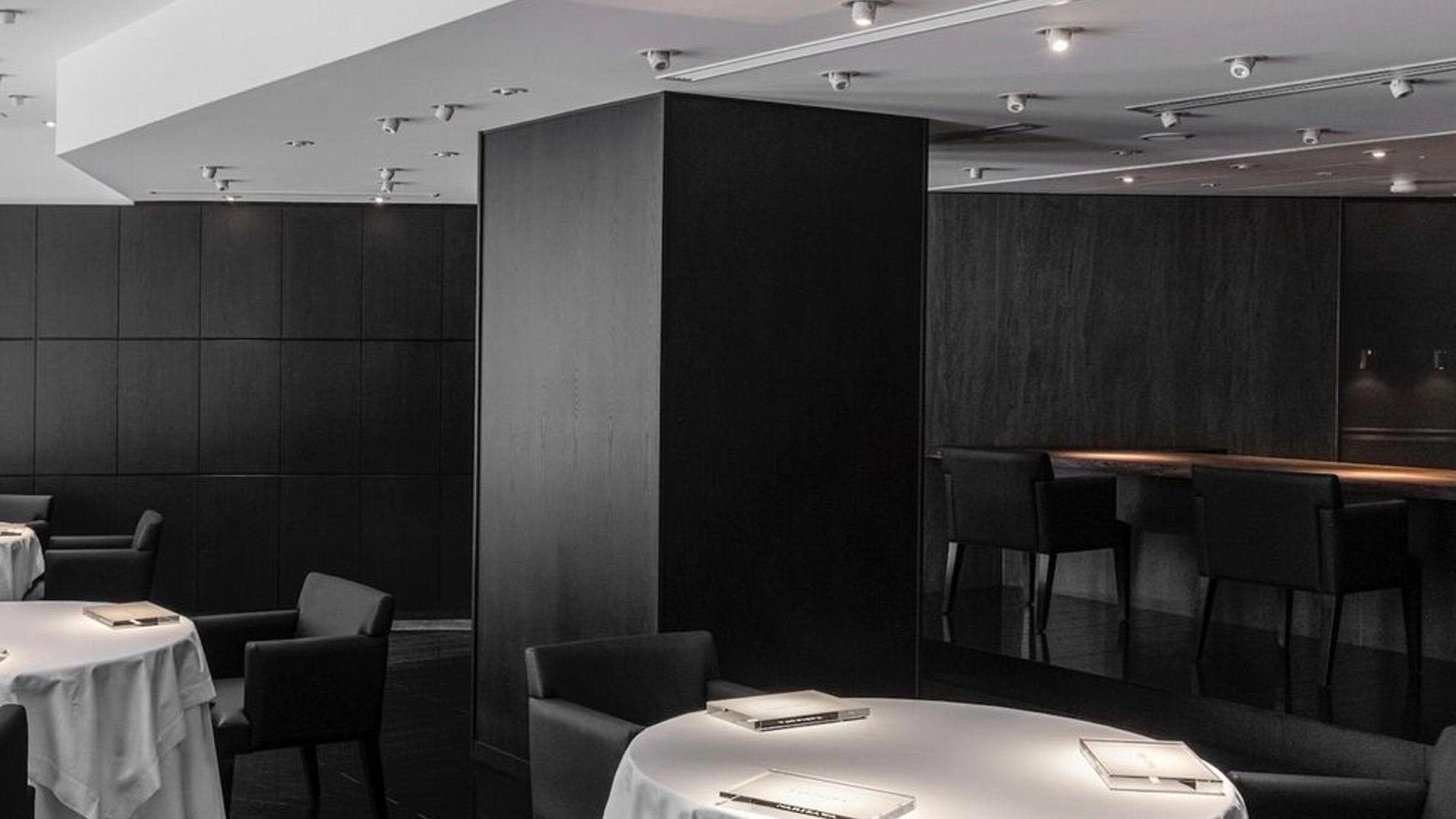
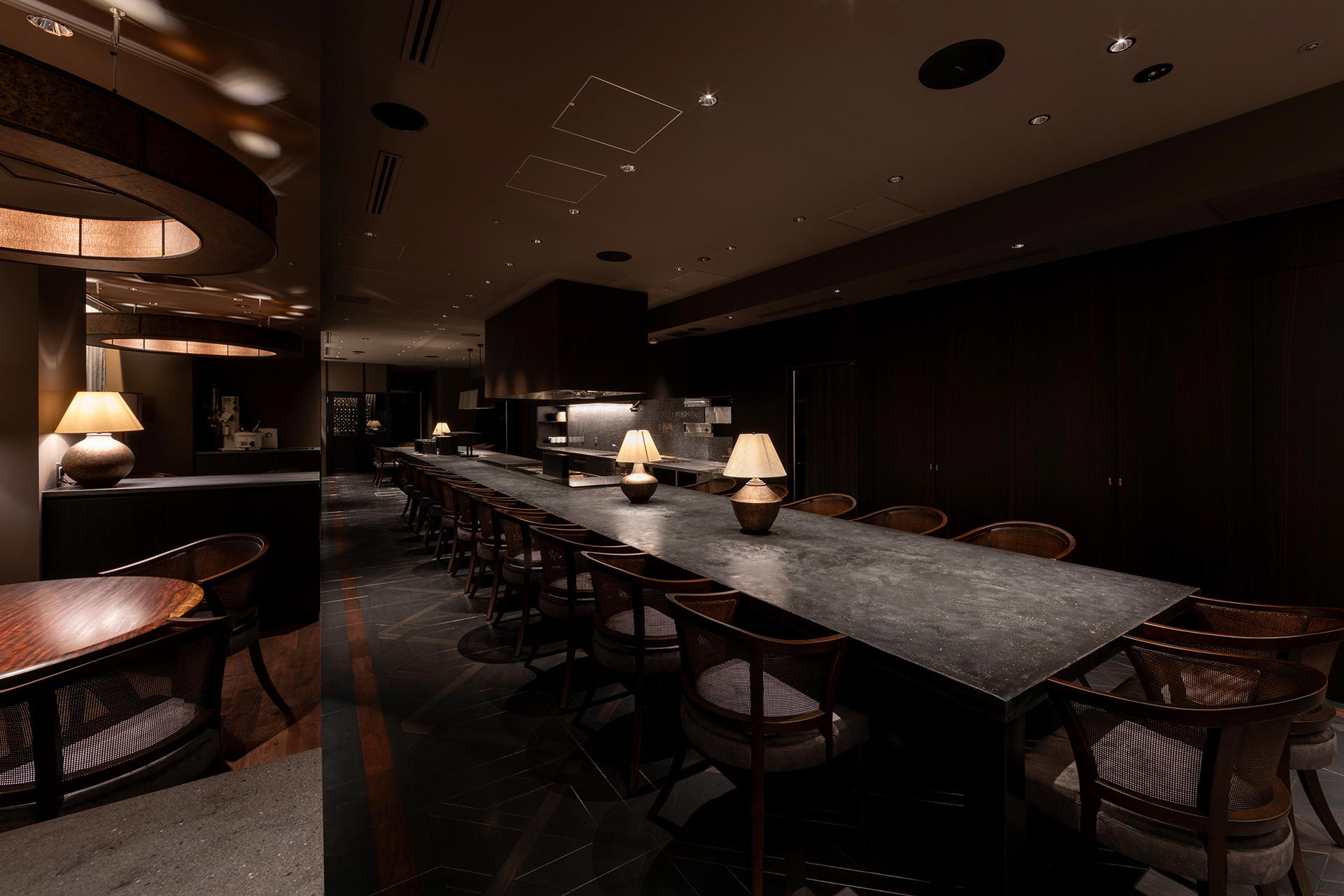
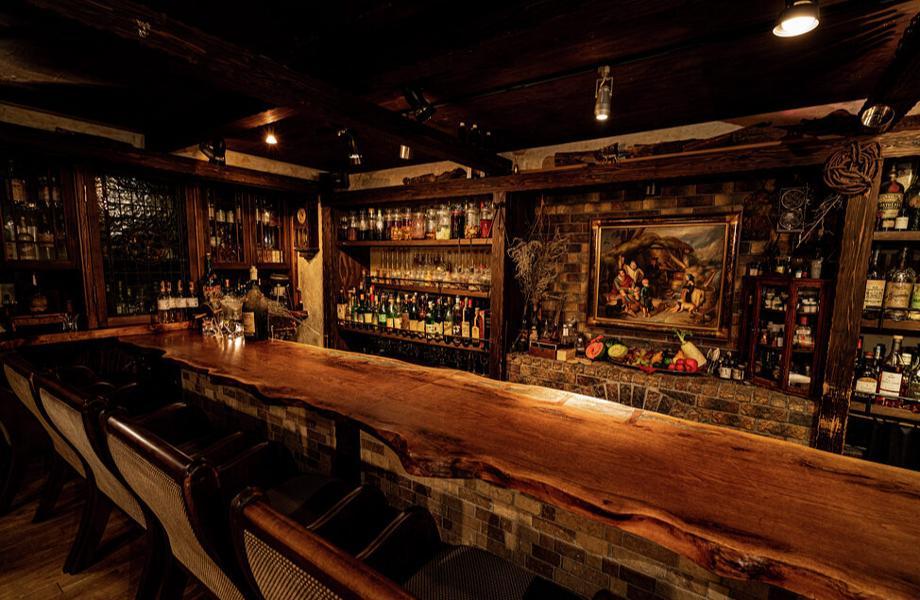
An intimate L-shaped dining room with a spacious open kitchen that feels like a private chef’s kitchen, refined and quietly luxurious, where the aromas of house-fermented spices and the chef’s precise plating create a multi-sensory, almost theatrical experience.