Tabelog Bronze #46
Our verdict
A six-seat counter in Tokyo Midtown Yaesu, Chiba Takaoka has earned Tabelog Bronze recognition three consecutive years (2024–2026) and a place on the Tabelog Sushi Tokyo 100 list for 2025. Under chef Masakazu Hiraki, the evening-only format sits in the JPY 30,000–39,999 tier, squarely within Tokyo's upper-bracket sushi counter tier, where access depends as much on timing as intent.
The menu
What to order
- Choshi Octopus
- Choshi Bonito
- Golden Eye Snapper Nigiri
- Chiba Tuna Varieties
Six Seats, Three Floors Up: The Counter Format That Defines Tokyo's Upper Sushi Tier
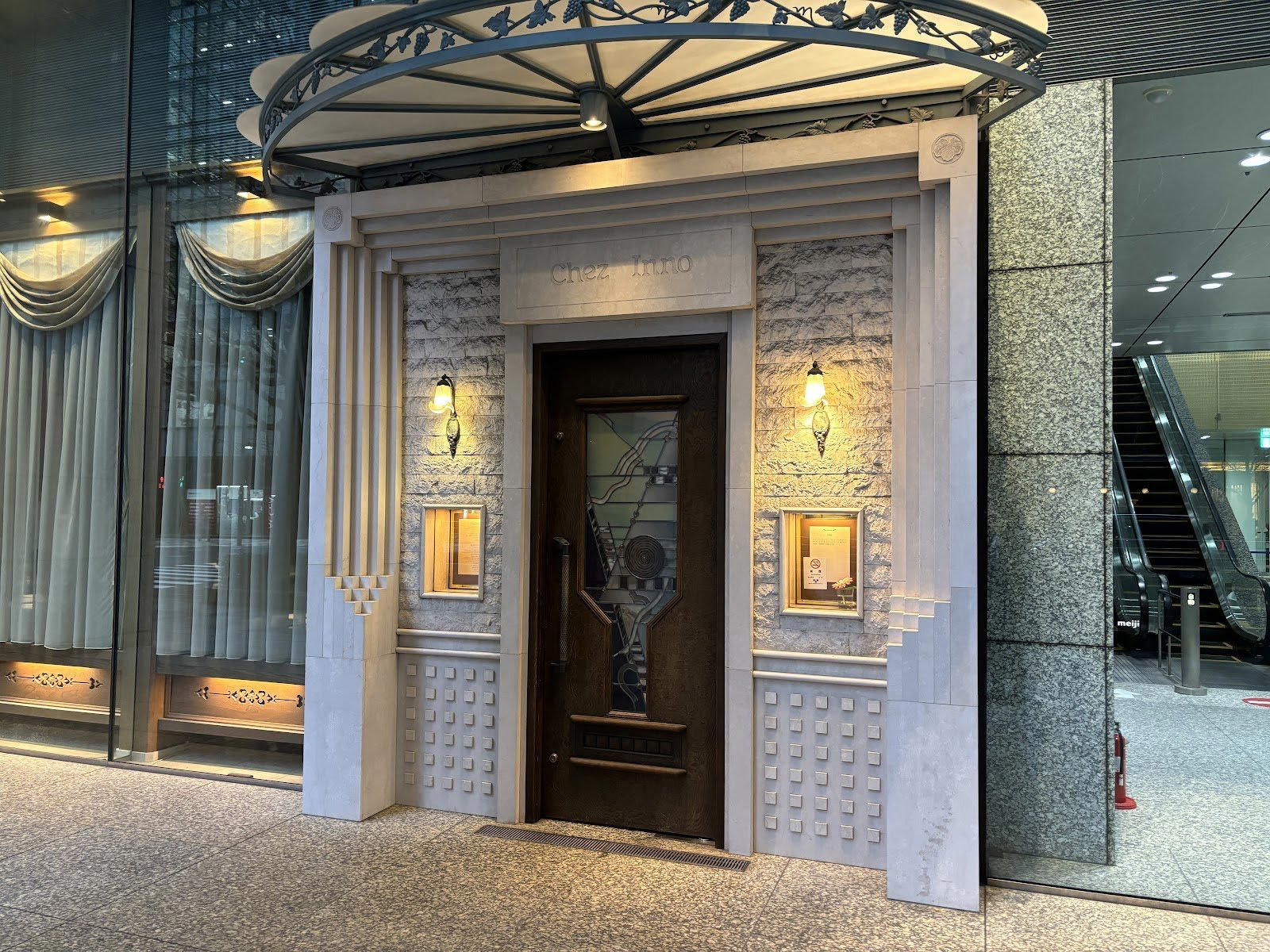
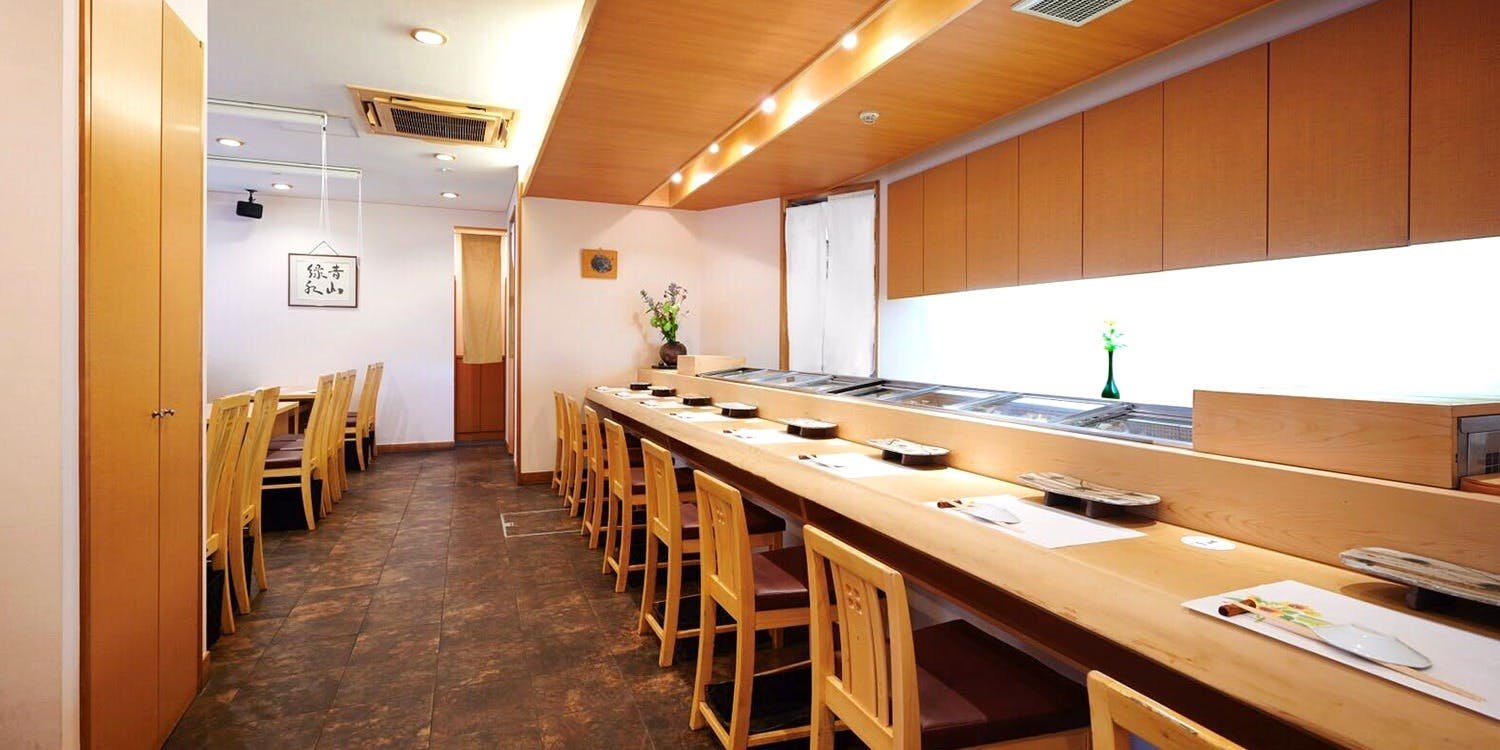
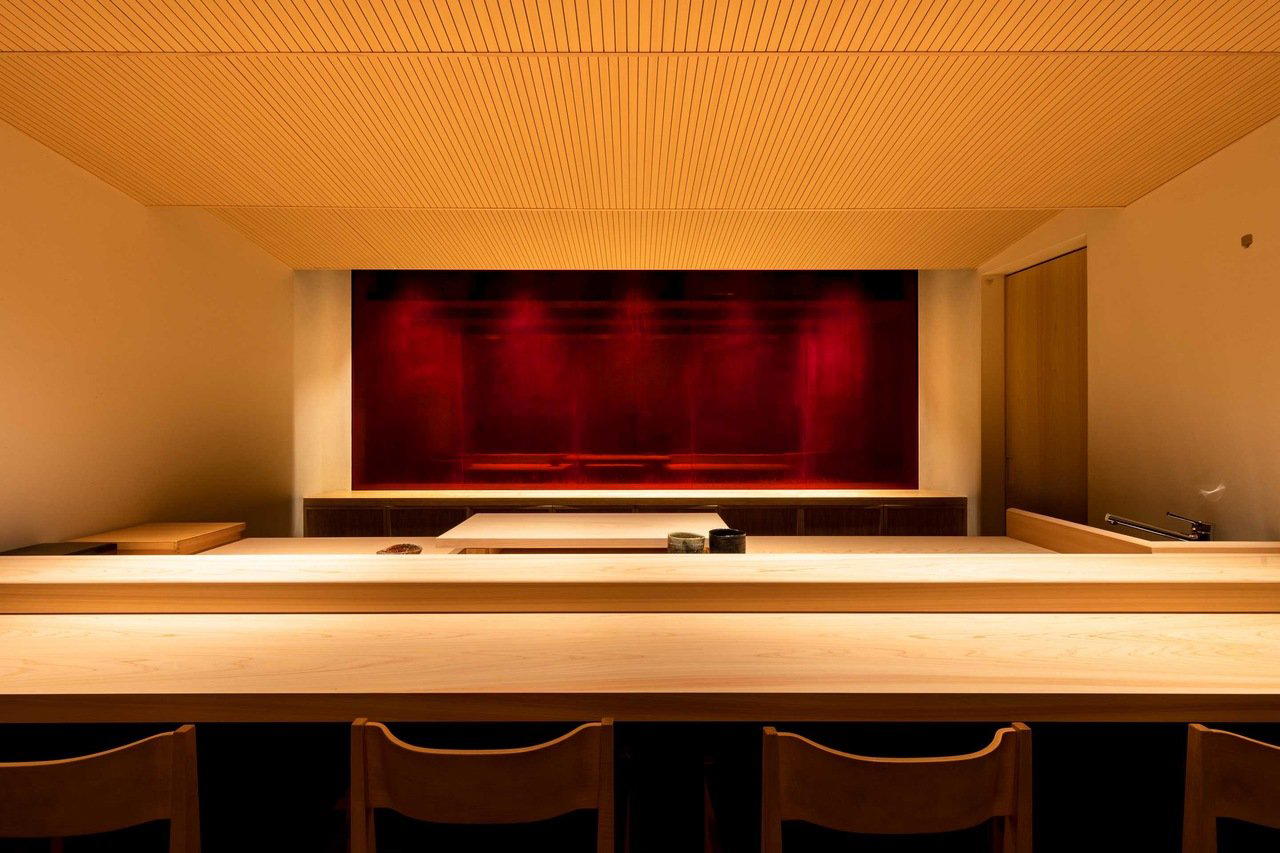
Tokyo Midtown Yaesu opened in 2023 as part of the city's ongoing push to embed high-end dining inside mixed-use towers above transit infrastructure. The third floor of that development, a two-minute walk from Tokyo Station's central gates, now holds one of the more concentrated dining floors in the city. Within that context, Chiba Takaoka operates in a format that has become the dominant structural choice among Tokyo's serious sushi counters: six seats, counter-only, no private rooms, evenings only. The physical parameters are not incidental. They are the argument.
The six-seat omakase counter is a format that Tokyo refined over decades, and the discipline it imposes is cumulative. Every guest faces the chef. There is no background table to absorb an uneven sequence or a distracted service moment. The counter format at this level functions less as an aesthetic choice and more as a quality-control mechanism, the room holds only what the kitchen can consistently execute. Chiba Takaoka, which opened on 10 March 2023, committed to that format from the start, placing it immediately within the peer tier defined by capacity constraint rather than square footage.
Awards Trajectory and What the Tabelog Score Signals
Tabelog's scoring system is Japan's most widely consulted restaurant database, and its upper score bands are compressed in ways that matter. A score above 4.0 places a restaurant well inside the top tier nationally; scores above 4.2 begin to represent genuine consensus across a high volume of informed reviews. Chiba Takaoka holds a 4.31 on Tabelog, placing it at rank 403 among all Japanese restaurants on the Opinionated About Dining 2025 list, a ranking that aggregates multiple serious sources, and it received the Tabelog Bronze Award consecutively in 2024, 2025, and 2026. That three-year consistency matters. A single-year Bronze can reflect a strong opening run; three consecutive years indicates that the kitchen has held its standard across different seasonal cycles and without the typical post-opening softening that affects many counter restaurants.
The restaurant was also selected for the Tabelog Sushi Tokyo 100 list in 2025, a curated shortlist that operates separately from the scored award tiers and reflects editorial judgment rather than aggregate scoring alone. Appearing on both the scored Bronze tier and the 100 list simultaneously positions Chiba Takaoka within a small overlap group where quantitative and qualitative signals align. For comparison, Tokyo's sushi scene at the three-Michelin-star level, counters like Harutaka, operates in an adjacent but structurally different competitive tier, where international recognition and booking infrastructure diverge significantly from domestic-first counter restaurants. Chiba Takaoka's recognition base is predominantly domestic, which in the Tokyo sushi context often indicates a more technically serious and less tourist-driven operation.
Chef Masakazu Hiraki and the Training Signal in Tokyo Sushi
In Tokyo's upper sushi tier, the chef's lineage functions as a form of credential that shapes how knowledgeable diners read the menu before they sit down. The city's most respected counters tend to produce chefs who go on to open their own rooms, and the progression from apprentice to head chef to owner-operator is a well-documented career structure. Chef Masakazu Hiraki leads Chiba Takaoka.
Counter restaurants that achieve recognition quickly in Tokyo almost always do so because the chef arrives with an established technique and supplier network rather than building those relationships after opening. The six-seat format accelerates judgment; there is no volume buffer. A counter that earns a 4.31 Tabelog score in its first three years, in a development as visible and well-trafficked as Tokyo Midtown Yaesu, has absorbed that scrutiny at close range.
The Yaesu Context: Where Transit Infrastructure Meets Counter Dining
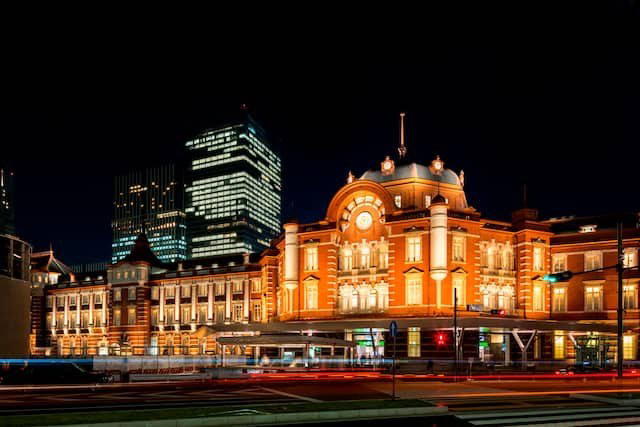
Yaesu sits on the east side of Tokyo Station, historically a more commercial and transit-oriented district than the west-side Marunouchi corridor. The arrival of Tokyo Midtown Yaesu shifted that character somewhat, introducing a dining floor that competes with established restaurant clusters in Ginza, Nihonbashi, and the broader Chuo ward. For counter sushi specifically, the location carries an interesting tension: the tower's visibility and convenience attract a broader dining public, while the six-seat format and JPY 30,000–39,999 price point filter that public toward a narrower group.
The address, two minutes from Tokyo Station on foot, is practically significant for international visitors, who can reach the restaurant directly from the Narita or Haneda express connections without a secondary transfer. The on-site parking also reflects the development's design for domestic guests arriving by car, a detail that positions Chiba Takaoka within a slightly different access profile than counter restaurants in narrower residential areas of the city.
For readers exploring the region’s dining landscape, Aroma Fresca, AlCeppo, PRISMA, Principio, Gucci Osteria da Massimo Bottura Tokyo, cenci, and 8 1/2 Otto e Mezzo Bombana in Hong Kong offer further options.
Positioning Within Japan's Wider Dining Scene
Tokyo operates as the densest single market for serious restaurant dining in Japan, but the country's broader scene extends well beyond the capital. HAJIME in Osaka and Gion Sasaki in Kyoto anchor the Kansai tier; akordu in Nara and Goh in Fukuoka represent the regional depth that makes Japan's dining infrastructure unusual by global standards. Closer to Tokyo, 1000 in Yokohama sits within easy reach for visitors using the city as a base. For something further afield, 6 in Okinawa operates in a distinct culinary and geographic register entirely. For more ideas beyond the dining room, explore the Tokyo experiences guide.
Within Tokyo specifically, Chiba Takaoka's price tier (JPY 30,000–39,999 at dinner) places it below the upper bracket occupied by three-Michelin-star counters but above the entry-level omakase tier that starts around JPY 10,000–15,000. This mid-to-upper band is where Tabelog Bronze consistently clusters, and it represents the most competitive stratum of Tokyo sushi, enough volume of serious operators that a 4.31 score and three consecutive Bronze awards carry genuine weight.
The restaurant opened on 10 March 2023 and operated Tuesday through Sunday from 17:00 to 23:00, with Mondays and occasional additional closures.
Know Before You Go
- Address: Tokyo Midtown Yaesu 3F, 2-2-1 Yaesu, Chuo City, Tokyo
- Access: 2-minute walk from Tokyo Station; 10-minute walk from Nihonbashi and Otemachi stations
- Hours: Tuesday, Wednesday, Friday, Saturday, Sunday: 17:00–23:00. Thursday and Monday: Closed
- Price: JPY 30,000–39,999 per person at dinner
- Seats: 6 counter seats only; no private rooms
- Payment: Credit cards accepted (Visa, Mastercard, JCB, Amex, Diners). Electronic money and QR code payments not accepted
- Smoking: Non-smoking throughout
- Parking: Available on-site within the Tokyo Midtown Yaesu complex
What Dish Is Chiba Takaoka Famous For?
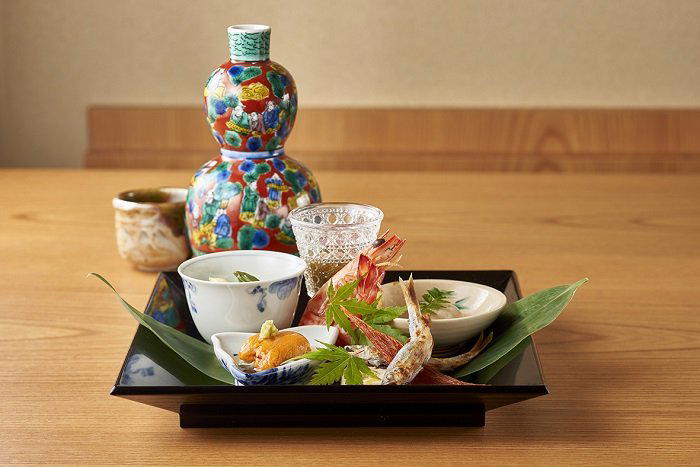
Chiba Takaoka operates as a sushi omakase counter, meaning the sequence is set by the chef rather than ordered from a menu. No single signature dish is identified. At the omakase tier where this counter operates, Tabelog Bronze, 4.31 score, JPY 30,000–39,999, the format itself is the point: a progression of nigiri and small courses determined by seasonal availability and the chef's judgment on any given evening. Diners at this level are not selecting dishes; they are placing trust in a sequence. For additional context on the awards and chef credentials referenced above, see the Aroma Fresca and PRISMA pages for how Tokyo's broader fine dining tier contextualizes individual counter restaurants.
Frequently asked questions
When is Chiba Takaoka open?
Monday: Closed. Tuesday: 5–11 pm. Wednesday: 5–11 pm. Thursday: Closed. Friday: 5–11 pm. Saturday: 5–11 pm. Sunday: 5–11 pm.
What dish is Chiba Takaoka famous for?
Chiba Takaoka operates as a sushi omakase counter, meaning the sequence is determined by chef Masakazu Hiraki rather than a printed menu. No single signature dish is identified. The Tabelog score of 4.31 and consecutive Bronze awards from 2024 through 2026 reflect the counter's consistency across the full progression of courses, not any one standout item.
Where is Chiba Takaoka located?
Chiba Takaoka is located at Japan, 〒104-0028 Tokyo, Chuo City, Yaesu, 2 Chome−2−1 東京ミッドタウン八重洲 3階, Tokyo.
Who's behind the kitchen at Chiba Takaoka?
The chef associated with Chiba Takaoka is Masakazu Hiraki.
Cuisine and Recognition
Comparable venues nearby, for context on price, style, and recognition.
| Venue | Cuisine | Price | Awards | Notes |
|---|---|---|---|---|
| Chiba TakaokaThis venue (the venue you are viewing) | Chiba Seafood Edomae Sushi | Not listed | Tabelog Bronze #46 | Not listed |
| Sushi Hatano Yoshiki | Modern Edomae Omakase | $200–300 | Tabelog Bronze #102 | Minato |
| Ginza kitafuku | Premium Hokkaido Crab Kaiseki | $200–300 | Tabelog Bronze #83 | Chūō |
| Usukifugu Yamadaya | Traditional Fugu Omakase | $200–300 | Tabelog Bronze #511 | Minato |
| Obana | Traditional Edo-mae Unagi | $50–100 | Tabelog Silver #95 | Arakawa |
| Jumbo Yakiniku Shirokane | Premium Yakiniku | $100–150 | Tabelog 100 #43 | Minato |
Recognition history
Dated appearances from independent guides and award organizations, with the underlying list record or original source where available.
Tabelog Bronze #46
Tabelog
Opinionated About Dining Top Restaurants in Japan Ranked #403
Opinionated About Dining
Full recognition history (4 entries)
Tabelog 100 #91 · No. 91
Tabelog · Tabelog 100 - Sushi - TOKYO - 2025
Opinionated About Dining Top Restaurants in Japan Recommended
Opinionated About Dining