In the quiet residential streets of Yushima, Bunkyo City, Chanfe Tokyo operates at a remove from the Michelin-circuit density of Ginza and Roppongi. The address alone signals a deliberate kind of privacy. For travellers working through Tokyo's serious dining tier, it represents the kind of address worth tracking before the reservation window narrows.
Pearl is the En Primeur Club membership app — saves, bookings, and concierge access live there. Same editors, same standards.
- Address
- 湯島要ビル 1B, 3 Chome-44-9 Yushima, Bunkyo City, Tokyo 113-0034, Japan
- Phone
- +818036039990
- Website
- chanfetokyo.com
- Directions
- Get directions
 Saves & bookings on Pearl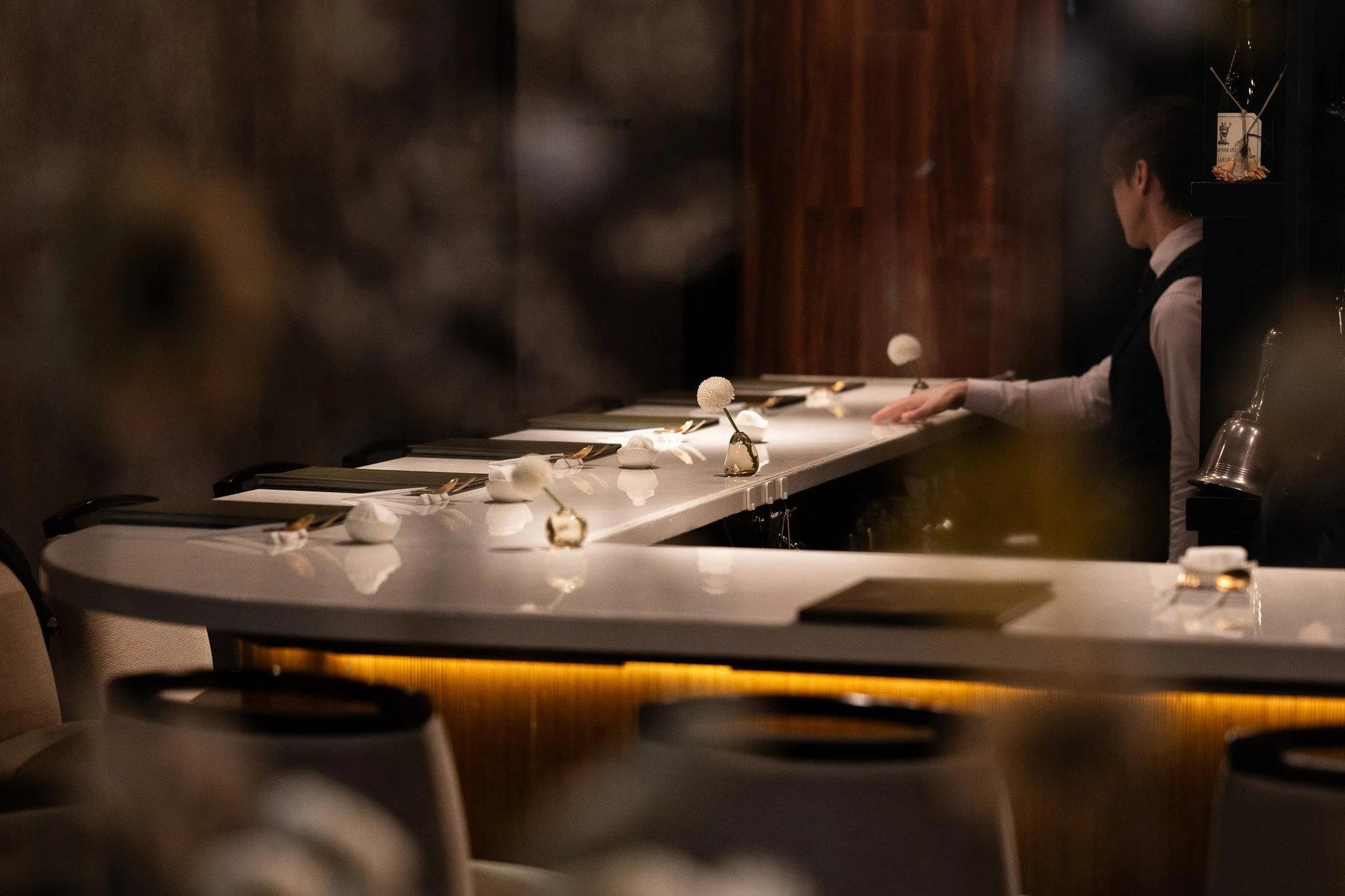
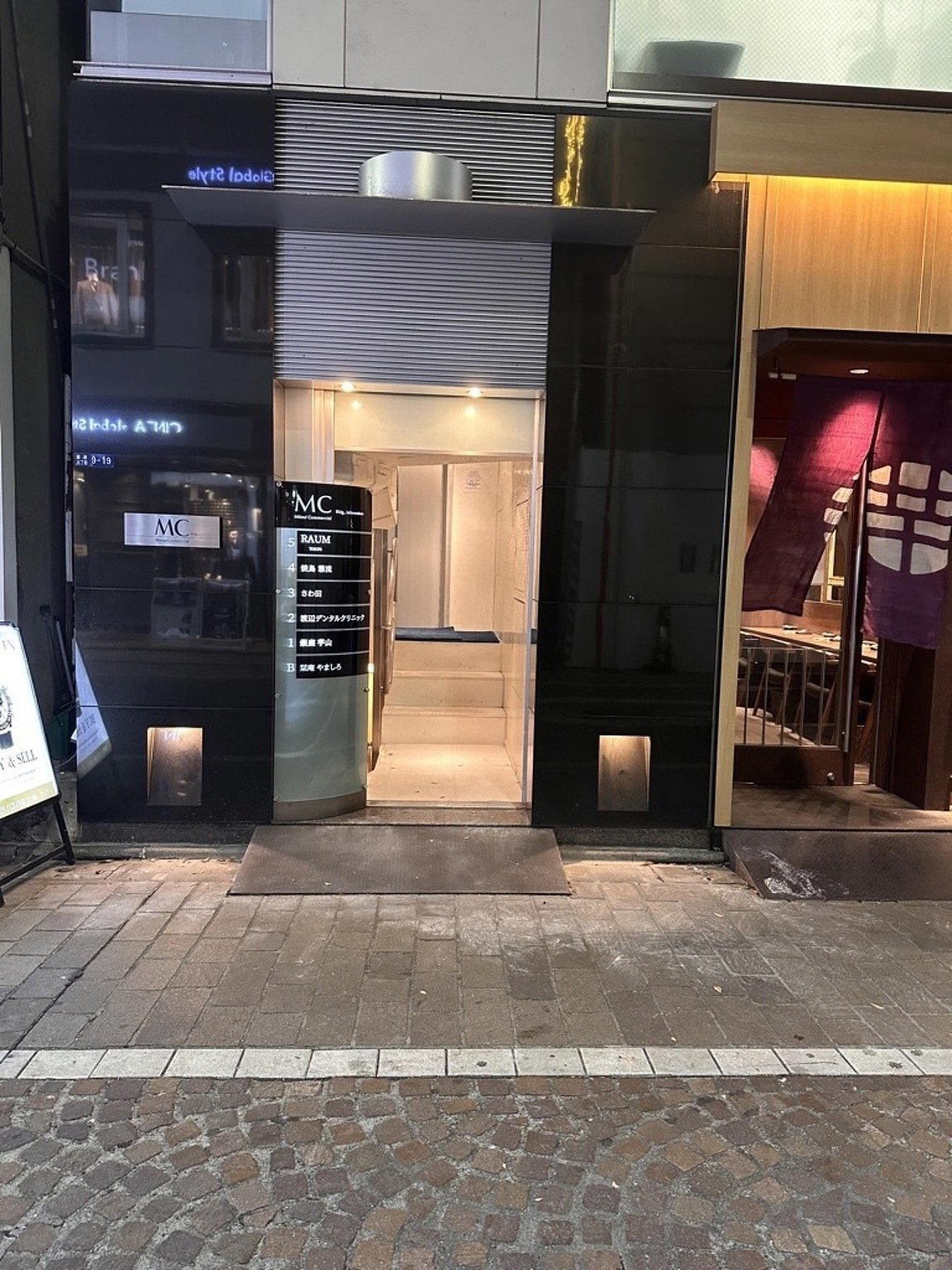
Bunkyo's dining character has always differed from Tokyo's more conspicuous restaurant districts. Where Ginza and Nishi-Azabu concentrate prestige into visible corridors of high-spend addresses, Bunkyo operates on quieter logic: institutions embedded in residential fabric, drawing regulars rather than tourists, and sustaining reputations through word of mouth more than press coverage. The walk to Chanfe Tokyo from Yushima station passes through that register entirely, before arriving at the basement address on 3 Chome-44-9 Yushima. The 1B descriptor is not incidental. In Tokyo dining shorthand, a basement entry in a low-profile building in a non-destination ward signals a specific kind of confidence: the kitchen expects you to come looking.
The Architecture of a Meal in This Tier
Tokyo's serious restaurant scene has, over the past decade, fractured into increasingly specific subcategories. At the upper end, Michelin-threaded addresses like RyuGin and Sézanne draw international reservation traffic months in advance, with prix-fixe formats and wine programs priced to match. Below that ceiling, a second tier of restaurants has become more interesting to the experienced diner: tighter spaces, less institutional polish, and kitchen teams that operate with fewer intermediaries between concept and plate. Chanfe Tokyo sits within that second tier, and understanding the meal there requires understanding the sequence logic that defines it.
The tasting progression format that characterises Tokyo's mid-to-upper serious dining tier is not simply about portion count. It is about the editorial arc of a meal: the way an opening course sets a temperature, literal and figurative, that the kitchen then modulates across subsequent dishes. In practice, this means cold preparations that emphasise texture and acid give way to warmer, more umami-driven courses, before a kitchen pivots toward something richer or more technically demanding. The leading progressions in this city, at addresses like L'Effervescence and Crony, treat the meal as a sustained argument rather than a sequence of individual dishes. The expectation at Chanfe Tokyo follows that same structural premise.
Yushima as a Dining Address
Bunkyo City rarely appears in the first paragraph of Tokyo dining coverage, and that omission is partly earned, partly lazy. The ward contains some of Tokyo's most considered neighbourhood restaurants, operating without the footfall that Shinjuku or Shibuya generate. Yushima specifically sits close to Ueno, with its density of cultural institutions, and draws a local professional demographic that values reliability over occasion-dining theatre. Restaurants here tend to hold their formats tightly: the room doesn't change, the menu evolves seasonally, and the clientele arrives on familiar terms with the team. This is the structural condition that produces restaurants with decades of institutional memory, a different proposition from the launch-event excitement that drives coverage in more central districts.
For context across Japan's serious restaurant geography: the progression from Gion Sasaki in Kyoto to HAJIME in Osaka to Tokyo's own Bunkyo addresses illustrates how Japan's dining culture rewards patience with a neighbourhood rather than landmark-chasing. The same logic applies at Goh in Fukuoka and, further from major centres, at affetto akita in Akita and akordu in Nara: the kitchen's relationship to local supply chains and neighbourhood rhythm produces a consistency that tourist-district addresses frequently cannot sustain.
The Progression as Argument
The specific appeal of a multi-course format in this district is that it removes the decision fatigue that a la carte dining imposes. The kitchen makes the argument; the diner follows it. This is a format that demands trust, and trust in a basement address in Bunkyo is earned differently than at a Ginza counter with a visible Michelin plaque. What signals reliability here is repetition: the fact that the room fills with the same faces, that the kitchen has had time to refine its progression without the pressure of constant new-audience expectations.
Comparing the sequencing philosophy across this tier, it is worth noting that the French-influenced end of Tokyo's serious dining, represented by addresses like L'Effervescence and Sézanne, tends to build progressions around sauce architecture and temperature contrast, while the Japanese-rooted end, including Harutaka in the sushi format, uses ingredient selection itself as the primary sequencing mechanism. The question of which tradition the restaurant aligns with more closely is part of what makes the address worth investigating directly. The restaurant serves modern Italian with Japanese influences.
Placing It in the Wider Map
Travellers building a Tokyo dining sequence across multiple evenings will find the Bunkyo address offers a different tempo than the circuit that runs through Minato and Chuo wards. An itinerary anchored on RyuGin for formal kaiseki and Harutaka for counter sushi can absorb a Bunkyo evening without tonal repetition. The neighbourhood provides genuine decompression from the more concentrated formal dining pressure of those other addresses. This structural function, the mid-week evening at a neighbourhood restaurant with serious kitchen credentials, is one that cities like New York handle through addresses such as Lazy Bear in San Francisco or the sustained technical focus of Le Bernardin in New York City: restaurants where the form is controlled and the room operates without excessive ceremony. Tokyo produces its own version of this, and the restaurant represents one node in that map.
For the broader shape of Japan's serious dining geography, Aji Arai in Oita, Akakichi in Imabari, Abon in Ashiya, aki nagao in Sapporo, and Ajidocoro in Yubari District all demonstrate how Tokyo-trained sensibilities distribute across the country, often producing restaurants in secondary cities with kitchen discipline that rivals the capital.
Know Before You Go
- Address: 1B, 3 Chome-44-9 Yushima, Bunkyo City, Tokyo 113-0034, Japan
- Access: Yushima Station (Tokyo Metro Chiyoda Line) is the closest rail point; the address is within a short walk
- Format: Basement-level address; arrive at street level and descend
- Booking: Reservations are recommended.
- Planning context: Pairs logistically with Ueno cultural visits and sits at a geographic remove from Ginza and Roppongi dinner circuits
Similar Picks
Comparable venues nearby, for context on price, style, and recognition.
| Venue | Cuisine | Price | Notes |
|---|---|---|---|
| Chanfe TokyoThis venue — the venue you are viewing | Modern Italian with Japanese Influences | $$$$ | Not listed |
| DK | Wood-fired Italian Omakase by Hasegawa Group | $$$$ | Minato |
| Kusabira | Creative Vegetable-Focused Italian | $$$$ | Minato |
| フィオッキ | Northern Italian Piedmontese | $$$$ | Setagaya |
| Etruschi | Innovative Italian | $$$$ | Minato |
| ファロ | Plant-Forward Italian Kaiseki | $$$$ | Chūō |







At a Glance
- Elegant
- Sophisticated
- Intimate
- Modern
- Date Night
- Special Occasion
- Business Dinner
- Open Kitchen
- Extensive Wine List
- Sake Program
Current opening hours
- Monday
- 5:30–11 PM
- Tuesday
- 5:30–11 PM
- Wednesday
- 5:30–11 PM
- Thursday
- 5:30–11 PM
- Friday
- 5:30–11 PM
- Saturday
- 5:30–11 PM
- Sunday
- 5:30–10 PM
Hours can change for holidays and private events. Last verified .
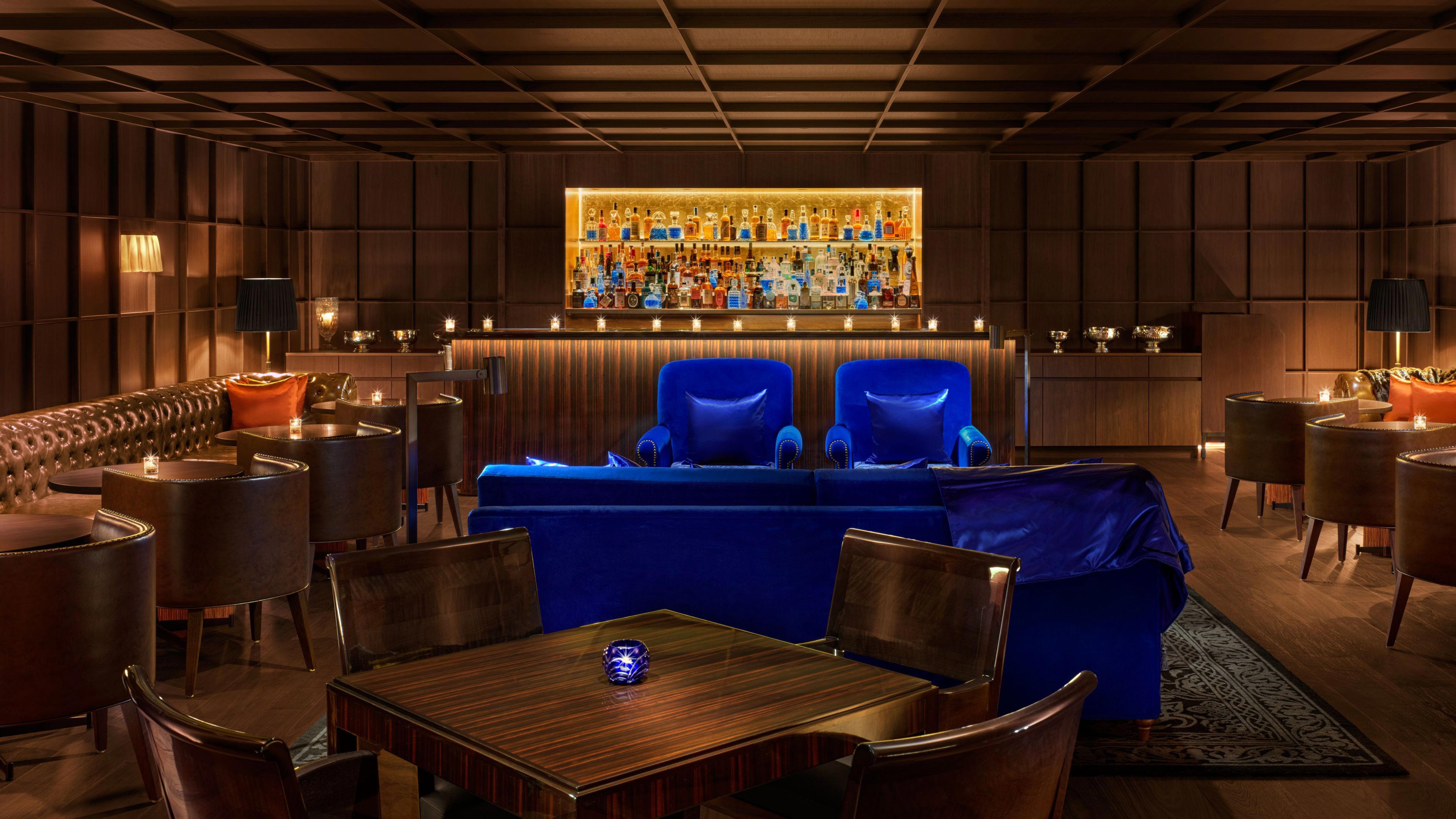
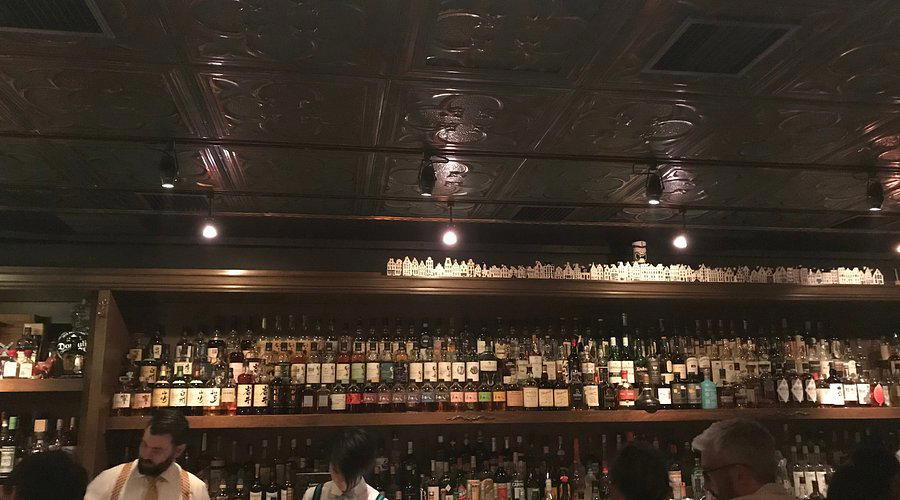
Sophisticated adult-oriented atmosphere resembling a wine bar with refined lighting, well-suited for intimate dining.