Our verdict
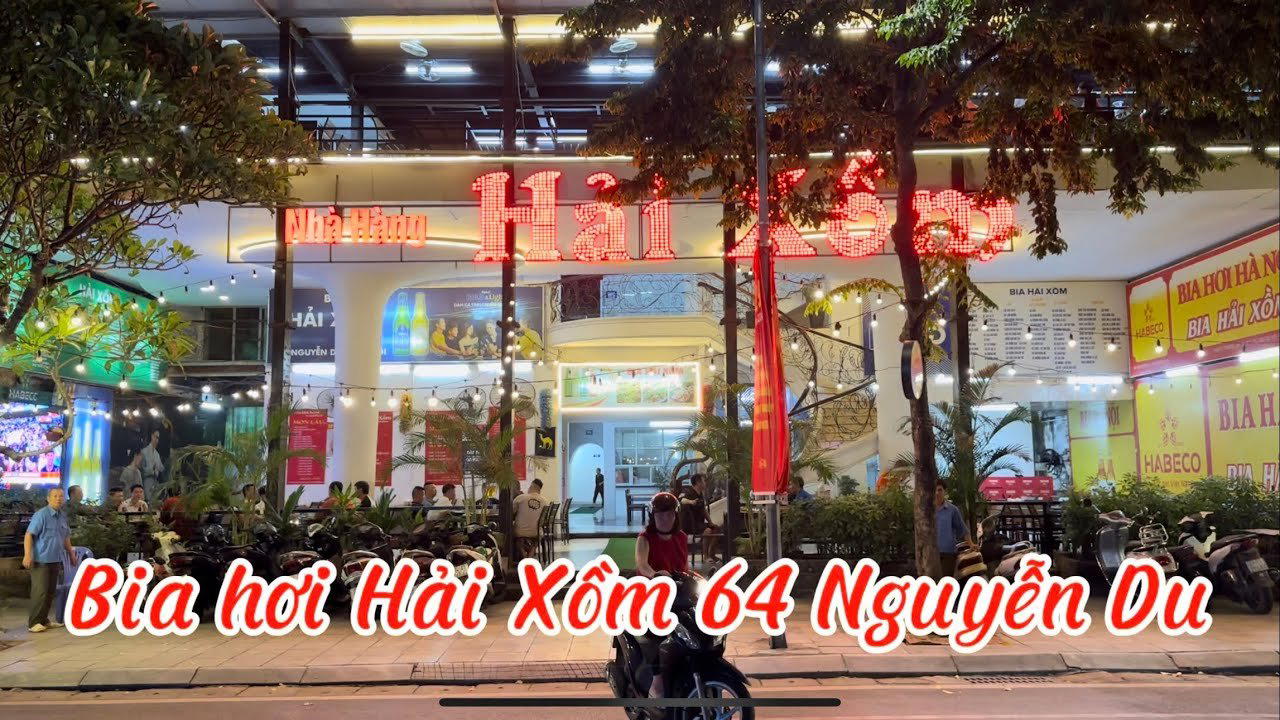
Bia Hải Xồm occupies a corner of Ba Đình that still runs on the rhythms of the neighbourhood bia hơi tradition — cold draft beer, pavement seating, and plates built around northern Vietnamese produce. It sits in the ₫ tier of Hanoi drinking and eating, where the emphasis falls on informal sociability rather than formal dining, and where the food earns its place alongside the beer rather than the other way around.

Pearl is the En Primeur Club membership app — saves, bookings, and concierge access live there. Same editors, same standards.
- Address
- 5 P. Phan Kế Bính, Cống Vị, Ba Đình, Hà Nội, Vietnam
- Phone
- +84 886 700 800
- Hours
- Daily 10 AM–11:30 PM
- Directions
- Get directions
The menu
What to order
- Dried squid
- Fermented pork rolls
Ba Đình's Pavement Beer Culture and Where Bia Hải Xồm Fits
The bia hơi tradition in Hanoi is not a trend or a tourism construct. It is the dominant mode of informal eating and drinking in the city, rooted in decades of neighbourhood life, and it operates on economics and social logic that are entirely its own. Across Ba Đình and the adjacent streets of Cống Vị, the pattern repeats: low plastic stools, tables crowded at dusk, cold draught beer arriving fast, and a rotating cast of snacks and small plates that exist specifically to be eaten alongside alcohol rather than as a meal in their own right. Bia Hải Xồm, at 5 P. Phan Kế Bính, sits inside this tradition rather than adjacent to it. It is not a restaurant that happens to serve beer, nor a bar that happens to have food. It is a bia hơi address in the original sense, and that framing matters when setting expectations.
For context on the broader Hanoi dining spectrum, the city now runs from neighbourhood bia hơi and pho shops at the ₫ tier through to contemporary Vietnamese cooking at venues like Gia (Vietnamese Contemporary) and teppanyaki programs like Hibana by Koki at the ₫₫₫₫ end. Bia Hải Xồm occupies the opposite pole of that spectrum, and that is not a deficiency. The ₫ tier in Hanoi is where the city's most practised, most repeated culinary habits live. The technical refinement is different from what you find at a tasting menu counter, but the knowledge embedded in the cooking is no less deep.
Northern Vietnamese Produce in an Informal Format
The editorial angle that connects Bia Hải Xồm to a wider set of questions about Vietnamese food is the relationship between local ingredients and the formats in which they are served. In northern Vietnam, the produce logic has always been seasonal and hyper-local: morning market vegetables, freshwater fish from the Red River delta, herbs grown in small kitchen plots, pork cuts that reflect a whole-animal approach developed over generations. The bia hơi format was built around this produce, not around imported ingredients or techniques. What arrives on the table at a Ba Đình bia hơi is the result of proximity to supply, not supply chain management.
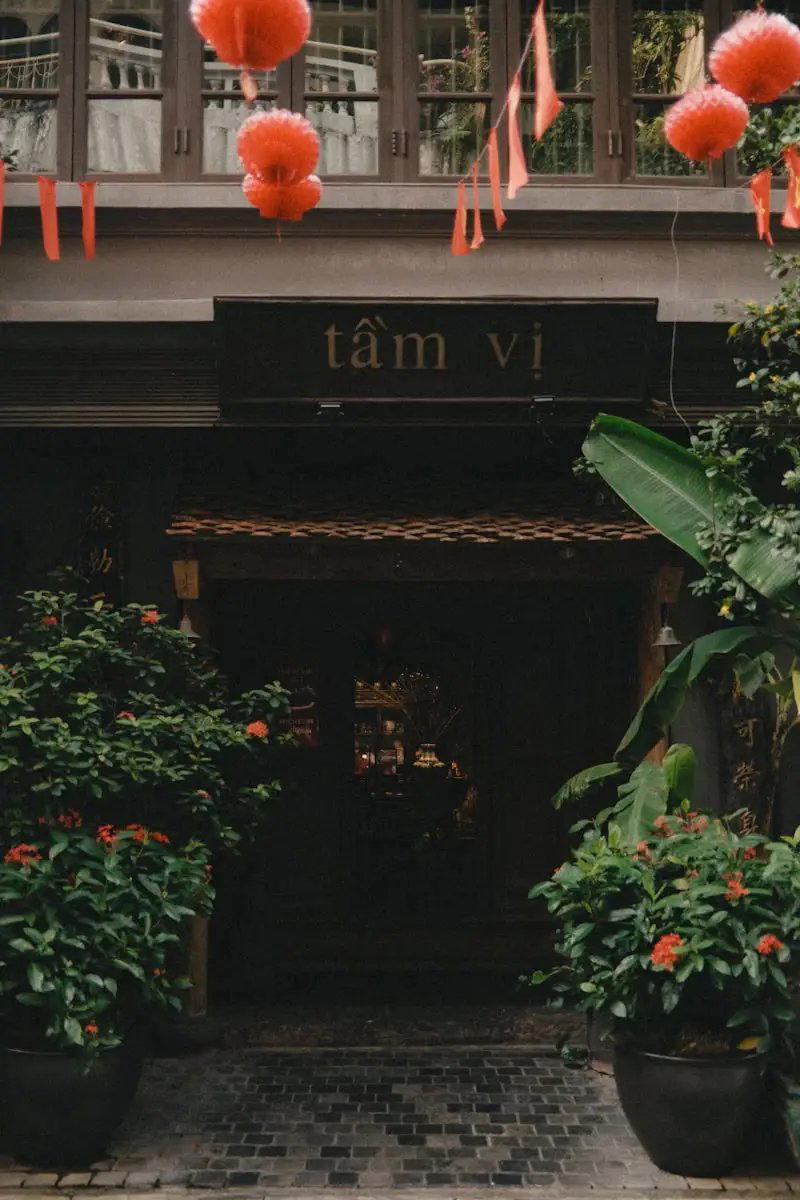
This sits in instructive contrast to the direction that premium Vietnamese cooking has taken in the same city. Restaurants like Tầm Vị and 1946 Cua Bac work within Vietnamese culinary tradition but apply a level of structural intention, plating discipline, and recipe precision that is closer in methodology to a formal kitchen. The bia hơi does none of that. Its discipline is speed, consistency, and the ability to feed a full pavement of drinkers without the food ever becoming an afterthought. Both approaches are serious. They are just serious about different things.
Across Vietnam, the question of local ingredients meeting technique is visible at multiple price points. La Maison 1888 in Da Nang and Saffron in Hue City approach it through fine-dining frameworks with French or classical influences. Cargo Club Cafe and Restaurant in Hoi An sits somewhere in the middle register. The bia hơi addresses the same question from entirely the other direction: the technique is traditional and unreconstructed, and the ingredients are whatever is fresh and local that morning. Neither approach is more authentic. They reflect different cultural priorities and different economic contexts.
The Ba Đình Location and When to Go
Phan Kế Bính sits in Ba Đình district, west of Hoàn Kiếm and the Old Quarter, in a part of the city that operates more on residential and administrative rhythms than on tourist ones. The street pattern here connects to the broader Cống Vị ward, which retains more of the low-rise, tree-lined character that has been gradually lost in the denser parts of the city centre. Addresses like 19 P. Ngũ Xã, not far from the area, reflect the same neighbourhood register: local, established, not designed for passing trade.
The bia hơi format operates most fully in the late afternoon and early evening, roughly from four o'clock through to nine or ten at night, when the street population swells and tables are at their fullest. Coming earlier means more space and faster service; arriving at peak hour on a weekday means competing for seating with the regulars who have been coming for years and know exactly where they want to sit. There is no booking infrastructure at this tier of the market; arrival time is the only lever available. Visiting Hanoi in the cooler months between October and March makes pavement seating more comfortable, though the format runs year-round regardless of temperature.
For those mapping a broader Hanoi eating itinerary, the EP Club's full Hanoi restaurants guide covers the spectrum from addresses like this one through to the city's most formal kitchens. Further afield in Vietnam, Akuna in Ho Chi Minh City represents the contemporary end of the national dining conversation, while the northern coastal options around Le Pont Club in Hai Phong and Phuong Nhung Restaurant in Cat Hai show how local produce logic operates in a seafood-dominant context. The contrast with format-driven restaurants at the international end of the spectrum, such as Le Bernardin in New York City or Lazy Bear in San Francisco, is total, and usefully clarifies what the bia hơi format is actually doing.
Additional regional comparisons worth considering include Mi Quang Ba Vi in Thanh Khe, Bau Troi Do in Son Tra, Duyên Anh Restaurant in Phu Vang, and Nhà hàng Madame Lân in Hai Chau, all of which operate in the informal-to-mid tier of Vietnamese dining and reflect the same locally sourced, produce-first approach that defines the bia hơi tradition.
Planning a Visit
Payment at bia hơi venues in Hanoi operates on cash-first logic; carrying Vietnamese Dong in small denominations is practical. The address at 5 P. Phan Kế Bính, Cống Vị, Ba Đình is direct to reach by taxi or ride-share app from central Hanoi, and is accessible from the Old Quarter in under fifteen minutes outside peak hours. No dress code applies.
Frequently asked questions
What is the atmosphere like at Bia Hải Xồm?
Bia Hải Xồm operates as a pavement-level bia hơi in Ba Đình, the administrative district west of Hanoi's Old Quarter. Expect low plastic stools, communal tables that fill fast in the early evening, and a crowd that skews local rather than tourist. The format is functional and loud in the way that bia hơi venues across Hanoi tend to be — conversation-forward, cash-only, and with no fixed closing ceremony.
Where exactly is Bia Hải Xồm?
Bia Hải Xồm is located at 5 P. Phan Kế Bính, Cống Vị, Ba Đình, Hà Nội, Vietnam, Hanoi.
Is Bia Hải Xồm in Ba Đình different from bia hơi spots in Hanoi's Old Quarter?
The key distinction is the customer base. Old Quarter bia hơi venues on streets like Tạ Hiện operate with a mixed crowd that includes a significant tourist contingent, which affects pricing, menu presentation, and pace. Bia Hải Xồm's Phan Kế Bính address in Ba Đình sits in a district that runs on a residential and government-office rhythm, drawing a predominantly local crowd. That context shapes the experience more than any single dish or price point.
What do people recommend at Bia Hải Xồm?
The draw at any bia hơi address, including Bia Hải Xồm on Phan Kế Bính, is the fresh draft beer served cold at low prices alongside northern Vietnamese snacks and grilled dishes. Order by pointing at what neighbouring tables are eating if the menu isn't immediately clear.
Do they take walk-ins at Bia Hải Xồm?
Yes. Bia Hải Xồm operates on a walk-in basis with no reservations system in place. This is consistent with the bia hơi model across Hanoi — you arrive, find a seat, and order. Turnover is high enough that a wait at the door, if there is one, tends to be short.
What has Bia Hải Xồm built its reputation on?
Bia Hải Xồm sits within the bia hơi tradition that has defined informal socialising in Hanoi for decades — a format built on fresh low-alcohol draft beer brewed daily and consumed that evening. Its address on Phan Kế Bính in Ba Đình places it in a residential and administrative part of the city where the clientele is predominantly local, which tends to be the credibility signal that matters most in this category.
How does Bia Hải Xồm handle allergies?
No formal allergy policy is documented for Bia Hải Xồm. The bia hơi format in Hanoi is informal by structure — menus are not always written, kitchens are small, and staff communication in English may be limited at a Ba Đình neighbourhood address like this one. Anyone with serious dietary restrictions should come prepared with written Vietnamese descriptions of what to avoid.
Comparable Spots
Comparable venues nearby, for context on price, style, and recognition.
| Venue | Cuisine | Price | Awards | Notes |
|---|---|---|---|---|
| Bia Hải XồmThis venue — the venue you are viewing | Hanoi Bia Hoi with Vietnamese Snacks | $1–10 | Not listed | Not listed |
| Hanoi Cuisine 1925 | Traditional Vietnamese | $10–20 | Not listed | Hoan Kiem |
| Hanoi Cooking Centre | Traditional Vietnamese Cooking School | Not listed | Not listed | Ba Dinh |
| Comida Hanoi Restaurant & Cooking Class | Vietnamese | Not listed | Not listed | Hoan Kiem |
| Club Opera Novel | Traditional Vietnamese Fine Dining | Not listed | Not listed | Hoan Kiem |
| Ngon Garden | Regional Vietnamese Garden Dining | $10–20 | Michelin Plate | Hai Ba Trung |

Details
- Lively
- Energetic
- Casual Hangout
- Group Dining
- After Work
- Standalone
- Beer Program
- Local Sourcing
- A La Carte
- Bia Hoi
Current opening hours
- Monday
- 10 AM–11:30 PM
- Tuesday
- 10 AM–11:30 PM
- Wednesday
- 10 AM–11:30 PM
- Thursday
- 10 AM–11:30 PM
- Friday
- 10 AM–11:30 PM
- Saturday
- 10 AM–11:30 PM
- Sunday
- 10 AM–11:30 PM
Hours can change for holidays and private events. Last verified .
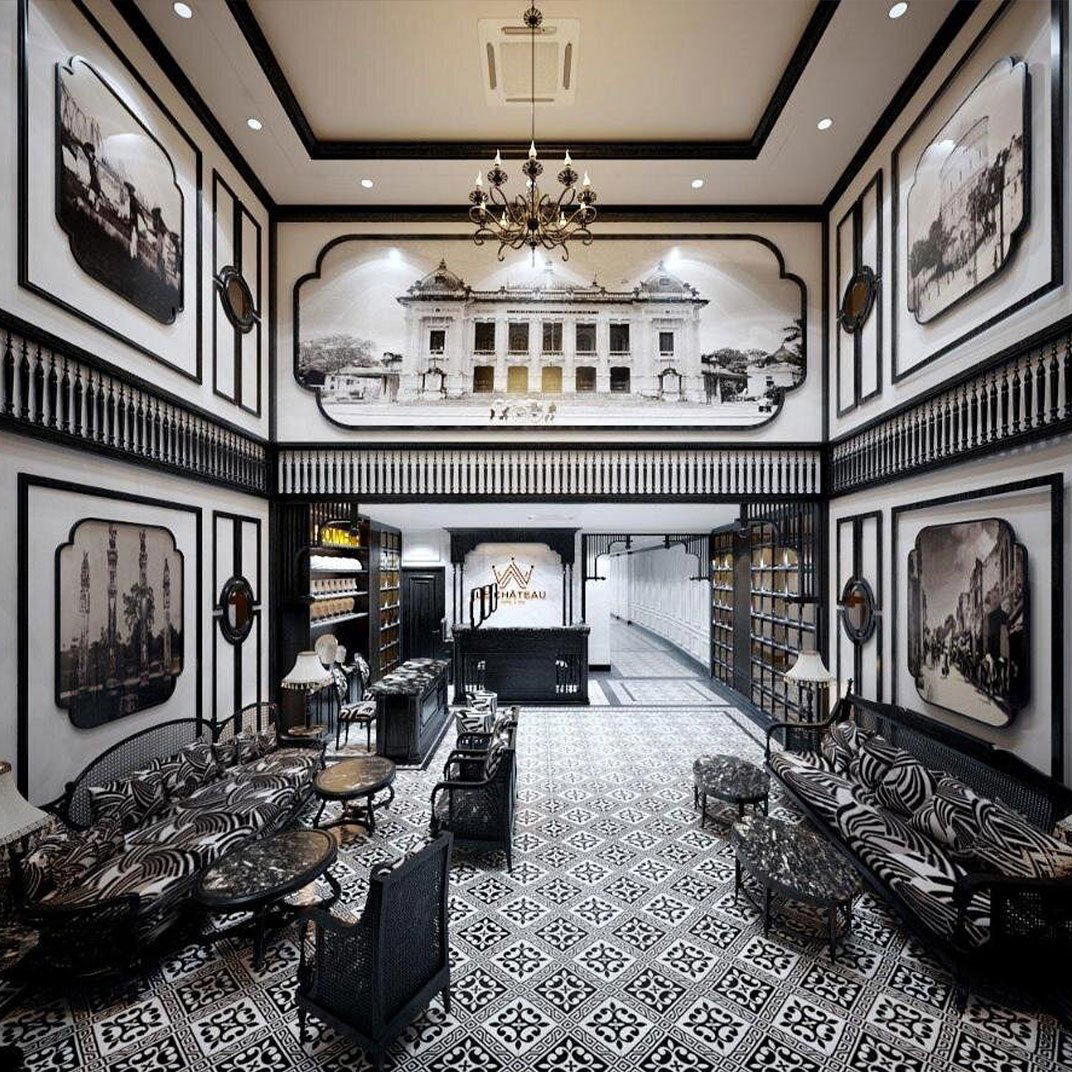
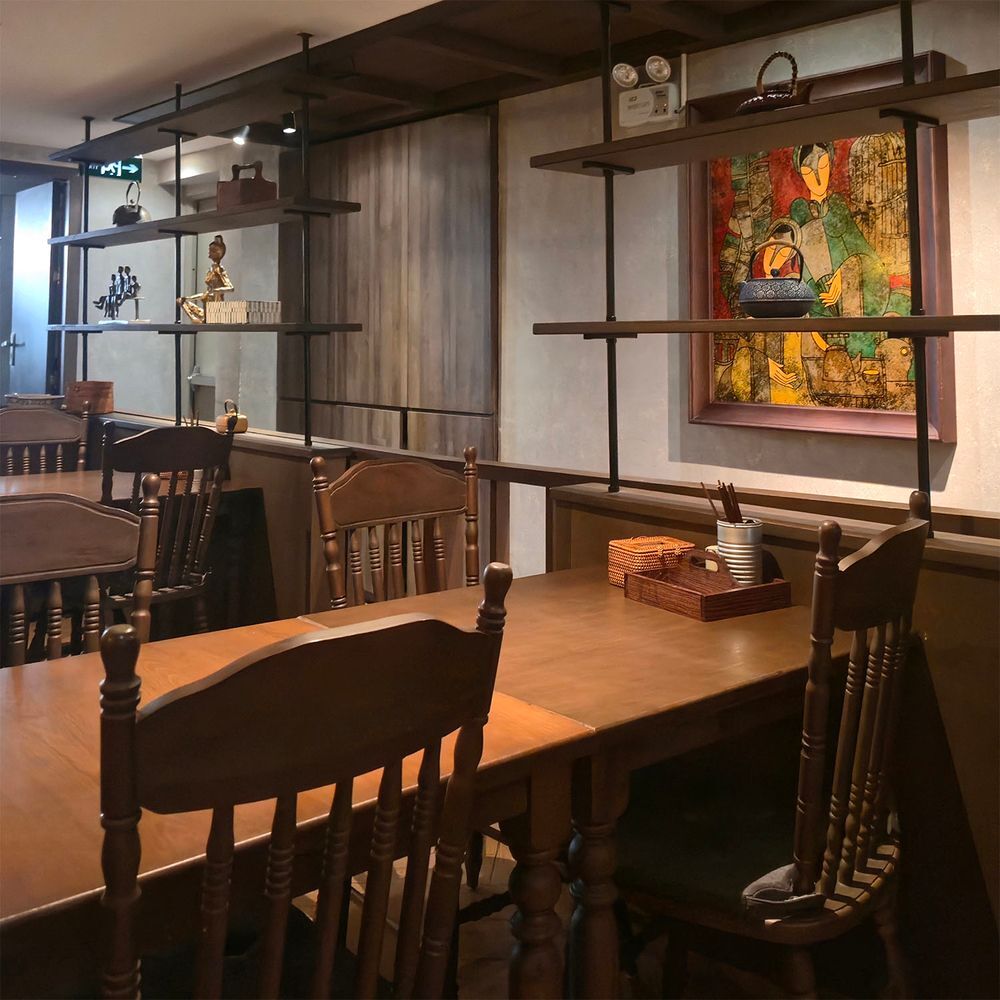
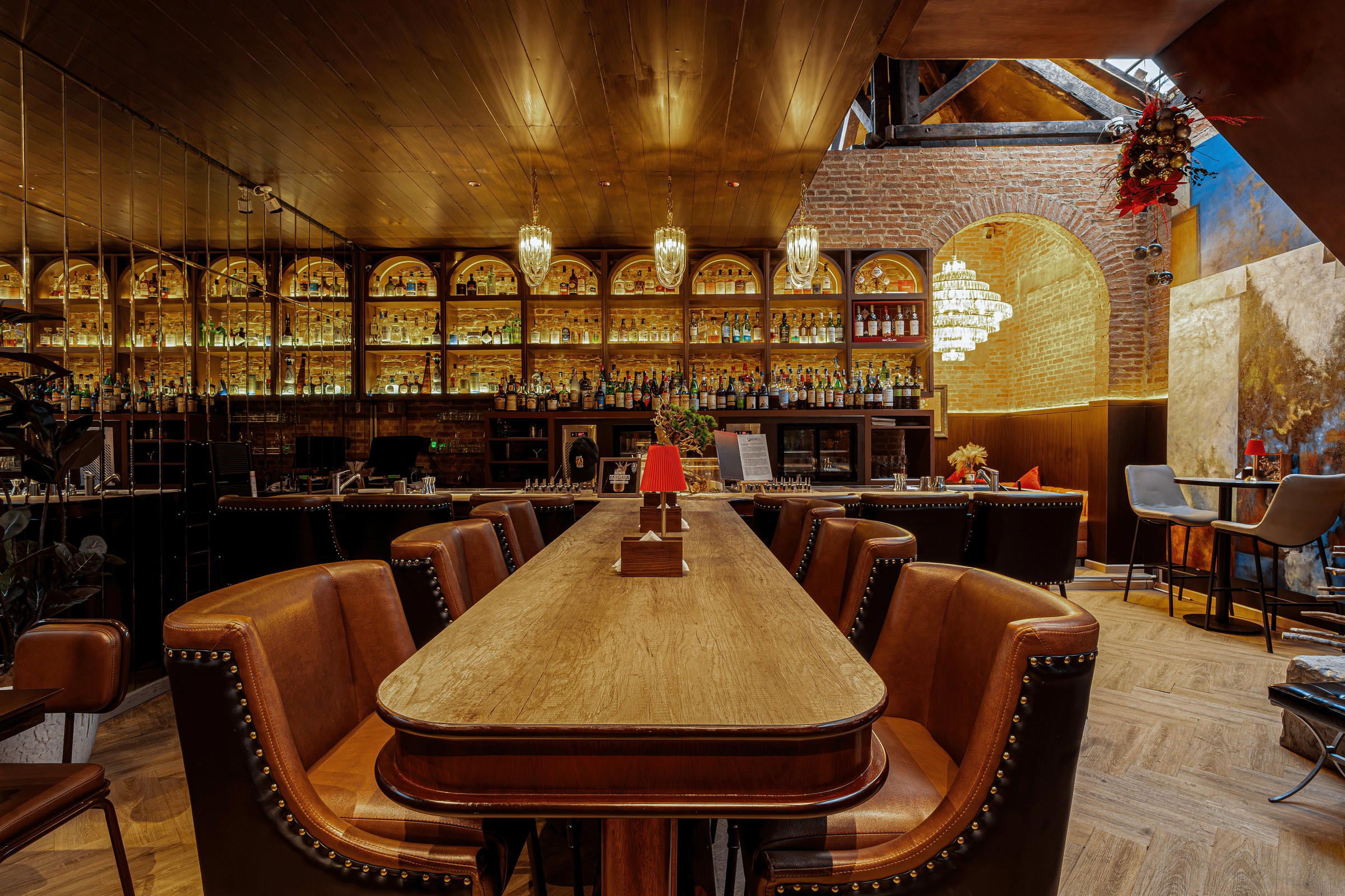
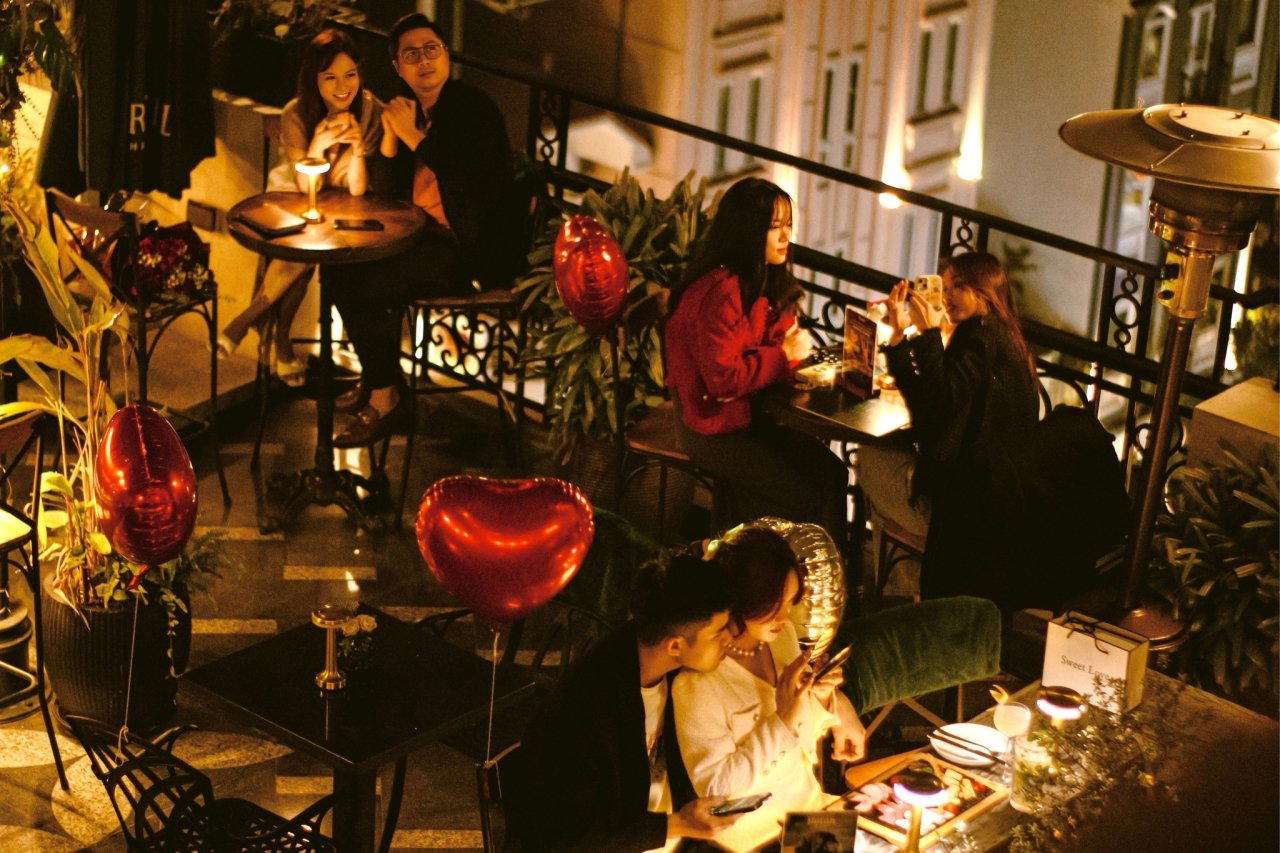
Crowded, noisy canteen-style with plastic stools, focused on communal socializing over ice-cold fresh beer.