Tạ Hiện Street is Hanoi's most concentrated strip of street-level drinking, where cold bia hơi and plastic stools have defined the Old Quarter's social rhythm for generations. Number 20 sits at the intersection's busiest corner, functioning less as a destination in the conventional sense and more as a fixed point in a nightly ritual that belongs equally to locals and travellers. Budget-friendly, walk-in, and unapologetically informal.

Pearl is the En Primeur Club membership app, where members save venues, book tables and use the concierge.
The Corner That Organises a Neighbourhood
In most cities, a bar earns its reputation through a menu, a design concept, or a chef's name above the door. On Tạ Hiện Street in Hanoi's Hoàn Kiếm district, reputation works differently. The street itself is the concept, and the plastic-stool establishments that line it, including the address at number 20, derive their authority from something older and more durable than any individual venue: the Vietnamese tradition of bia hơi culture, a system of freshly brewed, low-alcohol draught beer served at pavement level for a price that has historically kept pace with the lowest local wages.
Tạ Hiện runs through the heart of the Old Quarter, a neighbourhood whose street-naming tradition assigned each lane to a specific trade guild. The drinking and social culture here has evolved over decades into something that draws an almost equal mix of Hanoian regulars and international visitors, which is itself an unusual equilibrium. Many cities have a "tourist bar street" that locals have long since abandoned. Tạ Hiện has managed, at least partially, to avoid that fate, in part because bia hơi operates at a price point that keeps it accessible to the full social spectrum of the city.
What Bia Hơi Actually Is
Understanding 20 P. Tạ Hiện requires understanding the drink it is built around. Bia hơi translates approximately as "fresh beer" or "gas beer", referring to the light, unfiltered draught lager brewed daily and consumed quickly before it spoils, typically within 24 hours of production. Alcohol content runs low by global standards, generally between 2% and 4% ABV, which contributes to the culture of long evenings and multiple rounds rather than the high-turnover drinking model common in Western bar formats.
The brewing tradition has roots in the French colonial period, when lager-style beer production was introduced to northern Vietnam, but bia hơi as a street institution developed more distinctly through the post-war decades when state-owned breweries supplied corners throughout Hanoi at controlled prices. The liberalisation of the economy from the late 1980s onward allowed private producers and vendors to enter the market, and the street-corner bia hơi junction became a fixed feature of Hanoi's social infrastructure. What visitors encounter today on Tạ Hiện is a compressed, commercially accelerated version of that tradition, but the core logic, cheap, fresh beer served in proximity to other people at ground level, remains intact.
The Physical Experience of the Street
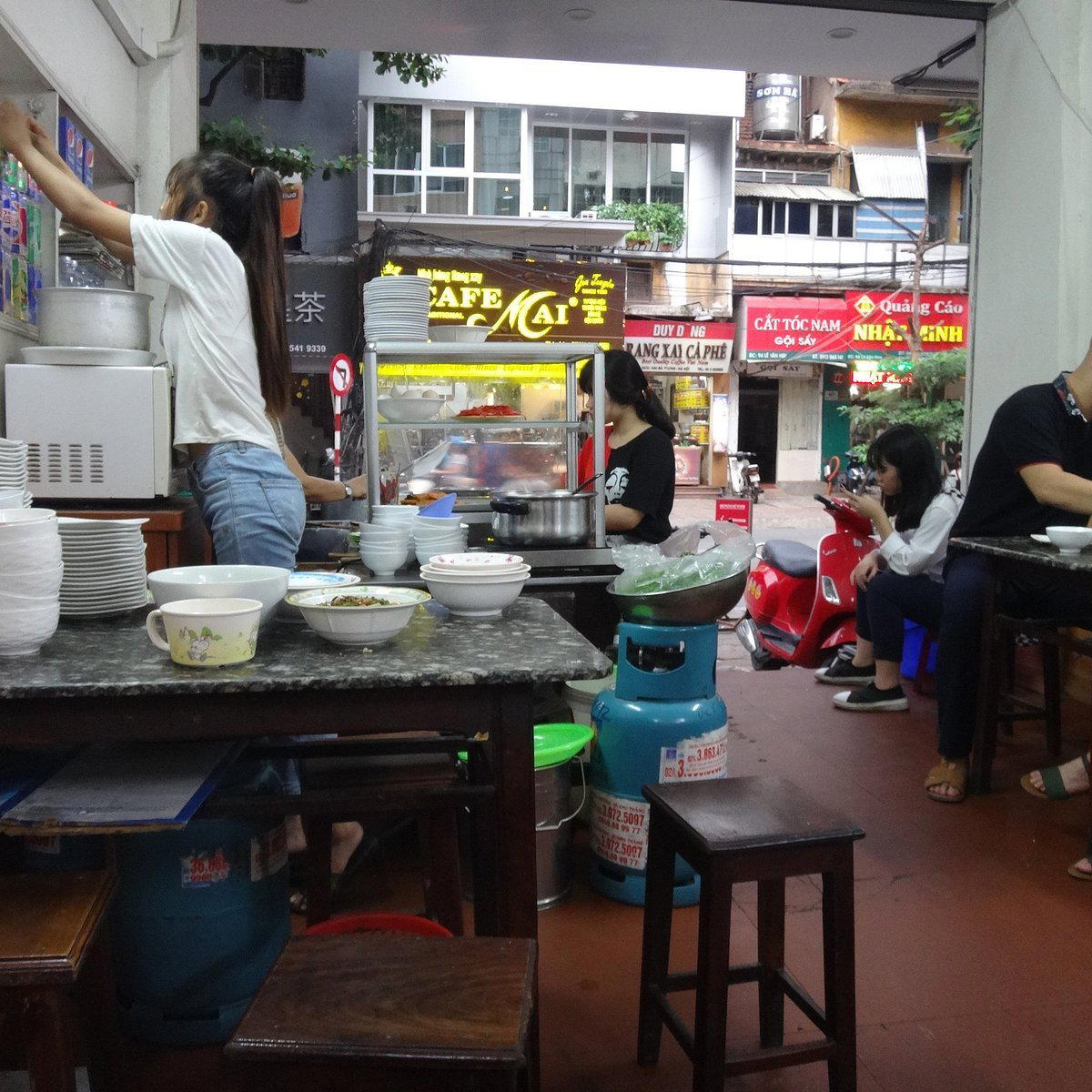
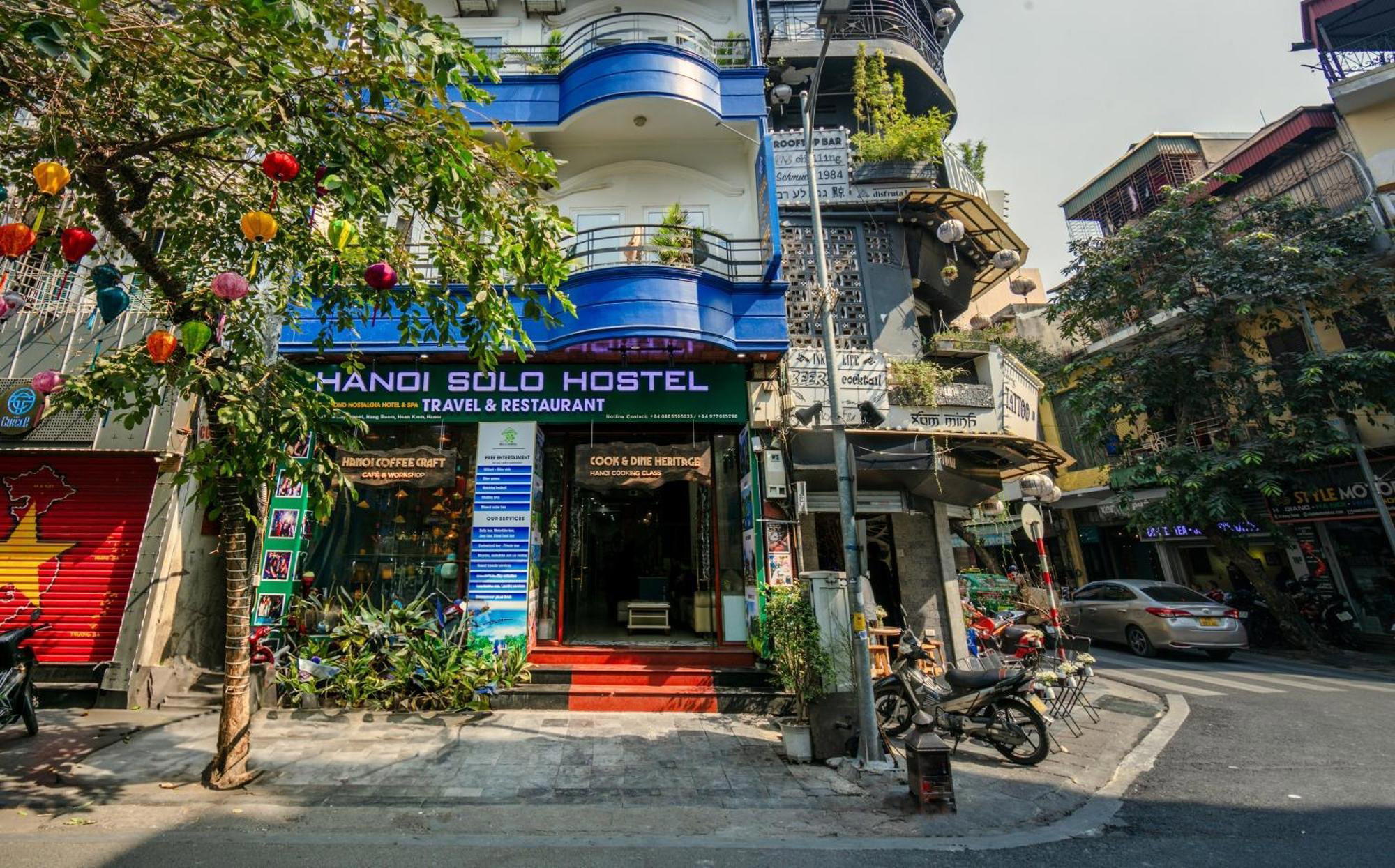
The address at 20 P. Tạ Hiện occupies a corner position on one of the Old Quarter's busiest pedestrian evenings. The format is immediate: low plastic stools arranged at low tables on the pavement or just inside a narrow ground-floor space, servers moving quickly, glasses arriving fast, and the ambient noise of the intersection creating a sound environment that makes conversation feel earned rather than easy. This is not incidental atmosphere; it is the point. Bia hơi corners are designed for proximity and informality in a way that more structured bar formats, however good, cannot replicate.
For visitors more accustomed to menus, reservations, and designed interiors, venues like The Haflington and The Hudson Rooms offer that register within Hanoi. Workshop14 addresses the craft-bar end of the spectrum. Tạ Hiện at number 20 serves a different function entirely, one that has less to do with what is in the glass and more to do with what the street is doing around you. The two modes of drinking in this city are not in competition; they describe different hours of the same evening for many visitors.
Situating Tạ Hiện in the Wider Vietnamese Drinking Scene
Hanoi's drinking culture sits in a specific position relative to Vietnam's other major cities. Ho Chi Minh City has developed a more varied and internationally legible bar scene, with cocktail venues, rooftop formats, and a nightlife economy that runs later and louder. The scene there, including addresses covered in our guide to Drinking and Healing in Ho Chi Minh City, reflects a southern city with different colonial history, different pace, and different drinking habits. Hanoi's culture has historically been more conservative and more tied to the bia hơi tradition, which gives streets like Tạ Hiện a cultural weight they might not carry in a city where more formats compete for attention.
Elsewhere in northern Vietnam, the bar culture thins out considerably. Le Pont Club in Hai Phong and addresses in smaller cities like Genji Bar in Cam Pha operate with limited peer sets and without the density that makes a street like Tạ Hiện function as a social institution rather than just a collection of individual venues. Central Vietnam has produced its own formats, including the Hoi An Brewing Company's riverside operation, which takes the craft-beer model into a heritage town context. Da Nang has drawn French-influenced operators like Le Rendez Vous in Son Tra. None of these approximate what Tạ Hiện does, because what Tạ Hiện does is rooted in a density and a tradition that took decades to accumulate.
For international context, the closest analogue in the Asia-Pacific region might be certain lanes in Bangkok's Chinatown or the street-drinking strips of Phnom Penh's riverside, but even those comparisons flatten important distinctions. Bia hơi culture is specifically northern Vietnamese, specifically tied to a brewing method and a price structure that developed under particular economic conditions, and its survival into the present as a genuinely functioning local institution (rather than a performance of one) is worth attention. Beyond Southeast Asia, venues like Bar Leather Apron in Honolulu and United Bar in Thanh Khe show how different cities have found their own street-level social drinking formats, but the bia hơi model remains structurally distinct.
Planning Your Visit
The Old Quarter pedestrian zone around Tạ Hiện activates most fully from early evening onward, with the street reaching its densest point between roughly 7pm and 10pm on weekends. No booking is required or possible; the format is entirely walk-in, and turnover at the pavement tables is fast enough that wait times are rarely an issue except during peak holiday periods around Tết. Pricing at bia hơi corners runs at the lower end of anything you will encounter in the city; a glass of fresh beer typically costs a fraction of what equivalent volume costs at any bar in the Old Quarter's more designed venues. Dress code is nonexistent. The address sits within walking distance of the Hoan Kiem Lake area, making it a natural stop on a broader Old Quarter evening that might also take in nearby food stalls and the street-food concentration along Hàng Buồm. For a fuller picture of where 20 P. Tạ Hiện sits within Hanoi's drinking and dining options, see our full Hanoi guide. The adjacent streets of the Old Quarter also contain 12 P. Phúc Tân, which operates in a different register entirely, reflecting how compressed and varied the options within this part of the city actually are.
Cost and Credentials
A quick peer list to put this venue’s basics in context.
| Venue | Price | Awards |
|---|---|---|
| 20 P. Tạ HiệnThis venue (the venue you are viewing) | Not listed | Not listed |
| Workshop14 | $10–20 | World's 50 Best #34 · Top 500 Bars Best Bars #355 |
| The Haflington | $10–20 | World's 50 Best #87 · Top 500 Bars Best Bars #274 |
| The Hudson Rooms | Not listed | World's 50 Best #46 · Top 500 Bars Best Bars #266 |
| Tannin Wine Bar Hang Vai | $20–30 | Star Wine List |
| Longer Than a Summer | $20–30 | Not listed |
Continue exploring
More in Hanoi
Bars in Hanoi
All bars in Hanoi →
Details
- Casual Hangout