On a narrow lane in Hanoi's Old Quarter, Phở 10 Lý Quốc Sư has become one of the city's most-referenced addresses for northern-style pho. The broth follows the Hanoian tradition: clear, bone-deep, and seasoned with a restrained hand. It draws locals and visitors alike, particularly during the cooler months when a bowl of pho registers as both meal and ritual.
 Discover on Pearl
Pearl is the En Primeur Club membership app — saves, bookings, and concierge access live there. Same editors, same standards.
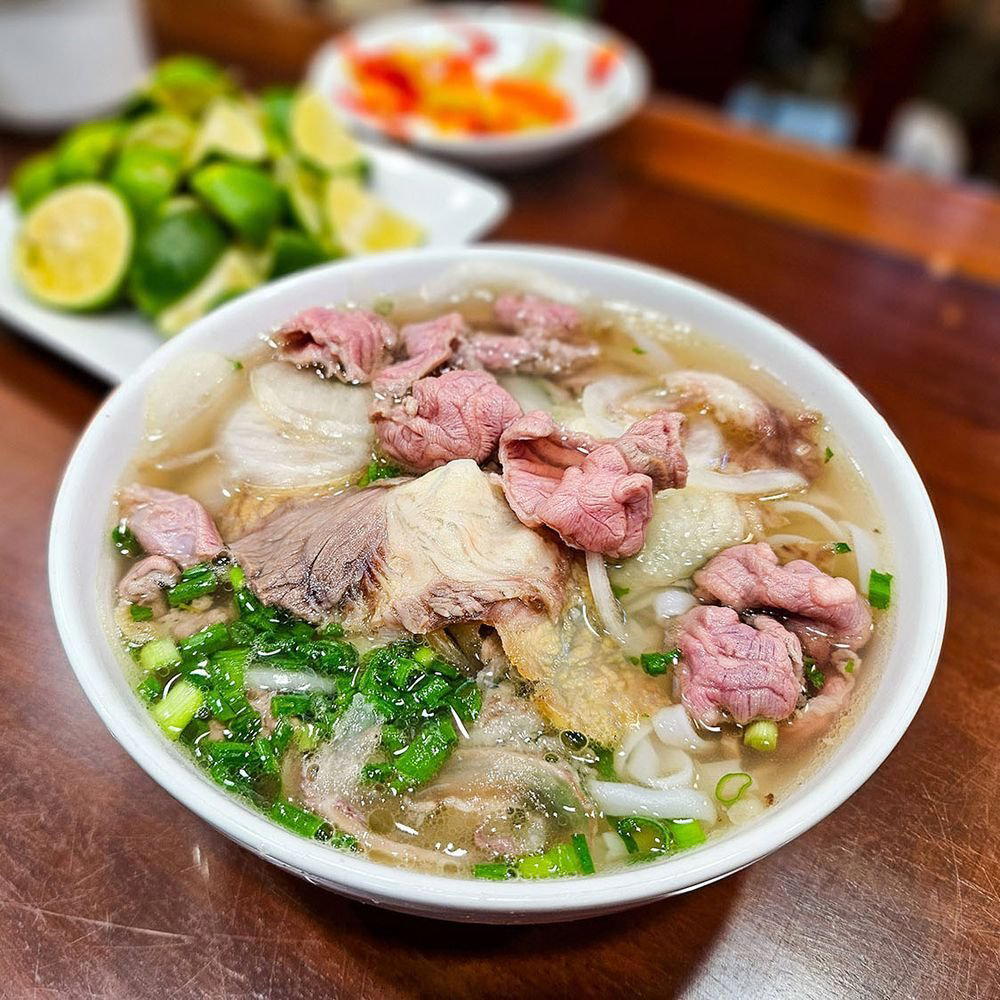
The Broth Before Everything Else
Hanoi's pho culture runs on a set of unwritten standards that most visitors only begin to understand after a few bowls. The broth must be clear, not cloudy. The seasoning should arrive at the table, not pre-applied in the kitchen. The noodles, bánh phở, are rice-based and flat, softer than their southern counterparts and served with less garnish. Phở 10 Lý Quốc Sư sits squarely inside that northern orthodoxy, operating on a street that has long served as a reference point for Hanoi's working-lunch culture, tucked between the Hoàn Kiếm district's older residential blocks and the denser tourist corridor of the Old Quarter.
Pho in the north and south of Vietnam are distinct enough to constitute almost separate dishes. Southern pho, as served in Ho Chi Minh City and codified at restaurants like Akuna in Ho Chi Minh City, arrives with a pile of fresh herbs, bean sprouts, and hoisin on the side. Northern pho is stripped back: the bowl does the work, and the cook's skill lives inside the stock. That difference in philosophy shapes how you approach a place like Phở 10 Lý Quốc Sư. You are receiving one.
What the Northern Style Demands
The editorial angle that makes Hanoi pho worth understanding is technique. It is technique. A proper northern broth requires a long simmer of beef bones, sometimes supplemented with charred ginger and onion to add depth without introducing cloudiness. The fat is skimmed. The result is a stock that reads as clean on the palate but carries genuine weight. Phở 10 Lý Quốc Sư operates within this tradition.
That consistency matters because pho is a dish that degrades quickly. The noodles absorb liquid and go soft. The broth must be served at a temperature that keeps the thinly sliced beef at the correct degree of doneness for the window between kitchen and table. Getting those variables right, repeatedly, across a full service, is harder than it looks. Hanoi's most-visited pho counters hold that standard not through elaborate technique but through discipline and repetition. The same logic applies to high-precision kitchens elsewhere in the country, including the more formal dining rooms at La Maison 1888 in Da Nang, where classical French method meets Vietnamese produce. The tools differ; the demand for repeatability does not.
Lý Quốc Sư and Its Place in the City's Food Map
Lý Quốc Sư runs through a part of Hanoi just south of Hoàn Kiếm Lake, close to the Old Quarter. Lý Quốc Sư runs through a part of Hanoi that sits just south of Hoàn Kiếm Lake, close enough to the Old Quarter to draw foot traffic from visitors but anchored in a residential neighbourhood with its own rhythm. Streets like this one have historically hosted the kind of single-dish specialists that define Vietnamese street food culture: a family or small operator focuses on one thing, refines it over years, and builds a following that is largely word-of-mouth. Phở 10 fits that model.
Hanoi's restaurant scene has been stratifying over the past decade. At the upper tier, places like Gia (Vietnamese Contemporary) and Hibana by Koki (Teppanyaki) operate at price points and with ambitions that situate them in a different conversation entirely. Mid-range Vietnamese dining, represented by venues such as Tầm Vị, covers a broader repertoire. Then there is the category that Phở 10 inhabits: low-cost, single-focus, and measured by the standard of its one dish rather than by the range of its menu. For context on the full spread of what Hanoi offers across those tiers, the EP Club Hanoi restaurants guide maps the scene in detail.
Alongside Phở 10, Hanoi has several other addresses that operate in this honest, single-dish register. 19 P. Ngũ Xã holds a comparable position for its own speciality, and 1946 Cua Bac anchors the Vietnamese category at an equally accessible price. Together, these places represent a tier of Hanoi dining that operates with no performance, no plating, and no editorial ambition beyond getting the dish right.
The Seasonal Dimension
Timing matters with pho in a way that casual visitors sometimes miss. Hanoi's cooler months, broadly October through February, shift the city's relationship with hot broth. A bowl that is pleasant in March becomes necessary in January, when morning temperatures in the city can drop to single digits by Vietnamese standards and the humidity sits lower. Pho shops in Hanoi see a marked uptick in early-morning traffic during these months, and Phở 10 Lý Quốc Sư, like its peers, is leading visited in that window: morning service, cooler weather, broth at its most welcome. Visiting in the shoulder months of November or December gives you the atmosphere of the dish at its seasonal peak without the compressed January crowd.
That seasonal logic is less about the pho changing than about the experience of eating it shifting. The same principle applies to regional specialities across Vietnam. In Hoi An, dishes like the white rose dumpling at White Rose (Bông Hồng Trắng) are tied to a specific geography rather than a season, but the broader point holds: context changes the dish. In Hanoi, the context for pho is cold air, an early start, and a bowl that arrives fast.
Planning a Visit
Phở 10 Lý Quốc Sư is a walk-in-friendly restaurant with a casual dress code. You arrive, you sit at whatever space is available, and you order from a short menu centred on pho in its standard northern variants. The practical consideration is timing: go early in the morning or at the lunch opening if you want a seat without a wait. Hanoi's most-visited pho shops fill quickly on weekdays, and Phở 10's position on Lý Quốc Sư gives it visibility that attracts passing trade on top of its established local base. The price point is about $3 per person, keeping the experience accessible. For visitors who want to use Phở 10 as an entry point into Hanoi's food culture before progressing to the city's more involved dining rooms, the sequencing makes sense: understand the baseline of northern pho here, then consider how Gia or comparable contemporary Vietnamese kitchens build on or depart from that foundation.
Similar Picks
Comparable venues nearby, for context on price, style, and recognition.
| Venue | Cuisine | Price | Notes |
|---|---|---|---|
| Phở 10 Lý Quốc SưThis venue — the venue you are viewing | Authentic Hanoi Beef Phở | $ | |
| Bánh Mỳ Phố Huế | Traditional Hanoi Banh Mi | $ | Hai Ba Trung |
| Phở Bò Gà | Hanoi Pho Bo & Pho Ga | $ | Cau Giay |
| Xoi Che Ba Thin | Traditional Vietnamese Xoi Che (Sticky Rice & Sweet Soup) | $ | Hoan Kiem |
| Cafe Giang | Vietnamese Egg Coffee & Traditional Coffee | $ | Old Quarter, Hoan Kiem District |
| Pho Gia Truyen 49 Bat Dan | Traditional Hanoi Beef Pho | $ | Old Quarter |
At a Glance
- Lively
- Cozy
- Iconic
- Energetic
- Casual Hangout
- Solo
- Family
- Historic Building
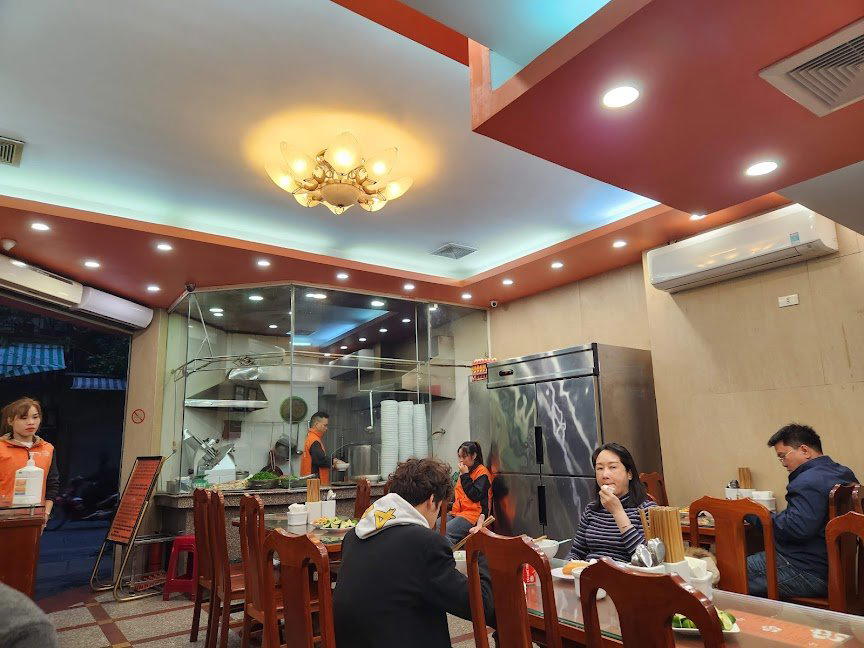
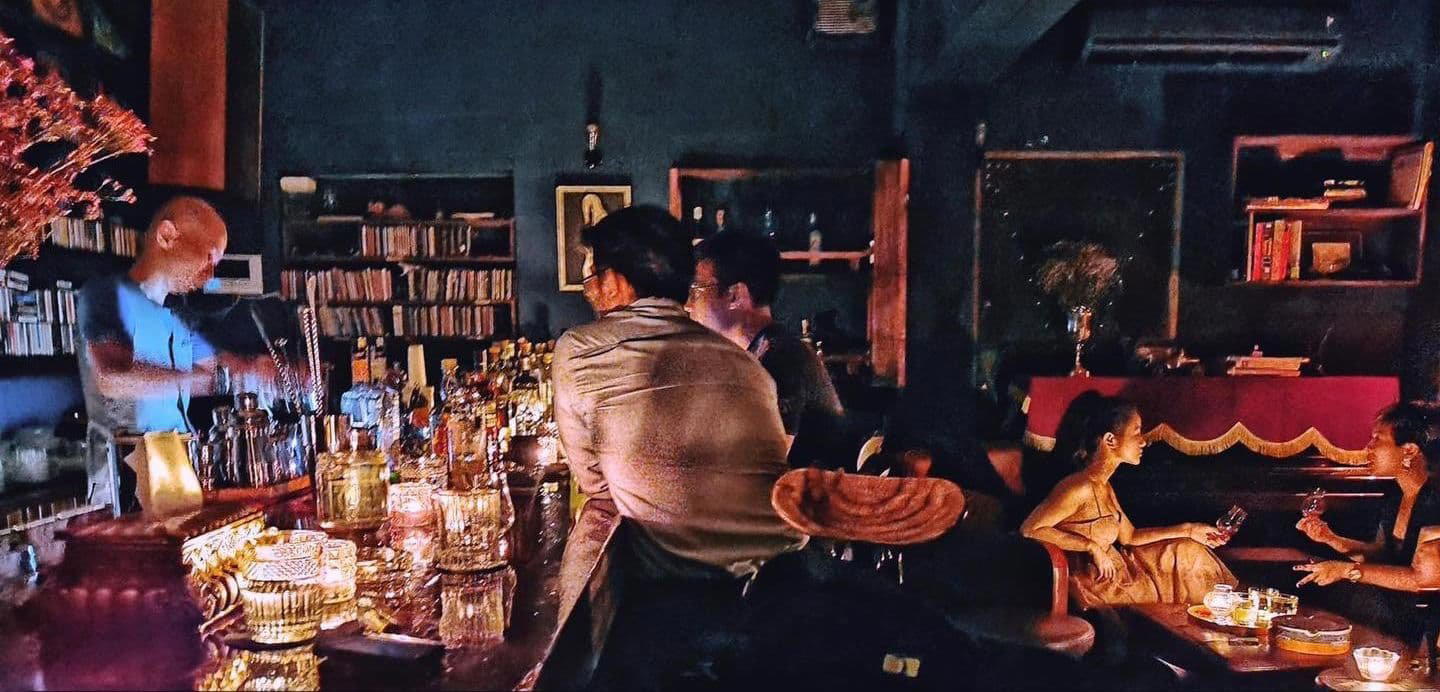
Communal tables create knocking-elbows street food energy under air-conditioned comfort, with shared slurping sounds.