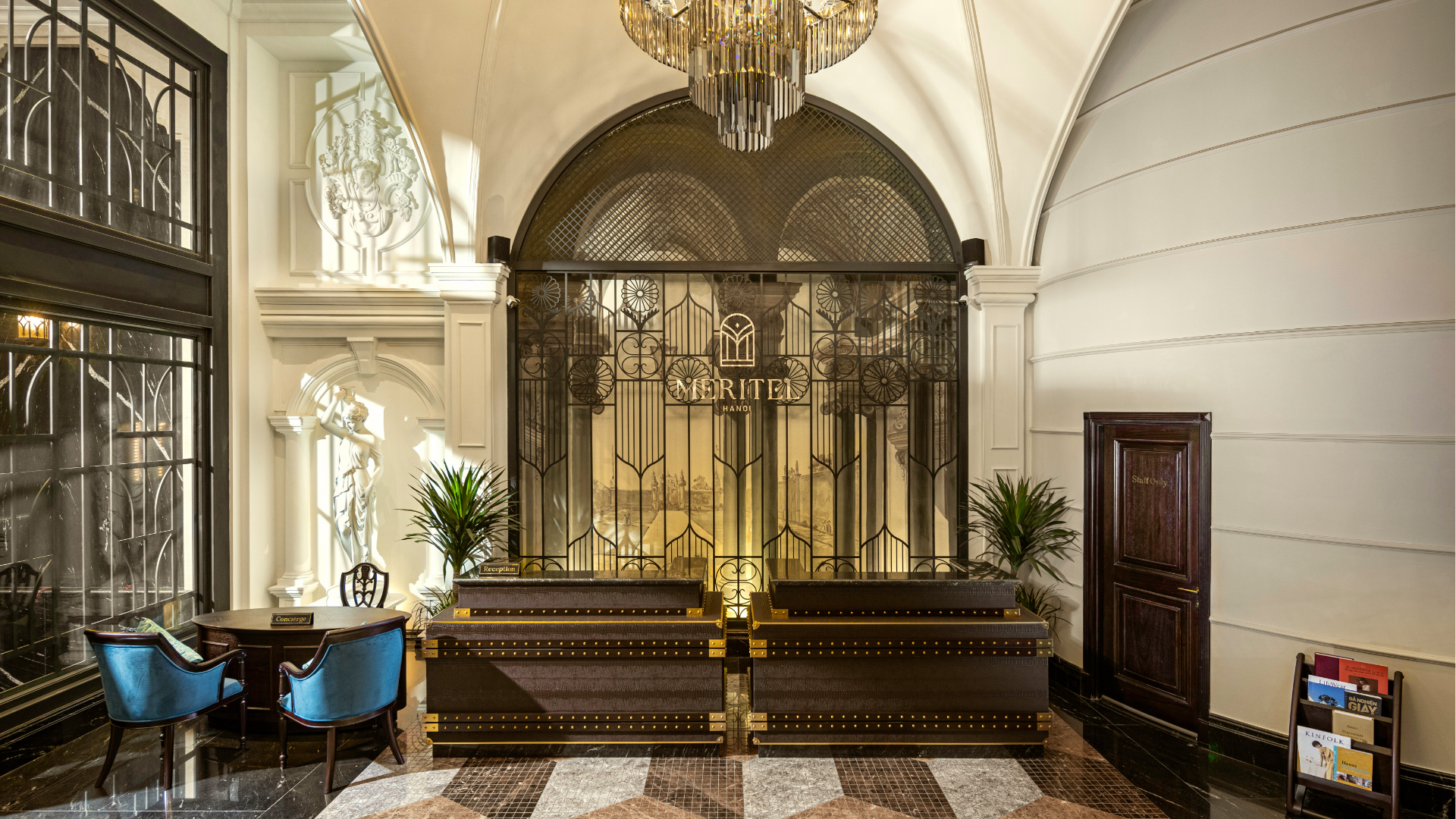

Meritel Hanoi sits on Hàng Bông Street in Hoàn Kiếm, one of the Old Quarter's most walkable corridors, and holds a Regional Winner award for Luxury Design Hotel. The property occupies a narrow-footprint address characteristic of the district's French-Vietnamese shophouse typology, positioning it among Hanoi's design-led boutique tier rather than the large international-brand category.
Pearl is the En Primeur Club membership app — saves, bookings, and concierge access live there. Same editors, same standards.
- Address
- 151-153 P. Hàng Bông, Hàng Bông, Hoàn Kiếm, Hà Nội 100000, Vietnam
- Phone
- +84 24 3719 9222
- Website
- meritelhanoi.com
- Directions
- Get directions
 Saves & bookings on Pearl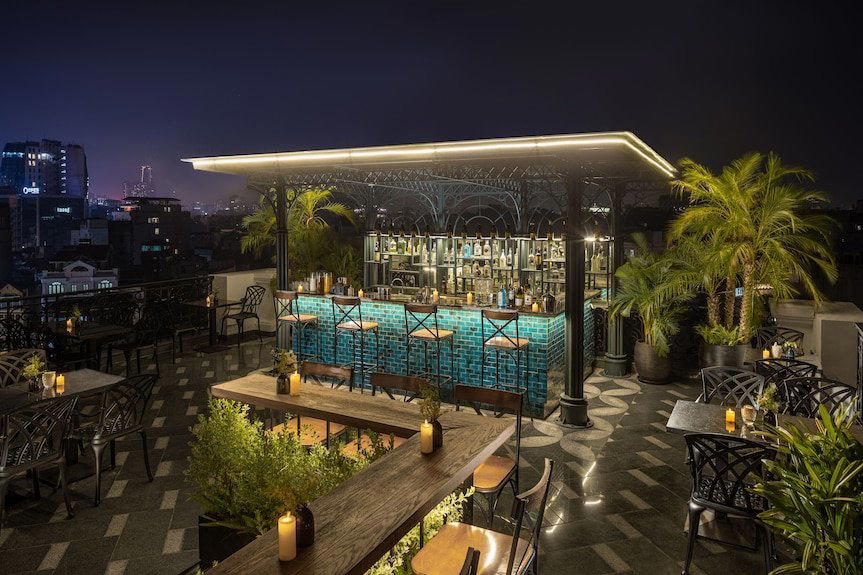
Hàng Bông Street and the Logic of Location
Hoàn Kiếm is the district that sets the terms for understanding Hanoi. The Old Quarter's 36 ancient guild streets, each historically named for the trade conducted there, have spent decades absorbing tourism pressure while retaining enough street-level texture to remain genuinely interesting. Hàng Bông, the street of cotton merchants, runs through the heart of that zone, and the address at 151-153 P. Hàng Bông puts Meritel Hanoi in the middle of it rather than at the edge. That placement matters: properties deeper in the quarter trade a degree of accessibility for proximity to the street-market rhythm, the pho stalls that open before dawn, and the lakes and temples that structure daily life in this part of the city.
Hanoi's boutique hotel sector has bifurcated over the past decade into two recognisable camps. On one side sit the large international operators: JW Marriott Hotel Hanoi anchors the Ba Dinh diplomatic quarter, while InterContinental Hanoi Landmark72 and InterContinental Hanoi Westlake by IHG serve the expanding western corridors. On the other side, a smaller cohort of design-led properties has concentrated in Hoàn Kiếm, where footprint constraints imposed by the shophouse plot sizes have pushed architects and operators toward vertical, highly curated builds. Meritel Hanoi, a 5-star hotel, falls squarely into that second group.
The Shophouse Form and What It Produces
The Old Quarter's characteristic building type is the tube house: narrow street frontage, deep floor plan, multiple storeys stacked above ground-floor retail or hospitality space. This format, a legacy of colonial-era taxation on street-facing width, is simultaneously a design constraint and an identity signal. Hotels that work within it rather than against it tend to produce something structurally different from a large-footprint resort: fewer rooms, stacked floor plates, limited common-area spread, and a verticality that concentrates the guest experience within a compact spatial sequence.
What this means in practice is that arrival and orientation happen quickly, you are inside the building's logic almost immediately upon entering, and the quality of individual decisions about materials, light, and detail carries more weight than it would in a property where volume absorbs imprecision. Meritel Hanoi's recognition as a Regional Winner in the Luxury Design Hotel category suggests those decisions have been made deliberately. That award category typically rewards properties where design functions as the primary differentiator rather than scale or brand recognition, and it places the hotel in a comparable set that includes design-forward addresses such as Capella Hanoi and Essence d'Orient Hotel & Spa, though at different price positions and scales.
Where Meritel Sits in the Hoàn Kiếm Tier
The Old Quarter's hotel market is more stratified than it appears from street level. The Hotel de l'Opera - MGallery Hanoi and Hilton Hanoi Opera operate near the southern edge of the district, close to the Opera House, where the streets are wider and the French colonial architecture provides a different visual grammar. Properties deeper in the quarter, on streets like Hàng Bông, operate with tighter logistics but stronger immersion in the neighbourhood's daily texture. The Hanoi Royal Palace Hotel 2 occupies a comparable position in this sub-tier.
Seasonal timing reshapes what staying in this part of the city feels like. Hanoi's climate divides into a cooler, drier window from November through March and a hotter, more humid stretch the rest of the year. The cooler months bring the kind of ambient temperature that makes walking the Old Quarter's alleyways genuinely comfortable, morning light on the lake, the market activity on Hàng Bông before 8am, the afternoon lull that settles over the district before the evening street-food trade begins. Visitors arriving between December and February, when daytime temperatures sit in the mid-teens Celsius and fog occasionally softens the city's edges, are working with the neighbourhood at something close to its most legible.
Design as Credential in a Competitive Field
Across Vietnam's premium hotel sector, design recognition has become an increasingly specific differentiator. Properties like Amanoi in Vinh Hy, Azerai La Residence, Hue, and Banyan Tree Lăng Cô have established design coherence as a qualifying criterion for premium positioning, not merely an aesthetic preference. In an urban context like Hanoi's Old Quarter, where the physical constraints are more pronounced and the surrounding streetscape more demanding, the bar for that coherence is different from a resort site with open land and controlled sightlines.
The hotel's Regional Winner status for Luxury Design Hotel carries weight precisely because the Old Quarter context makes design achievement harder to fake. A property at this address is competing visually with an existing architectural heritage every time a guest steps outside. The recognition suggests the interior environment holds its own against that context rather than retreating from it.
Planning a Stay: Practical Reference
The hotel's address at 151-153 P. Hàng Bông places it within walking distance of Hoàn Kiếm Lake to the south and the core of the Old Quarter's guild streets to the north. Nội Bài International Airport sits roughly 30 kilometres from the city centre; taxi and private transfer services cover the route in 40 to 60 minutes depending on traffic, which is heaviest during morning and evening commute windows.
Visitors who prioritise proximity to street-level Vietnamese urban life over resort-scale facilities will find the Hoàn Kiếm boutique tier more satisfying than the larger properties in Ba Dinh or the western districts. The trade-off is space: rooms in tube-house properties are typically narrower than international-brand equivalents, and common areas are limited. That compression, when handled well by the design, produces a hotel that feels embedded in its neighbourhood rather than insulated from it.
Same-City Peers
Comparable venues nearby, for context on price, style, and recognition.
| Venue | Cuisine | Price | Notes |
|---|---|---|---|
| Meritel HanoiThis venue — the venue you are viewing | Luxury boutique hotel blending Indochine colonial elegance with contemporary Renaissance architectural details and modern amenities. | $$$$ | Not listed |
| Lotte Hotel Hanoi | Luxurious high-rise city hotel blending modern design with Vietnamese touches | $$$$ | Ba Dinh |
| Dusit Le Palais Tu Hoa Hanoi | Luxurious royal palace-inspired retreat blending Vietnamese heritage with modern sophistication. | $$$$ | Tay Ho |
| JW Marriott Hotel Hanoi | contemporary luxury with timeless elegance | $$$$ | Nam Tu Liem |
| Hilton Hanoi Opera | Colonial-style hotel inspired by the adjacent Hanoi Opera House with modern interiors. | $$$$ | Hoan Kiem |
| InterContinental Hanoi Westlake by IHG | Luxury lakeside resort blending contemporary design with Vietnamese architectural elements, positioned as Vietnam's most romantic resort. | $$$$ | Tay Ho |
Recognition history
Dated appearances from independent guides and award organizations, with the underlying list record or original source where available.
Michelin Selected
Michelin
World Luxury Hotel Awards WLHA Regional Winner
World Luxury Hotel Awards
At a Glance
- Elegant
- Sophisticated
- Modern
- Romantic
- Romantic Getaway
- Wellness Retreat
- Anniversary
- Business Trip
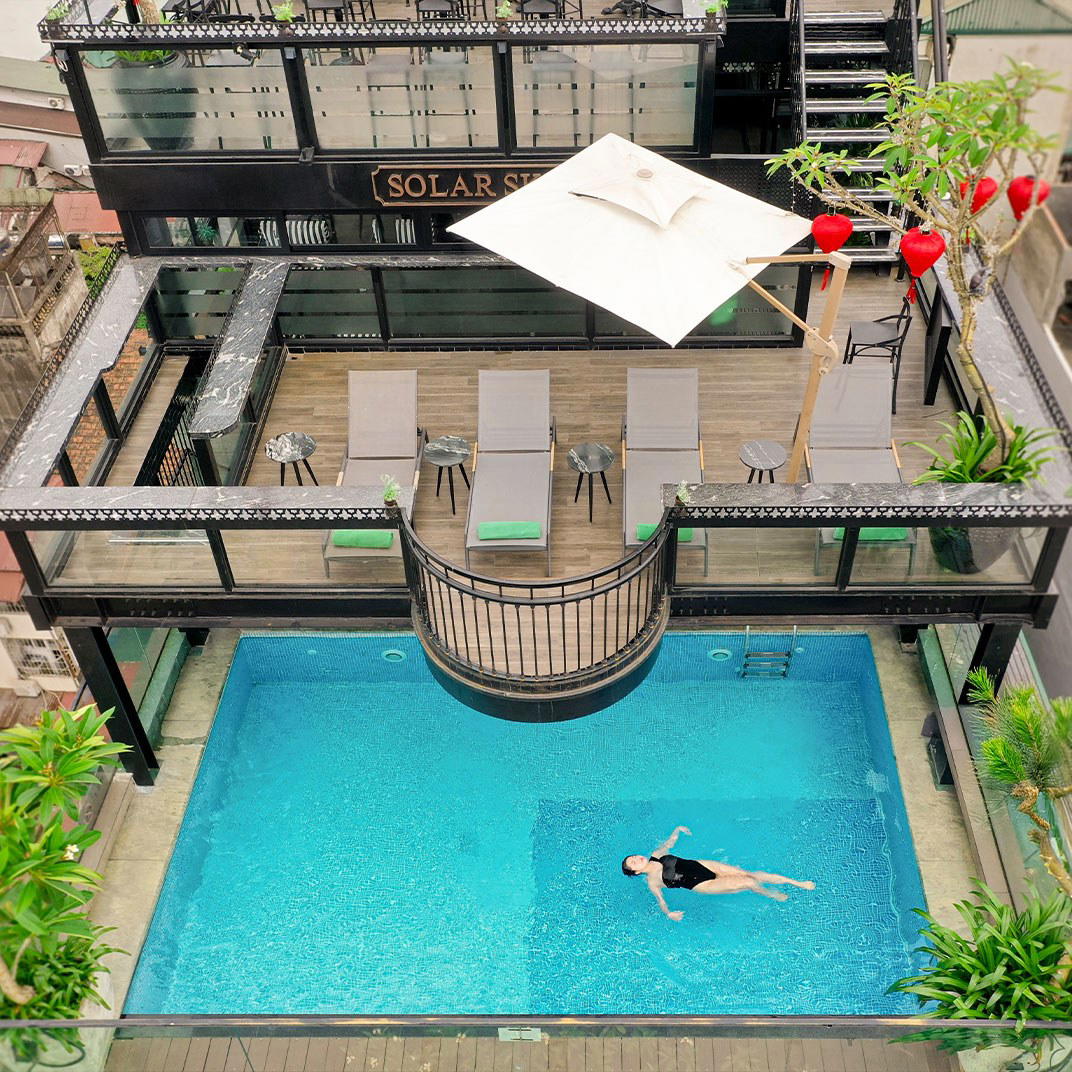
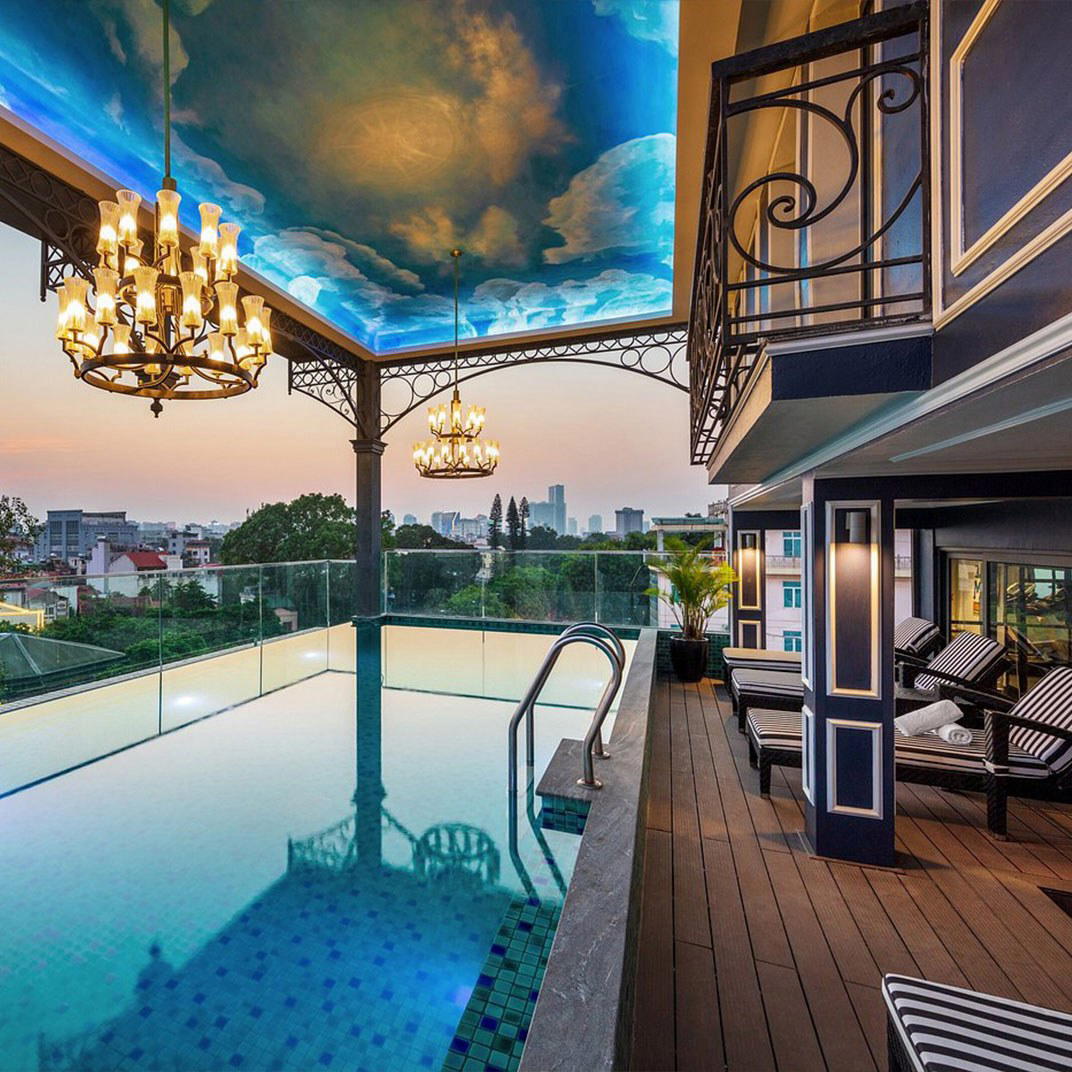
- Rooftop Pool
- Destination Spa
- Terrace
- Garden
- Panoramic View
- Wi Fi
- Pool
- Spa
- Fitness Center
- Room Service
- Concierge
- Restaurant
- Bar
- Sauna
- Hot Tub
- Skyline
- Garden
- Wi Fi
- Pool
- Spa
- Fitness Center
- Room Service
- Concierge
- Restaurant
- Bar
- Sauna
- Hot Tub
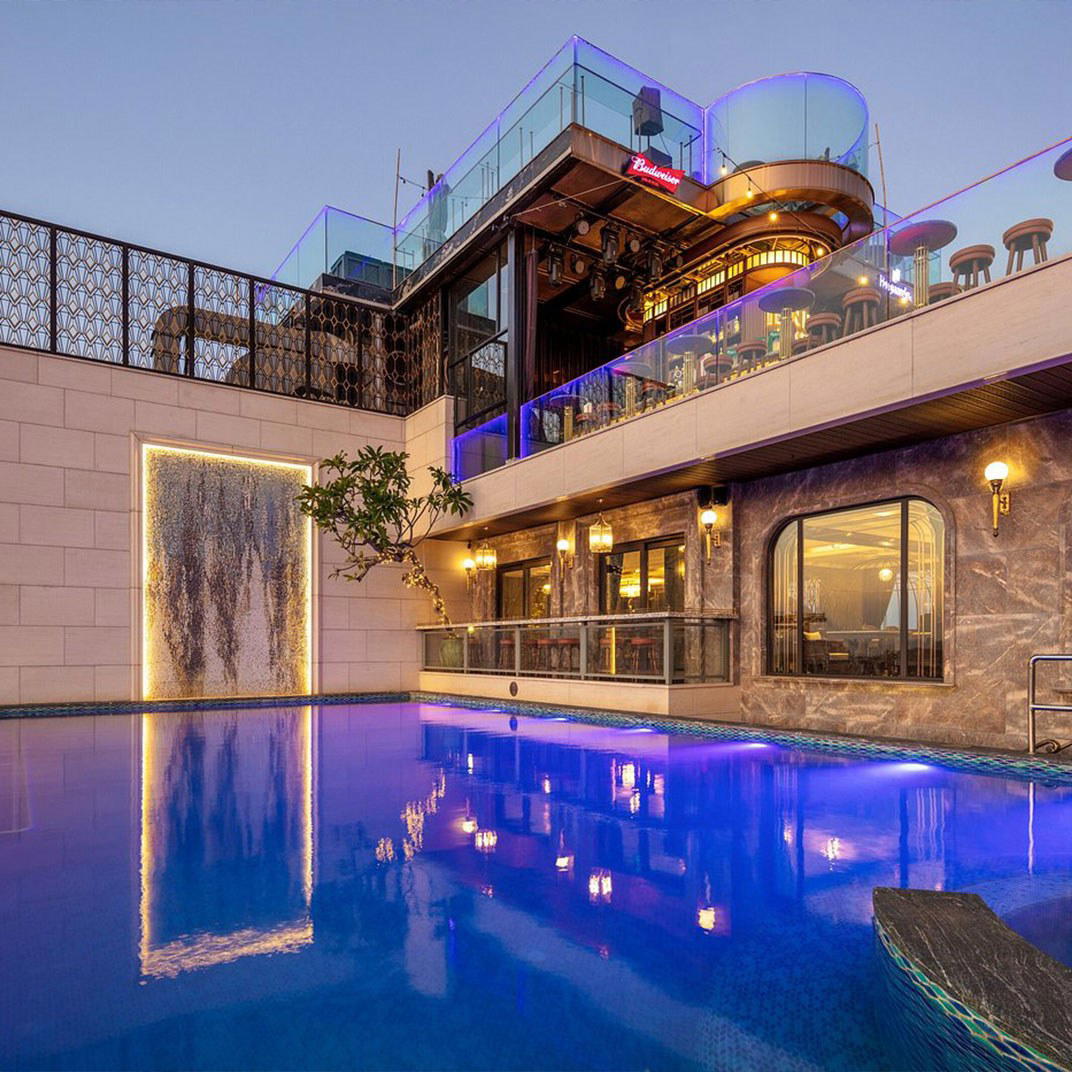
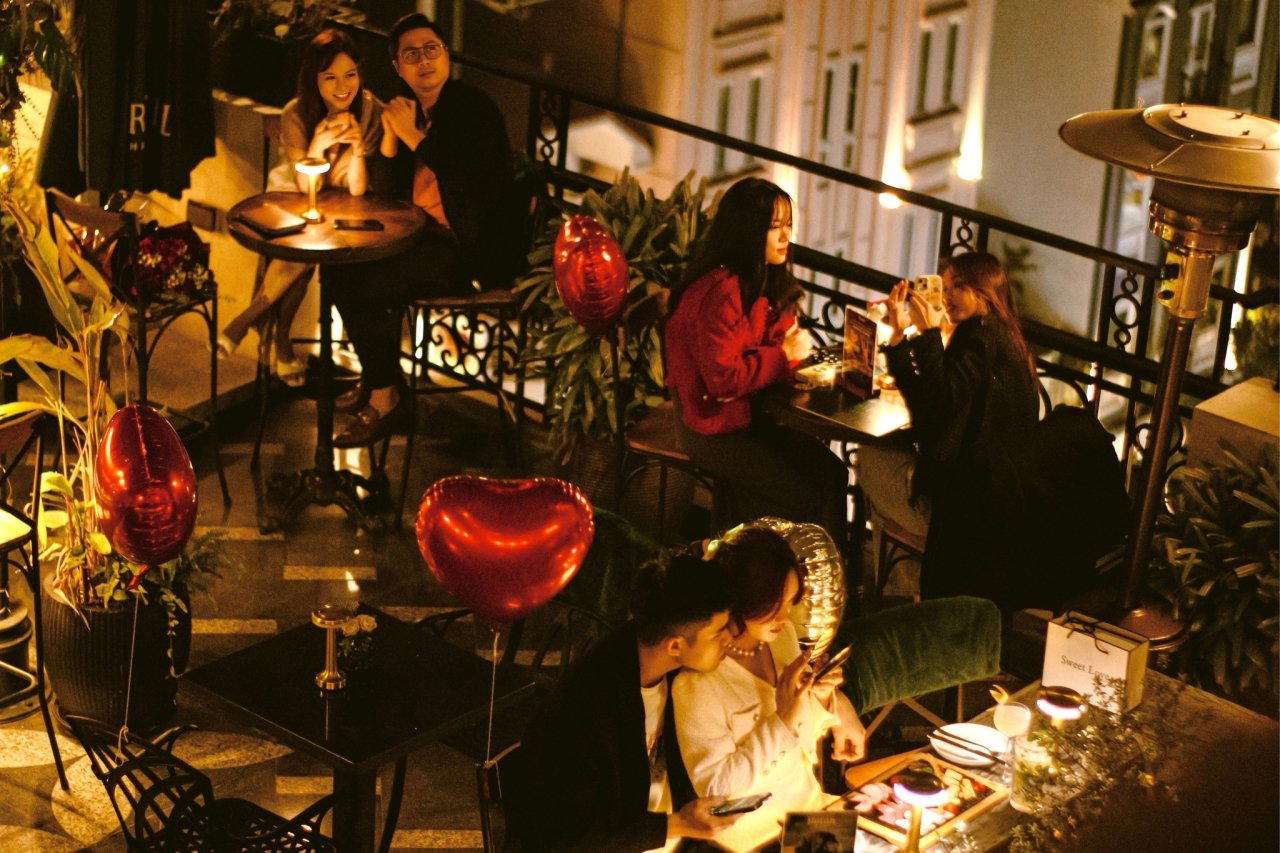
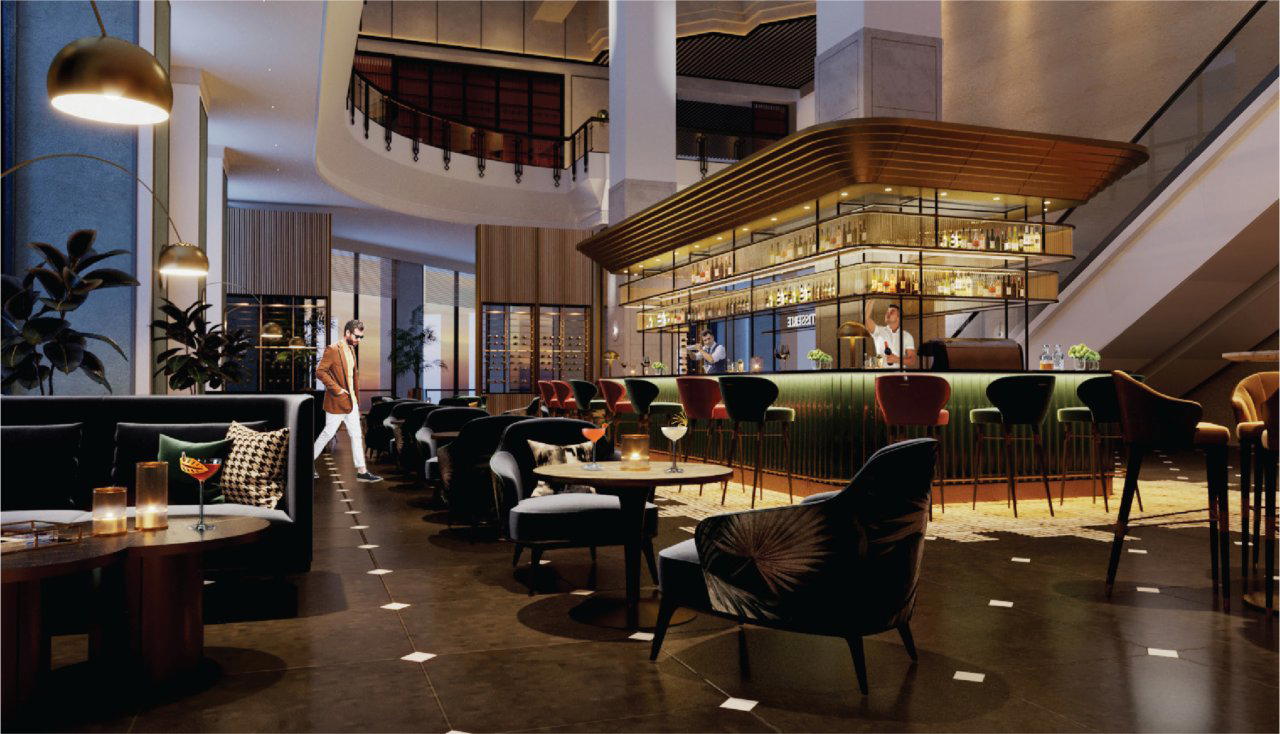
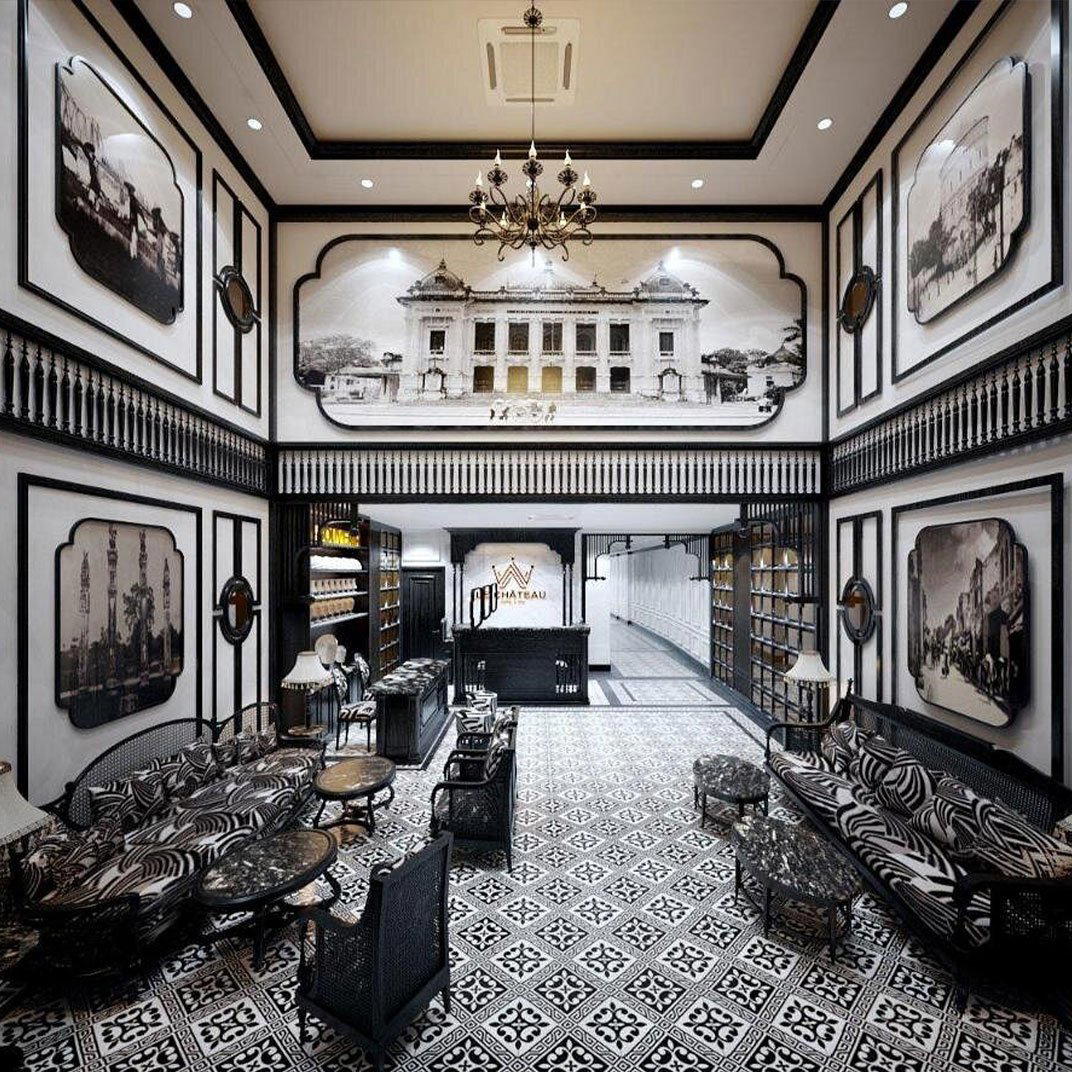
Inviting and peaceful with warm lighting, thoughtfully curated Indochine-Renaissance design details, and attentive service creating a luxurious yet intimate atmosphere.