Our verdict
On Châu Long in Hanoi's Trúc Bạch quarter, the Hanoi Cooking Centre occupies a address that places it steps from the lake and deep inside one of the city's most food-literate neighbourhoods. The format sits in the hands-on cooking class tradition that has become a serious category across Vietnam's heritage cities, offering a structured entry point into northern Vietnamese technique for travellers who want to cook rather than simply eat.
- Address
- 44 Châu Long, Ngũ Xã, Hà Nội, 46 P. Châu Long, Trúc Bạch, Ba Đình, Hà Nội 100000, Vietnam
- Phone
- +84 24 3715 0088
- Website
- hanoicookingcentre.com
- Directions
- Get directions
The menu
What to order
- Pho bo
- Bun Cha
- Nem ran
Trúc Bạch's Classroom Kitchen
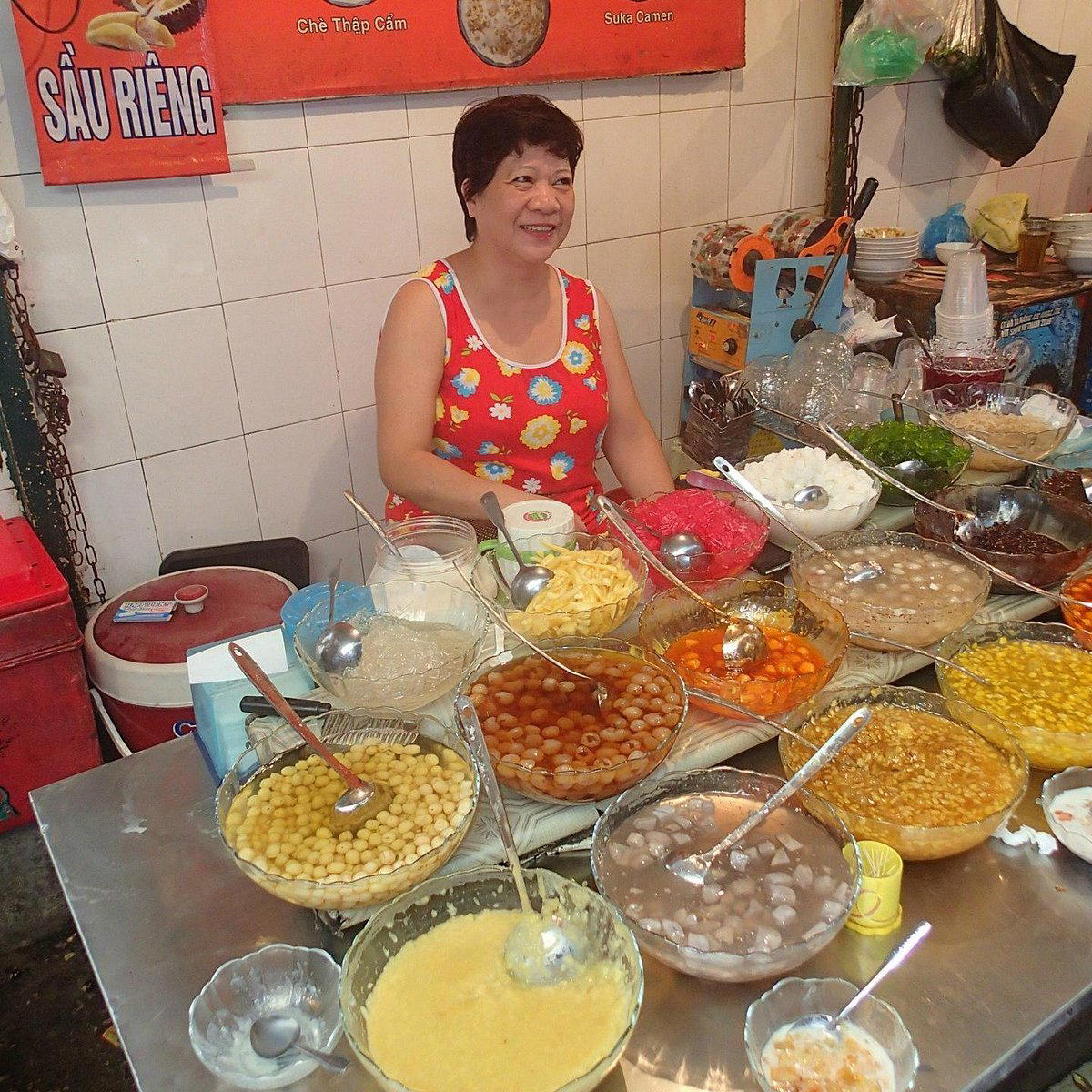
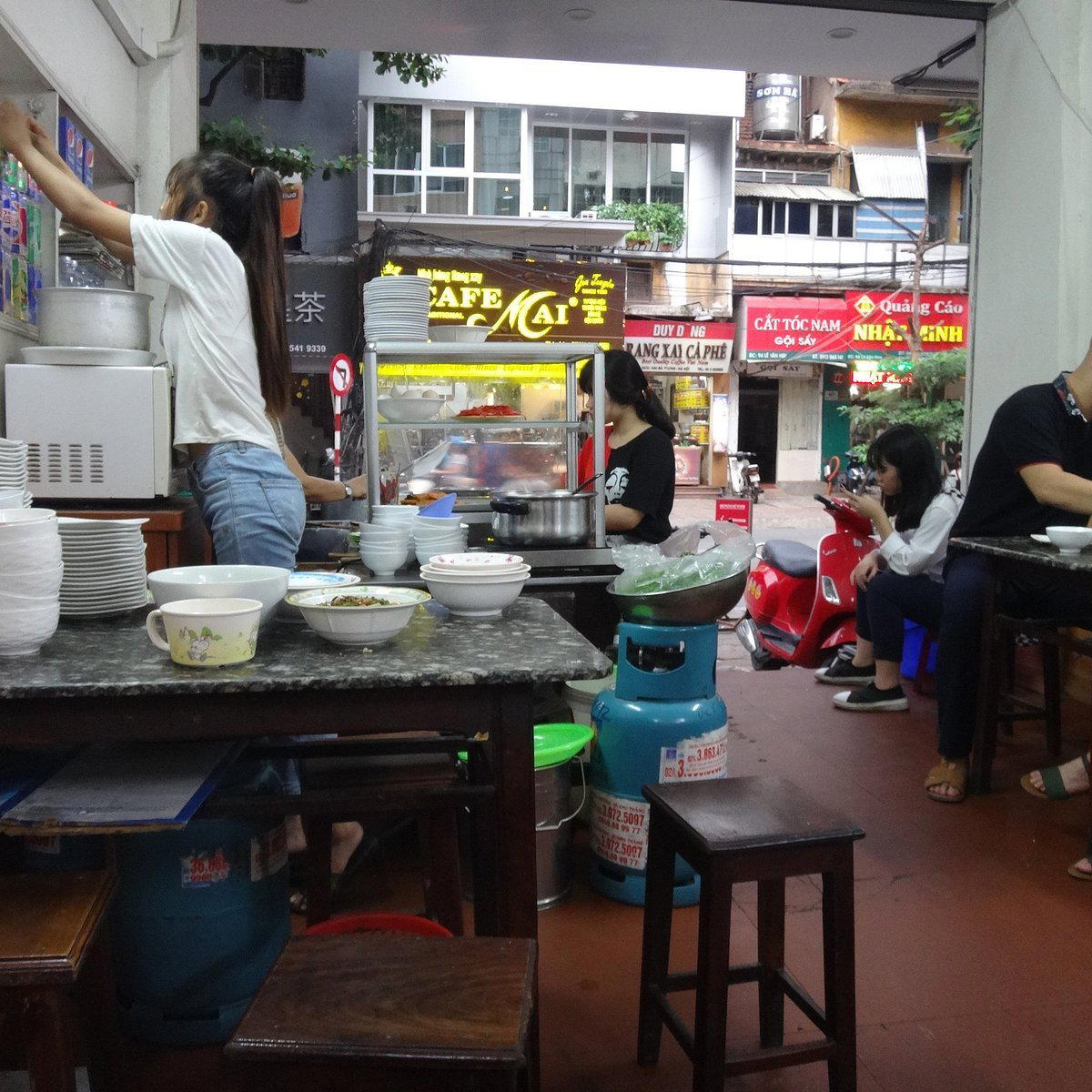
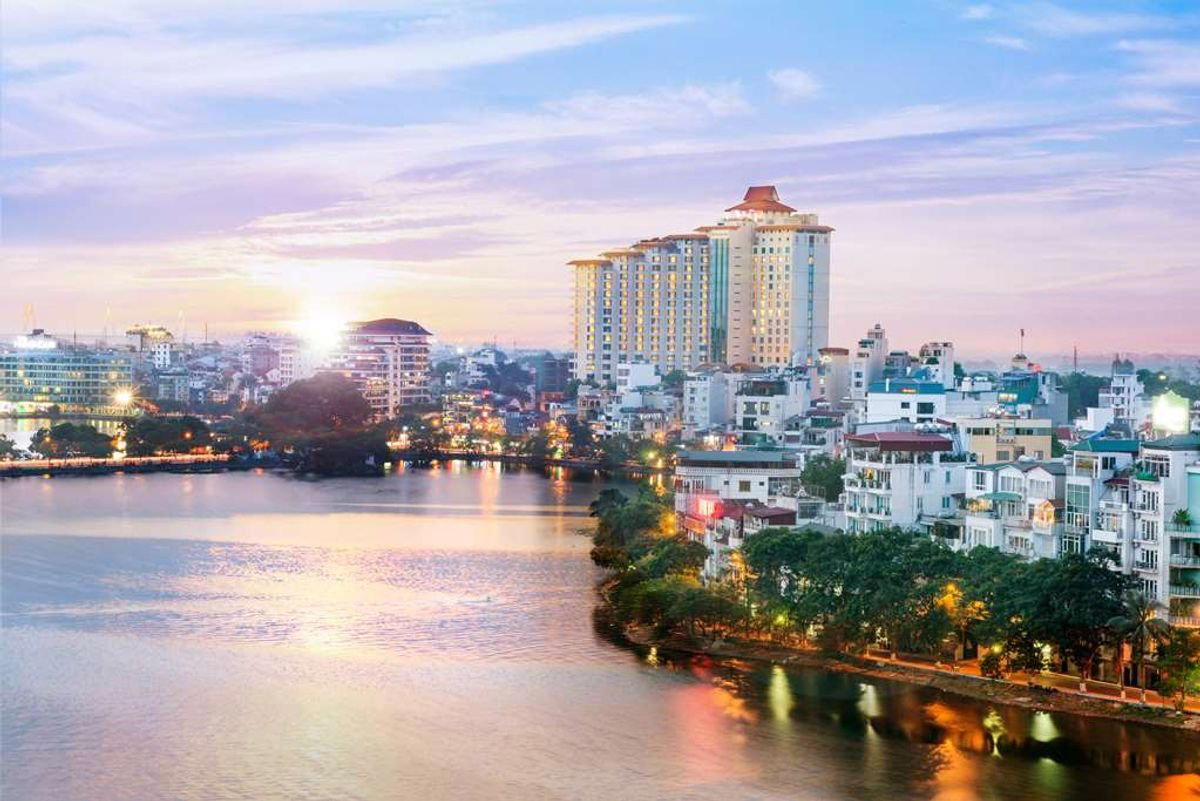
Châu Long Street in Ba Đình district sits at the functional edge of Trúc Bạch lake, a neighbourhood that draws a different crowd from the Old Quarter's souvenir economy. The street market that runs along the southern end of Châu Long is one of Hanoi's better-regarded wet markets: the kind of place where tofu arrives fresh each morning from the Ngũ Xã peninsula workshops that have been producing it for generations, and where the morning vegetable trade moves fast. The Hanoi Cooking Centre at number 44 operates within this context, and that geography matters when thinking about what structured cooking instruction in this city actually means. Access to local produce culture is not a marketing footnote here; it is the physical condition of the address.
How the Cooking Class Format Works in Vietnam's Heritage Cities
Across Vietnam's heritage dining destinations, the hands-on cooking class has split into two recognisable tiers. The lower tier runs high-volume, hotel-adjacent sessions where participants assemble pre-cut ingredients under minimal supervision and leave with a printed recipe card. The upper tier is smaller in capacity, more specific in technique, and typically organised around market engagement before cooking begins. The Hanoi Cooking Centre sits in the second category. The format, as understood from its location and public record, involves market visits as a structured component of the session — not a scenic diversion but an orientation in ingredient selection. That sequencing, from sourcing to preparation, reflects an approach taken seriously by comparable operations in Hội An and Hue, where the market-to-kitchen arc has become the defining structure of credible culinary instruction for visitors.
For comparison within Hanoi's broader dining ecosystem, the cooking class sits in a different tier from the city's contemporary restaurant scene. Gia (Vietnamese Contemporary) and Hibana by Koki occupy the ₫₫₫₫ end of the city's dining spectrum, where the transaction is passive and the kitchen does the work. The cooking class format asks the opposite of its participants: active engagement, some tolerance for imprecision, and an interest in process over outcome. Neither is a substitute for the other. They address different modes of travel entirely.
Northern Vietnamese Technique: What the Menu Architecture Reveals
The editorial angle here is not which dishes appear on the session menu but what the structure of that menu signals about northern Vietnamese cooking as a tradition. Hanoian cuisine is frequently described in contrast to the south: less sweet, more reliant on fermented condiments, structured around broths that take time to build. The pedagogy of a northern Vietnamese cooking class tends to reflect this. Where a session in Hội An might centre on fresh herb rolls and banh mi assembly, a Hanoi-based format gravitates toward technique-intensive preparations: the discipline of a proper pho broth, the balance of bun cha's dipping liquid, or the layered construction of bánh cuốn. These are dishes where ratio and sequence are not optional — they are the dish. Teaching them well requires slowing down the process and making its stages legible, which is structurally different from demonstrating faster, more forgiving preparations.
This places the Hanoi Cooking Centre within a tradition that treats northern Vietnamese cuisine as a technical subject rather than an accessible craft. That is a meaningful distinction. At the better end of the Hội An cooking class market, the Cargo Club Cafe and Restaurant offers a different flavour profile and Central Vietnamese focus. Further south, Saffron in Hue and Akuna in Ho Chi Minh City represent the spectrum of how Vietnamese cuisine presents itself to international visitors across different regional contexts. The northern tradition, with its restraint and depth, is arguably the hardest to replicate at home, which gives the instruction format a practical argument for existing beyond tourism novelty.
The Neighbourhood as Context
Ba Đình district is not Hoàn Kiếm. It carries fewer backpacker hostels and more embassies, residential blocks, and the kind of street-food culture that serves people who live there. The Ngũ Xã peninsula, the narrow strip that runs between Trúc Bạch and West Lake, has a long-standing identity around tofu production, and Châu Long Market reflects the dietary patterns of a neighbourhood cooking seriously for itself. For a venue teaching Vietnamese cuisine, this adjacency functions as credibility. The sourcing conversation is not abstract when the market is a five-minute walk. Other venues in the immediate area, including 19 P. Ngũ Xã and nearby operators like Tầm Vị, are embedded in the same food culture, operating across different price points and formats within the same compact geography.
Visitors exploring Hanoi's Vietnamese restaurant scene more broadly should cross-reference 1946 Cua Bac, which takes a different approach to northern Vietnamese heritage in a restaurant format, and consult our full Hanoi restaurants guide for a mapped view of how the city's dining spectrum is organised by district and price tier.
Practical Information
The Hanoi Cooking Centre is located at 44 Châu Long, Trúc Bạch, Ba Đình, Hanoi. Sessions that include a market visit component typically run in the morning, aligned with the operating hours of Châu Long Market, so morning availability should be the first logistical check. The address is accessible by taxi and ride-hail apps from central Hoàn Kiếm in under fifteen minutes during off-peak hours. For Vietnamese fine dining comparisons further afield in the country, La Maison 1888 in Da Nang and coastal operations like Le Pont Club in Hai Phong or Phuong Nhung Restaurant in Cat Hai represent the range of how Vietnamese food culture scales across the country's geography.
Frequently asked questions
What part of town is Hanoi Cooking Centre in?
Hanoi Cooking Centre is located at 44 Châu Long, Ngũ Xã, Hà Nội, 46 P. Châu Long, Trúc Bạch, Ba Đình, Hà Nội 100000, Vietnam, Hanoi.
How does Hanoi Cooking Centre differ from Old Quarter cooking schools?
The centre's address on Châu Long Street in Ba Đình places it in a residential and diplomatic district, not the backpacker-heavy Hoàn Kiếm zone where most tourist-facing cooking schools operate. That location shapes both the student profile and the programme focus: northern Vietnamese dishes taught in the context of a neighbourhood that actually eats that food daily. For travellers who have already done a market-to-table session in the Old Quarter, the Ba Đình setting offers a meaningfully different frame.
What should I order at Hanoi Cooking Centre?
Hanoi Cooking Centre runs structured class sessions rather than a restaurant menu, so the question is less about ordering and more about which session to book. The programme focuses on northern Vietnamese dishes, the regional canon distinct from central or southern Vietnamese cooking. Check current session listings directly with the centre at 44 Châu Long, Trúc Bạch, Ba Đình for what dishes a given class covers.
What's the best way to book Hanoi Cooking Centre?
Booking details are best confirmed directly with the centre at 44 Châu Long, Trúc Bạch, Ba Đình, Hanoi, as online booking platforms and availability windows change seasonally. Arriving in person or contacting via a current third-party booking aggregator are the two most reliable routes. Session slots in the high travel season (October to April) tend to fill ahead of time.
What's the signature at Hanoi Cooking Centre?
The defining feature is its focus on northern Vietnamese technique rather than the pan-Vietnamese menus common at hotel-affiliated cooking schools. Ba Đình's street-food culture, closer to embassies and residential Hanoi than to the Old Quarter, gives the programme a more grounded culinary reference point. The hands-on format is structured to teach method, not just replication.
Do they accommodate allergies at Hanoi Cooking Centre?
check the venue's official channels at 44 Châu Long, Trúc Bạch, Ba Đình before booking to discuss specific requirements, particularly for sessions involving fish sauce, shellfish, or gluten, all of which appear frequently in northern Vietnamese cooking.
Is Hanoi Cooking Centre worth the price?
The centre sits in the upper tier of Hanoi's cooking class market, distinguished by its location in Ba Đình rather than the Old Quarter and its focus on northern Vietnamese technique over tourist-oriented formats. Current pricing should be confirmed directly with the venue at 44 Châu Long, as session formats and rates are subject to change. For travellers specifically interested in the northern regional canon, the programme offers more culinary depth than high-volume hotel school alternatives.
Credentials Lens
| Venue | Cuisine | Price | Awards | Notes |
|---|---|---|---|---|
| Hanoi Cooking CentreThis venue — the venue you are viewing | Traditional Vietnamese Cooking School | Not listed | Not listed | Not listed |
| Gia | Modern Vietnamese Fine Dining | $100–150 | 1 Michelin Star · La Liste Top Restaurants | Vietnamese Contemporary, ₫₫₫₫ |
| Hibana by Koki | Michelin-Starred Japanese Teppanyaki | $200–300 | 1 Michelin Star · La Liste Top Restaurants | Teppanyaki, ₫₫₫₫ |
| Tầm Vị | Northern Vietnamese Home-Style | $10–20 | 1 Michelin Star | Vietnamese, ₫₫ |
| Bun Cha Ta (Nguyen Huu Huan Street) | Authentic Vietnamese Bun Cha | $1–10 | Michelin Bib Gourmand | Noodles, ₫ |
| Chapter | Modern Northern Vietnamese Fine Dining | $50–100 | Michelin Plate · Star Wine List | Nordic, Vietnamese Contemporary, ₫₫₫₫ |



Details
- Cozy
- Relaxed
- Casual Hangout
- Group Dining
- Open Kitchen
- Local Sourcing
- A La Carte
- Rice Vodka
- Vegetarian Friendly
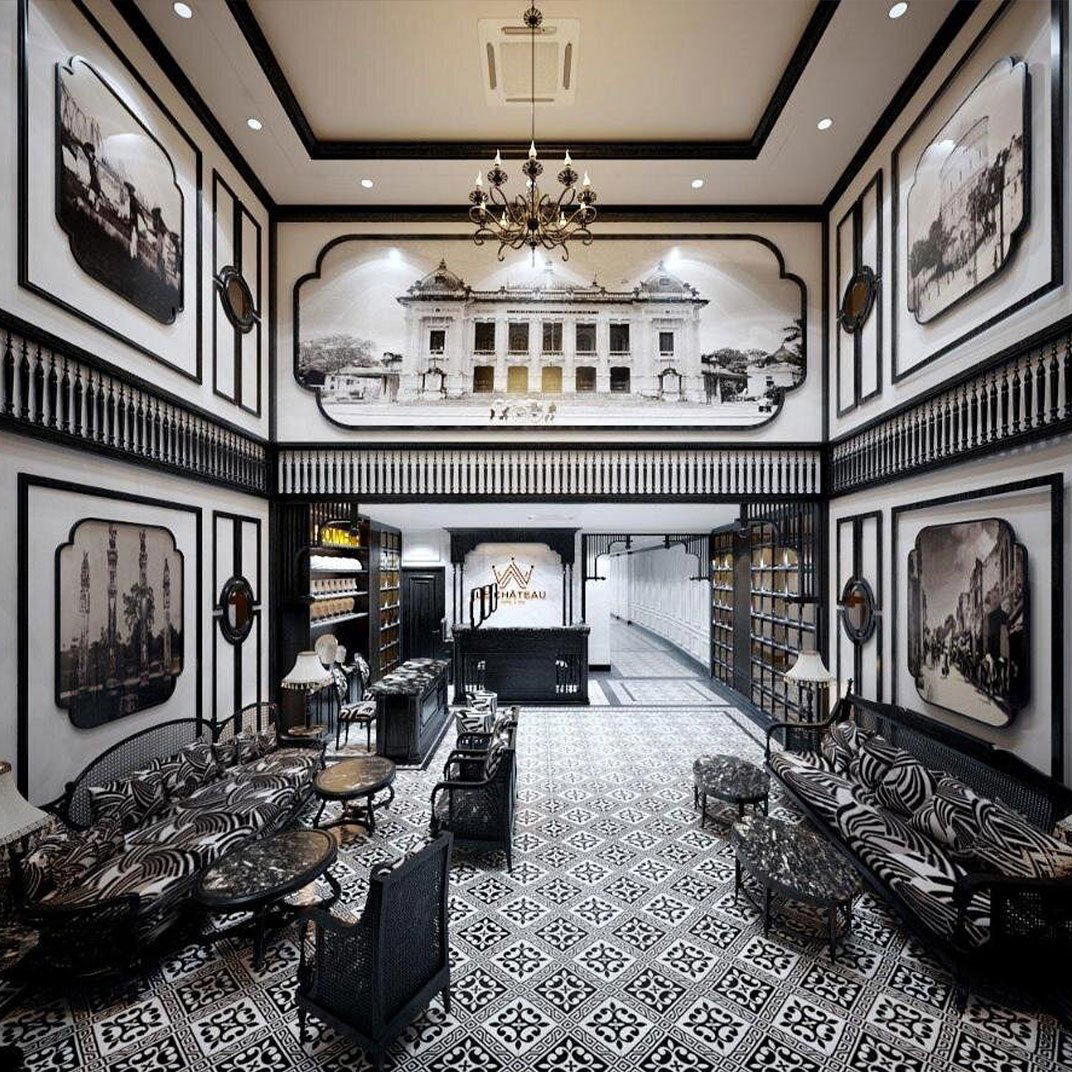
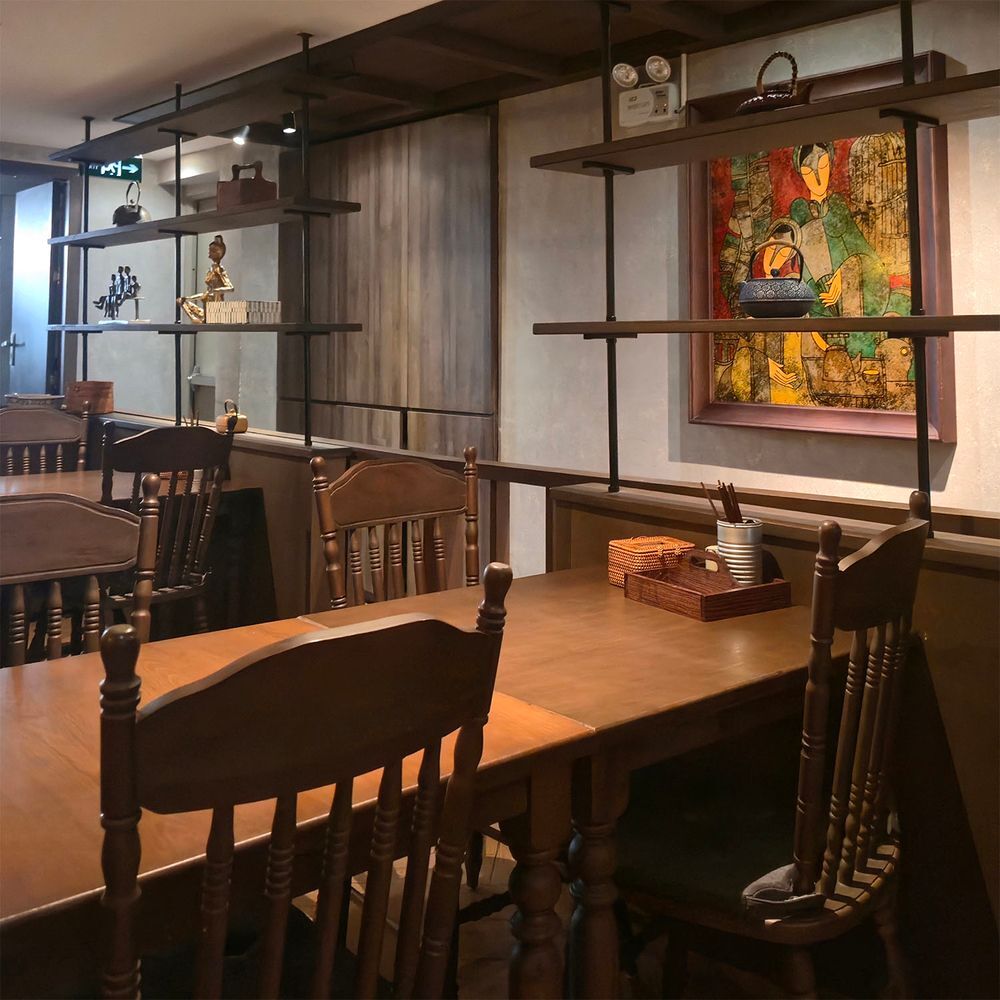
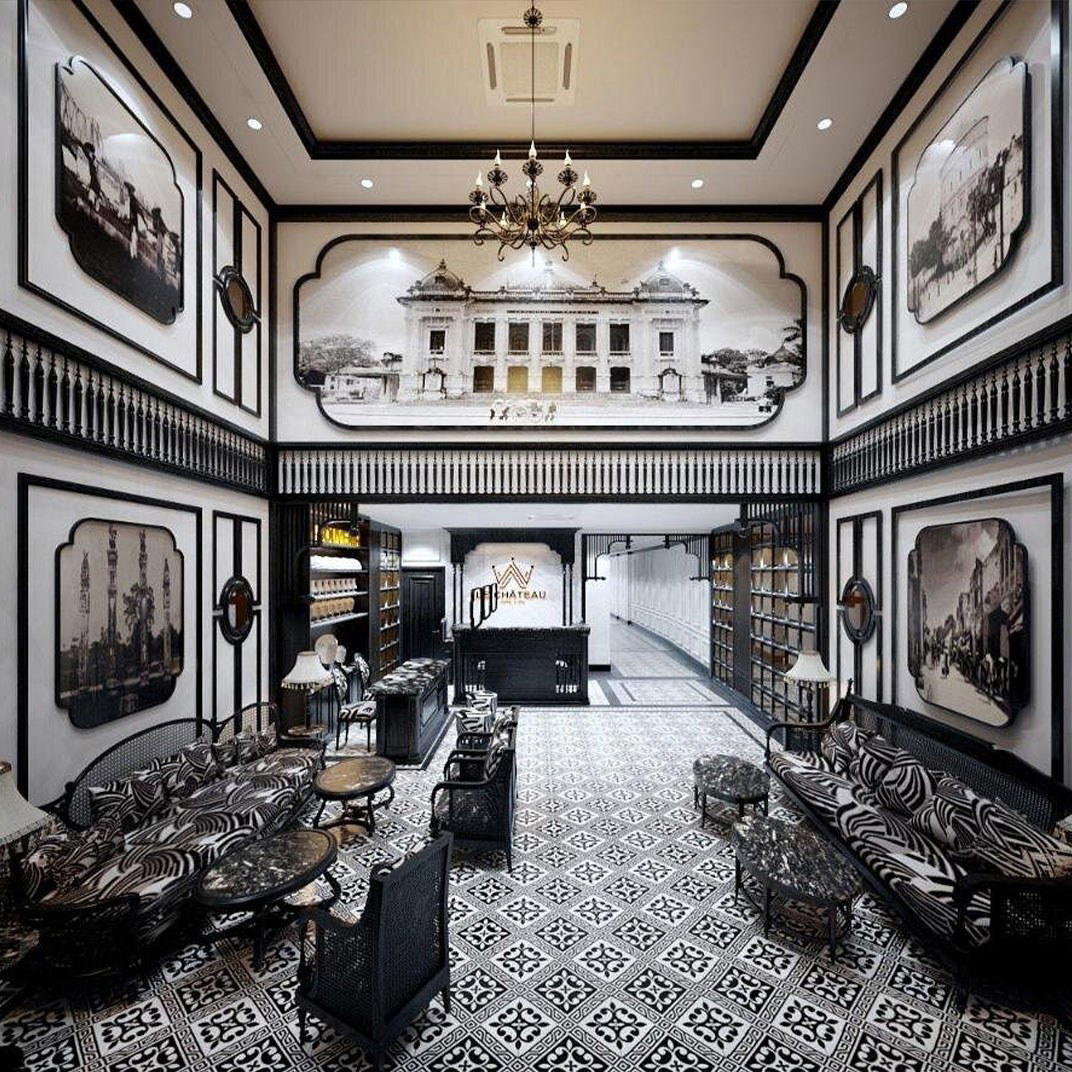
Relaxed atmosphere in a colonial-style historic building with cozy patio courtyard and air-conditioned restaurant