Positioned on Hàng Bông Street in Hanoi's Old Quarter, Hanoi Royal Palace Hotel 2 sits at the intersection of the city's most walkable heritage district and its dense accommodation market. For travellers prioritising location over branded scale, the address places you within steps of Hoàn Kiếm Lake and the concentrated street-food corridors that define central Hanoi.

Pearl is the En Primeur Club membership app, where members save venues, book tables and use the concierge.
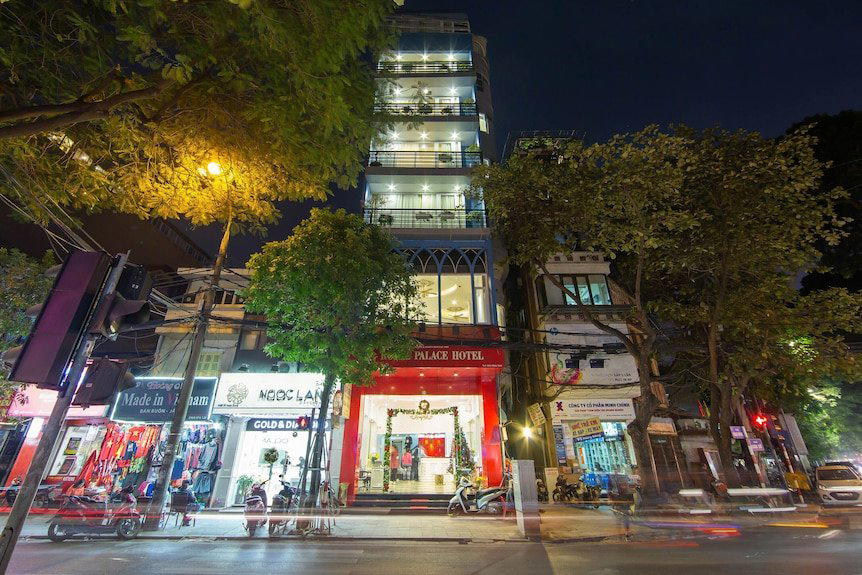
Old Quarter Lodging in Context: What Hàng Bông Street Tells You
Hanoi's Old Quarter operates on a different logic than the city's broader hotel market. Where properties like JW Marriott Hotel Hanoi or InterContinental Hanoi Landmark72 anchor the western business districts with full convention infrastructure, the Old Quarter trades in proximity and density. Streets here are named for the guilds that once occupied them, and Hàng Bông, historically associated with cotton traders, remains one of the more navigable corridors in the 36-street grid. Hotels on this axis sit minutes from Hoàn Kiếm Lake to the south and the covered market stalls of Đồng Xuân to the north, a position that shapes the guest experience before check-in begins.
Hanoi Royal Palace Hotel 2 occupies 95 P. Hàng Bông, placing it inside the Hoàn Kiếm district, the administrative and cultural core of the city. In a neighbourhood where street widths cap at a few metres and building footprints are governed by the traditional tube-house format, narrow frontage, deep floor plan, multiple storeys, the property follows a typology common to independent Old Quarter hotels. These are not properties defined by lobbies or grounds; they are defined by their address and how staff manage the gap between boutique scale and guest expectation.
The Guest Experience in Small-Footprint Hanoi Hotels
The Old Quarter's independent hotel tier has consolidated around a particular service model over the past decade. As branded mid-market and luxury chains have claimed the Ba Đình and Tây Hồ districts, properties like InterContinental Hanoi Westlake by IHG on the West Lake shoreline, the Old Quarter has remained largely independent, which means guest experience is shaped less by brand standards and more by the specific team and operational ethos of each property.
In this context, the Hanoi Royal Palace name signals an aspiration common to the neighbourhood's upper-budget tier: comfort-focused rooms, concierge-adjacent front desk service, and positioning that targets international leisure travellers who want cultural immersion alongside a reliable bed. The "Palace" branding used by several Old Quarter hotels across Hanoi functions more as a market positioning cue than a facilities descriptor, it communicates that the property is pitching above the hostel and guesthouse tier without reaching for the price points commanded by Capella Hanoi or the colonial grandeur of Hotel de l'Opera - MGallery Hanoi.
For travellers assessing where this property sits in Hanoi's accommodation hierarchy, it is worth understanding what the Old Quarter independent tier does well and where it requires adjustment of expectations. Anticipatory service, the kind built on property management systems and guest history databases, is largely the domain of the international chains. What small Old Quarter hotels can offer instead is physical access: the ability to walk out of the front door and be inside the most historically textured part of the city within seconds. That trade-off is the central editorial question for any guest considering this address versus, say, Hilton Hanoi Opera near the French Quarter.
Location as the Primary Amenity
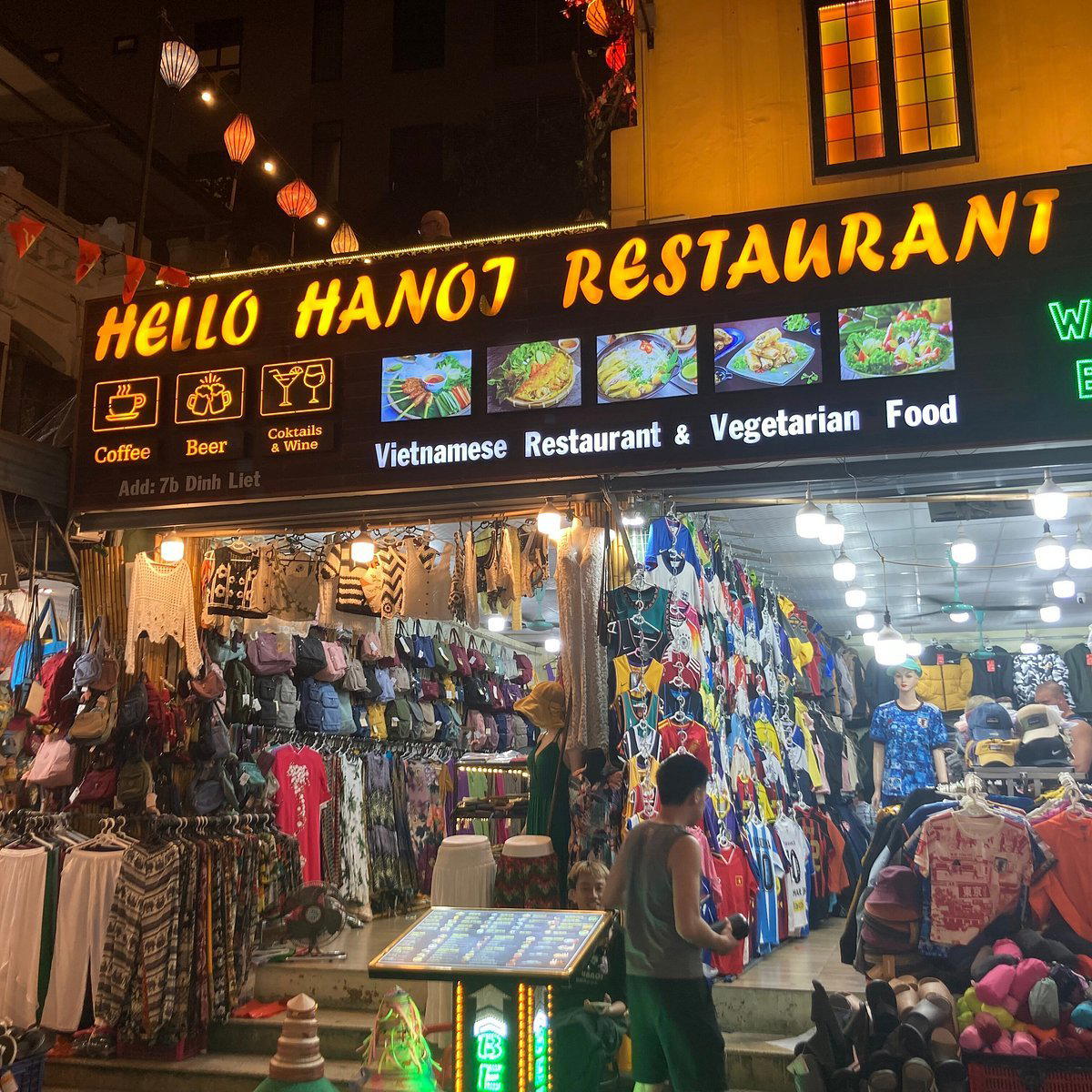
Hanoi's Old Quarter is at its most navigable on foot in the early morning, before motorbike traffic peaks and street vendors claim the pavement. The Hàng Bông corridor connects within a short walk to the Thăng Long Water Puppet Theatre, the night market that closes Hàng Đào and surrounding streets on weekend evenings, and the lake-facing cafés around Hoàn Kiếm that represent one of the city's most durable social rituals. Guests staying in this district do not need to plan excursions into Hanoi's historic centre, they are already inside it.
For a broader picture of what Hanoi's dining and hospitality scene offers across districts, our full Hanoi restaurants guide maps the city's key neighbourhoods and eating corridors. The Old Quarter's street-food density, bún chả, phở cuốn, bánh mì, and bia hơi corners, is highest around the covered market and the Hàng Buồm axis, all reachable on foot from Hàng Bông.
Travellers planning a broader Vietnam itinerary will find useful reference points across the country's accommodation tiers: Amanoi in Vinh Hy and Anantara Quy Nhon Villas represent the resort end of the spectrum, while Azerai La Residence in Hue offers a mid-Vietnam design-led alternative. For central Vietnam's beach corridor, Novotel Danang Premier Han River and Four Points by Sheraton Danang serve different price points. Hill-station travellers may also consider DALAT PALACE HERITAGE HOTEL or the nature-adjacent EMERALDA RESORT NINH BINH, a short drive from Hanoi and increasingly popular as a day-trip or overnight extension. Beach resort alternatives further south include Amiana Resort Nha Trang, Asteria Mui Ne Resort, and Almanity Hoi An Wellness Resort. For Ho Chi Minh City, Amanaki Saigon Boutique Hotel occupies a comparable boutique-independent tier to what the Old Quarter offers in Hanoi. Those extending travel beyond Southeast Asia will find relevant comparative properties at Banyan Tree Lăng Cô for coastal Central Vietnam, and internationally at Aman Venice or Aman New York for guests familiar with the top end of the design-hotel tier.
Planning Your Stay
The Old Quarter's peak seasons align with Vietnam's broader tourism calendar: October through December brings cooler, drier weather and high occupancy across the neighbourhood. The Tết period in late January or February sees many local businesses close for several days, which affects street-food availability but reduces tourist congestion significantly. Booking directly through the property, where website information is available, typically offers more flexibility than third-party platforms for small independent hotels in this district. For travellers weighing the Old Quarter against Hanoi's French Quarter or West Lake options, the decision largely turns on whether walking access to heritage streets or quieter surroundings and larger-format properties matters more for the specific trip.
Style and Standing
| Venue | Price | Awards |
|---|---|---|
| Hanoi Royal Palace Hotel 2This venue (the venue you are viewing) | $1–100 | Not listed |
| Capella Hanoi | Not listed | 3 Michelin Keys · Michelin Guide New Hotels New Hotel |
| JW Marriott Hotel Hanoi | $100–200 | Michelin Selected · Forbes Recommended |
| Park Hyatt Saigon | $300–500 | 1 Michelin Key · La Liste Top Hotels |
| Sofitel Legend Metropole Hanoi | $300–500 | 2 Michelin Keys · La Liste Top Hotels |
| Pullman Danang Beach Resort | $100–200 | Star Wine List · Forbes Recommended |
Continue exploring
More in Hanoi
Hotels in Hanoi
All hotels in Hanoi →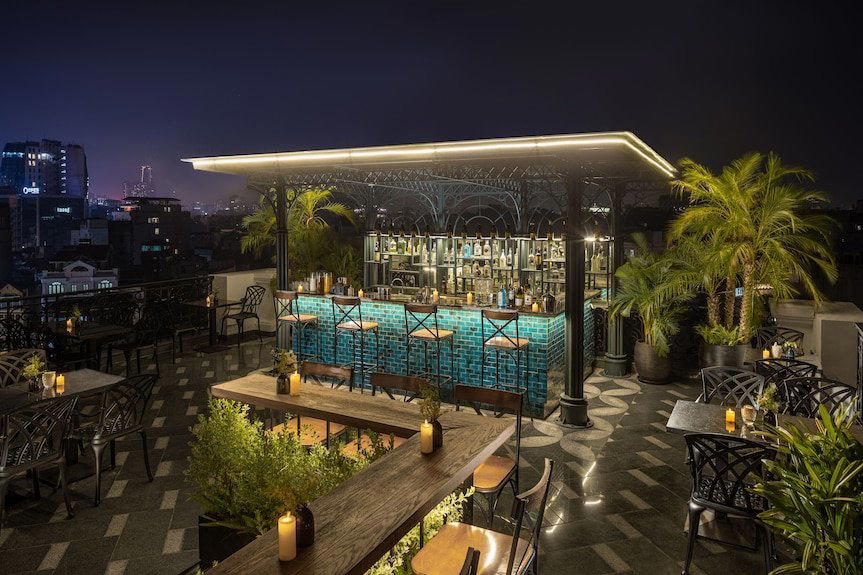
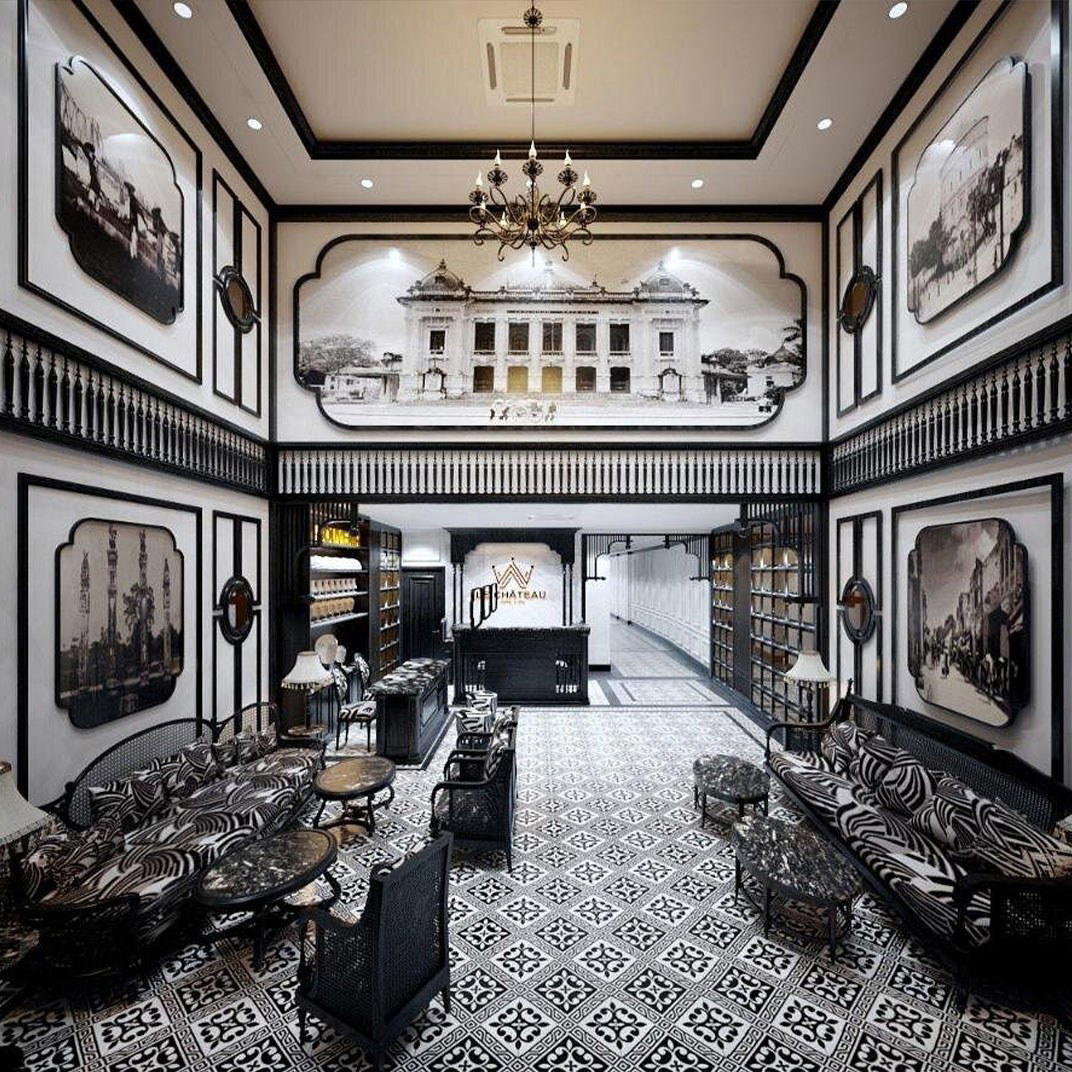
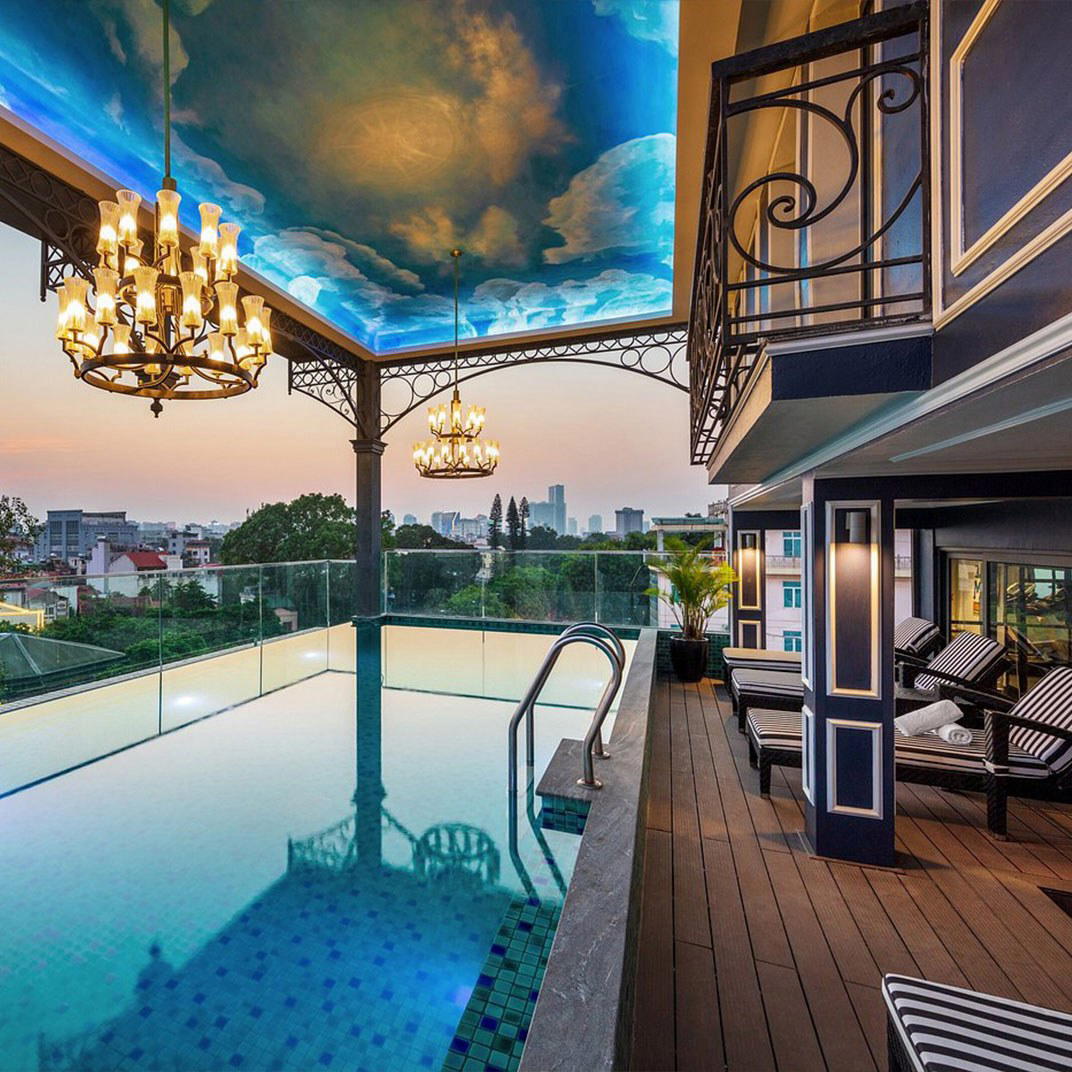
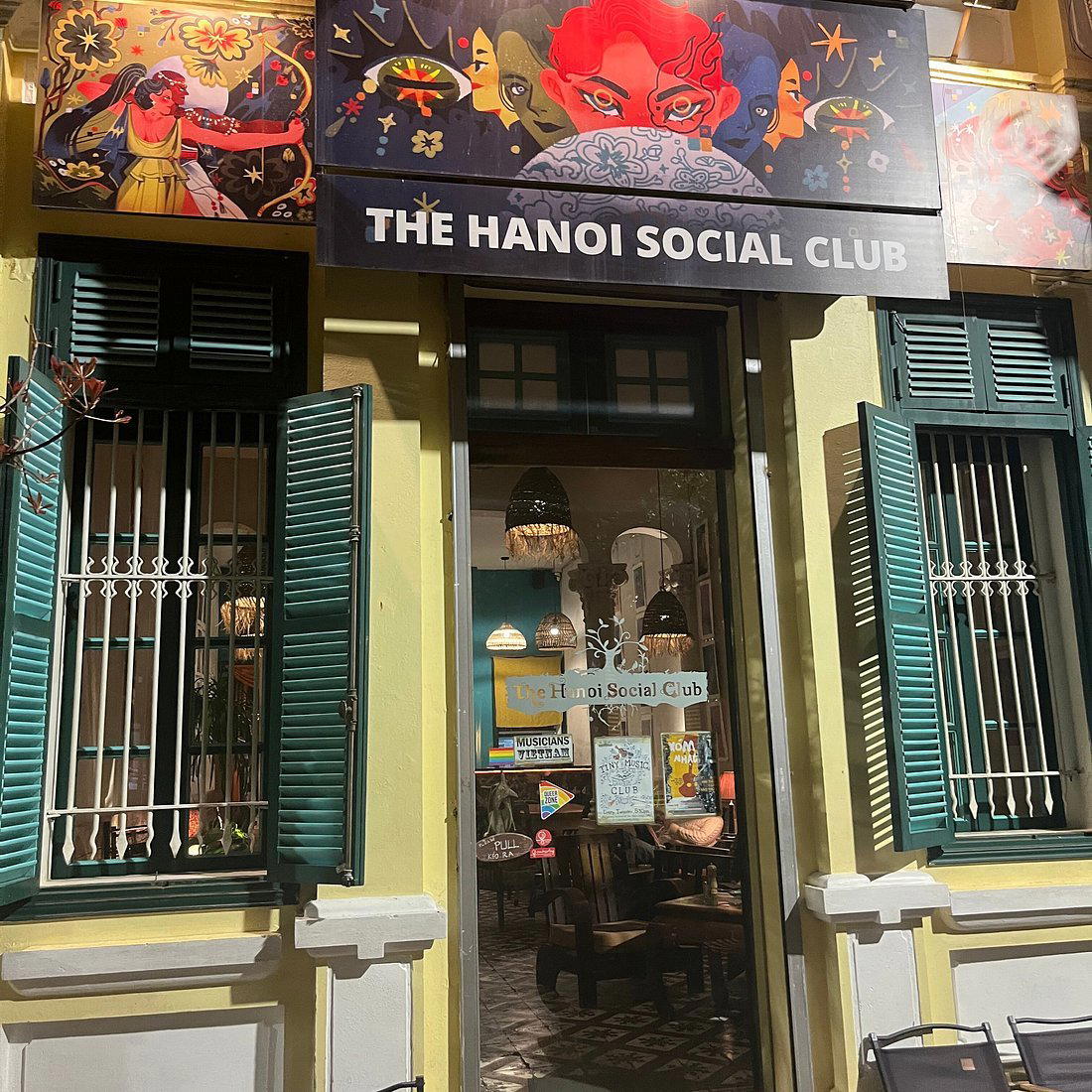
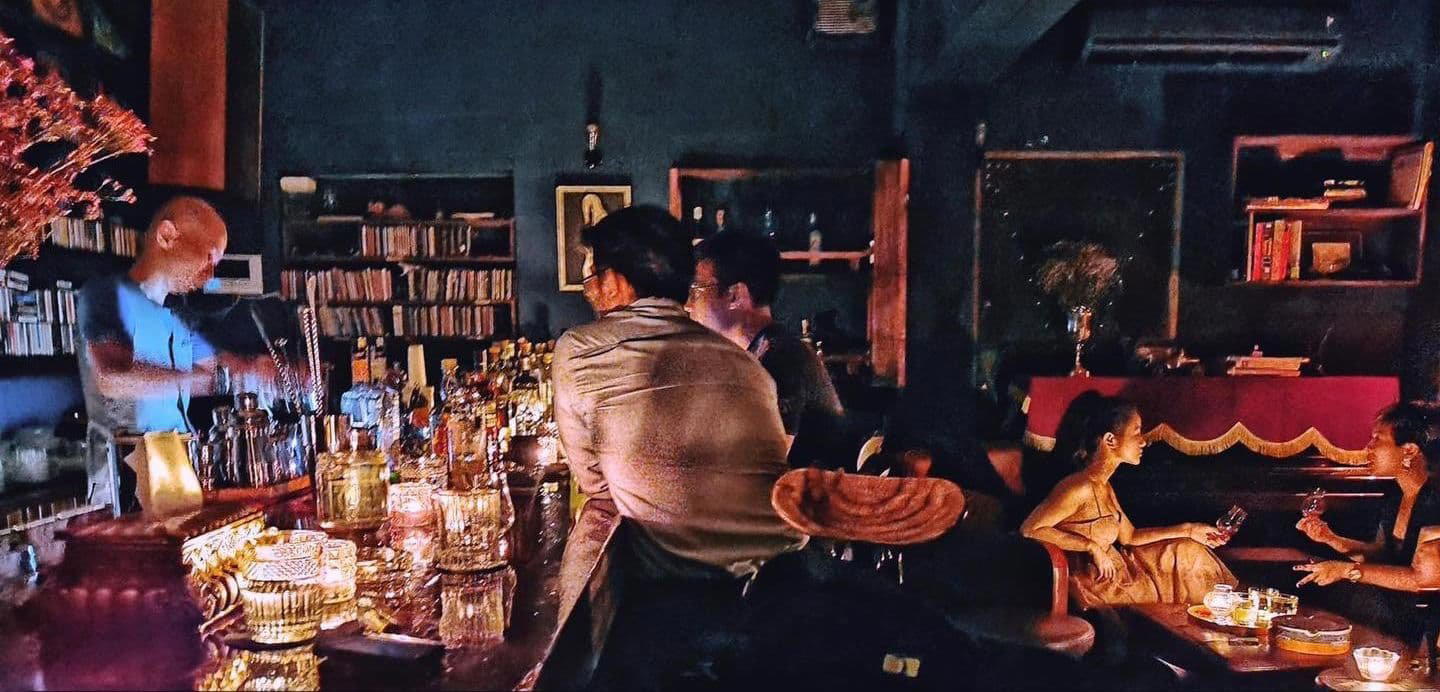

Details
- Elegant
- Modern
- Classic
- Business Trip
- Weekend Escape
- Historic Building
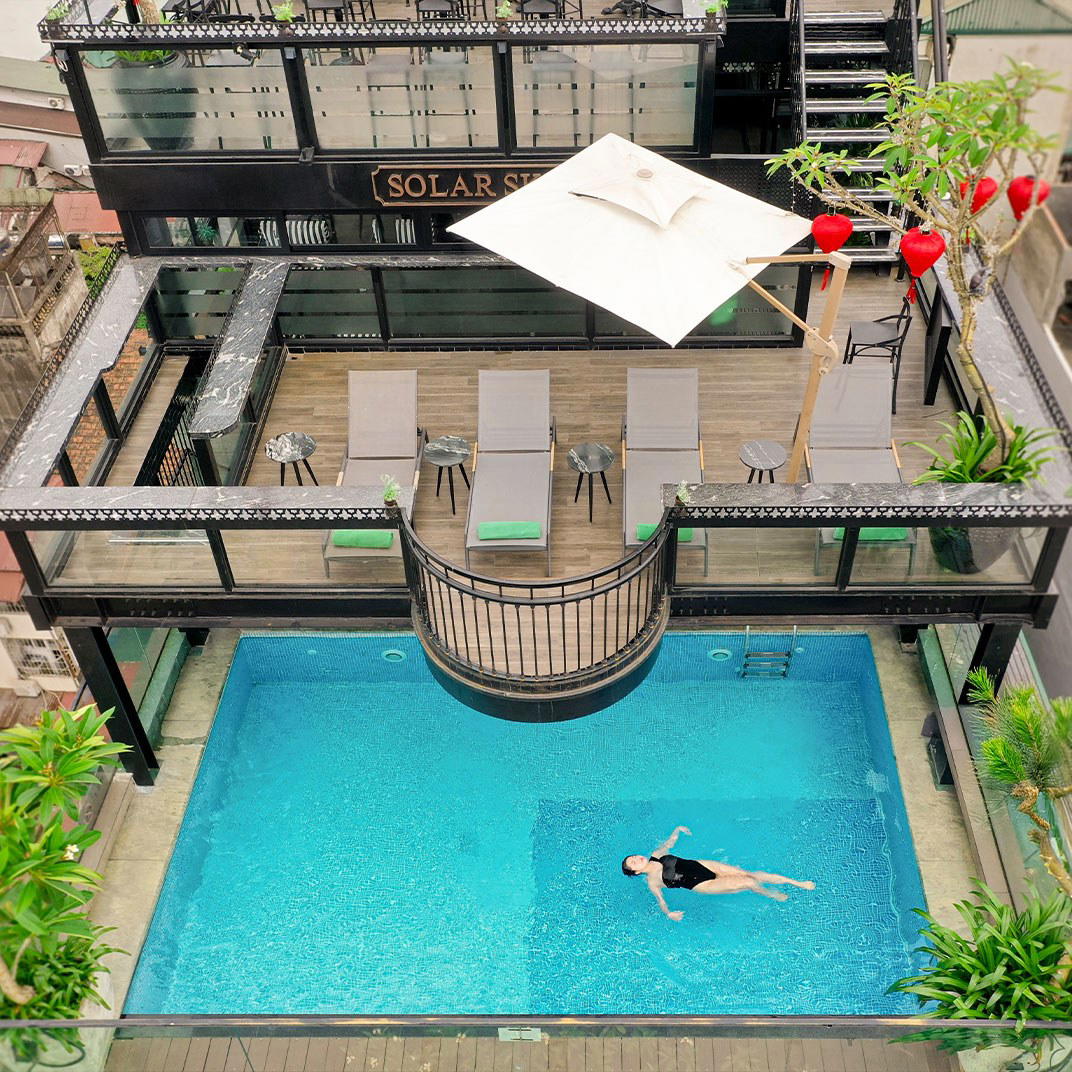
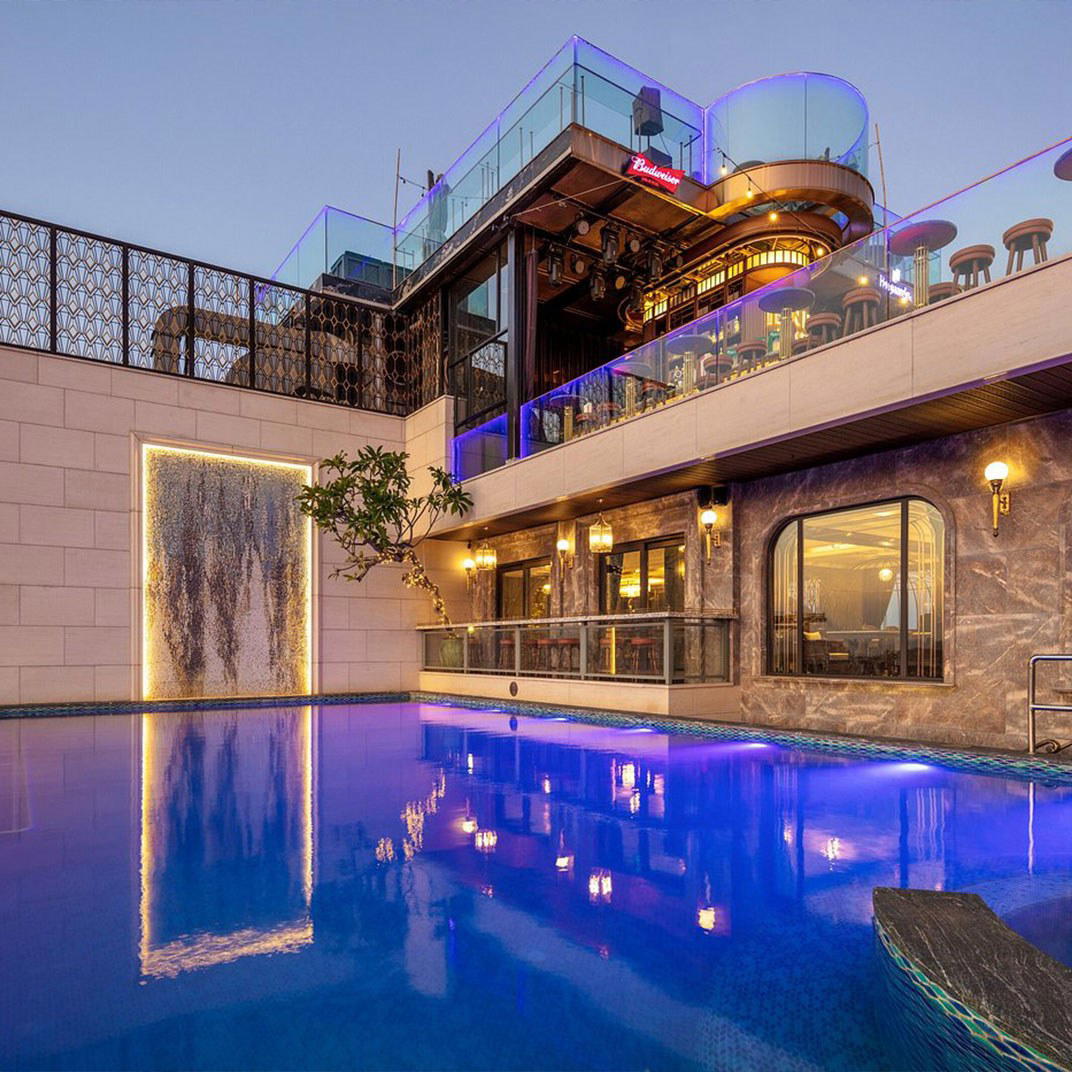
- Terrace
- Wi Fi
- Spa
- Room Service
- Concierge
- Business Center
- Valet Parking
- Street Scene
- Elevator
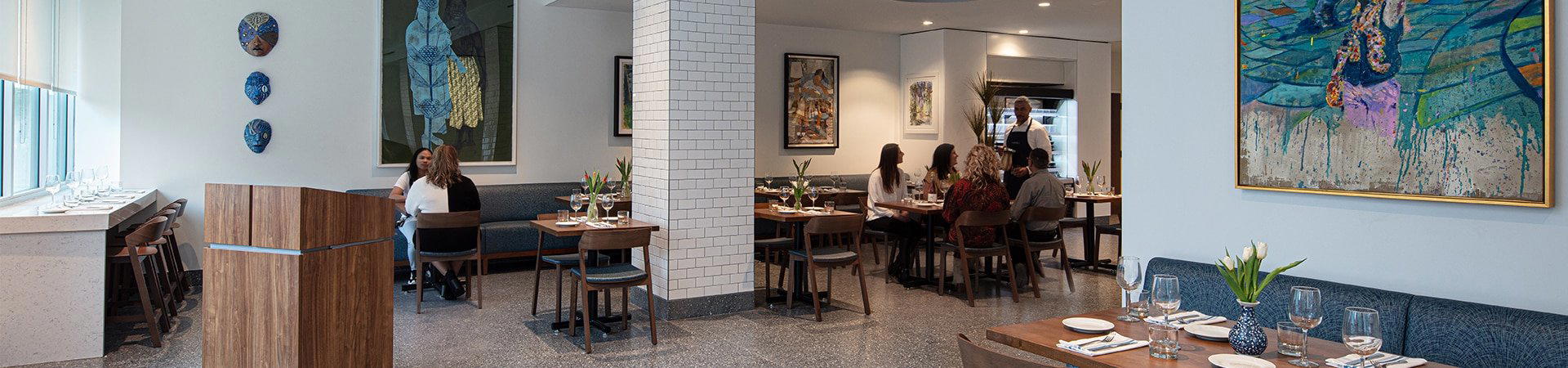
Warm and welcoming with natural light from windows, city views, and a lively yet comfortable atmosphere.