ラトリエあべ

Tabelog 100 #53
Our verdict
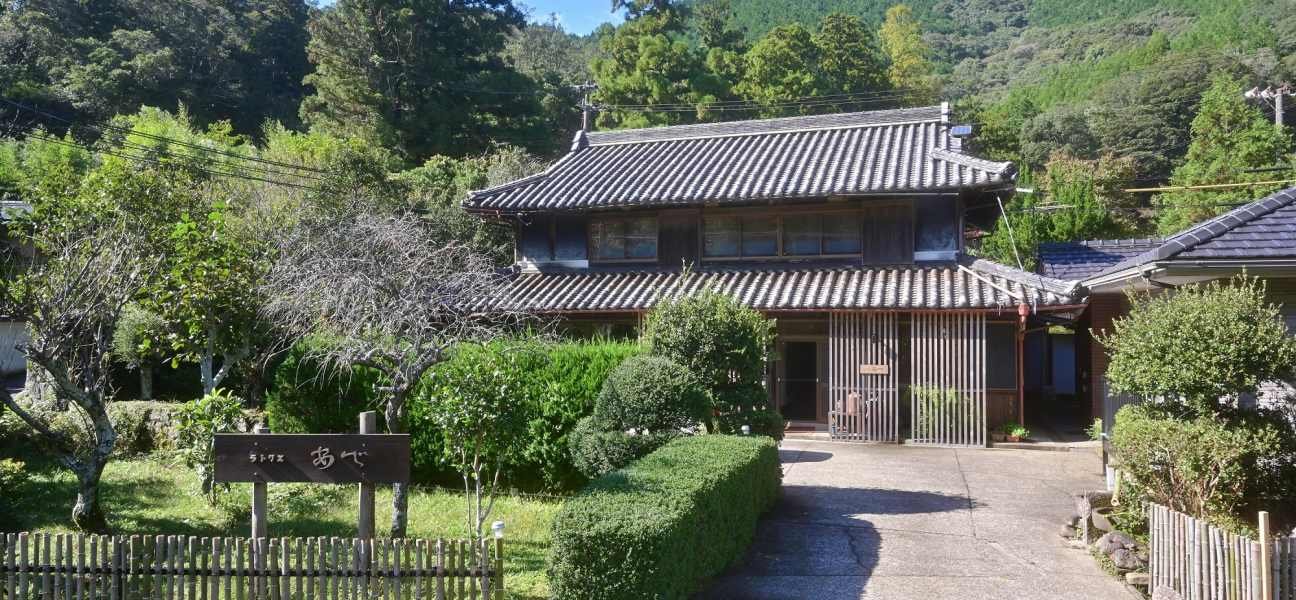
ラトリエあべ operates out of Yamagawachi in Kaifu District, a stretch of rural Tokushima Prefecture where the Shikoku coastline meets mountain-fed river valleys. Precise cuisine details and pricing remain unconfirmed through public records, but the address alone places this atelier firmly outside the urban dining circuits that dominate Japan's critical conversation. For travellers already exploring Shikoku's quieter culinary corners, it warrants attention alongside the region's broader dining scene.

Pearl is the En Primeur Club membership app, where members save venues, book tables and use the concierge.
The menu
What to order
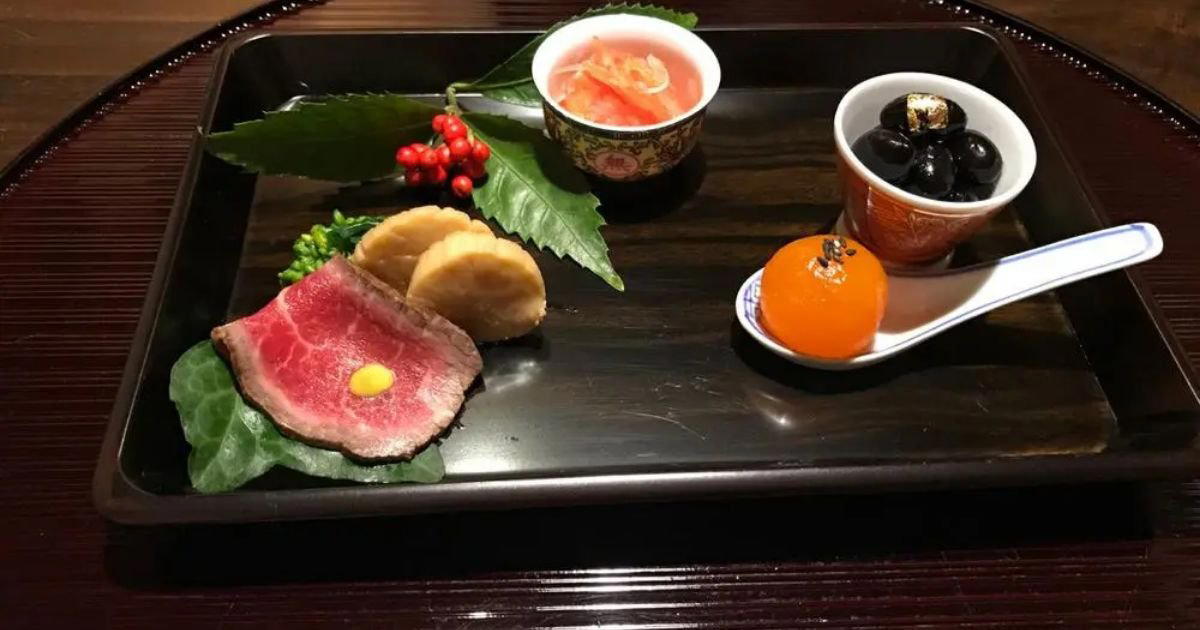
- Ise Lobster Salad
- Local Fish Consommé
- Foie Gras with Naruto Sweet Potato Cream
Where Kaifu District Places ラトリエあべ
Japan's serious dining conversation concentrates on a handful of urban centres: Tokyo's counter culture, Kyoto's kaiseki lineage, Osaka's working-class intensity. Venues like HAJIME in Osaka, Harutaka in Tokyo, and Gion Sasaki in Kyoto anchor that conversation with the weight of Michelin recognition and decades of critical attention. What happens at the rural edge of Shikoku, in Kaifu District's Yamagawachi, operates in an almost entirely different register. The access alone filters the audience: this part of southern Tokushima Prefecture is reachable by limited express from Tokushima City, then local rail or road into the Kaifu River valley, with the journey itself taking the better part of an afternoon from any major hub. The visitor who arrives here has made a deliberate decision to leave the circuit.
That geographic remove has implications for sourcing that matter more than any tasting menu narrative. Kaifu District sits where the Kaifu River meets the Pacific, a stretch of coastline that produces Awa culture: sudachi citrus, naruto kintoki sweet potato, and fish drawn from the Kuroshio current. The same current that shapes the flavour profile of Kochi Prefecture's bonito runs along this coastline, and the mountain valleys immediately inland supply water, foraged material, and a temperature gradient that affects produce differently than the controlled growing environments of commercial farming regions. Any kitchen operating in this location has a direct claim on that geography in a way that urban ateliers, importing the same Tokushima ingredients at a remove, do not.
The Atelier Format in a Rural Context
The word atelier in a restaurant name signals a particular set of intentions: small-batch, craft-led, with the kind of direct producer relationships that are harder to maintain from a city address. In France, this framing connects to the artisanal tradition of the workshop as a production site rather than a service space. Transplanted to rural Japan, the model aligns with a broader pattern visible in places like akordu in Nara, where European-influenced cooking anchors itself to hyper-local Japanese agricultural contexts, or Goh in Fukuoka, which operates with similar intensity around Kyushu's ingredient culture. The pattern across Japan's more ambitious regional tables is consistent: the further you get from Tokyo's supply infrastructure, the more direct the sourcing relationship has to be, and the more that relationship shapes what ends up on the plate.
Tables operating in rural Tokushima at serious culinary ambition tend not to invest in the kind of PR infrastructure that feeds international critical coverage. The equivalent dynamic plays out at venues like 一本木 佐川製 in Nanao and 湖畔荘 in Takashima, both of which sit outside the mainstream critical conversation while serving food deeply embedded in their regional food cultures. For EP Club's purposes, that absence of documentation requires honest framing rather than fabrication.
Sourcing and the Kaifu Ingredient Argument
The strongest editorial case for paying attention to a kitchen in this location is geographic and agricultural, not critical. Tokushima Prefecture holds a distinctive place in Japanese ingredient culture: its sudachi is a protected regional product used by elite Tokyo counters as a finishing citrus, its Naruto kintoki sweet potato commands premium pricing across Japan, and the Pacific-facing coastline produces seafood that arrives at southern Tokushima's kitchens hours fresher than it reaches any city counter. Compare that to the sourcing conditions at somewhere like bodai in 那智勝浦町, another Pacific-coast Kinki/Shikoku-adjacent table operating outside the urban circuit with direct access to Kuroshio-current seafood.
That argument for provenance-led cooking does not automatically translate to quality execution. The ingredient advantage is real; what a specific kitchen does with it remains, unverifiable through public record. What can be stated with confidence is that any serious atelier-format operation in Kaifu District is working with a sourcing geography that urban peers pay significant premiums to approximate. The mountain-to-sea distance in this part of Tokushima is measured in tens of kilometres rather than hundreds, and that compression shows up in produce condition that chefs with access to international comparison points consistently describe as operating in a different category.
Where ラトリエあべ Sits Against the Broader Japanese Regional Table
Japan's regional dining scene has developed a coherent argument over the past decade: that serious cooking does not require a Tokyo or Kyoto postcode. Venues including 夕日ヶ丘乃 in Sapporo, 羽黒庵 in Nishikawa Machi, and tables across Japan's forty-seven prefectures have pushed that argument with increasing force through Michelin's regional expansion and the growing appetite among food-focused travellers for itineraries built around ingredient origin rather than critical density. The comparison set for ラトリエあべ is not Le Bernardin in New York City or Atomix in New York City, it is the quieter tier of Japan's countryside ateliers, where the dining proposition is inseparable from the decision to make the journey.
For a broader read on what Kaifu District's dining scene offers in context, our full Kaifu District restaurants guide maps the area's options with more granular neighbourhood detail. Those planning a Shikoku itinerary with serious eating in mind might also consider Cafe Naoshima Konichiwa in Naoshima as part of a wider island-hopping sequence, or pair a Tokushima visit with the western Japan circuit covered by Denko Sekka in Hiroshima and Birdland in Sakai. The infrastructure of serious eating in this part of Japan rewards planning over spontaneity.
Planning a Visit: What to Know Before You Go
The address at Naka-26 Yamagawachi, Minami, Kaifu District, Tokushima places ラトリエあべ in a low-density rural municipality where neither walk-in culture nor same-day booking operates as a reliable strategy. Travellers serious about visiting should begin enquiries well in advance of any planned travel date, ideally through accommodation hosts or regional tourism contacts who maintain relationships with local kitchens. Price range, hours, and specific format details remain unconfirmed; any planning should account for that uncertainty. For context on how similar rural Japanese ateliers approach their logistics, the experiences documented at Bistro Ange in Toyohashi and Blue Ocean Steak in Nakagami District offer useful reference points on what rural-format ambition looks like in practice across Japan's less-documented dining regions.
Frequently asked questions
Can I bring kids to ラトリエあべ?
ラトリエあべ sits at Naka-26 Yamagawachi in a quiet rural municipality in Kaifu District, which shapes the kind of environment you're entering: low footfall, likely intimate seating, and an atelier-format pace that tends to run long and deliberate. Small-format kitchens in this category generally suit older children who can sit through a multi-course meal, though younger children or toddlers may find the setting less accommodating. check the venue's official channels before visiting to confirm whether they can adapt for younger guests.
What should I expect atmosphere-wise at ラトリエあべ?
The address at Naka-26 Yamagawachi, Minami, Kaifu District places the restaurant on a Pacific-coast stretch of Tokushima Prefecture that is rural by any measure: low population density, mountain backdrop, and the sound geography of a working coastal zone. Inside, atelier-named venues in Japan typically run with minimal décor and focused counter or small-table seating, where the cooking is the room's primary event. Expect quiet, deliberate, and unhurried, not the energy of an urban dining room.
Is ラトリエあべ worth the drive from Tokushima City?
Kaifu District sits in the southernmost part of Tokushima Prefecture, a significant distance from Tokushima City along the Awa Odori coast road, this is not a casual detour. The case for the drive rests on the region's ingredient story: Pacific-coast seafood, Awa produce, and a rural atelier format that is structurally different from anything in the city. If the kitchen's approach matches that premise, the journey becomes part of the meal's logic rather than a compromise.
What's the must-try dish at ラトリエあべ?
No specific dishes from ラトリエあべ are confirmed in public records, so singling one out would be guesswork. What the Kaifu District location does indicate is a larder shaped by Pacific seafood, Awa mountain vegetables, and Tokushima's river-fed agricultural zone, ingredients that serious regional kitchens in this prefecture tend to build their menus around. Your best approach is to go without a fixed agenda and let the kitchen lead.
How do I find ラトリエあべ?
ラトリエあべ is located at Naka-26 Yamagawachi, Minami, Kaifu District, Tokushima 779-2307, Japan, Kaifu District.
Can I walk in to ラトリエあべ?
In rural Kaifu District, where the venue sits at a low-density address in Minami, the kitchen almost certainly operates by reservation, walk-ins at atelier-format restaurants in this setting are rarely viable. The safer approach is to arrange contact through local accommodation or a Japanese-language hospitality concierge before making the trip.
At-a-Glance Comparison
Comparable venues nearby, for context on price, style, and recognition.
| Venue | Cuisine | Price | Awards | Notes |
|---|---|---|---|---|
| ラトリエあべThis venue (the venue you are viewing) | Yamakawachi French - Japanese-French Fusion | $100–150 | Tabelog 100 #53 | Not listed |
| レストランエンヌRestaurantN | French Bistro with Japanese Ingredients | $100–150 | Not listed | near Kanazawa Station |
| Restaurant N | Seasonal French Fine Dining | Not listed | Not listed | Hommachi |
| Terrace Restaurant Umi no Hoshi (Sea Star) (テラスレストラン 海の星) | French Fine Dining with Seasonal Seto Inland Sea Ingredients | Not listed | Not listed | Naoshima-cho, Kagawa-gun |
| 塞尚 | Modern French Fine Dining | $300–500 | World's 50 Best #16 · La Liste Top Restaurants | Marunouchi |
| アドック | Modern French with Japanese Sensibilities | $150–200 | 1 Michelin Star · Tabelog Bronze #5 | Fukushima |
Recognition history
Dated appearances from independent guides and award organizations, with the underlying list record or original source where available.
Tabelog 100 #53 · No. 53
Tabelog · Tabelog 100 - French - WEST - 2025
Continue exploring
More in Kaifu District
Details
- Romantic
- Intimate
- Elegant
- Rustic
- Sophisticated
- Date Night
- Special Occasion
- Celebration
- Private Dining
- Historic Building
- Garden
- Open Kitchen
- Sake Program
- Local Sourcing
- Farm To Table
- Garden
- Prix Fixe
- Tasting Menu
- Wine
- Shochu
- Vegetarian Friendly
Current opening hours
- Monday
- 12–9 PM
- Tuesday
- 12–9 PM
- Wednesday
- 12–9 PM
- Thursday
- 12–9 PM
- Friday
- 12–9 PM
- Saturday
- 12–9 PM
- Sunday
- 12–9 PM
Hours can change for holidays and private events. Hours as of .
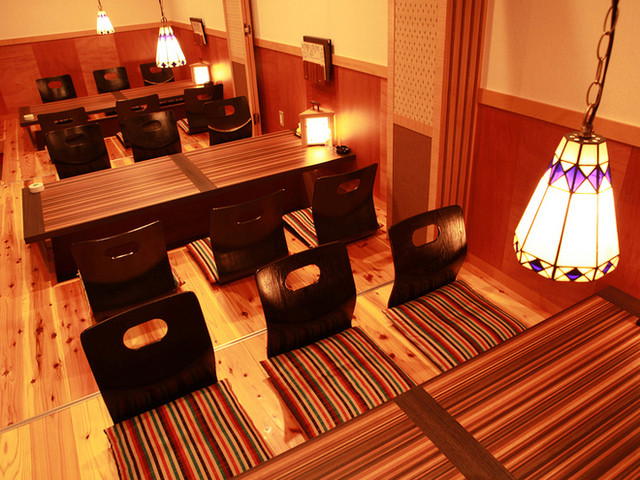
Intimate and serene atmosphere within a traditional Japanese house converted into a refined dining space, with garden integration creating a peaceful, nostalgic setting.