èå± å£ºä¸åºµ
In Sanagochi, a mountain village in Myodo District, Tokushima, the rural dining tradition of Shikoku takes its most grounded form. This address in the Kami area operates far from Japan's major culinary circuits, placing the produce and landscape of Iya Valley country at the centre of the table. For travellers willing to make the drive into the mountains, it represents a different set of priorities than the urban kaiseki or omakase formats that dominate Japan's starred guides.
 Discover on Pearl
Pearl is the En Primeur Club membership app — saves, bookings, and concierge access live there. Same editors, same standards.
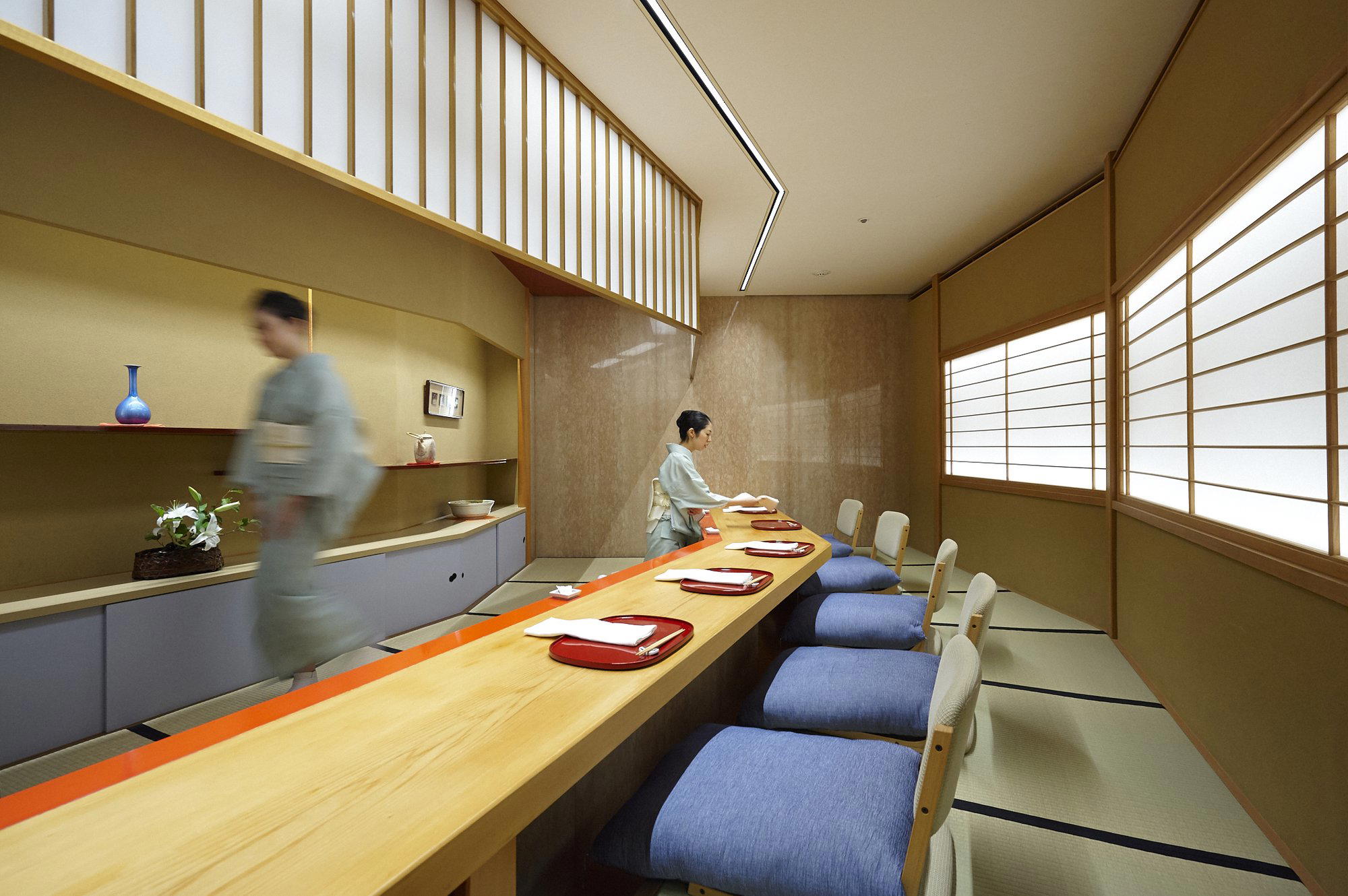
Where Shikoku's Mountain Interior Meets the Table
Rural Tokushima sits at the edge of Japan's culinary conversation, and that distance is precisely the point. The prefecture occupies the northeast corner of Shikoku island, and its inland districts, particularly the villages strung along the Yoshino River and its tributaries toward the Iya Valley, operate on a supply logic that has little to do with Tsukiji deliveries or Tokyo market timing. What arrives at the table in places like Sanagochi comes from the ground and water nearby, because there is, practically speaking, no other option. That constraint has produced a regional food culture that urban fine-dining formats sometimes imitate at considerable expense.
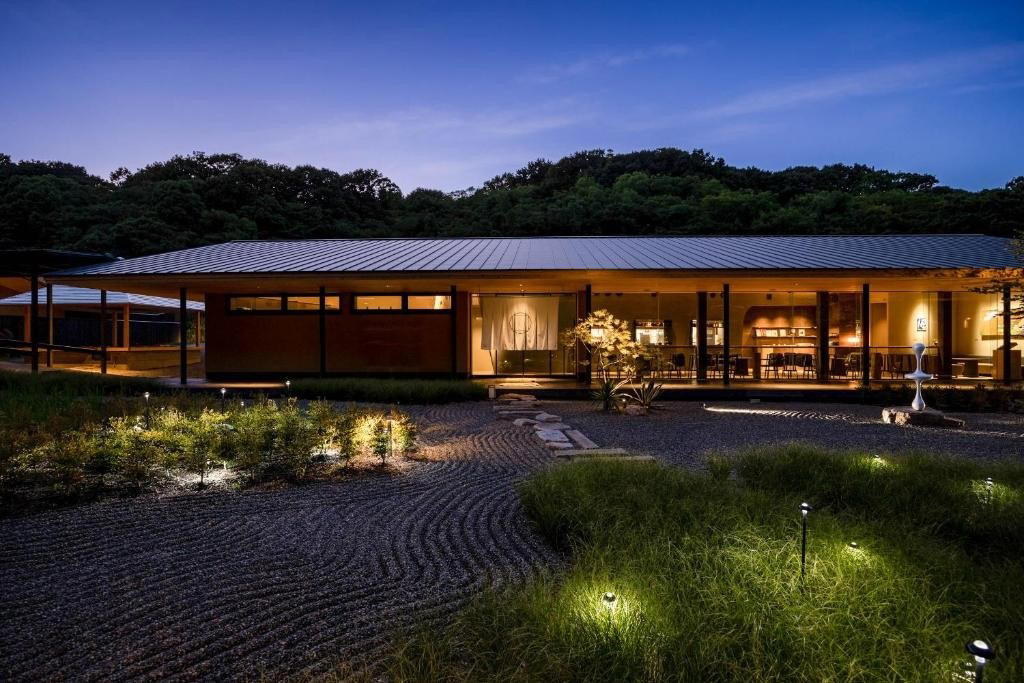
Sanagochi itself is a small mountain village in Myodo District, accessible by road through forested river valleys that peel away from the Yoshino plain. The address at Igai-1 Kami places 笹屋 壺中庵 in a settlement where agricultural and forested land defines the rhythm of the year more than any hospitality calendar. This is not a secondary city with an emerging food scene. It is a rural community, and the dining here reflects that honestly.
The Sourcing Logic of Tokushima's Interior
Tokushima Prefecture has a specific agricultural identity. It is one of Japan's primary producers of sudachi, the small citrus fruit used as a finishing acid across Japanese cooking, and the prefecture's river systems support freshwater catch, particularly ayu (sweetfish), which holds a seasonal status in Japanese cuisine comparable to the first asparagus or early-summer truffles in European cooking traditions. The mountain interior adds foraged ingredients, wild vegetables, and game that shift with the season in ways that fixed menus cannot reliably anticipate.
This sourcing geography places rural Tokushima restaurants in a different category from urban kaiseki formats in Kyoto or Osaka, where the chef's skill is applied to ingredients that arrive from a national network of specialist suppliers. In Sanagochi, proximity and seasonality are not marketing language. They are the actual organising principle of what is available and what is not. That constraint pushes kitchens toward a specificity of place that some of Japan's most discussed rural addresses have built reputations around. For comparison, HAJIME in Osaka and Gion Sasaki in Kyoto represent the urban end of that spectrum, where ingredient networks are broad and the kitchen's ambition defines the sourcing. The mountain village format inverts that relationship.
Travellers familiar with how sourcing shapes format at places like akordu in Nara or Goh in Fukuoka will recognise the pattern: when a restaurant is embedded in a specific agricultural or rural geography, the menu tends to follow the supply rather than the reverse. That discipline, when applied consistently, produces food that reads as an accurate record of a place and a moment in the year.
The Regional Dining Pattern in Shikoku's Inland Districts
Shikoku as a whole remains undercovered relative to its culinary substance. The island's four prefectures each carry distinct food identities: Kagawa for udon, Kochi for katsuo tataki and yuzu, Ehime for citrus and sea bream, and Tokushima for its sudachi, river fish, and the mountain vegetables of the Iya district. The inland areas of Tokushima attract travellers primarily through the Iya Valley's vine bridges and dramatic river gorges, but the food infrastructure in those communities has developed alongside the tourism that the landscape draws.
Small rural restaurants in this part of Japan tend toward fixed or limited menus that reflect daily supply rather than printed seasonal rotations. That format is practical rather than conceptual, though it produces the same result: a meal that cannot be replicated at another time of year with the same ingredients. Visitors who have eaten at addresses like Akakichi in Imabari or Aji Arai in Oita will recognise how regional specificity plays out in smaller Japanese cities and rural areas, where the competitive set is local and the reference points are the seasons rather than international culinary trends.
Planning a Visit to Sanagochi
The practicalities of reaching Sanagochi require direct planning. The village is not served by the main Shikoku rail network in any practical sense for visitors; the base for this area is typically Tokushima city, from which the mountain road toward Sanagochi runs approximately 30 kilometres inland. A rental car is the functional option for this route, and mountain roads in this part of Tokushima can be narrow with significant elevation change. The drive itself, through cedar forest and along river bends, is part of what the area offers.
Specific details for 笹屋 壺中庵, including hours, booking method, price range, and any seasonal closure patterns, are not confirmed in available records and should be verified directly before making the journey. Rural restaurants in mountain Tokushima frequently operate on limited days and may require advance reservation, particularly for visitors arriving from outside the prefecture. The same applies to addresses like affetto akita in Akita or Ajidocoro in Yubari District, where operating patterns reflect local rather than tourist demand rhythms.
For travellers building a Shikoku itinerary that includes this district, our full Myodo District restaurants guide covers the broader context of dining options across the area. Additional reference points for understanding Japan's range of regional dining, from urban omakase to rural fixed-format, can be found in our coverage of Harutaka in Tokyo, Abon in Ashiya, Amaki in Aichi, Amegen in Saga, anchoa in Kanagawa, Arakawa in Hyogo, and aki nagao in Sapporo. The contrast between those urban and semi-urban formats and a mountain village address in Myodo District clarifies what rural Shikoku dining actually is, and why the journey is a different kind of proposition than booking a counter in Tokyo or Kyoto.
For international reference points, the sourcing-led format here has closer parallels with the farm-embedded or landscape-anchored model found in places like Lazy Bear in San Francisco than with the technically driven fine dining of Le Bernardin in New York City.
Comparable Spots, Quickly
These are the closest comparables we have in our database for quick context.
| Venue | Cuisine | Price | Awards | Notes |
|---|---|---|---|---|
| èå± å£ºä¸åºµ | This venue | |||
| HAJIME | French, Innovative | ¥¥¥¥ | Michelin 3 Star | French, Innovative, ¥¥¥¥ |
| Harutaka | Sushi | ¥¥¥¥ | Michelin 3 Star | Sushi, ¥¥¥¥ |
| L'Effervescence | French | ¥¥¥¥ | Michelin 3 Star | French, ¥¥¥¥ |
| RyuGin | Kaiseki, Japanese | ¥¥¥¥ | Michelin 3 Star | Kaiseki, Japanese, ¥¥¥¥ |
| Crony | Innovative, French | ¥¥¥¥ | Michelin 2 Star | Innovative, French, ¥¥¥¥ |
Continue exploring
More in Myodo District
Restaurants in Myodo District
Browse all →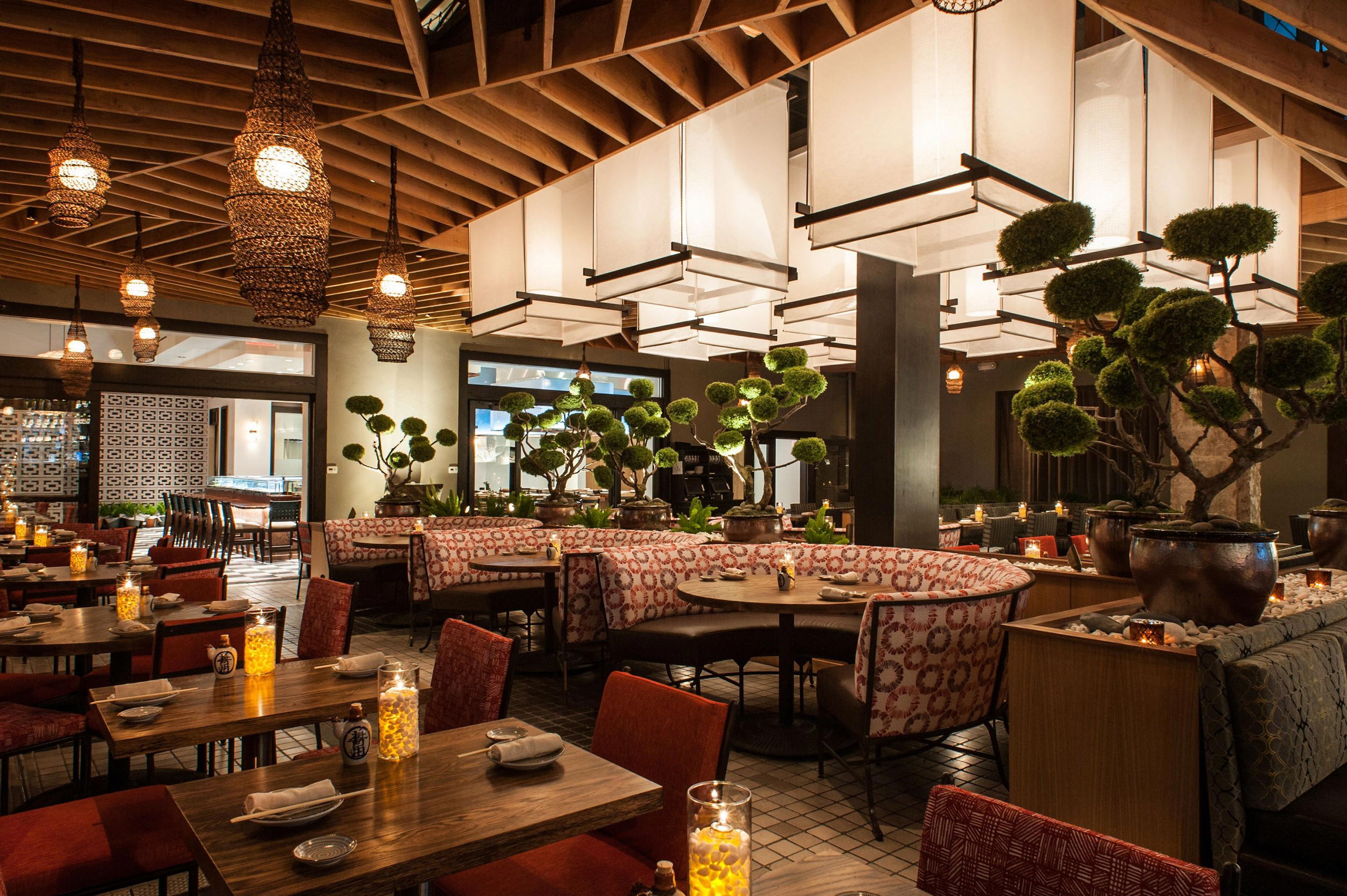
Hotels in Myodo District
Browse all →
At a Glance
- Elegant
- Intimate
- Sophisticated
- Date Night
- Special Occasion
- Business Dinner
- Open Kitchen
- Sake Program
Cozy and warm with soft lighting from the glowing robata grill, creating an intimate and authentic atmosphere.