

Tabelog Bronze #470
Our verdict
Toraya Kochuan gives Tokushima’s Japanese cuisine scene a rural, ingredient-led counterpoint to the city’s more casual ramen, izakaya, and steak rooms. Its Tabelog Award history, OAD recommendation, fish focus, sake program, tatami setting, and private-room format place it in the prefecture’s serious regional dining tier rather than the everyday restaurant circuit.

Pearl is the En Primeur Club membership app, where members save venues, book tables and use the concierge.
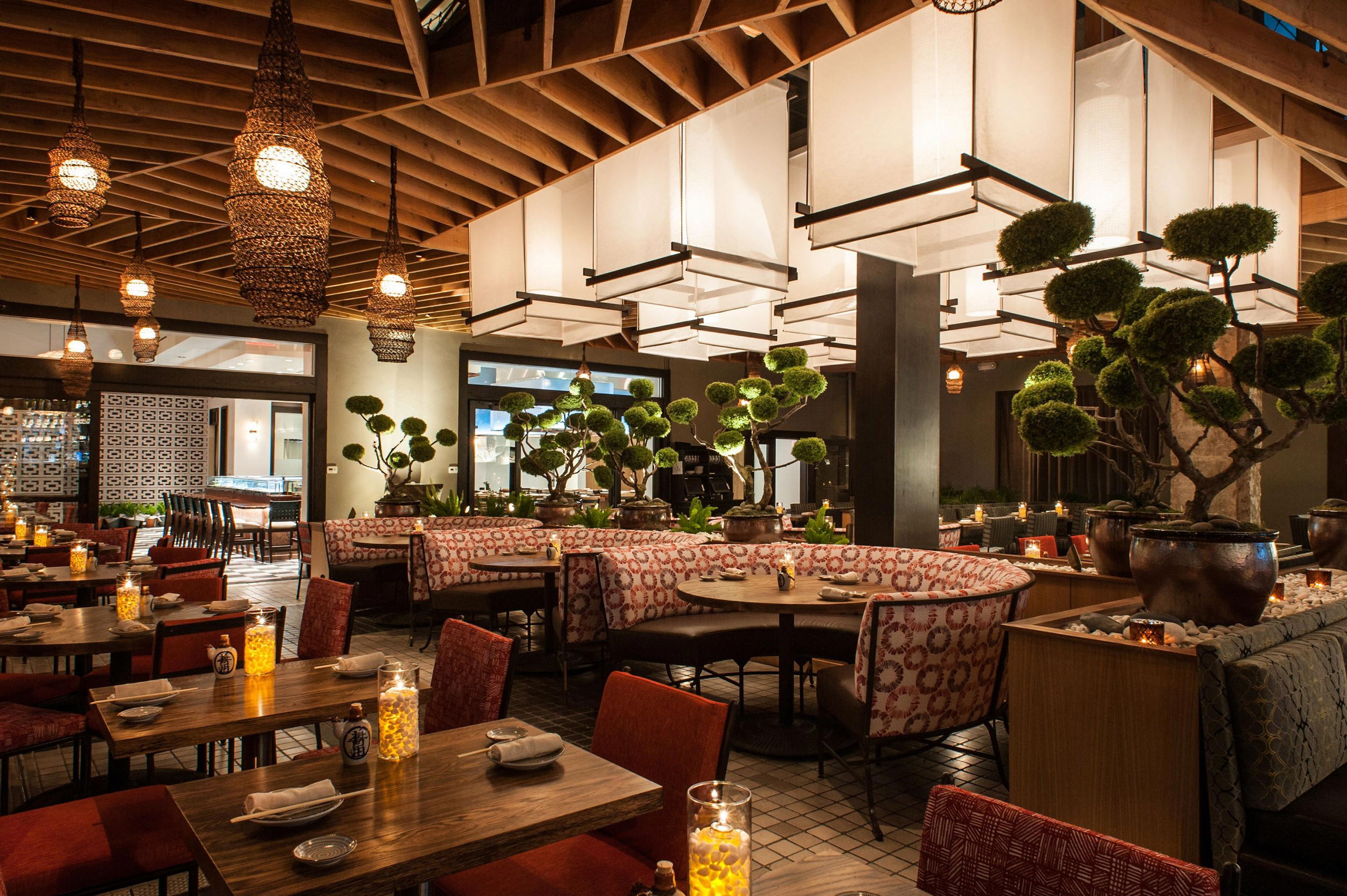
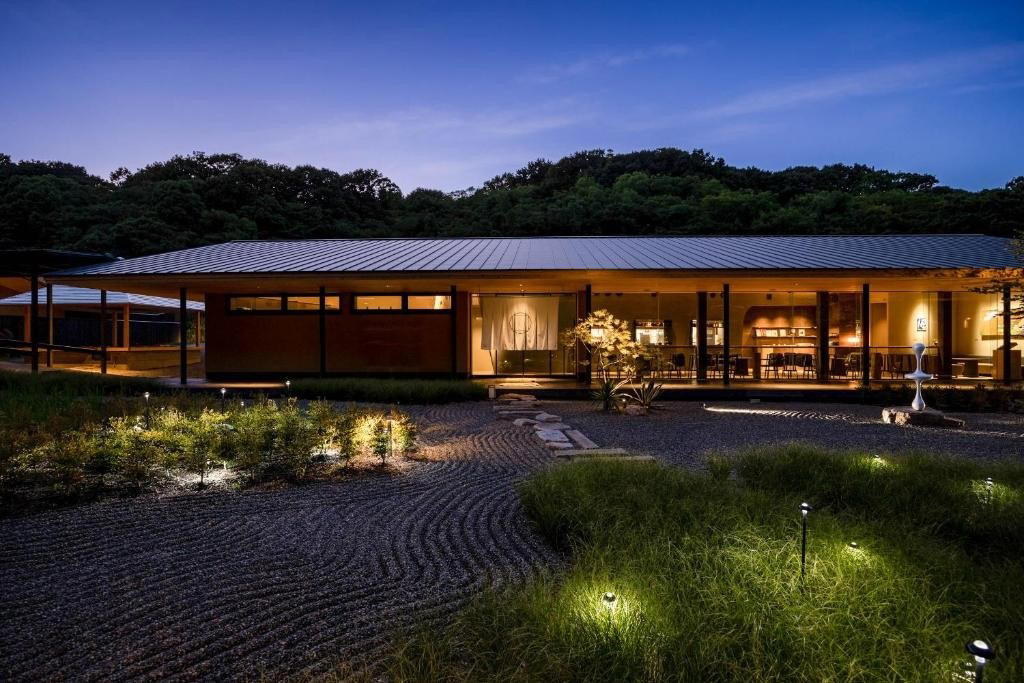
Serious Japanese dining in Tokushima changes once the setting moves beyond the city centre. The pace slows, the room matters, and the meal is judged less by spectacle than by how well the kitchen translates season, fish, rice, vegetables, and sake into a composed sequence. Toraya Kochuan belongs to that quiet regional tradition: a house-restaurant with tatami rooms, private-room service, and a fish-led Japanese format closer to kaiseki than the faster urban patterns around station streets and nightlife blocks.
Tokushima’s restaurant identity is often introduced through ramen, casual seafood, and grill culture, but the prefecture’s deeper argument is agricultural and coastal. Mountains, river valleys, and fishing ports give Japanese kitchens a narrower, more characterful pantry than the broad-market abundance of Osaka or Tokyo. Here, an ingredient-led restaurant need not chase novelty. It needs discipline: restraint, sake-led rhythm, and a room that feels separate from the daily city circuit.
Fish, sake, and the rural Japanese dining register
Japanese cuisine in western Japan rewards kitchens that understand geography. Tokushima sits between the Seto Inland Sea, the Kii Channel, and Shikoku’s interior, so fish and vegetables shape the table more persuasively than imported luxury signals. Toraya Kochuan’s listed emphasis on fish and sake places it in that register. The point is not a parade of named luxury ingredients, but the older logic of a Japanese meal built around season, temperature, pacing, and the relationship between seafood and rice.
The recognition profile supports that reading. The restaurant appears as a 2026 Opinionated About Dining recommended restaurant in Japan and holds The Tabelog Award 2026 Bronze, with earlier Tabelog Award results including Silver and Bronze placements across multiple years. It was also selected for Tabelog 100 Japanese cuisine WEST in 2025, 2023, and 2021. Those signals matter because regional Japanese restaurants outside the largest cities need sustained local and national attention to enter the serious-dining conversation. One award can be noise; repeated selection across years better suggests consistency.
Within Tokushima, that puts the restaurant in a different lane from the city’s immediate pleasures. Inotani Honten speaks to the prefecture’s ramen vocabulary, while Izakaya Harubo sits in the social-drinking tier. Ishikawa Shoten, NAMAIKI, and Ponzu show other ways the city eats, from local counter culture to casual contemporary rooms. The useful comparison is not superiority, but which question the meal answers. For speed, comfort, and local routine, Tokushima has many lower-commitment addresses. For a slower Japanese meal built around sourcing and ceremony, the field narrows.
A private-room meal, not a nightlife dinner
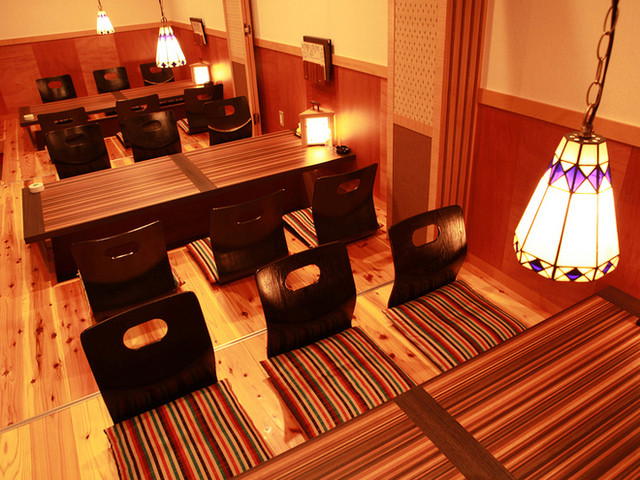
The format is part of the argument. Private rooms for two or four and tatami seating create a meal calibrated for conversation, pacing, and privacy. In a prefecture where many visitors compress dining into a short stay and default to obvious urban categories, a house-restaurant asks for a different itinerary: less bar-hopping, more attention to the meal as the evening’s centre of gravity. It works better for business dining, serious food travel, or a quiet meal with friends than for a loud group dinner.
Pricing also separates the category. Tokushima has soba counters and izakaya rooms at gentler levels, including Teuchi Soba Yusan and Shokurakuen, while Sumibiyaki Steak Tajima occupies a higher dinner band through beef rather than Japanese cuisine. Toraya Kochuan sits in the expensive regional Japanese bracket, where value is not portion size or urban glamour but ingredient handling, room quality, and the cumulative confidence implied by repeated awards. OAD lists the chef as Koji Iwamoto, but biography is less useful here. In this style, authorship shows through sourcing decisions, restraint, and sequence rather than a personality-driven narrative.
For travellers building a Tokushima itinerary, this is the meal to plan around, not squeeze between transit and a bar. Use our full Tokushima restaurants guide to map it against the city’s casual and special-occasion dining, then pair it with practical trip layers through our full Tokushima hotels guide, full Tokushima bars guide, full Tokushima wineries guide, and full Tokushima experiences guide. The restaurant’s rural positioning rewards a schedule with slack: the meal should feel like a destination within the prefecture, not an add-on after a day of moving around.
How to read it against Japan's wider dining map
Regional Japanese restaurants are often misread by travellers using Tokyo expectations as default. In a major city, high-end Japanese dining competes through counter access, chef visibility, and a dense field of peers. In Tokushima, the signal is different. A serious private-room restaurant outside the main urban flow must justify the journey through place: sourcing radius, room calm, and the sense that the meal could not simply be relocated to a department-store floor or hotel tower.
That is why the awards profile is useful but incomplete. Tabelog Bronze and OAD recommendation put it on a national radar, yet the more interesting read is how it broadens Tokushima beyond ramen shorthand. Visitors comparing broader Japanese dining can look at categories from -Grilled beef Sukiyaki- KAMAKURA TANUKIAN 鎌倉 たぬき庵 in Kamakura to. 鮪と炭火焼き うお炭 秋葉原店 in Tokyo.cafe in Osaka.know in Kumamoto, (Shoku) Vietnam in Kawasaki, and [Curry Senmon Ten] Maruyama Kyoju. in Sapporo. Those links show how broad the national table has become; Tokushima’s case is more rooted, quieter, and more dependent on the relationship between landscape and meal.
There is also a drinks angle. Sake is listed as part of the program, which matters with fish-focused Japanese cuisine because pairing logic often turns on texture, salt, and temperature rather than the heavier structure of wine-led meals. Travellers thinking across Japanese and international drinking culture might compare the category to places such as Jōdo Saké Bar in Los Angeles or casual Japanese formats abroad like Onigiri Time in Pasadena. The Tokushima version is less about exportable style and more about the local meal as a complete rhythm: fish, sake, tatami, privacy, and enough distance from the city’s casual circuit to make the evening feel deliberate.
Frequently asked questions
Is Toraya Kochuan child-friendly?
The setup leans toward adults and small groups: private rooms for two or four, tatami seating, and a quiet house-restaurant feel in Kami Sanagouchi, Tokushima. The listed occasion focus is business and friends, which suggests a calmer room than a family-style dining hall.
Is Toraya Kochuan better for a quiet night or a lively one?
It is a quiet-night address. The tatami room, private rooms, and 12:00–14:00 and 17:00–20:00 service windows point to a measured dinner rather than a late, noisy scene.
What are Toraya Kochuan's hours?
Hours at Toraya Kochuan: Mon, Tue, Wed, Thu, Fri, Sat, Sun 12:00 - 14:00 17:00 - 20:00.
Where is Toraya Kochuan in Tokushima?
Toraya Kochuan is located in Tokushima.
What's the defining dish or idea at Toraya Kochuan?
The clearest idea is Japanese cuisine with a focus on fish, backed by sake service and repeated Tabelog recognition, including the 2025 Tabelog Award Bronze and selection for Tabelog Japanese cuisine WEST "Tabelog 100" 2025. The address in Tokushima’s rural Kami Sanagouchi setting reinforces a kitchen built around place rather than spectacle.
Side-by-Side Snapshot
Comparable venues by cuisine and price in the same metro.
| Venue | Cuisine | Price | Awards | Notes |
|---|---|---|---|---|
| Toraya KochuanThis venue (the venue you are viewing) | Traditional Kaiseki | $100–150 | Tabelog Bronze #470 | Not listed |
| Tori Bon Tokushima honmachi ten | Traditional Yakitori & Chicken Dishes | $30–50 | Tabelog 100 #43 | Tokushima Honmachi |
| Sumibiyaki Steak Tajima | Kuroge Wagyu Steak, Yakiniku, Shabu-shabu & Sukiyaki | $20–30 | Tabelog 100 #89 | Yachimanchō, Tokushima |
| Ishikawa Shoten | Yakitori & chicken dishes | Not listed | Tabelog 100 #79 | Tokushima |
| 食士わたなべ | Traditional Japanese Kaiseki | $50–100 | Not listed | 籠屋町 |
| Inotani Honten | Tokushima-style ramen | $1–10 | Tabelog 100 #82 | Not listed |
Recognition history
Dated appearances from independent guides and award organizations, with the underlying list record or original source where available.
Opinionated About Dining Top Restaurants in Japan Recommended
Opinionated About Dining
Tabelog Bronze #470
Tabelog
Full recognition history (4 entries)
Tabelog 100 #64 · No. 64
Tabelog · Tabelog 100 - Japanese cuisine - WEST - 2025
Tabelog Bronze
Tabelog
Continue exploring
More in Tokushima
Details
- Quiet
- Elegant
- Scenic
- Cozy
- Intimate
- Sophisticated
- Date Night
- Special Occasion
- Private Dining
- Sake Program
- Local Sourcing
- Garden
- Omakase
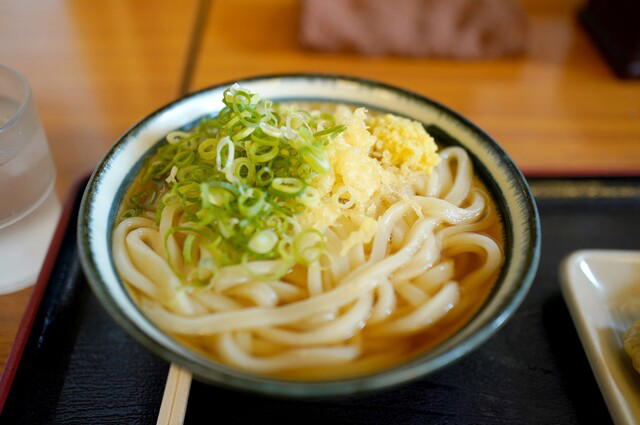
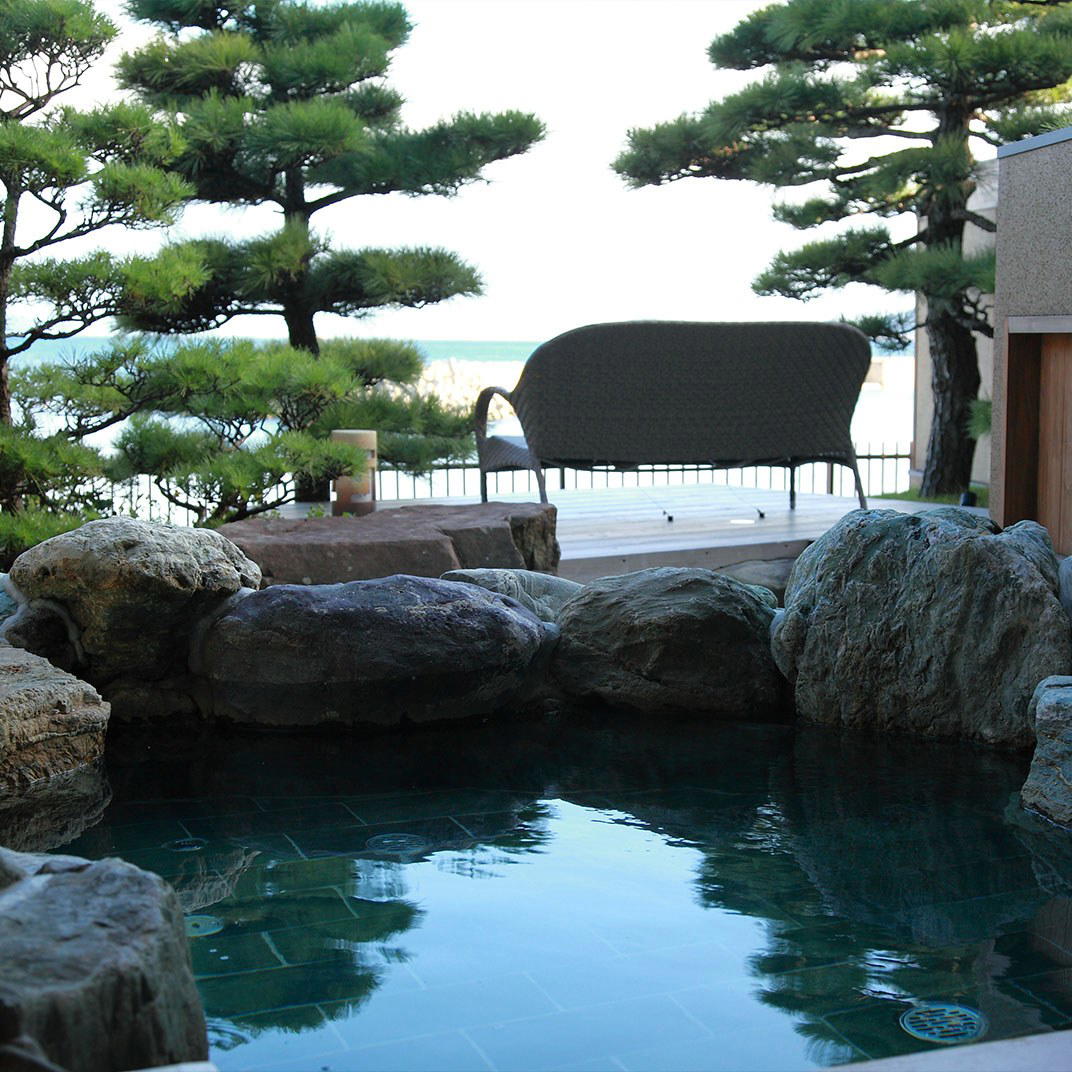
Placid washitsu interiors with relaxing tatami rooms, garden views, and the soothing sound of flowing river waters, creating a serene and nature-infused atmosphere.