Tempura Fukamachi has anchored the Kyobashi dining corridor in central Tokyo for decades, operating at the tier where technique and restraint define the experience rather than spectacle. The counter format suits both focused lunch visits and longer evening omakase sequences, placing it alongside the city's more considered specialist restaurants rather than its high-volume tempura chains.
Pearl is the En Primeur Club membership app — saves, bookings, and concierge access live there. Same editors, same standards.
- Address
- Japan, 〒104-0031 Tokyo, Chuo City, Kyobashi, 2 Chome−5−2 A・M京橋ビル 101
- Phone
- +81352508777
- Website
- restaurant.ikyu.com
- Directions
- Get directions
 Saves & bookings on Pearl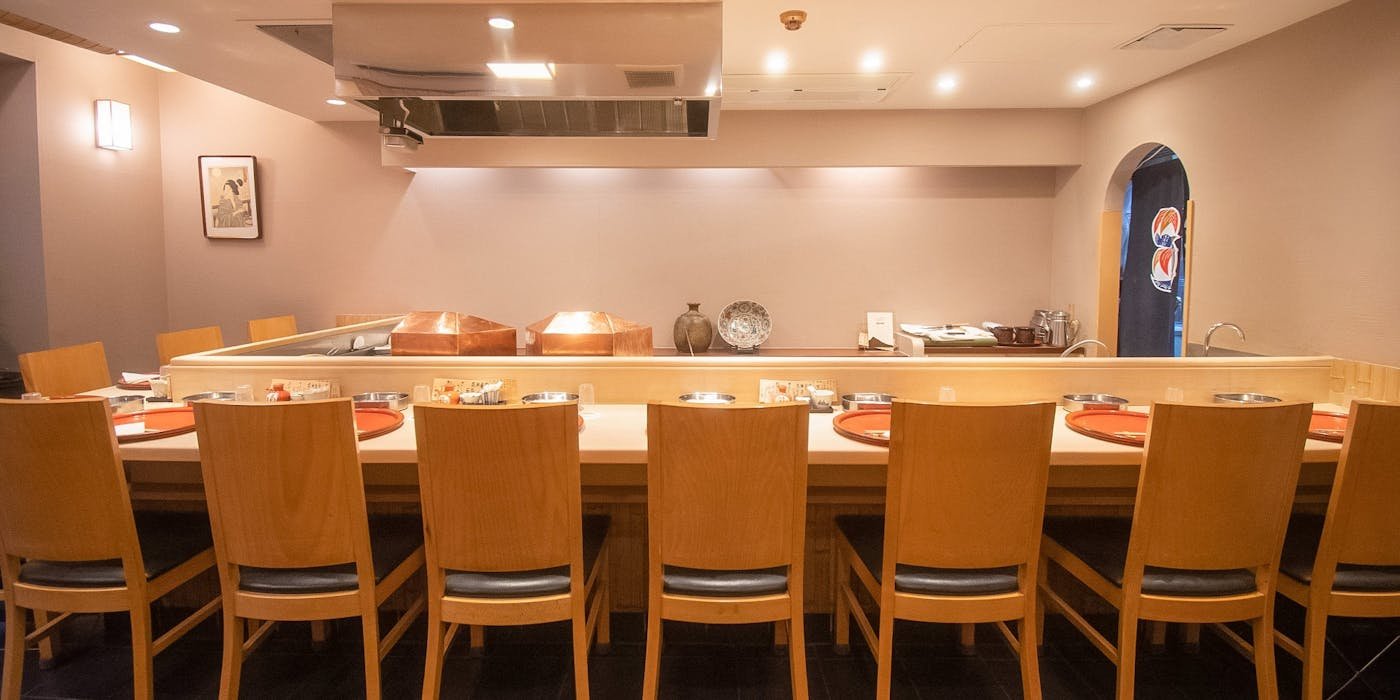
Kyobashi's Tempura Tradition and Where Fukamachi Sits Within It
Tokyo's tempura counter scene has stratified sharply over the past two decades. At the lower end, department store restaurants and chain formats offer accessibility and consistency. At the upper tier, a smaller cohort of counter-only specialists has consolidated around a different set of values: single-ingredient sourcing, oil temperature precision, and the kind of unhurried pacing that resists turning tables. Tempura Fukamachi (てんぷら 深町) is an Edo-style tempura restaurant in Kyobashi, Tokyo, priced at about $150 per person.
Kyobashi itself sits between Ginza and Tokyo Station, a corridor that has historically attracted precision-craft restaurants rather than fashion-forward dining rooms. That geographic and demographic context shapes Fukamachi's register: this is not a room designed to impress on Instagram, but one where the counter format enforces a direct relationship between cook and guest.
The Lunch and Dinner Divide at a Specialist Tempura Counter
The lunch-versus-dinner distinction matters at this tier of Japanese counter dining more than almost any other format. In kaiseki and sushi, the gap between lunch and dinner is often explicit: shorter menus, compressed sequences, and meaningfully lower price points at midday. Tempura follows a similar logic, though the mechanics differ. Lunch at a specialist counter like Fukamachi tends to compress the sequence without sacrificing the core technique, offering a more approachable entry point for first-time visitors or those working within a tighter schedule. The oil, the batter ratio, and the sourcing discipline remain constant; what changes is the number of courses and the pace at which they arrive.
Evening service at this category of counter operates differently in mood as much as in menu. The room empties of its lunch urgency and the pacing expands. In tempura specifically, this matters because the format is inherently sequential: each piece is fried to order and served immediately, so the rhythm of the meal is inseparable from the tempo of the kitchen. A longer dinner sequence allows the cook to move through a wider range of ingredients, from lighter vegetables and shellfish at the opening to richer, more substantial proteins later, building a structure that a compressed lunch format cannot fully replicate.
At Harutaka, the same principle applies to sushi: the midday sequence is tighter, the evening more expansive. At RyuGin, the kaiseki structure does similar work across time of day. The format difference is not merely commercial; it reflects a genuine shift in what the kitchen is trying to achieve.
Tempura as Technique: What the Category Demands
Tempura is one of the more deceptively demanding formats in Japanese cuisine. The visible simplicity of the dish, a piece of seafood or vegetable in light batter, cooked briefly in hot oil, conceals a set of variables that specialists spend careers calibrating. Oil temperature must shift ingredient by ingredient. Batter consistency is kept deliberately loose by most high-end practitioners, requiring immediate frying after mixing. The sequence in which ingredients are cooked matters both for flavour logic and for oil management: lighter items earlier, richer proteins later, to avoid cross-contamination of flavours in the frying medium.
At the counter tier where Fukamachi operates, these technical demands are taken as baseline rather than selling point. What separates counters at this level is sourcing: the quality of the seasonal vegetables, the freshness and origin of the seafood, and the cook's ability to sequence ingredients so that each piece arrives at the counter in its optimal state. Seasonal logic drives the menu structure, with spring and early summer producing particularly celebrated tempura ingredients in the Japanese culinary calendar.
Comparatively, French technique-led restaurants in Tokyo operating at similar price points take different approaches to the same precision imperative. L'Effervescence and Sézanne both anchor their menus to seasonal sourcing and technical execution, but within a multi-course European framework. Crony operates at the innovative end of that French-influenced tier. Tempura at the specialist counter level sits in a different tradition entirely, one where the cooking is visible, immediate, and unmediated by sauce or plating convention.
Placing Fukamachi in Its comparable set
Tokyo's specialist tempura counters occupy a niche that is smaller than the city's sushi counter scene but operates by similar principles: limited seats, counter-only format, omakase sequencing, and a booking culture that rewards regular guests. Within that niche, Fukamachi's Kyobashi location places it in a quieter pocket of the city compared to the more heavily trafficked Ginza or Roppongi clusters.
HAJIME in Osaka and Gion Sasaki in Kyoto represent the kaiseki equivalent in their respective cities. Akordu in Nara and Goh in Fukuoka demonstrate how the precision-counter format extends across Japan's secondary cities. Regional specialists in less-visited areas, including restaurants in Nanao, Sapporo, Takashima, and Nishikawa Machi, show the same values operating at a more local scale.
Le Bernardin in New York applies comparable sourcing rigour to seafood within a French format, while Atomix in New York brings a Korean counter approach that shares the same tasting-sequence logic. Birdland in Sakai and Bistro Ange in Toyohashi represent the mid-tier end of Japan's regional precision-dining circuit.
Planning Your Visit
Tempura Fukamachi is located at 2 Chome-5-2 A・M京橋ビル 101, Kyobashi, Chuo City, Tokyo, and reservations are essential. The Kyobashi address is walkable from both Kyobashi Station and Ginza-itchome Station, placing it within easy reach of central Tokyo.
| Venue | Cuisine | Format | Price Tier | Location |
|---|---|---|---|---|
| てんぷら 深町 | Tempura | Counter / Omakase | ¥¥¥¥ | Kyobashi, Chuo |
| Harutaka | Sushi | Counter / Omakase | ¥¥¥¥ | Ginza |
| RyuGin | Kaiseki | Full-service / Omakase | ¥¥¥¥ | Roppongi |
| L'Effervescence | French | Full-service | ¥¥¥¥ | Nishi-Azabu |
| Crony | Innovative / French | Full-service | ¥¥¥¥ | Tokyo |
Peers You’d Cross-Shop
Comparable venues nearby, for context on price, style, and recognition.
| Venue | Cuisine | Price | Notes |
|---|---|---|---|
| てんぷら 深町This venue — the venue you are viewing | Edo-style Tempura | $$$$ | Not listed |
| 銀座 うち山 | Tea Kaiseki Japanese | $$$$ | Chūō |
| 銀座ふじやま | Kyoto-style Kaiseki | $$$$ | Chūō |
| Ginza Chikamitsu Rokuchome | Modern Wagyu Yakiniku | $$$$ | Chūō |
| USHIGORO S. GINZA | Luxury Yakiniku (Japanese BBQ) | $$$$ | Chūō |
| Ginza Donkoji Yamagishi | Kyoto-Style Izakaya | $$$$ | Chūō |





At a Glance
- Elegant
- Quiet
- Sophisticated
- Intimate
- Classic
- Special Occasion
- Date Night
- Business Dinner
- Chefs Counter
- Sake Program
Current opening hours
- Monday
- Closed
- Tuesday
- 11:30 AM–2 PM, 5–7:30 PM
- Wednesday
- 11:30 AM–2 PM, 5–7 PM, 7:30–10 PM
- Thursday
- 11:30 AM–2 PM, 5–7 PM, 7:30–10 PM
- Friday
- 11:30 AM–2 PM, 5–7 PM, 7:30–10 PM
- Saturday
- 12–2 PM, 5–7 PM, 7:30–10 PM
- Sunday
- 12–2 PM, 5–7:30 PM
Hours can change for holidays and private events. Last verified .
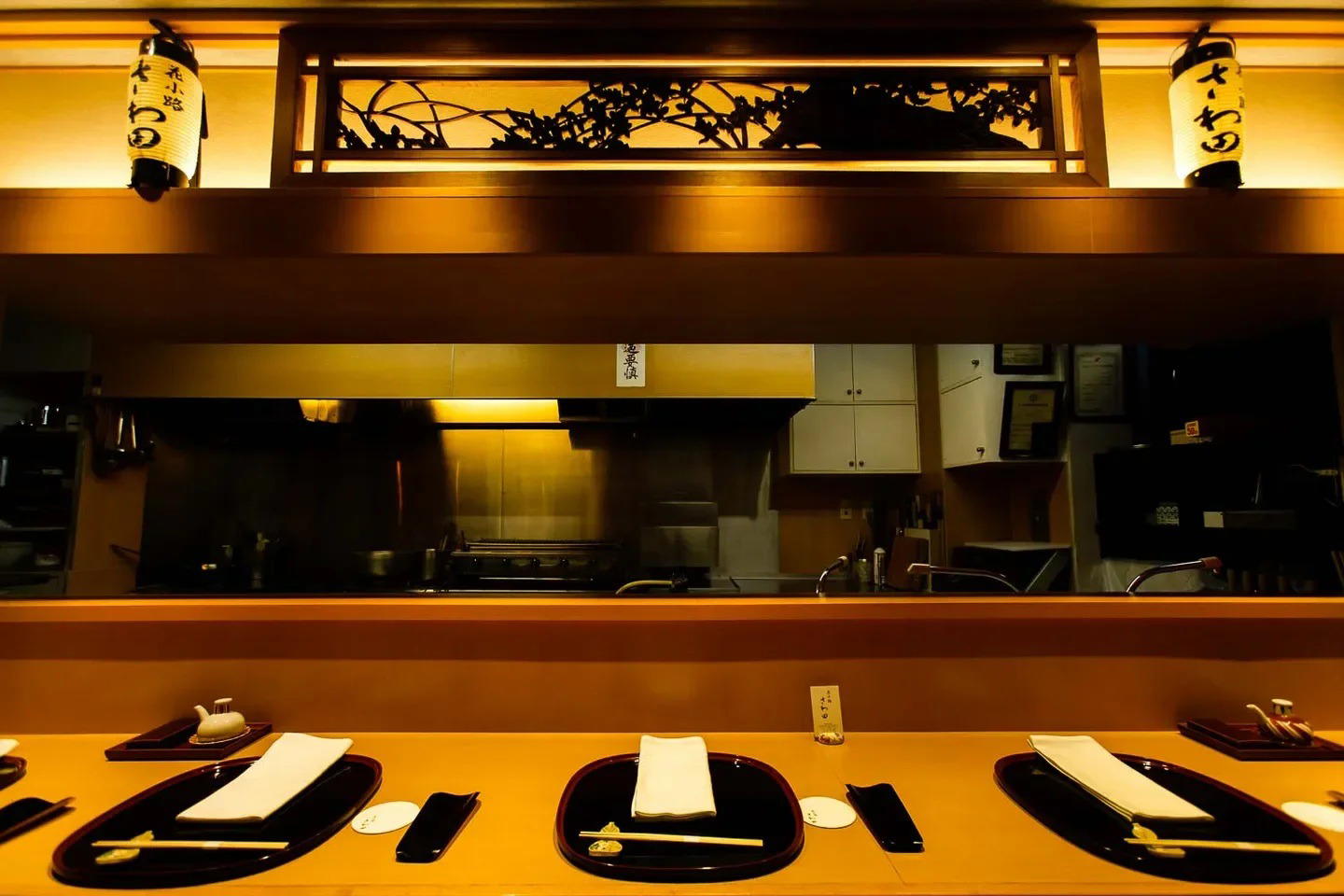
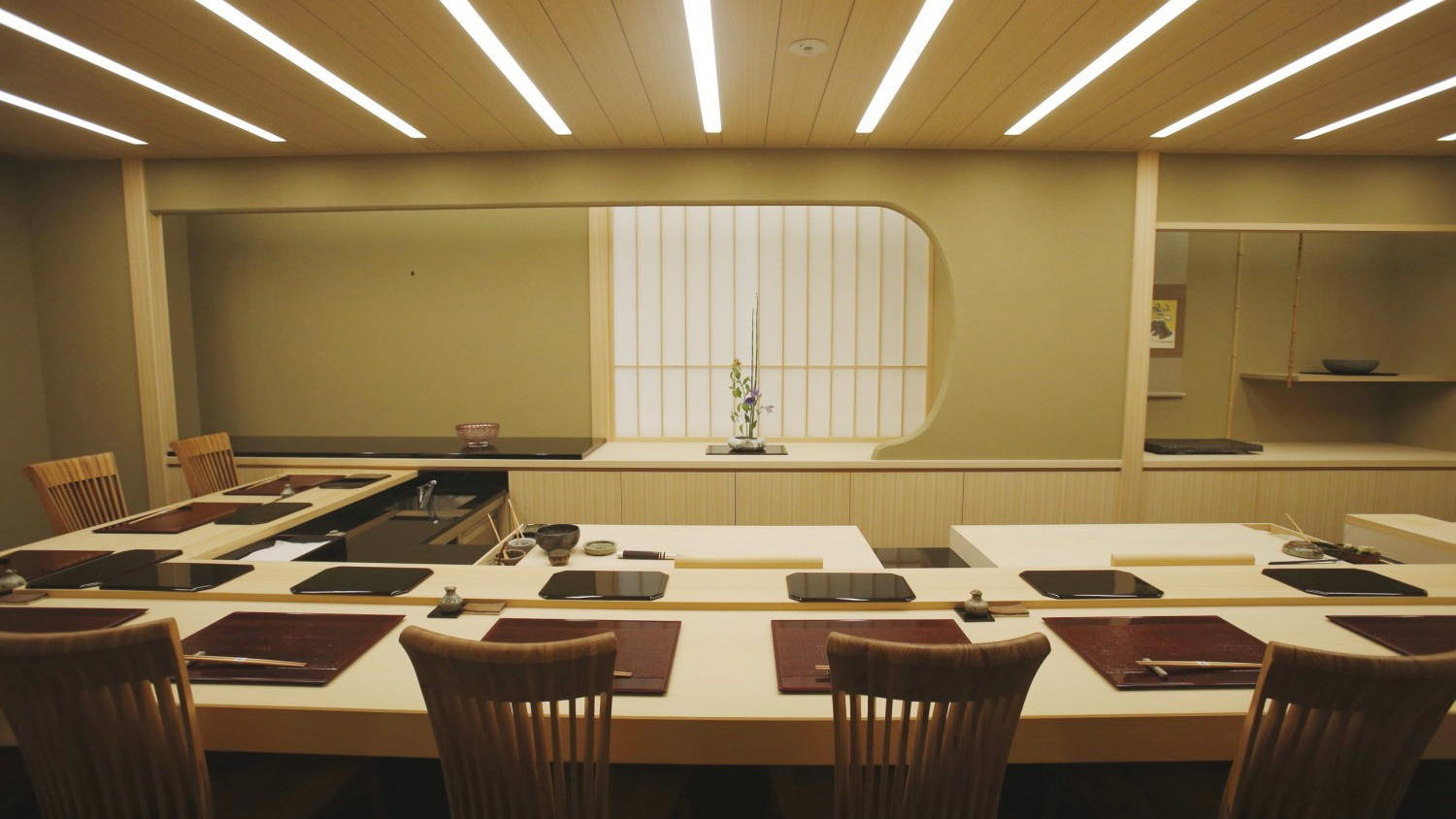
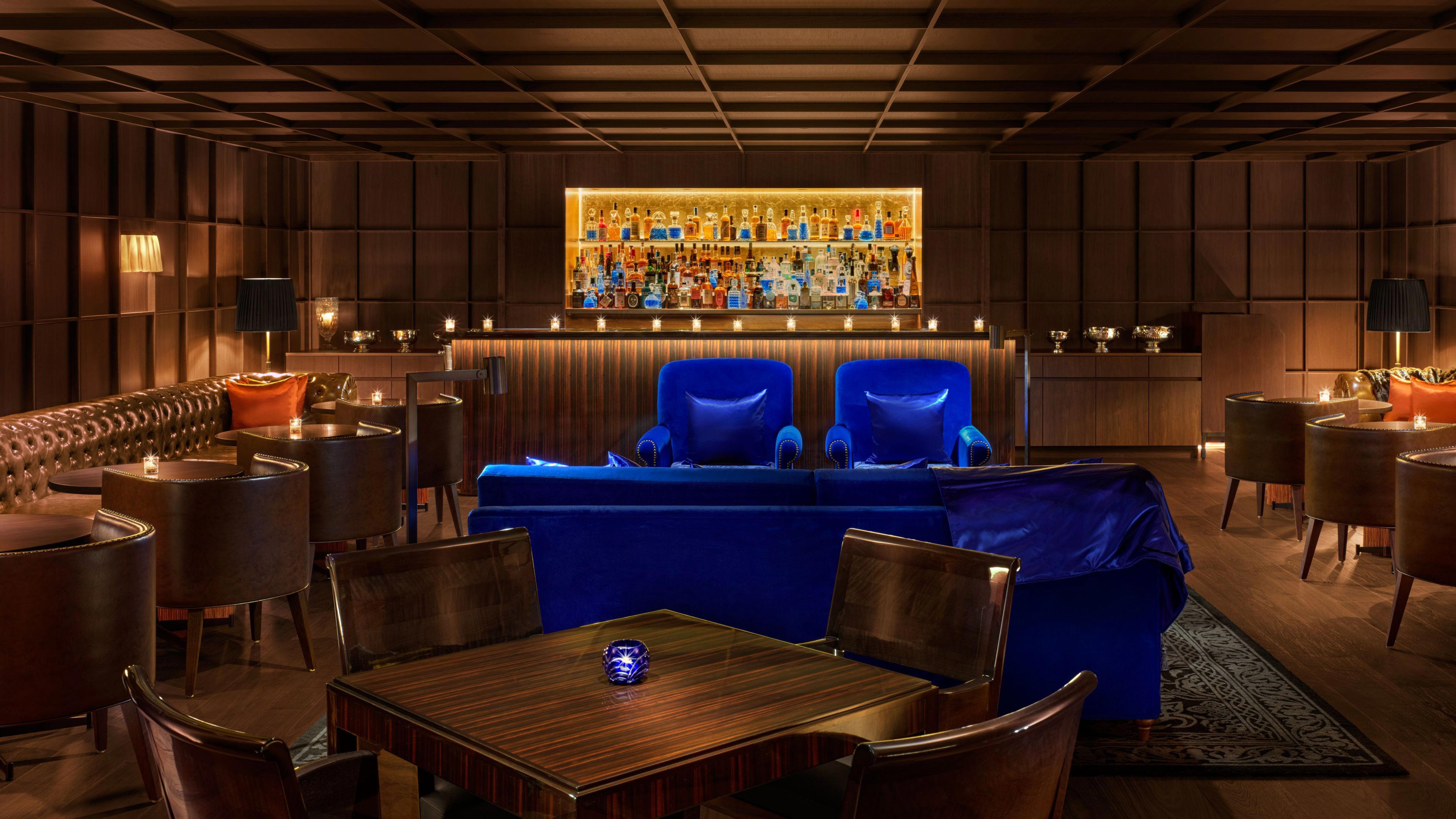
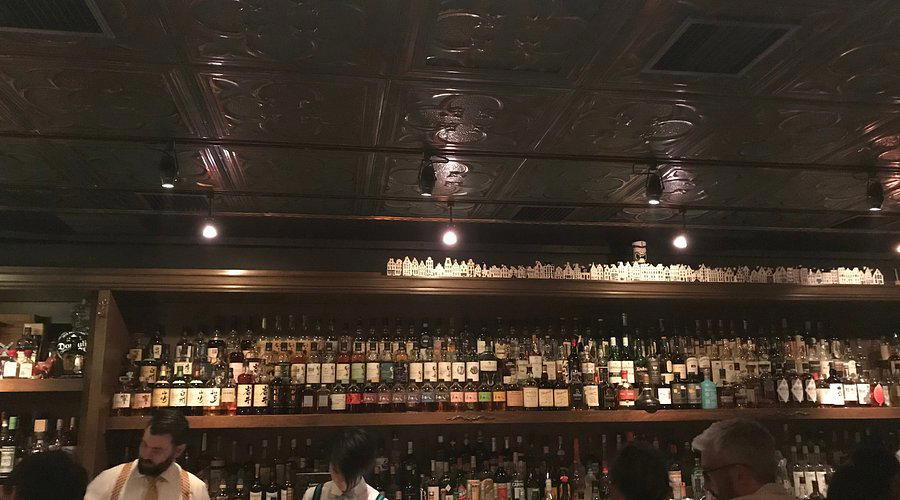
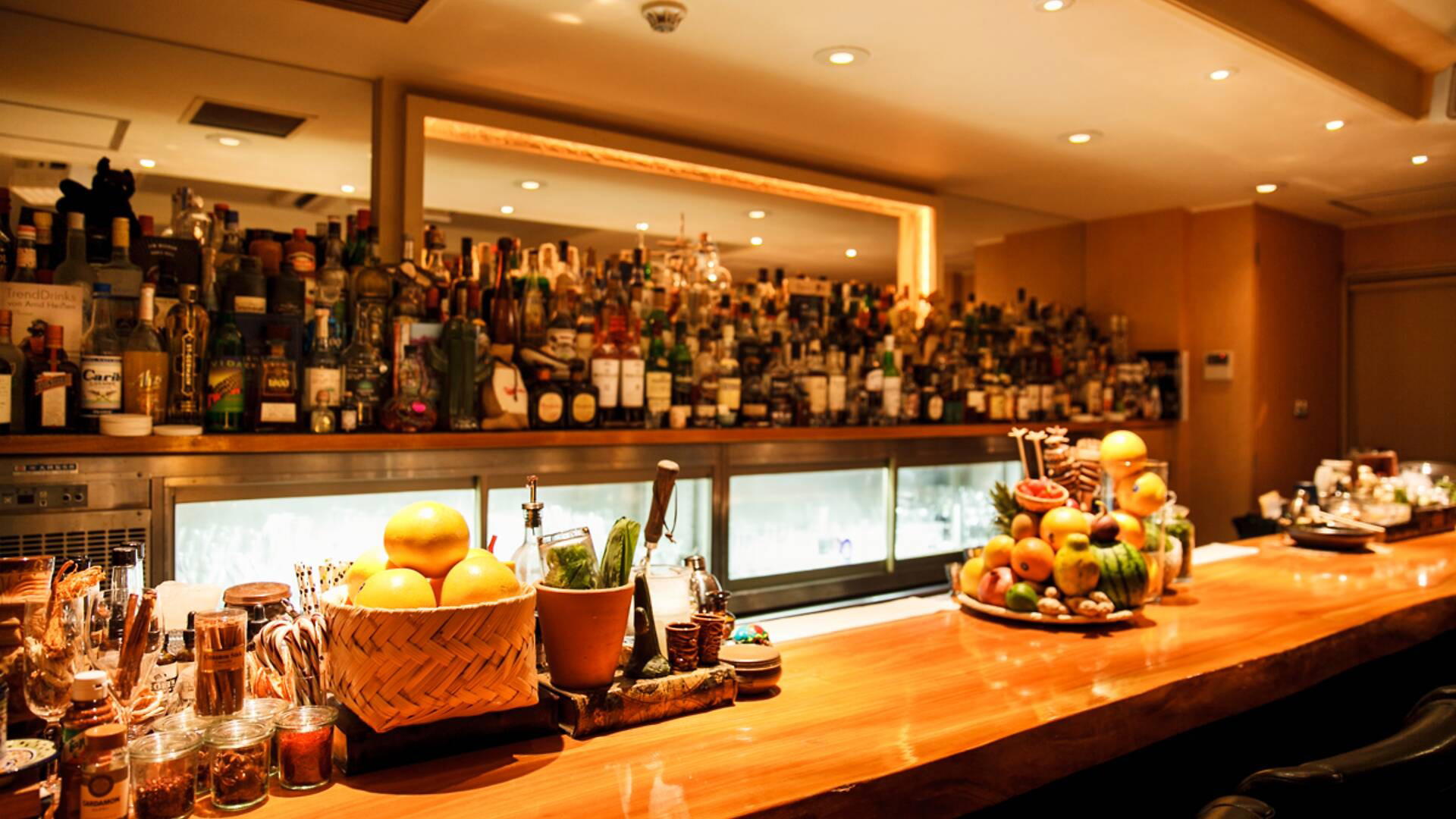
Calm and refined counter seating space with an elegant, upper-class atmosphere focused on the chef's craft.