銀座ふじやま occupies the seventh floor of a Ginza building at the intersection of 3-chome, placing it inside one of Tokyo's most competitive dining corridors. The kitchen works at the crossing point of Japanese ingredients and technique drawn from broader culinary traditions, a format that has gained traction across Ginza's mid-to-upper dining tier over the past decade. Reservations are strongly advised for this address.
Pearl is the En Primeur Club membership app — saves, bookings, and concierge access live there. Same editors, same standards.
- Address
- Japan, 〒104-0061 Tokyo, Chuo City, Ginza, 3 Chome−3−6 森田ビル 7F
- Phone
- +81362632435
- Directions
- Get directions
 Saves & bookings on Pearl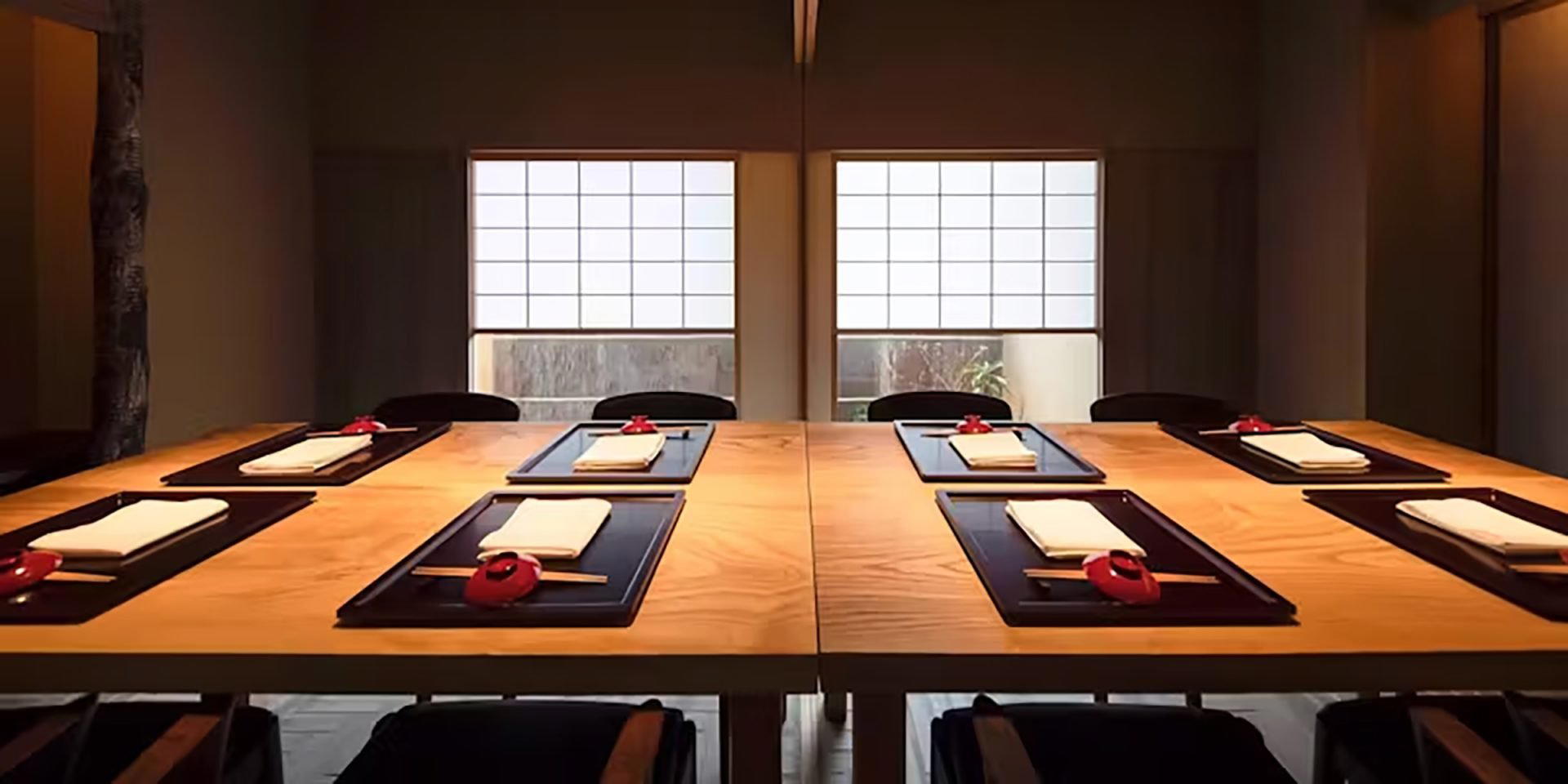
Where Ginza's Ingredient Culture Meets Imported Technique
銀座ふじやま is a restaurant in Tokyo serving Kyoto-style Kaiseki at a price point around $300 per person. 銀座ふじやま follows that pattern from its position on the seventh floor of the Morita Building at 3-chome, a stretch of Chuo-ku where the restaurant-per-block ratio is among the highest in Japan. The address places it among a dense cluster of serious dining rooms, including Harutaka and RyuGin.
Any Ginza restaurant must answer how it positions itself relative to that competition. The kitchens that have earned sustained attention in this district tend to fall into legible categories: purist Japanese forms (omakase sushi, kaiseki), French-inflected tasting menus like those at L'Effervescence and Sézanne, and a smaller cohort working at the intersection of both. That third group, kitchens that apply technique borrowed from European or other global traditions to Japanese products, has grown steadily across Tokyo's central wards, producing some of the city's more interesting cooking conversations.
The Logic of Local Ingredients and Cross-Cultural Method
Japan's ingredient infrastructure is a structural advantage for any kitchen willing to use it seriously. Seasonal produce moves through Tokyo's wholesale markets with a specificity that most European cities cannot match: fish graded at Toyosu before dawn, mountain vegetables harvested within narrow regional windows, beef from prefectures with documented breeding and feeding records. The editorial argument for restaurants that apply non-Japanese technique to this supply chain is not novelty, it is that the methodology can surface qualities in a product that a purely traditional approach might leave unexpressed.
This is the frame that makes a kitchen like 銀座ふじやま worth considering alongside its neighbourhood peers. Where a kaiseki counter applies centuries of codified Japanese form to the same ingredients, and where a French-trained kitchen like Crony tests what Japanese hospitality culture can do for a European format, a restaurant positioned at the crossing point has a different set of decisions to make. The interest lies in which techniques it reaches for and whether the result reads as translation or as something more resolved.
Across Japan, this approach has produced some of the decade's most discussed cooking. HAJIME in Osaka applies a scientific precision to Japanese produce that draws on French fine dining methodology. akordu in Nara works Spanish technique into the ingredient palette of the ancient capital. Goh in Fukuoka has built a reputation by pressing Japanese product through a contemporary European lens. The pattern is national, not Ginza-specific, but Ginza's density means the conversations are more compressed and the peer comparisons more immediate.
The 3-Chome Position and What It Implies
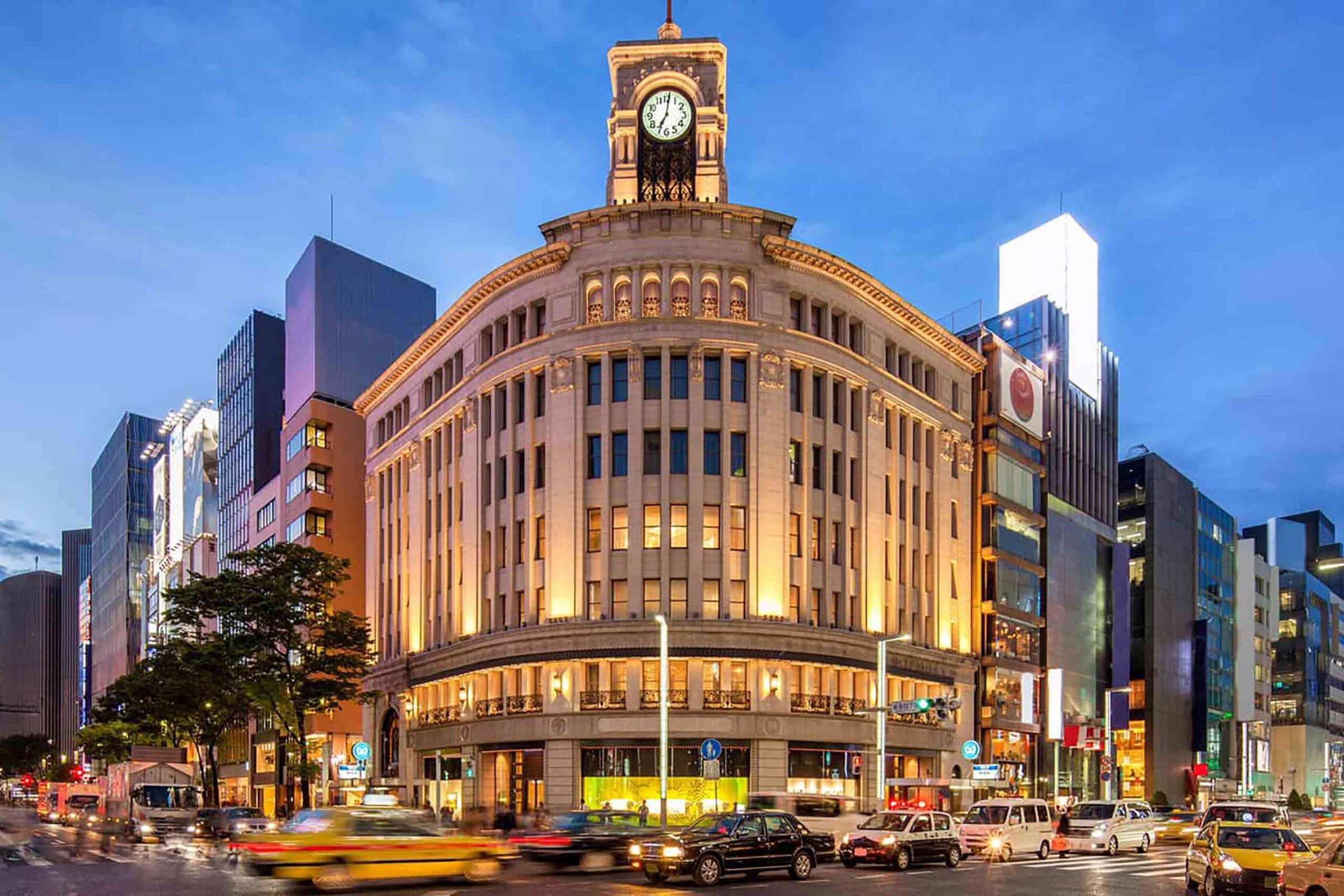
Chome positioning in Ginza carries information. The 3-chome block sits close to the district's commercial spine, accessible from Ginza Station on the Tokyo Metro Ginza Line and a short walk from Higashi-Ginza on the Toei Asakusa Line. For visitors structuring a Tokyo dining itinerary around central addresses, the location suits a day that might include the Toyosu fish market in the morning and a second reservation in the evening.
The Morita Building address also places 銀座ふじやま in a building typology common to Ginza's mid-century commercial stock, vertical construction with ground-floor retail and restaurant floors stacked above. It is a format that creates natural separation between the dining room and the street, which in Ginza tends to support a quieter room than the neighbourhood's commercial energy might suggest from outside.
Seasonal Timing and the Ingredient Calendar
If there is an argument for timing a visit to 銀座ふじやま around a specific season, it follows the logic of Japan's ingredient calendar. Autumn and early winter, when matsutake mushrooms are available from Kyoto and Tamba, when Pacific saury hits its fat peak, and when the first Hokkaido sea urchin of the colder-water season appears, represent a period when any Tokyo kitchen working with premium Japanese product has much to work with. Spring brings different arguments: cherry blossom-adjacent dining culture intensifies reservation competition across all of Ginza, and the arrival of bamboo shoots, young brassicas, and the first bonito run changes what the leading kitchens are reaching for.
Across Japan's fine dining scene, these windows are well understood by domestic diners who plan reservations months in advance around specific product moments. International visitors who approach Tokyo dining with the same seasonal logic, rather than defaulting to a fixed calendar, tend to access a different quality of experience. For context on how ingredient-led calendars work across Japan's restaurant culture, Gion Sasaki in Kyoto offers one of the clearest examples of a kitchen that structures its entire offer around what the season permits.
Positioning Within Japan's Broader Fine Dining Network
Tokyo absorbs the attention, but the ingredient-plus-technique conversation is not Tokyo-exclusive. Regional kitchens have been running versions of the same experiment with more local supply chains and, in some cases, fewer of the constraints that come with Ginza's cost structure. 一本杉川島製 in Nanao works with the Noto Peninsula's coastal products under a framework that draws on broader culinary thinking. 夕月亭 in Sapporo has access to Hokkaido's notable cold-climate produce. 湖畔荘 in Takashima and 羽根屋 in Nishikawa Machi operate with different ambitions and different ingredient pools, but the underlying logic of matching place-specific product with considered technique runs across all of them.
For international comparisons, Le Bernardin in New York City represents what sustained technical focus on a single product category can produce over decades, while Atomix in New York City shows how a kitchen working Korean ingredients through fine dining methodology can produce a coherent and critically acknowledged result. The gap between those two New York models mirrors a tension present in Ginza's own scene. Bistro Ange in Toyohashi and Birdland in Sakai round out the regional picture of how Japanese kitchens approach the intersection of local product and imported form.
Planning a Visit
銀座ふじやま is located at 3-3-6 Ginza, Chuo-ku, Tokyo, on the seventh floor of the Morita Building. The address is a short walk from Ginza Station, served by the Ginza, Marunouchi, and Hibiya Metro lines, making it accessible from most central Tokyo hotel clusters without requiring a taxi. Given the competitive reservation environment across Ginza's serious dining rooms, contacting the venue well in advance of a planned visit is advisable.
Comparable Venues
Comparable venues nearby, for context on price, style, and recognition.
| Venue | Cuisine | Price | Notes |
|---|---|---|---|
| 銀座ふじやまThis venue — the venue you are viewing | Kyoto-style Kaiseki | $$$$ | Not listed |
| Kabuto (天然鰻 かぶと) | Traditional Unagi Nose-to-Tail | $$$$ | Ikebukuro |
| Akasaka Asada | Traditional Kaga Kaiseki (Ryotei) | $$$$ | Akasaka |
| Bohemian Nishiazabu | Secret seasonal Japanese robata omakase | $$$$ | Nishiazabu |
| Ginza Kira | Saga Beef Teppanyaki | $$$$ | Chūō |
| Koran | Seasonal Japanese Kaiseki Counter | $$$$ | Chūō |





At a Glance
- Elegant
- Sophisticated
- Intimate
- Business Dinner
- Special Occasion
- Private Dining
- Sake Program
- Local Sourcing
Current opening hours
- Monday
- 5–11 PM
- Tuesday
- 5–11 PM
- Wednesday
- 5–11 PM
- Thursday
- 5–11 PM
- Friday
- 5–11 PM
- Saturday
- 5–11 PM
- Sunday
- 5–11 PM
Hours can change for holidays and private events. Last verified .
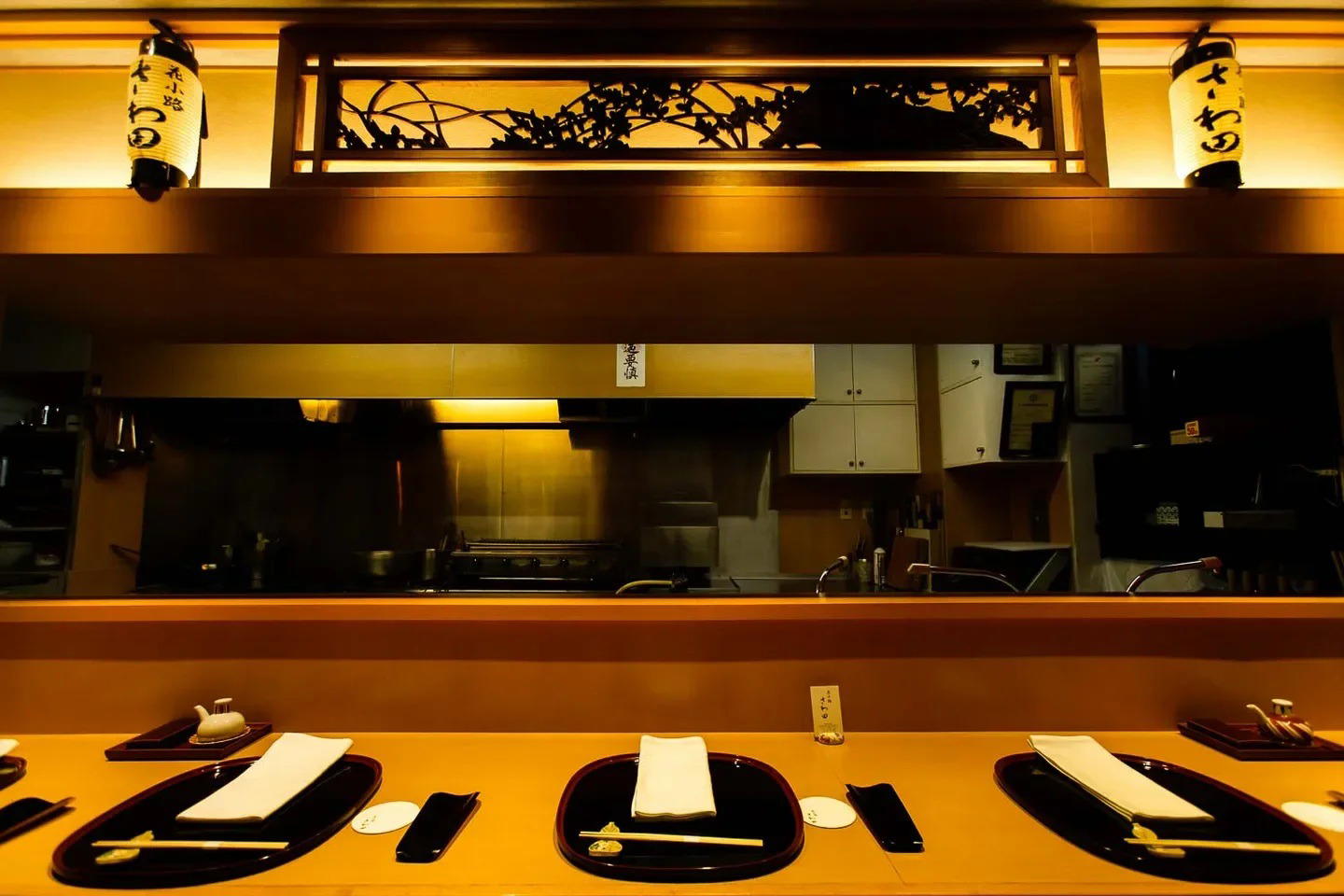
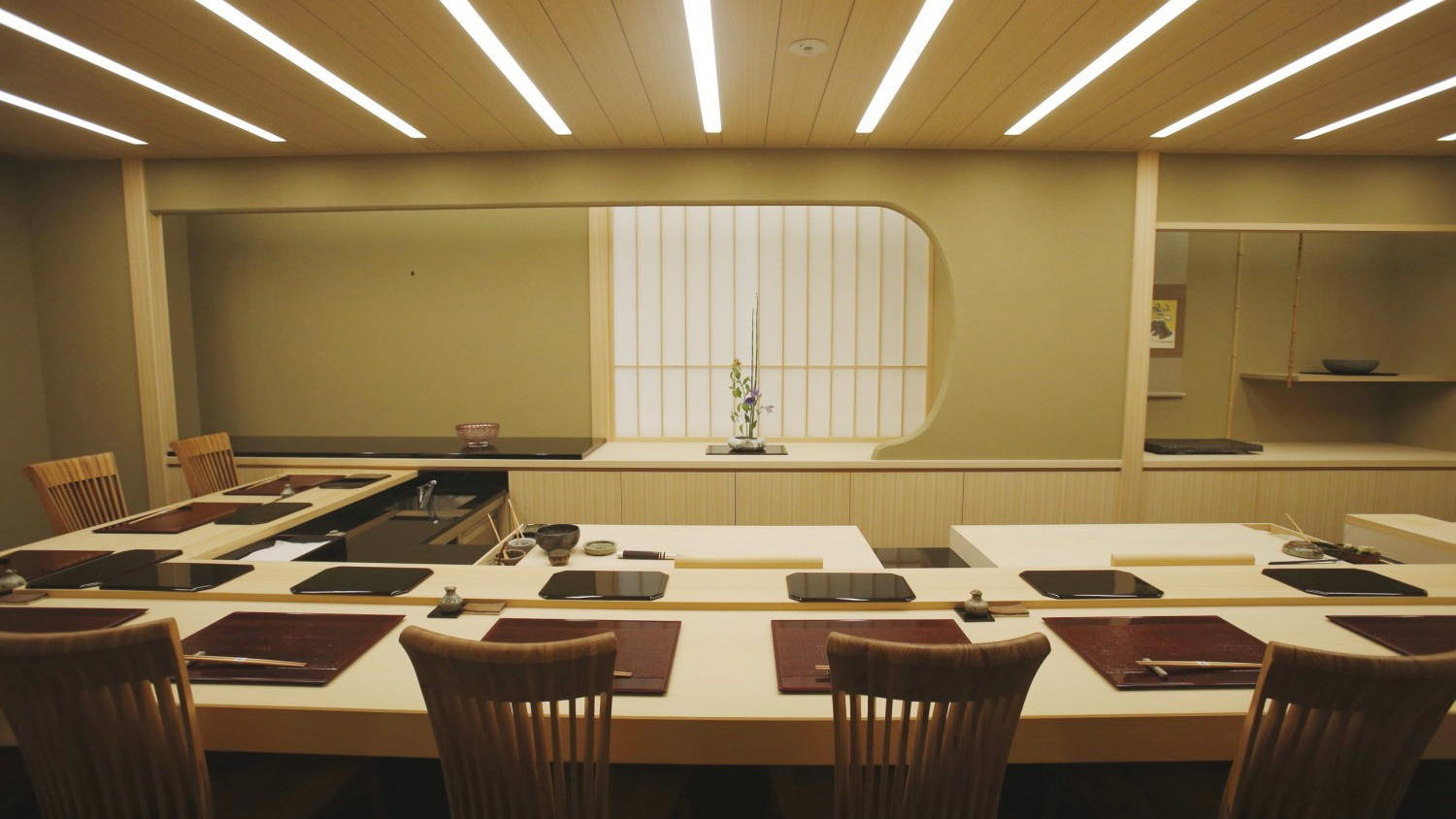
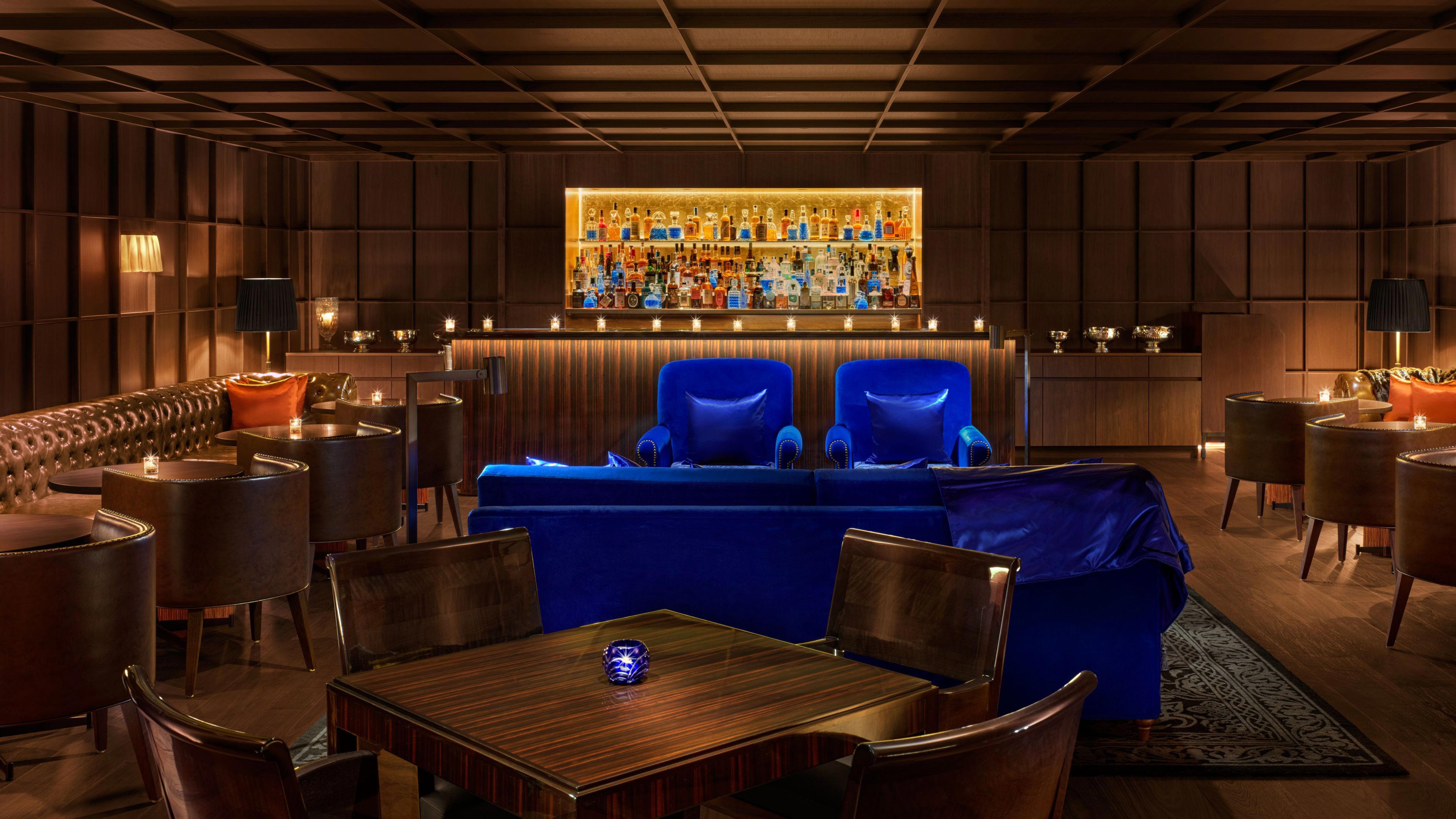
Refined Kyoto-inspired interior with shoji screens by sukiya craftsmen, creating an elegant and sophisticated atmosphere.